THE BEST WINTER OUTFITS: LOOKING STYLISH AND STAYING WARM ALL SEASON LONG
Winter has a way of slowing life down. The mornings feel quieter, the air sharper, and getting dressed becomes an entirely different experience from the easy choices of spring or summer. There is something strangely comforting about wrapping yourself in warm layers before stepping outside, yet many people struggle with winter style. They either default to bulky layers that feel heavy and unflattering or choose lighter pieces that leave them freezing within minutes. Finding the balance between style and warmth can feel like a puzzle. I used to be someone who approached winter getting dressed with mild frustration. I would toss on whatever coat was closest to the door, hoping it would be enough, and then spend the rest of the day shivering or tugging at layers that didn’t feel quite right. It took me years to learn that best winter outfits isn’t about piling on more clothing it’s about choosing the right clothing and layering with intention.
This article explores how to build winter outfits that not only keep you warm but also make you feel confident, put-together, and expressive. Think of it as a long, cozy editorial guide that teaches you how to use winter fashion to your advantage through fabrics, layering techniques, outfit composition, texture pairing, and real-world outfit examples. Winter style doesn’t need to be complicated. In fact, once you understand a few essential principles, it becomes one of the most enjoyable seasons to dress for.
THE ART OF WINTER LAYERING: THE FOUNDATION OF EVERY GREAT WINTER OUTFIT
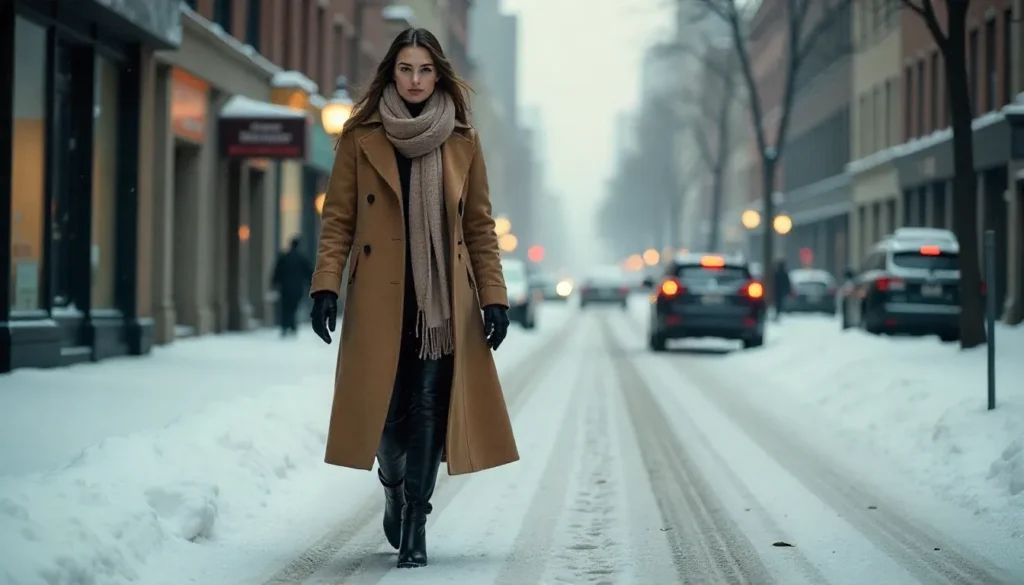
Winter fashion begins with one central principle: layering. Not bulky layering, not random layering, but thoughtful, strategic layering that keeps you warm without making you feel like you’re wrapped in a sleeping bag. Layering is the backbone of every stylish winter outfit, and mastering it will change the way you approach cold-weather dressing.
The first layer, the one closest to your skin, is more important than most people realize. A thin thermal or merino wool base layer traps body heat while remaining breathable, which prevents the chilly discomfort caused by cotton shirts that soak in moisture. This is the layer that makes it possible to wear a slim sweater or even a lightweight top under a winter coat without sacrificing warmth. When your base layer works well, you instantly feel warmer with far less bulk.
The second layer, known as the insulation layer, is where your personal style starts to shine through. This is usually a sweater, cardigan, or fleece something soft, warm, and visible when you remove your coat. The best mid-layers blend comfort with structure. A fitted turtleneck gives clean lines under a tailored coat, while a chunky knit sweater adds dimension and texture. Both can be equally stylish depending on the aesthetic you’re aiming for. Choosing materials like wool, cashmere, or fleece ensures you stay warm even on the coldest days.
The outer layer, typically a coat or jacket, is the first thing the world sees, and it plays a major role in both warmth and aesthetic. A wool coat creates a sophisticated silhouette with clean structure and movement, perfect for urban or office settings. Meanwhile, a down puffer provides exceptional insulation and weather protection, ideal for extremely cold regions or snowy climates. Each coat serves a specific purpose, and many people benefit from owning both a dressier option for polished outfits and a more practical one for harsh weather.
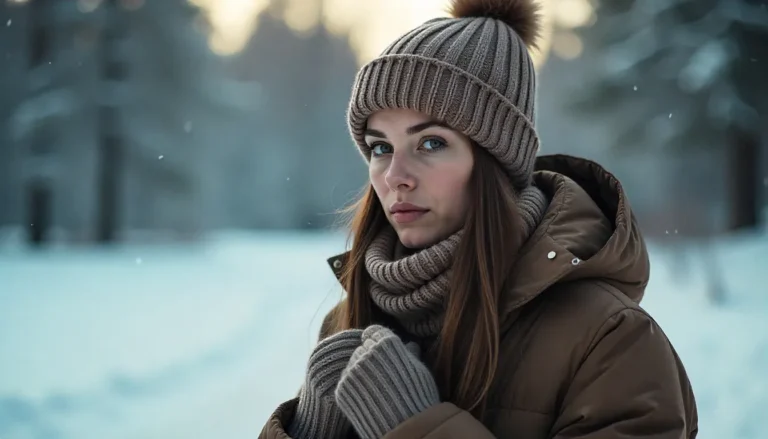
Layering doesn’t stop at clothing. Accessories like scarves, gloves, socks, and hats add extra insulation and often make the difference between shivering all day and feeling perfectly warm. Even the color and texture of these accessories can elevate a winter outfit, making a simple coat look intentional and styled. The key is synergy getting each layer to work together visually and functionally.
BUILDING BEST WINTER OUTFITS: CREATING WARMTH AND VISUAL BALANCE
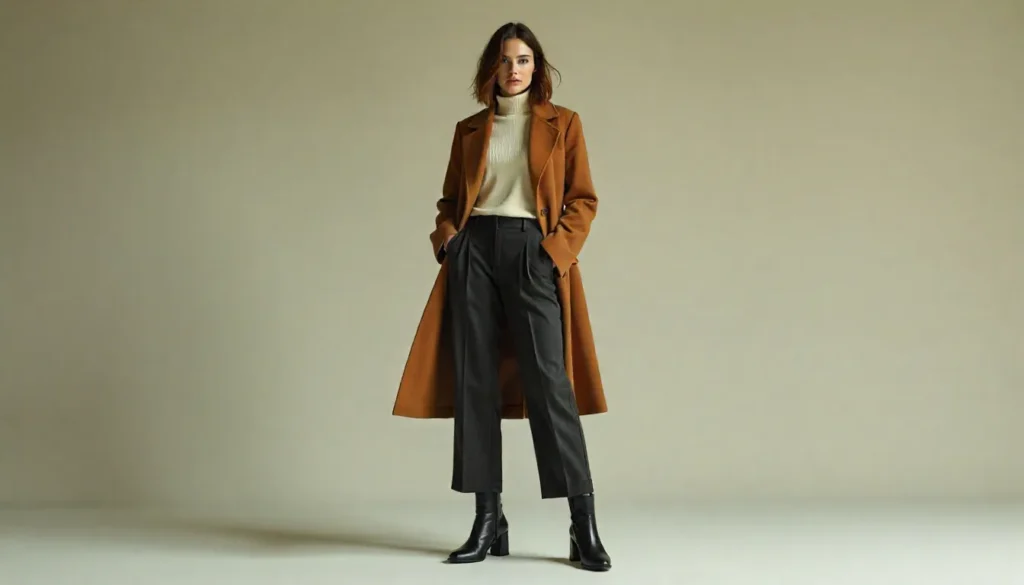
Best Winter outfits feel most polished when they maintain a sense of proportion. Because cold-weather pieces tend to be heavier, creating balance becomes essential. Oversized sweaters pair beautifully with straight or slim-leg bottoms because the contrast keeps the outfit from appearing shapeless. On the other hand, wide-leg trousers look elegant with fitted turtlenecks or sleek knit tops, ensuring the silhouette still feels structured.
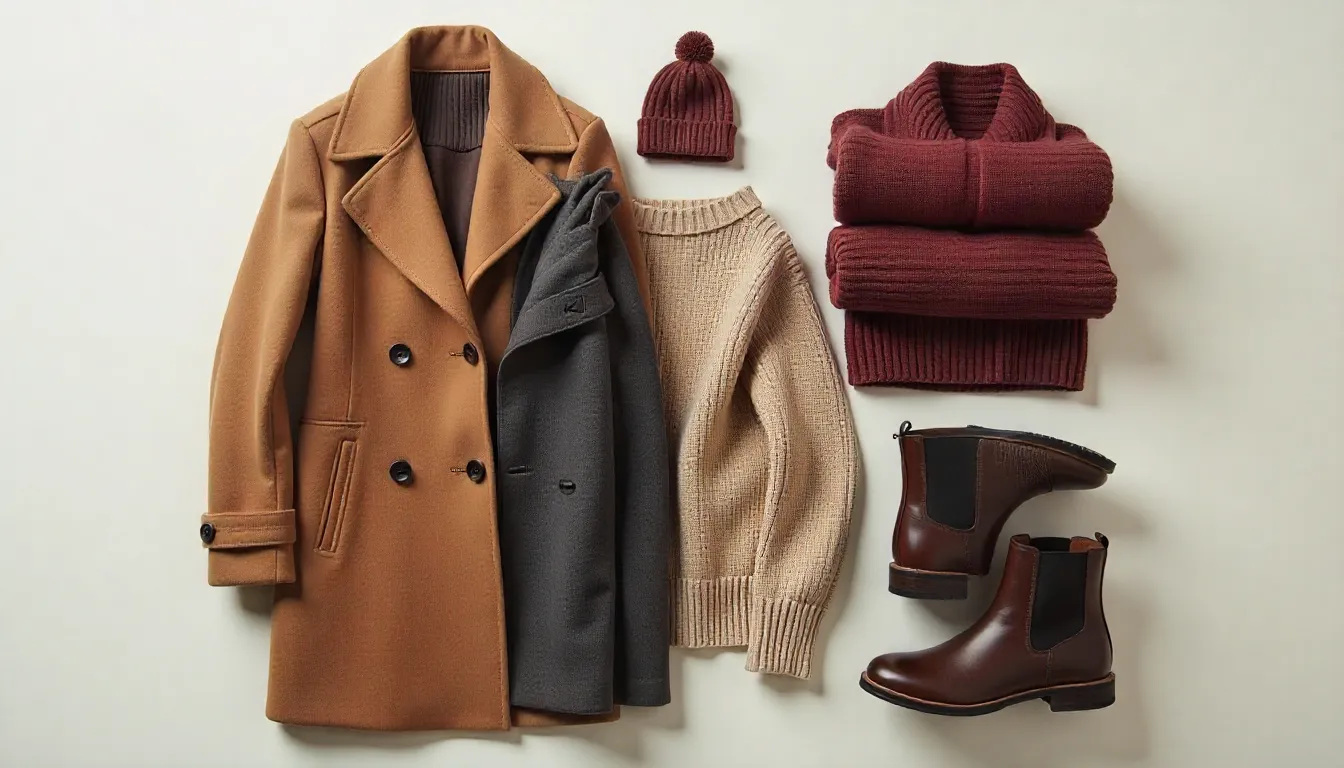
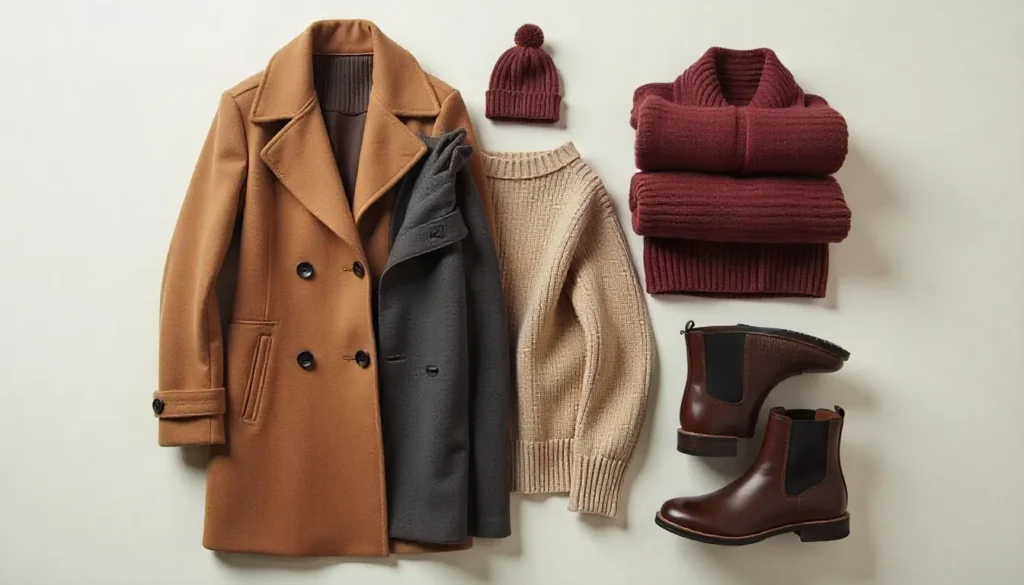
One of the secrets of winter dressing is texture. Winter is the only season where you can comfortably wear thick wool, soft cashmere, faux fur, leather, suede, velvet, knits, and Sherpa all at the same time if you wanted. These textures add richness and depth to your outfits, giving them visual interest even when the color palette is simple. A wool coat layered over a cable-knit sweater paired with leather boots feels multidimensional and luxurious without any complicated styling.
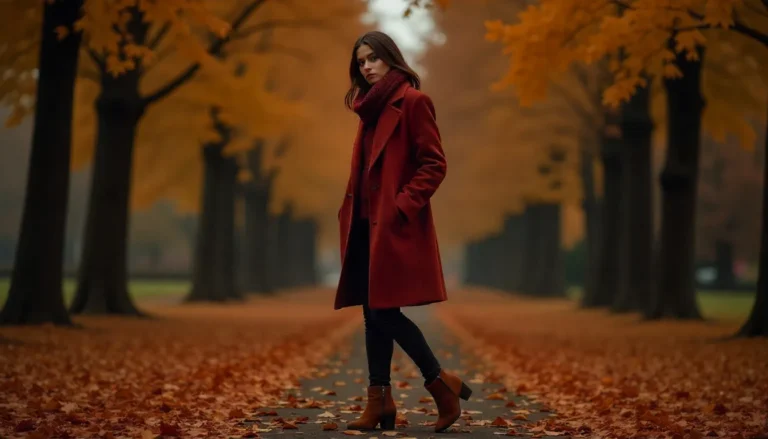
Color also plays a surprisingly strong role. While neutrals have always dominated winter fashion cream, camel, gray, black, navy, olive they create an easy foundation for building outfits. But winter also gives you the opportunity to experiment with deeper tones like burgundy, mustard, forest green, chocolate brown, and muted blues. Even a colorful scarf or beanie can add vibrancy to an otherwise minimal outfit. For those who prefer monochrome dressing, winter is the perfect season to wear outfits composed entirely of varying shades of one color, creating chic, streamlined looks that feel modern and fashionable.
Shoes complete winter outfits in a way that’s both practical and stylish. A well-chosen pair of winter boots can transform an outfit while keeping your feet warm, dry, and supported. Ankle boots add polish, knee-high boots elongate the legs and work beautifully with skirts, and snow boots offer essential traction for slippery conditions. Choosing footwear with good insulation and sturdy soles can make winter days significantly more comfortable.
THE BEST WINTER OUTFITS FOR EVERYDAY LIFE: HOW PEOPLE ACTUALLY DRESS IN WINTER
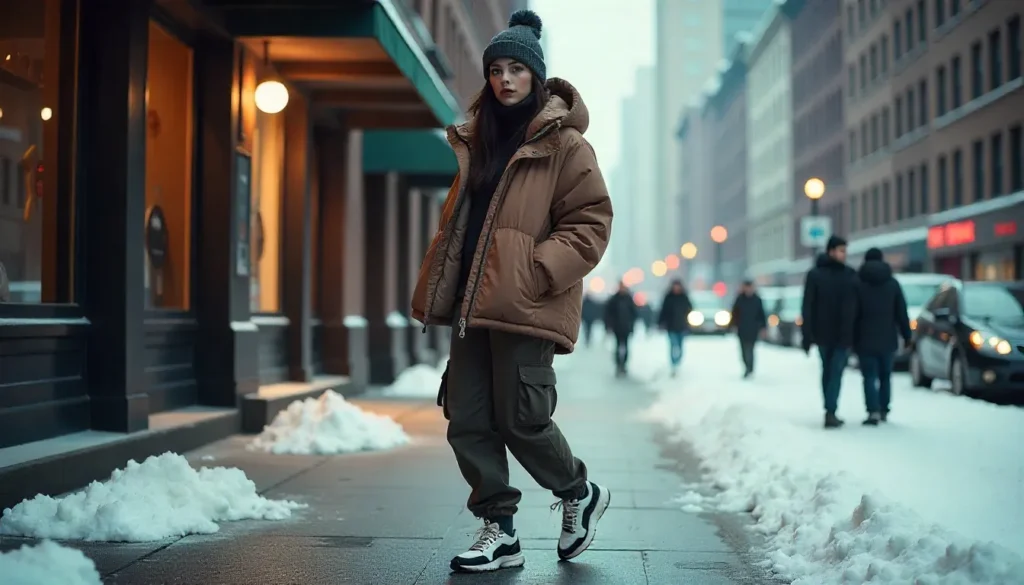
Winter style changes depending on your daily routine. Someone commuting to an office will dress differently than someone going to school, a winter date, or a weekend trip. The best winter outfits not only express your personal style but also fit your lifestyle and climate.
For everyday errands or casual outings, comfort becomes a priority. Many people gravitate toward a warm knit sweater layered over a simple base layer, paired with fleece-lined leggings or straight-leg denim. A long puffer coat adds warmth for walking outdoors, while a beanie and scarf complete the look. This kind of outfit feels relaxed but still put-together, making it ideal for shopping, coffee runs, or daily routines.
City commuters often face harsher conditions. Long wool coats create an elegant silhouette, especially when paired with structured trousers, sleek boots, and a fitted turtleneck. The key is choosing fabrics that keep you warm without feeling heavy during long walks or train rides. Cashmere scarves, lined gloves, and durable leather boots are staples for commuters who spend chunks of time outside.
Students typically prefer a more relaxed, functional winter uniform. Hoodies layered under insulated jackets or oversized puffers create a trendy yet warm combination. Thick joggers or fitted jeans paired with winter sneakers or boots make it easy to move between classes while staying warm. Beanies, backpacks, and crossbody bags complete these outfits in a practical way.
Winter date-night outfits tend to blend elegance with warmth. Sweater dresses paired with thick tights and knee-high boots create a feminine silhouette that feels both cozy and stylish. Adding a belted wool coat elevates the entire look, creating a beautiful balance of softness and structure. Textured coats like faux-fur, faux-shearling, or teddy coats offer warmth with a touch of romantic charm.
For winter travel, the best outfits prioritize mobility and comfort. A lightweight puffer or quilted jacket layered over a thermal top and soft joggers makes moving through airports much easier. Slip-on boots work well for security checks, while a wide scarf can double as a blanket during flights. The secret is wearing layers that you can easily remove or adjust as temperatures fluctuate during travel.
UNDERSTANDING ESSENTIAL WINTER FABRICS AND WHY THEY MATTER

Not all winter fabrics are created equal, and understanding them can significantly improve the comfort and longevity of your winter wardrobe. Wool remains one of the most reliable winter materials because of its natural insulating properties. It retains heat exceptionally well, stays warm even when slightly damp, and offers durability that holds up over multiple seasons. Merino wool, in particular, is thinner, softer, and excellent for layering.
Cashmere provides luxurious softness without excess weight. While more delicate than wool, its warmth-to-weight ratio makes it ideal for sweaters and scarves that need to be warm yet light. Owning at least one high-quality cashmere piece can elevate your winter outfits effortlessly.
Down is essential for extreme cold. It is incredibly lightweight while offering high levels of insulation. The loft, or fluffiness, of down determines how much warmth it provides. Jackets filled with responsibly sourced down not only deliver superior insulation but also feel comfortable and breathable. Synthetic insulation offers a more affordable and vegan-friendly alternative while still providing strong warmth.
Fleece is another winter staple, especially for casual and athleisure outfits. It’s soft, lightweight, and quick-drying, making it ideal for layering in active or outdoor settings. Sherpa, often used in linings or outerwear collars, adds irresistible coziness to winter clothing.
Leather and faux leather act as wind-resistant barriers, making them great for winter boots, gloves, and jackets. They pair beautifully with soft winter fabrics, creating eye-catching contrast in textures.
Understanding fabric properties helps you determine what’s worth investing in and what’s best used as a secondary or decorative layer.
HOW TO MAINTAIN WINTER CLOTHING SO IT LASTS FOR YEARS
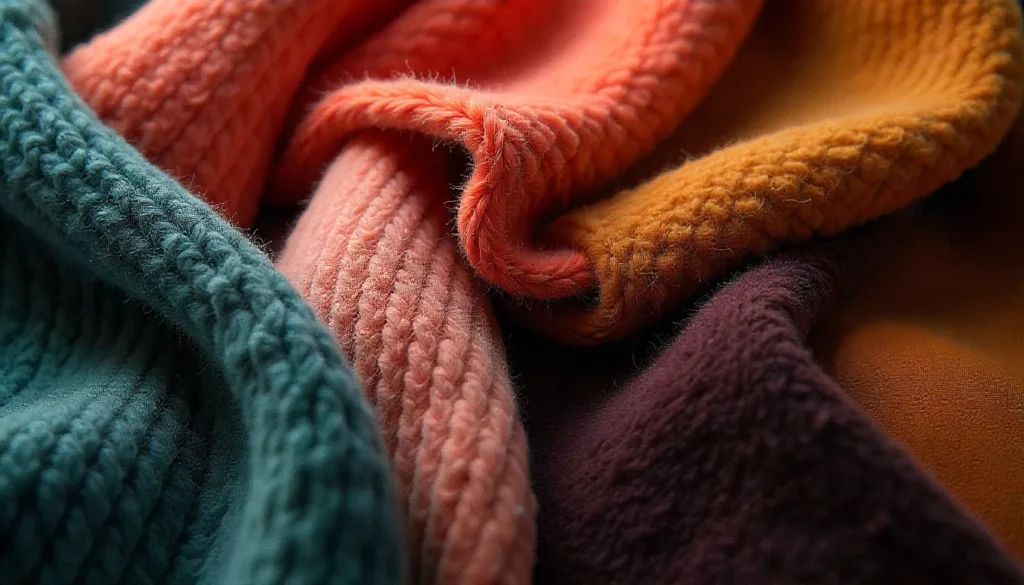
Winter clothing can be an investment, especially when you purchase quality coats, boots, or wool pieces. Maintaining these items properly ensures they stay in excellent condition. Sweaters made of wool or cashmere often develop small felted balls of fiber known as pilling. Using a simple fabric shaver or wool comb keeps the surface smooth and fresh. Coats, especially wool coats, benefit from occasional steaming to remove wrinkles and refresh their appearance. Leather and suede boots should be waterproofed before wearing them in rain or snow to prevent staining and cracking.
Accessories need care as well. Scarves, hats, and gloves should be washed gently, especially when made of delicate natural fibers. Winter clothing tends to tolerate fewer washes because many garments are outer layers that don’t sit directly on your skin. Airing them out and brushing off debris often extends their use between cleanings.
Your winter wardrobe can last for many years if properly cared for, and this longevity not only saves money but also contributes to sustainability by reducing the frequency of buying and discarding clothing.
COMMON MISTAKES PEOPLE MAKE WHEN DRESSING FOR WINTER AND HOW TO AVOID THEM
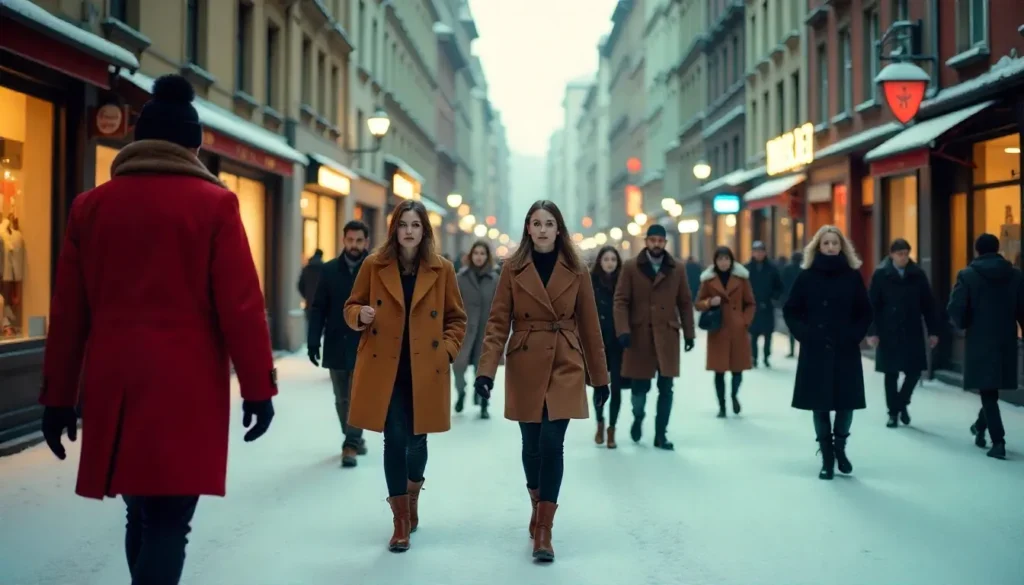
Many people unknowingly make mistakes that impact both their comfort and style in winter. One of the most common mistakes is relying on bulky clothing instead of warm fabrics. Thick cotton sweaters might look warm but often absorb moisture and provide little insulation. Wearing too many heavy layers can make you feel weighed down without offering real warmth.
Another mistake is skipping essential accessories. A warm outfit without a scarf or gloves can leave you uncomfortable, as a significant percentage of body heat escapes through your extremities. Shoes are another overlooked factor. Wearing fashionable boots without proper traction can be dangerous in icy conditions. Choosing footwear that combines style with practicality is crucial.
Some people also underestimate the importance of waterproofing. Snow, slush, and winter rain can quickly damage suede boots or wool coats. Using waterproof spray and protective products gives your clothing another layer of defense.
Color imbalance is another subtle mistake. Dressing entirely in dark colors can become visually dull, especially in a season already lacking color. Adding even one lighter or richer shade can transform your outfit’s appearance and energy.
HOW TO CREATE A WINTER CAPSULE WARDROBE THAT WORKS FOR ANY OCCASION
A winter capsule wardrobe is a small, curated collection of high-quality pieces that mix well together to create dozens of outfits. This approach simplifies getting dressed while still offering endless style possibilities. The foundation usually begins with two coats one for warmth and one for elegance. A puffer and a wool coat often cover nearly all winter situations.
Next come sweaters. A combination of chunky knits, fitted turtlenecks, and soft cashmere pieces ensures you have warmth and variety. For bottoms, classic straight-leg jeans, wool trousers, and comfortable leggings or thick joggers provide flexibility for work, travel, and casual days.
Neutral colors help create a cohesive capsule, but adding a few seasonal shades keeps it interesting. Accessories like scarves, gloves, and hats become the finishing touches that give personality to each outfit. With just a handful of well-chosen items, you can easily build a winter wardrobe that is functional, stylish, and easy to maintain.
THE PSYCHOLOGY OF WINTER FASHION: WHY CLOTHES MATTER MORE IN THE COLD
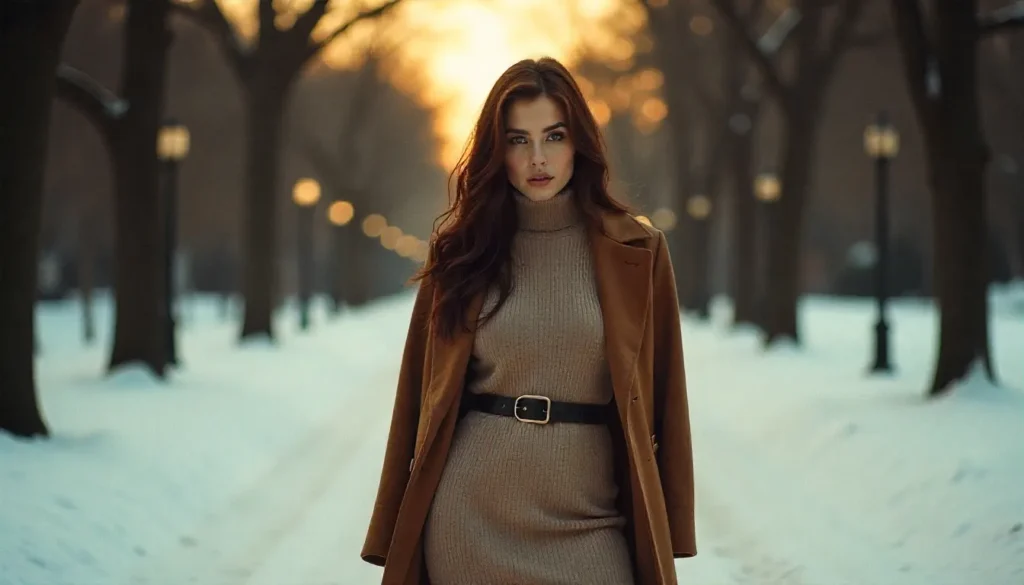
Winter affects people emotionally and physically. Shorter days, colder temperatures, and longer nights can influence mood and energy levels. Dressing well in winter isn’t simply about looking good it’s also about feeling good. Warm, comfortable clothing can lift your mood, increase productivity, and help you feel more confident during an otherwise difficult season.
Texture and color play a big role in how winter clothing affects your emotions. Soft fabrics like wool and cashmere provide comfort, while warm tones like browns, creams, and earthy reds can create a sense of coziness. Dressing thoughtfully becomes a form of self-care during the coldest months.
WHY WINTER IS ACTUALLY THE BEST SEASON FOR FASHION
While summer relies heavily on minimal pieces, winter opens the door for more creativity. You can mix textures, layer colors, experiment with silhouettes, and accessorize with scarves, hats, and boots. Winter allows you to become more intentional about dressing, turning each outfit into a small creative project.
The presence of coats alone offers endless styling options. A single outfit can look completely different depending on whether you add a belted wool coat, a faux-fur jacket, or a quilted puffer. Winter fashion encourages creativity by allowing more variables to play with.
CONCLUSION:
The best winter outfits aren’t about wearing the most layers they’re about choosing the right layers. Warm fabrics, thoughtful layering, proportional silhouettes, and cozy accessories create winter outfits that keep you comfortable without sacrificing style. Once you understand how to combine warmth with visual harmony, winter becomes an exciting season to dress for rather than a chore.
By investing in a few high-quality pieces, maintaining them well, and learning to layer intelligently, you can create winter outfits that feel stylish, comfortable, and completely aligned with your personal aesthetic. Winter is a season full of texture, color, and opportunity embrace it with confidence.
FAQs
What coats are the warmest for winter?
Down parkas and insulated puffers offer the highest levels of warmth due to their ability to trap heat efficiently.
Which fabrics are best for winter clothing?
Wool, merino wool, cashmere, fleece, down, sherpa, and insulated synthetics provide excellent warmth.
How can I stay warm without looking bulky?
Wear a thin thermal base layer, add a warm mid-layer, and top it with a fitted coat while using accessories to conserve heat.
Are puffer jackets still fashionable?
Yes. Modern puffers come in cropped, long, oversized, belted, and structured designs that remain highly on-trend.
What shoes are best for icy conditions?
Winter boots with non-slip soles and waterproof materials provide safety and warmth on slippery days.