Altered Clothing: The Smart Way to a Flawless Custom Fit
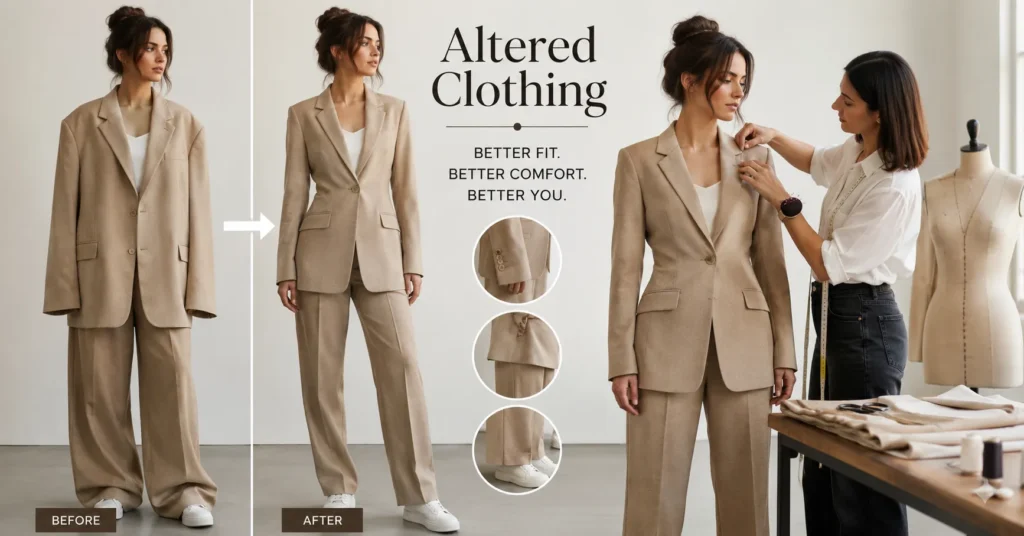
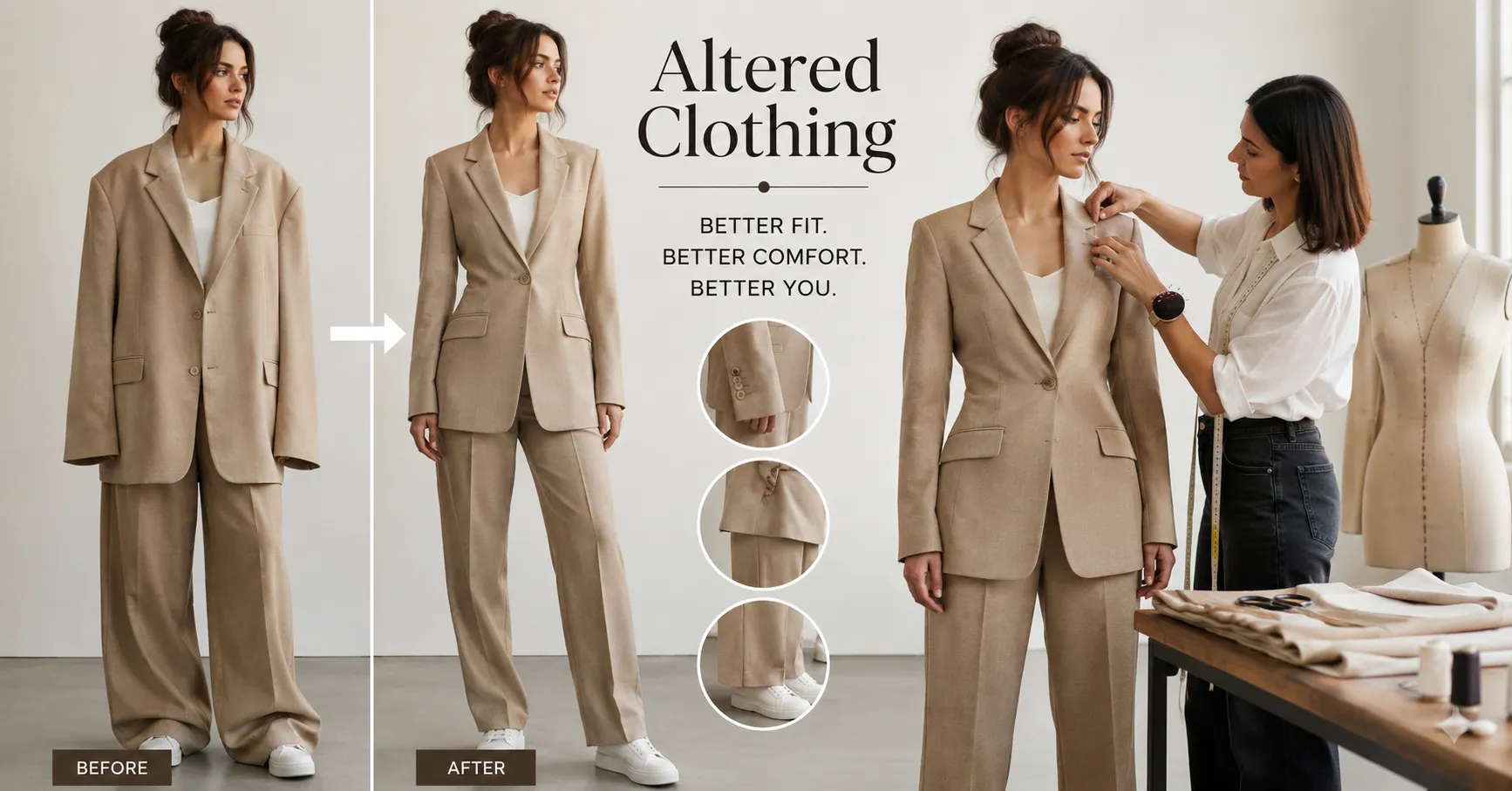
You buy a jacket you love, but the sleeves swallow your hands. A dress hugs perfectly at the waist yet gapes at the shoulders. This is where altered clothing changes everything. Instead of settling for “close enough,” you reshape garments to fit your body exactly. Clothing alterations turn off-the-rack pieces into custom fit clothing that looks like it was made for you. In this guide, you’ll learn what garment alteration involves, what it costs, and how tailoring services help you build a wardrobe you actually want to wear.
What Is Altered Clothing?
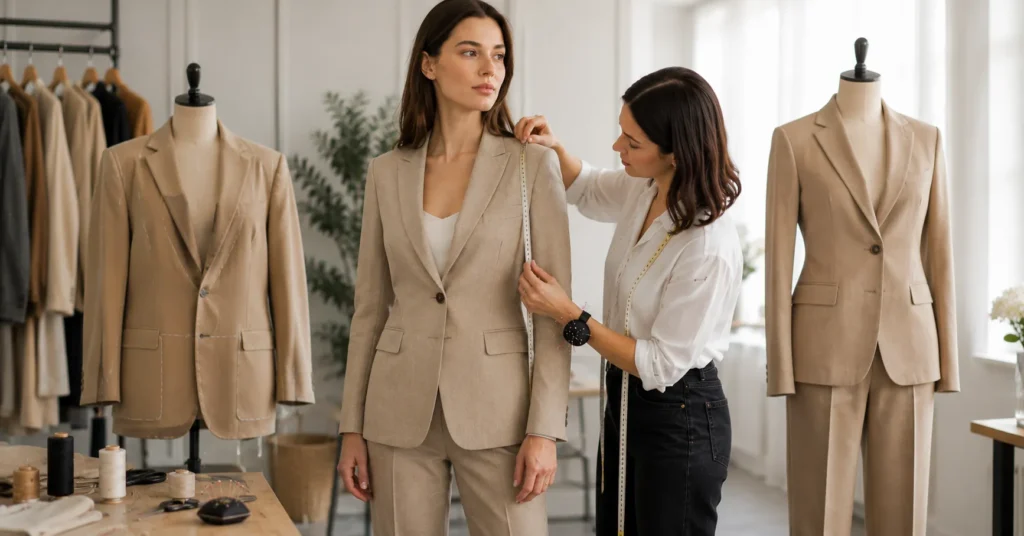
Altered clothing is any garment adjusted after purchase to change its fit, length, or shape. A professional tailor uses sewing alterations to reshape seams, shorten hems, or resize clothing so it matches your measurements.
Most people assume clothes come ready to wear. They rarely do. Standard sizing follows an average body that few of us match exactly. That gap between “standard” and “your body” is what alterations close.
Garment alteration covers small tweaks and major reworks. You might take in a waistband by an inch or rebuild the shoulders of a blazer. Both count as altered clothing.
Why Alterations Matter More Than You Think
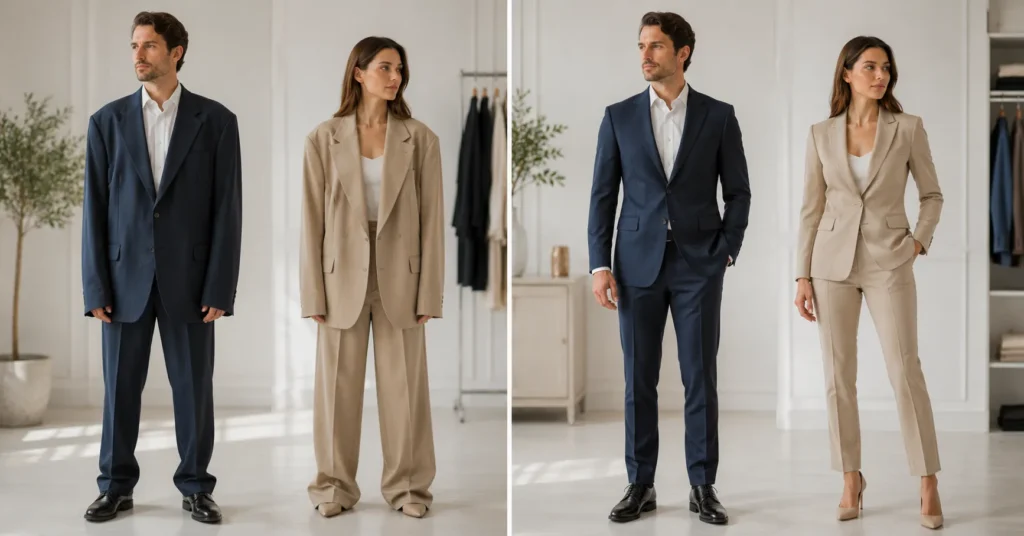
A great fit does more than look sharp. It affects comfort, confidence, and how long your clothes last.
Here’s what proper clothes tailoring delivers:
- A bespoke fit without the bespoke price tag
- Longer garment life, since well-fitted clothes wear more evenly
- Less waste, because you keep pieces instead of tossing them
- A wardrobe refresh using items you already own
Off-the-rack clothing is built for volume, not for you. Tailoring services fix that. They adjust the fabric to your frame, not the other way around.
Common Types of Clothing Alterations
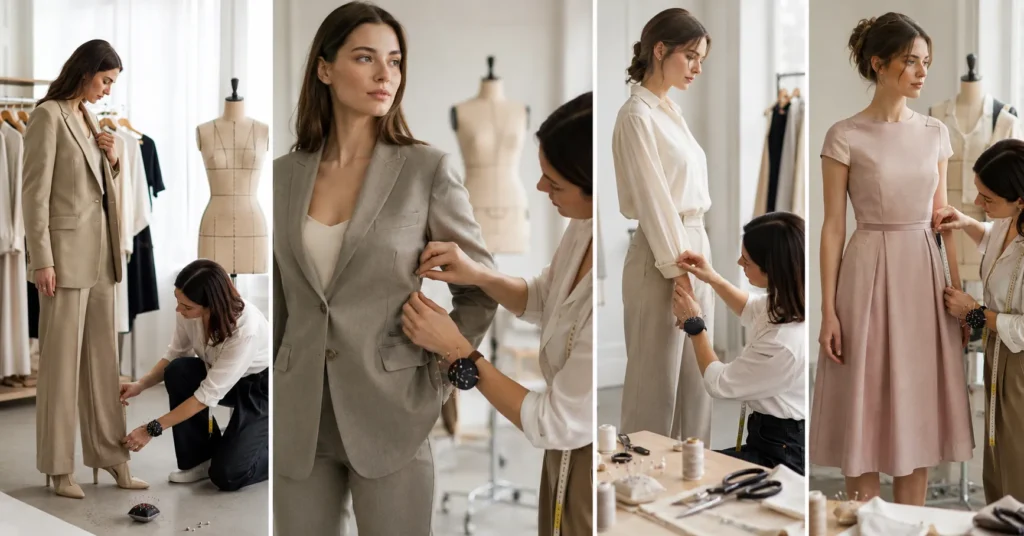
Different garments need different work. Below is a breakdown of the most requested sewing alterations and what each one solves.
| Alteration Type | What It Fixes | Common Garments |
| Hemming | Length that’s too long | Trousers, dresses, skirts |
| Taking in | Excess width or bagginess | Shirts, jackets, waistbands |
| Letting out | Tightness or restricted movement | Suits, dresses, pants |
| Sleeve shortening | Overlong sleeves | Blazers, coats, shirts |
| Waist adjustment | Loose or tight waistbands | Trousers, skirts |
| Zipper replacement | Broken or stuck closures | Jackets, dresses, bags |
Hemming and Length Adjustments
Hemming is the most common alteration. If your trousers pool at the ankle or your dress drags, a tailor trims and re-stitches the hem to the right length. It’s quick, affordable, and instantly improves how an outfit reads.
Taking In and Letting Out
Bodies change. So do preferences. Taking a garment in removes excess fabric for a slimmer line. Letting it out uses hidden seam allowance to add room. Both keep clothes wearable through weight shifts and style changes.
Structural Reshaping
Some jobs go deeper. Reshaping shoulders, tapering a shirt, or rebuilding a jacket’s silhouette requires real skill. This is where a professional tailor earns their reputation.
Dress Alterations: Getting Special Occasions Right
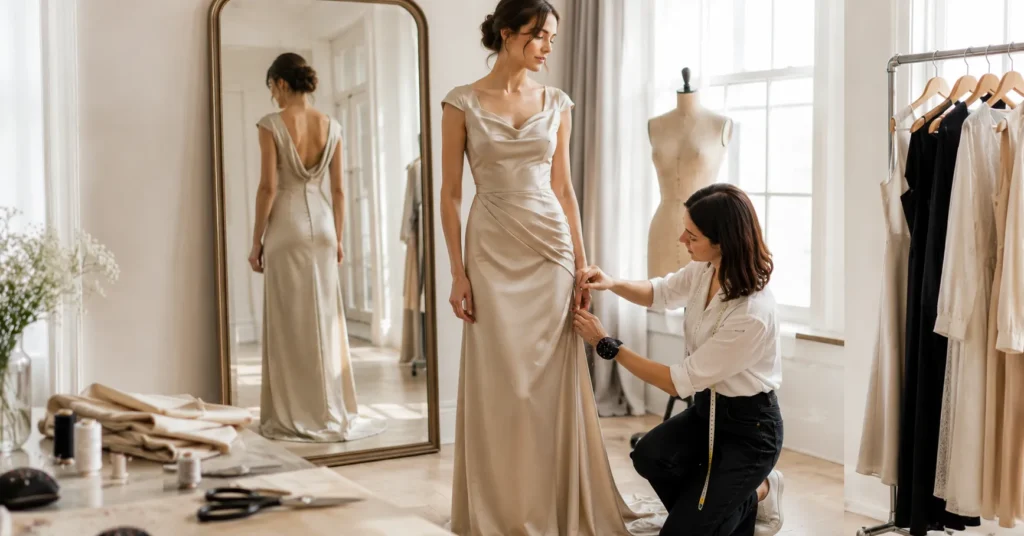
Dress alterations deserve their own focus. Formal wear rarely fits straight off the rack, and the stakes feel higher.
Common dress adjustments include:
- Taking in or letting out the bodice
- Adjusting hemlines for the right shoe height
- Adding or removing straps
- Bustling a train for wedding gowns
A wedding dress often needs two or three fittings. That’s normal. The goal is a gown that moves with you and photographs beautifully from every angle.
Suit Tailoring: Where Fit Really Shows
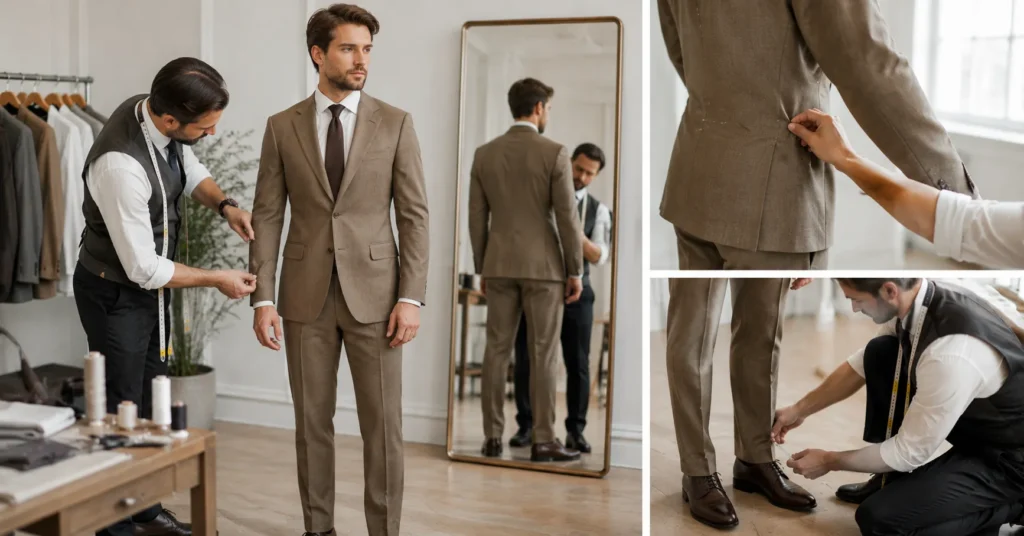
A suit is the clearest example of why altered clothing matters. An expensive suit that fits poorly looks worse than a budget suit that fits well.
Suit tailoring usually focuses on these areas:
| Suit Area | Typical Adjustment | Impact on Fit |
| Jacket sleeves | Shortened to show shirt cuff | Sharpens overall proportion |
| Jacket waist | Taken in for a tapered shape | Removes boxy, oversized look |
| Trouser hem | Set to correct break | Cleans up the leg line |
| Shoulders | Reshaped to sit flush | Fixes the hardest fit problem |
Shoulders are the toughest fix and the most expensive. Buy a suit with shoulders that already fit, then tailor the rest.
The Cost of Altered Clothing
Price depends on the garment, the fabric, and the complexity. Here’s a general range to set expectations.
| Service | Typical Price Range |
| Trouser hemming | $12 – $25 |
| Taking in a shirt | $20 – $40 |
| Suit jacket adjustment | $40 – $100 |
| Dress alteration | $30 – $150 |
| Wedding gown alteration | $150 – $600+ |
| Zipper replacement | $15 – $50 |
Prices vary by location and tailor experience. Complex reshaping costs more than a simple hem, but even higher-end alterations usually cost less than buying a replacement garment.
Altered Clothing and Sustainable Fashion
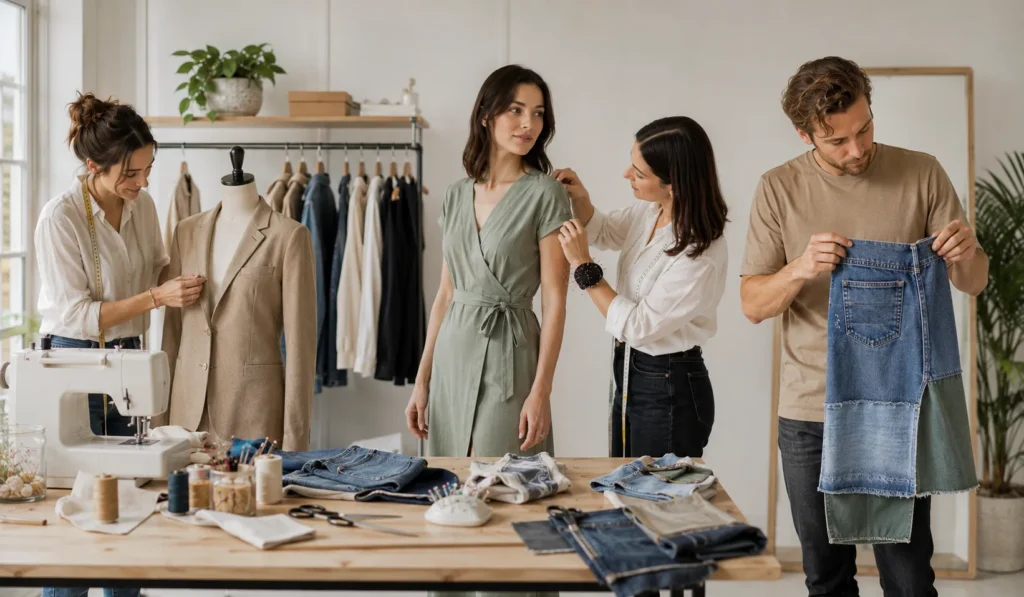
Fast fashion floods landfills with barely worn clothes. Altering what you own pushes back against that cycle.
When you resize clothing instead of replacing it, you cut waste and reduce demand for new production. Sustainable fashion isn’t only about buying better. It’s about keeping and caring for what you already have.
Upcycling clothes takes this further. A dated dress becomes a modern skirt. A worn pair of jeans turns into shorts. Creative garment alteration extends the life of fabric that would otherwise be discarded.
When to Choose Alterations Over Buying New
Not every garment is worth altering. Use these guidelines to decide.
Alter it when:
- The fabric and construction are good quality
- The fit issue is fixable, like length or width
- You genuinely love the piece
- The alteration costs less than a comparable replacement
Skip alterations when:
- The garment is cheaply made and worn out
- The fit problem is structural and costly to fix
- The cost of tailoring exceeds the item’s value
A well-made piece almost always justifies alteration. A throwaway item usually doesn’t.
How to Find Reliable Tailoring Services
The quality of your altered clothing depends on the person doing the work. A skilled professional tailor makes adjustments invisible. A rushed one leaves puckered seams and uneven hems.
Look for these signs of a good tailor:
- Clear pricing before work begins
- A proper fitting with pins, not just guesswork
- Honest advice on what’s worth altering
- Examples of past work or strong reviews
Ask questions before you commit. A tailor confident in their craft will explain exactly what they plan to do and why.
How to Prepare for a Fitting
A little preparation makes clothes tailoring smoother and more accurate.
Follow these steps:
- Wear the shoes you’ll pair with the garment.
- Bring any undergarments you’ll wear with it.
- Try the piece on before the fitting so you know the issues.
- Be clear about the look you want.
- Ask about turnaround time upfront.
Accurate measurements are the foundation of custom fit clothing. The more information your tailor has, the better the result.
Caring for Altered Garments
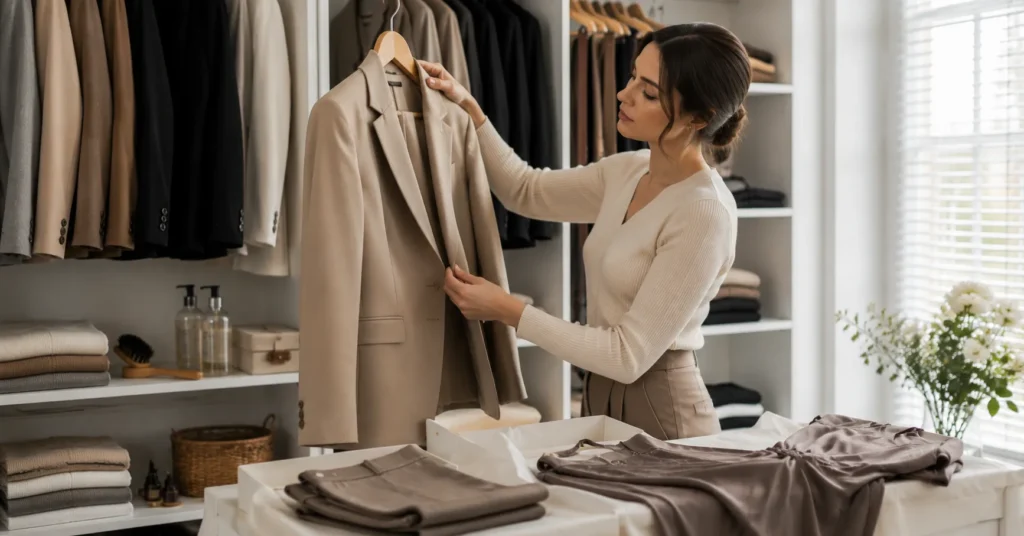
Once your clothes fit, keep them that way. Proper care protects the work.
- Follow the fabric’s washing instructions closely.
- Store structured pieces on proper hangers.
- Address minor repairs early before they grow.
- Revisit the tailor if your body changes over time.
Altered clothing is an investment in fit. Simple maintenance keeps that investment paying off for years.
Conclusion
Altered clothing gives you something ready-made fashion rarely does: a fit built around your actual body. Whether it’s a quick hem, a full suit tailoring job, or dress alterations for a big day, small adjustments make a big difference in how you look and feel.
The benefits stack up fast. You save money, cut waste, and get a bespoke fit from clothes you already own. A good professional tailor turns “almost right” into exactly right. Start with one piece you love but never wear because of the fit. Take it in for alterations. You’ll likely wonder why you waited so long to make your wardrobe truly yours.
Frequently Asked Questions (FAQs) about Altered Clothing
How much can a garment be altered?
Most garments can be taken in significantly, but letting out is limited by the seam allowance sewn into the piece. A skilled tailor can tell you exactly how much room there is once they inspect the seams.
How long do clothing alterations take?
Simple jobs like hemming often take a few days. Complex work such as reshaping a jacket or altering a wedding gown can take one to three weeks, especially with multiple fittings.
Is it cheaper to alter clothes or buy new ones?
For quality garments, altering is usually cheaper than replacing. A hem or waist adjustment costs a fraction of a new item. For cheap, worn-out pieces, buying new may make more sense.
Can any clothing be resized?
Most can, but results depend on fabric, construction, and the amount of adjustment needed. Heavily structured or delicate garments are trickier and may cost more to resize.
Do alterations damage the clothing?
Done by a professional tailor, alterations don’t damage clothes. Original stitching is removed carefully and re-sewn cleanly. Poor work is where problems happen, so choose your tailor carefully.
What’s the difference between alterations and tailoring?
Alterations adjust an existing garment’s fit. Tailoring is the broader craft of constructing and shaping clothing. In everyday use, people often use the terms interchangeably.
Can I alter clothing at home?
Simple sewing alterations like a basic hem are doable with practice. Complex reshaping, suit work, and formal wear are best left to a professional to avoid costly mistakes.
How do alterations support sustainable fashion?
Altering and upcycling clothes keeps garments in use longer. That reduces textile waste and lowers demand for new production, making it a practical step toward sustainable fashion.