A Complete Guide to Styling Old Fashioned Outfits for Everyday Wear
Fashion trends constantly shift, but classic aesthetics remain permanently stylish. Many people find themselves drawn to the elegance, quality, and unique charm of past decades. Wearing old fashioned outfits allows you to step away from modern mass-produced clothing and embrace a more personal, timeless sense of style. Whether you love the sharp tailoring of the 1940s or the bold silhouettes of the 1950s, adding vintage elements to your wardrobe can completely transform your daily look.
We will explore the distinct characteristics of different fashion eras, the core elements of a vintage wardrobe, and practical ways to wear these classic pieces today. You will learn how to source authentic garments, care for delicate fabrics, and seamlessly blend the past with the present.
The Enduring Appeal of Vintage Fashion
Choosing to wear clothing from past decades offers far more than just a unique look. Vintage fashion represents a time when garments were built to last, featuring careful construction and high-quality materials.
Superior Craftsmanship
Decades ago, clothing manufacturers and home seamstresses prioritized durability. Garments featured French seams, generous hems, and sturdy natural fabrics. When you buy an authentic dress from the 1950s, you hold a piece of history designed to withstand years of wear.
Environmental Sustainability
Choosing pre-loved clothing directly combats the waste created by fast fashion. By wearing older garments, you extend their lifecycle and reduce the demand for new, heavily processed textiles.
Unique Personal Style
Standard retail stores often push a single, unified look each season. Vintage clothing gives you the freedom to mix silhouettes, patterns, and colors that most people do not wear. You stand out quietly through elegant tailoring and distinctive details.
Exploring Classic Eras of Style
To master this aesthetic, you must understand the defining features of different decades. Each era brought specific cuts, fabrics, and moods to the fashion landscape.
The Roaring 1920s: Flappers and Art Deco
The 1920s introduced a massive shift in how people dressed. Heavy corsets vanished, replaced by loose, drop-waist silhouettes.
- Key garments: Beaded shift dresses, cloche hats, and wide-leg trousers.
- Fabrics: Silk, chiffon, and velvet.
- Overall vibe: Glamorous, relaxed, and geometric.
To channel the 1920s today, try wearing a straight-cut slip dress with a long string of pearls. Add a velvet duster coat for evening events.
The 1930s and 1940s: Elegance and Utility
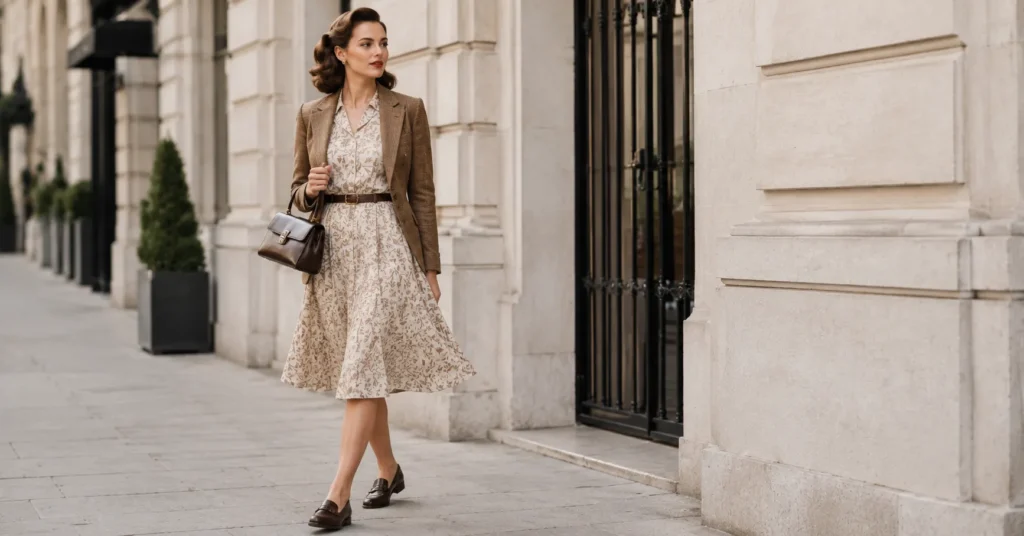
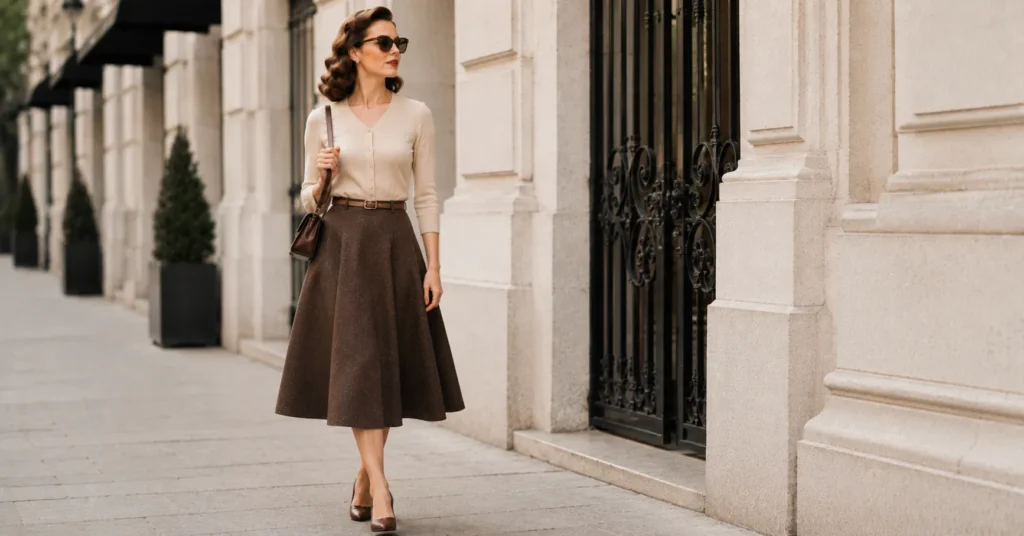
The 1930s brought back natural waistlines and introduced bias-cut gowns that draped beautifully over the body. The 1940s, influenced by wartime rationing, focused on utility. Clothing became practical, featuring padded shoulders and A-line skirts that fell just below the knee.
- Key garments: Tea dresses, high-waisted trousers, and fitted blazers.
- Fabrics: Rayon, wool, and sturdy cotton.
- Overall vibe: Tailored, practical, and sophisticated.
You can easily wear a 1940s-inspired tea dress to a modern office or a weekend brunch. Pair it with sensible leather loafers or Oxford shoes.
The 1950s: Rockabilly and Dior’s New Look
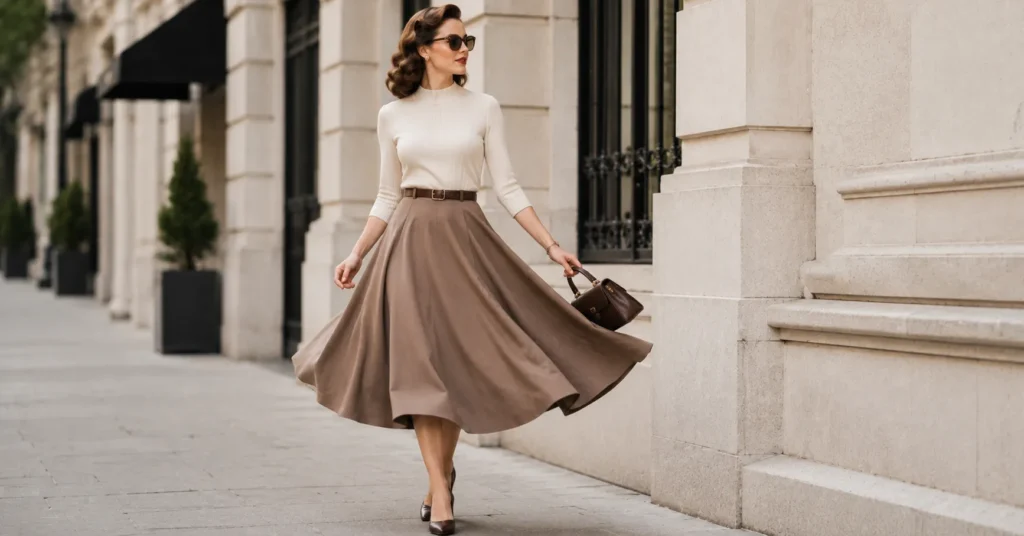
Following the austerity of the 1940s, the 1950s celebrated abundance. Christian Dior’s “New Look” dominated the decade with nipped-in waists and incredibly full skirts.
- Key garments: Circle skirts, sweetheart necklines, and twin sweater sets.
- Fabrics: Tulle, structured cotton, and taffeta.
- Overall vibe: Feminine, structured, and playful.
A high-waisted circle skirt paired with a fitted turtleneck provides a perfect nod to the 1950s without feeling like a costume.
The 1960s and 1970s: Mod Styles and Bohemian Flair
The 1960s broke the rules with short hemlines, bright colors, and boxy shifts. The 1970s transitioned into earthy tones, flowing fabrics, and a strong bohemian influence.
- Key garments (1960s): Miniskirts, shift dresses, and knee-high boots.
- Key garments (1970s): Bell-bottom jeans, peasant blouses, and maxi dresses.
- Overall vibe: Youthful, bold, and free-spirited.
Building Your Retro Wardrobe
Creating a wardrobe full of classic pieces takes patience. You do not need to replace all your modern clothes at once. Instead, focus on gathering a few highly versatile items.
Essential Foundation Pieces
Start with basic items that serve as the building blocks for multiple outfits.
- The tailored blouse: Look for blouses with distinct vintage details, such as Peter Pan collars, puff sleeves, or delicate lace trim.
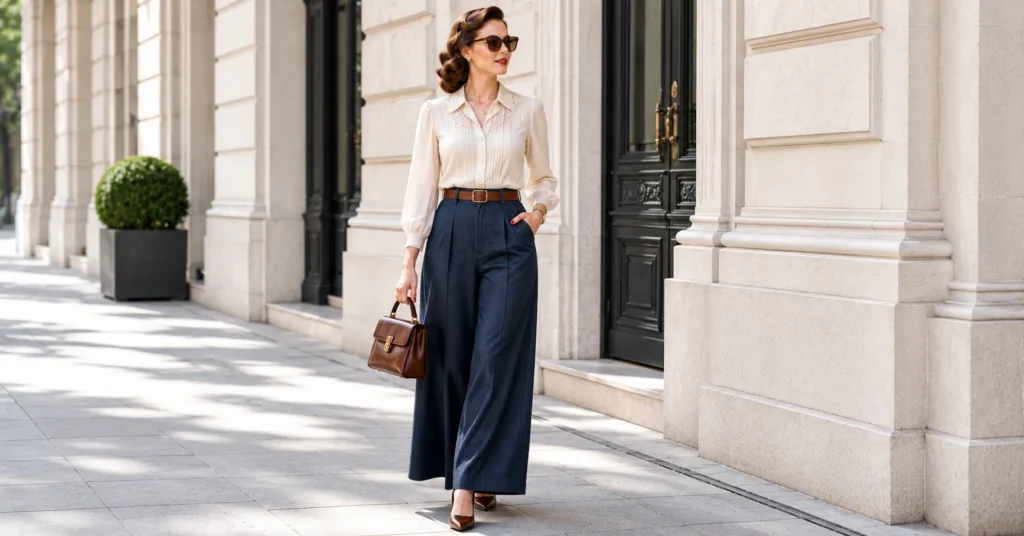
- High-waisted trousers: A pair of wide-leg trousers in wool or heavy cotton flatters almost every figure and immediately adds a retro feel.
- The A-line midi skirt: This versatile skirt works for both summer picnics and winter office days, depending on how you style it.
- The classic cardigan: A cropped, button-down cardigan pairs beautifully with high-waisted skirts and dresses.
Fabrics That Tell a Story
The material of your clothing dictates how it hangs and feels. Modern clothes often rely heavily on polyester and spandex. To achieve a true classic look, seek out natural fibers.
- Linen and Cotton: Perfect for warm weather, offering a crisp, clean appearance.
- Wool and Tweed: Essential for cold weather, providing excellent insulation and a rich texture.
- Silk and Rayon: Ideal for dresses and blouses, offering a beautiful drape that mimics the styles of the 1930s and 1940s.
How to Style Vintage Clothing Without Looking Like a Costume
The biggest challenge people face when wearing older styles is feeling like they are wearing a theatrical costume. The secret lies in balance and modern grooming.
Mix Old and New
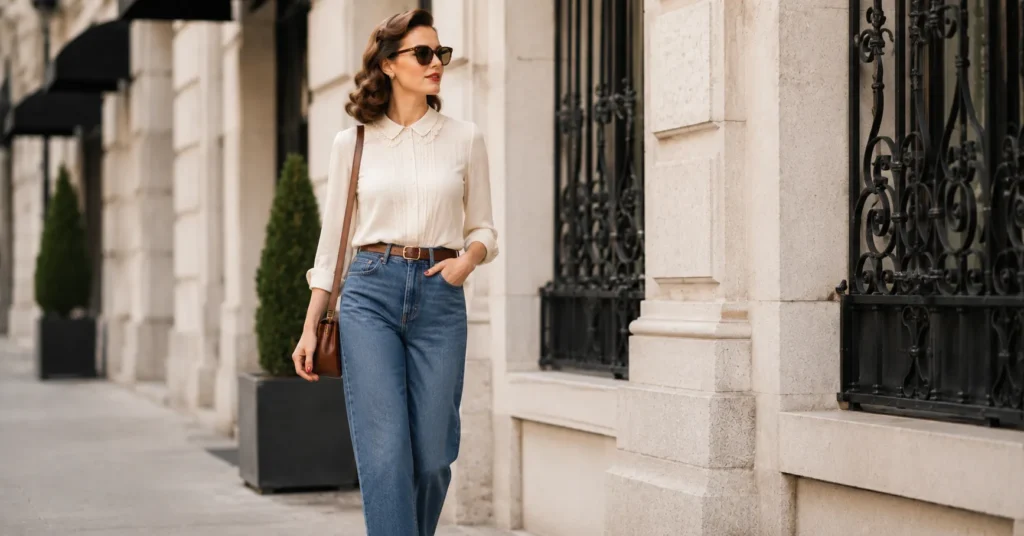
Never wear vintage from head to toe if you want a contemporary look. Pair an authentic 1950s blouse with modern, straight-leg jeans. Wear a 1940s wool blazer over a simple modern t-shirt. Mixing eras keeps your outfit grounded in the present.
Keep Hair and Makeup Simple
If your outfit features strong retro elements, keep your beauty routine fresh and modern. Instead of a highly structured vintage updo, wear your hair in loose waves or a sleek modern bob. If you wear a classic red lip, keep the rest of your makeup minimal.
Use Modern Accessories
You can instantly update an old fashioned dress by pairing it with contemporary accessories. A sleek, modern leather handbag and current sunglasses will tie the whole look into the present day.
Where to Find Authentic Vintage Clothing
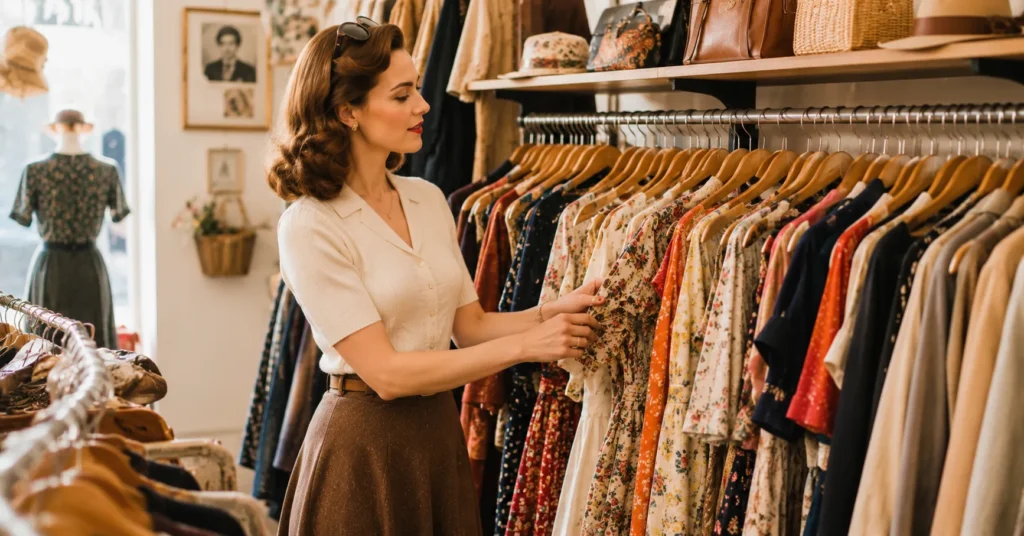
Hunting for the perfect piece is half the fun. You have several great options for sourcing classic garments.
Local Thrift and Antique Shops
Thrift stores sometimes hide incredible treasures. You must visit frequently and look closely at labels and fabrics. Antique malls often have dedicated clothing booths where sellers curate high-quality pieces from specific eras.
Online Marketplaces
Websites like Etsy and eBay offer massive selections of vintage clothing from all over the world. When shopping online, always check the garment’s exact measurements. Vintage sizing differs wildly from modern sizing. A dress labeled a size 12 from the 1960s might fit like a modern size 6.
Reproduction Brands
If you love the look of past decades but want brand-new clothing in modern sizes, reproduction brands offer a great alternative. These companies use vintage sewing patterns but construct the garments using modern fabrics and sizing charts.
The Difference Between Vintage and Fast Fashion
Understanding the contrast between historical garments and modern retail helps you appreciate the value of your clothing.
| Feature | Authentic Vintage Clothing | Modern Fast Fashion |
| Construction | French seams, generous hems, metal zippers | Overlocked seams, glued components, plastic zippers |
| Fabric | Natural fibers (wool, silk, heavy cotton) | Synthetic blends (polyester, acrylic, nylon) |
| Sizing | Tailored to specific body measurements | Mass-produced standard sizes |
| Lifespan | Can last decades with proper care | Often degrades after a few washes |
| Environmental Impact | Highly sustainable, zero new production | Contributes heavily to global textile waste |
Caring for Delicate and Older Garments
Older fabrics require gentle handling to ensure they survive for years to come. Do not treat a 1940s rayon dress the same way you treat a modern cotton t-shirt.
Washing and Drying
Avoid the washing machine for true vintage pieces. Hand wash garments in cold water using a gentle, specialized detergent. Never wring out delicate fabrics. Instead, press the water out gently and lay the garment flat on a clean towel to dry.
Storage Solutions
Hang sturdy garments on padded wooden hangers to maintain the shoulder shape. Fold delicate knits and heavily beaded items flat in a drawer to prevent the weight of the garment from stretching the fibers. Keep your clothing away from direct sunlight, which can fade bright colors very quickly.
Conclusion
Embracing old fashioned outfits offers a wonderful way to express your personal style while supporting sustainable fashion practices. By understanding the silhouettes of different eras, investing in natural fabrics, and mixing classic pieces with modern staples, you can build a wardrobe that feels both timeless and relevant. Whether you choose to hunt for authentic treasures in antique stores or buy modern reproductions, wearing classic fashion brings elegance, quality, and joy into your everyday life.
Frequently Asked Questions
What makes an outfit truly “vintage”?
In the fashion industry, an item is generally considered vintage if it is at least 20 years old. Clothing older than 100 years is considered antique. “Retro” usually refers to modern clothing designed to imitate older styles.
How do I figure out my vintage size?
Vintage sizing is much smaller than modern sizing. You must take your exact measurements (bust, waist, and hips) in inches or centimeters. Always compare your measurements to the actual garment measurements provided by the seller, rather than looking at the size tag.
Can I wear old fashioned clothes to work?
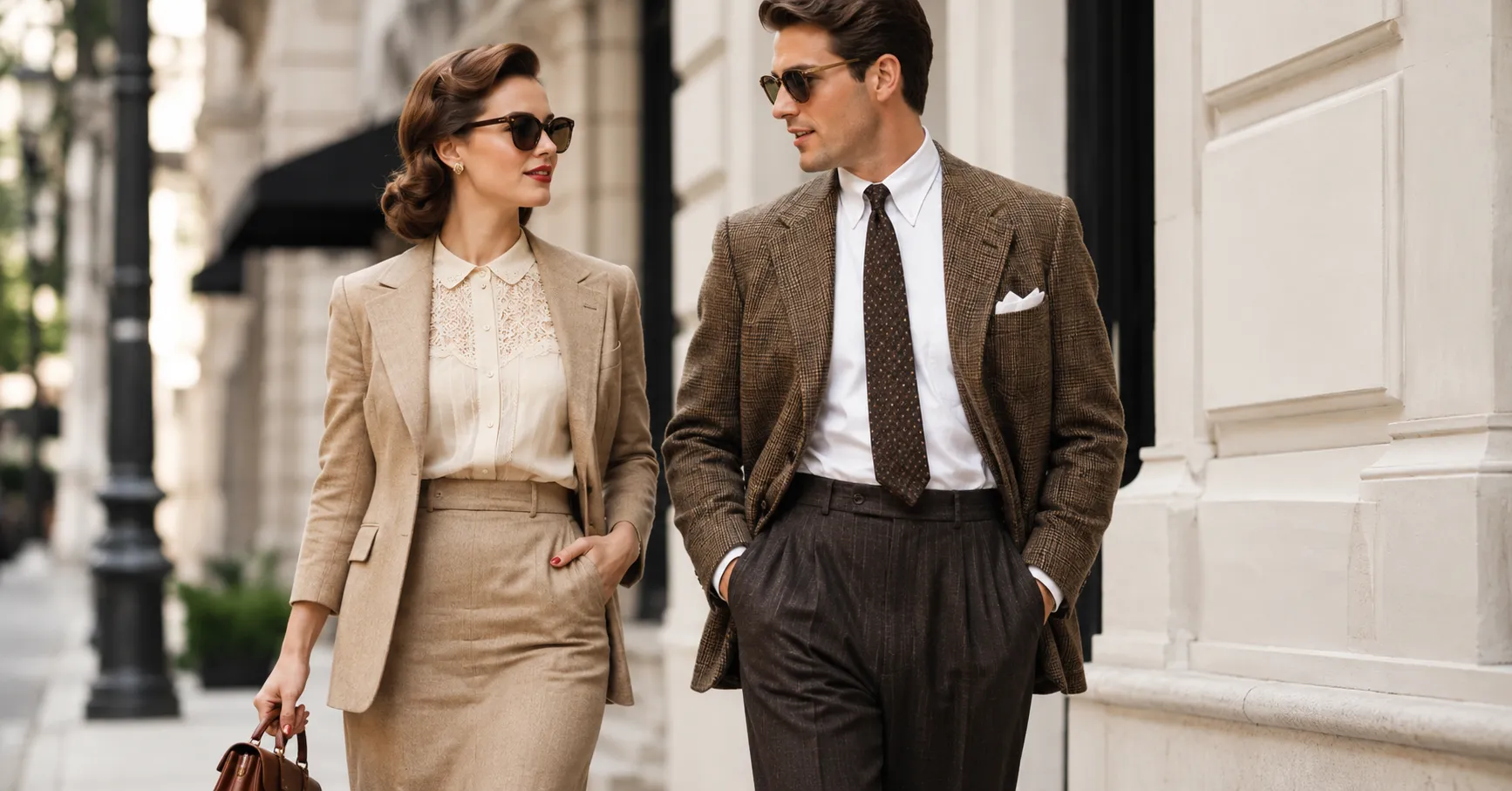
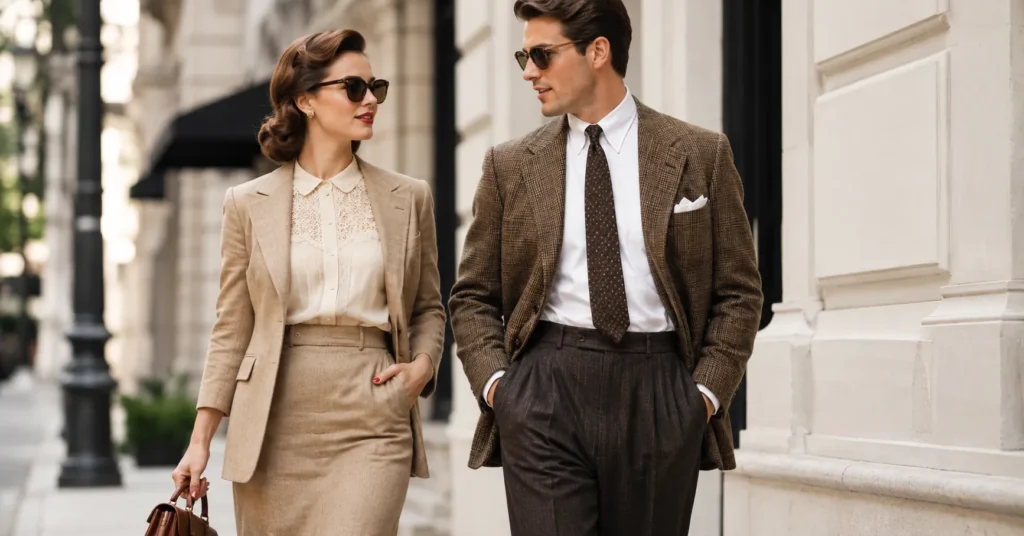
Yes. Pieces from the 1930s and 1940s work exceptionally well in professional environments. Tailored blazers, high-waisted trousers, and modest A-line skirts look polished, smart, and highly professional.
Are older clothes difficult to maintain?
They require a bit more care than modern clothes. You will likely need to hand wash items, air dry them, and occasionally take them to a professional tailor for minor repairs. However, the superior construction means they hold up well if treated properly.
What is the best decade to start with?
The 1950s is often the easiest starting point for beginners. The classic A-line skirts and fitted cardigans blend easily with modern wardrobes and flatter a wide variety of body types.