-10 Degree Weather Outfits: A Complete, In-Depth Guide to Dressing Warm, Smart & Stylish in Extreme Cold
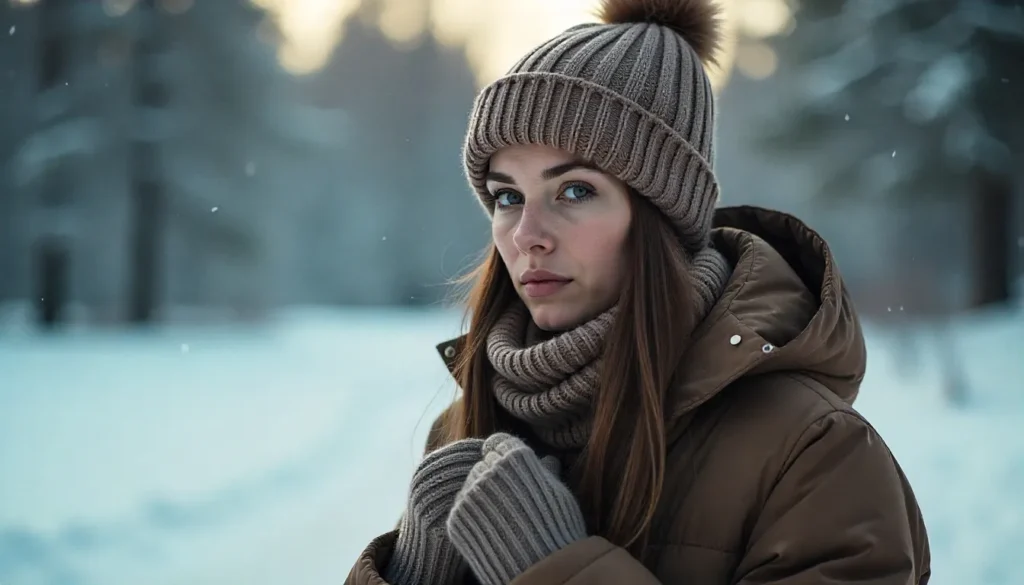
The first time I was exposed to proper sub-zero winter was an unforgettable shock to the system. It was a morning that looked innocent enough through the window fluffy white snow nesting on rooftops, streetlamps softening the landscape with golden glow, and a sky that appeared freshly washed, pale and bright like polished glass. It was beautiful, storybook beautiful. I assumed I could step outside in regular winter clothes a sweater, a coat, denim, maybe a scarf.
I was wrong.
The moment the door opened, the cold surged toward me like a living force. It slipped through my jeans, slid under my collar, bit the tips of my ears, and numbed my fingers before I even reached the end of the driveway. My eyelashes crystallized with frost. My breath turned to white clouds that vanished as quickly as they appeared. Within minutes, I retreated back indoors, humbled and shivering the kind of shiver that begins in the bones.
That was the day I learned this simple truth:
-10°C isn’t just weather it’s an environment.
One you must dress for rather than dress in.
From that point forward, winter became less of an enemy and more of a puzzle. As I learned how to layer properly, how fabrics behave, how wind accelerates heat loss, and what clothing truly makes a difference, everything changed. I began walking through snowy mornings instead of running from them. I could stop to admire how snowflakes landed like tiny sculptures on my sleeves. I could breathe deeply without flinching. I could enjoy winter and I want you to experience that too.
This guide will teach you everything you need to know to build -10 degree weather outfits that are warm, stylish, breathable, lightweight, and comfortable even if you’ve never faced real winter before.
Why -10°C Feels Different: The Science Behind the Cold
People often underestimate -10°C because it doesn’t sound drastically colder than -3 or -5. But once you cross that threshold, everything changes. The air becomes sharper, humidity crystallizes faster, and wind when present becomes the determining factor between comfort and pain. Skin begins to burn when exposed for too long, breath feels cool inside the throat, and clothing that was warm at zero degrees suddenly feels insufficient.
This happens for a few reasons:
- The body loses heat rapidly when air temperature sinks below freezing.
- Moisture from sweat and breathing freezes faster, especially in cotton.
- Wind chill often makes -10°C feel like -15 or -20.
- Extremities (hands, feet, nose, ears) lose warmth first and fast.
- Incorrect layers trap condensation and create cold storage against the skin.
You do not need to fear -10°C.
You simply need to respect it.
And the best way to show respect is through intelligent dressing not random layers, not giant coats alone, but a system where each piece of clothing serves a role and communicates with the next.
What Makes a Good -10 Degree Weather Outfit?
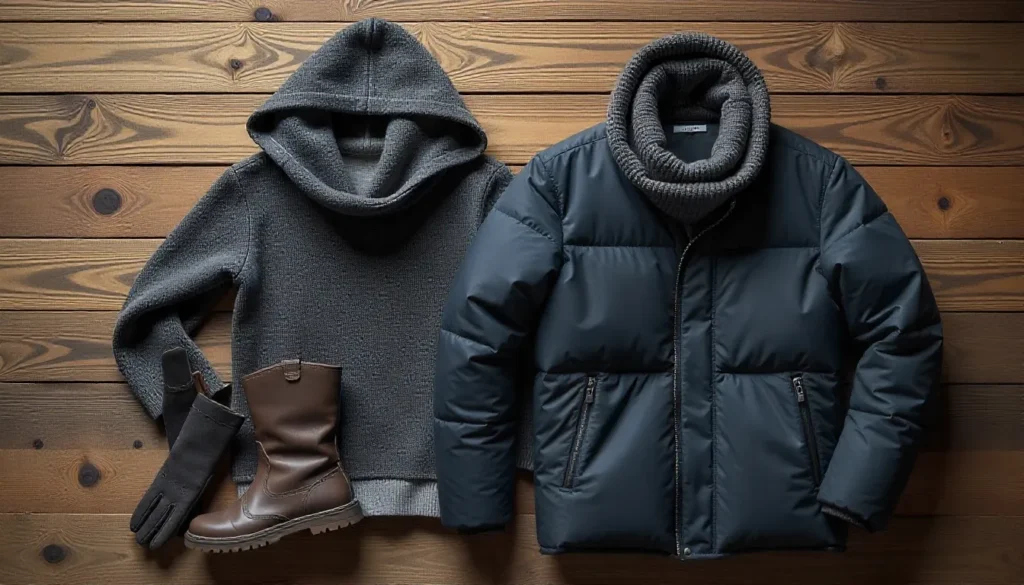
A great winter outfit doesn’t start with the coat. It starts with how you prepare the body before the coat is even involved.
Think of dressing for -10°C the same way you would build a warm house:
- The base layer is the foundation invisible but essential.
- The mid layer is insulation it traps heat like the walls of a home.
- The outer layer is the roof and siding protection from the elements.
When one level fails, the others strain to carry the load.
When all three cooperate, even harsh cold becomes tolerable.
The Base Layer: Where Warmth Begins
This is the layer that sits closest to your skin, and it has one responsibility: temperature regulation. At first glance, warm clothes may seem like the goal but in reality, staying dry matters more. Sweat, even in tiny amounts, can freeze in cold air. When moisture freezes, it cools the skin and robs your body of heat.
Merino wool is the gold standard here. It’s breathable, odor-resistant, and insulates even when damp. Synthetic thermals are strong contenders too, especially if you’ll be active and perspiring. Silk is another option, smooth and lightweight, perfect if you prefer something subtle beneath thicker outerwear.
What you should never choose as a base layer is pure cotton. Cotton absorbs moisture and clings to your skin like a cold, wet blanket. Once damp, cotton refuses to dry on its own meaning your core temperature steadily drops.
The Mid Layer: The Keeper of Heat
Once the base layer manages moisture, the mid layer takes on warmth. This is where you build the heart of your -10 degree weather outfit. Fleece jackets, wool sweaters, insulated vests, or even lightweight down pieces all work beautifully. The goal isn’t bulk it’s heat retention. Trapped warm air is what keeps the body functioning comfortably, and the mid layer is responsible for holding it in place.
This layer should feel warm and soft, but not restrictive. If your arms can’t move freely, you’ll overheat when active or struggle to stay comfortable indoors.
The Outer Layer: Your Shield Against the World
Your coat is the final fortress the thing standing between your body and nature. It must block wind, resist snow, and prevent heat from leaking out. Ideally, this layer should be long enough to cover your hips and rear because cold air rising under the hem is one of winter’s sneakiest attacks.
Down coats are famously warm, incredibly light, and compress beautifully. Synthetic insulated coats are more reliable in wet snow because they retain heat even when damp. Waterproof or windproof shells are excellent for hiking, skiing, and windy environments especially when paired with a good mid-layer beneath.
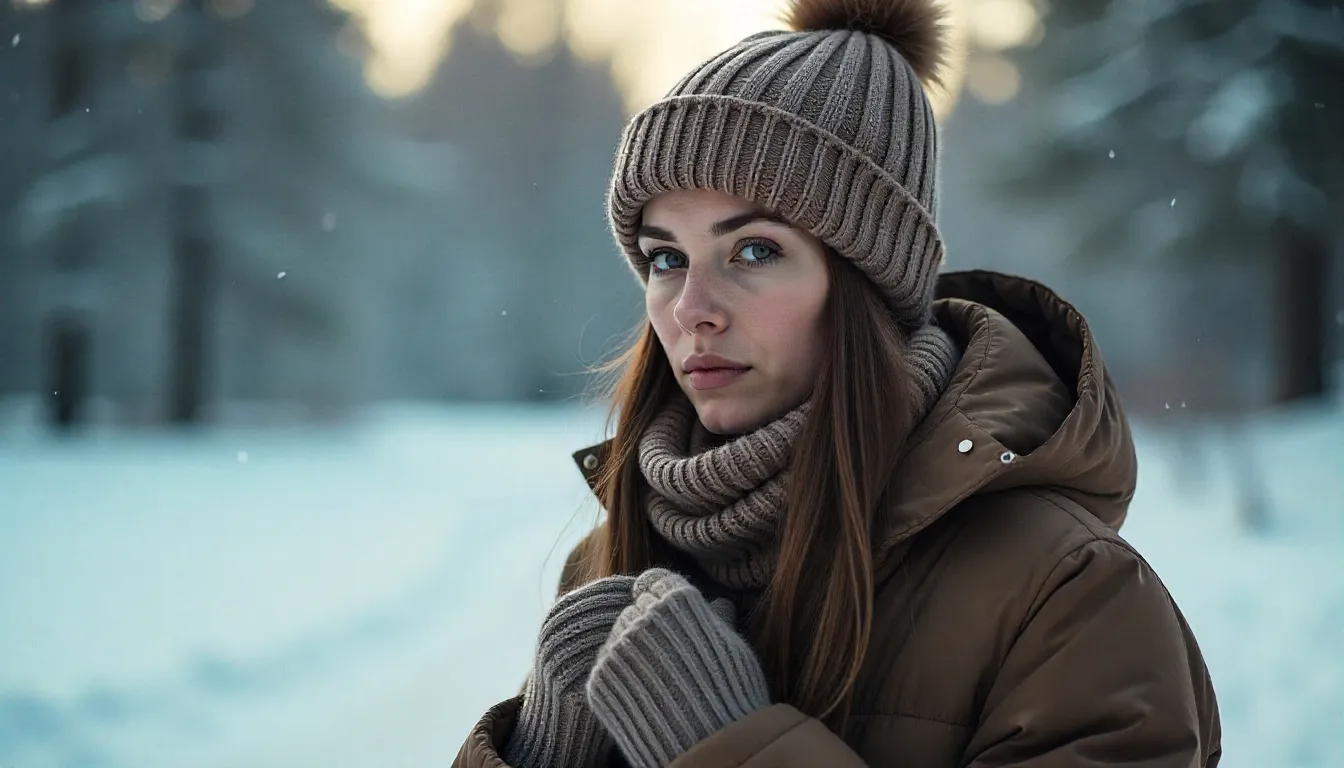
Accessories finish the outfit, and they are non-negotiable. A bare head can release up to 30% of body heat. Thin socks freeze fast. Unprotected fingers stiffen until they ache like bone. Gloves, hats, scarves, thermal socks, and insulated boots aren’t decoration they are critical components.
Finally, remember this rule:
Cold never enters quickly it enters quietly.
Protect edges, gaps, and exposed skin, and winter loses its power.
-10 Degree Weather Outfits in Real-World Scenarios
To understand how proper dressing transforms winter, imagine these situations not as survival challenges, but as scenes you can walk into comfortably.
A Slow Walk on a Snowy Morning
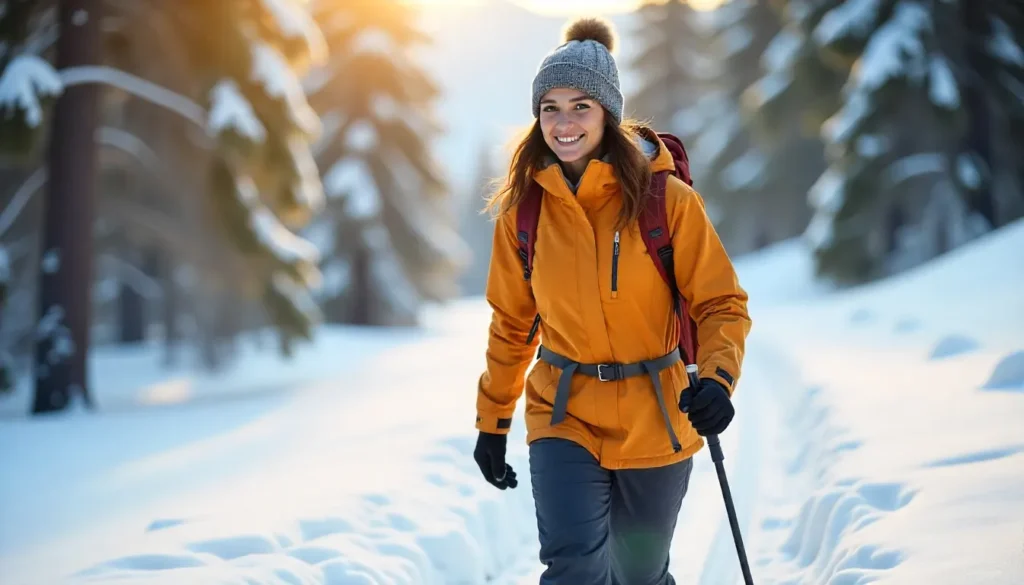
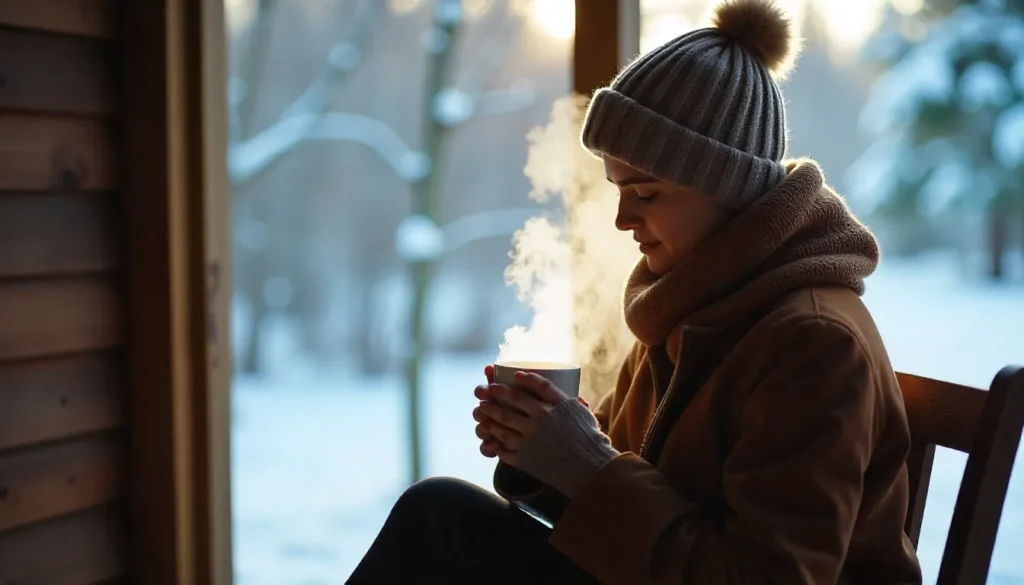
You step outside into gentle snowfall. The world feels muffled, like someone has lowered the volume of everything except the crunch beneath your boots. You are layered in a merino base, a wool sweater, and a long parka that shields your thighs from wind. A knitted hat hugs your ears, a scarf warms your throat, and insulated gloves soften the cold of your metal coffee thermos.
You don’t hurry. You don’t shiver.
You simply exist within the winter instead of beneath it.
A Commute to Work in Bitter Wind
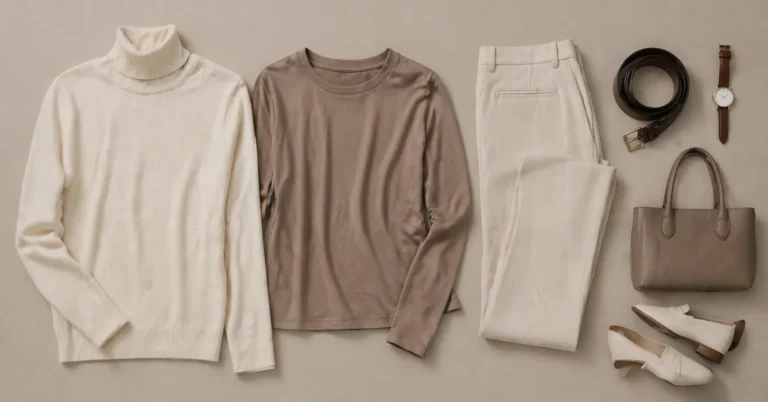
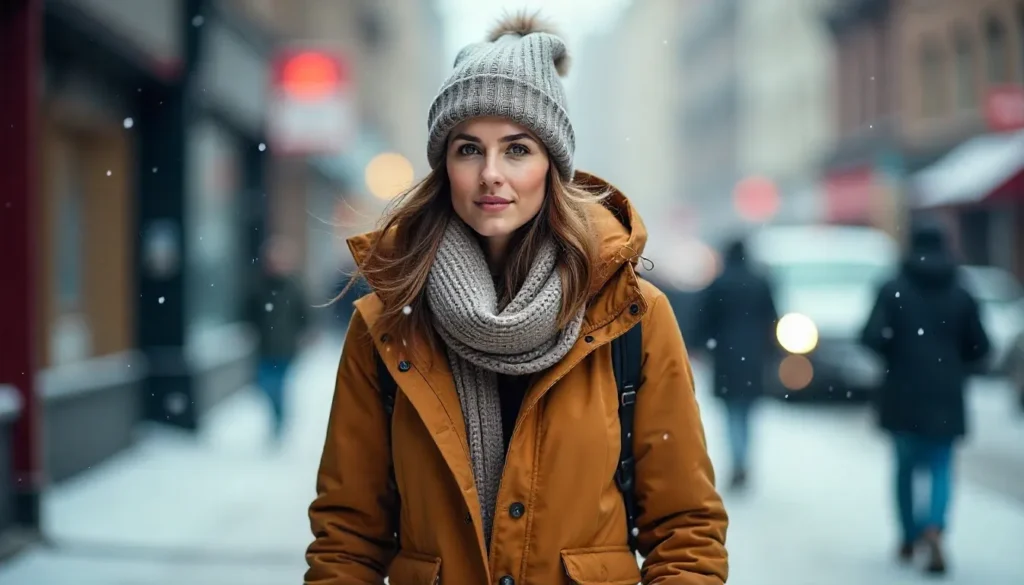
Sidewalks glitter like cracked glass. Each gust of air sweeps through the city like a silent force. Cars move slower. Breath hangs metallic in the air. Yet you walk steadily, protected by layers that breathe and insulate without suffocation. Under your tailored coat, a thin but powerful thermal top holds warmth against the ribs. A turtleneck sweater insulates your core. Your legs, lined with fleece beneath your trousers, carry you without stiffness. Leather gloves, lined with cashmere or microfleece, keep your hands nimble enough to handle keys and phone screens.
Winter becomes an environment you navigate, not endure.
Playing in the Snow with Children or Pets
Movement increases warmth. Snowy play involves running, rolling, bending, lifting. A synthetic base layer prevents sweat from chilling the spine. A puffer vest insulates the torso without restricting arms. Waterproof snow pants block moisture even when sitting in drifts or kneeling to build snow forts. Mittens keep fingers warmer than gloves because they share heat inside a single compartment. Even when cheeks redden, your body remains heated from within.
This is winter as joy, not punishment.
Travel Days Through Airports & City Streets

Airports are warm, flights are dry, but the streets outside can freeze eyelashes. Dressing for both requires strategy: a breathable base, a heat-holding sweater, and a parka you can shrug off once inside. Instead of sweating indoors or freezing outside, you float between climates smoothly. Your luggage contains gloves, neck gaiter, and thermal socks for when you step out into the real cold.
You’re prepared adaptable instead of overburdened.
Extended Comparison Table for -10 Degree Weather Outfits
To simplify material decisions for different lifestyles, here is a deeper comparison chart that expands beyond basics:
| Use Case | Best Outfit Type | Why It Works | Ideal Fabrics |
| Everyday errands | Classic 3-layer outfit + accessories | Reliable warmth without overthinking | Merino base, wool mid, down coat |
| Outdoor hiking or dog walking | Breathable layers with windproof shell | Sweat release prevents chill | Synthetic base, fleece mid, waterproof shell |
| Stylish city wear | Warm but sleek silhouette | No bulk, still insulated | Cashmere sweater, wool coat, lined trousers |
| Long exposure with minimal movement | Extra insulation layer + heavier socks | Prevents passive cooling | Down vest + parka, wool socks |
| Snow sports (skiing, sledding) | High mobility + waterproofing | Keeps dry while active | Performance synthetics, snow pants |
| Travel outfit | Packable layers, adaptable warmth | Easy to remove/adjust | Merino base, light puffer, compressible parka |
Choosing the right outfit isn’t just about warmth it’s about matching clothing to behavior.
Mistakes People Commonly Make in -10°C Weather

Many people dislike winter not because winter is inherently miserable, but because they dress incorrectly for it. Some wear single oversized coats without internal layers, leaving heat to escape too quickly. Others double socks until the boots fit too tightly, constricting blood flow and making feet colder, not warmer. Some wear beautiful wool coats with no base layer beneath, believing elegance should replace insulation.
The truth is — appearance and warmth can coexist.
But warmth must come first.
If jeans feel freezing, layer them over fleece-lined tights.
If hands ache, switch from gloves to mittens.
If the coat feels heavy but not warm, your middle layer is probably lacking.
Winter becomes harsh only when misunderstood.
How to Shop Smart for -10 Degree Weather Outfits
You don’t need to buy everything new. You simply need to choose well.
Start with the foundation two or three strong base layers will serve you better than ten sweaters. Invest in one good coat instead of five mediocre ones. Prioritize fabrics that retain warmth and reject moisture.
If your budget is modest, secondhand and thrift stores often carry wool sweaters, down jackets, and real winter boots at a fraction of the price. Meanwhile, performance gear outlets offer last-season styles at steep discounts warmth is timeless even if colors change.
Think of clothing not as fashion alone, but as equipment.
Choose function first, style second then pair them beautifully.
Embrace Winter Instead of Escaping It
When you find the right layering rhythm, -10°C loses its intimidation. You move through the world unhurried, able to notice the sparkle of ice crystals instead of focusing solely on discomfort. You can feel the crunch of snow beneath your boots instead of racing toward indoor heat. You stand outside inhaling cold air that clears the mind rather than shocks the lungs.
The magic of winter reveals itself only to the prepared.
Dressing well at -10°C means granting yourself access to that magic the soft hush of snowfall, the glow of windows on early evenings, the thrill of stepping outside and feeling capable.
Conclusion
Dressing for -10°C isn’t about braving the cold it’s about partnering with it. When you understand how clothing works with your body instead of against it, winter becomes less of an obstacle and more of an invitation. With the right layers, a thoughtful base, protective outerwear, and accessories that guard the places heat escapes most easily, the harshness of winter softens. The world becomes walkable again peaceful, crisp, breathtaking.
You no longer rush from building to building. You don’t dread stepping outside. Instead, you gather your layers like armor, fasten your coat, and feel prepared. You can move confidently through sparkling mornings, sit by icy lakes, explore snowy towns, and experience winter not as a challenge but as a season worth savoring.
The right -10 degree weather outfits don’t just keep you warm they give you permission to live fully even in the deepest cold. They help you slow down, look up, breathe the sharp air, and find beauty where others hurry past it.
Dress wisely. Dress warmly.
And let winter be something you walk into, not away from.
FAQs
1. Can I wear cotton at -10°C?
Only if it is a top layer. Cotton as a base layer traps moisture, freezes quickly, and becomes dangerously cold. Use wool or synthetic close to the skin instead.
2. Is it possible to look stylish in -10 degree weather outfits?
Yes absolutely. The key is layering fitted, high-quality pieces rather than oversized bulky ones. A tailored coat, leather gloves, and a sleek scarf elevate practicality into elegance.
3. Are jans okay for -10°C weather?
Not alone. Denim has poor insulation. Pair jeans with thermal leggings or fleece tights underneath and they become perfectly winter-ready.
4. Do two pairs of socks make feet warmer?
Only if your boots still have breathing room. Tight layers reduce circulation and cool your feet. One pair of thick wool socks beats two thin pairs every time.
5. What matters more: coat or base layers?
Base layers matter most. A great coat loses power if the inside layers fail. Warmth begins at the skin.