
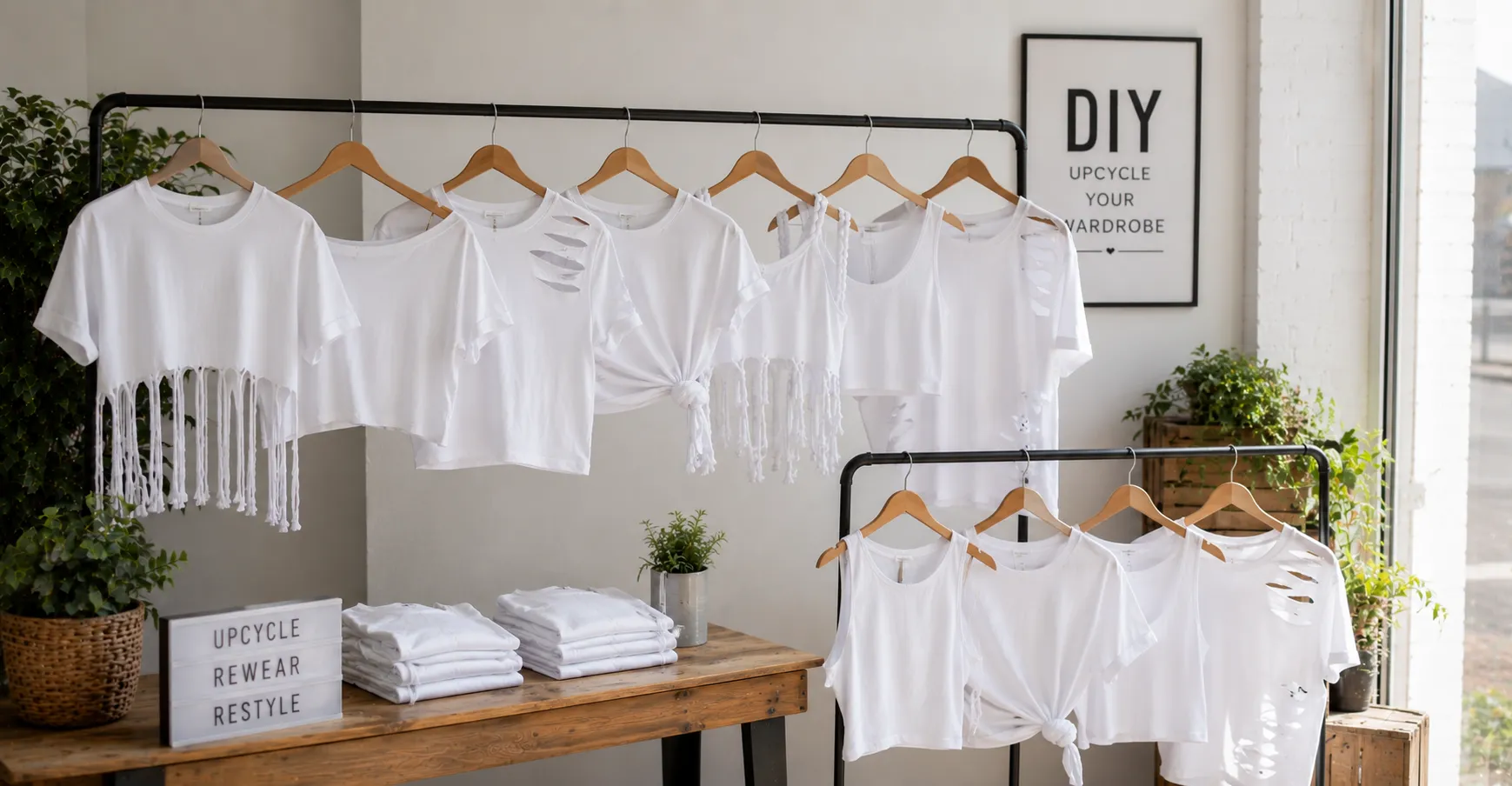
Cutting Shirts: The Guide to DIY Shirt Cutting Styles, Tips and Designs
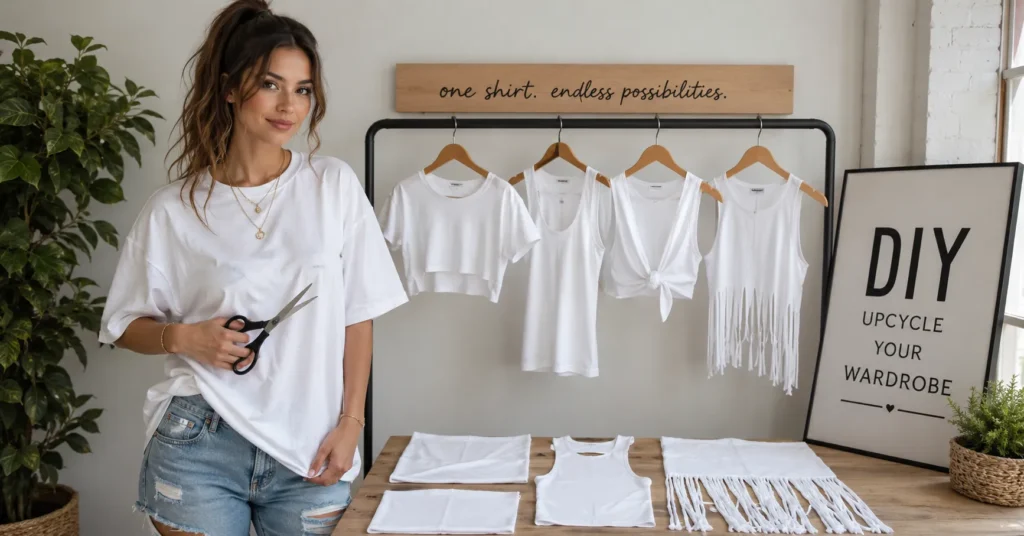
Cutting shirts is one of the easiest ways to refresh your wardrobe without spending a dime. With a pair of scissors and a little creativity, you can transform a plain, boring tee into a cropped tank, a breezy off-shoulder top, or a trendy distressed piece that looks straight off a boutique rack. It’s affordable, beginner-friendly, and surprisingly fun. Best of all, you give old clothes a second life instead of tossing them out.
In this guide, you’ll learn exactly how to cut a shirt the right way, explore dozens of cutting shirt styles, and pick up no-sew tricks that hold up wash after wash. We’ll cover the tools you need, step-by-step techniques, design ideas for every occasion, and the common mistakes that ruin a good tee. By the end, you’ll feel confident grabbing your scissors and making something you actually want to wear.
Here’s what’s ahead:
- The tools and prep that make cutting easier
- Step-by-step techniques for popular cuts
- Cropped, distressed, and off-shoulder design ideas
- No-sew methods that keep your edges clean
- Mistakes to avoid and care tips for your creations
Why Cutting Shirts Is Worth Trying
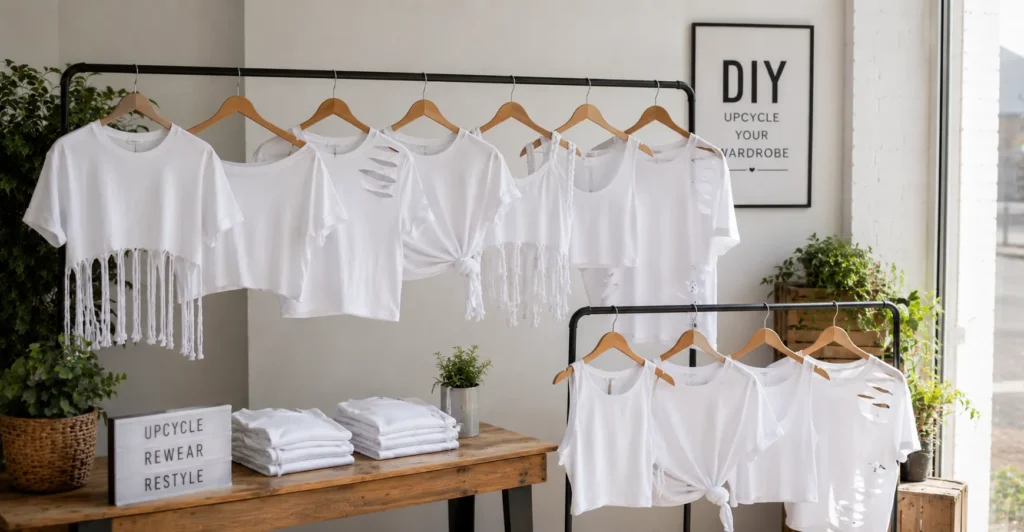
Reworking an old shirt costs almost nothing, yet the payoff feels huge. You end up with a custom piece that fits your style perfectly and no one else owns. That blend of creativity and practicality is hard to beat.
DIY shirt cutting also taps into a bigger movement. More people want to shop less and reuse more, and upcycling clothes is a simple, satisfying way to do that. You reduce waste while building a wardrobe that feels personal.
The main benefits at a glance
- Saves money: Turn shirts you already own into “new” pieces.
- Reduces waste: Give old or stained tees a fresh purpose.
- Fully customizable: Control the fit, length, and look exactly.
- Beginner-friendly: Most cuts need only scissors and confidence.
- Endlessly creative: One shirt offers dozens of design options.
Who this is for
You don’t need sewing skills or fancy equipment to start. If you can hold scissors and follow a line, you can cut a shirt. Beginners can master simple crops in minutes, while more adventurous crafters can layer techniques for bold, custom results.
Tools and Materials You’ll Need
Good results start with the right setup. You don’t need much, but a few quality tools make every cut cleaner and easier.
Essential cutting tools
- Sharp fabric scissors: Dull scissors snag and fray fabric unevenly.
- A rotary cutter: Great for long, straight lines and precise edges.
- A cutting mat: Protects your surface and guides straight cuts.
- Fabric chalk or a washable marker: Marks your lines before you cut.
- A ruler or measuring tape: Keeps cuts even and symmetrical.
Helpful extras
- Pins or clips: Hold layers together while you work.
- A spare cardboard insert: Slip it inside the shirt to avoid cutting through both layers.
- Safety pins or a hairband: Useful for testing fit before a permanent cut.
Choosing the right shirt
The fabric matters more than people expect. Here’s a quick comparison of common shirt materials and how they handle cutting.
| Fabric | Edge Behavior | Best Cuts | Difficulty |
| Cotton jersey (t-shirt) | Rolls slightly, no fray | Crops, fringe, racerback | Easy |
| Cotton blend | Minimal fray | Crops, slits, off-shoulder | Easy |
| Ribbed knit | Stretches, clean edge | Tanks, crops | Easy |
| Woven cotton (button-up) | Frays heavily | Distressed, tied hems | Medium |
| Polyester blend | Curls, can fray | Crops, mesh-style cuts | Medium |
Cotton t-shirts are the most forgiving choice for beginners. The edges don’t fray much, so you can cut with confidence.
How to Cut a Shirt: The Basics
Before diving into specific styles, it helps to understand a few universal rules. These fundamentals apply to nearly every cutting shirt project.
Prep your shirt first
- Wash and dry the shirt so it won’t shrink after you cut.
- Lay it flat on a clean, hard surface with no wrinkles.
- Smooth out the fabric to keep layers aligned.
- Mark your lines with chalk before making any cut.
- Double-check measurements so both sides match.
Golden rules for clean cuts
- Always cut less than you think. You can trim more, but you can’t add fabric back.
- Use long, smooth strokes rather than small choppy snips for cleaner edges.
- Cut through one layer at a time when you want different front and back designs.
- Mark before you cut. A few seconds of measuring saves a ruined shirt.
Test the fit before going permanent
Try the shirt on and use safety pins or a hairband to mock up your planned cut. This lets you preview the length and shape before committing. It’s the single best way to avoid disappointment.
Popular Cutting Shirt Styles to Try
Now for the fun part. Below are the most popular cut shirt designs, from quick beginner crops to statement-making looks. Each one transforms a basic tee into something fresh.
The classic crop top
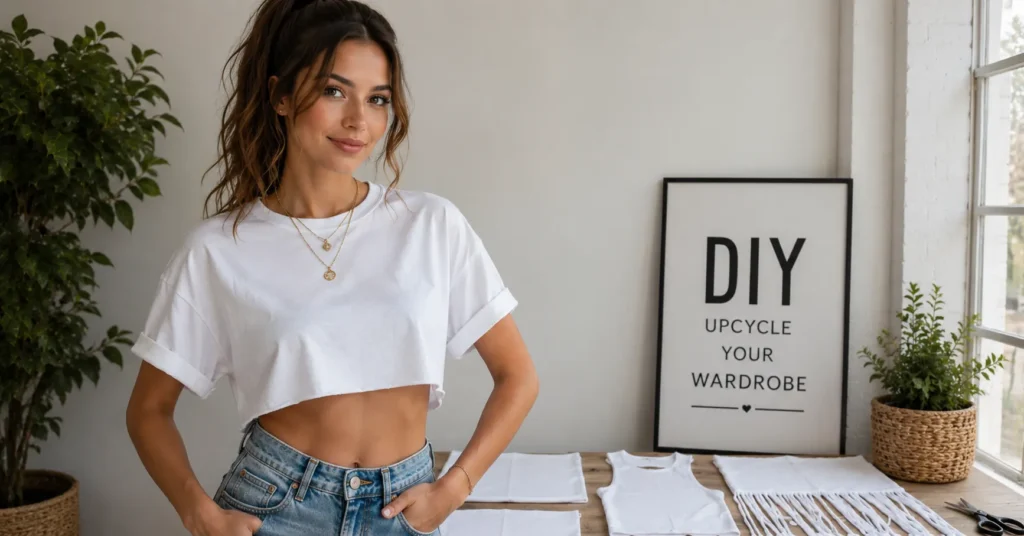
Cropping is the easiest and most popular cut. It instantly modernizes an oversized or plain shirt.
- Decide your length and mark a straight line across the shirt.
- Add an inch below your mark, since cotton may roll up.
- Cut along the line in one smooth motion.
- Tug gently at the hem to encourage a natural rolled edge.
For a cleaner finish, fold a slim hem and stitch or use fabric glue. For a relaxed look, leave the raw edge as is.
The cropped tank top
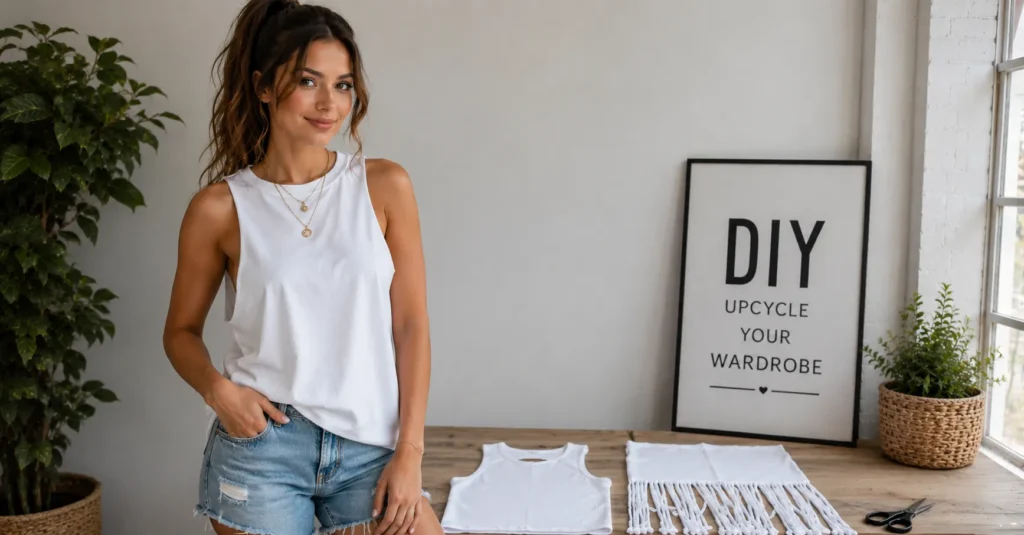
Turn a t-shirt into a tank by removing the sleeves and reshaping the neckline.
- Cut along the seam to remove each sleeve.
- Widen the armholes for a racerback or muscle-tank look.
- Lower the neckline if you want a scoop or V shape.
- Crop the hem to your preferred length.
Off-shoulder shirt
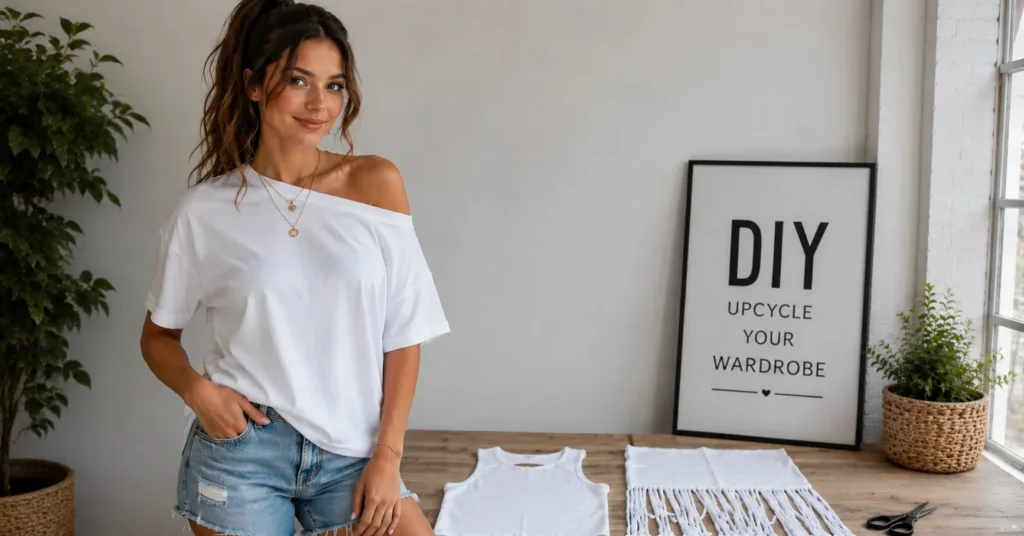
This breezy style works beautifully on slightly oversized tees.
- Cut off the existing neckline, including a bit of the shoulder seam.
- Widen the opening until it drapes off both shoulders.
- Crop the hem if you want a shorter silhouette.
The neckline naturally relaxes into an off-shoulder shape as you wear it.
Fringe and tie designs
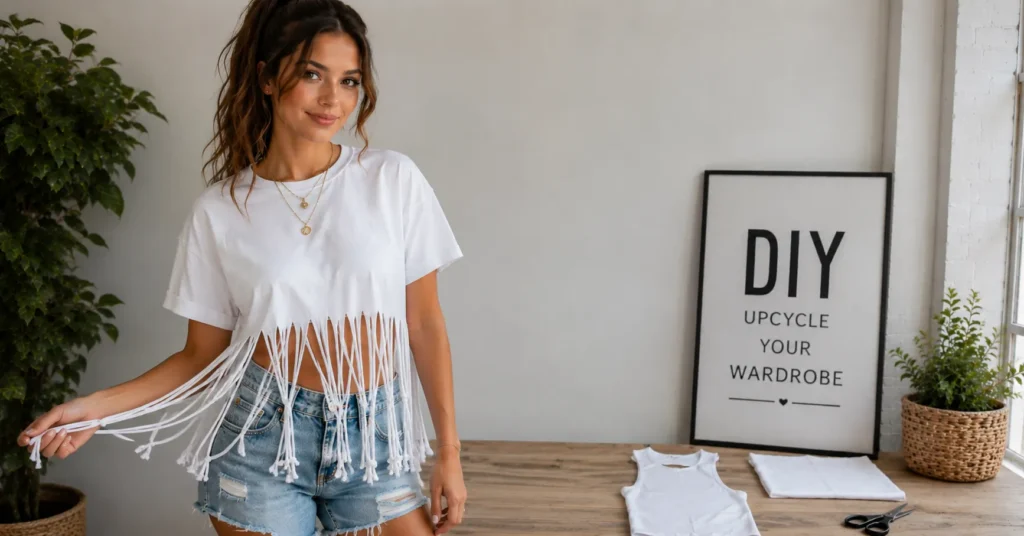
Fringe adds movement and a festival-ready vibe, perfect for concerts or summer days.
- Cut vertical strips along the hem, about half an inch wide.
- Keep the strips even for a polished look.
- Tie pairs of strips together for a knotted fringe.
- Stretch each strip gently so it curls into a clean noodle shape.
Side-tie and knotted styles
A side knot adds shape and a custom fit to a loose shirt.
- Gather excess fabric at one side of the hem.
- Tie it into a knot, or cut a small slit and pull fabric through.
- Adjust until the drape flatters your shape.
No-Sew Shirt Makeover Techniques

Not everyone wants to pull out a needle and thread. The good news is that plenty of cutting shirt projects need zero sewing. A no-sew shirt makeover relies on the fabric’s natural behavior and a few clever tricks.
Why no-sew works
Cotton jersey doesn’t fray like woven fabric. When you cut it, the edge rolls slightly and stays put. That means raw edges look intentional rather than messy, which is perfect for casual, relaxed styles.
No-sew finishing tricks
- Stretch the edge: Pull along a raw hem to make it curl naturally.
- Twist and tie: Knot fringe or straps instead of stitching them.
- Use fabric glue: Secure folded hems without a single stitch.
- Braid the strips: Turn cut strips into woven details on the back or sides.
- Lattice weaving: Cut horizontal slits and weave strips through for texture.
A quick no-sew comparison
| Technique | Skill Level | Time Needed | Best For |
| Raw-edge crop | Beginner | 5 minutes | Everyday casual tops |
| Knotted fringe | Beginner | 15 minutes | Festival and summer looks |
| Braided back | Intermediate | 25 minutes | Statement designs |
| Lattice weave | Intermediate | 30 minutes | Trendy, detailed pieces |
| Fabric-glue hem | Beginner | 10 minutes | Clean finished edges |
Distressed and Edgy Shirt Designs
Distressed shirt styles bring a worn-in, rock-and-roll feel to your wardrobe. They take a little more effort but deliver big personality.
Creating distressed details
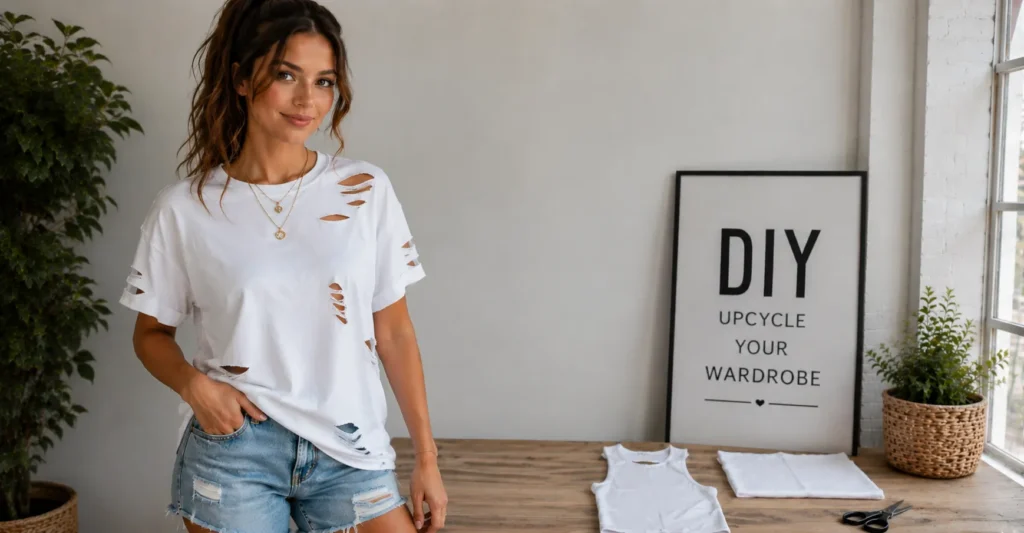
- Cheese-grater shredding: Rub a cheese grater over the fabric for a faded, worn texture.
- Slashed slits: Cut small horizontal slits across the back or sleeves.
- Sandpaper fading: Sand areas lightly to thin the fabric and soften color.
- Frayed holes: Snip small holes and rub the edges to fray them naturally.
Back-cut statement designs
The back of a shirt is the perfect canvas for bold cuts:
- Open back: Remove a large panel for a dramatic, breezy look.
- Cut-out keyhole: Snip a teardrop shape for subtle interest.
- Strappy back: Cut horizontal slits and leave the strips intact for a ladder effect.
- Bow back: Cut a vertical opening and tie the fabric into a bow.
Balancing style and coverage
Edgy doesn’t have to mean revealing. Layer a distressed tee over a tank or bralette to add coverage while keeping the cool, deconstructed vibe. This also makes bolder cuts wearable for more occasions.
Cutting T-Shirts for Different Occasions
The beauty of custom shirt fashion is its range. The same cutting techniques adapt to almost any setting with a few tweaks.
Casual everyday looks
Keep it simple with a raw-edge crop or a relaxed tank. Pair with high-waisted jeans or shorts for an easy, put-together outfit that took five minutes to make.
Workout and athletic wear
Transform an old cotton tee into breathable gym gear:
- Cut a deep racerback for better movement.
- Widen the armholes for airflow.
- Crop the hem to layer over leggings.
Festival and party styles
This is where bold cuts shine. Fringe hems, lattice backs, and shredded details all suit festivals and concerts. Add knots and ties for a free-spirited, custom feel.
Loungewear and sleep tops
Soften an oversized shirt into cozy loungewear by trimming the neckline and sleeves for a relaxed, broken-in fit. Comfort first, with a touch of style.
Upcycling Old Shirts: Beyond Basic Cuts
Shirt upcycling goes far past simple crops. With a bit of imagination, a tired tee becomes something entirely new.
Creative upcycling ideas
- Turn a shirt into a tote bag by cutting handles and tying the bottom closed.
- Make a headband or scrunchie from leftover fabric strips.
- Create a halter top by reshaping the neckline and back.
- Combine two shirts into a color-blocked, patchwork piece.
- Cut a dress into a top by cropping and reshaping.
Combining techniques
The most striking pieces often mix several methods. Picture a cropped tee with a braided back and knotted fringe hem. Layering techniques takes practice, but the results look genuinely custom and one of a kind.
Making it sustainable
Every shirt you rework is one less item in a landfill. Upcycling keeps textiles in use longer and cuts down on the demand for new production. It’s a small action with a real impact, and it leaves you with clothes you actually love.
Common Cutting Shirt Mistakes to Avoid
Even simple projects can go sideways. Watch out for these frequent slip-ups that ruin a good tee.
- Cutting too much, too soon. Start conservative and trim gradually.
- Skipping the measuring step. Uneven cuts are almost always the result of guessing.
- Using dull scissors. They snag, fray, and leave jagged edges.
- Forgetting to prewash. A shirt that shrinks after cutting throws off your design.
- Cutting through both layers by accident. Insert cardboard when you want single-layer designs.
- Ignoring fabric type. Woven shirts fray fast and need finished edges.
Avoiding these errors keeps your projects looking intentional and polished rather than accidental.
Caring for Your Cut Shirts
A few smart habits keep your creations looking great wash after wash.
- Wash inside out to protect raw edges and prints.
- Use a gentle cycle to reduce stress on cut areas.
- Skip the dryer when possible, since heat curls and frays edges further.
- Reinforce stress points with a few stitches if a cut starts to tear.
- Store flat or hung to keep the shape intact.
Raw-edge cotton pieces often look better with a little wear, so don’t stress over perfect edges. They settle into a relaxed, lived-in look over time.
Conclusion
Cutting shirts is a simple, rewarding way to refresh your wardrobe, express your style, and reduce waste all at once. With nothing more than sharp scissors and a few minutes, you can turn forgotten tees into crops, tanks, off-shoulder tops, and bold distressed designs. The techniques are beginner-friendly, the materials are things you already own, and the creative possibilities are nearly endless.
Start small. Grab a shirt you no longer wear, pick one easy cut from this guide, and give it a try. Measure twice, cut less than you think, and test the fit before going permanent. Once you see how quickly a plain tee becomes something you love, you’ll be reaching for those scissors again and again.
Frequently Asked Questions
How do I cut a shirt without fraying the edges?
Choose cotton jersey, which rolls instead of fraying. Use sharp fabric scissors for clean cuts, and stretch the raw edge so it curls naturally. For woven fabrics that fray easily, fold a small hem and secure it with stitches or fabric glue.
What kind of scissors should I use for cutting shirts?
Use dedicated sharp fabric scissors or a rotary cutter. Dull or all-purpose scissors snag the fabric and leave jagged, uneven edges. Keeping your scissors sharp is the single easiest way to get clean, professional-looking cuts.
Can I cut a shirt without sewing it?
Absolutely. Many cutting shirt styles need no sewing at all. Cotton t-shirts roll naturally at raw edges, and you can knot, twist, braid, or use fabric glue to finish your design without ever picking up a needle.
What shirts work best for cutting projects?
Cotton t-shirts and cotton blends are the most beginner-friendly because they barely fray. Ribbed knits also work well. Woven button-ups fray heavily and need finished edges, so save them for distressed styles or more advanced projects.
How do I make a crop top from an old shirt?
Lay the shirt flat, mark your desired length with chalk, then add an inch since cotton rolls up. Cut along the line in one smooth motion. Tug the hem gently to encourage a natural rolled edge, or hem it for a cleaner finish.
How can I distress a shirt at home?
Try rubbing a cheese grater over the fabric for a worn texture, sanding areas lightly with sandpaper, or cutting small slits and fraying the edges. Layer the distressed tee over a tank for coverage while keeping the edgy look.
Will my cut shirt fall apart in the wash?
Not if you care for it properly. Wash it inside out on a gentle cycle and skip the dryer when possible. Reinforce any high-stress cut areas with a few stitches, and your creation will hold up for a long time.
How do I keep both sides of my shirt even when cutting?
Always measure and mark with fabric chalk before cutting. Fold the shirt in half to align both sides, use a ruler for straight lines, and insert cardboard inside to avoid cutting through both layers by accident.