Acrobat Outfit: The Complete Guide to Stunning Performance Wear
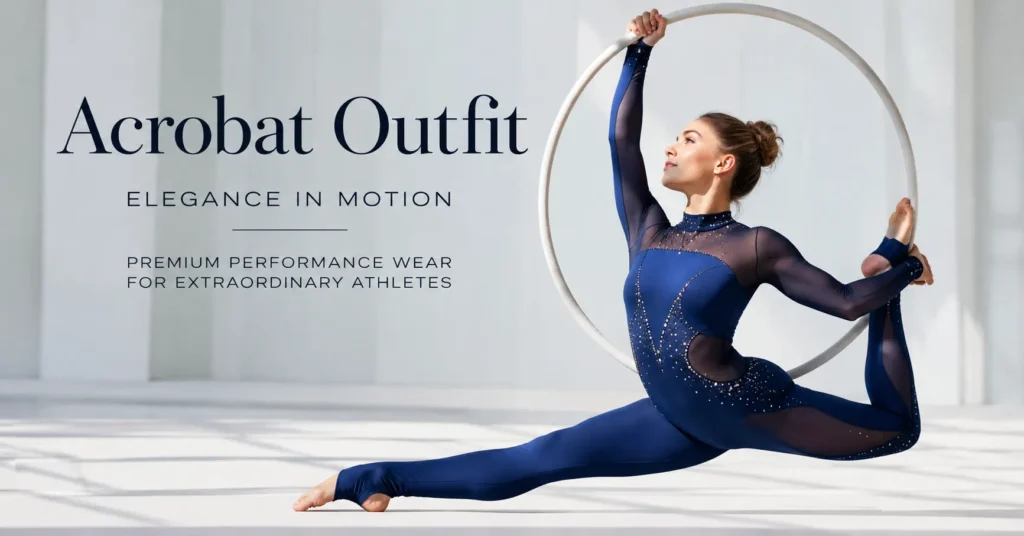
An acrobat outfit has to do two jobs at once. It has to move with your body through every flip, stretch, and hold, and it has to look striking under stage lights. We wrote this guide to help you get both. The right piece supports your range of motion, stays put through hard movement, and reads sharp from the back row of an audience.
We focus on real, practical advice here, not vague trend talk. You get specific fabric details, fit guidance, and buying tables you can use straight away. Whether you need an acrobat costume for women for a stage show, a gymnastics outfit for daily training, or a circus costume for a themed event, we cover the choices that decide whether the outfit works.
What an Acrobat Outfit Actually Is
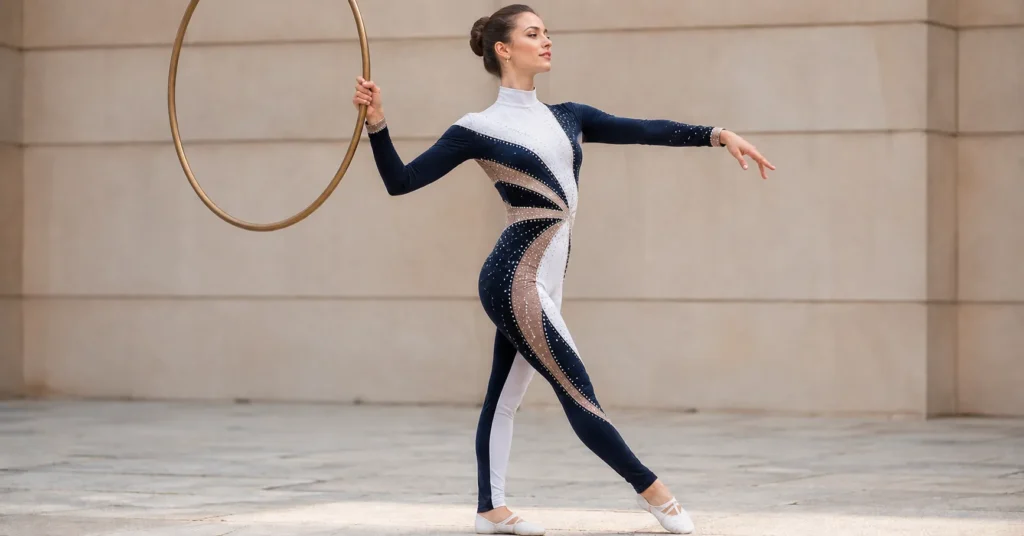
An acrobat outfit is performance clothing built for extreme movement. It combines a close fit, high stretch, and secure coverage so a performer can tumble, balance, and contort without the fabric getting in the way.
That definition covers a wide range of pieces, which is why shoppers find so much variety under one search. The right choice depends on three factors.
- The activity, from floor tumbling to aerial work to a costume party
- The setting, whether that is a stage, a training gym, or a themed event
- The fit, which has to grip the body without restricting it
What this means for you: an outfit built for a circus stage looks and behaves differently from one built for a gymnastics class. Knowing the variables helps you buy the right piece the first time.
Why Movement Comes First
Most clothing is designed to look good while you stand still. An acrobat outfit is designed to look good while you move at full range. That single difference drives every decision, from the fabric to the seams.
We judge any piece by how it handles three demands:
- Stretch in every direction. The fabric has to give as you reach, twist, and fold.
- Recovery after stretching. It has to snap back so it never bags or sags mid-performance.
- Secure coverage. Nothing should shift, ride up, or expose during a hold or a flip.
When those three line up, the outfit disappears and the performance leads. That is the goal of good acrobat performance wear.
The Difference Between Costume and Performance Wear
Shoppers often mix up two very different needs. A costume reads as an acrobat from across a room, but it may not move well. True performance wear moves perfectly, but it may look plain off the stage.
The best pieces close that gap. They use real performance fabric for the movement, then add visual detail like color, mesh panels, or rhinestone embellishment for the stage. We return to that balance throughout this guide.
The Main Types of Acrobat Outfit
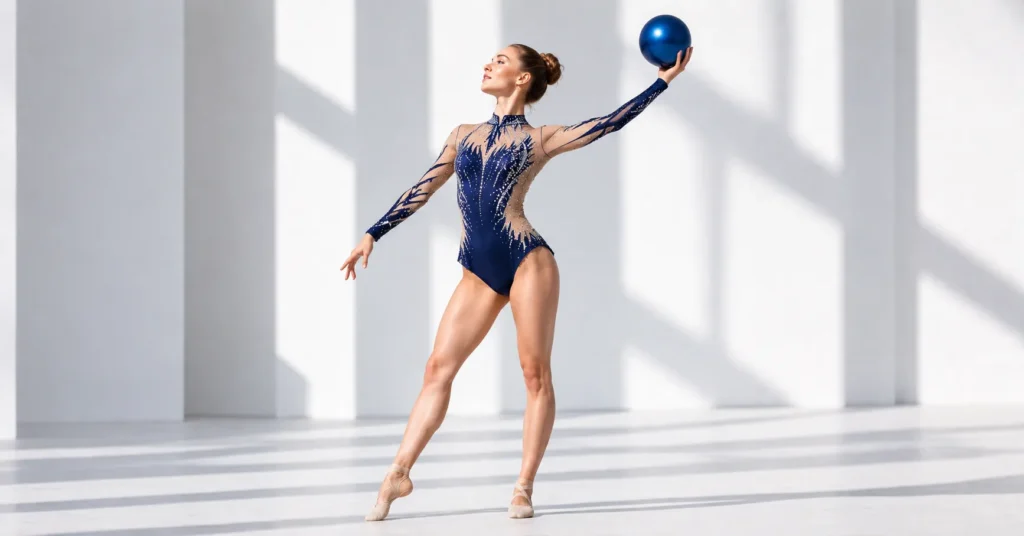
Acrobat outfits fall into a few clear categories. Each one suits a different purpose, so we break them down below. Match the type to your goal, and the rest of the choices get easier.
| Type | Built For | Key Feature |
| Stage costume | Live performance | Bold color, embellishment, mesh panels |
| Training outfit | Daily practice | Durability, breathability, easy care |
| Aerial silks outfit | Aerial work | Full coverage, no zippers or snags |
| Costume / themed | Halloween, parties | Look-first, comfort second |
| Competition costume | Judged routines | Sleek fit, rule-compliant detailing |
Use this table as your starting grid. Most performers own a training piece and a stage piece as their two core outfits.
Stage and Performance Costumes
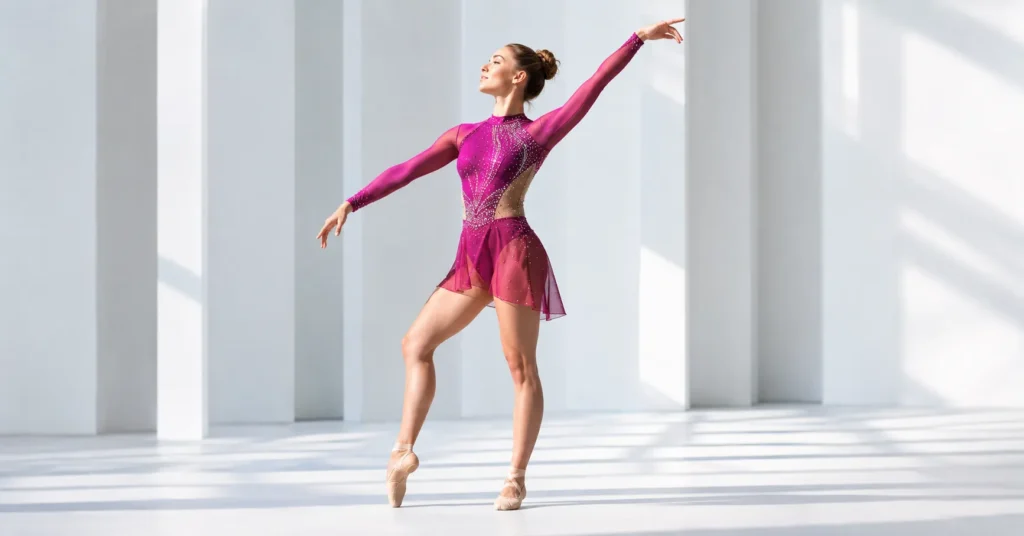
A stage costume is built to read clearly under bright lights and from a distance. The fit stays close, but the detail goes bold.
We recommend a stage costume for these situations:
- Live circus or theater shows, where the look has to carry the room
- Showcases and recitals, where color and shine add impact
- Photo shoots, where the costume needs to pop on camera
The defining feature is visual contrast. Saturated color, mesh inserts, and rhinestone embellishment all read well from the audience. A plain training piece simply disappears on a lit stage.
Training Outfits
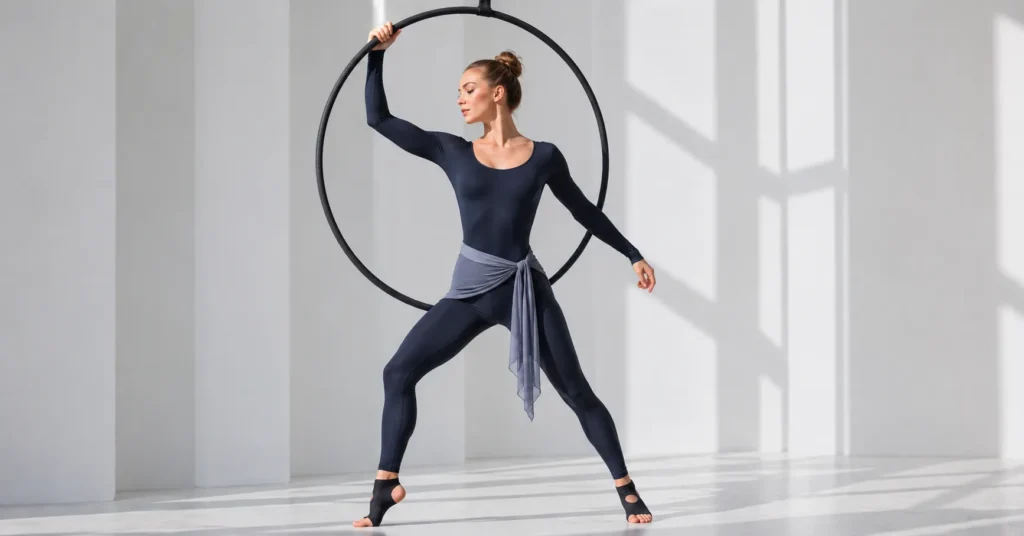
A training outfit is built for repeated, hard use. It prioritizes durability, breathability, and easy washing over visual flair.
Here is why we point daily users toward training kit:
- It survives frequent washing without losing stretch.
- It breathes during long, sweaty sessions.
- It costs less, so wear and tear matters less.
A gymnastics outfit in a simple solid color works hardest here. Save the embellished pieces for performance, since rhinestones and delicate panels do not hold up to daily practice.
Aerial Silks and Specialty Outfits
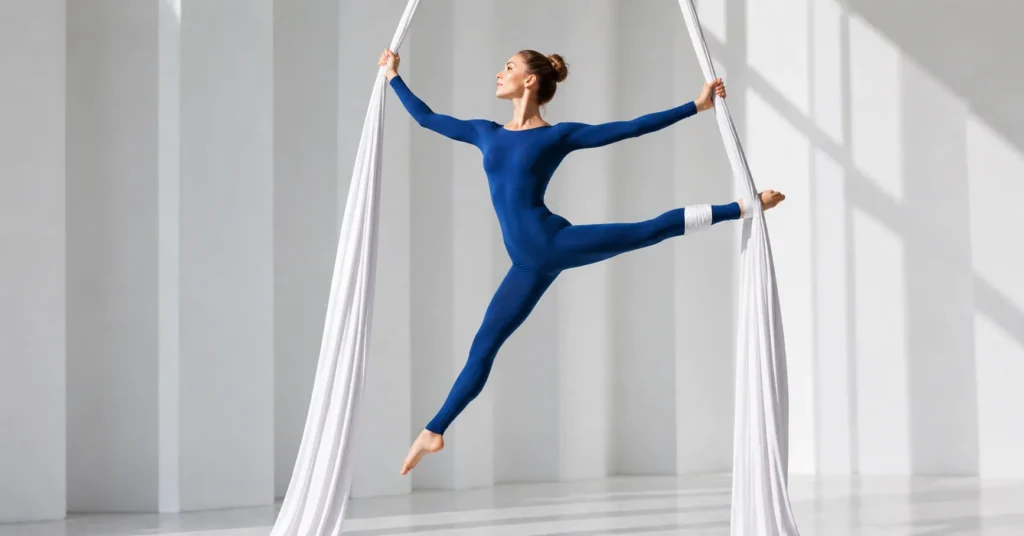
An aerial silks outfit has unique demands, since the fabric of the silks grips the fabric of your outfit. The wrong piece slips, snags, or fails to protect the skin.
We suggest specialty aerial wear for:
- Aerial silks, hoop, and trapeze work
- Any discipline where the body grips or wraps a prop
- Routines that need full coverage to protect the skin
The rules here are strict. Choose full-length coverage on the legs and torso, avoid zippers or hooks that snag, and pick a grippy fabric that holds against the silks. Safety leads every styling choice in aerial work.
Costume and Themed Outfits
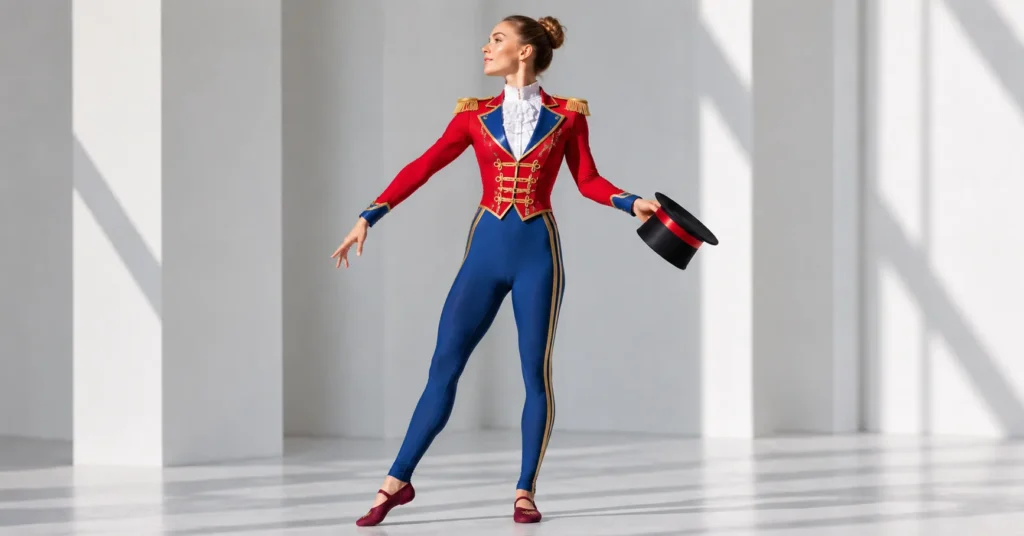
A costume-first acrobat outfit puts the look ahead of the movement. You wear it to a Halloween party or a themed event, not to perform a real routine.
This category gives you room to play:
- A vintage circus costume with ringmaster-inspired detail
- A bold leotard with a tutu for a classic acrobat look
- A sparkly bodysuit with theatrical makeup for a party
Comfort still matters, since you wear it for hours. But you can prioritize the visual story, since you are not tumbling or flipping in it.
Fabric and Stretch: The Core of Any Acrobat Outfit
Fabric decides everything for an acrobat. The wrong material restricts movement, tears under strain, or sags after one wash. The right one moves with you and holds its shape for years.
We judge acrobat fabrics by three measures: stretch, recovery, and durability.
| Fabric | Stretch | Best Use |
| Spandex / Lycra blend | Four-way, high | Stage and competition wear |
| Nylon-spandex | High, breathable | Training and daily practice |
| Cotton-spandex | Medium, soft | Casual and beginner outfits |
| Mesh panels | Low, decorative | Stage detail and ventilation |
| Velvet stretch | Medium, plush | Costume and themed pieces |
For most performers, a spandex or nylon-spandex blend hits the sweet spot. The high four-way stretch moves in every direction, and the recovery keeps the fit secure.
Why Four-Way Stretch Matters
Stretch comes in two types. Two-way stretch gives in one direction, while four-way stretch gives in both. An acrobat needs four-way stretch, since the body bends in every direction at once.
A quick test before you buy:
- Pull the fabric side to side, then up and down.
- Confirm it gives easily in both directions.
- Release it and watch it snap back without sagging.
This single check separates true performance fabric from a top that only looks the part. Four-way stretch is the baseline for serious movement.
Why Recovery Protects Your Performance
Recovery is the fabric’s ability to return to shape after stretching. Without it, an outfit bags at the knees and seat partway through a routine. That is both unflattering and unsafe.
We choose fabrics with strong recovery for one reason: a secure fit. When the spandex snaps back, the outfit stays put through every hold. Loose fabric mid-flip is a hazard, not just a style problem.
Breathability and Comfort
Acrobats sweat hard, so breathability decides comfort across a long session. A heavy, non-breathable fabric traps heat and chafes.
- Choose moisture-wicking blends for training that runs long.
- Look for mesh panels at the back or underarms for airflow.
- Avoid thick, non-stretch linings that trap heat against the skin.
Comfort keeps your focus on the movement, not on the fabric. That focus is what separates a clean routine from a distracted one.
Styling an Acrobat Outfit by Occasion
The same base piece can read very differently depending on how you style it. Below we match full looks to common occasions, so you can copy them directly. Each balances the movement need with the visual goal.
| Occasion | Base Piece | Detailing | Footwear |
| Stage performance | Fitted leotard | Rhinestones, mesh panels | Bare feet or ballet slippers |
| Daily training | Nylon-spandex outfit | Simple solid color | Grip socks or barefoot |
| Aerial routine | Full-coverage unitard | Minimal, snag-free | Bare feet |
| Halloween party | Sparkly bodysuit | Tutu, theatrical makeup | Soft flats |
| Competition | Sleek leotard | Rule-compliant crystals | Approved footwear |
Use this table as a starting grid. Swap colors and detail to match your routine or theme, and keep the fit and fabric appropriate to the activity.
Styling for Live Performance
A performance look has to read from the back row. We lean into color, shine, and clean lines that the audience can see clearly.
A reliable formula: a fitted leotard in a saturated color, mesh panels for movement and visual interest, and scattered rhinestone embellishment that catches the light. Keep the feet bare or in ballet slippers so nothing breaks the line of the body.
The key detail is contrast. A bold color against a dark stage, or shine against matte fabric, makes your movement read sharp from a distance. Subtle detail simply vanishes under stage lights.
Styling for Training
Training calls for function over flash. We keep the look simple, durable, and easy to wash.
We recommend a nylon-spandex outfit in a solid color, paired with grip socks for floor work. The simple build survives daily wear, and the breathable fabric keeps you cool through a long session.
Save your embellished pieces for the stage. Daily training destroys delicate detail, so a plain, hard-wearing gymnastics outfit is the smarter daily choice.
Styling for Halloween and Themed Events
A themed event lets you push the look while keeping enough comfort for a long night. The movement demand drops, so the visual story leads.
A tested combination: a sparkly bodysuit, a structured tutu, and bold theatrical makeup. Add a vintage ringmaster jacket for a full circus costume effect. This reads instantly as an acrobat without needing a single flip.
The key detail: prioritize comfort you can wear for hours. You are not performing a routine, so choose a fabric that feels good standing and sitting, not just stretching.
DIY Acrobat Outfit Tips
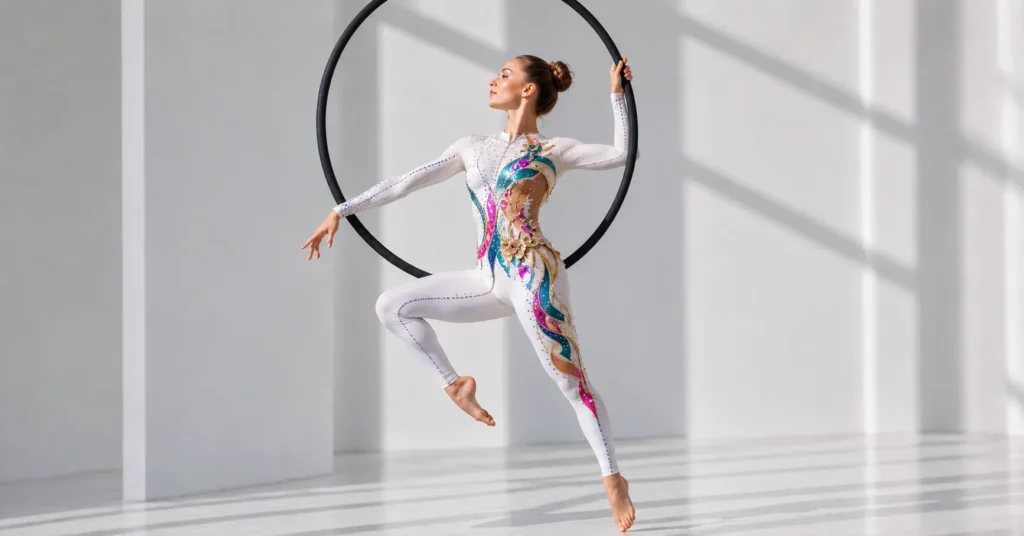
You do not have to buy your outfit ready-made. A DIY approach lets you customize the color, the detail, and the fit, often for less money than a custom costume.
We use a simple process that works for beginners.
- Start with a plain, well-fitting leotard or unitard as your base.
- Sketch your design and choose where detail will sit.
- Add mesh panels or fabric appliqués by hand-stitching for durability.
- Apply flat-back rhinestones with fabric-safe gem glue.
- Let any glue cure flat for at least 24 hours before wearing.
What this means: you control the whole look while keeping the movement of a proper base piece. Start simple, then build density as your confidence grows.
Adding Rhinestones and Embellishment
Rhinestones turn a plain base into a stage-ready costume. They catch light and read well from a distance, which makes them worth the effort.
- Use fabric-safe gem glue, not craft glue, so the stones survive movement.
- Place stones in clusters at the chest, hips, or along seams for impact.
- Avoid heavy stoning on high-stretch zones, since it limits the give.
Press each stone firmly and let it cure fully. A careful application is the difference between a costume that sheds crystals and one that holds them through a full show.
Choosing a Safe Base
The base piece decides whether your DIY outfit is safe to perform in. Detail means nothing if the base restricts movement or fails mid-routine.
- Pick a four-way stretch base in a spandex blend.
- Confirm the seams are flat and strong, since they take the strain.
- Test the full range of motion before you add any detail.
This single step protects your performance. Build the look on a base you trust, and the embellishment becomes decoration rather than a risk.
Choosing the Right Fit
Fit decides both safety and how the outfit reads. Too loose, and the fabric shifts mid-movement. Too tight, and it restricts your range. We match the fit to your activity below.
| Activity | Ideal Fit | Why |
| Stage performance | Second-skin, secure | Reads clean, stays put |
| Training | Close but comfortable | Moves freely all session |
| Aerial work | Snug, full coverage | Protects skin, no snags |
| Costume / themed | Comfortable, flexible | Wearable for hours |
Use this as guidance, not a strict rule. The most important thing is that the outfit holds securely while letting you move at full range.
How to Check the Fit Before You Buy
Sizing varies by brand, so a quick process saves returns. We use these steps every time.
- Check the brand’s size chart against your bust, waist, and hip measurements.
- Confirm the torso length suits your height, since a short body pulls down.
- Move through your full range in the fitting room or at home.
- Read reviews for notes on whether a style runs small or large.
A few minutes of checking saves you from an outfit that digs in or rides up. Torso length matters as much as the standard size for a leotard or unitard.
Common Mistakes and How We Fix Them
Acrobat outfit shopping has a few predictable traps. We name them directly, then give you the fix for each, so your outfit works the way you need.
- Choosing two-way stretch. It restricts diagonal movement. Pick a four-way stretch fabric instead.
- Ignoring recovery. The outfit bags out mid-routine. Choose a fabric that snaps back fast.
- Over-stoning a stretch zone. Heavy detail limits the give. Keep embellishment off the highest-stretch areas.
- Picking the wrong torso length. A short body pulls down and digs in. Match the length to your height.
- Using craft glue for rhinestones. Stones fall off under movement. Always use fabric-safe gem glue.
Run through this list before you buy. A quick check turns a frustrating outfit into one you trust on stage.
A Quick Pre-Performance Checklist
We use a short checklist to confirm an outfit is ready for a routine.
- Does the fabric stretch in all four directions?
- Does it snap back without sagging?
- Does the fit stay secure through my full range?
- Are zippers and hooks absent or snag-free?
- Will the detail read from the audience?
Five yeses mean you are ready to perform. This habit removes the guesswork from choosing performance wear.
Caring for Your Acrobat Outfit
Care decides how long an acrobat outfit holds its stretch and shine. Spandex breaks down with heat, and rhinestones lift with rough handling, so we treat these pieces gently.
We follow these steps to protect both the fabric and the detail.
- Wash in cold water on a gentle cycle to protect the elastane.
- Turn the outfit inside out to shield embellishment and surface.
- Skip the dryer, since heat destroys stretch and loosens glue.
- Lay flat to dry so the shape and detail stay intact.
What this means: your outfit keeps its fit and finish far longer. A small change in laundry habits protects the exact features that make the piece work.
Storing Performance Wear Safely
Storage matters as much as washing for an embellished or high-stretch piece. The wrong method stretches the fabric or snags the crystals.
- Fold high-stretch outfits rather than hanging them by the straps.
- Store embellished pieces in a garment bag to prevent snags.
- Keep outfits out of direct sunlight, which fades color and weakens fibers.
A few minutes of care keeps the outfit performance-ready. The stretch holds, the color stays bright, and the detail stays put through many shows.
Building a Capsule Wardrobe for Acrobats
You do not need a closet full of costumes. A focused capsule gives you the right piece for every situation from a handful of items.
We recommend this starter set:
- One plain training outfit in a durable nylon-spandex blend
- One fitted stage leotard with embellishment for performance
- One full-coverage unitard for aerial or specialty work
- One costume-first piece for Halloween and themed events
- Grip socks, a cover-up, and a garment bag for transport
These pieces cover training, performance, aerial work, and parties. Add layers and accessories you already own, and you have a full acrobat wardrobe ready for any booking or class.
Why a Capsule Saves Money and Stress
A capsule approach removes the scramble of finding the right piece before a show. Each item has a clear job, so every purchase earns its place.
- You cover more situations with fewer pieces.
- You spend on quality where it matters, like the stage costume.
- You pack faster, since each piece has a defined role.
That efficiency is the real value of planning your wardrobe. A performer with the right four pieces is ready for far more than a closet full of random costumes.
Conclusion
An acrobat outfit earns its place when it pairs full freedom of movement with a look that carries the stage. Choose a four-way stretch fabric with strong recovery, match the type to your activity, and add detail that reads from a distance. Follow those steps and choosing performance wear stops feeling like a gamble.
Here are your main takeaways:
- Movement comes first, so the fabric and fit decide everything.
- Four-way stretch with strong recovery keeps the outfit secure and safe.
- Match the type to the activity, from training kit to stage costume.
- Save rhinestone embellishment for performance, not daily practice.
- Gentle washing and folded storage protect stretch and shine.
Your next step: start with one durable training outfit and one fitted stage leotard, then build from there. Once you feel how the right fabric and fit move with you, choosing the rest of your acrobat wardrobe becomes simple.
Frequently Asked Questions (FAQs)
What is an acrobat outfit?
An acrobat outfit is performance clothing built for extreme movement. It combines a close fit, four-way stretch, and secure coverage so a performer can tumble, balance, and contort without the fabric shifting or restricting their range.
What fabric is best for an acrobat outfit?
A spandex or nylon-spandex blend works best for most performers. The four-way stretch moves in every direction, and the strong recovery keeps the fit secure. For training, choose a breathable, moisture-wicking blend that survives frequent washing.
What is the difference between a stage costume and a training outfit?
A stage costume uses bold color, mesh panels, and rhinestone embellishment to read clearly under lights and from a distance. A training outfit prioritizes durability, breathability, and easy washing over visual flair, since it takes daily wear.
What should I wear for aerial silks?
Choose a full-coverage unitard or leggings with a fitted top to protect your skin against the silks. Avoid zippers, hooks, or anything that could snag, and pick a grippy performance fabric that holds securely against the fabric of the silks.
How do I make a DIY acrobat outfit?
Start with a plain, four-way stretch leotard or unitard as a safe base. Add mesh panels or appliqués by hand-stitching, then apply flat-back rhinestones with fabric-safe gem glue. Let any glue cure flat for at least 24 hours before wearing.
How do I style an acrobat costume for women for Halloween?
Pair a sparkly bodysuit with a structured tutu and bold theatrical makeup. Add a vintage ringmaster jacket for a full circus costume effect. Prioritize comfort you can wear for hours, since you are not performing a real routine.
Why does four-way stretch matter for acrobat performance wear?
Acrobats bend in every direction at once, so the fabric has to give both side to side and up and down. Four-way stretch allows that full range, while two-way stretch restricts diagonal movement and can feel tight or tear under strain.
How do I keep rhinestones from falling off my competition costume?
Use fabric-safe gem glue rather than craft glue, press each stone firmly, and let it cure flat for at least 24 hours. Keep heavy stoning off the highest-stretch zones, and always wash the costume gently and inside out.
How do I wash an acrobat outfit without ruining the stretch?
Wash in cold water on a gentle cycle, turn the outfit inside out, and skip the dryer entirely. Heat breaks down the elastane that gives the fabric its stretch, so lay the piece flat to dry to protect both the fit and any detail.
How many acrobat outfits do I really need?
A capsule of about four pieces covers most needs. One durable training outfit, one fitted stage leotard, one full-coverage unitard for aerial work, and one costume-first piece for themed events handle practice, performance, and parties.