The Iconic History Behind Michael Jackson’s Billie Jean Outfit
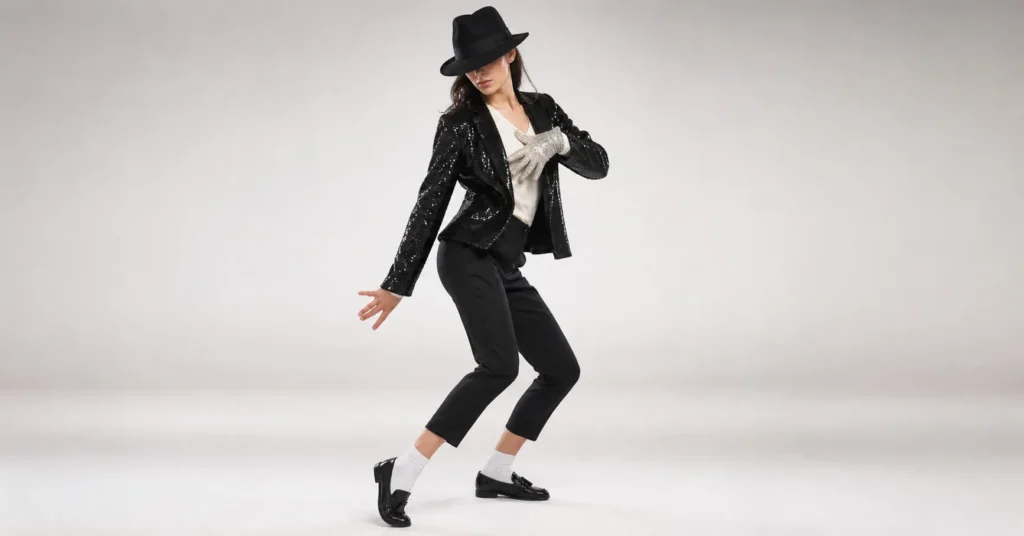
When you think of monumental moments in music history, certain visuals instantly come to mind. Among the most recognizable is the legendary Billie Jean outfit. Worn during a defining performance that shifted the trajectory of pop culture, this ensemble became a global phenomenon overnight. It is not just clothing; it is a masterclass in visual storytelling and performance art.
The combination of the black sequined jacket, the single white glove, the fedora, and the high-water pants changed how artists approach fashion on stage. In this guide, we dive deep into the origins of this unforgettable look, break down its individual components, and explore why it remains one of the most celebrated costumes in entertainment history.
The Origin of the Billie Jean Look
To understand the impact of the outfit, we have to look back at the precise moment it debuted to the world. It was a night of celebration, nostalgia, and groundbreaking innovation.
Motown 25: The Night That Changed Music and Fashion
In 1983, NBC broadcasted “Motown 25: Yesterday, Today, Forever.” The television special honored the legacy of Motown Records. While many legendary acts performed, one specific segment stole the entire show.
Stepping onto the stage alone, a lone figure positioned himself under a dramatic spotlight. He wore a black sequin jacket, black high-water trousers, a silver sequined shirt, and a single white rhinestone glove. He placed a black fedora on his head and struck a pose. As the bassline dropped, history was made. This was the debut of the moonwalk, and the debut of a fashion statement that would define a decade.
Conceptualizing the Look
The creation of this specific attire was highly intentional. The goal was to create a look that captured light dynamically while emphasizing movement. Every single piece was curated to highlight the dancer’s sharp, precise choreography. The contrasts of black and white, paired with the sparkle of rhinestones, ensured that even the subtle twitches of a hand or the slide of a foot were visible to the back row of a massive stadium.
Breaking Down the Classic Components
The brilliance of this style lies in its individual pieces. Let us break down the anatomy of the attire and understand what makes each piece so important.
The Black Sequin Jacket
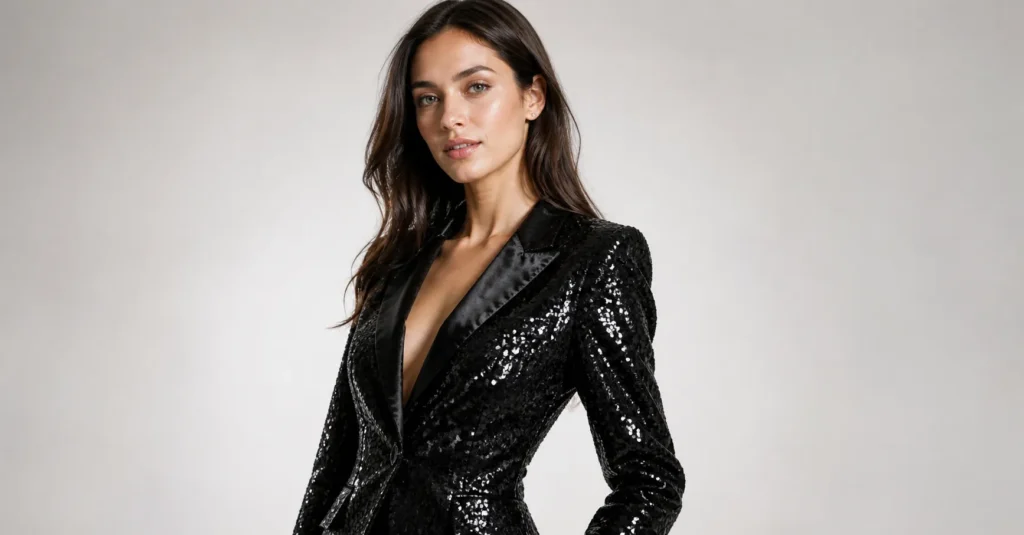
The focal point of the upper body is the black sequin jacket. While traditional formal wear blends into the shadows of a stage, this piece caught the spotlight with every spin. It provided a sleek, tailored silhouette that moved fluidly with the dancer. Over the years, this jacket saw minor variations across different tours, sometimes featuring varying lapel styles or heavier sequin detailing, but the core black-sparkle aesthetic remained constant.
The Single White Glove
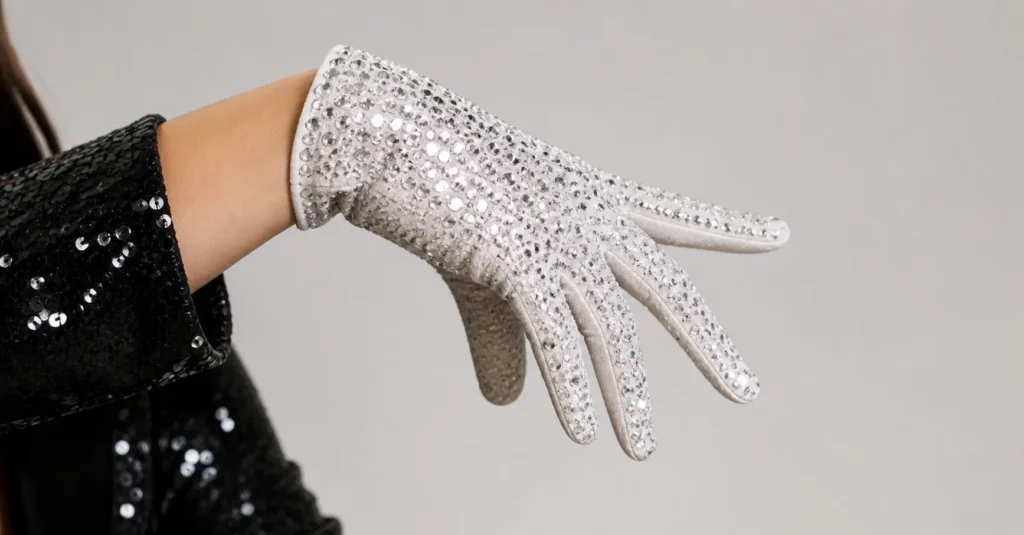
Perhaps the most famous accessory in music history is the single white rhinestone glove. Originally created to cover a skin condition, the glove quickly evolved into a massive fashion statement. Wearing only one glove created a visual imbalance that drew the audience’s eye directly to the complex hand movements used in the choreography.
The Black Fedora Hat
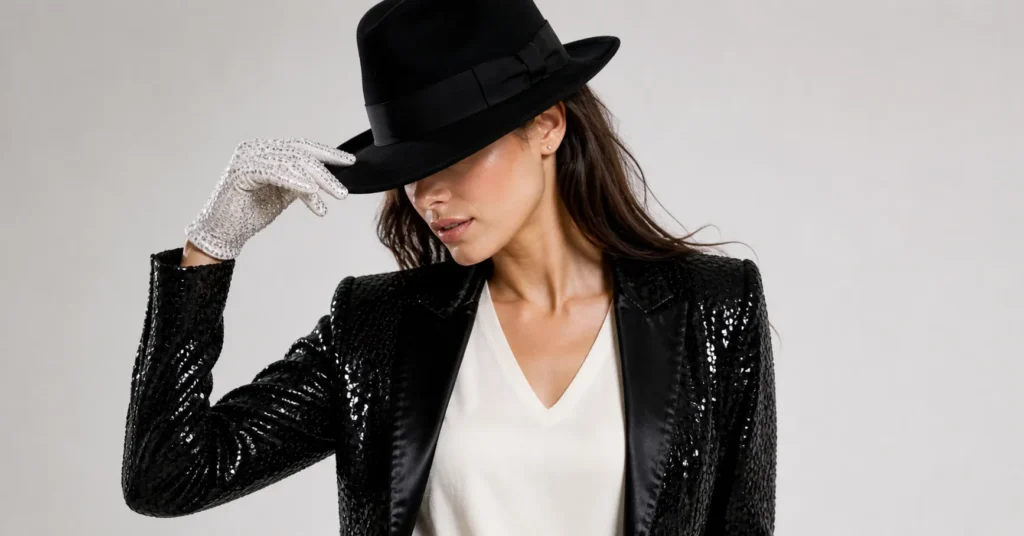
The black fedora is the ultimate symbol of mystery. Borrowing from the classic film noir era and the slick styles of 1920s gangsters, the hat added a theatrical flair. The routine famously starts with the artist pulling the brim of the hat down over his eyes, hiding his face before the explosive first dance move. At the end of the song, tossing the hat into the audience became a cherished concert tradition.
The White V-Neck and Black Trousers
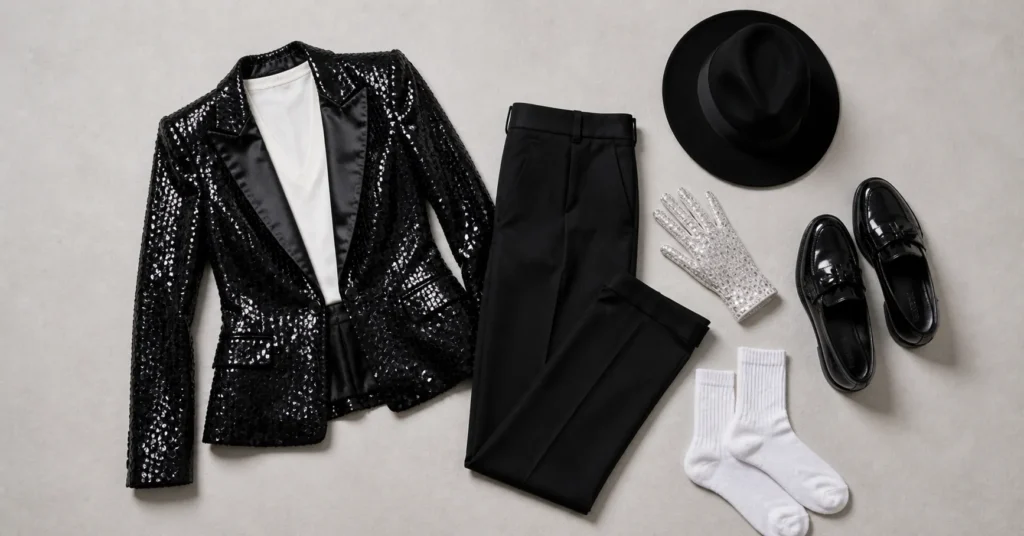
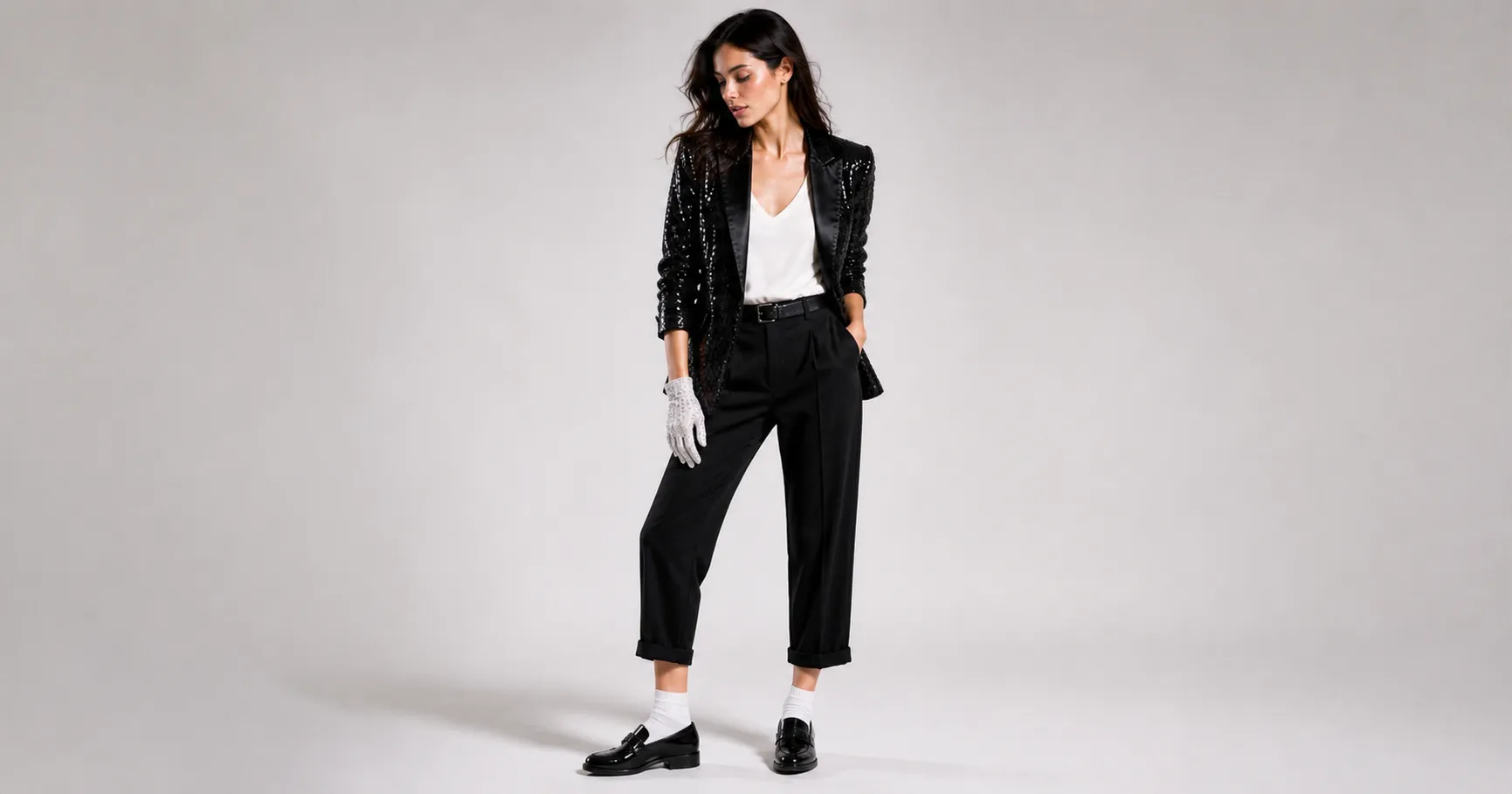
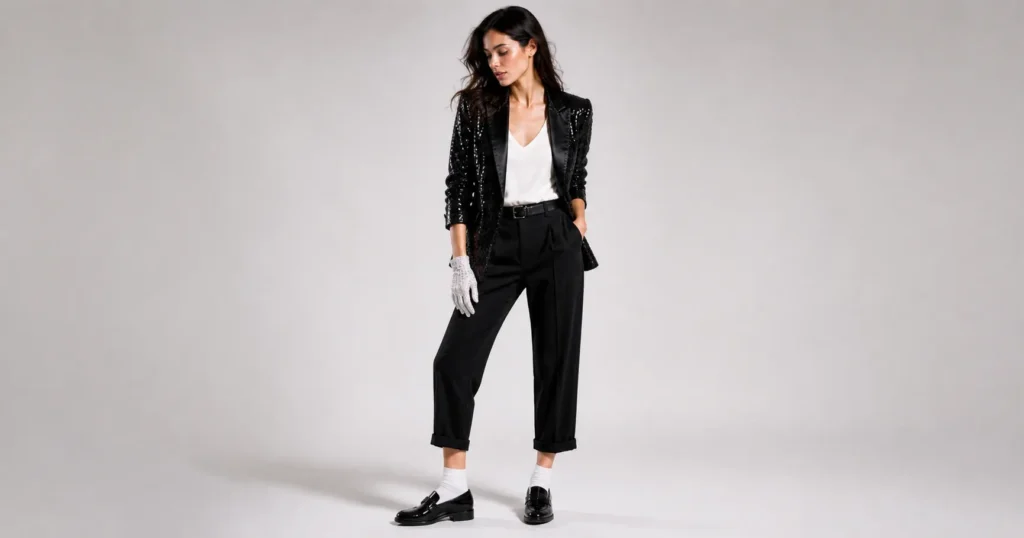
Underneath the glittering jacket sat a simple white V-neck T-shirt or a silver sequined button-up shirt, depending on the specific tour performance. Paired with this were black, high-water trousers. These pants were intentionally tailored too short. Why? To expose the ankles, making the footwork the star of the show.
The Penny Loafers and White Socks
High-water pants naturally draw attention to the feet. To maximize this effect, the artist wore stark white, sequined socks paired with black leather penny loafers. The sharp contrast between the white socks and the black shoes made the incredibly fast, gliding footwork—especially the moonwalk—pop visually.
Why the Outfit Became a Pop Culture Phenomenon
This specific style went far beyond a simple stage costume. It became a cultural touchstone.
| Outfit Element | Visual Purpose | Cultural Impact |
| Black Sequin Jacket | Catches stage lighting during spins | Inspired 1980s glam pop fashion trends |
| Single White Glove | Highlights hand movements and snaps | Became a globally recognized symbol of pop royalty |
| Black Fedora | Adds mystery and theatrical framing | Revived classic vintage hat styles for a new generation |
| White Socks & Loafers | Emphasizes complex footwork | Created a lasting trend for dancers worldwide |
The attire perfectly blended vintage, classic menswear with futuristic, glitzy performance art. It bridged the gap between old Hollywood elegance and modern pop superstardom. Fans immediately started mimicking the look, leading to mass production of sequin gloves and fedoras worldwide.
How the Look Evolved Through the Decades
While the Motown 25 performance cemented the look, the outfit evolved as the artist embarked on massive global stadium tours.
The Victory and Bad Tours
During the mid-to-late 1980s, the attire became slightly more structured. The jackets featured more prominent shoulder pads, aligning with the bold fashion trends of the decade. The sequin work became heavier and more elaborate, ensuring maximum visibility in massive outdoor arenas.
The Dangerous and HIStory Tours
By the 1990s, the look was streamlined. The core elements remained untouched, but the fabrics became lighter to accommodate increasingly rigorous and demanding dance routines. The white V-neck became standard, offering a casual, breathable contrast to the heavy sequined outerwear.
Recreating the Look Today
Whether you are putting together a Halloween costume, preparing for a tribute performance, or simply throwing a themed party, recreating this style is a fun project. Here is how you can nail the details.
Choosing the Right Jacket
Avoid basic blazers. You need something that sparkles. Look for a vintage black sequin jacket or a modern party blazer with reflective threading. If you are on a budget, you can purchase a standard black blazer and apply fabric glue and flat-back black rhinestones to the lapels for a DIY touch.
Sourcing the Perfect Fedora
A standard fedora works, but for accuracy, look for a wide-brimmed black wool fedora with a black ribbon band. The hat needs to be sturdy enough to be grabbed and tossed without losing its shape.
Crafting the Sequin Glove
You can easily find replica gloves online. However, if you want to make your own, buy a plain white golf glove or a cotton parade glove. Use a hot glue gun to meticulously attach clear, silver-backed rhinestones to the top of the hand and fingers. Leave the palm clear so you can comfortably grip a microphone or adjust your hat.
Nailing the Footwear
Do not wear regular dress shoes. You need genuine leather penny loafers with a smooth sole for sliding. Pair them with thick, bright white socks. For extra accuracy, you can add crystals to the ankle area of the socks.
The Legacy of the Look in Modern Fashion
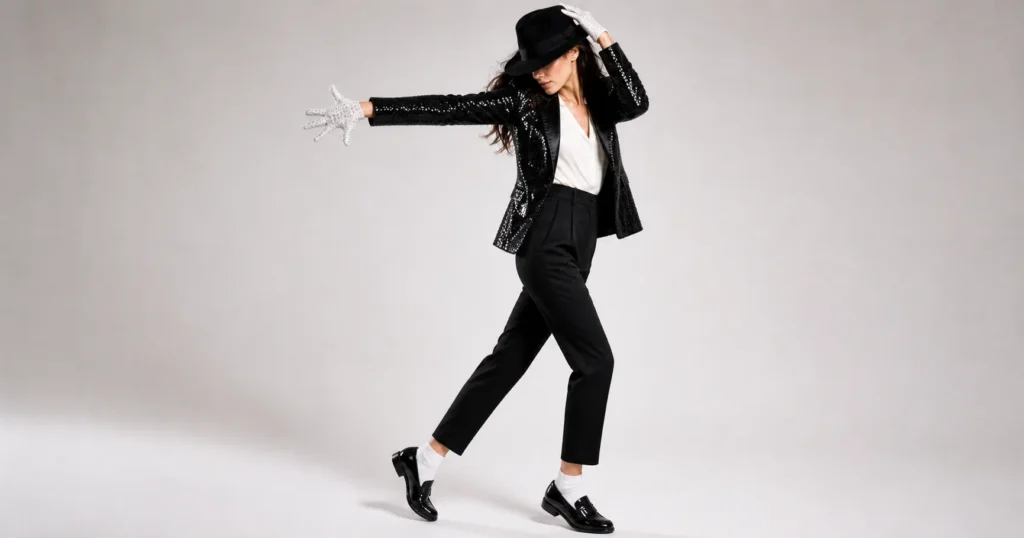
The influence of this specific attire extends well into modern fashion and contemporary pop performances.
Influence on Modern Artists
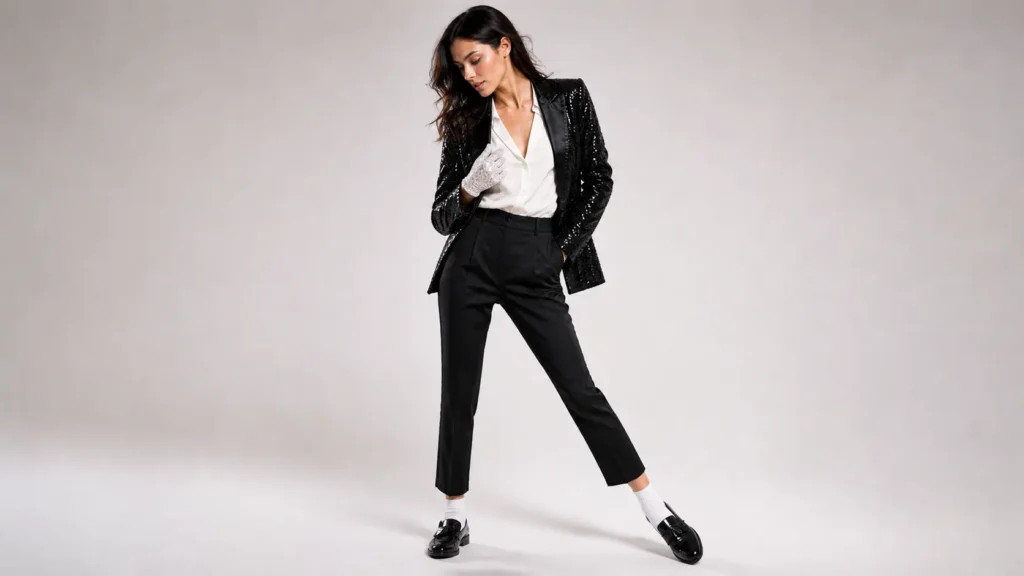
Today’s pop stars and performers frequently draw inspiration from this iconic style. You often see artists incorporating singular statement gloves, heavily sequenced outerwear, and high-contrast footwear into their stage wardrobes. The blueprint for modern male pop performance attire was written by this very outfit.
A Staple for Tribute Artists
Thousands of tribute artists around the globe rely on the exact replication of this attire to transport audiences back in time. The meticulous attention to detail from the exact cut of the high-water pants to the specific brand of loafers shows just how deeply ingrained this visual is in the minds of music lovers.
Conclusion
The Billie Jean outfit is a masterclass in performance fashion. By combining classic vintage silhouettes with dazzling, light-catching embellishments, it created an unforgettable visual identity that perfectly complemented groundbreaking choreography. Whether it is the flash of the white socks during a moonwalk or the tip of the black fedora, every element of this attire tells a story of musical genius and stylistic innovation. It remains a timeless symbol of an era when pop music and fashion collided to create pure magic.
Frequently Asked Questions (FAQs)
1. Why did the artist only wear one glove?
Wearing a single glove created a striking visual asymmetry that drew the audience’s attention specifically to the hand movements during the dance routine. It also originated as a way to cover a skin condition before evolving into a massive fashion statement.
2. What kind of hat is used in the outfit?
The hat is a classic black fedora, typically made of wool felt, featuring a black ribbon band around the base of the crown.
3. Why were the pants designed to be so short?
The high-water trousers intentionally exposed the bright white socks and black loafers. This stark visual contrast made the incredibly fast and complex footwork highly visible to the audience.
4. When did the outfit make its first televised appearance?
The complete look debuted during the iconic Motown 25 television special in 1983, which is also the same performance where the moonwalk was introduced to the world.
5. How heavy was the original sequin jacket?
Original stage-worn jackets were surprisingly heavy due to the thousands of hand-sewn rhinestones and sequins required to catch the stadium lighting.
6. Can I easily put together a DIY version of this look?
Yes. You can easily assemble a DIY version using a black sequin blazer, a white V-neck shirt, black high-water dress pants, white socks, black loafers, a black fedora, and a single rhinestone-covered glove.
7. Did the outfit change over the years?
While the core elements the fedora, the glove, the socks, and the sparkly black jacket remained consistent, minor details like the jacket’s shoulder padding and the style of the undershirt evolved during different global tours.