
The Ultimate Guide to the Modern Cheerleader Outfit

When we think of school spirit, athletic prowess, and high-energy performances, the iconic cheerleader outfit immediately comes to mind. It is a symbol of teamwork, dedication, and the electrifying atmosphere of game day. However, for those involved in the sport whether you are a coach, a parent, or an athlete choosing the right uniform is a decision that goes far beyond aesthetics. It involves navigating a complex world of performance fabrics, regulation guidelines, and evolving fashion trends.
This comprehensive guide is designed to walk you through every aspect of selecting, styling, and maintaining the perfect cheerleader outfit. We will explore the differences between sideline and competitive wear, break down the essential components of a uniform, and offer expert tips on getting the perfect fit. Whether you are outfitting a pee-wee squad or a collegiate team, understanding these elements ensures your athletes look great and perform at their best.
The Evolution of the Cheerleader Look
To appreciate the modern uniform, it helps to look back at its history. The cheerleader outfit has undergone a radical transformation over the last century. In the early days, cheerleaders wore long wool skirts and heavy sweaters—a far cry from today’s athletic wear. As cheerleading evolved from simple chants to a physically demanding sport involving tumbling and stunting, the uniforms had to adapt.
Today’s uniforms are marvels of athletic engineering. They are designed to be aerodynamic, breathable, and flexible. The shift from bulky natural fibers to high-tech synthetics has allowed athletes to jump higher and move faster, proving that fashion in cheerleading is functional above all else.
Deconstructing the Uniform: Essential Components

A complete cheerleader outfit is an ensemble of several specialized pieces. Understanding the terminology and function of each item will make the ordering process much smoother.
The Shell (The Vest)
The shell is the sleeveless top that is the centerpiece of the uniform. It typically displays the team name or logo across the chest.
- Design Options: Shells come in various cuts, including V-neck, crew neck, and sweetheart necklines.
- Customization: This is where the team’s identity shines. Customization options range from simple screen printing to tackle twill (stitched lettering) and sublimation (dye infused into the fabric).
- Fit: A properly fitting shell should be snug to the body to prevent it from getting caught during stunts but must allow for a full range of arm motion.
The Skirt vs. The Skort
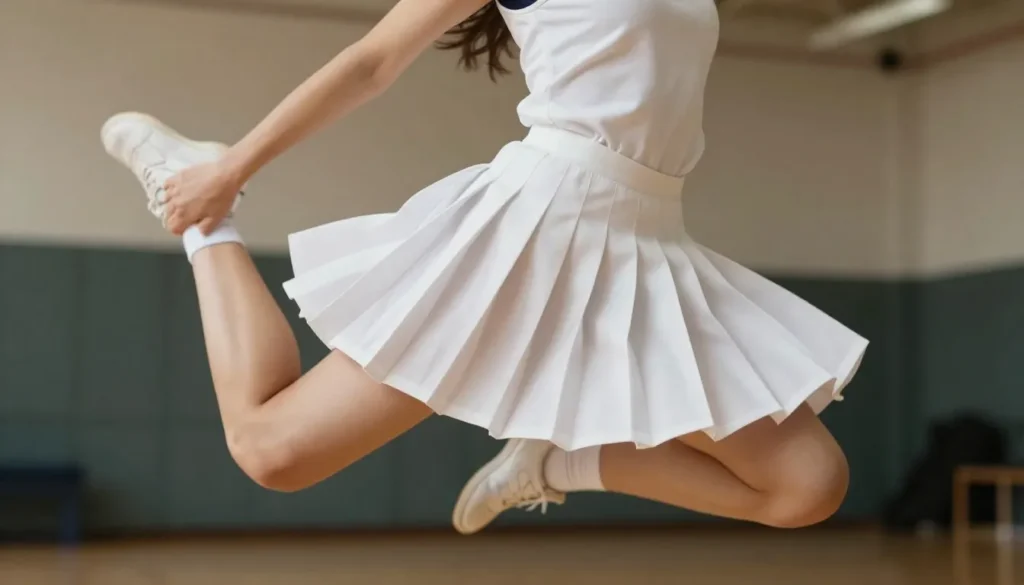
While often referred to as a skirt, the bottom half of a modern cheerleader outfit is almost always a skort (a skirt with attached shorts) or is worn with separate bloomers.
- Pleated Skirts: The classic choice. Pleats add movement and energy to jumps and dance routines. Box pleats and knife pleats are the most common styles.
- A-Line Skirts: A more streamlined, modern silhouette. These skirts sit flatter against the body and offer a cleaner look.
- Fly-Away Skirts: These feature panels that “fly” open during movement, revealing a contrasting color underneath for a dramatic visual effect.
The Bodyliner (Crop Liner)

This is the long-sleeved or mid-length sleeved top worn underneath the shell.
- Function: It provides warmth for cold Friday night games and coverage for uniforms that might otherwise be too revealing for school regulations.
- Material: Usually made of a stretch material like spandex or Lycra to fit like a second skin without bunching up under the shell.
Briefs (Bloomers/Spankies)
If the skirt does not have built-in shorts, separate briefs are mandatory. They match the uniform colors and provide essential coverage during stunts and tumbling passes.
Scholastic vs. All-Star: Understanding the Styles

Not all cheerleader outfits are created equal. The style you choose depends heavily on the type of team you are outfitting.
Scholastic Cheer (School & Rec)
School cheer uniforms are steeped in tradition. They represent the educational institution and must often adhere to strict dress codes.
- Aesthetic: Classic, collegiate, and modest. The focus is on school colors and traditional lettering.
- Coverage: Midriffs are typically covered. Skirts tend to be slightly longer, and liners are standard.
- Durability: These uniforms need to survive a whole season of sideline cheering, pep rallies, and bus rides. Heavy-duty polyester blends are common.
All-Star Cheer (Competitive Club)
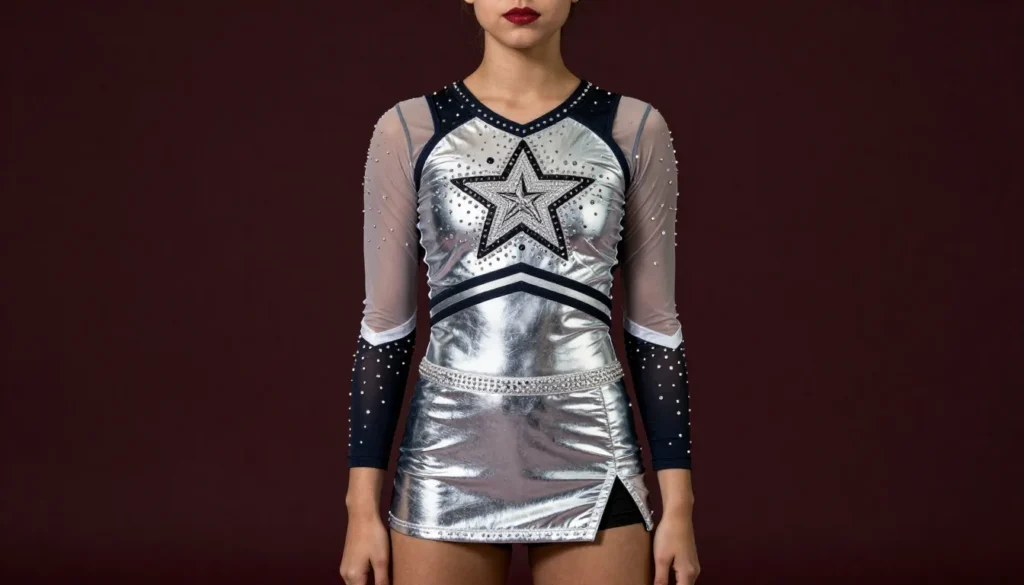
All-star cheer is the “glamour” side of the sport. These uniforms are costumes designed for the stage.
- Aesthetic: Flashy, trendy, and bold. Expect plenty of rhinestones, metallic fabrics, mesh cutouts, and intricate sublimation designs.
- Cut: Crop tops are standard (though full tops are making a comeback). Designs are more fashion-forward and can be edgier than school uniforms.
- Performance: These are strictly for the mat. They are lightweight and constructed for maximum flexibility during elite tumbling passes.
Fabric Matters: Choosing the Right Material
The fabric of a cheerleader outfit dictates how it feels, moves, and lasts.
- Double Knit Polyester: The industry standard for traditional shells and skirts. It is durable, holds its shape well, and resists wrinkling. It has a structured, crisp look.
- Performance Stretch (Spandex/Lycra): Essential for bodyliners and modern, fitted uniforms. It offers four-way stretch, wicking sweat away from the body to keep athletes dry.
- MotionFLEX: A newer hybrid fabric that combines the structure of double knit with the flexibility of spandex. It is becoming increasingly popular for its comfort and versatility.
- Mesh: Used for breathability and stylistic accents, particularly in sleeves or back panels.
Sizing and Fit: The Key to Confidence
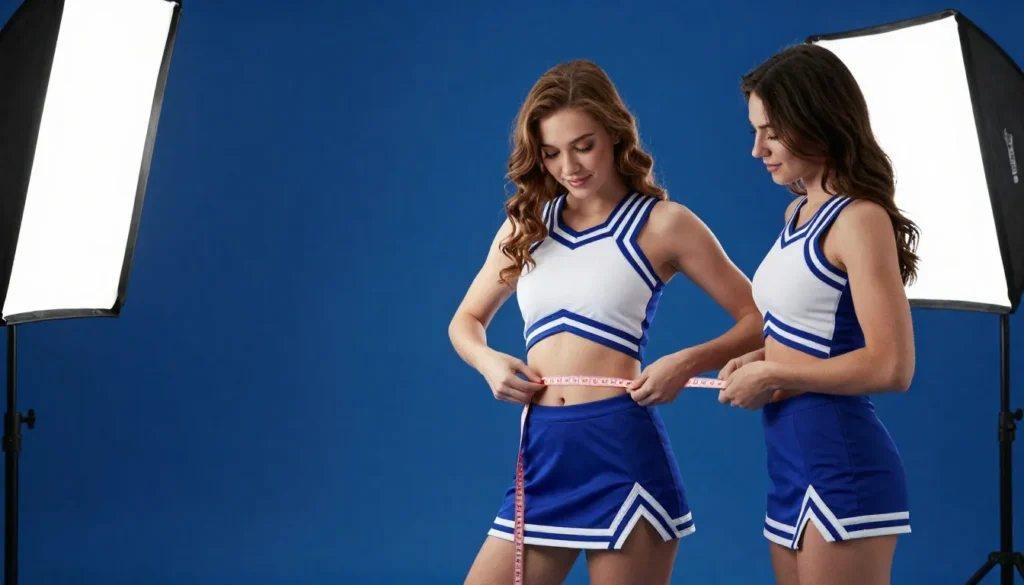
Nothing ruins a performance faster than an ill-fitting uniform. A uniform that is too tight restricts movement and breathing, while one that is too loose looks sloppy and can be dangerous during stunts (bases can get fingers caught in loose fabric).
How to Measure
Always use a cloth measuring tape and measure over undergarments, not bulky clothes.
- Chest: Measure around the fullest part of the chest, under the arms.
- Waist: Measure the natural waistline (usually the narrowest part of the torso).
- Hips: Measure around the fullest part of the hips and buttocks.
- Girth: Critical for bodysuits. Measure from the shoulder, down through the legs, and back up to the same shoulder.
The “Fit Kit” Advantage
Most reputable uniform companies offer “fit kits”—a set of sample sizes you can borrow. Having every athlete try on a sample shell and skirt is the only foolproof way to ensure the correct size is ordered. Sizes vary wildly between brands, so never assume a “Medium” in one brand equals a “Medium” in another.
Accessories: Completing the Look
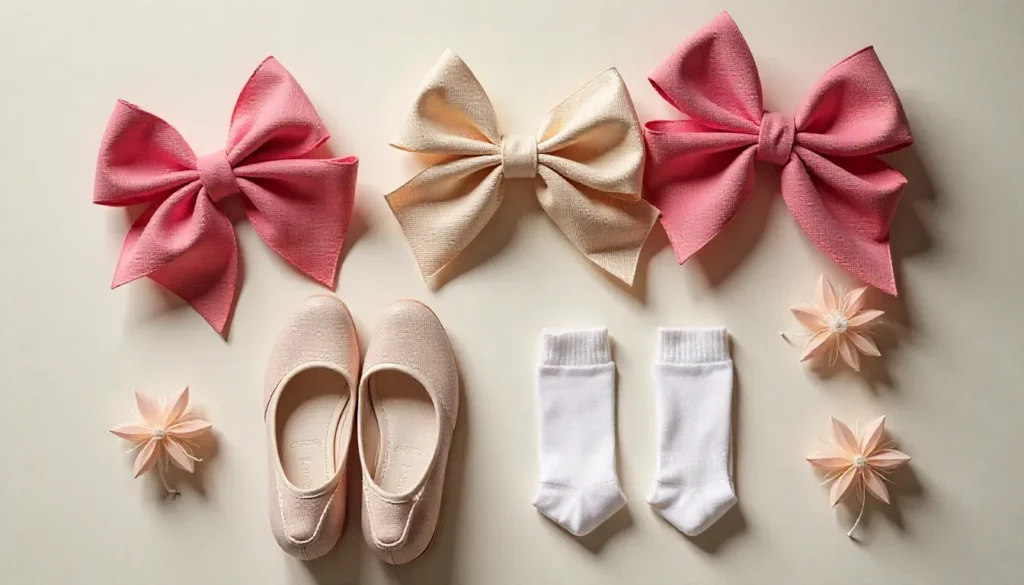
A cheerleader outfit isn’t finished until the accessories are in place.
The Bow
The cheer bow is iconic. It faces forward, sits high on the head, and is stiff enough to hold its shape.
- Trends: Oversized bows with glitter, sequins, and sublimated patterns are the current standard.
- Position: It should be secured tightly with a high-quality hair elastic to prevent it from flopping during jumps.
Cheer Shoes
These aren’t just white sneakers. Cheer shoes are specialized athletic equipment.
- Features: They have finger grooves in the soles for stunting, are incredibly lightweight for tumbling, and offer specific ankle support.
- Indoor vs. Outdoor: Sideline shoes have durable leather or synthetic leather uppers for grass and tracks. Competition shoes are often mesh or knit for weight reduction and are strictly for indoor mats.
Socks
The current trend favors no-show or low-cut ankle socks in white. They create a clean leg line and don’t distract from the uniform or the shoe.
Caring for Your Uniform
Cheer uniforms are an investment. Proper care ensures they last through the season and beyond.
- Wash Cold: Always wash uniforms in cold water on a gentle cycle. Heat breaks down the elastic fibers in spandex and can melt the glue on rhinestones.
- Turn Inside Out: This protects lettering, logos, and bling from abrasion against other clothes or the washing machine drum.
- Hang Dry: Never, ever put a cheer uniform in the dryer. The heat will shrink the fabric and ruin the customization. Hang them up immediately after washing.
- Stain Removal: Treat stains immediately (grass, makeup, sweat) with a gentle pre-treater. Avoid harsh bleaches which can yellow white fabrics or fade colors.
Customization Trends for 2026
If you are designing a new cheerleader outfit this season, consider these emerging trends.
- Sublimation Dominance: Sublimation allows for unlimited colors and intricate designs without the weight or scratchiness of embroidery. It is becoming the standard for both school and all-star teams.
- Ombre Effects: Gradated color fading (e.g., from dark blue to light blue) on skirts and sleeves adds a modern, dynamic look.
- Unique Back Designs: While the front must display the logo, the back is a place for creativity. Strappy backs, keyhole cutouts, and mesh panels are popular.
- Rhinestone “Dust”: Instead of large stones, designers are using “dustings” of tiny crystals for a subtle, all-over shimmer that catches the light beautifully.
Conclusion
Selecting the right cheerleader outfit is about balancing tradition with innovation. It is about finding that sweet spot where school spirit meets high-performance athletic wear. Whether you opt for a classic pleated skirt and shell or a dazzling, crystal-encrusted all-star ensemble, the goal remains the same: to make the athlete feel confident, powerful, and part of a cohesive team.
By paying attention to fabric quality, prioritizing a safe and proper fit, and caring for the garment correctly, you ensure that the uniform supports the athlete in every stunt, jump, and cheer. The uniform is the armor of the cheerleader—make sure it shines as brightly as they do.
Frequently Asked Questions (FAQs)
Q: How much does a typical cheerleader outfit cost?
A: Prices vary significantly. A basic sideline shell and skirt set can start around $60-$100. However, a fully customized competitive uniform with lettering and rhinestones can range from $250 to over $500 per athlete.
Q: Can we design our own uniforms?
A: Yes! Most major cheer apparel companies offer online design tools where you can choose colors, cuts, and placements. For a truly unique look, you can work with a sales representative to create a custom design from scratch.
Q: How long should a cheer skirt be?
A: For school cheer, the standard rule of thumb is often “fingertip length” (where the fingertips touch the hem when arms are at sides), but this varies by school district policy. Competitive all-star skirts tend to be shorter to allow for maximum leg movement.
Q: What is the difference between “tackle twill” and “screen print”?
A: Screen print applies ink on top of the fabric; it is cheaper but can crack over time. Tackle twill involves cutting letters out of fabric and stitching them onto the uniform; it creates a high-quality, 3D look that is very durable and traditional.
Q: Do I need a bodysuit for a competition uniform?
A: Not always. Many all-star uniforms are designed as crop tops. However, some competitions or divisions require midriffs to be covered, in which case a mesh or solid bodyliner is incorporated into the design.