Outfits for School: How to Dress Confidently, Comfortably, and Like Yourself Every Day
The first time I truly cared about outfits for school wasn’t on the first day. It was a random Tuesday. I stood in front of my closet, already running late, staring at clothes I technically liked but somehow didn’t want to wear. Everything felt wrong. Too uncomfortable, too boring, too “not me.” That morning taught me something important: school outfits aren’t about impressing anyone. They’re about feeling comfortable enough to focus, confident enough to participate, and authentic enough to show up as yourself.
Whether you’re in middle school, high school, or college, what you wear to school shapes how your day feels more than we like to admit. The right outfit can make you feel calm during a presentation, confident walking into class, or simply comfortable enough to get through a long day. This guide is designed to help you build outfits for school that actually work in real life. Not runway looks. Not influencer-only outfits. Real, wearable, repeatable school outfits that make mornings easier and days better.
We’ll walk through how to choose outfits for school based on comfort, weather, dress codes, and personal style. You’ll learn how to put outfits together step by step, avoid common mistakes, and create looks that feel good without trying too hard. Think of this as advice from someone who’s been there, figured it out slowly, and wants to save you time, stress, and a few outfit regrets.
Why Outfits for School Matter More Than You Think
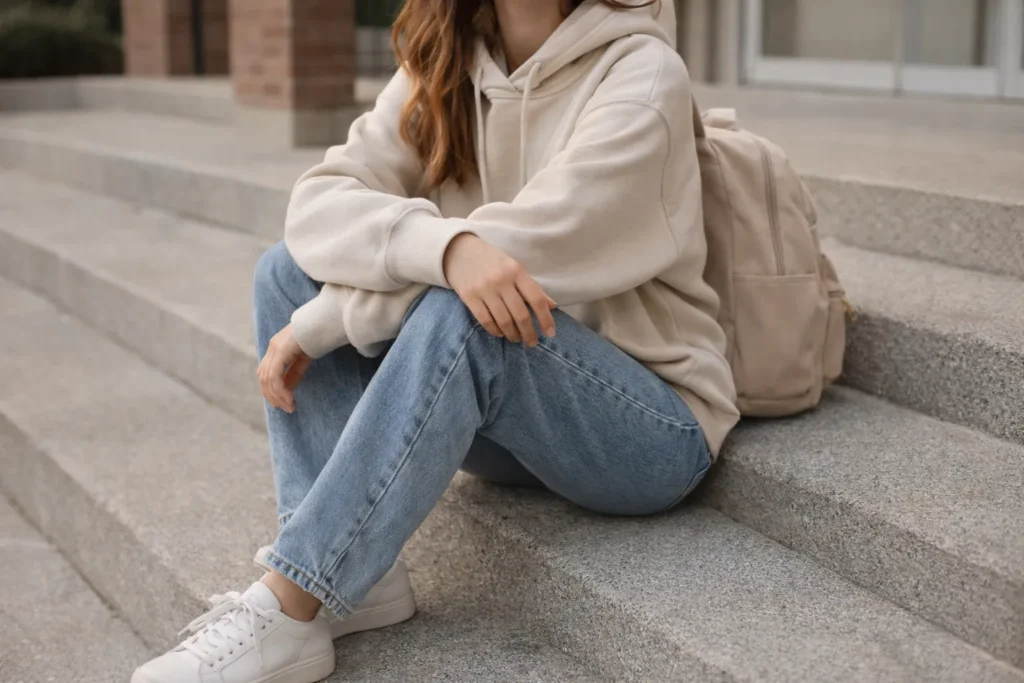
Outfits for school aren’t about vanity. They’re about practicality, self-expression, and confidence. When you’re uncomfortable in your clothes, you fidget more, lose focus, and feel self-conscious. When your outfit works, you barely think about it, and that’s the goal.
School days are long. You sit, walk, carry bags, climb stairs, and sometimes rush between classes. The best school outfits support your routine instead of fighting it. Comfortable jeans, breathable tops, supportive shoes, and layers that adjust to changing temperatures all make a difference.
There’s also an emotional side to outfits for school. Clothes can help you feel like you belong, or they can help you stand out in a way that feels empowering. Finding that balance is personal, and it changes over time. The good news is you don’t need a huge wardrobe or expensive pieces to get there.
Understanding Your School Environment and Dress Code

Before putting together outfits for school, it’s important to understand your environment. Some schools have strict dress codes, others are relaxed, and colleges are usually more flexible. Knowing the boundaries helps you get creative within them.
If your school has a uniform or partial dress code, your outfit creativity often shows up in shoes, outerwear, accessories, and hairstyles. A simple hoodie, sneakers, or backpack can make even the most basic outfit feel personal.
Weather also plays a big role. Dressing for school in summer is completely different from winter. Layering becomes essential in colder months, especially when classrooms are warm but hallways and buses are freezing.
Your daily schedule matters too. If you have PE, labs, or long walking distances, comfort should be a priority. Outfits for school should support your day, not slow you down.
Building the Perfect School Outfit Step by Step
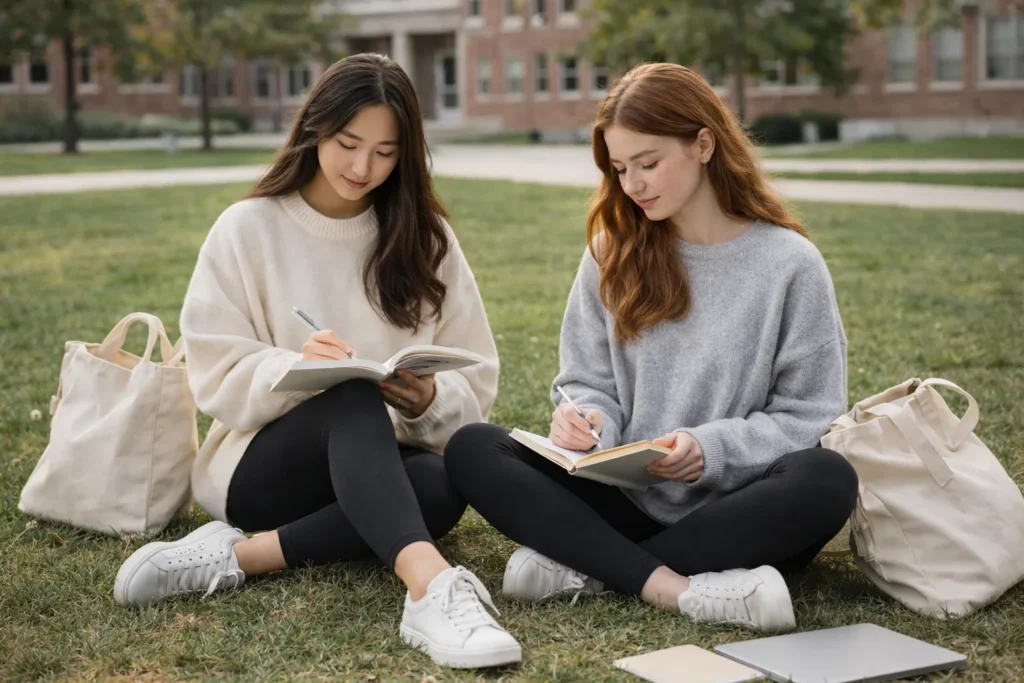
Creating outfits for school becomes much easier when you think in layers and basics rather than complete looks. Start with a comfortable base. This usually means jeans, leggings, joggers, or skirts that allow movement and don’t require constant adjusting. Mid-rise jeans or relaxed-fit trousers are popular because they’re easy to sit in all day.
Next comes the top. T-shirts, long-sleeve tops, and lightweight sweaters are staples for school outfits. Neutral colors like white, black, gray, and beige make mixing and matching easier, while graphic tees or patterned tops add personality.
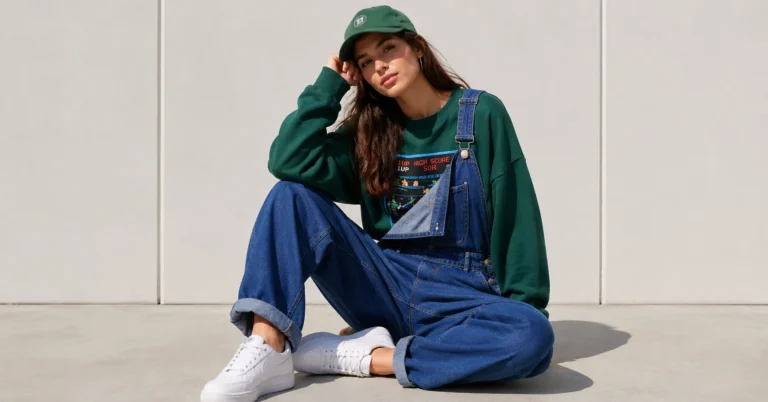
Layering is where school outfits really shine. Hoodies, cardigans, denim jackets, and zip-up sweatshirts allow you to adjust throughout the day. A well-fitted hoodie instantly makes an outfit feel cozy and casual, while a structured jacket adds polish without effort.
Shoes might be the most important part of outfits for school. You walk a lot, so comfort is non-negotiable. Sneakers from brands like Nike or Converse are popular for a reason. They’re comfortable, durable, and work with almost every outfit.
Accessories come last. Backpacks, tote bags, simple jewelry, or caps can elevate even the simplest school outfit. The key is not overdoing it. One or two thoughtful accessories are enough.
Casual School Outfits That Always Work
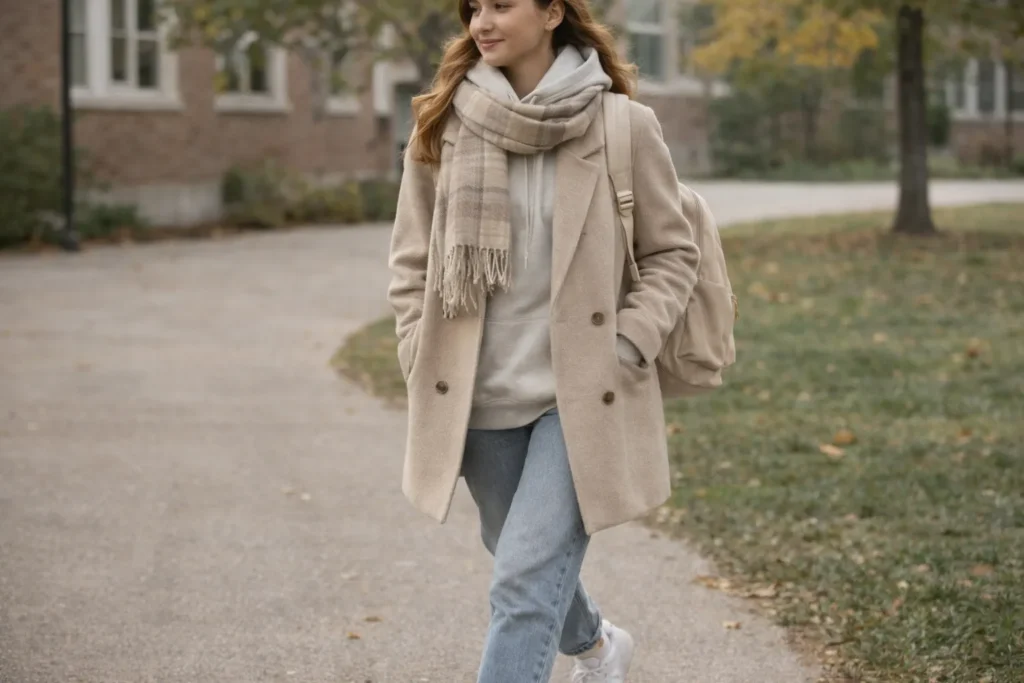
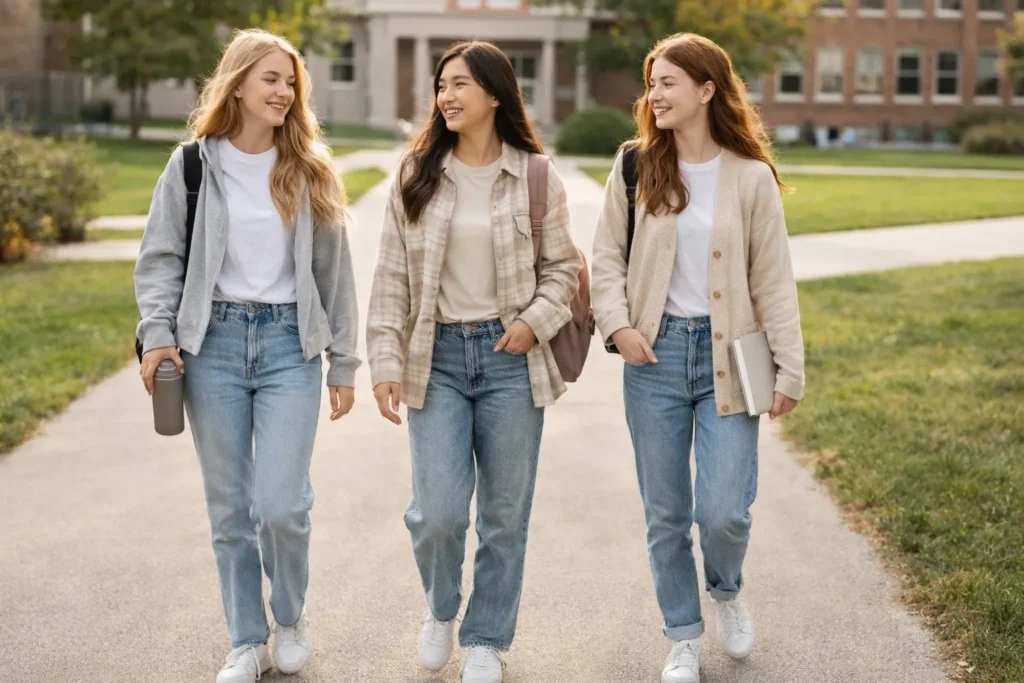
Casual outfits for school are the most common and often the most practical. A pair of well-fitting jeans, a soft T-shirt, and sneakers is a classic for a reason. You can rotate colors, fits, and layers to keep it interesting.
Joggers and sweatpants have also become more accepted as school outfits, especially when styled intentionally. Pairing them with a fitted top or structured jacket keeps the look balanced rather than sloppy.
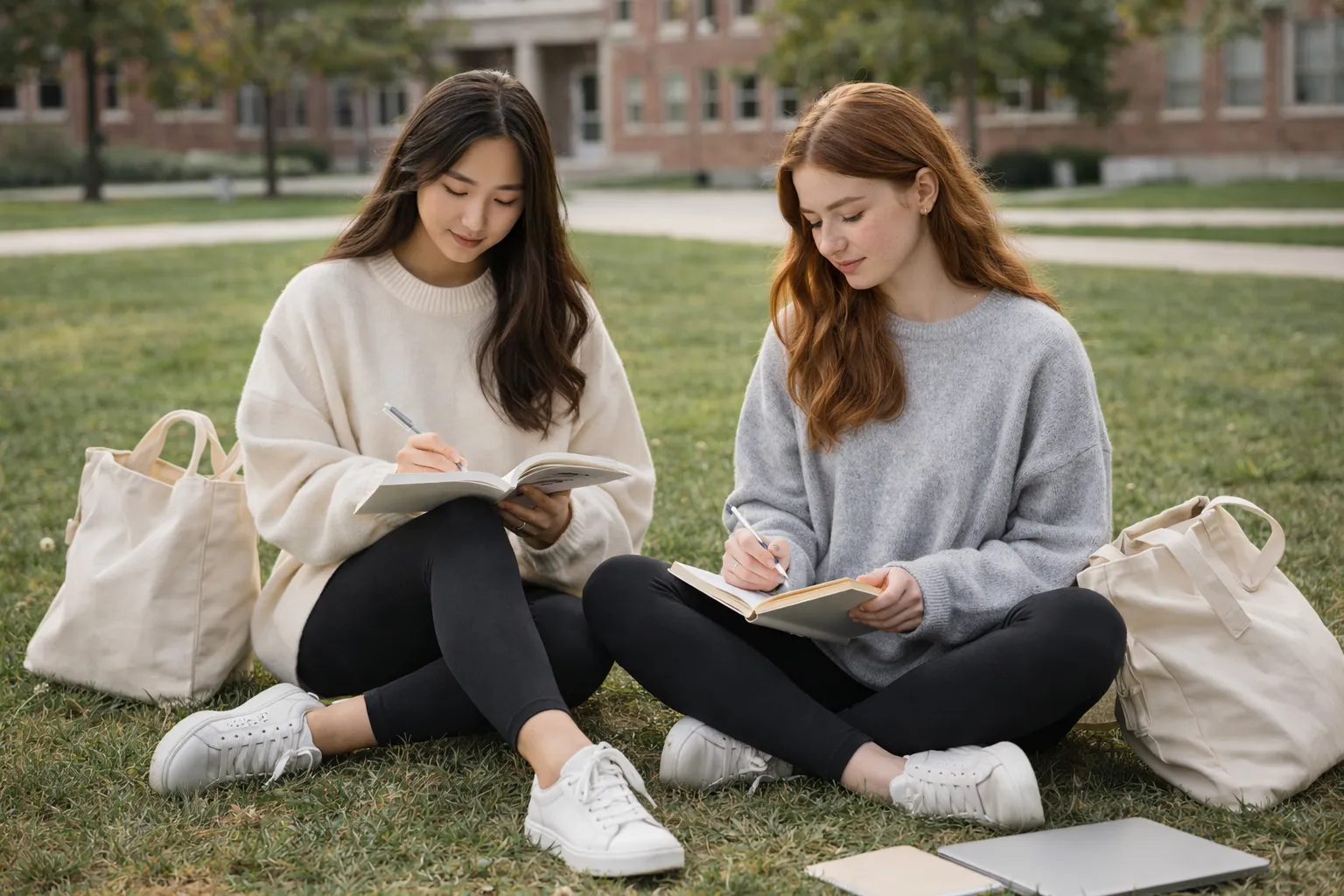
Oversized sweaters with leggings or straight-leg jeans are another go-to. They’re comfortable, cozy, and perfect for colder months. The trick is making sure at least one element of the outfit feels intentional, whether it’s the shoes, the bag, or the fit.
School Outfits for Different Seasons
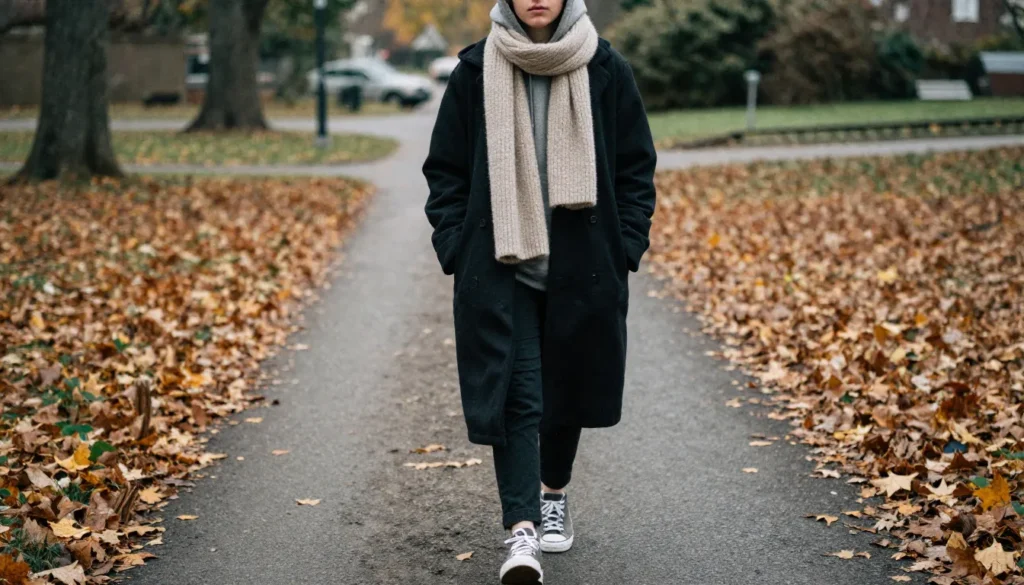
Seasonal dressing plays a huge role in outfits for school. In warmer months, breathable fabrics and lighter colors help you stay comfortable. Cotton T-shirts, loose dresses layered with bike shorts, and lightweight sneakers are practical choices.
In fall, layering becomes your best friend. Flannel shirts, denim jackets, and crewneck sweaters are perfect for transitional weather. Earth tones and neutral colors work especially well during this season.
Winter school outfits require more planning. Warm coats, scarves, and boots need to work with your indoor outfit. The best winter outfits for school include layers you can remove easily once you’re inside. Thermal tops under sweaters, lined jeans, and warm socks make a big difference.
Spring is all about balance. Light jackets, cardigans, and breathable fabrics help you adapt to unpredictable weather. Spring school outfits often feel fresher and brighter, which can boost your mood during a busy academic period.
Outfits for School by Age and Stage
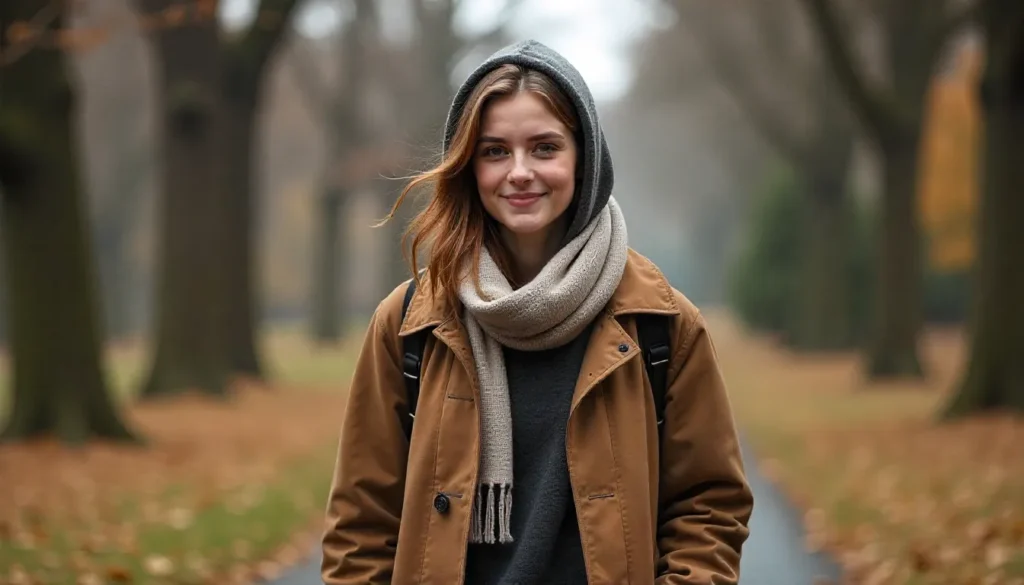
Outfits for school evolve as you grow. Middle school outfits often focus on comfort and trends, with lots of hoodies, sneakers, and playful accessories. At this stage, feeling comfortable and confident is more important than looking “put together.”
High school outfits usually reflect more personal style. Students experiment with different aesthetics, from sporty to minimalist to vintage-inspired looks. Balancing self-expression with dress code rules becomes part of the learning process.
College outfits are often the most relaxed. Comfort takes priority, especially for long days on campus. Leggings, oversized sweatshirts, and sneakers are common, but many students also enjoy dressing up a bit for classes or social events. College outfits for school often reflect lifestyle rather than rules.
Affordable and Practical Clothing Brands for School
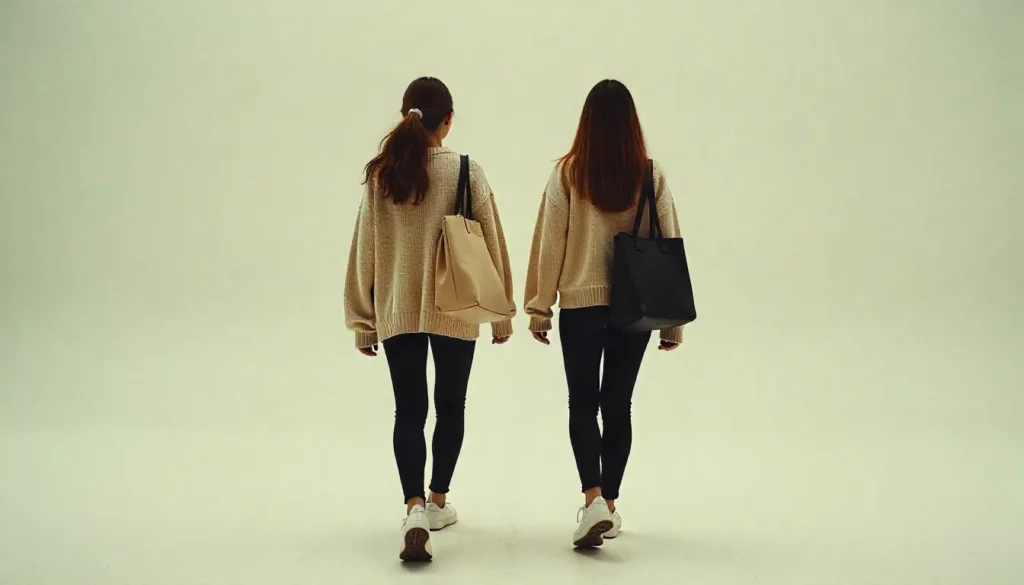
Building outfits for school doesn’t require expensive clothes. Brands like Zara offer trendy basics, while Levi’s is known for durable jeans that last through years of wear.
Thrift stores and secondhand apps are also great for school outfits. You can find hoodies, jackets, and jeans at a fraction of the cost while creating a more sustainable wardrobe.
The best approach is investing in a few high-quality basics and mixing them with more affordable trend pieces. This way, your outfits for school stay fresh without constant shopping.
Common Mistakes to Avoid with School Outfits
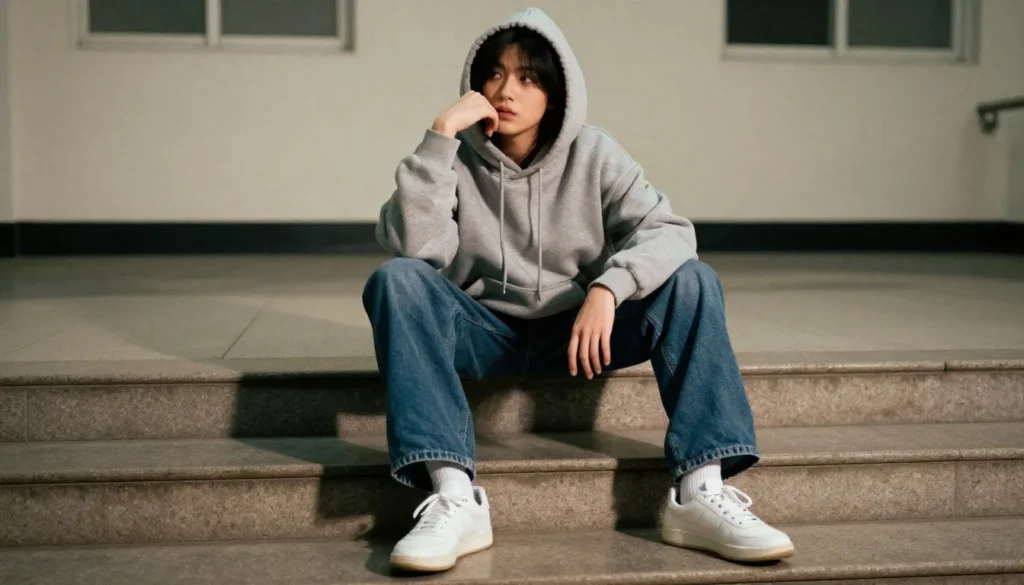
One of the biggest mistakes with outfits for school is prioritizing looks over comfort. Shoes that hurt, tops that require constant adjusting, or fabrics that don’t breathe can ruin your day.
Another common issue is overcomplicating outfits. School mornings are rushed, and complicated outfits often lead to stress. Simple, repeatable formulas make getting dressed easier.
Ignoring weather is another mistake. Wearing too little in winter or too much in summer makes the day uncomfortable. Checking the forecast before choosing your outfit saves a lot of regret.
Finally, trying to copy someone else’s style without adapting it to your own life often backfires. Inspiration is great, but your outfits for school should fit your body, schedule, and personality.
Tools That Make School Outfits Easier
You don’t need special tools, but a little organization helps. Keeping your closet tidy makes it easier to see outfit options. Planning outfits the night before reduces morning stress.
A full-length mirror helps you see how outfits actually look when worn. Comfortable hangers, storage bins, and shoe racks can also make your wardrobe more functional.
Some people find outfit-planning apps helpful, but even taking photos of outfits you like can create a personal lookbook for busy mornings.
Outfits for School That Build Confidence
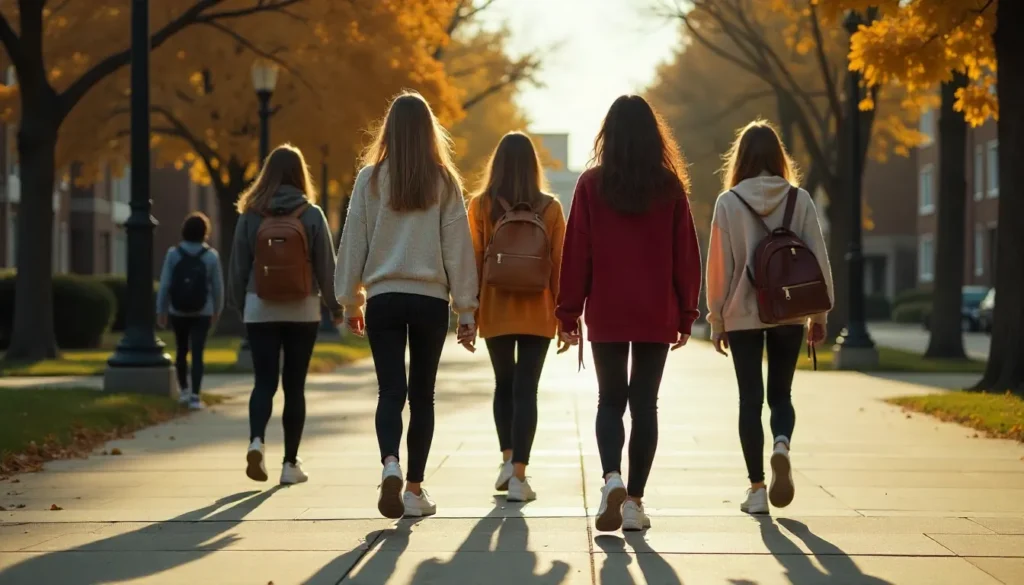
The best outfits for school are the ones that let you forget about them once you leave the house. Confidence comes from knowing your clothes won’t distract you from learning, socializing, or just getting through the day.
When your outfit reflects who you are, you stand a little taller. You speak up more. You feel more present. That’s the real power of choosing the right school outfits.
Conclusion:
At the end of the day, outfits for school are not about trends, labels, or trying to impress everyone around you. They’re about creating a version of yourself that feels comfortable, confident, and ready to handle whatever the day brings. When your clothes fit well, suit your routine, and reflect your personality, getting dressed stops being stressful and starts feeling empowering.
School days are long and unpredictable, so the best outfits are the ones that work quietly in the background. They let you focus on learning, friendships, and personal growth instead of constantly adjusting, worrying, or comparing. Whether your style is casual, sporty, minimalist, or creative, there is no single “right” way to dress for school. What matters most is that your outfit supports your life, your comfort, and your confidence.
As you refine your school wardrobe, remember that style evolves. What works for you this year may change next year, and that’s completely normal. Start with basics you love, build simple outfit formulas, and give yourself permission to repeat looks. The goal isn’t perfection; it’s ease. When your outfits for school feel easy, everything else feels a little lighter too.
Frequently Asked Questions (FAQs)
How many outfits do I actually need for school?
You don’t need a large wardrobe to dress well for school. A small collection of versatile tops, bottoms, and layers can create many outfit combinations. Most people rotate the same core pieces weekly, and that’s perfectly normal.
Is it okay to repeat outfits at school?
Yes, repeating outfits is completely fine. Most students are focused on their own day and rarely notice repeats. Rewearing clothes is practical, budget-friendly, and sustainable.
How can I look stylish at school without spending a lot of money?
Style comes more from fit and confidence than from price. Choosing neutral basics, layering thoughtfully, and keeping clothes clean and well-fitted makes a big difference. Thrift stores and sales are also great ways to build school outfits affordably.
What should I wear to school if I want comfort above everything else?
Comfort-focused school outfits usually include soft fabrics, relaxed fits, and supportive shoes. Joggers, leggings, hoodies, oversized sweaters, and sneakers are popular choices that still look put together when styled intentionally.
How do I balance school dress codes with personal style?
Dress codes can feel limiting, but they still leave room for creativity. Personal style can show through colors, layering, shoes, accessories, and hairstyles. Small details often make the biggest impact.
What are the most common outfit mistakes students make?
Wearing uncomfortable shoes, ignoring the weather, and overcomplicating outfits are common mistakes. Choosing clothes that don’t suit your daily routine can also make school days harder than they need to be.
How can I make getting dressed for school easier in the morning?
Planning outfits the night before, keeping your closet organized, and sticking to simple outfit formulas can save a lot of time. Knowing which pieces work well together reduces decision fatigue.