14 Stunning Opera Outfits for an Unforgettable Night Out
A night at the opera feels magical. The lights dim, the orchestra tunes, and the hall goes quiet just before the first note. An evening like that deserves a look to match. Picking the right opera outfits can still feel confusing, especially if you’ve never been before or you’re unsure how formal the event will be.
The good news is that modern opera houses are far more relaxed than their reputation suggests. You don’t need a ball gown or a tailcoat to enjoy La Bohème. Still, dressing up is part of the fun, and the right outfit can make the whole experience feel special.
This guide covers 14 opera outfits for every type of performance, from glittering opening galas to laid back Sunday matinees. It also explains the opera dress code and what to wear to the opera by season and venue. You’ll also find the accessories and mistakes that can make or break your look.
Why Opera Outfits Still Matter Today
Opera has a long history of glamour. In the 19th century, a trip to the opera house was as much about being seen as it was about the music. Patrons wore their finest silks and jewels, and private boxes doubled as social stages.
Today, the rules have softened. The Metropolitan Opera in New York and the Royal Opera House in London have no official dress code. You’ll see everything from tuxedos to tidy jeans in the same audience. Some venues still hold on to tradition. At England’s Glyndebourne Festival, black tie and evening gowns remain the custom. Guests often picnic on the lawn in full formal wear during the long interval.
Dressing up still matters for a few reasons:
- It honors the art form. Singers, musicians, and crew spend months preparing. Dressing with care shows respect for their work.
- It heightens the experience. Putting on something elegant shifts your mindset and turns an evening into an occasion.
- It helps you feel at ease. Feeling underdressed can pull your attention away from the stage.
Thoughtful opera outfits aren’t about showing off. They match the mood of a night that’s meant to feel extraordinary.
Understanding the Opera Dress Code
Before you choose a look, it helps to know what kind of performance you’re attending. Most events fall into one of three categories, and each one shapes which opera outfits will feel right.
Black Tie and Gala Performances
Opening nights, premieres, and fundraising galas call for formal opera attire. For women, that means a floor length opera gown or an elegant formal dress. For men, a tuxedo with a bow tie is the standard. These evenings are your chance to go all-out with jewelry, satin, and dramatic silhouettes.
Cocktail and Semi Formal Evenings
Most regular evening performances land here. Think cocktail dresses, dressy jumpsuits, tailored separates, and dark suits. You want to look polished without the full ceremony of black tie.
Smart Casual and Matinees
Daytime shows and smaller venues lean relaxed. A neat blazer, a midi skirt, or a chic knit dress works well. The goal is clean, comfortable, and a step above everyday wear.
| Event Type | Dress Level | Ideas for Women | Ideas for Men |
| Opening night / Gala | Black tie | Floor length gown, formal jumpsuit | Tuxedo, bow tie, patent shoes |
| Evening performance | Cocktail / Semi formal | Cocktail dress, silk separates | Dark suit, tie optional |
| Weekend matinee | Smart casual | Midi dress, blouse and trousers | Blazer, chinos, loafers |
| Outdoor or festival opera | Varies (often formal) | Gown with wrap, sturdy heels | Tuxedo or suit, layering piece |
If you’re unsure, check the venue’s website or your ticket confirmation. When in doubt, lean slightly dressier. Very few people feel out of place for looking elegant.
How to Choose Opera Outfits for Venue, Season, and Seat
The dress code is only part of the picture. Where you’re going, when, and where you’ll sit all shape the best choice.
Consider the Venue
Grand historic houses like the Palais Garnier in Paris or the Vienna State Opera tend to draw dressier crowds, especially in the evening. Modern regional companies and university productions often feel more casual. Photos from past performances on social media can tell you a lot about local opera fashion.
| Venue | City | Typical Evening Style |
| Metropolitan Opera | New York | Smart to semi-formal; galas are black tie |
| Royal Opera House | London | Smart casual to semi-formal |
| Vienna State Opera | Vienna | Semi-formal to formal |
| Palais Garnier | Paris | Semi-formal, chic and polished |
| Glyndebourne Festival | East Sussex, UK | Black tie by tradition |
| Sydney Opera House | Sydney | Smart casual to semi-formal |
Dress for the Season
Winter is the perfect time to build opera outfits around velvet, wool crepe, and rich jewel tones like emerald, burgundy, and sapphire. Add a tailored coat or a faux-fur stole for the walk in.
Summer calls for lighter fabrics such as silk, chiffon, and linen blends. Theaters can run cool thanks to air conditioning, so bring a light wrap even in July.
Think About Your Seats and Comfort
Most operas run between two and a half and four hours. Some of Wagner’s works stretch past five. That’s a long time to sit, so comfort should guide your opera outfits as much as style does. Avoid very tight waistbands, scratchy fabrics, or shoes you can’t walk in.
In a box or orchestra seat, you’ll be more visible, which is a good excuse to dress up. Up in the balcony, you’ll climb more stairs, so practical footwear is a smart move.
14 Opera Outfits Ideas for Every Style and Occasion
Each of these looks is easy to adapt, so you can dress it up or down depending on the night.
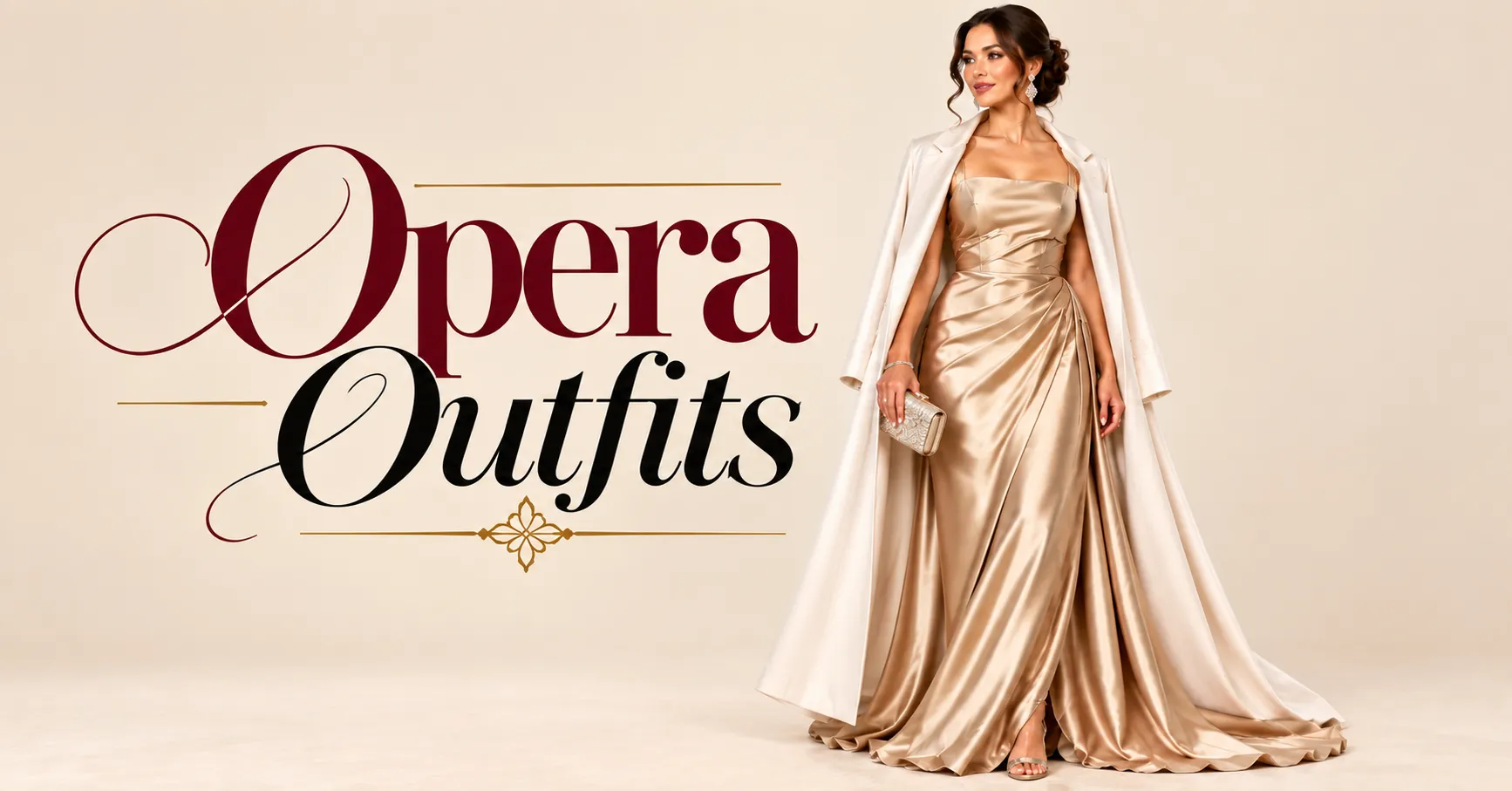
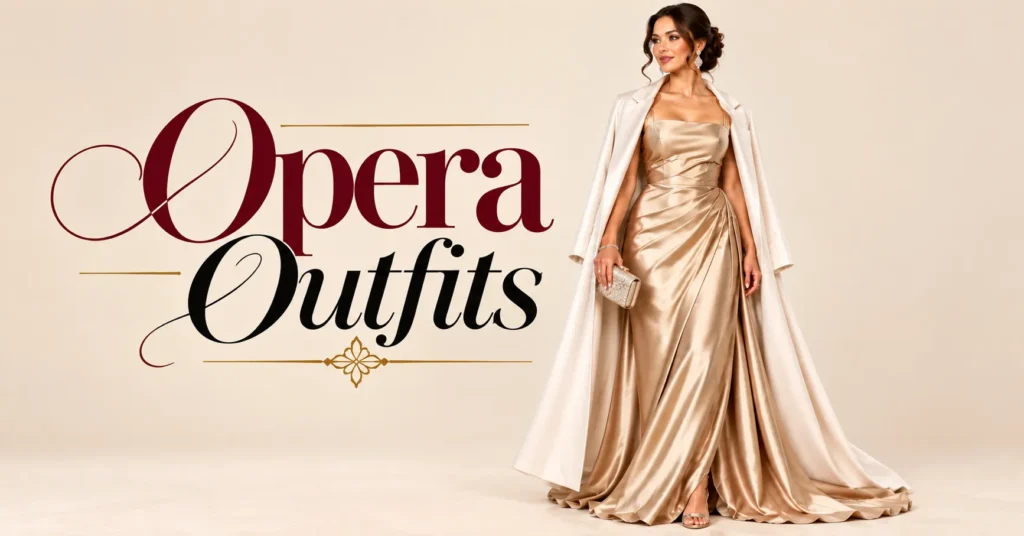
1. The Classic Floor Length Opera Gown
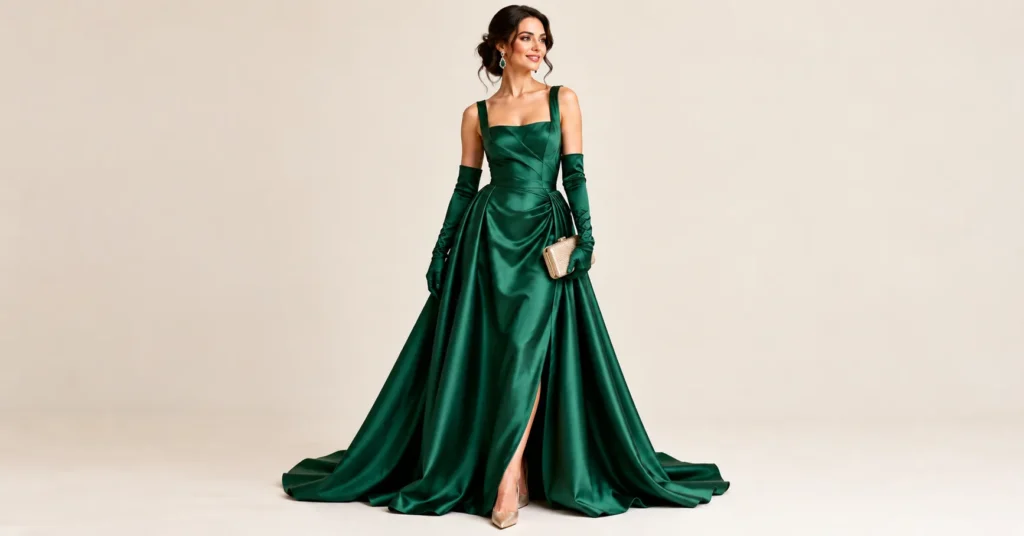
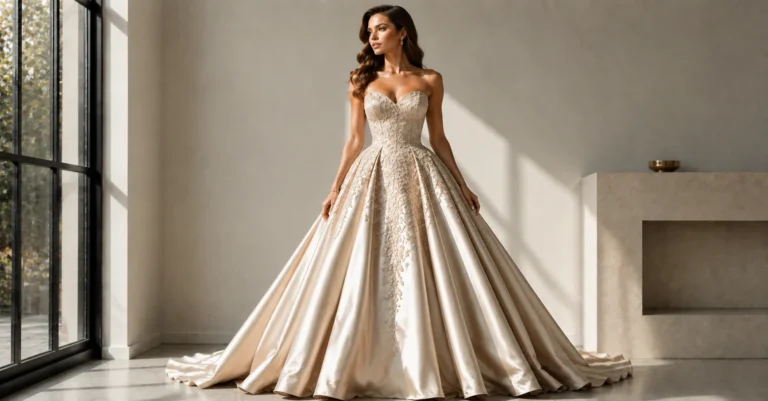
Nothing captures old world glamour quite like a full length gown. It’s the gold standard of evening wear, and it’s what most people imagine when they picture an opera gala.
Choose a fabric with natural drape, like satin, crepe, or chiffon. Solid colors look timeless, while a subtle shimmer catches the light beautifully in a dim auditorium. Off-the-shoulder necklines, column silhouettes, and soft A-lines all work well.
How to style it: Pair your gown with long opera gloves for a vintage touch, a small clutch, and drop earrings. Keep your hair sleek or in an elegant updo so the neckline stays the star.
Best for: Opening nights, galas, and formal festivals like Glyndebourne.
2. The Little Black Dress with Statement Jewelry

The little black dress earns its place among the most reliable opera outfits because it adapts to almost any event. A knee length or midi black dress in a quality fabric looks refined on its own and transforms with the right accessories.
Add a bold necklace, chandelier earrings, or a stack of vintage bracelets. Sheer black tights and pointed pumps keep the look sharp in colder months.
How to style it: Choose one statement piece rather than several. If you go big on earrings, keep your neckline bare.
Best for: Evening performances when you want to look polished without overthinking it.
3. The Tailored Tuxedo
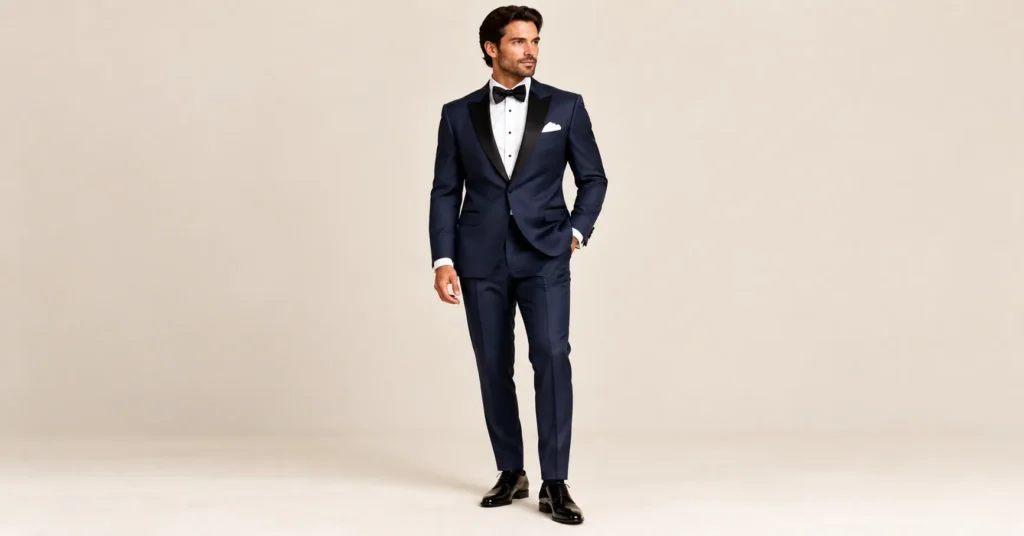
For men, a well fitted tuxedo is the definitive black tie opera outfit. Black or midnight blue wool with satin or grosgrain lapels creates a crisp, classic line.
Fit is everything. The jacket should sit close to your shoulders, and the trousers should break lightly over your shoes. A white dress shirt, a self tie bow tie, and black patent oxfords complete the look.
How to style it: Add a white pocket square in a simple fold. Cufflinks and shirt studs offer a quiet chance to show personality.
Best for: Galas, premieres, and any invitation that says “black tie.”
4. The Velvet Midi Dress
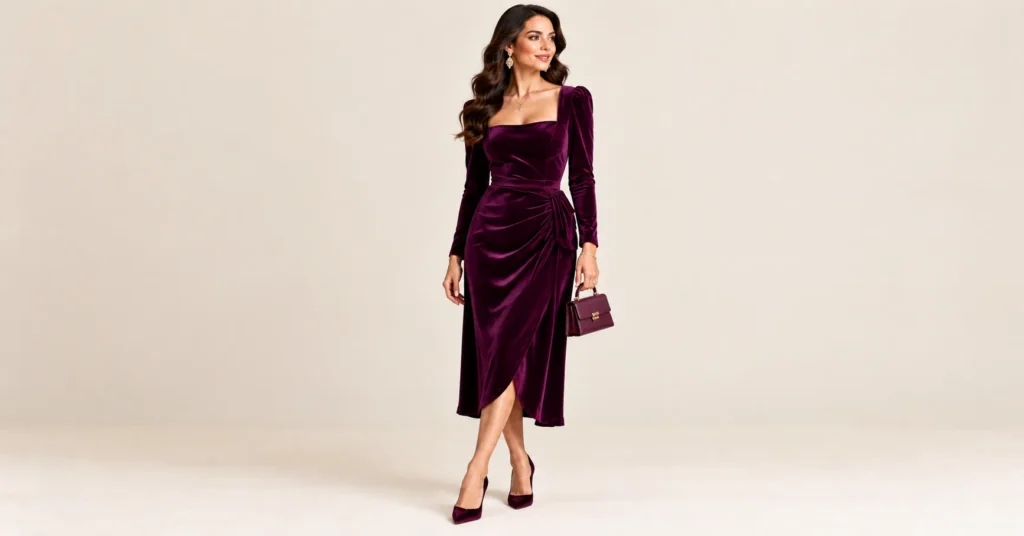
Velvet feels luxurious, photographs beautifully, and keeps you warm in drafty old theaters. A midi length strikes a nice balance between formal and wearable.
Deep shades like emerald, plum, navy, and wine look especially rich in velvet. Long sleeves add elegance, while a wrap or square neckline keeps the look modern.
How to style it: Pair it with sleek heeled boots or slim pumps, gold jewelry, and a structured mini bag.
Best for: Winter evening performances and holiday productions like Hansel and Gretel.
5. The Elegant Jumpsuit
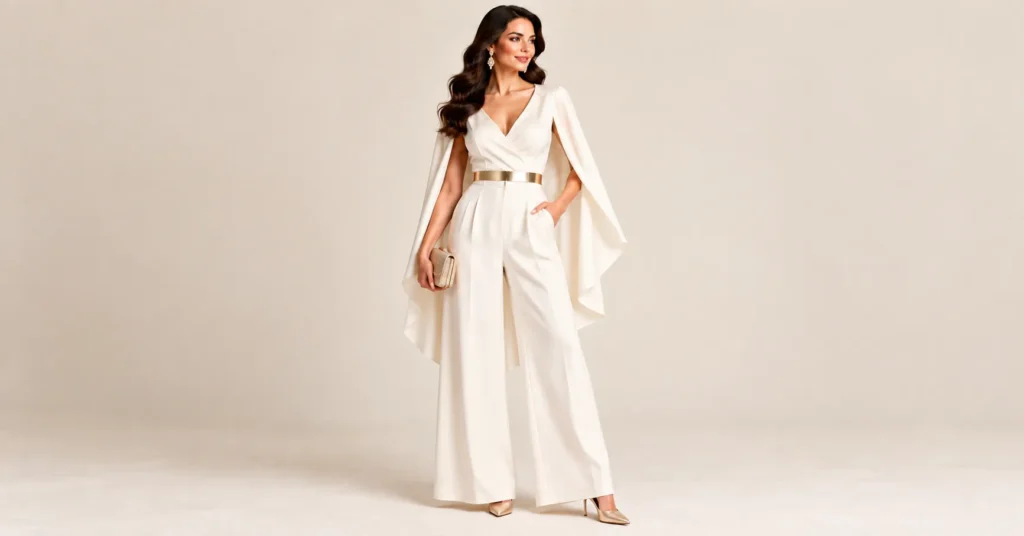
If dresses aren’t your thing, a tailored jumpsuit is a chic alternative. Wide-leg styles in crepe or satin flow like a gown while giving you freedom to move.
Black, ivory, and deep jewel tones keep things formal. Details like a halter neck, a cape sleeve, or a defined waist add drama.
How to style it: Add a metallic belt to sharpen the waist. Finish with heeled sandals or pointed pumps that peek out from the hem.
Best for: Cocktail and semi formal performances, and even black tie when made in a luxe fabric.
6. Silk Blouse and Wide Leg Trousers
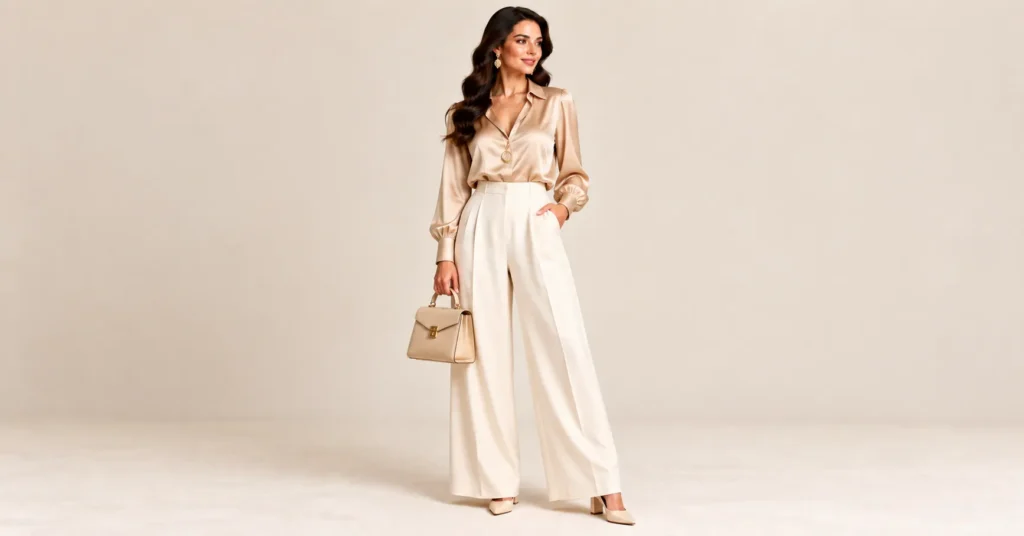
This combination feels effortlessly refined. A silk or satin blouse paired with high waisted wide leg trousers creates a long, elegant line that stays comfortable for hours.
Try a pussy bow blouse for a vintage feel or a cowl neck for softness. Tonal dressing, such as a champagne blouse with cream trousers, looks especially sophisticated.
How to style it: Add a long pendant necklace, a sleek low bun, and block heels you can walk in comfortably.
Best for: Evening performances and matinees where you want comfort without losing polish.
7. The Dark Lounge Suit

For most evening shows, a dark suit is the go-to choice for men. Charcoal, navy, or deep gray wool suits look sharp and fit nearly every opera dress code short of black tie.
A crisp white or pale blue shirt and a silk tie in a rich solid color keep it classic. Brown or black leather shoes, polished well, finish the look.
How to style it: Skip the tie for a slightly more relaxed feel, but keep the shirt collar crisp. A pocket square adds a dash of character.
Best for: Regular evening performances and semi-formal events.
8. The Women’s Tuxedo or Power Suit
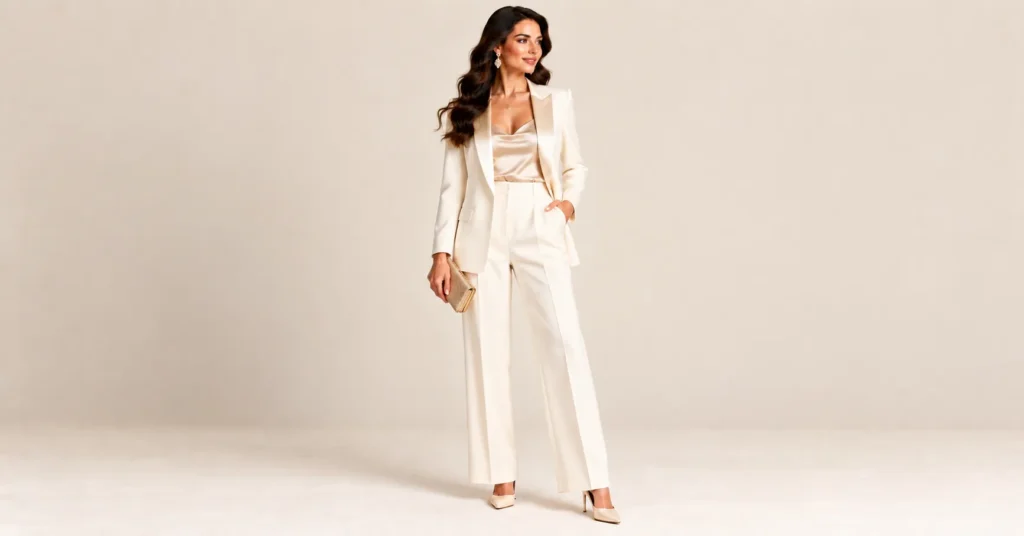
Tailoring isn’t just for men. A sleek women’s tuxedo or a matching suit in velvet, satin, or fine wool makes a confident statement.
This look draws on Yves Saint Laurent’s famous “Le Smoking” tuxedo from 1966 and still feels bold and timeless. Wear it over a silk camisole for an evening edge.
How to style it: Choose pointed stilettos or sleek loafers, minimal jewelry, and a red lip.
Best for: Galas and evening shows when you want to stand out in the best way.
9. Satin Slip Dress with a Tailored Coat

The slip dress is a modern favorite among opera outfits, especially for guests who love a minimalist look. Bias cut satin skims the body and moves gracefully.
On its own, it can feel too casual for some venues. Layer it under a long tailored coat or a cropped blazer, and it instantly becomes evening ready.
How to style it: Add strappy heels, a fine chain necklace, and a small satin clutch. In cooler months, a fine knit turtleneck under the slip offers a chic twist.
Best for: Evening and cocktail level performances in spring and fall.
10. The Sequined or Beaded Cocktail Dress
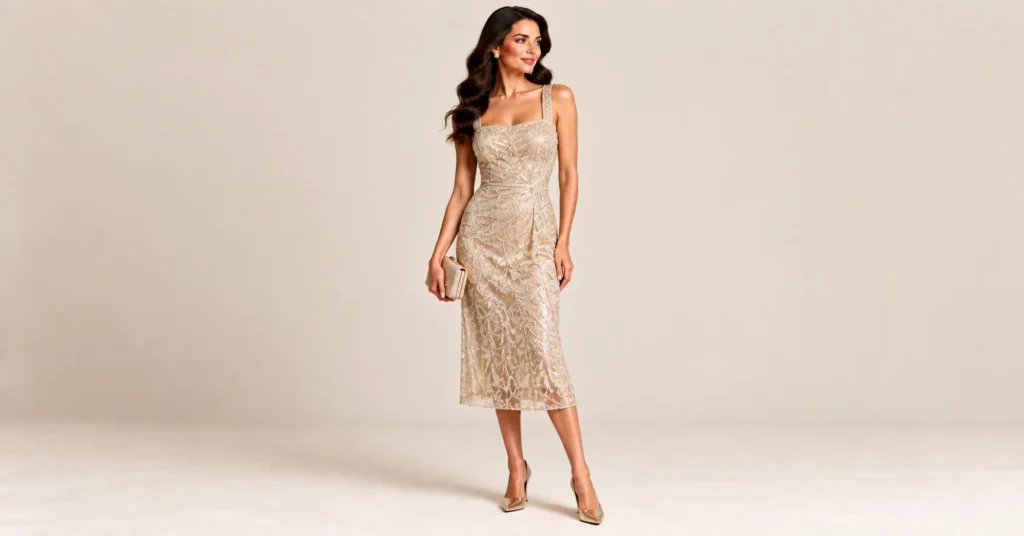
When the occasion calls for sparkle, embrace it. A sequined or beaded cocktail dress catches the light under chandeliers and turns the lobby into your runway.
Keep proportions balanced. If the dress is heavily embellished, choose a simple cut. Knee-length or tea length options feel right for most evening events.
How to style it: Let the dress shine by keeping accessories minimal. Simple stud earrings and nude or metallic heels are all you need.
Best for: Opening nights, New Year’s Eve performances, and festive galas.
11. The Pleated Midi Skirt and Fine Knit

This pairing suits guests who want to look elegant but feel cozy. A metallic or satin pleated midi skirt with a fitted cashmere or merino sweater blends texture and comfort.
Tuck the knit in to define your waist. Neutral knits let a bold skirt pop, while a jewel-toned top with a black skirt feels classic.
How to style it: Wear slim heeled boots or pointed flats, plus a structured shoulder bag.
Best for: Matinees, fall and winter evenings, and smart casual venues.
12. The Smart Casual Blazer Look for Men
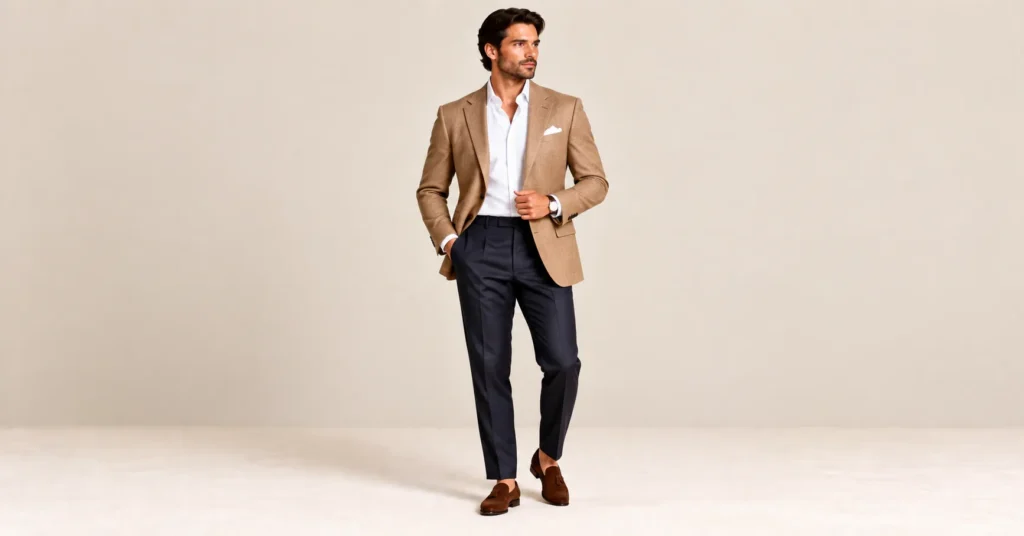
Not every performance requires a suit. For matinees and smaller productions, a tailored blazer over dark trousers or chinos strikes the right note.
Navy, camel, or textured tweed blazers work beautifully. Pair one with an Oxford shirt or a fine-gauge knit, and finish with suede loafers or Chelsea boots.
How to style it: Keep everything well fitted and pressed. Even relaxed opera outfits should look intentional.
Best for: Daytime shows, community productions, and casual venues.
13. Cultural or Heritage Formal Wear
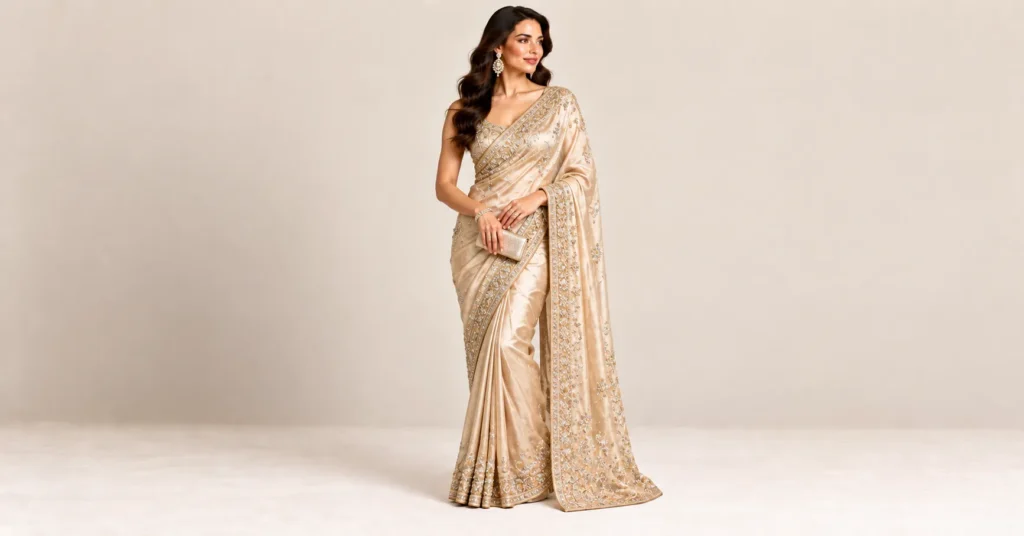
Traditional formal dress from your own culture is always appropriate at the opera. A silk saree, a cheongsam, a hanbok, a kilt with a Prince Charlie jacket, or an agbada can all be stunning choices.
These garments often carry deep meaning and fine craftsmanship. They fit naturally into the celebratory spirit of a night at the theater, and audiences in many cities include guests dressed this way.
How to style it: Follow the traditional styling of the garment, and choose fabrics and embellishments suited to evening wear.
Best for: Any formal or semi formal performance.
14. The Wrap Dress for Matinees
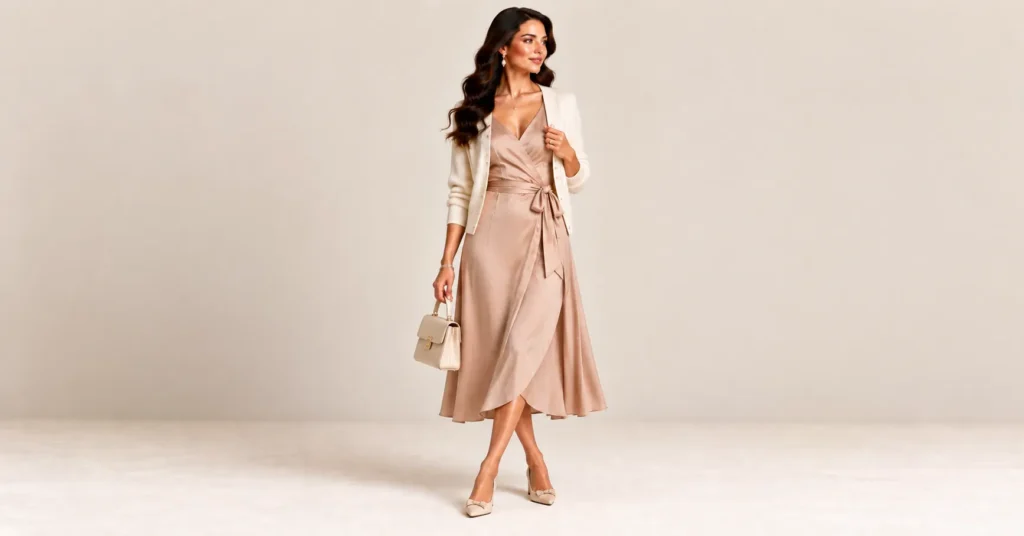
A wrap dress flatters many body types, stays comfortable through long acts, and looks put-together with almost no effort. It’s one of the simplest opera outfits to pull off.
Choose a jersey or silk blend fabric in a solid color or a refined print. Midi lengths feel especially elegant.
How to style it: Add low heels or polished flats, a cardigan or trench for warmth, and delicate jewelry.
Best for: Weekend matinees, summer performances, and relaxed venues.
Quick Comparison Table of All 14 Opera Outfits
Use this table to match each look with the right event and season.
| # | Outfit | Formality | Best Season | Comfort Level |
| 1 | Floor-length opera gown | Black tie | Year-round | Medium |
| 2 | Little black dress | Cocktail | Year-round | High |
| 3 | Tailored tuxedo | Black tie | Year-round | Medium |
| 4 | Velvet midi dress | Semi-formal | Fall/Winter | High |
| 5 | Elegant jumpsuit | Cocktail to formal | Year-round | High |
| 6 | Silk blouse and trousers | Semi-formal | Spring/Fall | High |
| 7 | Dark lounge suit | Semi-formal | Year-round | Medium |
| 8 | Women’s tuxedo | Formal | Fall/Winter | Medium |
| 9 | Slip dress and coat | Cocktail | Spring/Fall | High |
| 10 | Sequined cocktail dress | Cocktail to formal | Winter/Holidays | Medium |
| 11 | Pleated skirt and knit | Smart casual | Fall/Winter | High |
| 12 | Blazer look for men | Smart casual | Year round | High |
| 13 | Cultural formal wear | Formal | Year round | Varies |
| 14 | Wrap dress | Smart casual | Spring/Summer | High |
Accessories That Complete Your Opera Night Outfit
The right accessories can lift a simple look into something memorable. They also let you adjust the formality of your opera outfits without buying anything new.
Shoes
Comfort comes first. You may walk from parking, climb stairs, and stand during intermission. Block heels, kitten heels, elegant flats, and well-broken-in dress shoes are your best options. Save brand-new stilettos for a night with less walking.
Bags
Keep it small. A clutch or mini shoulder bag holds your phone, ticket, lipstick, and glasses without crowding your seat. Many venues have limited space at your feet and long coat check lines, so a large tote can become a nuisance.
Outerwear
A beautiful coat sets the tone the moment you arrive. Consider a wool overcoat, a cape, a faux-fur stole, or a pashmina. A light wrap also helps in chilly auditoriums.
Jewelry and Finishing Touches
Opera is a great excuse to wear statement pieces. Classic pearls, crystal earrings, or a vintage brooch add instant elegance. For men, cufflinks, a quality watch, and a pocket square make a big difference. Some guests even bring opera glasses, a charming nod to tradition that’s still useful from the upper tiers.
What Not to Wear to the Opera
Even at relaxed venues, a few choices can feel out of step with the setting. Skip these:
- Athletic wear and sneakers, unless the venue is very casual.
- Large hats or tall hairpieces that block the view of the person behind you.
- Strong perfume or cologne, which can bother neighbors in close seating.
- Noisy fabrics or jewelry, like rustling taffeta or clanking bangles.
- Uncomfortable shoes that make you want to leave before the final act.
A simple rule: if it could distract other guests from the stage, leave it at home. The best opera outfits let both you and the people around you focus on the music.
Opera Fashion Tips for First Timers
If this is your first visit, a little planning goes a long way. Start by checking the start time and running length. A 7:30 p.m. performance of Carmen usually draws a dressier crowd than a 2:00 p.m. matinee of the same show.
Next, think about the full evening. Will you have dinner beforehand? Grab a drink at intermission? Walk across town afterward? Your outfit should work for every part of the night, not just the time in your seat.
It also helps to try on your complete look a day or two before. Sit down in it for ten minutes, then walk around. Check that nothing pinches, rides up, or slips. These small tests save you from discomfort during a long second act.
Finally, wear what makes you feel confident. The most memorable opera outfits reflect the person wearing them. A pop of color, a vintage piece from a grandparent, or a bold lip can turn a classic look into something that feels uniquely yours.
How to Build Opera Outfits on a Budget
Looking elegant doesn’t require a designer wardrobe. With a bit of creativity, you can put together beautiful opera outfits for much less than you might expect.
Rent for big nights. Rental services like Rent the Runway let you wear a formal opera gown for a fraction of the retail price. Many cities also have local tuxedo rental shops.
Shop secondhand. Vintage stores, consignment boutiques, and online resale platforms are full of velvet dresses, silk blouses, and classic tailoring. Older garments are often better made, too.
Invest in versatile basics. A great black dress, a well fitted dark suit, and a quality coat can anchor dozens of looks. Swap accessories to make each one feel new.
Tailor what you own. A simple alteration can make an inexpensive piece look custom. Hemming trousers or taking in a jacket often costs less than buying new.
| Strategy | Typical Cost | Best For |
| Renting | $30–$150 per event | One off galas, designer gowns |
| Secondhand shopping | $20–$100 per piece | Velvet, silk, vintage tailoring |
| Versatile basics | $100–$300 (one time) | Frequent operagoers |
| Tailoring | $15–$80 per alteration | Improving the fit of existing pieces |
Conclusion
A night at the opera is one of the few occasions left where dressing up feels natural and rewarding. A sweeping gown, a sharp tuxedo, a velvet midi, or a simple wrap dress can all set the stage for an evening you’ll remember.
The key is to match your look to the event. Check the opera dress code, consider the venue and season, and choose comfort for those long acts. From there, let your personality shine through accessories, color, and fit.
These 14 opera outfits give you a flexible starting point for any performance on your calendar. Mix them, adapt them, and make them your own. When the curtain rises and the first aria fills the hall, you’ll feel perfectly dressed for the moment.
Frequently Asked Questions (FAQs) about Opera Outfits
What is the dress code for the opera?
Most opera houses don’t enforce a strict dress code. Evening performances usually lean semi formal, and cocktail dresses and suits are common. Opening nights and galas often call for black tie, while matinees tend to be smart casual.
Can I wear jeans to the opera?
At many modern venues, yes, especially for matinees. Choose dark, well-fitted jeans and pair them with a blazer, silk blouse, or dressy knit. For evening shows and galas, more formal opera outfits are a better choice.
What should a man wear to the opera?
A dark suit works for most evening performances. For black tie events, wear a tuxedo with a bow tie and patent shoes. Matinees allow for a blazer, chinos or dress trousers, and loafers.
Is it okay to wear a cocktail dress to the opera?
Absolutely. A cocktail dress is one of the most popular and versatile opera outfits. It suits nearly every evening performance and can be dressed up with jewelry for special occasions.
What colors are best for opera outfits?
Black, navy, and jewel tones like emerald, burgundy, and sapphire are timeless choices. Metallics and soft pastels also work well, particularly for spring and summer performances. There are no strict color rules, so choose shades that make you feel confident.
Should I dress up for an opera matinee?
Matinees are more relaxed, but a step above everyday wear is still a good idea. Think midi dresses, tailored trousers, blazers, or neat knits. You’ll feel comfortable and appropriately polished.
How long will I be sitting in my outfit?
Most operas run between two and a half and four hours, including intermissions. Some longer works last five hours or more. Choose fabrics and fits that stay comfortable for the entire performance.
Are opera gloves still in style?
Yes, for formal events. Long opera gloves add vintage glamour to a floor-length gown or strapless dress. For semi-formal and casual opera outfits, they’re optional and can look like a costume if overdone.