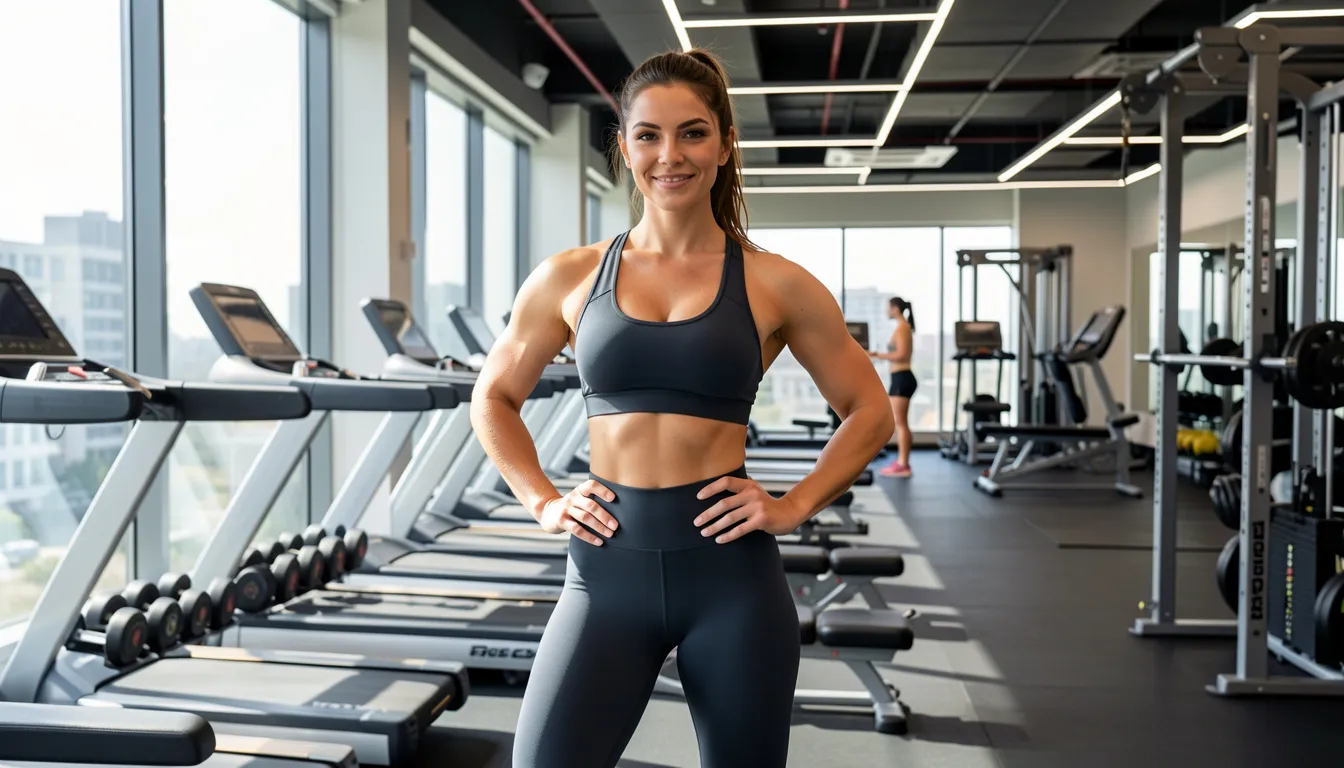
How to Choose the Perfect Workout Outfit for Women
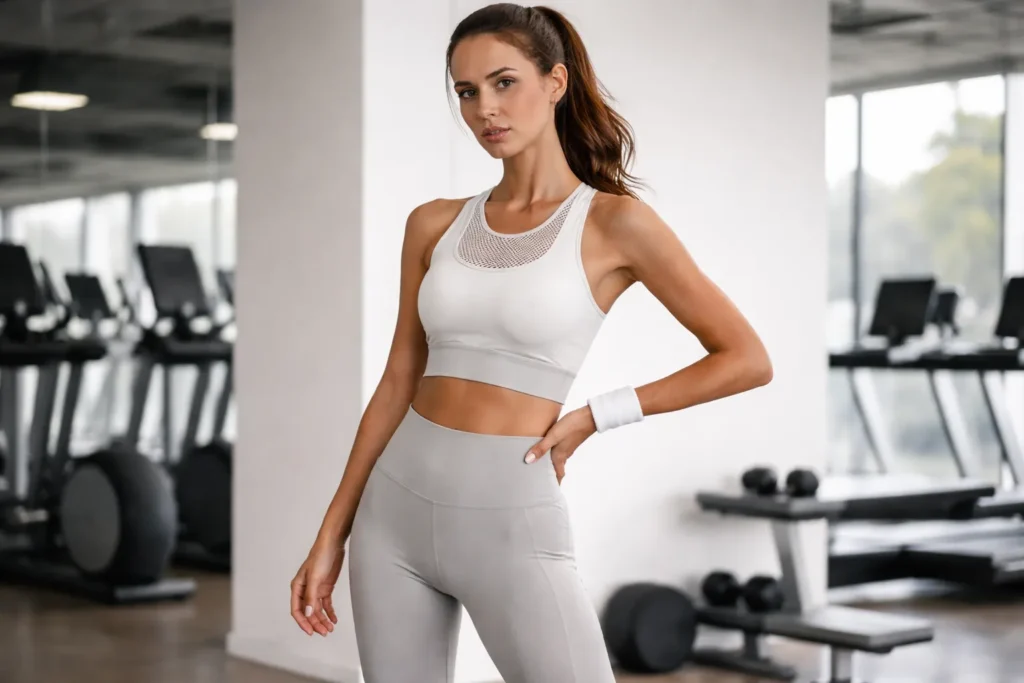
The right workout outfit for women does more than just make you look good; it can significantly impact your performance, comfort, and motivation. When your activewear fits well, supports you in the right places, and is made from performance-driven fabric, you feel more confident and ready to tackle any challenge. Whether you’re a seasoned athlete or just beginning your fitness journey, understanding the key elements of great workout clothes is essential. This guide will walk you through everything you need to know to select the best outfits for your specific needs.
From high-intensity interval training (HIIT) to restorative yoga, your clothing is your second skin. We’ll explore the best fabrics for exercise, how to choose pieces for different activities, and the importance of finding the perfect fit to help you move without restriction and feel your best.
Why Your Workout Outfit Matters More Than You Think

Choosing what to wear to the gym or for a run might seem like a minor detail, but your apparel plays a critical role in your overall workout experience. The right gear can enhance performance, prevent injury, and improve comfort.
- Performance and Comfort: The best activewear is designed with moisture-wicking fabrics that pull sweat away from your skin, keeping you cool and dry. This prevents chafing and discomfort, allowing you to focus on your movements.
- Range of Motion: Properly designed workout clothes offer stretch and flexibility, moving with your body rather than restricting it. This is crucial for activities that require a wide range of motion, like yoga, pilates, or weightlifting.
- Injury Prevention: Compression gear, for example, can improve blood flow and muscle oxygenation, which may aid in performance and recovery. Supportive sports bras are non-negotiable for preventing breast tissue damage during high-impact activities.
- Confidence Boost: When you wear an outfit that you feel good in, it can provide a powerful psychological boost. This confidence can translate into a more positive mindset and increased motivation to push yourself during your workout.
Decoding Active wear Fabrics: What to Look For
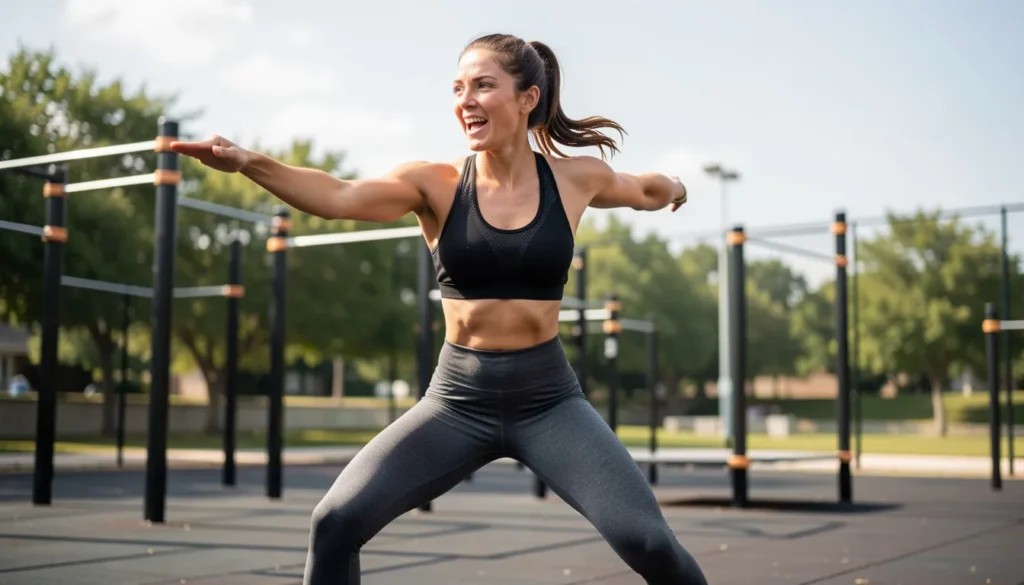
The material of your workout clothes is the most important factor to consider. The wrong fabric can leave you feeling hot, sticky, and uncomfortable. Here are the best materials for fitness apparel.
Performance-Driven Synthetics
Most modern activewear is made from synthetic blends engineered for exercise.
- Polyester: This is one of the most popular fabrics for workout clothes. It’s durable, wrinkle-resistant, lightweight, and non-absorbent, meaning it wicks moisture away from your skin instead of soaking it up.
- Nylon: Known for its soft feel, impressive stretch, and durability, nylon is another top choice. It’s also excellent at wicking sweat and dries quickly.
- Spandex (Lycra/Elastane): Spandex is prized for its incredible stretch and ability to snap back into shape. It’s almost always blended with other fabrics (like polyester or cotton) to provide freedom of movement and a body-hugging fit. Leggings and sports bras often have a high spandex content.
Natural and Sustainable Options
While synthetics dominate, some natural fibers are great for certain types of workouts.
- Bamboo: Bamboo fabric is incredibly soft, lightweight, and has natural moisture-wicking and antibacterial properties. It’s an excellent choice for low-impact activities like yoga or walking.
- Merino Wool: Don’t let the word “wool” fool you. Merino wool is a fantastic performance fabric for both hot and cold conditions. It’s thermoregulating, meaning it keeps you warm when it’s cold and cool when it’s hot. It’s also moisture-wicking and naturally odor-resistant.
- Cotton (With a Caveat): Standard cotton is generally a poor choice for sweaty workouts. It absorbs moisture and becomes heavy, wet, and slow to dry, which can lead to chafing and a drop in body temperature. However, some brands offer cotton/polyester blends that provide the softness of cotton with the performance benefits of synthetics. Save your 100% cotton tees for post-workout wear.
Finding the Perfect Workout Outfit for Your Activity
Different workouts place different demands on your body and your clothing. Tailoring your outfit to your activity will ensure you have the right support, coverage, and freedom of movement.
For High-Impact Workouts (Running, HIIT, Dance)
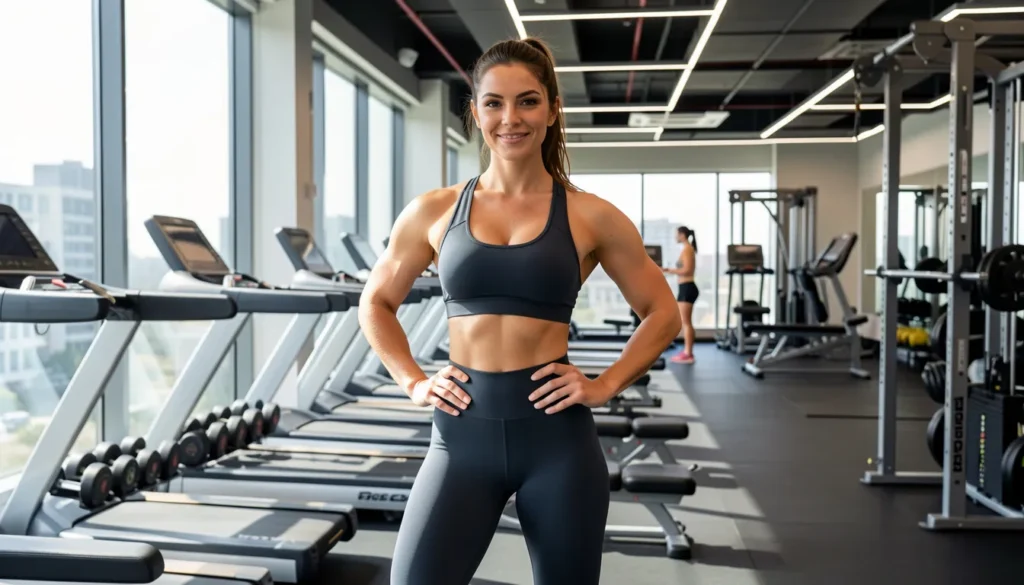
These activities involve a lot of jumping and rapid movement, so support and sweat management are paramount.
- Top: A high-support sports bra is essential to minimize bounce and protect breast tissue. Look for bras with wider straps, molded cups, or an underwire for maximum support. Pair it with a lightweight, moisture-wicking tank top or t-shirt.
- Bottoms: Choose leggings or shorts with a secure, high-waisted band that won’t slip down as you move. Compression leggings can help with muscle support and may reduce fatigue. If you prefer shorts, look for a pair with a built-in liner for extra coverage and comfort.
- Example Outfit: High-support sports bra, polyester tank top, and high-waisted compression leggings.
For Strength Training (Weightlifting, CrossFit)
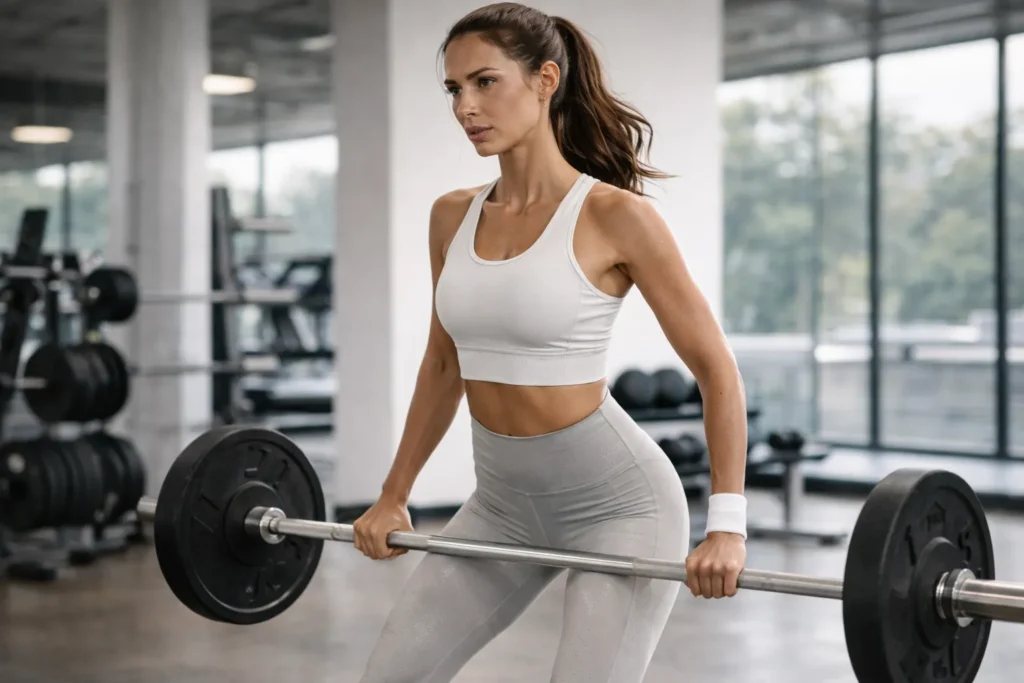
For lifting, you need durability and flexibility. Your clothes should allow you to squat, lunge, and lift without any restrictions.
- Top: A medium-support sports bra is usually sufficient. Many lifters prefer tank tops or crop tops that allow for a full range of arm and shoulder motion.
- Bottoms: Squat-proof leggings are a must. This means the fabric is thick and opaque enough that it doesn’t become see-through when you bend over. Look for leggings made from a durable nylon or polyester blend with good stretch. Seamless designs can also prevent chafing during repetitive movements.
- Example Outfit: Medium-support seamless sports bra and a pair of squat-proof, high-waisted leggings.
For Studio Classes (Yoga, Pilates, Barre)
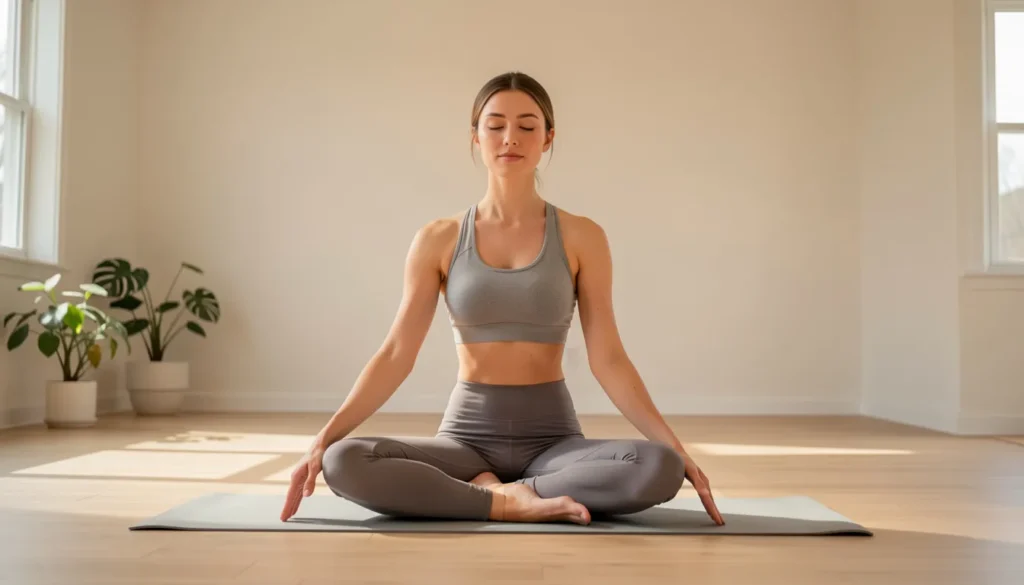
These activities focus on flexibility, balance, and mind-body connection. Your outfit should feel like a second skin, allowing for deep stretches and precise movements.
- Top: A low-to-medium support sports bra is ideal. Many yogis prefer longline bras or fitted crop tops that stay in place during inversions.
- Bottoms: Soft, stretchy, and high-waisted leggings are the go-to. A “buttery soft” feel is popular, often achieved with a blend of nylon and spandex. Ensure the waistband is comfortable and won’t dig in when you’re doing floor work. Flared leggings (yoga pants) have also made a major comeback and are great for these activities.
- Example Outfit: Longline, low-support sports bra and buttery-soft, high-waisted flared leggings.
For Outdoor Activities (Hiking, Cycling)
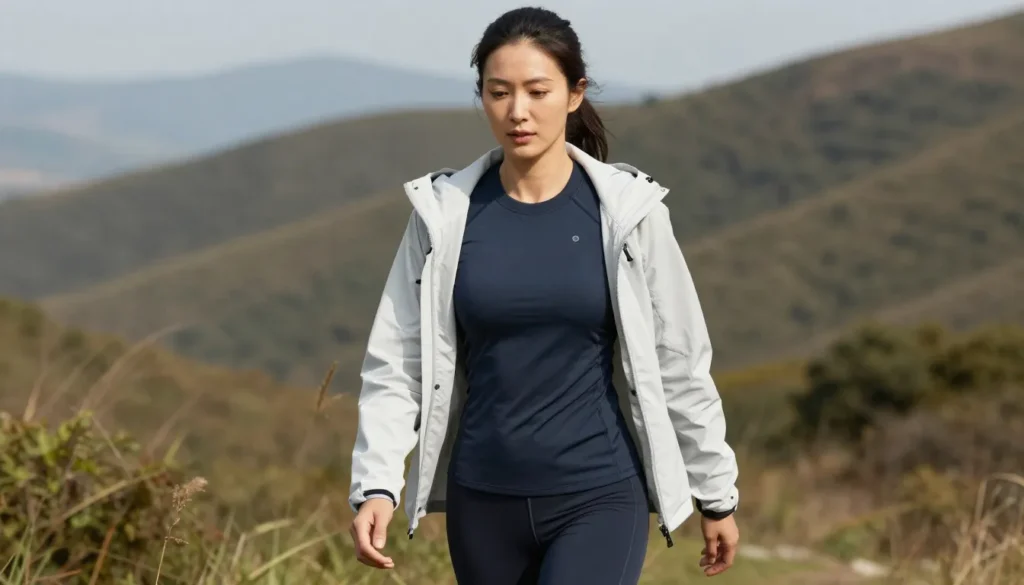
When you’re exercising outdoors, your clothing needs to protect you from the elements. Layering is key.
- Base Layer: Start with a moisture-wicking base layer next to your skin to manage sweat. This could be a merino wool or synthetic long-sleeve shirt.
- Mid-Layer: Add an insulating layer for warmth, like a fleece pullover or a lightweight down vest. This layer is easy to remove if you start to overheat.
- Outer Layer: Finish with a protective outer shell that is windproof and waterproof or water-resistant, like a lightweight rain jacket.
- Example Hiking Outfit: Merino wool t-shirt, fleece quarter-zip, durable hiking pants, and a waterproof shell jacket in your pack.
Must-Have Activewear Pieces for a Versatile Wardrobe
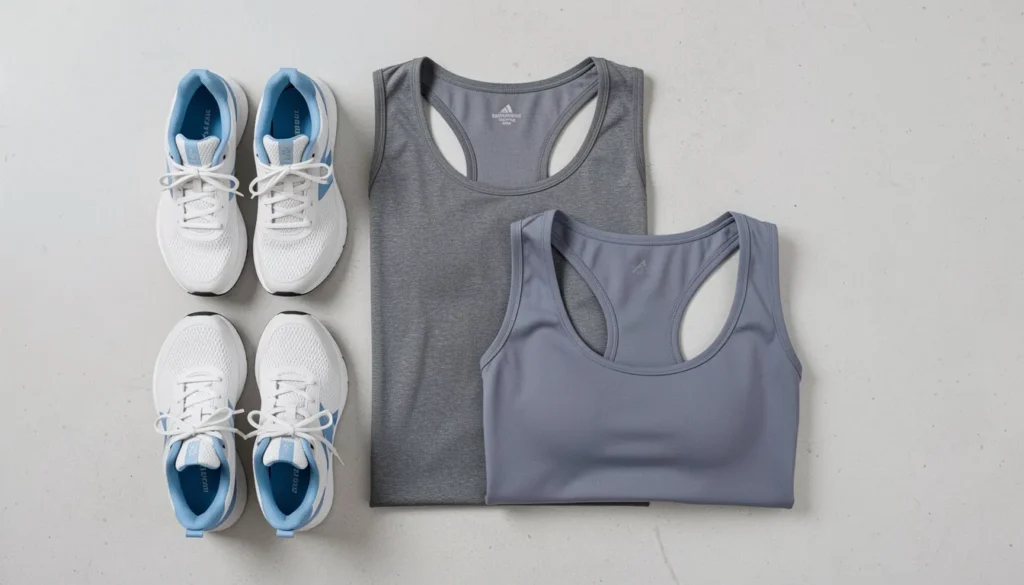
Building a functional collection of workout clothes doesn’t require a huge closet. Focus on investing in high-quality, versatile staples.
1. The High-Support Sports Bra: A non-negotiable for any woman who does high-impact exercise. Even if you primarily do low-impact workouts, having one on hand is always a good idea.
2. The All-Purpose Black Leggings: A pair of high-waisted, squat-proof black leggings can take you from a spin class to a weightlifting session to a walk in the park. Look for a pair with a comfortable waistband and a durable, moisture-wicking fabric.
3. The Breathable Tank Top: A simple, well-fitting tank top made from a technical fabric is a workhorse in any activewear wardrobe. Choose a cut that makes you feel comfortable and confident.
4. The Comfortable Shorts: Whether you prefer fitted biker shorts or looser running shorts, a good pair is essential for warm weather or intense, sweaty workouts.
5. The “Third Piece” for Layering: A lightweight zip-up jacket, a cozy hoodie, or a long-sleeve performance top is perfect for warming up, cooling down, or traveling to and from the gym.
How to Get the Perfect Fit
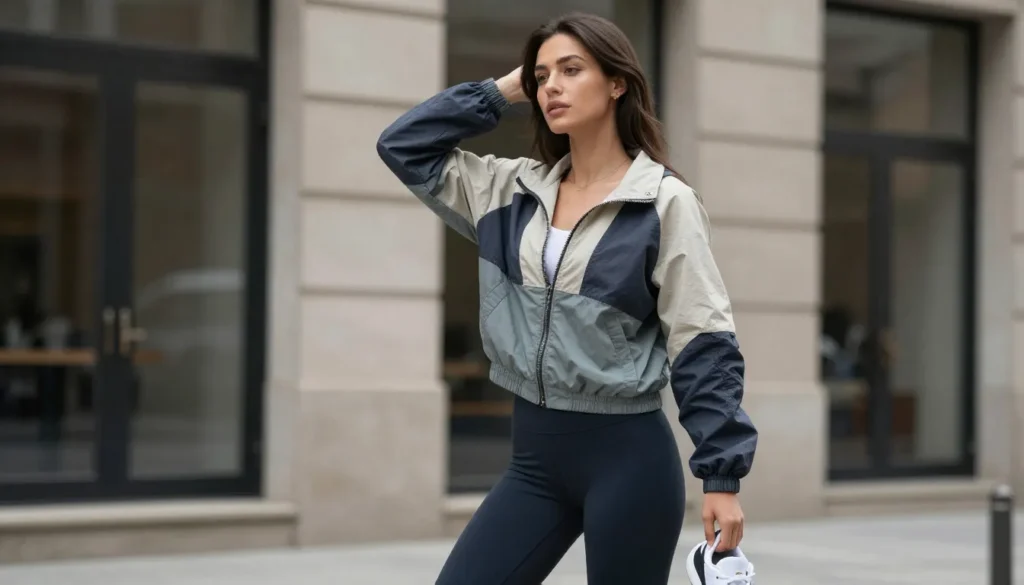
The best workout outfit is one you don’t have to think about while you’re exercising. An ill-fitting outfit can be distracting and uncomfortable.
- Sports Bras: Your sports bra should feel snug but not constricting. The band should be firm around your ribcage (where most of the support comes from), and your breasts should not spill out of the cups.
- Leggings: The waistband should sit comfortably without digging in or sliding down. There shouldn’t be any gaping at the back when you bend over. The fabric should feel supportive but not uncomfortably tight, and the length should be appropriate for your height.
- Tops: Look for a fit that allows for a full range of motion in your arms and shoulders. Check that it doesn’t ride up when you lift your arms.
Always try to move around in the dressing room when trying on new workout clothes. Do a squat, a high-knee march, or a forward fold to see how the fabric and fit perform.
Conclusion
Choosing the right workout outfit for women is a key component of a successful and enjoyable fitness routine. By prioritizing performance fabrics like polyester and nylon, selecting styles that are appropriate for your chosen activity, and ensuring a perfect fit, you set yourself up for comfort, confidence, and peak performance. Build your activewear wardrobe around versatile, high-quality essentials, and remember that the best outfit is one that empowers you to move your body and crush your goals.
Frequently Asked Questions (FAQs)
Q1: How often should I replace my workout clothes?
A1: This depends on the quality of the items and how often you wear and wash them. For sports bras, a good rule of thumb is to replace them every 6-12 months, as the elastic and support break down over time. For leggings and tops, replace them when you notice the fabric is thinning, losing its shape or elasticity, or becoming see-through.
Q2: What is the best way to wash activewear to make it last longer?
A2: Wash your workout clothes in cold water with a gentle detergent. Avoid using fabric softener, as it can clog the fibers of performance fabrics and reduce their moisture-wicking capabilities. It’s best to air dry your activewear or use the lowest heat setting on your dryer to protect the elastic and synthetic fibers from damage.
Q3: What are “squat-proof” leggings?
A3: “Squat-proof” is a term used to describe leggings made from a fabric that remains completely opaque when you squat or bend over. Cheaper or poorly made leggings can become sheer when the fabric is stretched, revealing your underwear. High-quality, squat-proof leggings use a denser knit or thicker material to ensure full coverage.
Q4: Can I wear the same outfit for yoga and running?
A4: You can, but it might not be ideal. A running outfit prioritizes high support and maximum sweat-wicking for high-impact movement. A yoga outfit prioritizes softness, flexibility, and a non-slip fit for deep stretching. While a good pair of leggings might work for both, you will definitely need a more supportive sports bra for running than for yoga.
Q5: Are matching workout sets worth it?
A5: Matching sets (a coordinating sports bra and leggings) are very popular and can be a great way to feel put-together and motivated. They take the guesswork out of creating an outfit. If you find a set you love in a high-quality fabric that fits you well, it can be a great investment for your activewear wardrobe.