Winter Hats for Women: Style, Warmth, and Function
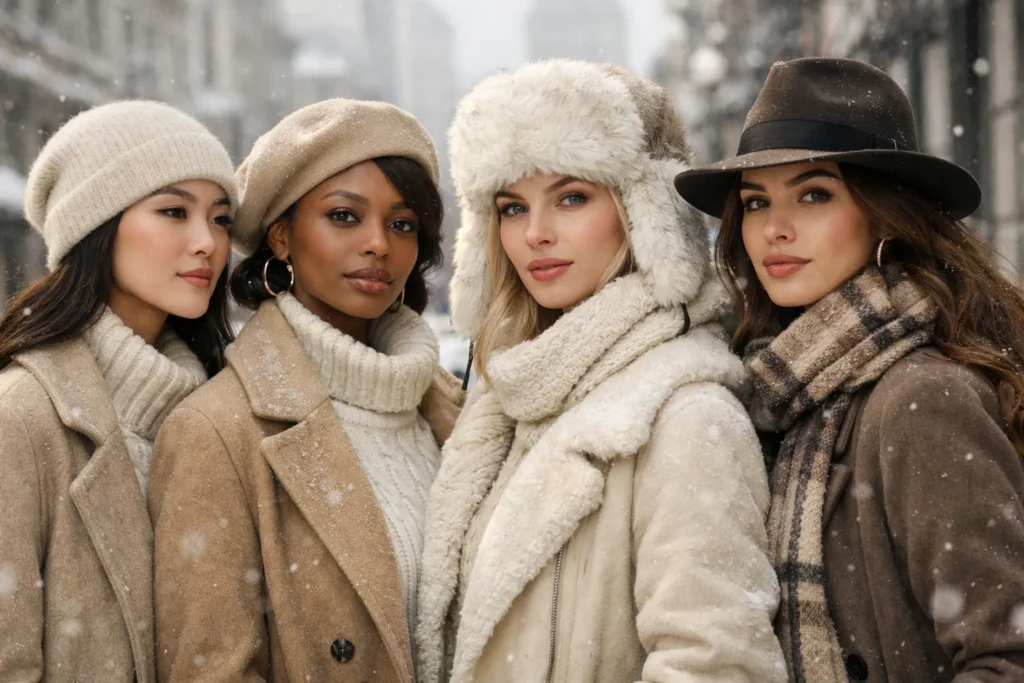
As the temperatures drop and the frost settles in, the search for the perfect cold-weather accessories begins. Among the scarves and gloves, winter hats for women stand out as the definitive piece that can make or break an outfit. A great hat does double duty: it is your first line of defense against the biting chill, and it serves as the crowning glory of your winter ensemble. Yet, for many, finding a hat that balances warmth with style feels like an impossible task. We’ve all been there—sacrificing fashion for a bulky beanie that ruins a hairstyle, or freezing in a stylish beret that offers zero insulation.
This comprehensive guide is here to change that narrative. We will explore the vast world of women’s winter headwear, breaking down the best materials for extreme cold, how to choose a style that flatters your face shape, and the trends that are dominating the streets this season. Whether you are hitting the ski slopes or commuting to the office, there is a perfect hat waiting for you.
Why Your Choice of Hat Matters
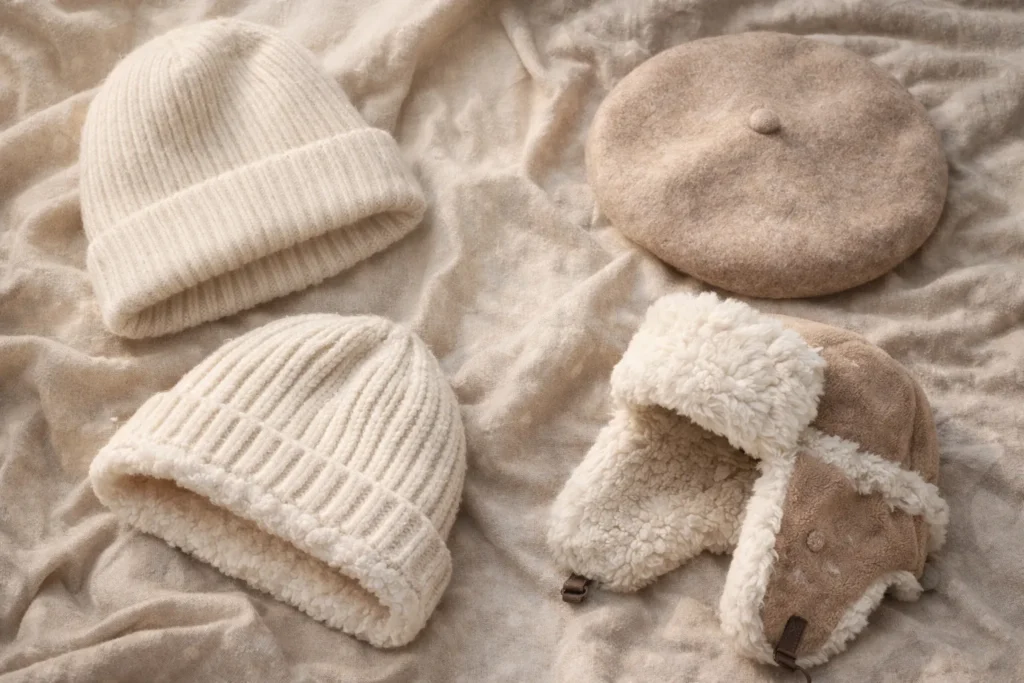
It is a common myth that you lose most of your body heat through your head (a stat often debunked as an exaggeration of old military studies), but leaving your head exposed in freezing temperatures is still a recipe for discomfort. The scalp is thin-skinned and full of blood vessels, making it sensitive to cold.
Beyond biology, winter hats for women are a critical style component. In winter, your coat and accessories are often the only parts of your outfit people see. Your hat is the focal point near your face, influencing your overall aesthetic more than your shoes or sweater. Investing in quality headwear ensures you look polished even in the depths of January.
Decoding Materials: What Keeps You Warmest?
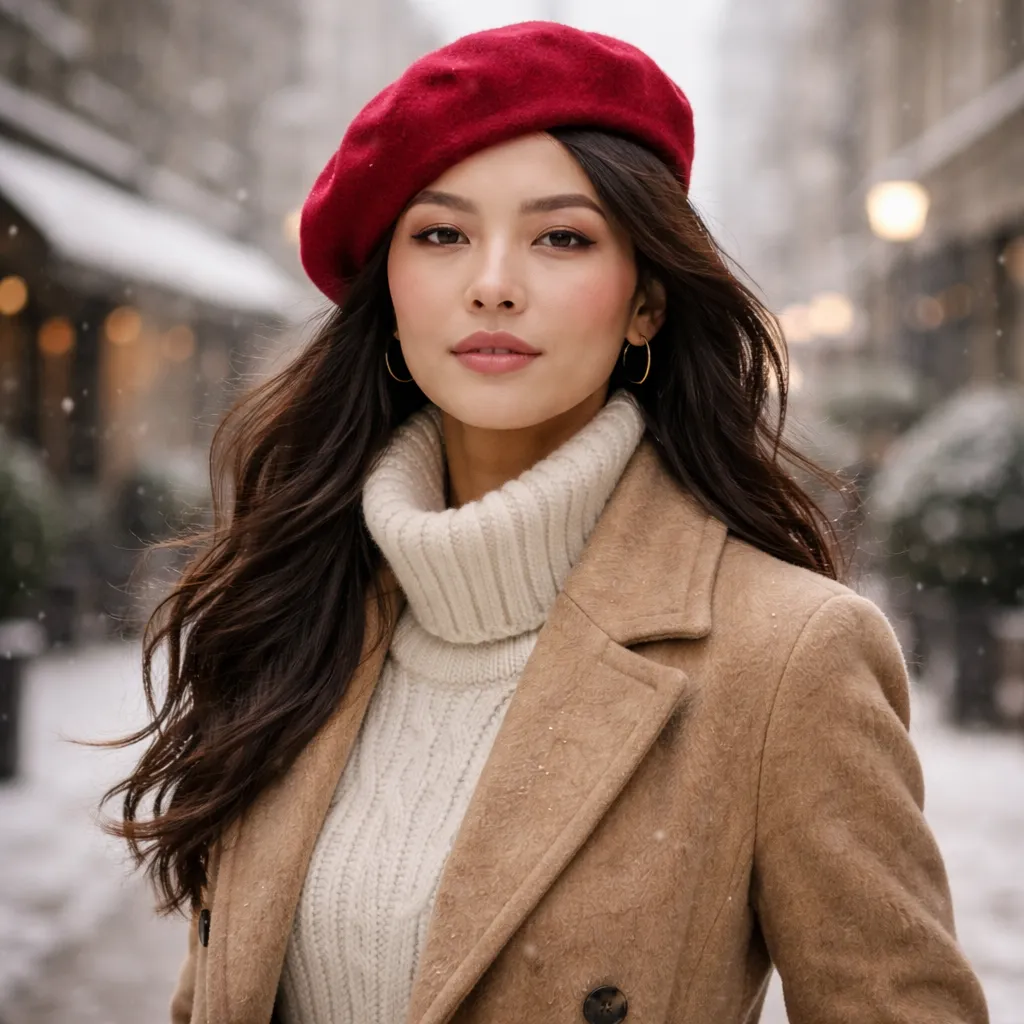
Not all knits are created equal. The tag inside your hat reveals the secret to its warmth and durability. Here is a breakdown of common materials used in winter headwear.
Wool: The Classic Insulator
Wool is the gold standard for warmth. It is naturally insulating, water-resistant, and breathable.
- Merino Wool: The softest option. Unlike traditional wool, which can be itchy, Merino fibers are fine and smooth against the skin. It is excellent for regulating temperature, keeping you warm without overheating.
- Cashmere: The luxury choice. Cashmere is lighter and softer than sheep’s wool but offers superior insulation—up to eight times warmer. It is perfect for elegant beanies and berets.
Synthetic Fibers: Acrylic and Polyester
You will find these in most affordable fashion hats.
- Acrylic: This synthetic fiber mimics the look and feel of wool. While it holds dye well and is hypoallergenic, it lacks the breathability of natural fibers. It’s great for fashion, but less effective for sub-zero temperatures unless lined.
- Fleece Lining: The secret weapon of high-performance gear. Many hats feature a fleece band or full lining. This adds a layer of wind protection and prevents itchy knits from touching your forehead.
Shearling and Faux Fur
For extreme cold, nothing beats the density of fur.
- Shearling: Sheepskin with the wool left on. It is incredibly warm and naturally moisture-wicking.
- Faux Fur: A cruelty-free alternative that provides excellent wind resistance and a glamorous aesthetic, often used in trapper hats or bucket hats.
The Most Popular Styles of Winter Hats
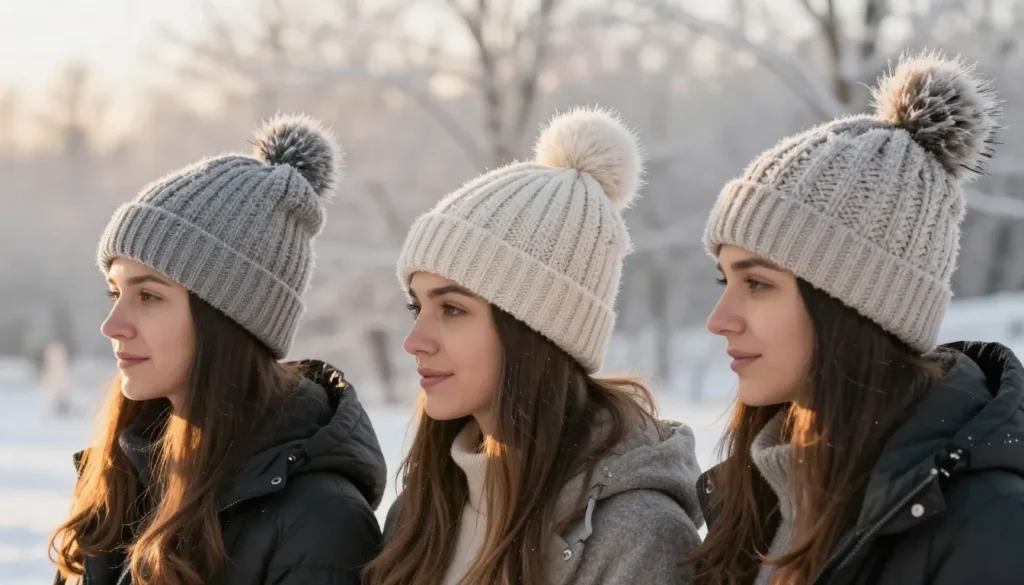
Navigating the terminology of headwear can be confusing. Let’s define the key styles dominating the market.
1. The Beanie
The undisputed champion of casual winter wear.
- The Cuffed Beanie: Features a folded brim that provides a double layer of warmth over the ears. It’s a versatile, sporty look.
- The Slouchy Beanie: Longer than a standard beanie, it sits back on the head with a relaxed drape. It offers a laid-back, bohemian vibe.
- The Pom-Pom Hat: A beanie topped with a fur or yarn pom-pom. It adds a playful, youthful element to winter outfits and helps elongate the silhouette.
2. The Beret
The icon of French chic. A wool beret sits flat on the head and can be styled in various ways—pulled low, tilted to the side, or pushed back.
- Best For: City wear, dates, and elevating a simple wool coat.
- Warmth Level: Low to Medium. It covers the top of the head but leaves ears exposed unless pulled down significantly.
3. The Bucket Hat (Winter Edition)
Once a 90s summer staple, the bucket hat has been winterized with materials like shearling, faux fur, and corduroy.
- Best For: Trendsetters and fashion-forward individuals.
- Warmth Level: Medium. The brim offers some protection from snow and wind.
4. The Trapper / Aviator Hat
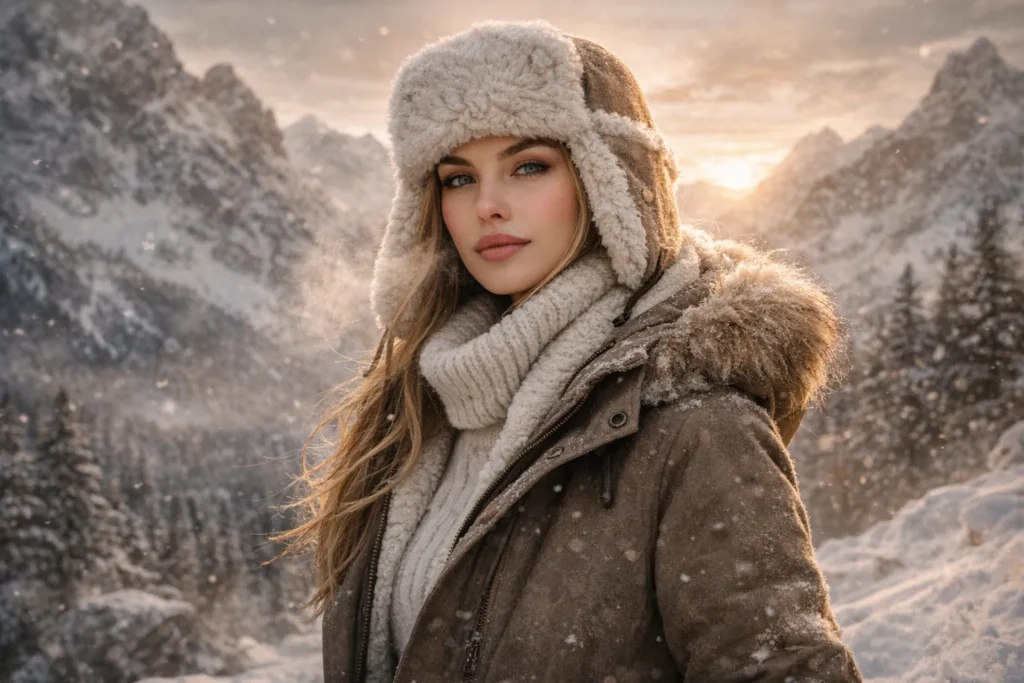
The heavy-duty option. Characterized by ear flaps that can be tied under the chin or on top of the head.
- Best For: Extreme cold, snowy days, and outdoor activities.
- Warmth Level: High. Usually lined with fur or fleece, offering maximum coverage.
5. The Fedora or Wide-Brim Felt Hat
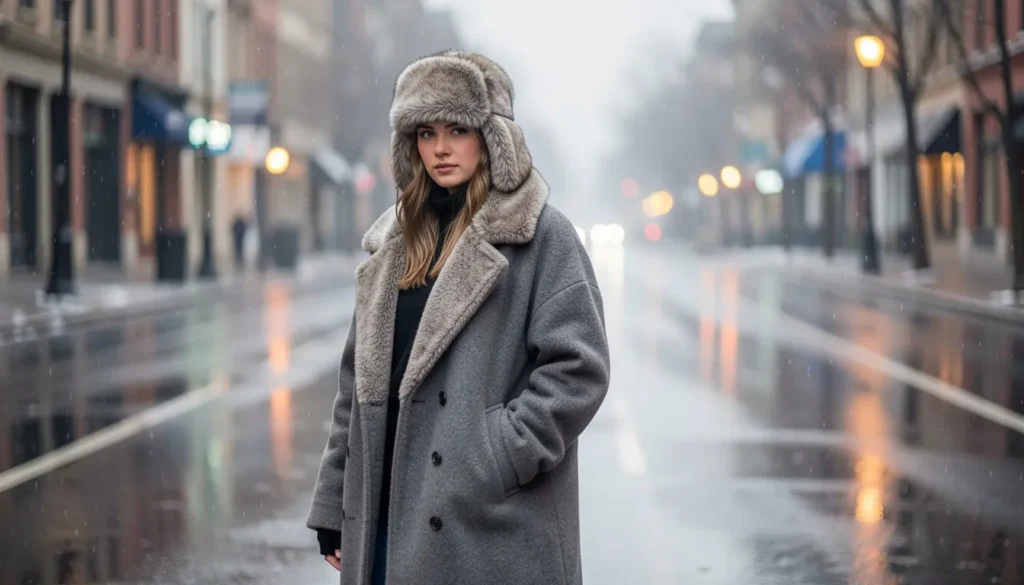
Structured and sophisticated, these hats are usually made of stiff wool felt.
- Best For: Formal occasions or adding drama to a tailored coat.
- Warmth Level: Low. They protect from snow falling on your face but don’t insulate the ears.
Choosing the Right Hat for Your Face Shape
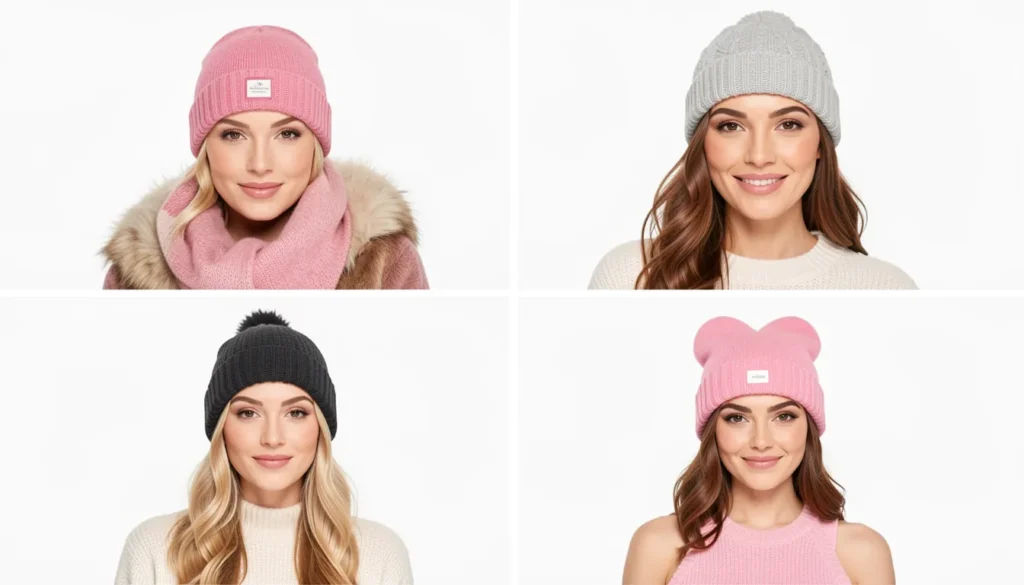
Just like sunglasses, certain winter hats for women flatter specific bone structures better than others.
Oval Face
- The Goal: Maintain your natural balance.
- Best Styles: You hit the jackpot—almost any style works. Fitted beanies, berets, and wide-brim hats all look fantastic. Experiment with bold shapes like trapper hats.
Round Face
- The Goal: Add length and definition.
- Best Styles: Avoid tight beanies that emphasize roundness. Opt for hats with height, like a pom-pom beanie or a fedora with a high crown. Wearing a beanie slightly back on the head (showing the hairline) also helps elongate the face.
Square Face
- The Goal: Soften angular jawlines.
- Best Styles: Round, soft shapes work best. A slouchy beanie, a beret worn tilted to the side, or a bucket hat can soften your features. Avoid structured hats with sharp creases.
Heart-Shaped Face
- The Goal: Balance a wider forehead and narrow chin.
- Best Styles: Hats with brims are excellent for balancing the forehead. A bucket hat or a cuffed beanie works well. Avoid hats that add too much volume at the crown, which can make the forehead look wider.
Styling Your Winter Hat: Outfit Inspiration
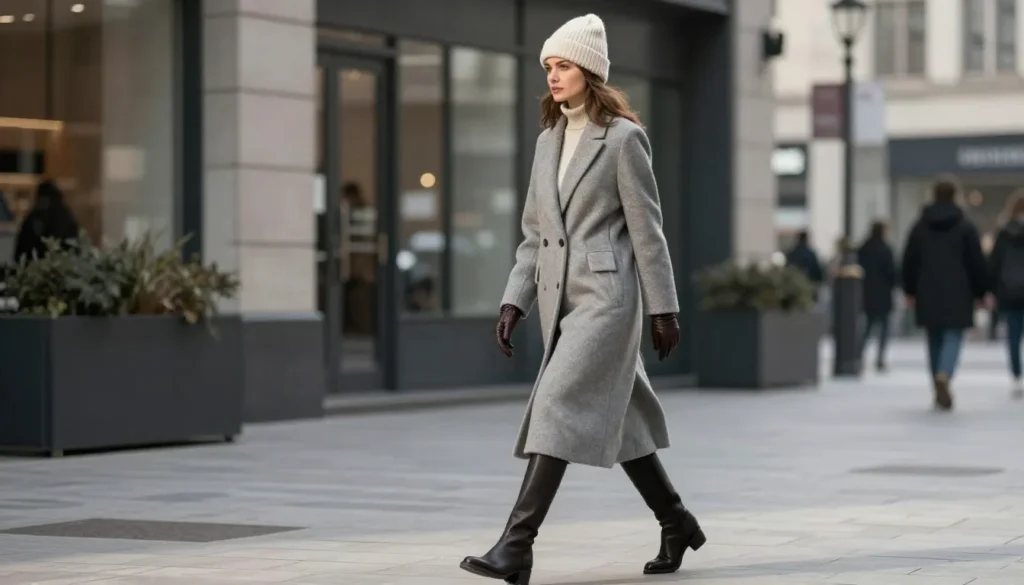
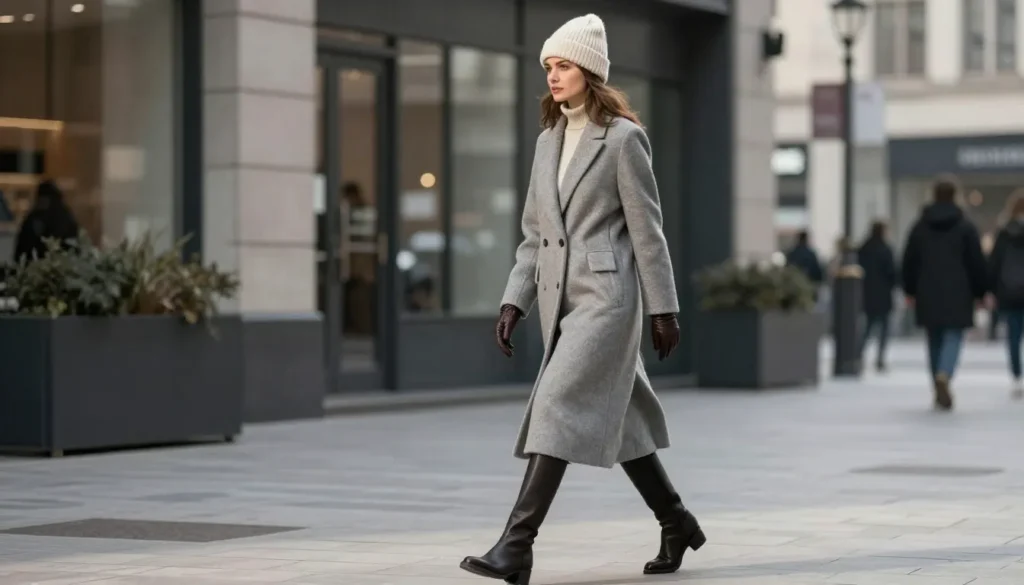
Incorporating a hat isn’t just about utility; it’s about cohesion. Here is how to style your winter hats for women for different occasions.
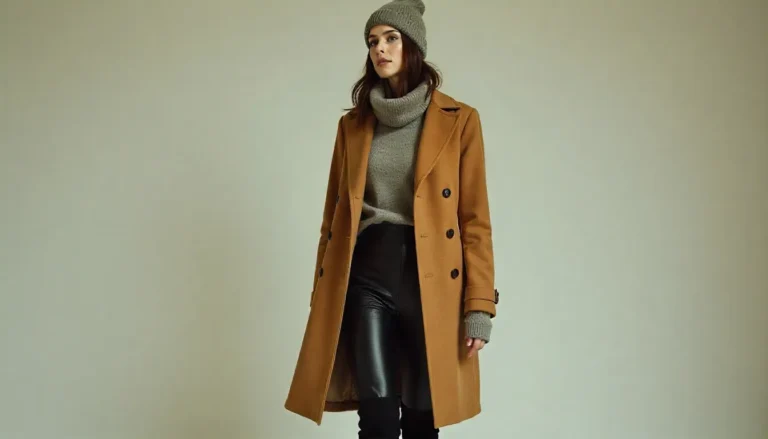
The Commuter Chic
- The Hat: A neutral cashmere beanie (grey, black, or camel).
- The Outfit: A long tailored wool coat, a chunky scarf, leather gloves, and ankle boots.
- Why It Works: The sleek profile of the cashmere beanie complements the structured coat without looking bulky. It says “professional” while keeping you warm.
The Weekend Errands
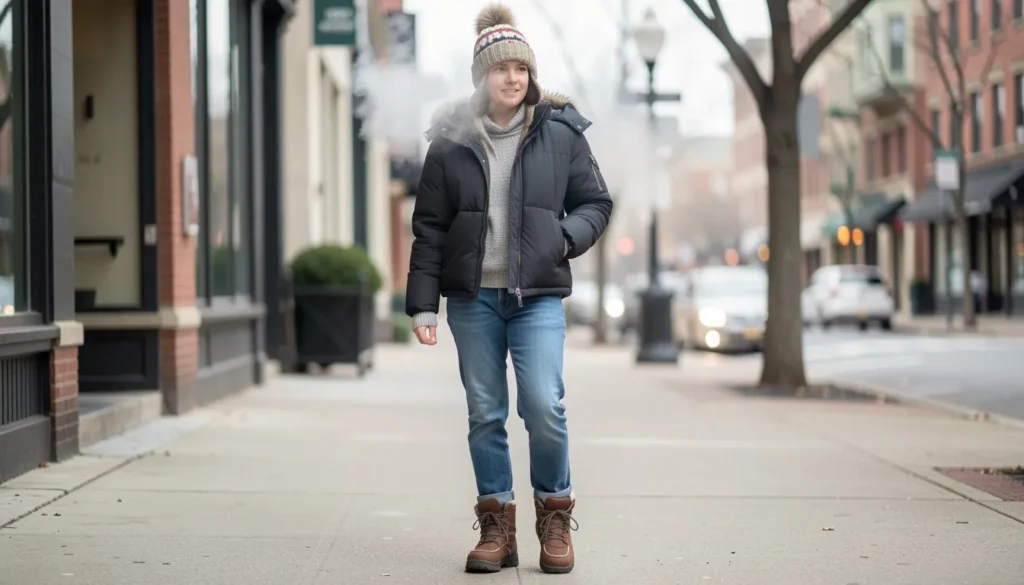
- The Hat: A chunky knit pom-pom hat in a bright color.
- The Outfit: A puffer jacket (down coat), leggings or straight-leg jeans, and snow boots.
- Why It Works: The volume of the pom-pom balances the bulk of the puffer jacket. The pop of color adds energy to a grey winter day.
The Apres-Ski Vibes
- The Hat: A faux-fur trapper hat or a nordic-patterned beanie.
- The Outfit: A shearling-lined coat, thermal leggings, and moon boots.
- Why It Works: It embraces the “cozy luxury” aesthetic. The trapper hat is a statement piece that immediately signals winter adventure.
The Romantic Evening
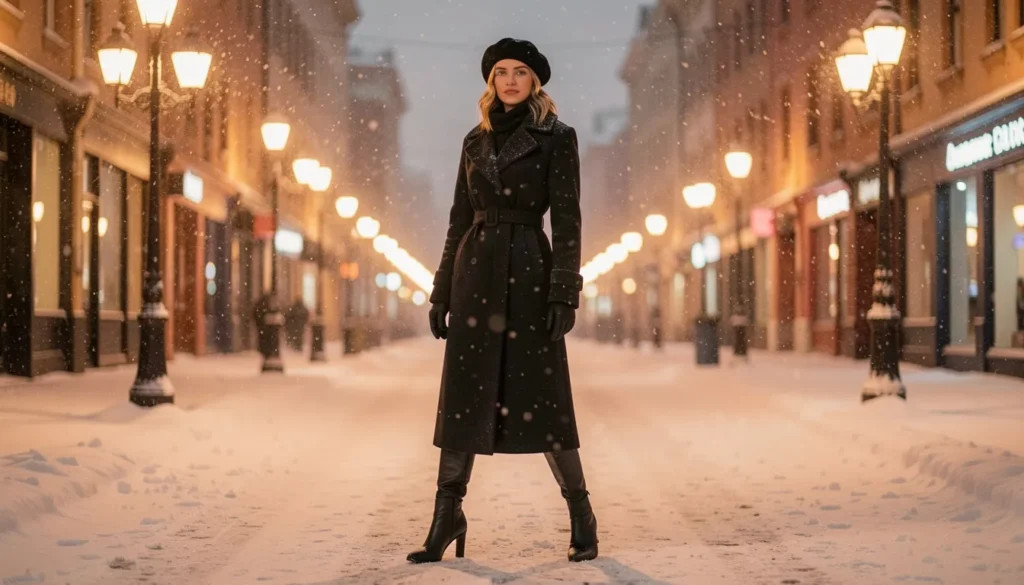
- The Hat: A wool beret in deep red, burgundy, or black.
- The Outfit: A belted trench coat, a midi skirt, tights, and heeled boots.
- Why It Works: The beret adds an instant touch of elegance and romance. It keeps your head warm without flattening volume at the roots of your hair as much as a tight beanie.
Hat Hair: How to Avoid It
The fear of “hat hair”—static, flatness, and dents—is the number one reason women avoid hats. Here are pro tips to manage your mane.
- Dry Your Hair Completely: Never put a hat on damp hair. It will dry in the shape of the hat, creating permanent kinks.
- Part it Differently: Before putting on your hat, flip your part to the opposite side. When you take the hat off and flip it back, you’ll regain volume at the roots.
- Use Fabric Softener Sheets: To fight static electricity (common with synthetic hats), rub a dryer sheet over your hair or the inside of the hat before wearing it.
- Invest in Silk Lining: If possible, choose hats lined with silk or satin. This reduces friction, preventing breakage and static.
Care Instructions: Making Your Winter Hats Last
Winter accessories take a beating from snow, sleet, and sweat. Proper care ensures they last for seasons.
- Read the Label: Wool and cashmere usually require hand washing in cold water with a specialized wool detergent. Never wring them out; gently squeeze and lay flat to dry.
- Pilling Prevention: Soft knits will pill over time due to friction. Use a fabric shaver or a cashmere comb to gently remove fuzz balls and restore the smooth texture.
- Storage: In the off-season, store your hats in a breathable cotton bag. Do not store them in plastic, as natural fibers need to breathe. Use cedar blocks to prevent moths from attacking your wool and cashmere pieces.
Conclusion:
Don’t let the cold weather cramp your style. The world of winter hats for women is vast, offering solutions for every temperature and taste. Whether you prioritize the technical warmth of merino wool, the playful silhouette of a pom-pom beanie, or the classic elegance of a beret, the right hat is out there.
Remember, a hat is more than just insulation; it is an accessory that frames your face and finishes your look. By choosing the right materials, considering your face shape, and caring for your knits, you can turn a winter necessity into your favorite fashion statement. Embrace the chill, and top it off with confidence.
FAQs
Q: Which winter hat material is the warmest?
A: Wool, specifically Merino wool and cashmere, provides the best warmth-to-weight ratio. For extreme conditions, a hat lined with fleece or made of shearling offers superior wind protection and heat retention.
Q: How do I choose a hat that won’t ruin my hair?
A: Look for loose-fitting styles like slouchy beanies or berets rather than tight skull caps. Hats lined with satin or silk are the best defense against static and friction-related breakage.
Q: Can I wear a hat to a formal event?
A: Generally, winter hats are removed indoors at formal events. However, for arrival, a structured wool fedora or an elegant faux-fur hat is appropriate. Avoid sporty beanies with formal wear.
Q: Are bucket hats good for winter?
A: Yes, if they are made of winter-appropriate fabrics like faux fur, shearling, heavy wool, or corduroy. A standard cotton bucket hat will not provide enough warmth.
Q: How do I stop my forehead from itching when wearing a wool hat?
A: Itchiness is usually caused by coarser wool fibers. Look for hats with an internal fleece headband or lining. Alternatively, switch to Merino wool or cashmere, which are much softer and less irritating than standard wool.