USA Olympic Outfits 2026: A Deep Dive into Team USA’s Winter Wardrobe
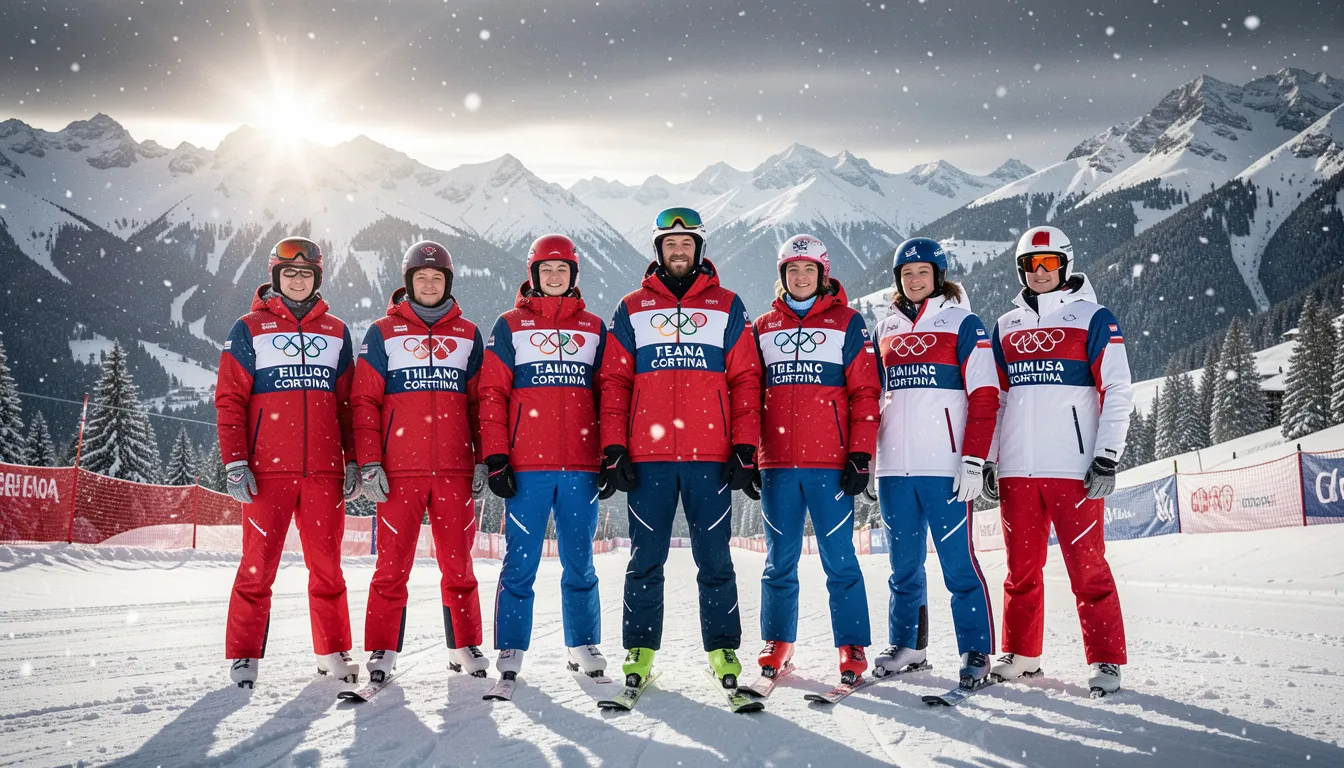
Every two years, the world gathers to watch the finest athletes compete for glory. While the incredible athletic feats take center stage, the fashion accompanying these events sparks just as much global conversation. As we look toward the Winter Games in Milano Cortina, the anticipation surrounding the USA Olympic Outfits 2026 is reaching new heights.
Team USA’s apparel represents more than just national pride. It serves as a showcase for textile innovation, sustainable manufacturing, and modern American style. Whether athletes are marching in the Opening Ceremony or standing atop the podium, their clothing must blend high-performance functionality with striking visual appeal.
This comprehensive guide explores everything you need to know about the upcoming 2026 winter collection. We will delve into the anticipated design trends, the technology woven into the fabrics, the iconic brands behind the looks, and how these garments protect athletes in extreme winter conditions.
The Evolution of Team USA Olympic Outfits
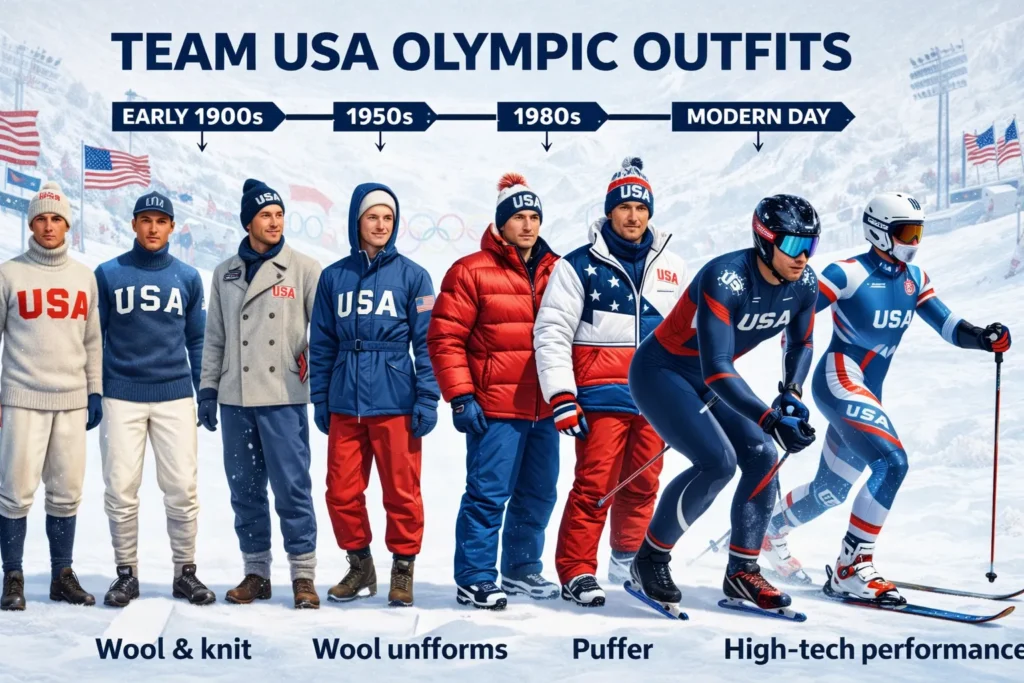
To appreciate the upcoming designs for 2026, we must first look at how American Olympic fashion has evolved over the decades. The uniform has transformed from simple, heavy wool garments into highly engineered pieces of wearable technology.
Historical Highlights
In the early 20th century, Winter Olympic apparel prioritized basic warmth over aerodynamics or style. Athletes wore bulky sweaters, heavy wool trousers, and leather boots. You would often see competitors wearing standard military-issue cold-weather gear, simply because it was the most accessible option.
As the decades progressed, the 1980s and 1990s introduced bright, neon colors and synthetic materials like nylon and early spandex. These materials offered better wind resistance and allowed for more dynamic movement on the ice and snow.
Shifting from Formal to Functional
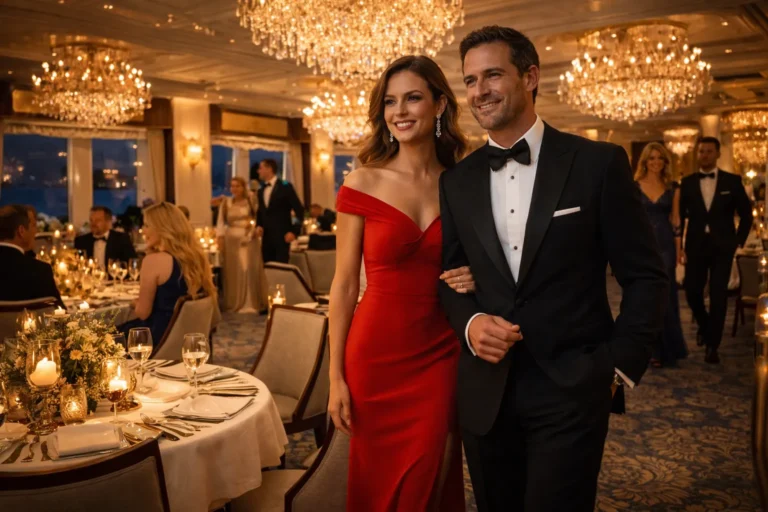
Historically, the Opening and Closing Ceremony outfits leaned heavily toward formalwear. Think tailored blazers, stiff ties, and formal skirts or slacks. However, recent games have seen a massive shift toward functional athleisure. Designers now understand that athletes prefer comfort, especially when standing in freezing temperatures for hours during ceremonies. The 2026 designs will likely continue this trend, blending smart-casual aesthetics with high-performance winter gear.
What to Expect from USA Olympic Outfits 2026
The Winter Games in Italy present a unique backdrop for fashion. With Milan being one of the fashion capitals of the world, Team USA’s designers are expected to bring their absolute best to the ice and snow.
High-Tech Fabric Innovations
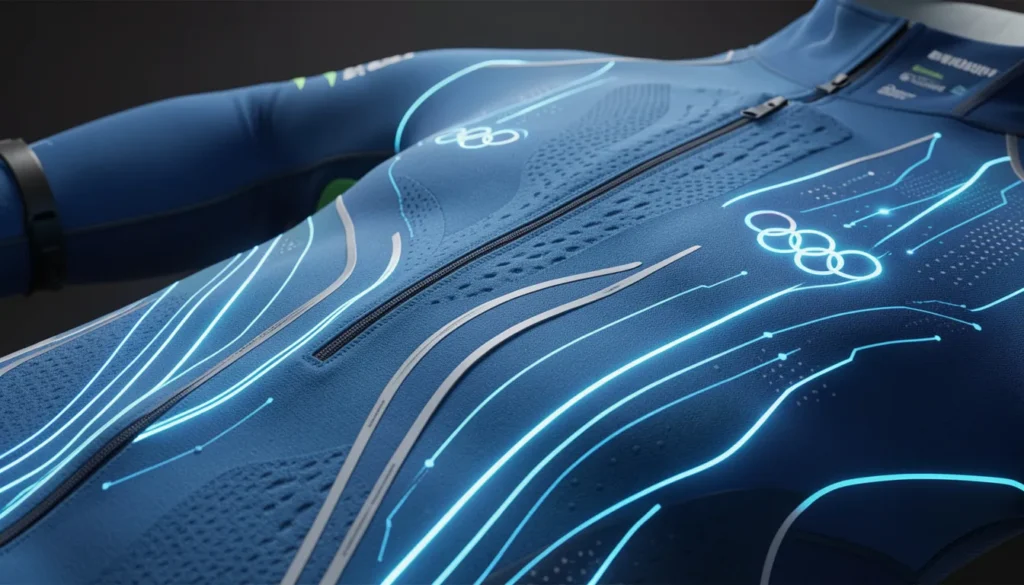
Winter sports require clothing that can handle extreme cold, biting winds, and intense physical exertion. The 2026 outfits will feature state-of-the-art textile technology.
- Intelligent Insulation: Look for jackets featuring self-regulating thermal technology. These materials expand when the body is cold to trap heat and contract when the body warms up to release moisture.
- Seamless Aerodynamics: For sports like speed skating and downhill skiing, wind resistance is the enemy. New uniforms utilize 3D-knitting techniques to eliminate drag-causing seams entirely.
- Impact Protection: Hidden within the sleek designs of snowboarding and skiing gear will be flexible, lightweight armor that hardens upon impact, protecting athletes from severe injuries.
Sustainable and Eco-Friendly Materials
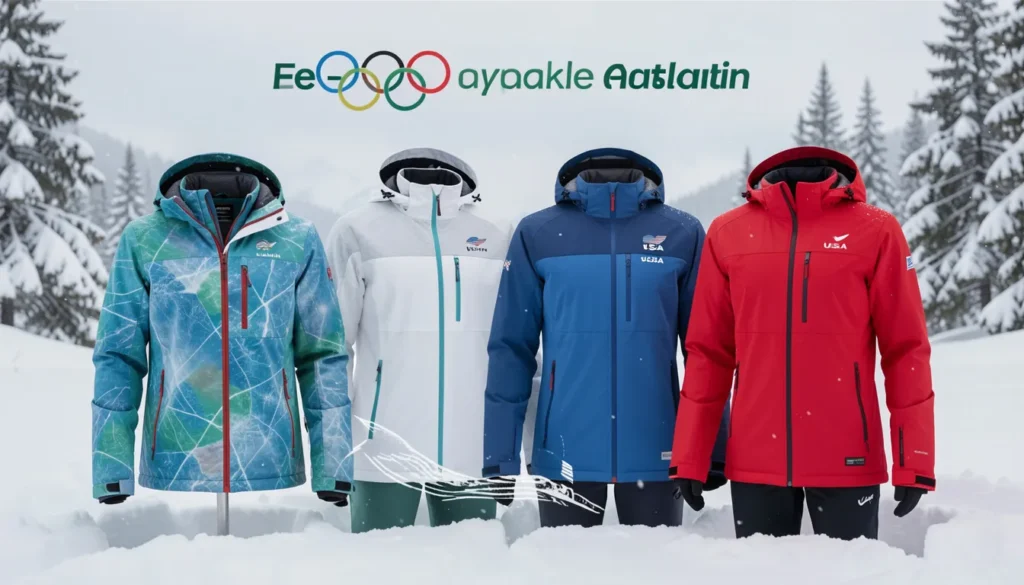
Sustainability is no longer a buzzword; it is a strict requirement for modern manufacturing. The International Olympic Committee places a heavy emphasis on reducing the carbon footprint of the games. Team USA’s wardrobe will reflect this commitment.
- Recycled Plastics: Many of the synthetic fibers used in the 2026 parkas and snow pants will come from recycled ocean plastics.
- Upcycled Down: Instead of virgin feathers, insulation will heavily feature upcycled down, washed and repurposed from older garments.
- Water-Saving Dyes: The vibrant reds and blues will be achieved using waterless dyeing processes, saving millions of gallons of water during production.
The Color Palette: Beyond Red, White, and Blue
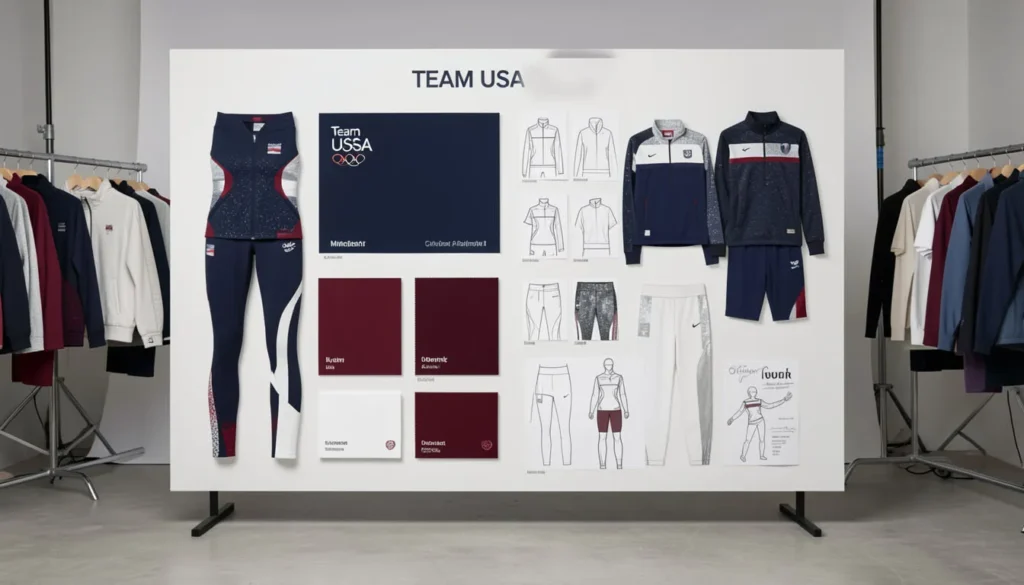
While the traditional American flag colors are mandatory, designers constantly look for ways to refresh the palette. For 2026, expect to see deeper, more sophisticated tones. Think midnight navy instead of royal blue, and rich crimson rather than standard cherry red. Metallic accents, specifically silver and icy white, will likely feature prominently to reflect the snowy Alpine setting of Milano Cortina.
Key Designers and Brands Behind the Looks
Creating a wardrobe for hundreds of athletes across dozens of different sports is a massive logistical undertaking. It requires collaboration between luxury fashion houses and specialized athletic brands.
The Legacy of Ralph Lauren
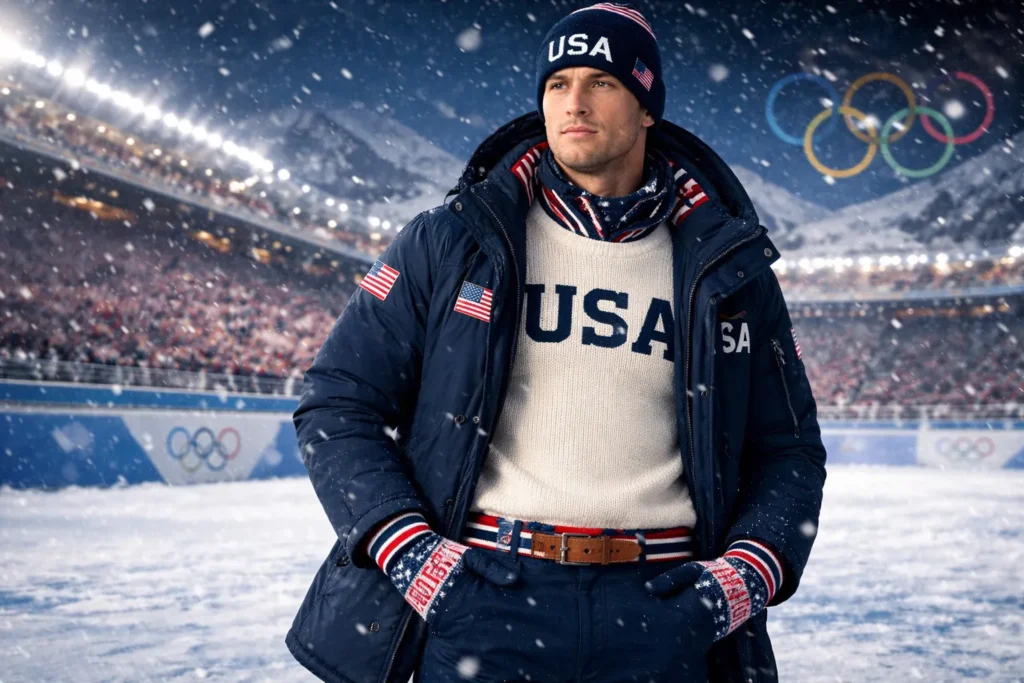
For over a decade, Ralph Lauren has been the official outfitter for Team USA’s Opening and Closing Ceremony looks. Their designs consistently capture a classic, preppy American aesthetic. For 2026, experts anticipate Ralph Lauren will deliver heavy knit sweaters, tailored puffer jackets, and classic denim or corduroy elements. They are famous for integrating wearable technology into these ceremony looks, such as battery-powered heated jackets.
High-Performance Athletic Wear Providers
While Ralph Lauren handles the ceremonies, the actual competition gear falls to specialized athletic brands.
- Nike: Typically handles the podium wear, providing sleek, modern tracksuits and the official footwear athletes wear when receiving their medals.
- Spyder: A legendary brand in the skiing world, Spyder often designs the highly technical, aerodynamic suits for the US Alpine Ski Team.
- Burton: When it comes to the snowboarding halfpipe and slopestyle events, Burton traditionally provides the baggy, culturally relevant, and highly functional gear that snowboarders prefer.
Breakdown of the USA Olympic Outfits Wardrobe
An athlete does not just receive one outfit. They are issued an entire wardrobe to cover every possible scenario during the weeks they spend at the games.
The Opening Ceremony Ensembles
This is the most photographed outfit of the entire event. The Opening Ceremony look must be warm, visually striking on television, and comfortable enough for a long parade. These outfits typically feature a heavy parka, a statement sweater, warm gloves, and a commemorative hat.
Podium Presentation Wear
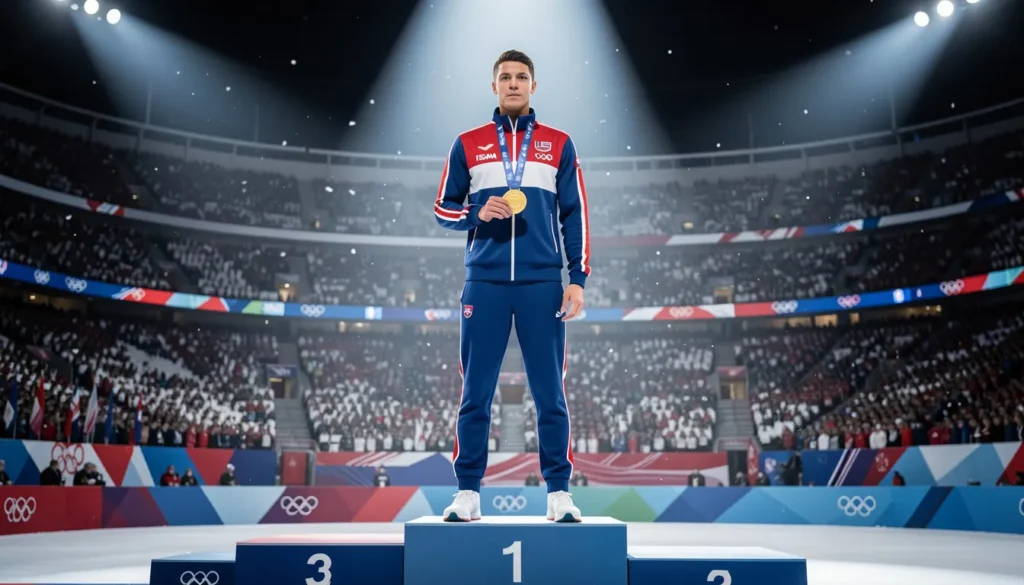
When an American athlete wins a medal, they must wear a specific uniform to the podium. This look is usually much sportier and streamlined than the ceremony wear. It consists of a sleek, branded tracksuit that looks sharp in photographs while proudly displaying the American flag.
Athlete Village Casual Wear
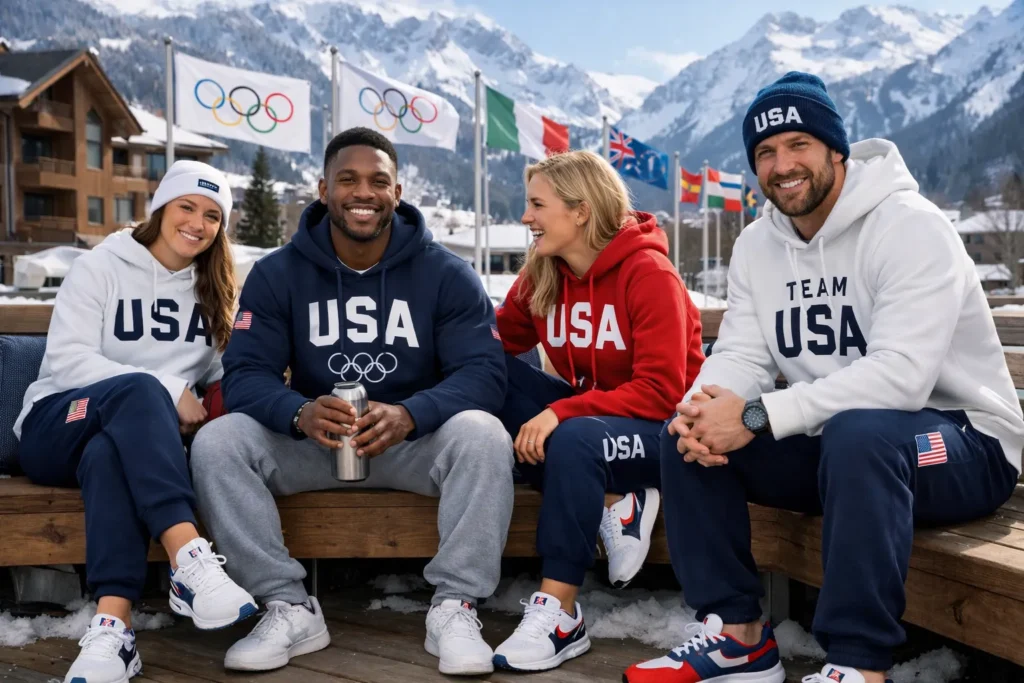
When they are not competing or attending official events, athletes spend their time in the Olympic Village. They receive a large duffel bag full of casual wear. This includes sweatpants, hoodies, long-sleeve t-shirts, and comfortable sneakers. This gear prioritizes pure comfort, allowing athletes to relax and recover between grueling events.
Competition-Specific Uniforms
Every sport has wildly different clothing requirements.
- Figure Skating: Outfits are custom-designed, heavily bedazzled, and built for flexibility and artistic expression.
- Bobsled and Skeleton: Athletes wear skin-tight, aerodynamic suits designed to shave milliseconds off their time.
- Curling: Competitors wear specialized pants that stretch easily for lunging, paired with custom shoes featuring one sliding sole and one gripping sole.
How Winter Sports Influence Design
Designing for the Winter Games presents unique challenges that summer apparel simply does not face. The elements are harsh, and the sports are highly specialized.
Aerodynamics in Speed Skating
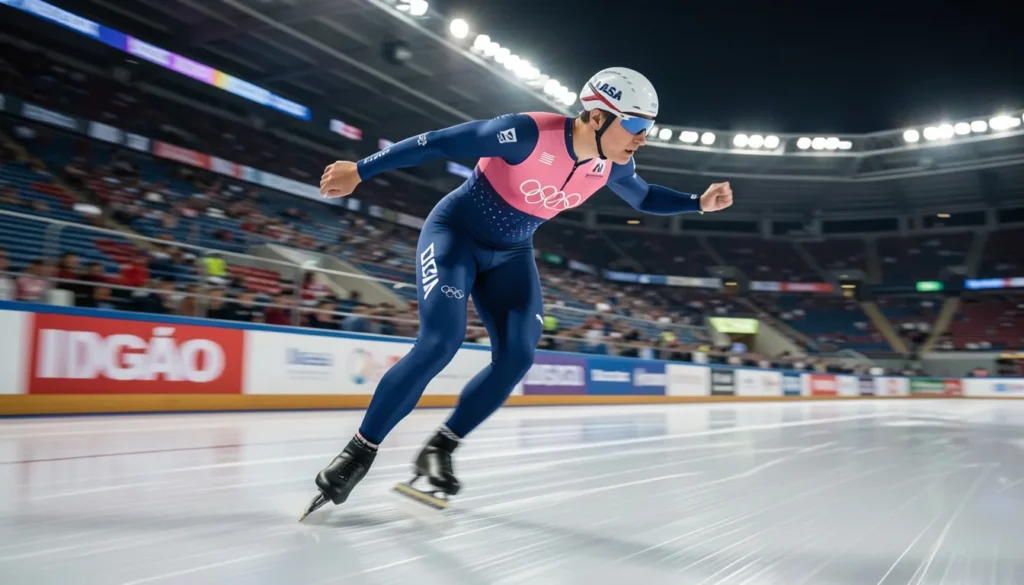
In short-track and long-track speed skating, victory is decided by fractions of a second. The USA Olympic Outfits 2026 for these events are essentially wearable wind tunnels. Designers use different textures of fabric on different parts of the body. For example, a slightly rougher fabric might be placed on the forearms to break the wind, while ultra-smooth fabric covers the chest to slice through the air.
Mobility in Snowboarding and Skiing
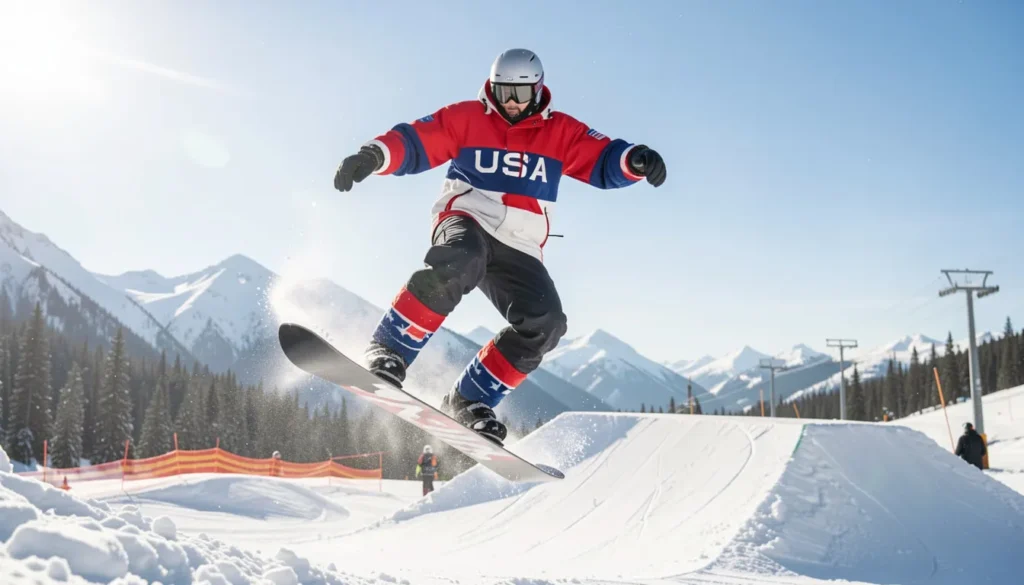
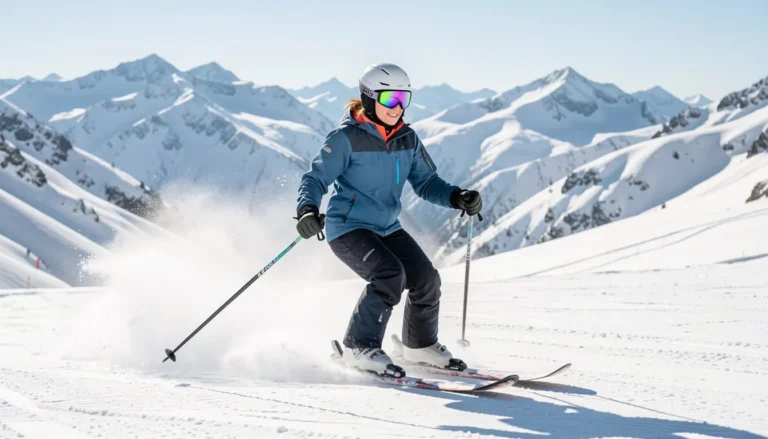
Freestyle skiers and snowboarders need a massive range of motion to perform their aerial tricks. Their gear is traditionally looser fitting. However, it must still be highly waterproof and breathable. The 2026 gear will utilize articulated joints—meaning the fabric is pre-stitched in a bent shape around the knees and elbows—to allow for maximum flexibility without the fabric bunching up.
The Cultural Impact of Olympic Fashion
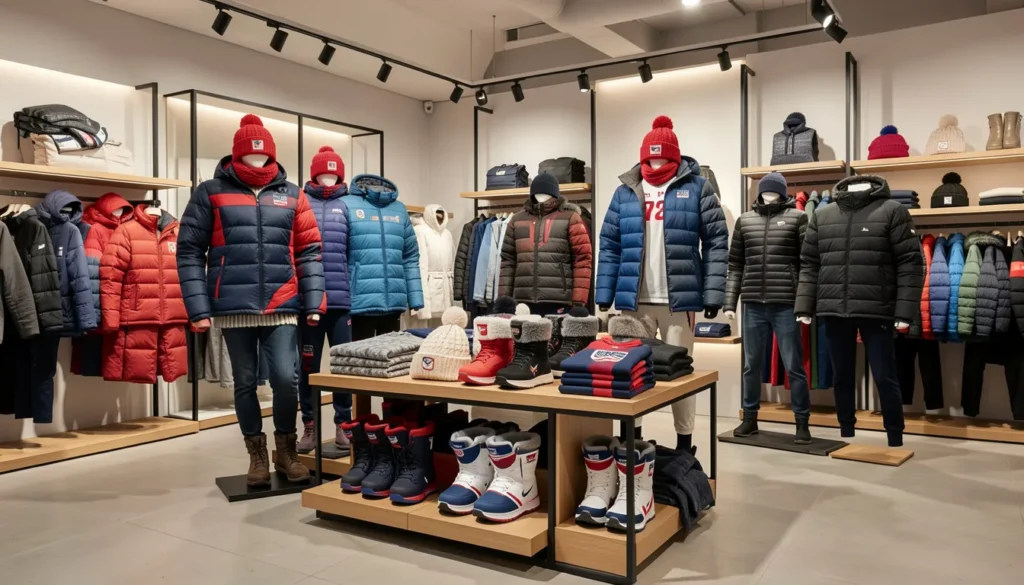
The outfits worn by Team USA do more than outfit the athletes; they influence global fashion trends and represent the cultural zeitgeist of the moment.
Inspiring Retail Trends
What athletes wear in February often dictates what consumers buy the following winter. When Team USA debuts a new style of puffer jacket, a unique knit beanie, or a specific style of snow boot, retail brands quickly produce their own versions. The Olympic stage is one of the most powerful marketing platforms for winter apparel.
Representation and National Pride
Ultimately, these outfits are a visual representation of the United States on the world stage. They evoke a sense of unity and national pride. Seeing athletes from diverse backgrounds, competing in different sports, all unified under a cohesive, beautifully designed aesthetic brings people together.
Conclusion
The USA Olympic Outfits 2026 will undoubtedly be a masterclass in blending high fashion with high-performance technology. As Team USA prepares to take on the world in Milano Cortina, their wardrobe will protect them from the elements, enhance their athletic performance, and ensure they look incredible doing it. From sustainable fabric innovations to classic American design motifs, these garments represent the very best of American ingenuity. We can hardly wait to see these spectacular designs debut on the ice and snow.
Frequently Asked Questions (FAQs)
Who designs the USA Olympic outfits?
The wardrobe is a collaborative effort. Ralph Lauren typically designs the Opening and Closing Ceremony outfits. Brands like Nike design the podium wear and casual village apparel. Specialized brands like Spyder and Burton handle the technical competition gear for specific sports.
Can the public buy the Team USA Olympic clothing?
Yes. Most of the official outfitters, including Ralph Lauren and Nike, release commercial versions of the Olympic apparel for the general public to purchase. However, these collections are usually limited edition and sell out very quickly.
Why are Winter Olympic outfits so expensive to make?
Winter gear requires highly technical fabrics. Materials that are simultaneously waterproof, windproof, breathable, and heavily insulated are costly to research and manufacture. When you add the cost of custom tailoring for perfect aerodynamics, the price increases significantly.
Are the 2026 outfits environmentally friendly?
Yes. The International Olympic Committee and the United States Olympic & Paralympic Committee have mandated strict sustainability goals. The 2026 outfits will heavily feature recycled plastics, upcycled down insulation, and water-saving manufacturing processes.