The Complete Guide to Swimwear: Finding Your Perfect Fit and Style
Finding the perfect swimwear can sometimes feel like a daunting task. Whether you are planning a tropical getaway, gearing up for pool season, or looking for something athletic for lap swimming, the options are endless. But the right suit does more than just look good; it makes you feel confident, comfortable, and ready to embrace the water. In this comprehensive guide, we will explore everything you need to know about navigating the world of swimsuits, from the hottest trends of 2026 to practical advice on finding the most flattering fit for your unique shape.
We will break down the different styles available, discuss the importance of fabric choices, and provide essential care tips to ensure your favorite pieces last for seasons to come. Let’s dive in and transform your next shopping experience from stressful to successful.
Understanding the Different Types of Swimwear
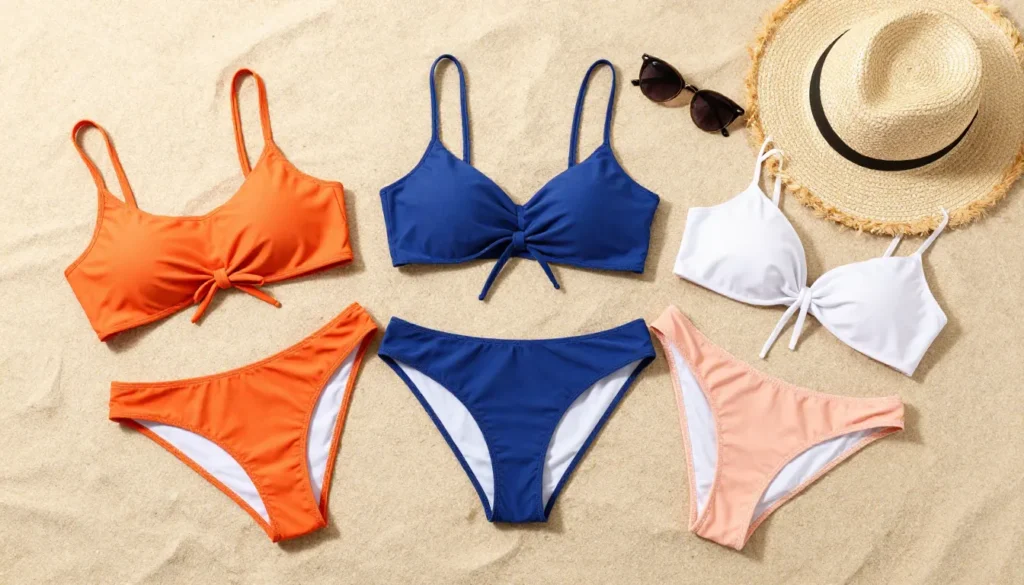
Before you start shopping, it helps to understand the terminology. The swimwear market has evolved far beyond the basic one-piece and bikini. Today, there is a style for every activity level and aesthetic preference.
The Classic One-Piece
The one-piece swimsuit has made a massive resurgence in recent years. No longer just for competitive swimmers, modern one-pieces are fashion-forward and incredibly versatile.
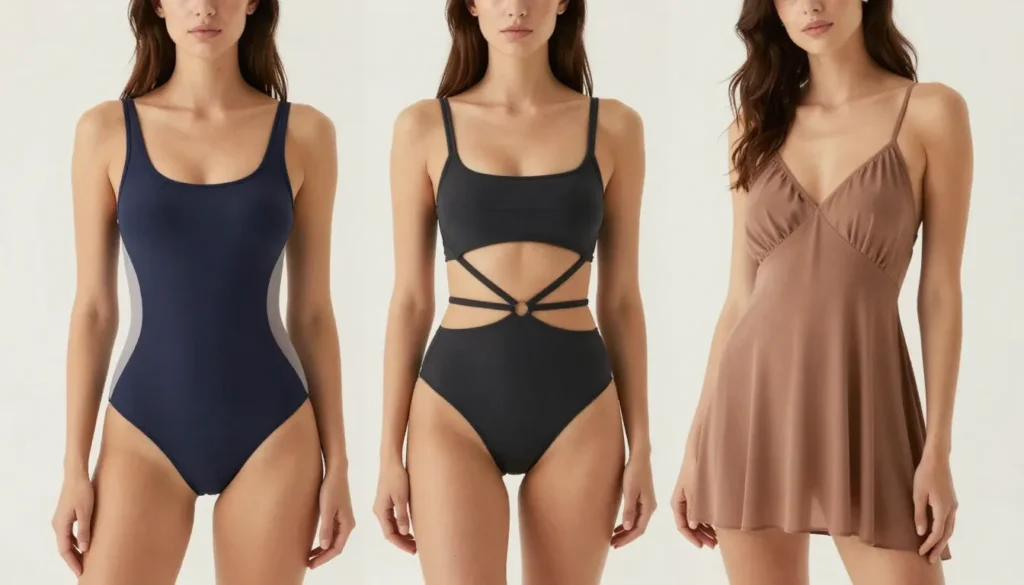
- Maillot: The traditional one-piece tank style. It offers full coverage and is generally the most secure option for swimming.
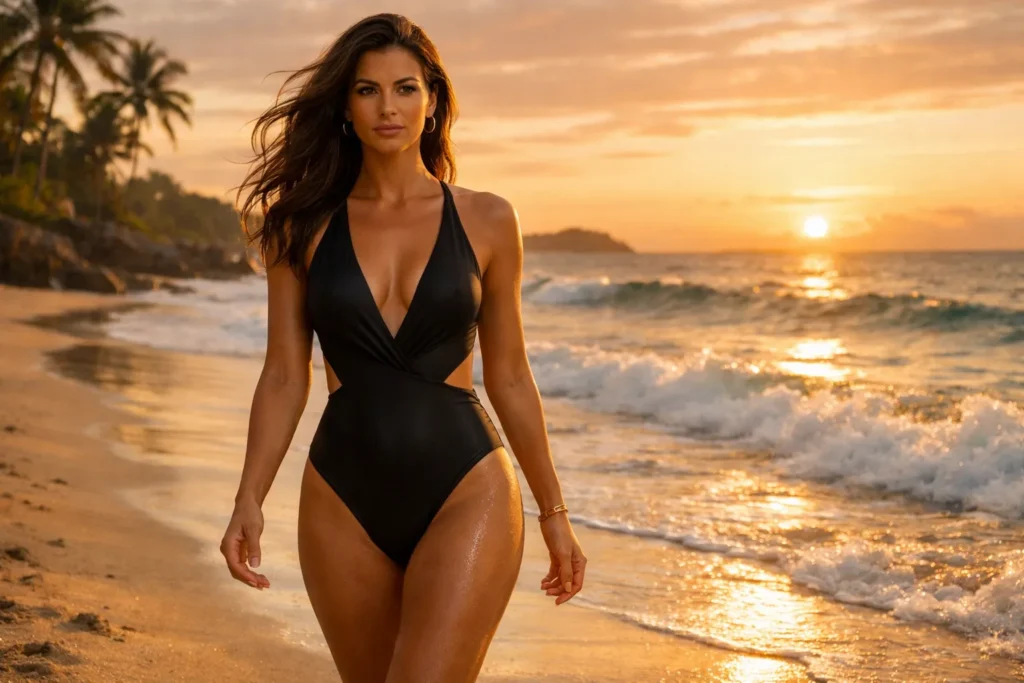
- Monokini: A hybrid between a bikini and a one-piece. It typically features cut-outs on the sides or stomach, connecting the top and bottom with a strip of fabric.
- Swim Dress: Ideal for those seeking more coverage, this style features a flared skirt at the bottom.
Bikini Variations
Bikinis allow for mix-and-match versatility and are great for tanning. However, the variety of tops and bottoms can be overwhelming.
Tops:
- Triangle: The classic string bikini top. Best for smaller busts as it offers minimal support.
- Bandeau: A strapless tube top. Perfect for avoiding tan lines but may slip during active swimming.
- Underwire: Constructed like a bra, offering maximum support and lift for larger busts.
- Halther: Ties around the neck, providing good lift and support.
Bottoms:
- High-Waisted: Hits above the belly button. This retro style is incredibly flattering, offering tummy control and elongating the legs.
- Hipster: Sits low on the hips with a wide band. Offers moderate coverage and stays in place well.
- Brazilian/Cheeky: Cut high on the thigh and offers minimal rear coverage for a trendy look.
- Boy Short: Offers full coverage, similar to athletic shorts.
Tankinis
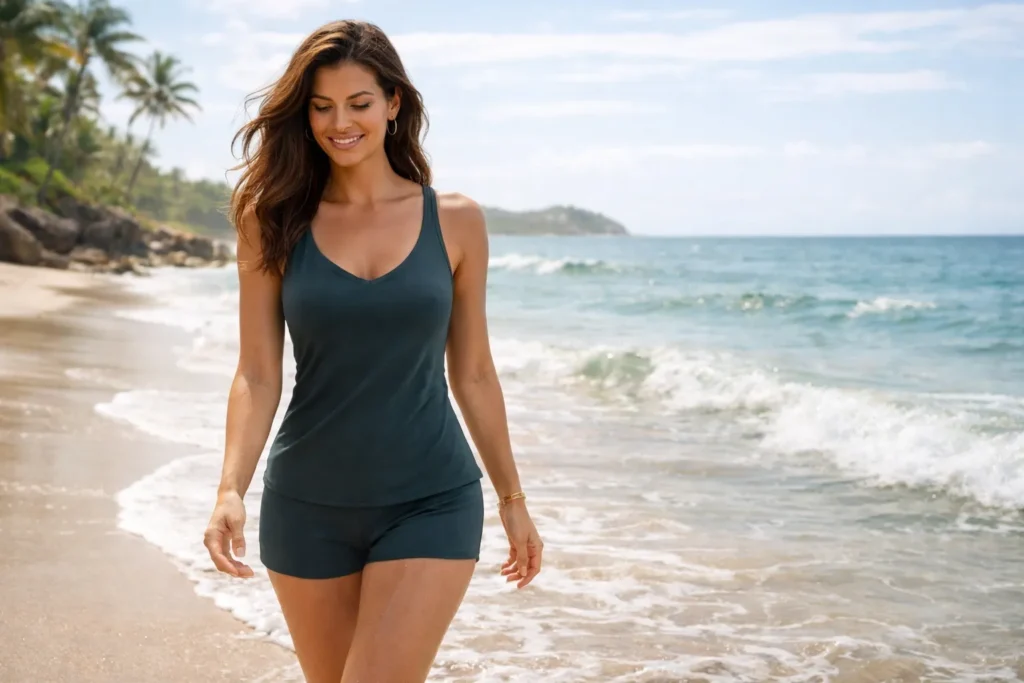
A tankini features a tank-top style upper paired with a bikini bottom. This is an excellent choice for those who want the coverage of a one-piece but the convenience of a two-piece. It’s particularly popular for active beachgoers and new moms.
Rash Guards and Surf Suits
For those prioritizing sun protection or water sports, coverage is key.
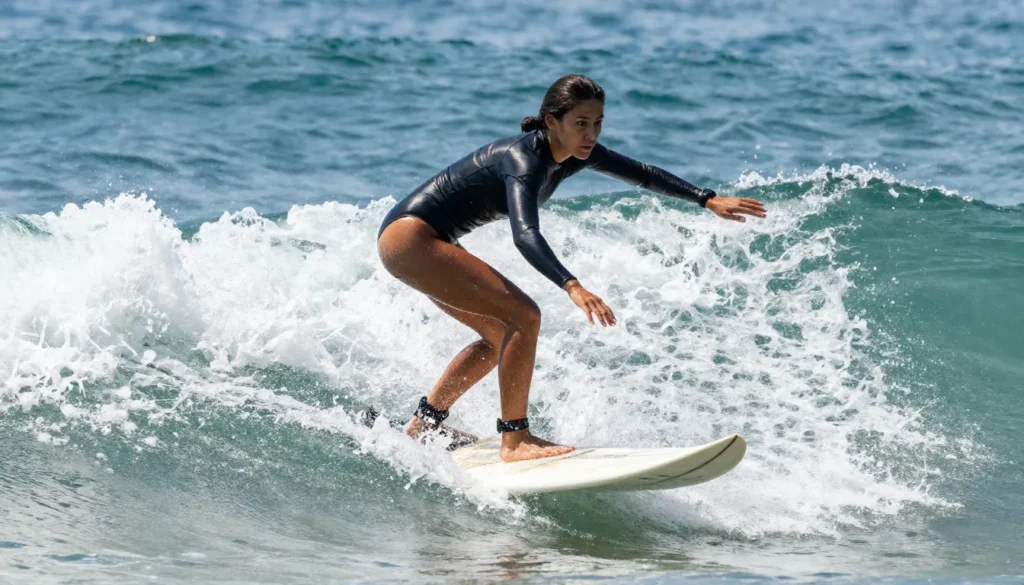
- Rash Guards: Swim shirts (short or long sleeve) made from UV-blocking fabric. They protect against sunburn and surfboard abrasion.
- Surf Suits: Essentially a long-sleeved one-piece. They are stylish, functional, and offer excellent sun protection for long days on the water.
Current Swimwear Trends to Watch in 2026
Fashion moves fast, and beachwear is no exception. This year, we are seeing a blend of nostalgic throwbacks and futuristic materials.
1. Sustainable Fabrics
Eco-conscious consumers are driving a massive shift toward sustainability. Brands are increasingly using recycled nylon (often made from fishing nets), recycled polyester, and organic cotton. Look for certifications like ECONYL® to ensure your suit is eco-friendly.
2. Retro 90s Cuts
High-cut legs (think Baywatch) are back in a big way. This silhouette lengthens the leg line and creates an illusion of height. Paired with scoop necks and bold, primary colors, the 90s aesthetic is dominating the beaches.
3. Textured Materials
Flat lycra is taking a backseat to textured fabrics.
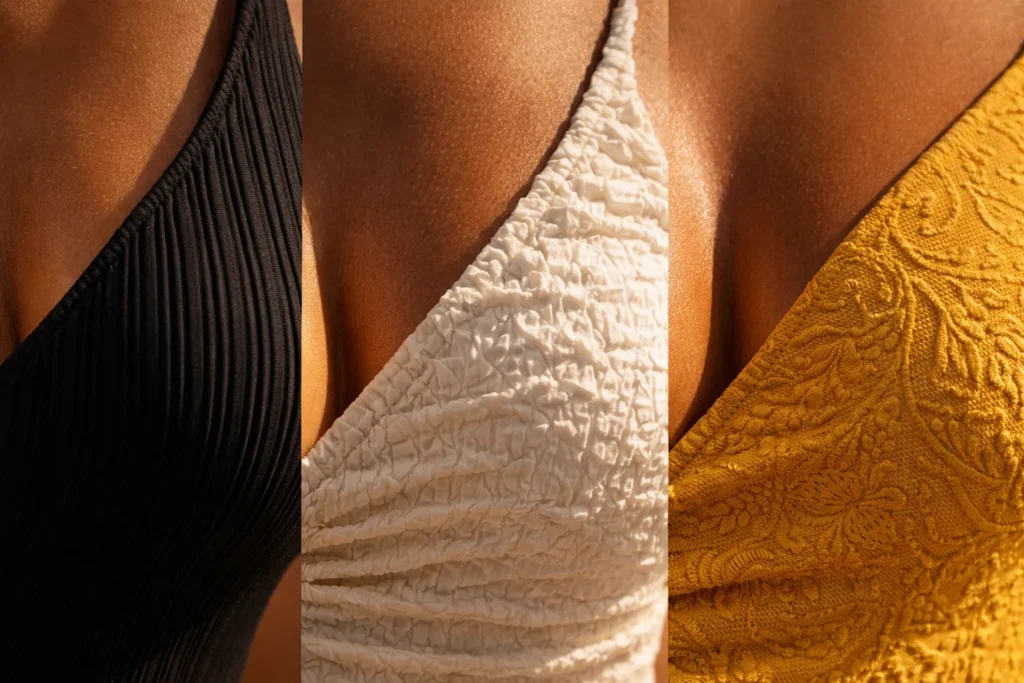
- Ribbed Fabric: Adds stretch and durability while hiding texture.
- Crinkle Fabric: One-size-fits-most fabric that stretches incredibly well.
- Jacquard and Pique: Woven patterns that add a luxurious feel to the garment.
4. Hardware and Embellishments
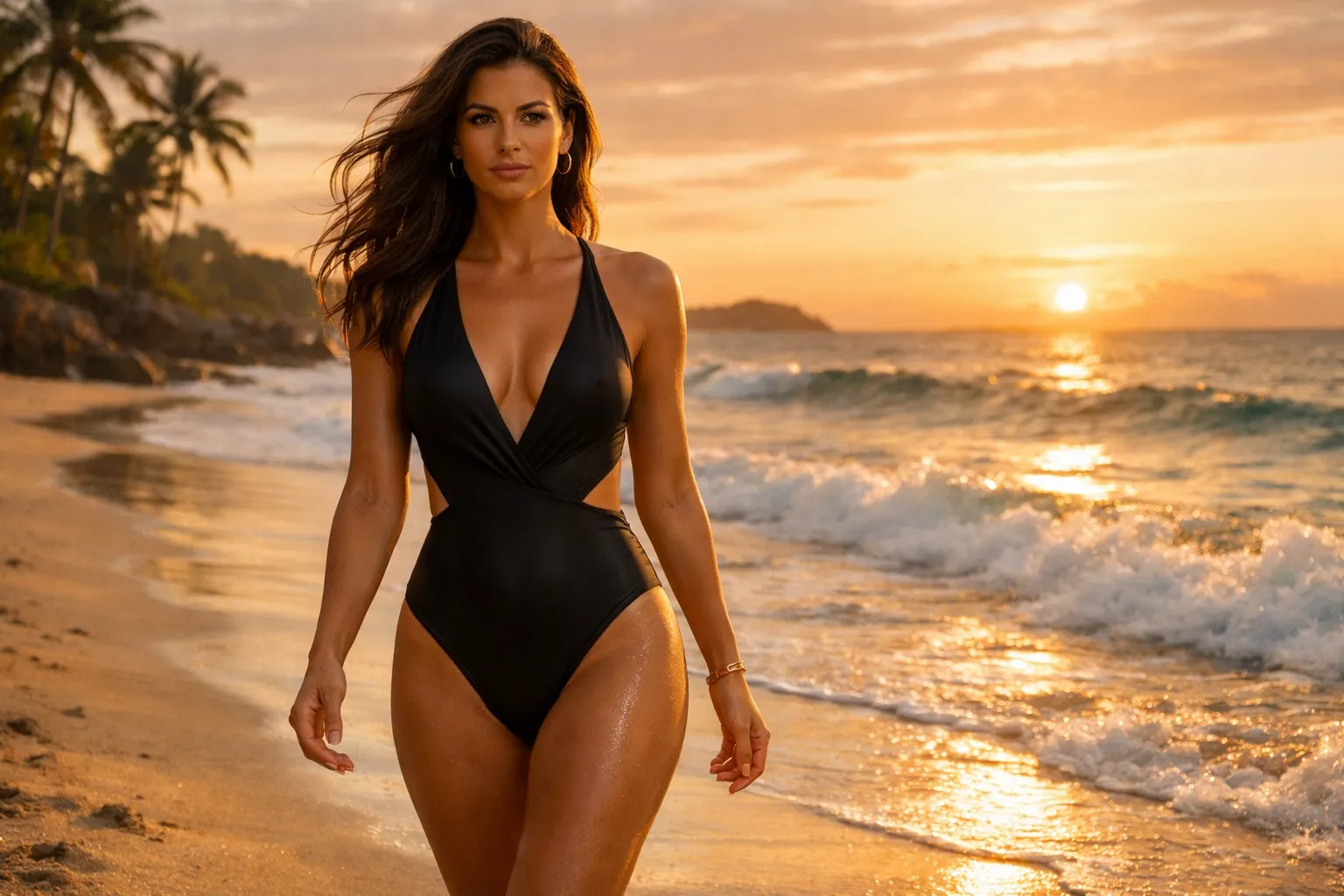
Minimalism is being challenged by bold hardware. Gold rings connecting bikini tops, chain straps, and belt buckles on high-waisted bottoms add a touch of “resort glamour” to even simple black suits.
5. Cut-Out Details
Strategic cut-outs are turning simple one-pieces into architectural statements. Asymmetrical shoulder cuts and waist cut-outs allow you to show a little skin while maintaining the security of a full suit.
How to Choose the Right Swimwear for Your Body Type
The “perfect body” is a myth, but the perfect swimsuit for your body is very real. The key is knowing how to balance proportions and highlight your favorite features.
For an Hourglass Shape
If your bust and hips are roughly the same width with a defined waist, you have an hourglass figure.
- Goal: Highlight your curves without adding bulk.
- Best Styles: High-waisted bikinis accentuate the waist. Halter tops provide support for the bust. Solid colors or color-blocking can emphasize your silhouette.
- Avoid: Mix-and-match sets that have drastically different patterns, which might throw off your natural balance.
For a Pear Shape (Triangle)
If your hips are wider than your bust, you have a pear shape.
- Goal: Draw attention upward and balance the hips.
- Best Styles: patterned or ruffled tops paired with solid, dark bottoms. Plunging necklines or off-the-shoulder tops draw the eye up. High-cut legs can elongate the thigh.
- Avoid: Boy shorts, which can cut off the leg line and make hips look wider.
For an Apple Shape (Inverted Triangle)
If you carry weight around your midsection or have a broader bust than hips.
- Goal: Define the waist and provide support.
- Best Styles: One-pieces with ruching (gathered fabric) around the stomach are incredibly flattering. Tankinis offer coverage. Thick straps provide necessary bust support. Deep V-necks create a vertical line.
- Avoid: String bikinis or strapless bandeaus that offer little support.
For an Athletic Shape (Rectangle)
If your shoulders, waist, and hips are roughly the same width.
- Goal: Create the illusion of curves.
- Best Styles: Suits with cut-outs (monokinis) create an artificial waistline. Ruffles, bows, and bold prints add volume to the bust and hips. Tie-side bikini bottoms add curve to the hips.
- Avoid: Straight-across bandeaus or simple tank suits that can emphasize a boxy silhouette.
For a Large Bust
Support is non-negotiable here.
- Goal: Lift and secure.
- Best Styles: Underwire tops with adjustable straps are essential. Look for bra-sized swimwear rather than generic S/M/L sizing. Halter tops with thick bands are also supportive.
- Avoid: Triangle tops with thin strings or bandeaus.
For a Small Bust
You have the freedom to wear styles with less structure.
- Goal: Add volume or embrace the petite frame.
- Best Styles: Triangle tops, bandeaus, and tops with ruffles or embellishments add volume. Padded or push-up tops are options if you want lift.
- Avoid: Full-coverage tops that might swallow up a smaller frame.
The Importance of Fabric in Swimwear

Not all swimsuits are created equal. The fabric composition dictates how the suit feels, how long it lasts, and what it’s best used for.
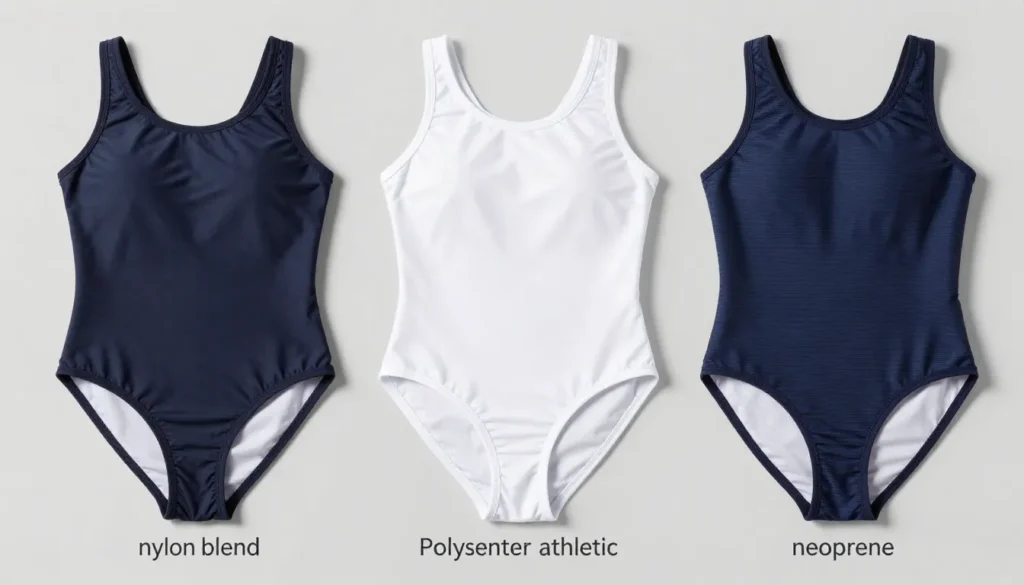
Nylon Blends
Most fashion swimwear is a blend of nylon and spandex (Lycra/Elastane).
- Pros: Soft, stretchy, and comfortable. It holds color well and has a glossy finish.
- Cons: Not very resistant to chlorine. Over time, chlorine can break down the fibers, causing the suit to sag.
Polyester Blends
Polyester is the workhorse of athletic swimwear.
- Pros: Highly durable and chlorine-resistant. It holds its shape for years, making it perfect for lap swimming or frequent pool use. It also offers better UV protection.
- Cons: Can feel slightly rougher or less stretchy than nylon.
Textured and Specialty Fabrics
- Neoprene: The material used for wetsuits. It’s thick, insulating, and structural. Great for fashion-forward, architectural bikini styles, but can be hot on a sunny day.
- Cotton Crochet: While beautiful for lounging, cotton absorbs water and becomes heavy and saggy when wet. These are strictly for sunbathing, not swimming.
Essential Care Tips to Make Your Swimwear Last
Swimsuits endure harsh environments: chlorine, saltwater, sun, and sunscreen. Proper care is essential to prevent fading and stretching.
- Rinse Immediately: Never leave a wet suit in a bag. Rinse it with cool, fresh water as soon as you get out of the pool or ocean to remove chemicals and salt.
- Hand Wash Only: Machines are too rough for delicate spandex. Hand wash in cool water with a mild detergent designed for delicates. Avoid standard laundry detergent, which can be too harsh.
- Skip the Dryer: Heat is the enemy of elasticity. It breaks down the spandex fibers. Lay your suit flat to dry in the shade. Hanging it by the straps can cause it to stretch out under the weight of the water.
- Rotate Your Suits: Spandex needs time to “snap back” to its original shape. If possible, wait 24 hours before wearing the same suit again.
- Watch Where You Sit: Rough surfaces like pool decks and concrete can snag the fabric (pilling). Always sit on a towel.
- Avoid Sunscreen Stains: Apply sunscreen and let it dry before putting on your suit. Oils and chemicals in sunblock can stain fabrics and break down elastics.
Swimwear Accessories to Complete the Look
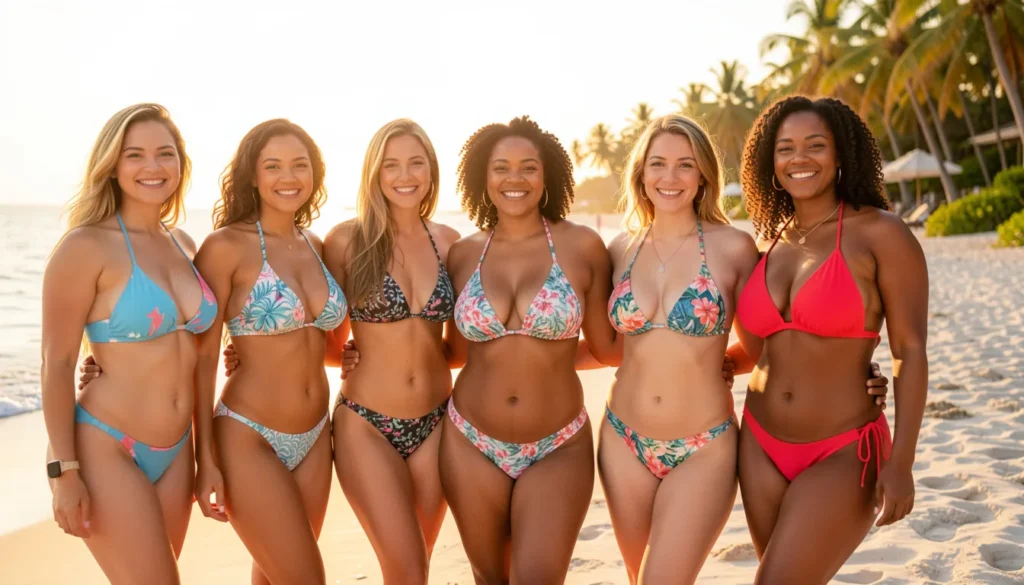
A swimsuit is just the foundation of a beach outfit. Accessorizing elevates your look from “swimming” to “styling.”
- Cover-Ups: From sheer sarongs and kaftans to oversized linen shirts, a cover-up takes you from the beach to the boardwalk bar.
- Hats: A wide-brimmed straw hat or a sporty bucket hat is essential for sun protection and style.
- Sunglasses: Protect your eyes with polarized lenses. Cat-eye frames add a retro vibe, while aviators are timeless classics.
- Footwear: Ditch the rubber flip-flops for leather slides or espadrilles for a more polished look.
Finding Confidence in Your Swimwear
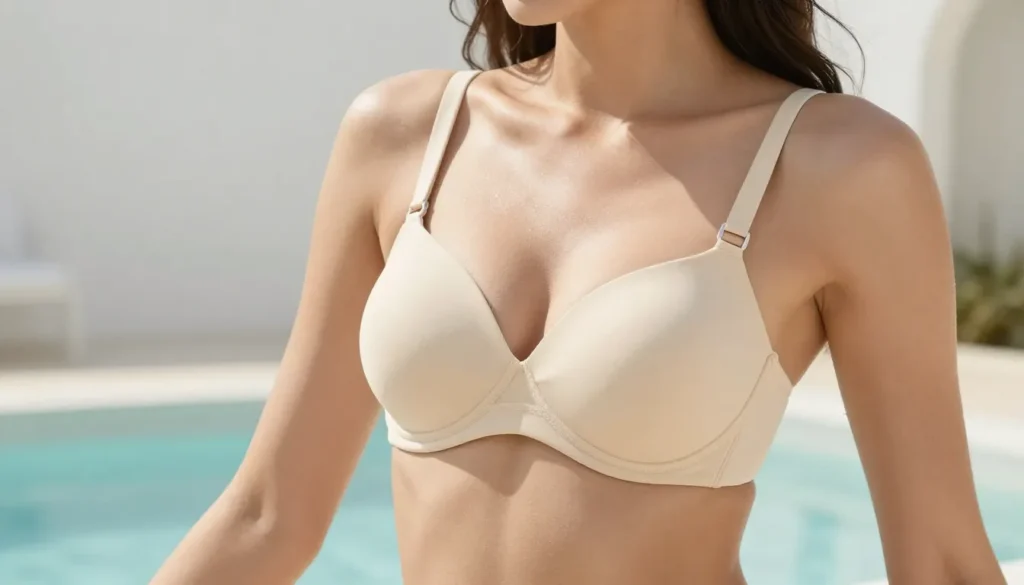
Perhaps the most important aspect of wearing a swimsuit is your mindset. It is easy to feel vulnerable when wearing so little clothing, but remember that the beach is for everyone.
Focus on what your body can do—swim laps, jump waves, build sandcastles—rather than just how it looks. When you choose a suit that fits well and stays in place, you stop fidgeting and start enjoying the moment. Confidence is the most attractive accessory you can wear.
Conclusion
Navigating the world of swimwear doesn’t have to be a struggle. By understanding the different styles, identifying what works for your body type, and keeping an eye on current trends, you can find a suit that you love to wear. Whether you opt for a sustainable high-waisted bikini, a sleek athletic one-piece, or a glamorous cut-out monokini, the right choice is the one that makes you feel your best.
Remember to care for your investment by rinsing and hand washing your suits, ensuring they remain vibrant and elastic for many vacations to come. So, go ahead—embrace the water, soak up the sun, and rock your swimwear with confidence.
Frequently Asked Questions (FAQs)
Q1: How do I know what size swimwear to buy?
A: Sizing can vary wildly between brands. Always consult the specific brand’s size chart. Measure your bust, waist, and hips with a soft tape measure. If you are between sizes, it is usually recommended to size up, as swimwear can dig in if it’s too tight. However, for active swimming, a tighter fit is better to reduce drag.
Q2: Can I put my swimsuit in the washing machine?
A: It is highly discouraged. Washing machines can agitate the fibers too roughly, and detergents can strip the fabric of its elasticity. Hand washing with cool water and mild soap is the best way to extend the life of your swimwear.
Q3: What is the best swimwear for tummy control?
A: High-waisted bikini bottoms and one-pieces with ruching (gathered fabric) or built-in power mesh panels are excellent for tummy control. They provide smoothing and support without being uncomfortable.
Q4: How do I get sunscreen stains out of my swimsuit?
A: Treat the stain as soon as possible. Apply baking soda or a specialized stain remover directly to the spot and let it sit before hand washing. Avoid using bleach, as it can damage the fabric and ruin the color.
Q5: What is the difference between cheap and expensive swimwear?
A: The difference usually lies in the fabric quality and construction. Expensive swimwear often uses higher-grade, double-lined fabrics that are more resistant to chlorine and fading. They also tend to have better construction details like underwire support, adjustable straps, and precise stitching that provides a better fit.