The Ultimate Guide to Perfecting Your Renaissance Fair Outfit
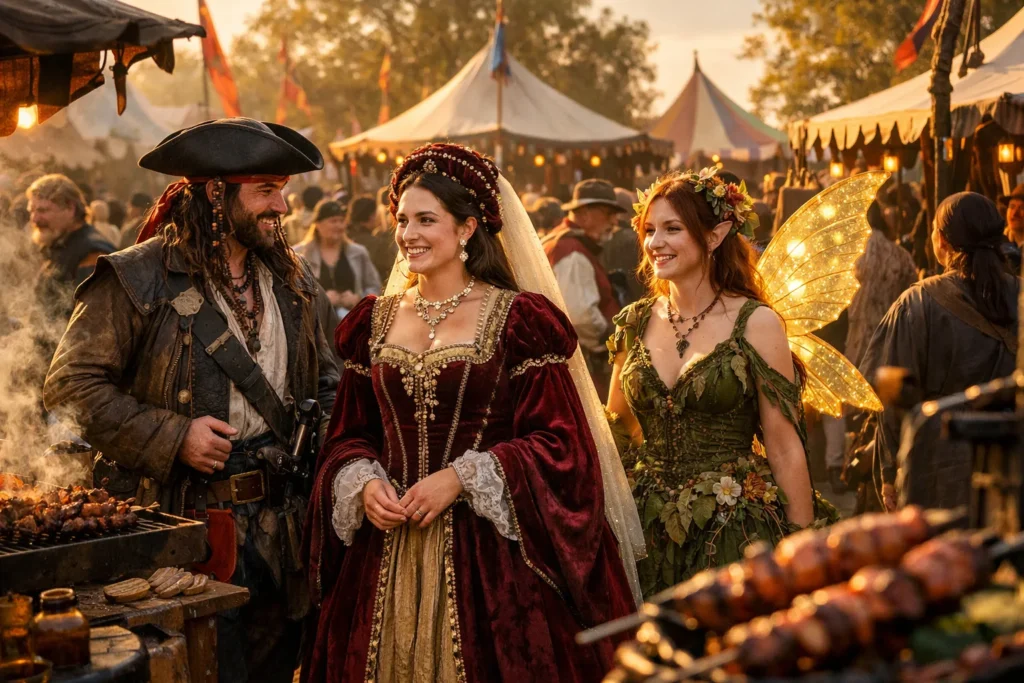
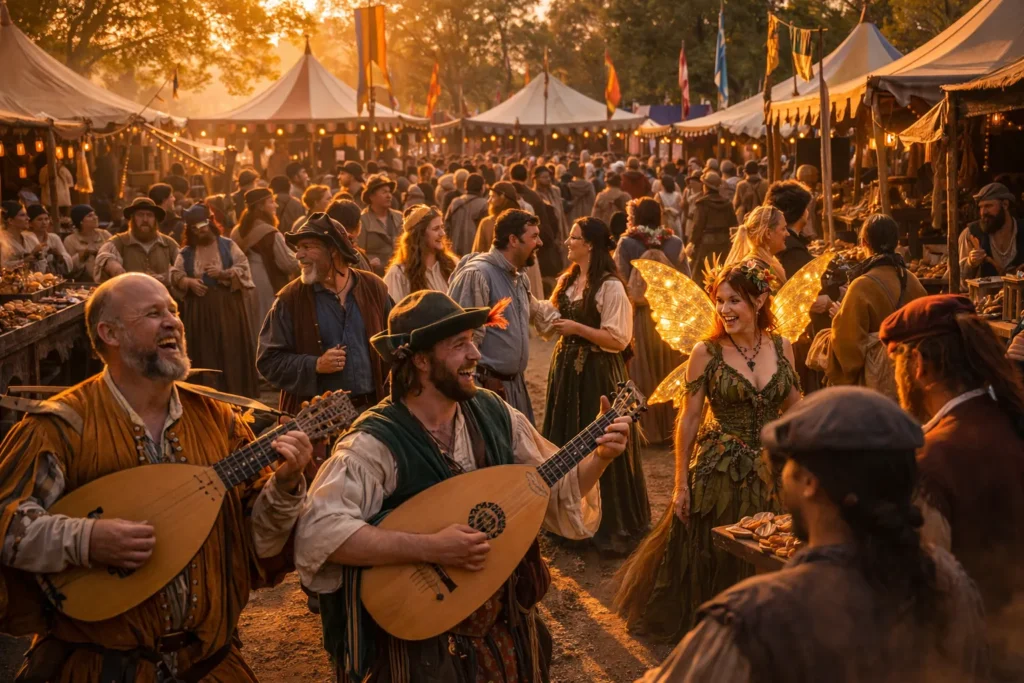
Attending a historical festival brings a unique kind of excitement. The smell of roasted turkey legs, the sound of lutes strumming in the distance, and the sight of jousting knights create an unforgettable atmosphere. However, to truly immerse yourself in the experience, you need the right clothing. Choosing a Renaissance Fair outfit transforms you from a mere spectator into an active participant in this magical world.
Whether you want to dress as a wealthy noble, a rugged pirate, or a mystical forest fairy, building your costume requires a blend of creativity, comfort, and historical inspiration. We will guide you through everything you need to know to assemble an incredible ensemble that looks authentic and feels great all day long.
Understanding the Magic of Renaissance Fairs
Before you buy your first tunic or corset, it helps to understand the environment you are dressing for. Renaissance festivals celebrate a stylized version of 16th-century Europe. They blend actual history with myths, legends, and theatrical flair.
Historical Accuracy vs. Fantasy Fun
One of the most common questions new attendees ask is how historically accurate their clothing needs to be. The short answer is: as accurate as you want it to be.
- Strict Historical Accuracy: Some enthusiasts dedicate hundreds of hours to sewing garments using historically accurate patterns, fabrics, and techniques. They focus on exact timelines, like the Tudor or Elizabethan eras.
- Theatrical and Fantasy: Most attendees lean into the fantasy aspect. Fairs welcome elves, fairies, pirates, and time travelers. You do not need a degree in history to enjoy dressing up. Focus on having fun and feeling confident in your attire.
Building Your Renaissance Fair Outfit Step by Step
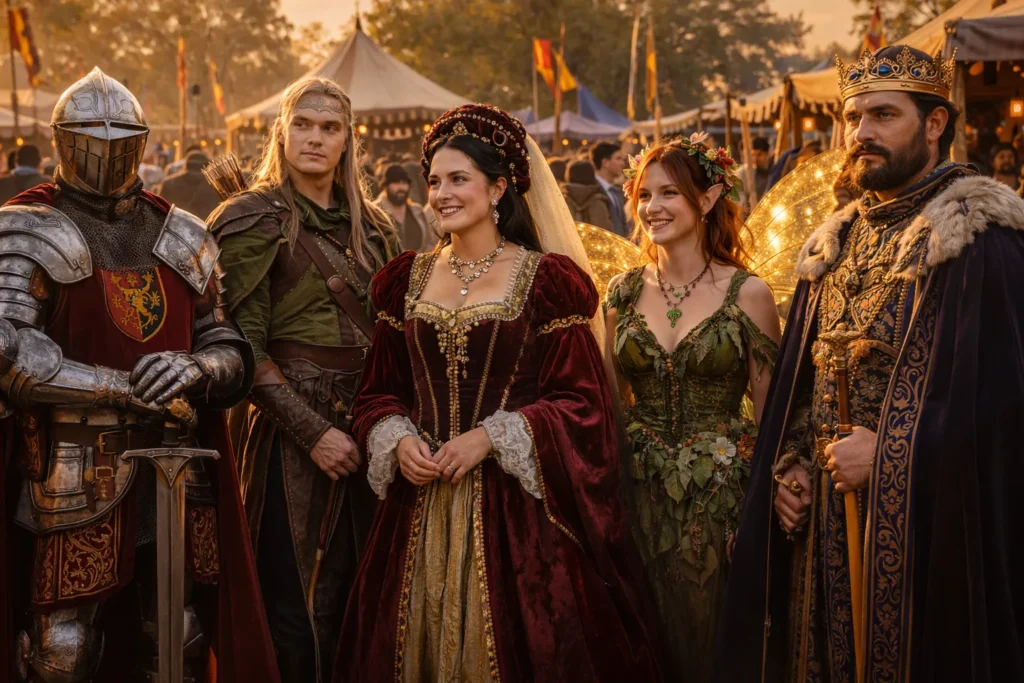
Creating a standout look usually involves layering. Layering adds depth and texture to your character, making the costume look authentic rather than like a cheap Halloween disguise.
Start with the Base Layers
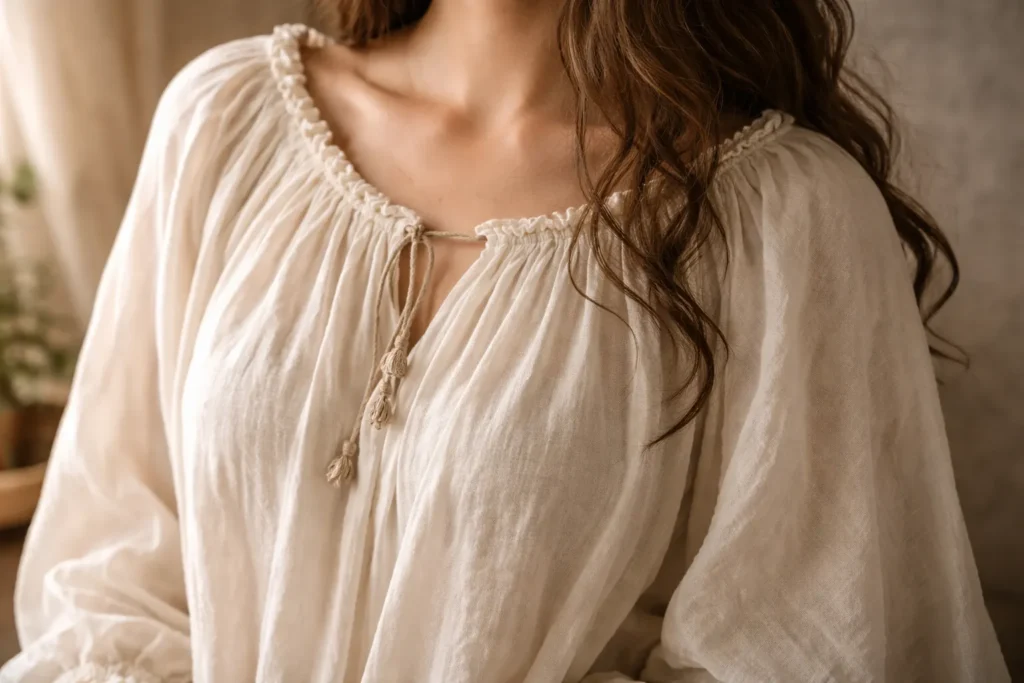
Your base layer sits closest to your skin. It absorbs sweat and sets the foundation for your overall silhouette.
- The Chemise or Shift: For women, a lightweight, breathable cotton chemise serves as the perfect starting point. It features a gathered neckline and billowy sleeves.
- The Tunic or Peasant Shirt: For men, a loose-fitting cotton or linen shirt with a lace-up collar provides a classic medieval base.
- Pants and Skirts: Men generally wear simple trousers, breeches, or kilts. Women typically wear long, flowing skirts, often layering two skirts and tucking the top one up to show the contrasting color underneath.
Add the Outerwear
The outerwear defines your character’s social status and profession.
- Bodices and Corsets: A well-fitted bodice or underbust corset gives women a traditional Renaissance silhouette. It cinches the waist and supports the bust.
- Doublets and Vests: Men can add a leather vest or a heavily embroidered doublet over their tunic to elevate their look from a simple peasant to a skilled tradesman or noble.
- Capes and Cloaks: A sweeping cloak adds immediate drama to any costume. It also serves a practical purpose if the weather turns chilly or rainy during the festival.
Popular Costume Ideas for Women
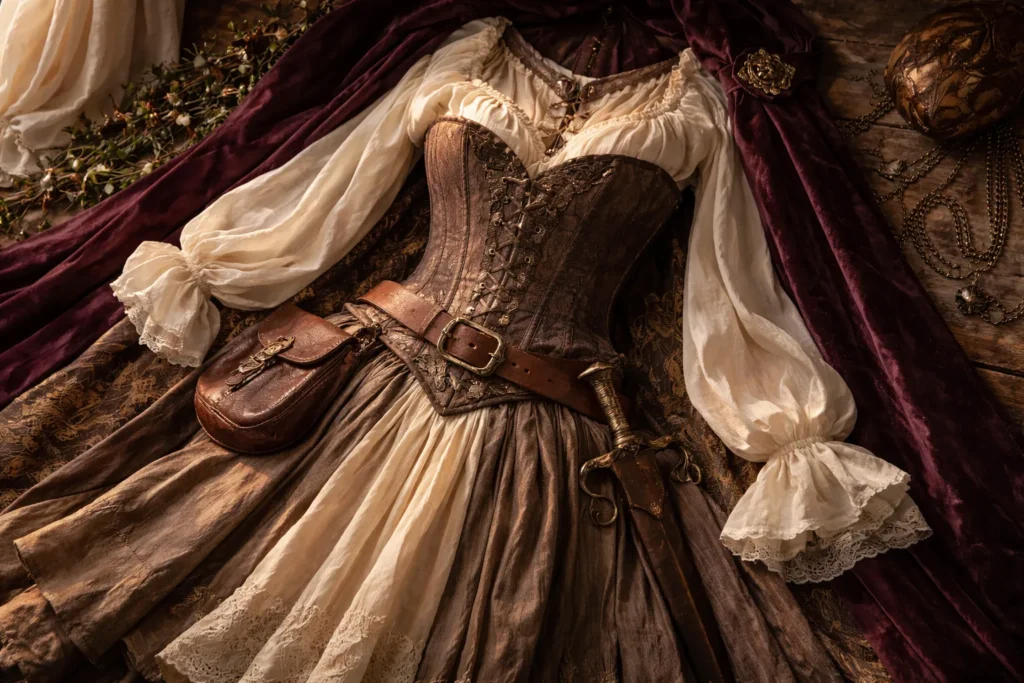
If you need inspiration, consider these classic archetypes that always shine at the fair.
The Noblewoman
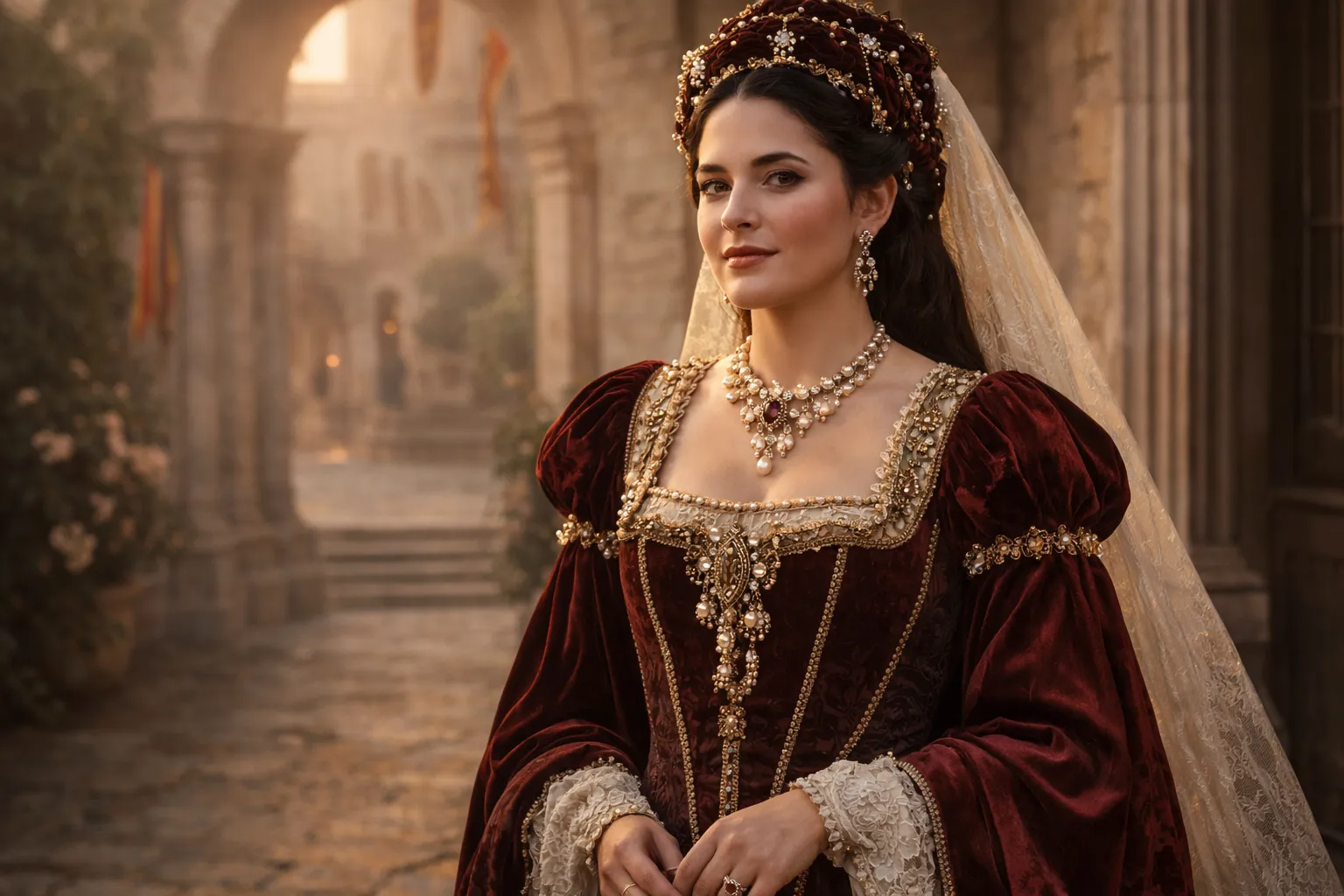
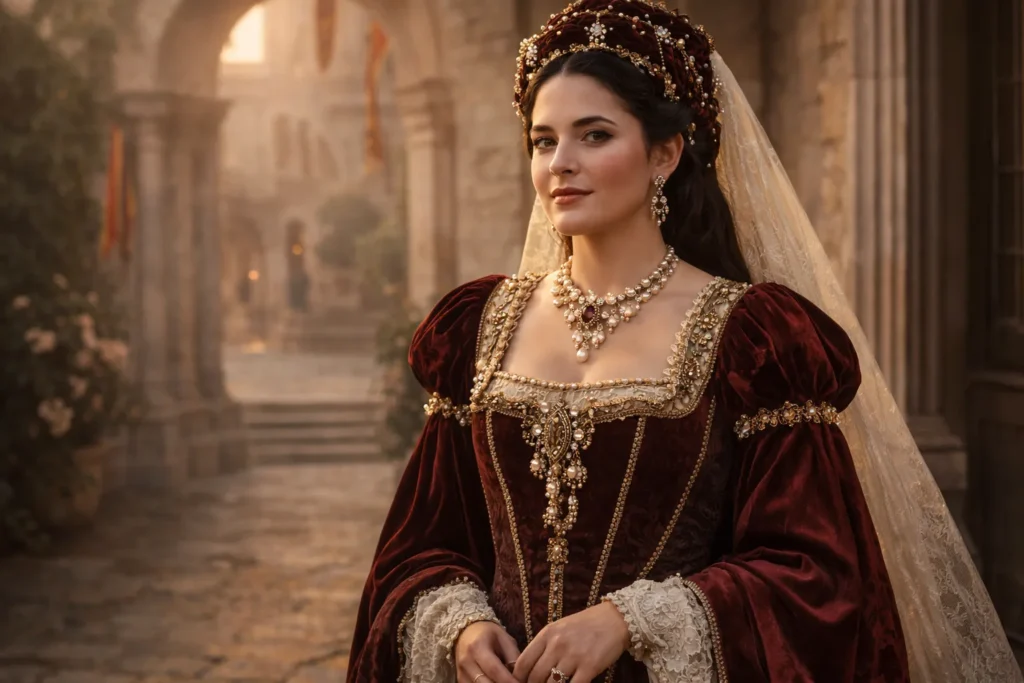
Dressing as a noblewoman means embracing luxury. This look requires heavy fabrics like velvet, brocade, and silk. You will want a structured gown, often featuring a square neckline and wide, bell-shaped sleeves. Accessories make or break this look. Add a jeweled snood for your hair, a delicate fan, and layered pearl necklaces.
The Tavern Wench or Peasant Girl
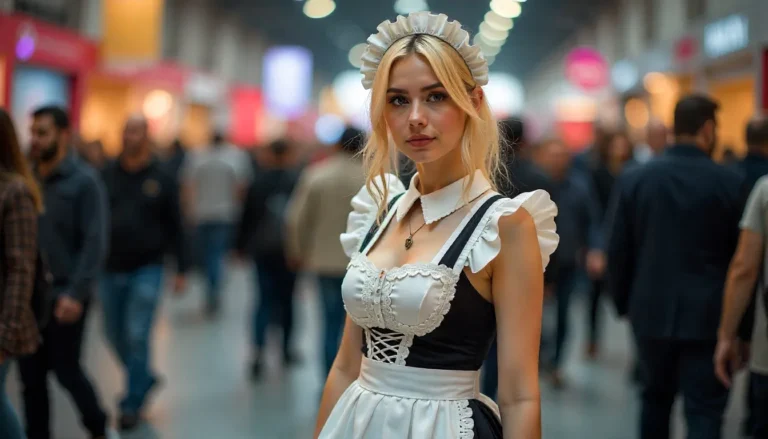
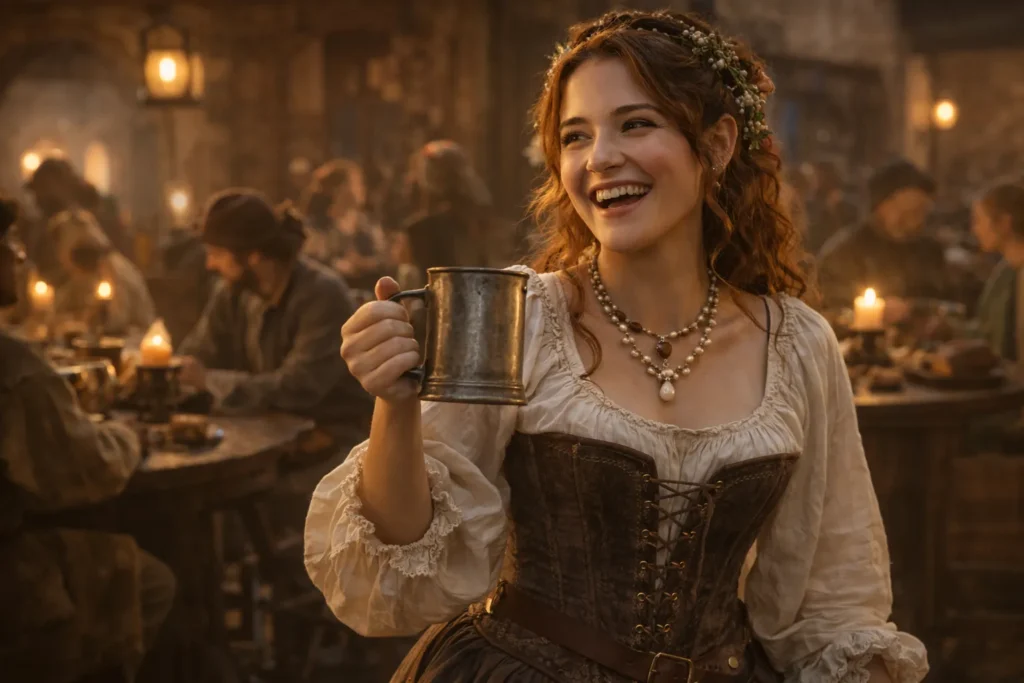
This remains the most popular and comfortable option for women. The peasant girl look consists of a white chemise, a colorful corset or waist-cincher, and a double-layered skirt. It allows for excellent mobility. You can tie your hair up with a simple ribbon or wear a floral crown to finish the look.
The Fantasy Creature (Fairy, Elf, Nymph)
Fairs enthusiastically welcome fantasy elements. To dress as a fairy, focus on earthy tones or bright jewel colors. Incorporate natural elements like leaves, vines, and flowers into your hair and bodice. Add a pair of delicate wings and perhaps some subtle facial glitter or elf ears to complete the transformation.
Popular Costume Ideas for Men

Men have just as many exciting options when assembling their festival wardrobe.
The Knight or Warrior
Nothing commands respect quite like a knight. While full plate armor looks incredible, it weighs a lot and traps heat. A more practical approach involves wearing a chainmail shirt (or a knitted replica) over a sturdy tunic. Add leather bracers to your forearms, a wide leather belt, and a foam or wooden sword at your hip.
The Pirate or Privateer
Pirates always bring a fun, rowdy energy to the fair. Start with a loose, billowy poet shirt and striped trousers. Add a long vest or a distressed leather coat. Accessories define the pirate: a tricorn hat, multiple leather belts, tall boots, and plenty of flashy, mismatched rings.
The Peasant or Tradesman
For a highly comfortable and easy-to-source outfit, go as a tradesman. Wear a simple earth-toned tunic, basic linen pants, and a sturdy belt. You can customize this look by carrying props related to a specific trade. Carry a pouch of herbs to play a village healer, or hang a wooden tankard from your belt to play a merry villager.
Essential Accessories to Complete the Look
Accessories elevate your clothing from a basic costume to a living, breathing character. Since you likely won’t carry a modern purse or backpack, your accessories must be functional as well as stylish.
Renaissance Accessory Checklist
| Accessory | Purpose | Best For |
| Leather Pouch | Holds phone, cash, and keys securely | All characters |
| Belt Mug/Tankard | Ready for drinks at the tavern | Peasants, pirates, tradesmen |
| Floral Wreath | Adds a whimsical, festive touch | Fairies, peasants, maidens |
| Snood or Flat Cap | Period-accurate head covering | Nobles, villagers |
| Weapons (Peace-tied) | Adds danger and excitement | Knights, pirates, rangers |
Note: Always check your local fair’s weapons policy. Most require all swords and daggers to be “peace-tied” (secured in their sheaths so they cannot be drawn).
Choosing the Right Footwear
Your choice of footwear represents the most critical decision you will make. You will walk on dirt paths, uneven grass, and gravel for several hours. Prioritize comfort over pure historical accuracy.
- Tall Leather Boots: These look fantastic on almost every character, from pirates to knights. Ensure they are well broken in before the event.
- Simple Leather Flats: A great choice for peasants and maidens.
- Hidden Sneakers: If you have long skirts that cover your feet, wear your most comfortable walking sneakers. No one will see them, and your feet will thank you.
Do’s and Don’ts for Your First Renaissance Fair Outfit
Follow these simple rules to ensure your festival experience goes smoothly.
Do:
- Wear breathable natural fabrics like cotton, linen, and light wool.
- Bring a modern, discrete water bottle to stay hydrated.
- Layer your clothing so you can adjust to changing temperatures.
- Support local artisans by buying a piece of your costume at the fair.
Don’t:
- Wear synthetic fabrics like heavy polyester, which trap heat and cause excessive sweating.
- Wear uncomfortable, high-heeled shoes.
- Forget sun protection. Incorporate a wide-brimmed hat or carry a parasol.
- Worry about perfection. The fair is about community and joy, not harsh judgment.
Tips for Surviving the Fair in Your Costume
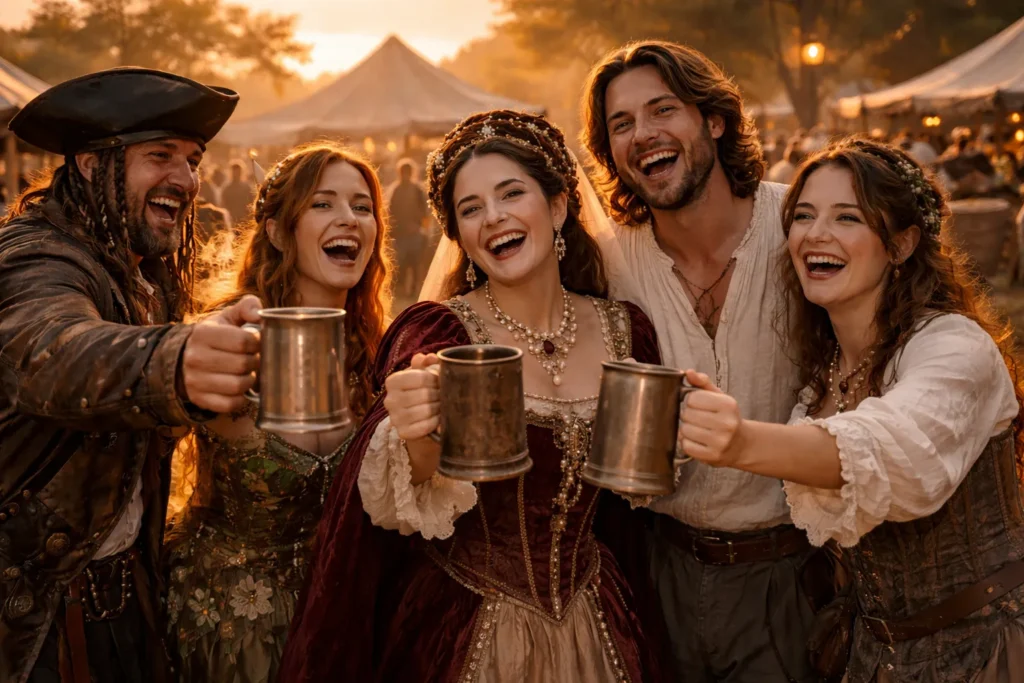
Looking great matters, but feeling good matters just as much. Fairs usually take place in late summer or early fall, meaning the weather can be entirely unpredictable.
Weather Considerations
If the forecast predicts intense heat, ditch the heavy velvet cloaks and leather doublets. Opt for thin linen shirts and single-layer skirts. Keep your head covered with a light straw hat to block the sun. If you anticipate rain, a wool or heavy canvas cloak works wonders for keeping you dry without breaking character.
Mobility and Comfort
Test your outfit before you leave the house. Can you sit down comfortably on a wooden bench? Can you use a portable restroom without dragging your skirt in the mud? Pin up overly long hemlines and ensure your corset allows for deep, full breaths.
Conclusion
Putting together the ideal Renaissance Fair outfit offers a wonderful opportunity to express your creativity and step out of your everyday life. By focusing on breathable base layers, engaging accessories, and comfortable footwear, you set yourself up for an incredible day of time travel. Whether you choose the path of a regal queen, a swashbuckling pirate, or a mystical forest dweller, wear your costume with confidence. Embrace the festive spirit, raise your tankard high, and enjoy the magic of the Renaissance.
Frequently Asked Questions (FAQs)
What is the best fabric for a Renaissance Fair costume?
Natural fabrics like linen, cotton, and lightweight wool work best. They breathe well, wick away sweat, and provide an authentic historical texture. Avoid heavy polyester, which traps heat.
Can I wear jeans to a Renaissance Fair?
Yes, you can absolutely wear jeans. There is no strict dress code for attendees. However, if you want to blend in with the theme, consider swapping your jeans for loose linen trousers or a long skirt.
How do I carry my modern items like my phone and keys?
The best way to carry modern items is in a leather belt pouch or a hidden pocket sewn into a cloak or skirt. This keeps your valuables safe without ruining the historical illusion.
Do I have to dress up to attend?
Not at all, Thousands of people attend fairs every year in their regular street clothes. Dressing up simply adds an extra layer of fun to the experience, but it is never mandatory.