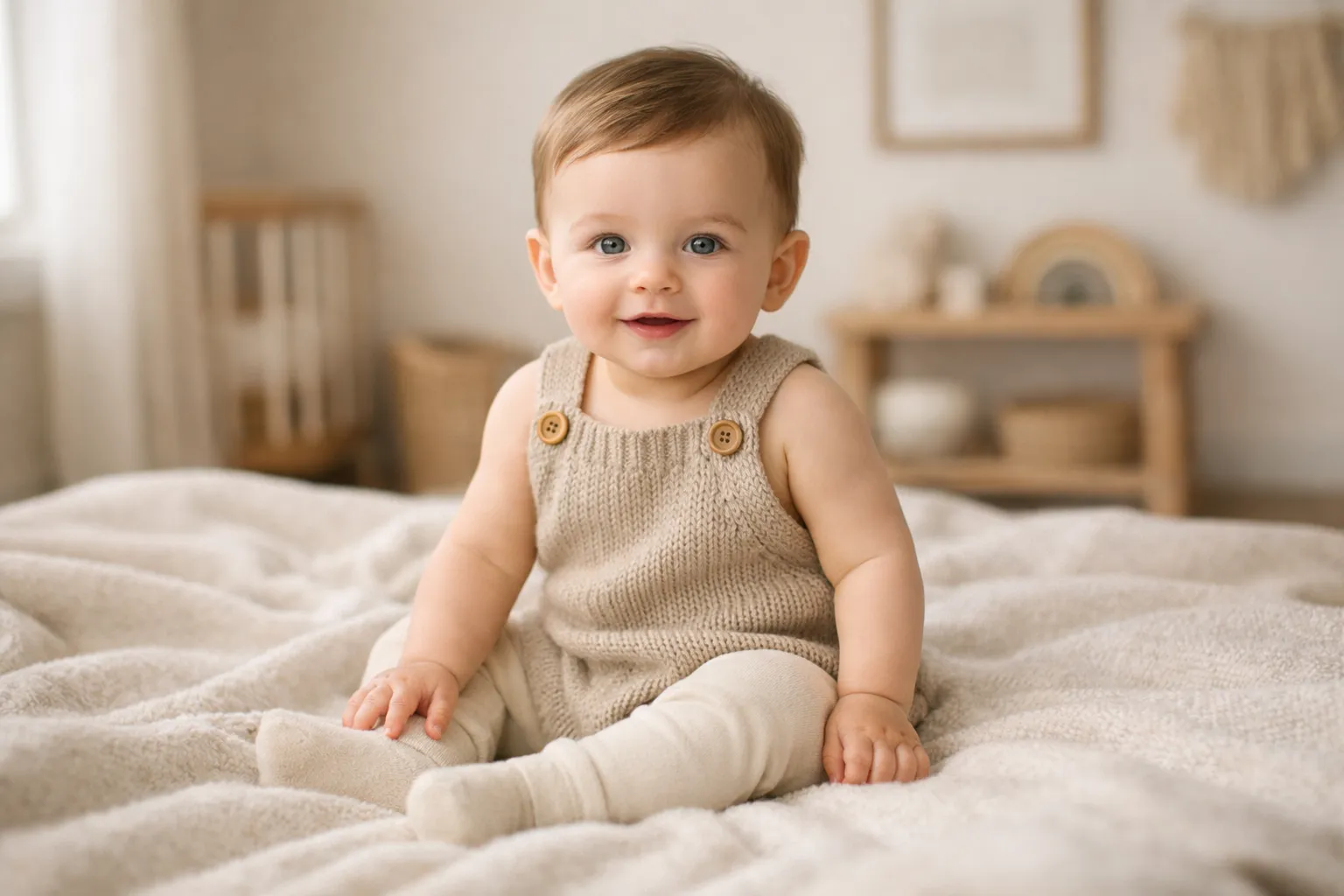
The Ultimate Guide to Choosing the Perfect Baby Boy Outfit
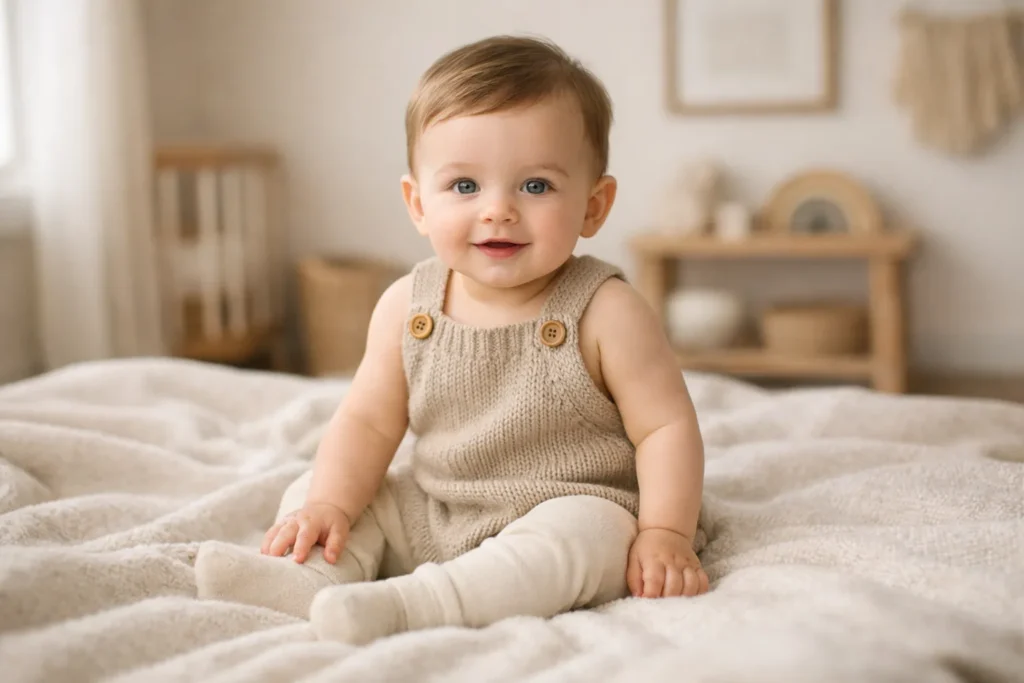
Finding the perfect baby boy outfit is one of the distinct joys of parenting. Whether you are prepping for a hospital coming-home look, a special family photoshoot, or just stocking up on everyday essentials, dressing your little man is an adventure in style and practicality. Gone are the days when boy clothing was limited to basic blues and generic prints. Today, the options are as diverse and fashionable as they are adorable.
In this comprehensive guide, we will explore everything you need to know about curating a wardrobe for your son. From understanding fabrics that protect delicate skin to navigating the sizing charts that seem to change overnight, we have you covered. We will also dive into specific outfit ideas for various occasions, ensuring your baby boy looks dapper no matter where you go.
Why Comfort Should Be Your Top Priority
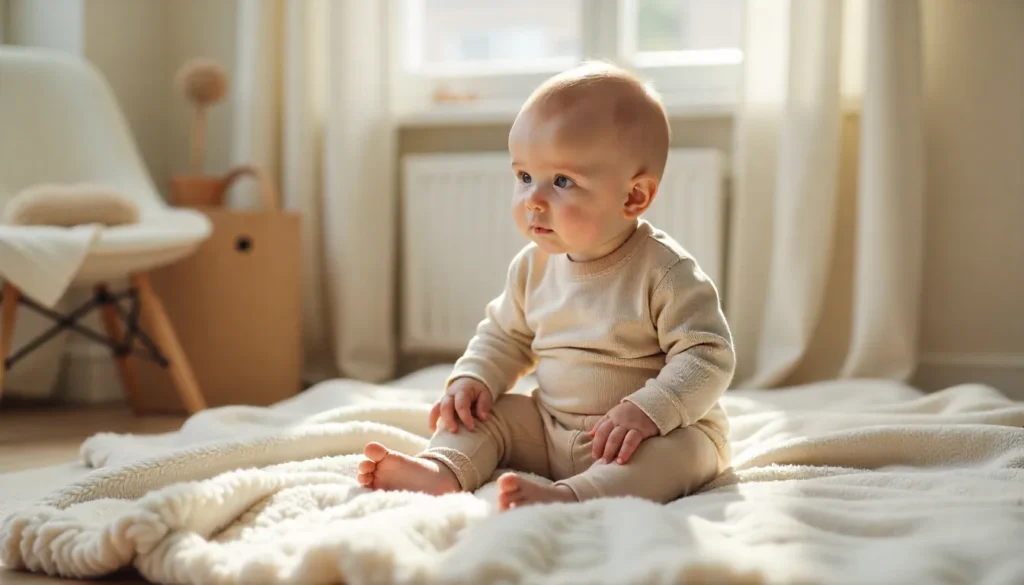
Before diving into trends and styles, we must address the most critical factor: comfort. Babies have sensitive skin and spend a lot of time sleeping, eating, and exploring. An outfit that looks cute but feels scratchy or restrictive will only lead to a fussy baby.
Choosing the Right Fabrics
The fabric of a baby boy outfit dictates how it feels against the skin.
- Organic Cotton: This is the gold standard for baby clothes. It is breathable, soft, and grown without harmful chemicals, making it perfect for newborns.
- Bamboo Rayon: Known for its silky texture and thermal-regulating properties, bamboo keeps babies cool in summer and warm in winter.
- Fleece: Ideal for outerwear or colder months, but ensure it isn’t too heavy to prevent overheating.
- Avoid Synthetics: Try to minimize polyester or nylon directly against the skin, as these can trap heat and moisture, potentially causing diaper rash or irritation.
Ease of Dressing (and Changing!)
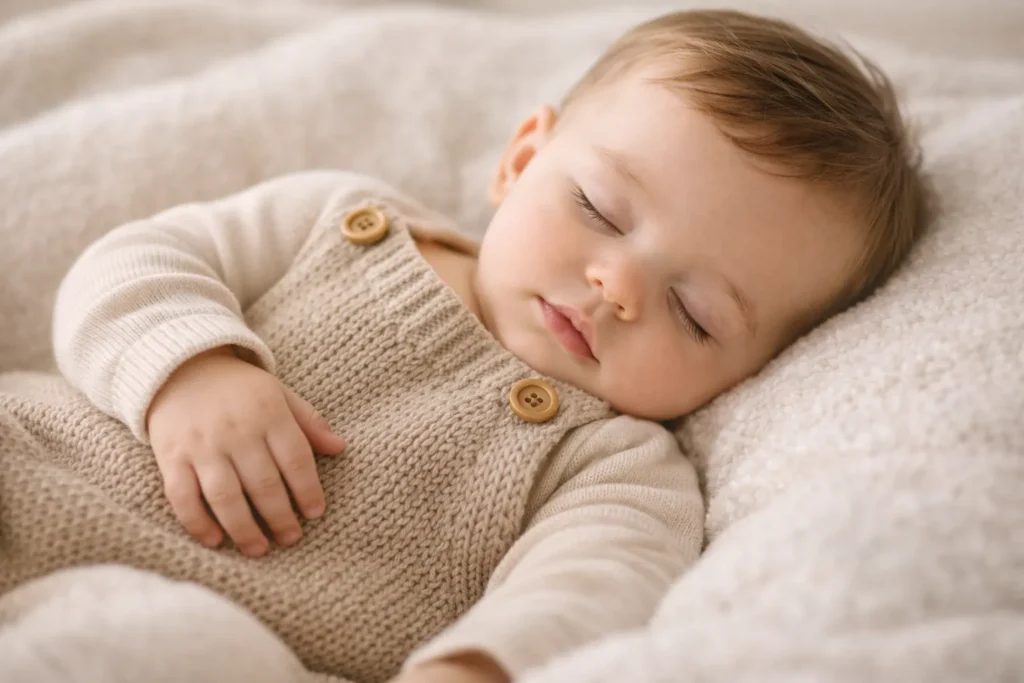
Ask any parent: a cute outfit is useless if it takes 20 minutes to put on.
- Snap Crotches: Essential for bodysuits and rompers. They make diaper changes quick and easy without needing to undress the baby completely.
- Zippers vs. Buttons: Zippers are generally faster, especially during 3 AM changes. However, ensure there is a fabric flap at the top to protect the baby’s chin.
- Wide Necklines: Envelope necklines allow you to pull a bodysuit down over the baby’s shoulders instead of up over the head—a lifesaver during diaper blowouts.
Essential Wardrobe Staples for Baby Boys
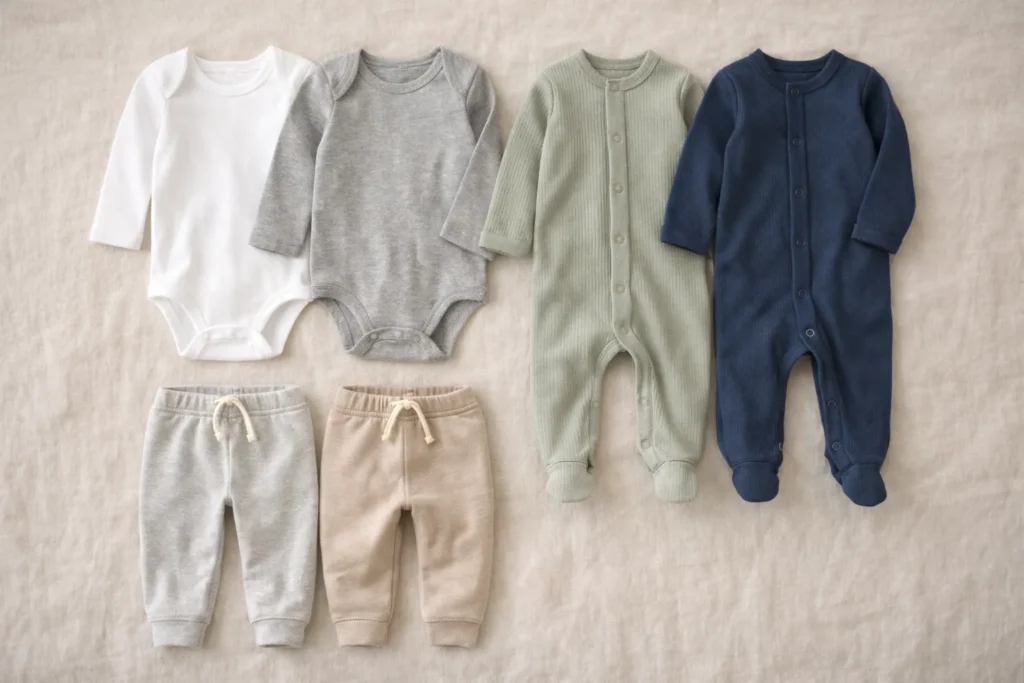
Building a functional wardrobe starts with the basics. These are the workhorses of your baby’s closet that he will wear on rotation.
Bodysuits (Onesies)
The absolute foundation of any baby wardrobe. You can never have too many.
- Short-Sleeve: Perfect for layering or warm days.
- Long-Sleeve: Essential for cooler weather or air-conditioned rooms.
- Solid Colors: White, grey, navy, and sage green are versatile neutrals that pair with any bottom.
Sleepers and Footies
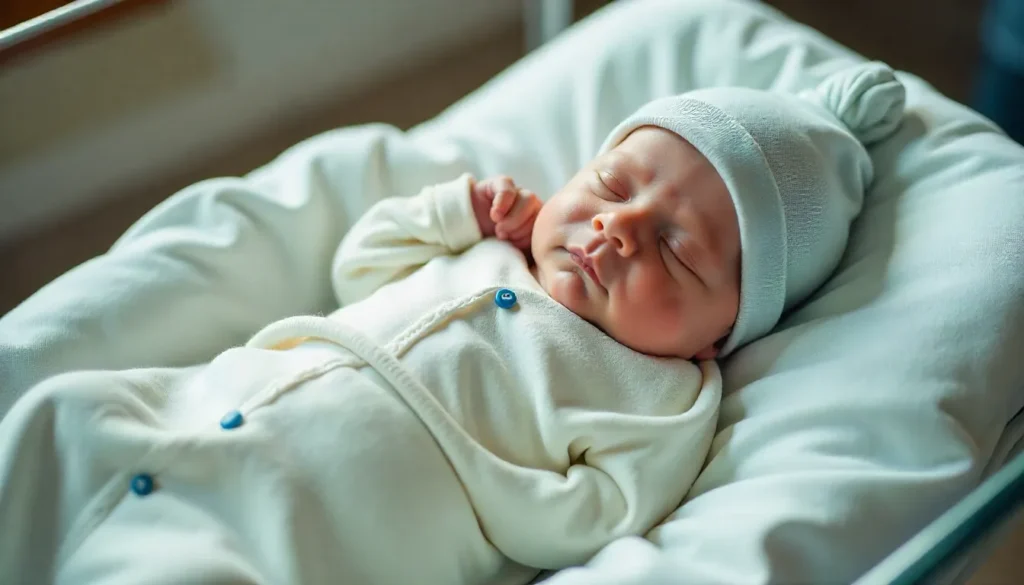
For the first few months, your baby will likely live in these.
- Two-Way Zippers: Look for sleepers that zip from both the top and bottom. This allows you to change a diaper without exposing the baby’s chest to cold air.
- Built-in Mittens: Many newborn sizes come with fold-over cuffs to prevent babies from scratching their faces.
Comfortable Bottoms
- Leggings/Joggers: Soft cotton pants with elastic waistbands are perfect for tummy time and naps.
- Shorts: Great for summer, but ensure the elastic isn’t too tight around the belly.
Dressing for Occasions: Special Baby Boy Outfit Ideas
While comfort is key for daily wear, special events call for something a little more stylish. Here is how to dress your little gentleman for different milestones.
The “Coming Home” Outfit
This is the outfit your baby will wear when leaving the hospital. It’s a major photo moment.
- The Look: A personalized knotted gown or a matching footie and hat set.
- Why it Works: Knotted gowns make diaper access incredibly easy, and they look adorable in photos. Adding a personalized hat with his name adds a sentimental touch.
First Birthday Celebration
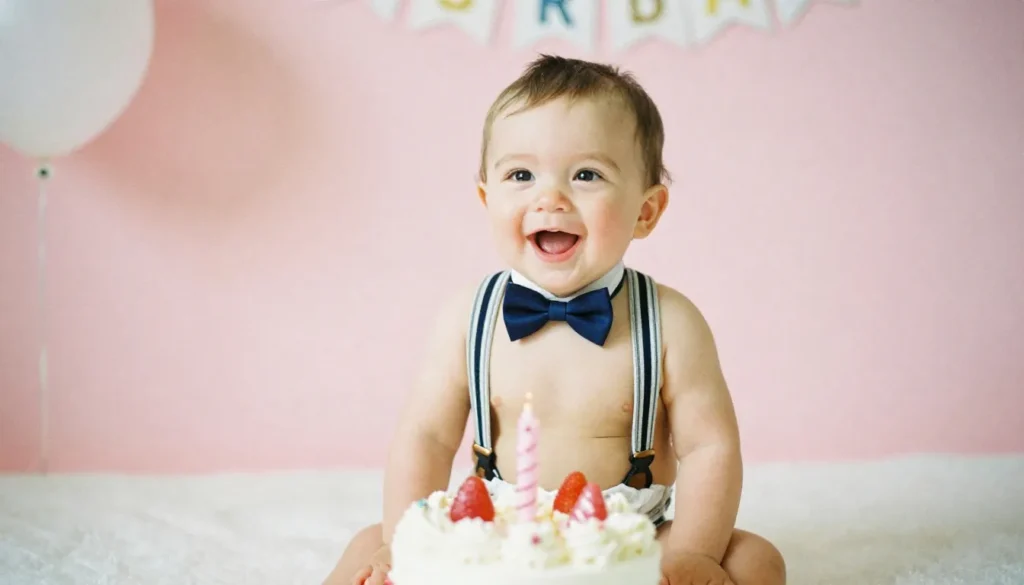
The “Cake Smash” requires a specific type of outfit.
- The Look: A diaper cover with suspenders and a bow tie, plus a party hat.
- Why it Works: It’s minimal, allowing for easy cleanup after the messy cake smash, but the accessories keep it festive and photogenic.
Weddings and Formal Events
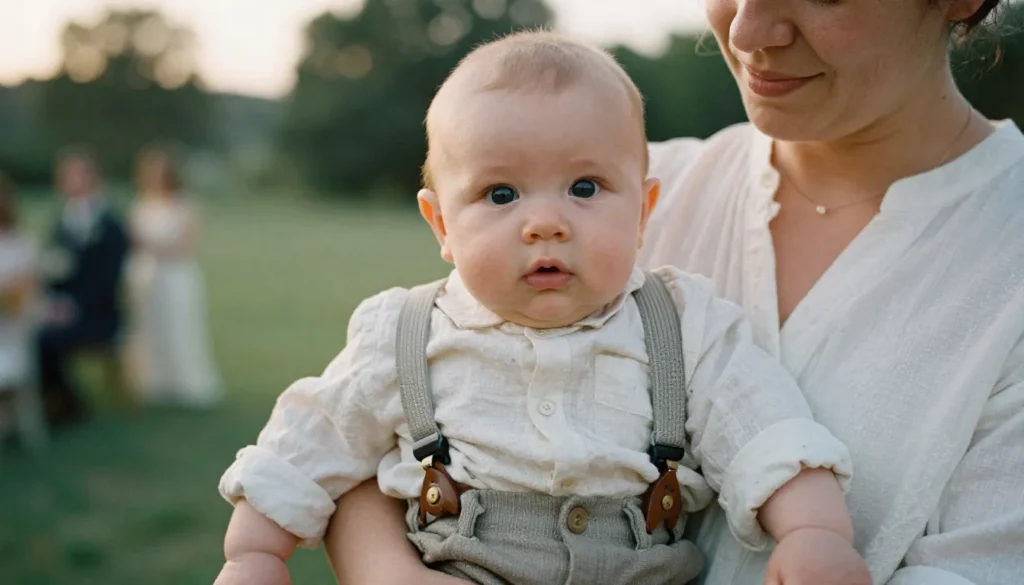
Yes, baby suits exist, and yes, they are incredibly cute.
- The Look: A soft linen button-down shirt paired with suspender trousers and soft-sole loafers.
- Why it Works: Linen is breathable and looks sophisticated. Avoid stiff suit jackets; instead, opt for a knit cardigan or a vest which is much more comfortable for a baby to wear while being held.
Holiday Festive Wear
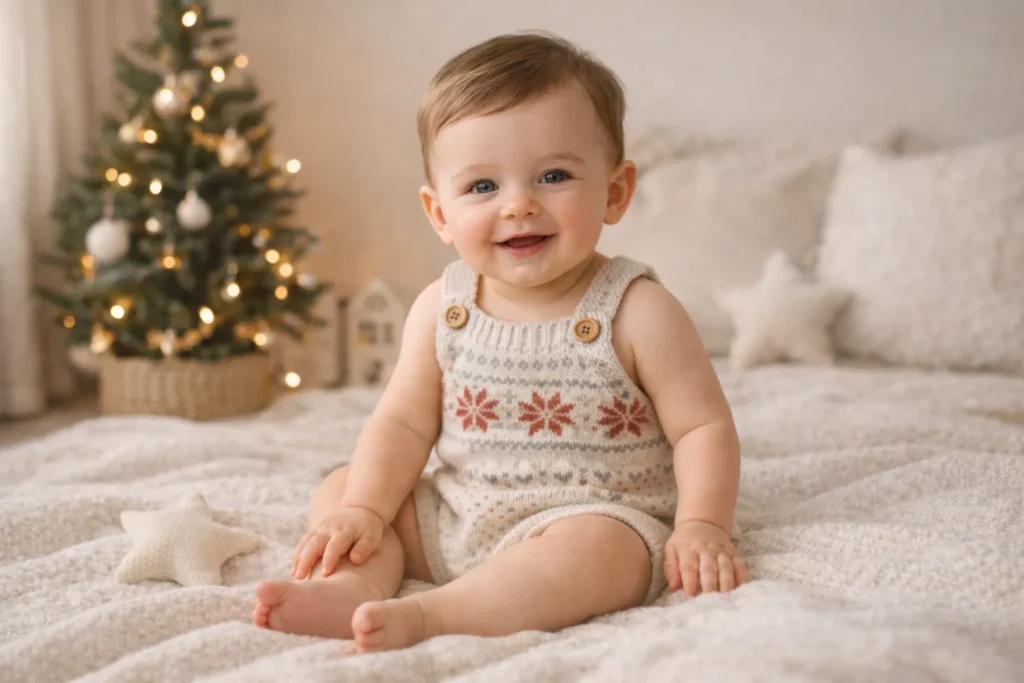
From Christmas to Easter, holidays are prime time for themed outfits.
- Christmas: A red plaid romper or a knit sweater with a reindeer motif.
- Easter: Seersucker overalls or a pastel polo shirt.
- Halloween: Instead of a bulky costume, look for a “costume sleeper” that looks like a pumpkin or superhero but feels like pajamas.
Navigating Sizes: A Parent’s Guide
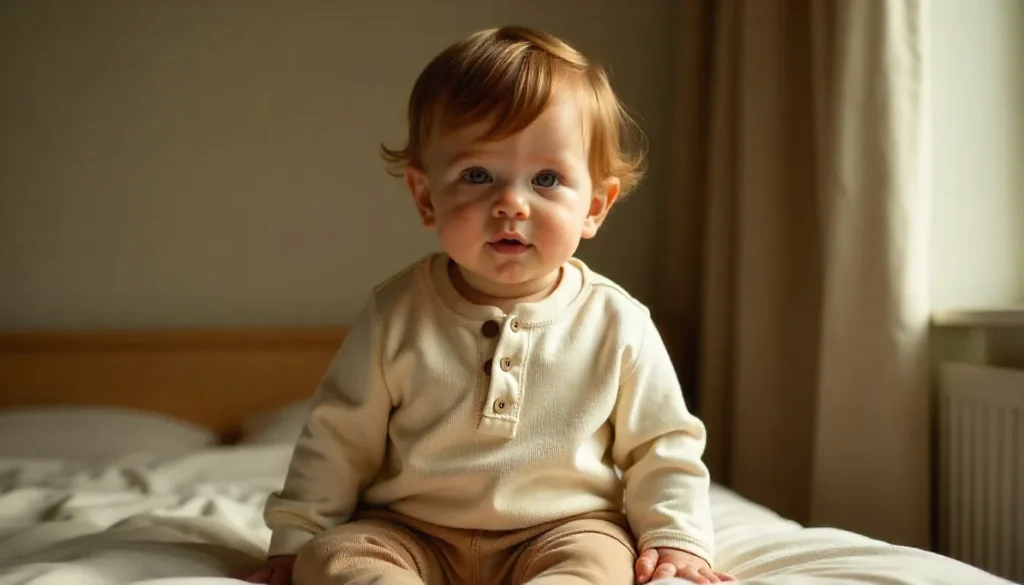
Baby sizing can be confusing because it is based on age, but babies grow at wildly different rates. Here is a general breakdown to help you pick the right baby boy outfit.
- Preemie (P): For babies under 6 lbs.
- Newborn (NB): Up to 9 lbs. Many babies outgrow this size within two weeks.
- 0-3 Months: Up to 12 lbs. This is usually a safe bet for a baby shower gift.
- 3-6 Months: 12-16 lbs.
- 6-9 Months: 16-20 lbs.
- 9-12 Months: 20-24 lbs.
Pro Tip: Always check the weight and height guidelines on the brand’s tag rather than just the age range. When in doubt, size up. It’s better to roll up sleeves than to squeeze a baby into a tight outfit.
Trending Styles for Baby Boys in Current year
Boy fashion has moved far beyond “trucks and dinosaurs” (though those are still cool!). Here are the current trends dominating the nursery.
The “Mini-Me” Aesthetic
Parents love dressing their sons like miniature versions of their fathers or stylish adults.
- Elements: Henley shirts, distressed denim jeans (with soft linings), bomber jackets, and beanies.
- Vibe: Cool, urban, and modern.
Earthy Neutrals
Gone are the days of bright primary colors. The modern palette is soothing and natural.
- Colors: Rust, mustard yellow, olive green, oatmeal, and slate grey.
- Patterns: Subtle stripes, minimalist geometric shapes, or nature-inspired prints like leaves and mountains.
Vintage Prep
A nod to classic children’s wear from the past.
- Elements: Knee-high socks, Peter Pan collars (yes, for boys too!), knitted rompers, and saddle shoes.
- Vibe: Timeless, regal, and very photogenic.
Accessories to Elevate the Look
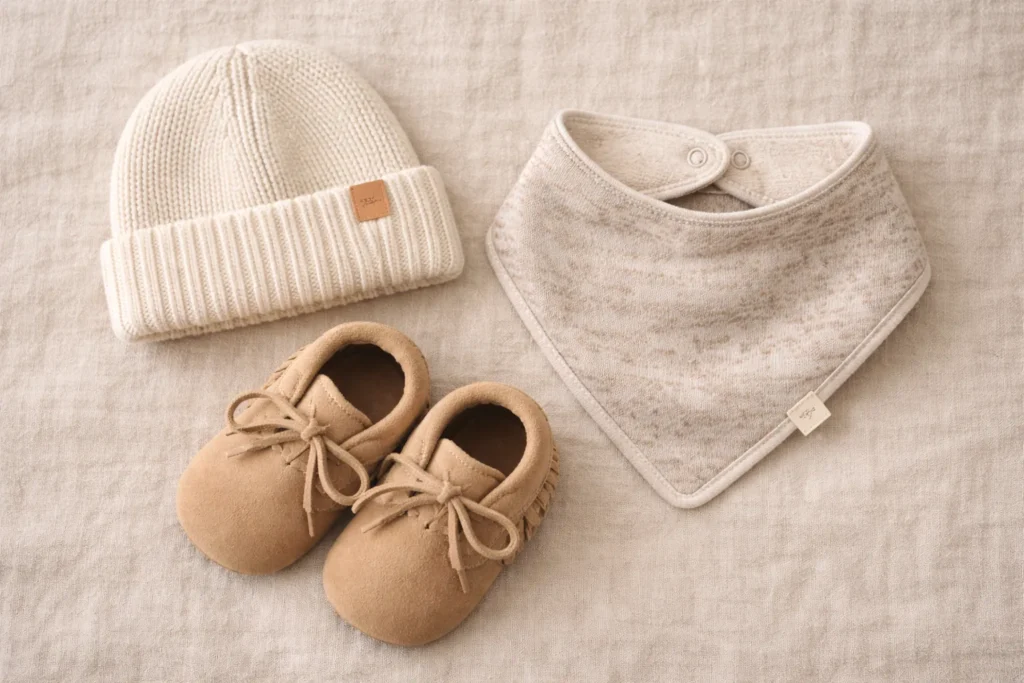
Accessories aren’t just for girls. The right add-ons can turn a basic onesie and pants combo into a complete baby boy outfit.
Hats and Bonnets
- Beanies: Essential for keeping newborns warm. A ribbed knit beanie adds a hipster touch.
- Sun Hats: Bucket hats are crucial for protecting sensitive skin during outdoor play.
- Caps: A soft-brimmed baseball cap or a flat cap gives a very “little man” look.
Bibs and Bandanas
Let’s face it: babies drool. A lot.
- Bandana Bibs: These are triangle-shaped bibs that look like a scarf. They absorb drool while adding a pop of color or print to the outfit. They are a functional fashion statement.
Footwear
Babies who aren’t walking don’t need shoes, but they sure look cute.
- Soft-Sole Moccasins: These are great because they stay on feet better than socks and allow for natural foot movement.
- Knit Booties: Perfect for keeping toes warm without the restriction of a shoe.
Caring for Baby Clothes
Once you have the perfect wardrobe, you want it to last (or at least last until he outgrows it).
- Wash Before Wear: Always wash new clothes before putting them on your baby to remove any manufacturing residues or dust.
- Use Gentle Detergent: Opt for “free and clear” detergents that are free of dyes and perfumes to avoid skin irritation.
- Treat Stains Immediately: Baby messes (spit-up, blowouts) set quickly. Soak stained items in cold water as soon as possible.
- Organize by Size: Keep the next size up accessible so you can grab it the moment the current size gets too snug.
Conclusion:
Choosing a baby boy outfit is about more than just covering your child; it’s a way to bond, express love, and create memories. Whether he is wearing a hand-me-down sleeper or a brand-new boutique romper, the most important thing is that he is happy, safe, and loved.
Don’t stress too much about keeping up with every trend. The “perfect” outfit is the one that works for your family and your baby. Enjoy these moments of dressing him up, snapping photos, and marveling at how fast he grows. Before you know it, he’ll be dressing himself!
Frequently Asked Questions (FAQs)
Q1: How many outfits does a newborn boy need?
A: Newborns can go through 3-5 outfit changes a day due to spit-up and diaper leaks. A good starting stash includes 7-10 bodysuits, 5-7 sleepers (footies), and 3-4 pairs of pants. This ensures you aren’t doing laundry every single day.
Q2: Are buttons or zippers better for baby clothes?
A: Zippers are generally preferred by parents for their speed and ease of use, especially for nighttime changes. However, snaps are durable and lay flat, which can be comfortable for tummy time. Avoid magnetic closures if your baby has a pacemaker or other medical device, but otherwise, they are also very convenient.
Q3: Can baby boys wear pink?
A: Absolutely! Colors do not have a gender. Soft pastels like salmon, coral, or blush pink look adorable on baby boys and are becoming increasingly popular in modern gender-neutral nurseries and wardrobes.
Q4: What should a baby boy wear for a summer wedding?
A: Heat is a concern. Opt for a short-sleeved romper made of linen or lightweight cotton. You can find rompers that look like a tuxedo or a shirt-and-shorts combo. Add a cute hat for sun protection if the event is outdoors.
Q5: When should babies start wearing hard-soled shoes?
A: Pediatricians generally recommend waiting until the baby is walking confidently outdoors to introduce hard-soled shoes. For infants and crawlers, bare feet, socks, or soft-sole leather moccasins are best for proper foot development.