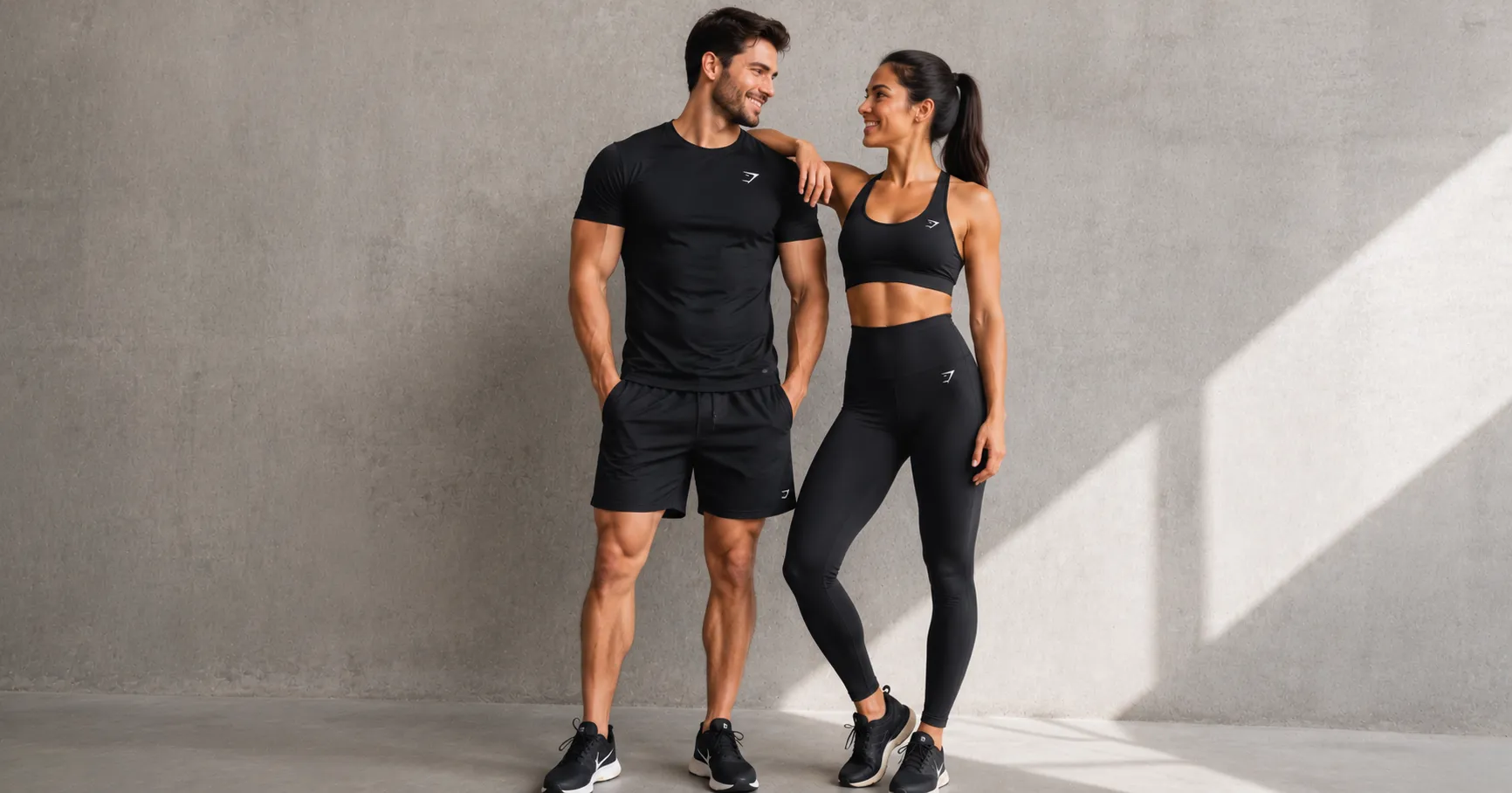
Elevate Your Workout: The Ultimate Guide to Gym Outfits
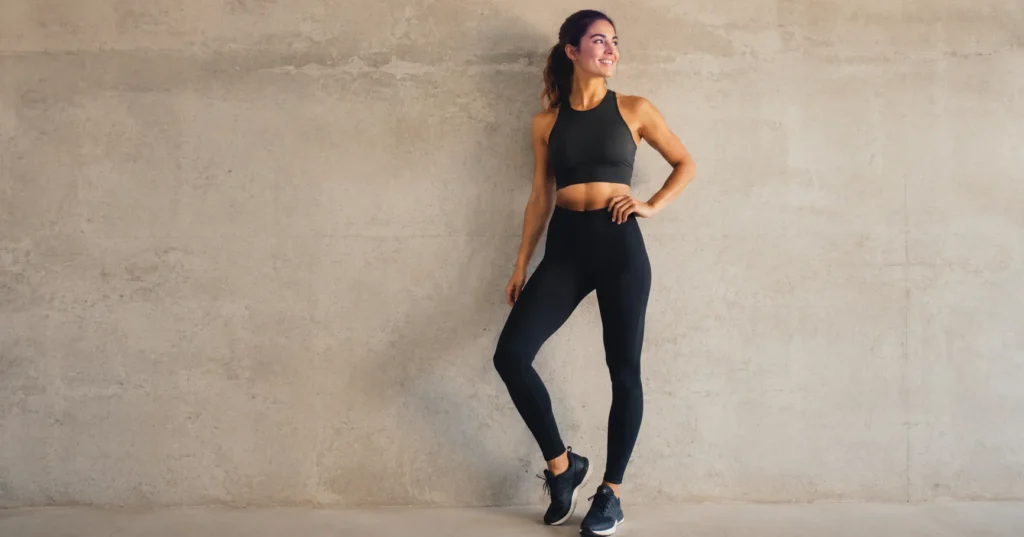
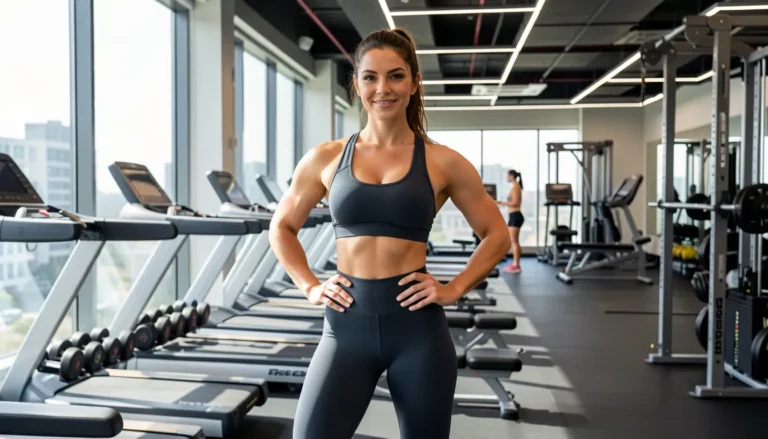
Finding the right gym outfits can completely transform your exercise experience. When you wear high-quality activewear, you do more than just look good. You support your muscles, regulate your body temperature, and prevent chafing. The right workout clothes give you the confidence and physical comfort necessary to push through that extra rep or run that extra mile.
Choosing the best fitness apparel involves understanding fabrics, fit, and functionality. Whether you lift heavy weights, run on the treadmill, or prefer a calming yoga session, your athletic wear must match your movement. This comprehensive guide explores everything you need to know to build the perfect workout wardrobe, ensuring you get the most out of every sweat session.
Why Your Choice of Activewear Matters
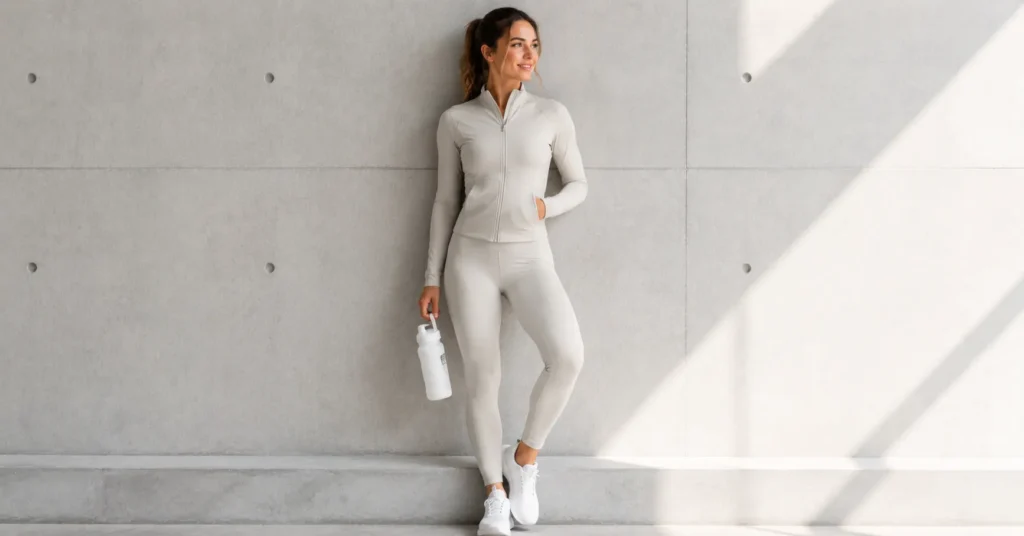
Many people underestimate the impact of their clothing on their athletic performance. Wearing an old cotton t-shirt and rigid shorts might seem fine, but it actually hinders your progress.
Performance wear is engineered specifically for physical exertion. It moves with your body, pulls sweat away from your skin, and provides compression where you need it most. Investing in quality athletic clothes improves your blood circulation, reduces muscle fatigue, and protects your skin from friction.
Key Features to Look for in Fitness Apparel
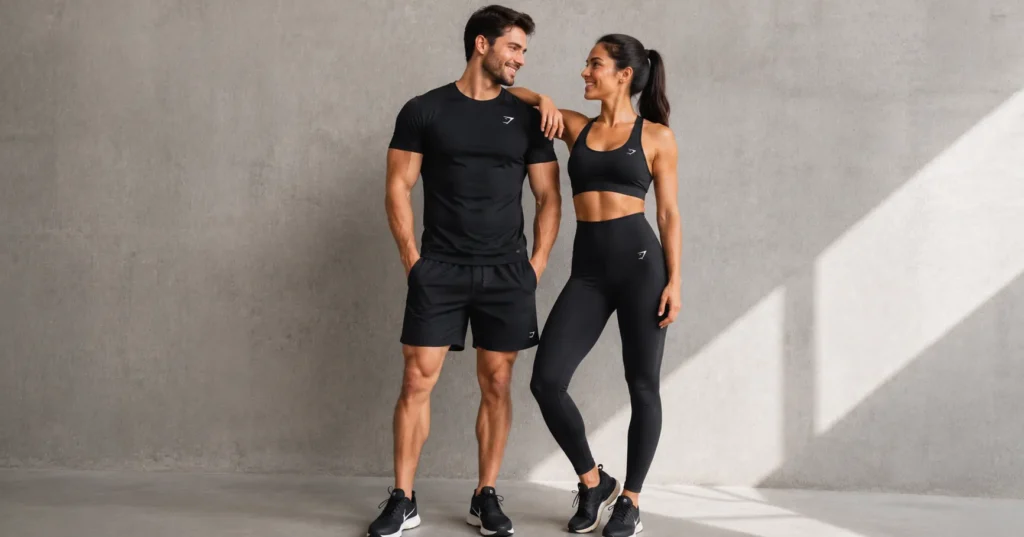
Not all workout clothes are created equal. When shopping for your next fitness ensemble, pay close attention to the following features to ensure you buy gear that works as hard as you do.
Moisture-Wicking Fabrics
Sweating is inevitable during a good workout. However, staying soaked in sweat is uncomfortable and can lead to skin irritation. Moisture-wicking fabrics draw sweat away from your body and push it to the outer surface of the garment, where it evaporates quickly. Look for synthetic blends containing polyester, nylon, and spandex.
Flexibility and Range of Motion
Your gym outfits must offer four-way stretch. This means the fabric stretches both crosswise and lengthwise. If you perform deep squats, lunges, or overhead presses, you need clothing that expands without losing its shape or tearing at the seams.
Durability and Support
High-intensity interval training (HIIT) and weightlifting put a lot of stress on your garments. Quality activewear features reinforced stitching and squat-proof materials. You want leggings and gym shorts that remain opaque when you bend and stretch.
Essential Gym Outfits for Women
Building a versatile workout wardrobe requires a few staple pieces. Here are the essentials every woman needs in her fitness closet.
The Perfect Sports Bra
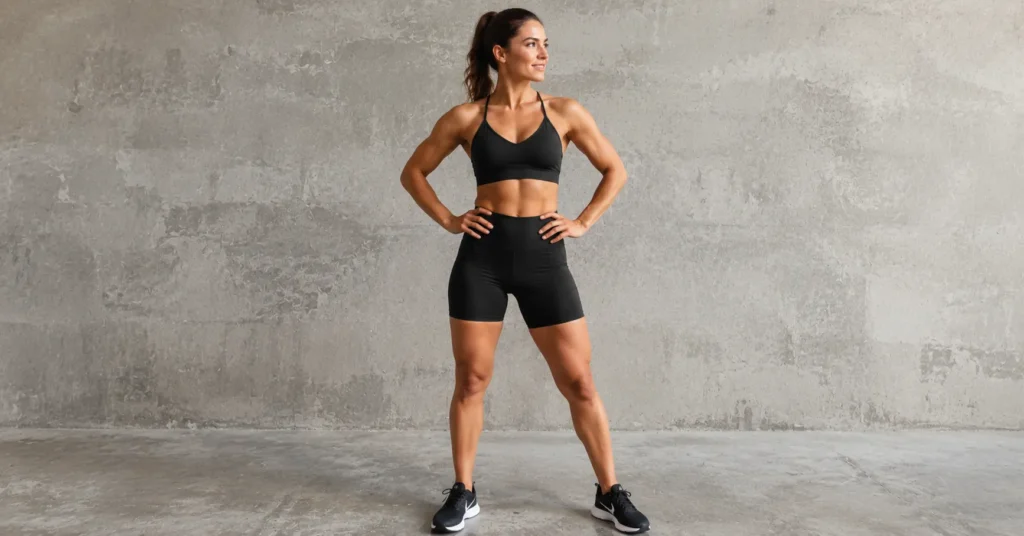
A high-quality sports bra is the foundation of any female workout outfit.
- Low-impact bras: Best for yoga, pilates, and walking. They offer gentle support and usually feature thin straps.
- Medium-impact bras: Great for cycling and weightlifting. They offer a snug fit with moderate compression.
- High-impact bras: Essential for running, jumping, and HIIT. These provide maximum support, wide straps, and encapsulation to minimize bounce.
Leggings vs. Gym Shorts
Leggings provide full coverage, muscle compression, and protection from gym equipment. Look for high-waisted designs that stay in place while you move. Gym shorts, on the other hand, offer maximum ventilation for hot environments and intense cardio sessions. Biker-style shorts are highly popular because they prevent thigh chafing while keeping you cool.
Breathable Gym Tops
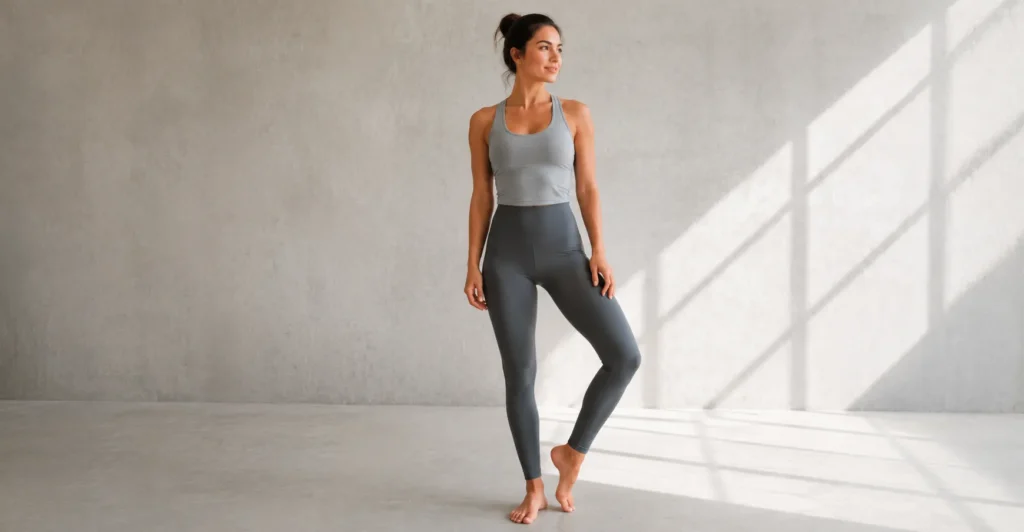
Tank tops, crop tops, and loose-fitting t-shirts allow your skin to breathe. Choose tops with mesh panels or open-back designs to increase airflow during strenuous exercises.
Essential Gym Outfits for Men
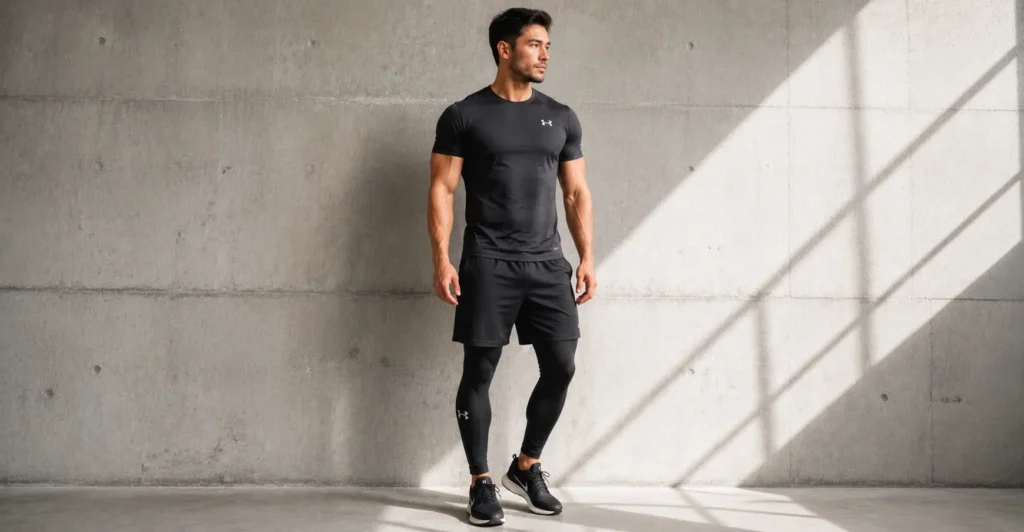
Men also need functional, well-fitting athletic wear to optimize their gym sessions.
Performance T-Shirts and Tanks
Ditch the heavy cotton shirts. Opt for performance t-shirts made from moisture-wicking blends. Tank tops and stringers are excellent choices for upper-body days, as they allow for an unrestricted range of motion in the shoulders and arms.
Athletic Shorts and Joggers
Men’s gym shorts should fall just above the knee to prevent them from catching during squats and deadlifts. Look for shorts with built-in compression liners for added support. For colder days or outdoor runs, lightweight, tapered joggers keep your muscles warm without adding unnecessary bulk.
Supportive Compression Wear
Compression garments improve blood flow and help speed up muscle recovery. Wearing compression shirts or shorts underneath your standard gym attire provides targeted support to your major muscle groups.
Matching Your Workout Clothes to Your Activity
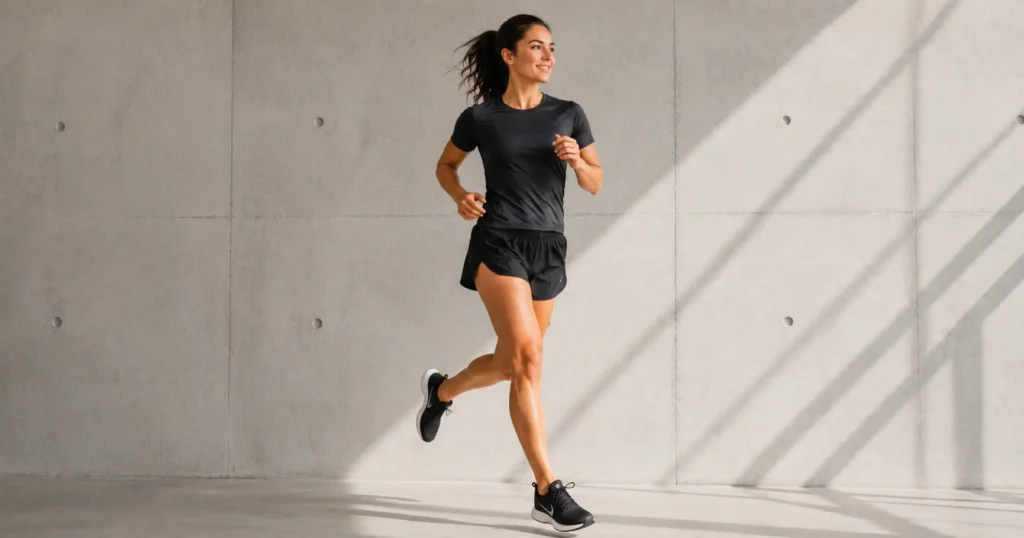
Different workouts demand different types of apparel. Use this table as a quick reference guide to match your outfit to your routine.
| Workout Type | Ideal Fabric | Recommended Outfit | Key Feature Needed |
| Weightlifting | Nylon/Spandex | Flat-soled shoes, compression shorts, breathable tank | Squat-proof, durable |
| Running/Cardio | Polyester blend | Running shoes, running shorts, moisture-wicking tee | Lightweight, reflective |
| Yoga/Pilates | Bamboo/Spandex | Barefoot/grip socks, high-waisted leggings, low-impact bra | High stretch, soft |
| HIIT/CrossFit | Nylon/Polyester | Cross-trainers, lined shorts, high-impact bra | Maximum support, wicking |
How to Care for Your Athletic Wear
To extend the lifespan of your gym outfits, you must wash them correctly.
- Wash in cold water: Hot water breaks down elastic fibers and damages the moisture-wicking properties.
- Avoid fabric softeners: Fabric softeners leave a waxy coating on synthetic fabrics, trapping sweat and odors inside the garment.
- Air dry when possible: The heat from a dryer destroys spandex and causes your clothes to shrink and lose their shape.
Conclusion
Selecting the right gym outfits is a crucial step in achieving your fitness goals. By prioritizing moisture-wicking fabrics, four-way stretch, and proper support, you ensure that your clothing aids your performance rather than hindering it. Invest in versatile, high-quality activewear tailored to your specific workout style, and you will notice a significant difference in your comfort, confidence, and overall athletic output.
Frequently Asked Questions (FAQs)
1. What is the best material for workout clothes?
The best materials are synthetic blends like polyester, nylon, and spandex. These fabrics are lightweight, stretch easily, and wick moisture away from your skin.
2. Is it bad to wear 100% cotton to the gym?
Cotton absorbs sweat easily but does not release it. Wearing 100% cotton leaves you feeling wet, heavy, and prone to chafing during intense workouts.
3. How often should I replace my sports bras?
You should replace your sports bras every 6 to 12 months, depending on how often you wear and wash them. Once the elastic starts to stretch out, the bra loses its supportive qualities.
4. What does “squat-proof” mean?
Squat-proof refers to leggings or shorts that remain completely opaque when you bend over or squat down. The fabric does not sheer out or reveal your undergarments.
5. Should workout clothes be tight or loose?
It depends on the activity. Compression wear should be tight to support blood flow, while running tops and weightlifting shirts can be loose for better airflow. Always ensure the fit allows for a full range of motion.
6. Do I really need different shoes for different workouts?
Yes, Running shoes have curved soles designed for forward motion, making them unstable for heavy weightlifting. Flat-soled shoes or cross-trainers provide the necessary stability for squats and deadlifts.
7. Why do my gym clothes smell even after washing?
Synthetic fabrics can trap bacteria and body oils. To fix this, wash your athletic wear with a specialized sports detergent and avoid using fabric softeners.