The Definitive Guide to Crafting the Perfect Emo Outfit
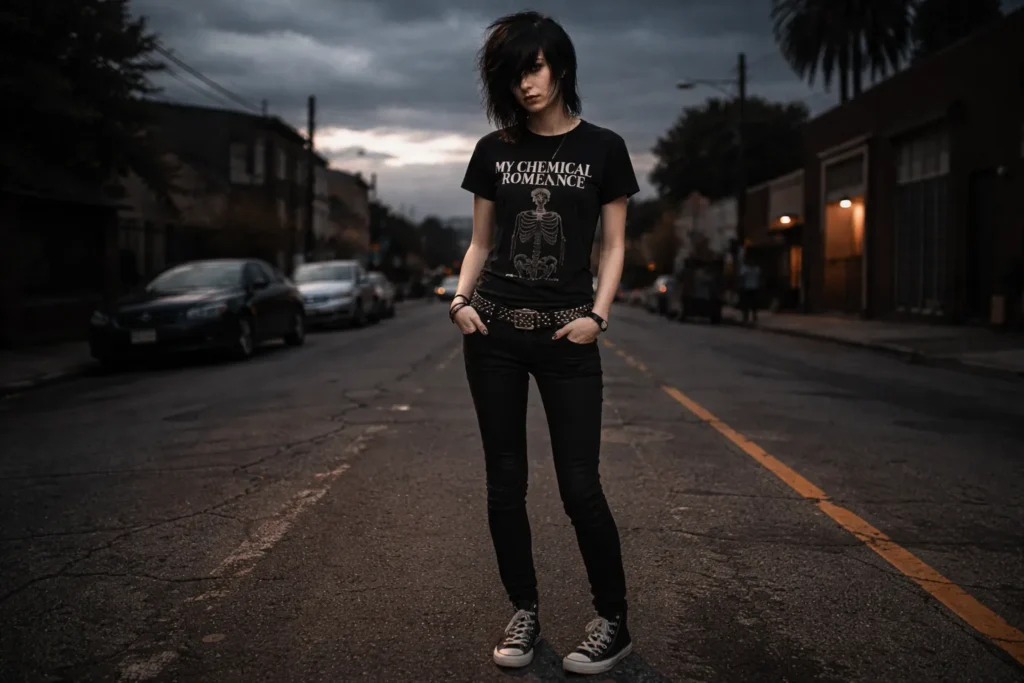
The emo outfit is more than just a fashion statement; it is a visual language for a subculture built on emotional expression, raw music, and a strong sense of community. Born from the hardcore punk scene of the 1980s and catapulted into the mainstream in the early 2000s, emo fashion has left an indelible mark on alternative style. Whether you are feeling nostalgic for the days of MySpace and studded belts or discovering the aesthetic for the first time through its modern revival, this guide will walk you through the key elements, iconic looks, and styling secrets to create an authentic emo look that is all your own.
From the signature side-swept bangs to the essential band t-shirt, an emo outfit is a carefully curated uniform that signals belonging. It rejects mainstream brightness in favor of a darker, more introspective palette, punctuated by pops of color and personal flair. We will delve into the history, the core components, and the different subgenres of emo style, proving that it is far more than “just a phase.”
What Defines an Emo Outfit? The Core Elements.
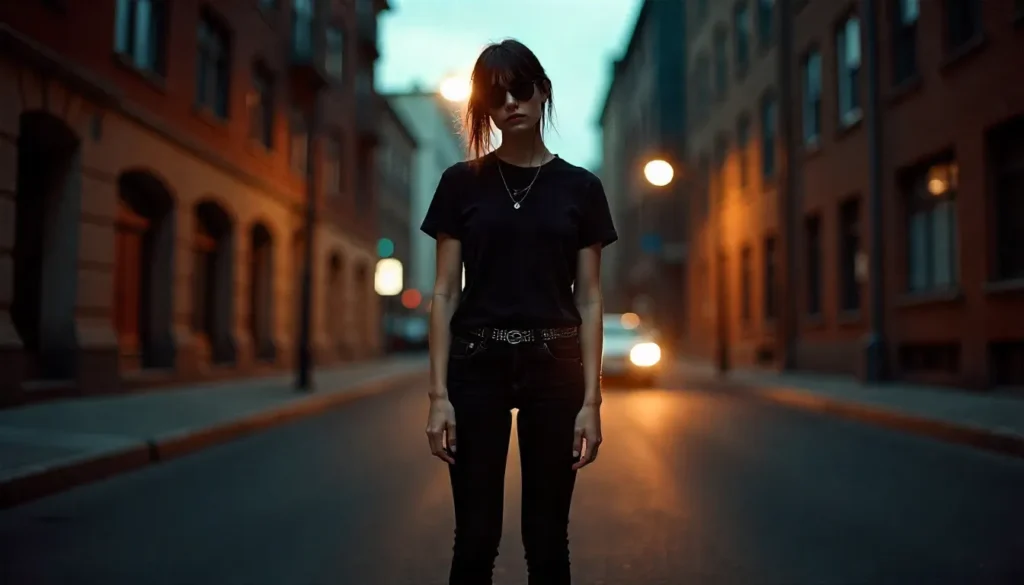
Before we explore specific styles, it is crucial to understand the fundamental building blocks of emo fashion. These are the items that form the foundation of almost every emo look, from its peak in the 2000s to its current iteration.
The Color Palette: A Study in Black
Black is the undeniable bedrock of the emo wardrobe. It represents introspection, a departure from the bright palettes of pop culture, and a certain romantic melancholy. However, a compelling emo outfit often uses other colors for contrast and meaning.
- Black and Red: This is the most classic emo color combination. The stark contrast between black and a deep blood red is dramatic and emotionally charged.
- Black and White: Checkerboard patterns (especially on Vans or belts) are an iconic emo and pop-punk staple.
- Pops of Color: Bright pinks, purples, and blues were often used in accessories, hair streaks, or on t-shirts to add a touch of playful rebellion against the otherwise dark palette.
Essential Clothing Items.
Building an emo wardrobe starts with a few key pieces that can be mixed, matched, and layered to create countless outfits.
The Holy Trinity: Skinny Jeans, Band Tees, and Hoodies
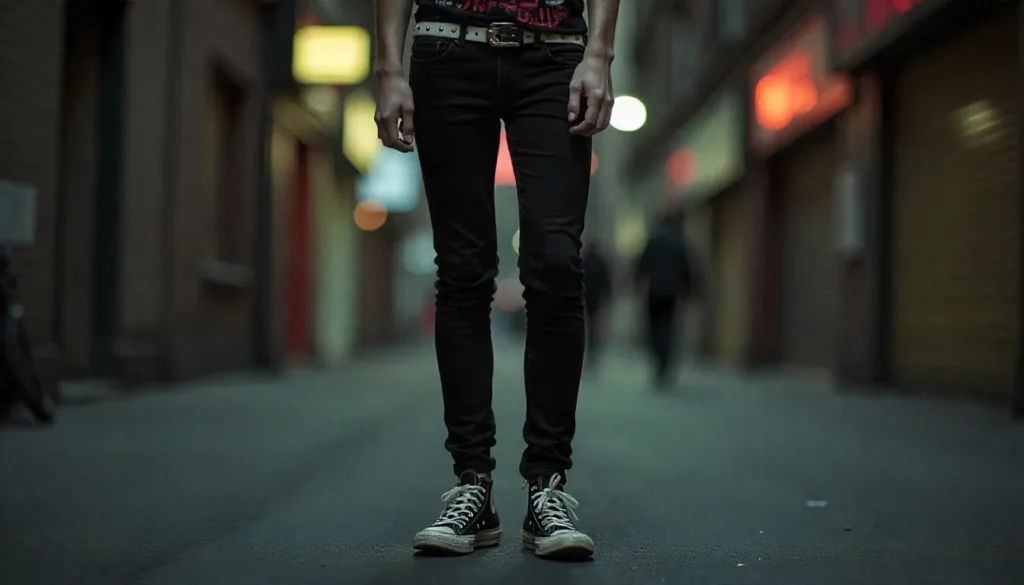
- Skinny Jeans: The single most important item. In the 2000s, the tighter, the better. Black or dark wash denim was standard, though some adventurous souls rocked brightly colored skinny jeans in red or purple.
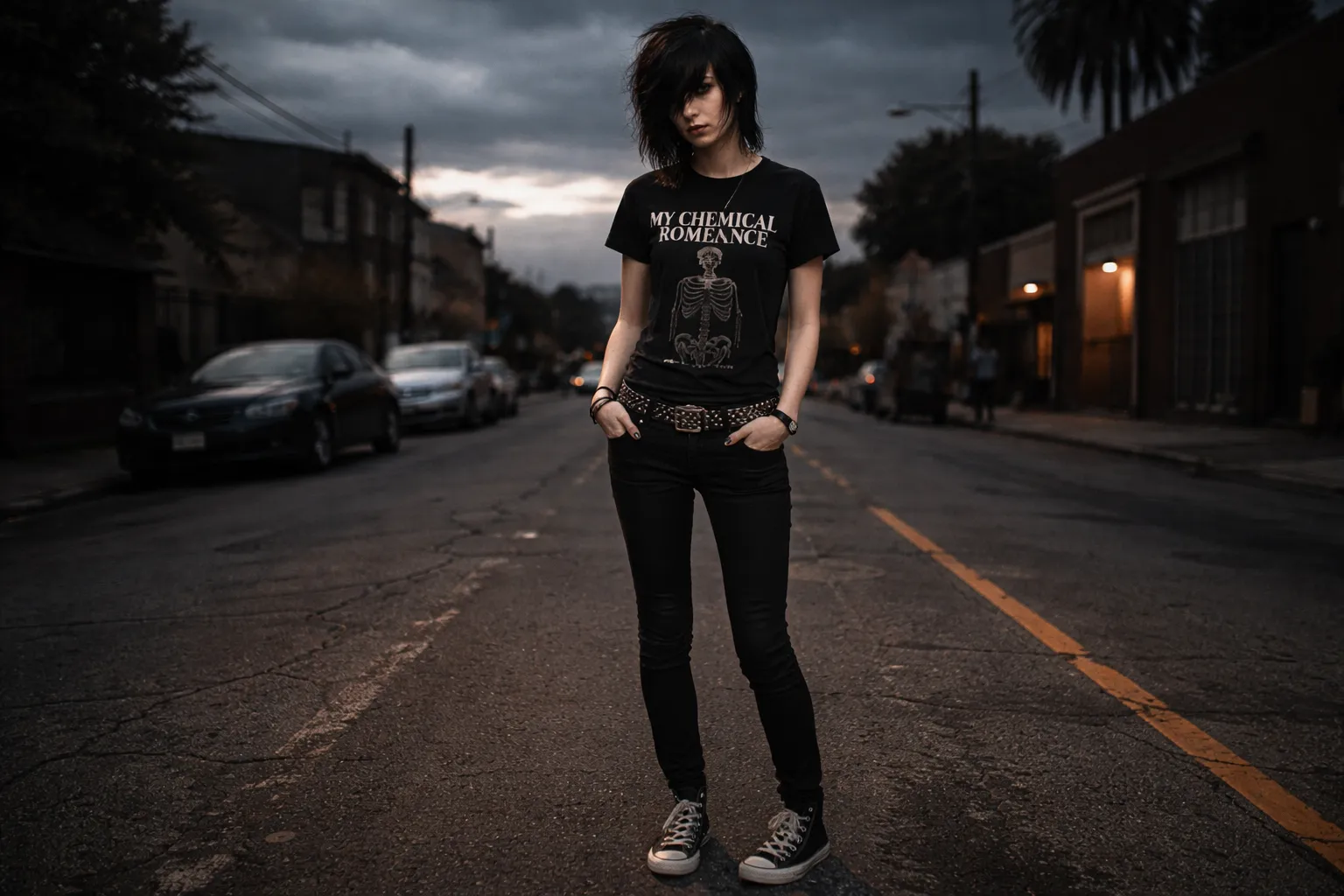
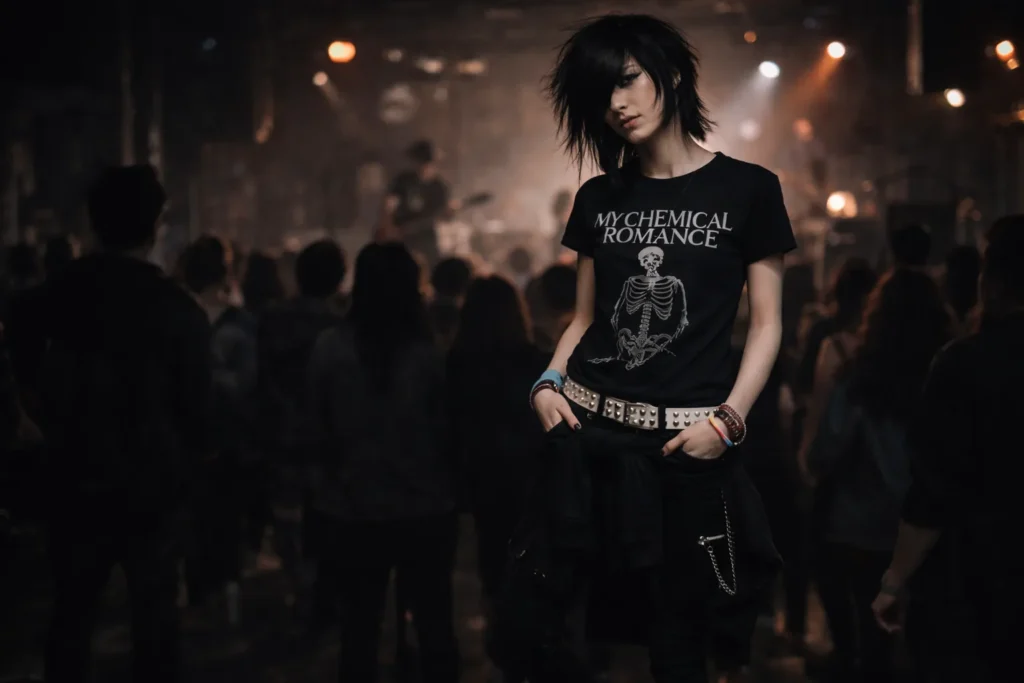
- Band T-Shirts: This is how you wear your heart (and your music taste) on your sleeve. Shirts featuring bands like My Chemical Romance, Taking Back Sunday, The Used, or Dashboard Confessional were essential. The fit was typically tight.
- The Black Hoodie: A zip-up or pullover black hoodie (often from brands like American Apparel or a band’s merch line) was the go-to outerwear. It provided comfort and a way to metaphorically (and literally) hide from the world.
Key Layers and Textures
- Studded Belts: A white or black leather belt covered in pyramid studs was non-negotiable. It was worn slung low on the hips over skinny jeans.
- Fishnets and Stripes: Striped arm warmers (in black and white, or black and pink) and fishnet stockings or gloves added a layer of punk-inspired texture.
- Cardigans and Vests: A simple black cardigan or a vest worn over a band tee added a slightly more “put-together” or “sensitive” dimension to the look.
The Footwear
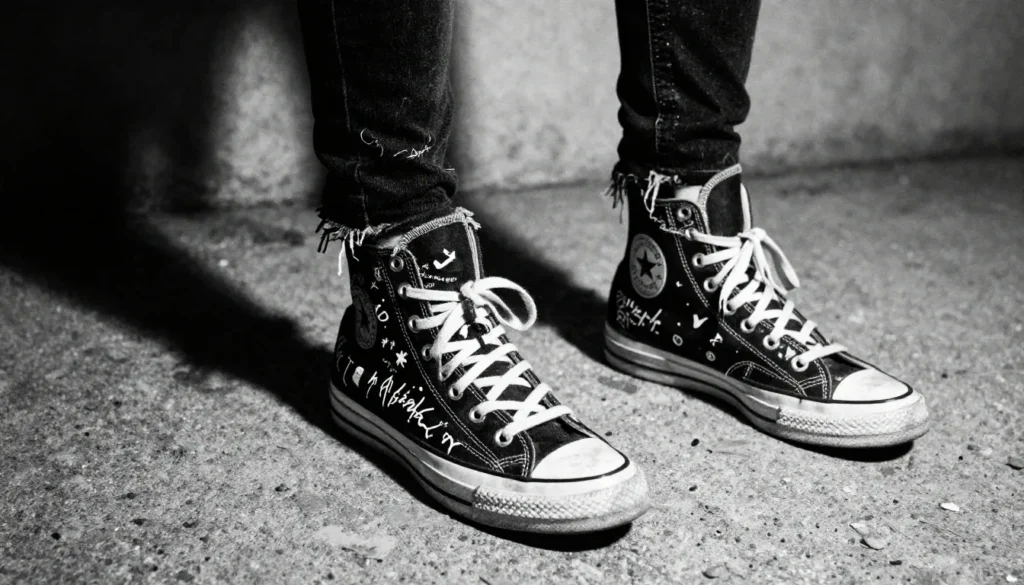
Your shoes grounded the entire outfit and said a lot about where you fell on the alternative spectrum.
- Converse All-Stars: Chuck Taylors, particularly in black (high-top or low-top), were the quintessential emo shoe. They were often covered in band lyrics, doodles, and drawings with a Sharpie.
- Vans: Classic slip-on checkerboard Vans or black Old Skools were equally popular, bridging the gap between emo and skate-punk culture.
- Combat Boots: For a heavier, more serious look, simple black combat boots (like Dr. Martens) were a durable and stylish choice.
A Deep Dive into Classic 2000s Emo Style
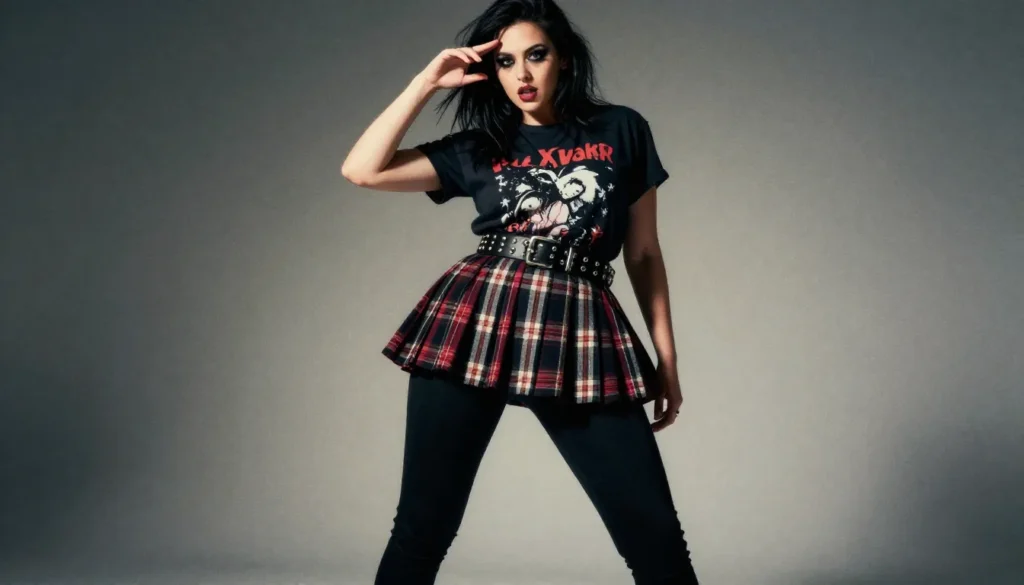
The mainstream emo explosion of the early 2000s created a very specific and recognizable uniform. This is the look most people picture when they hear the word “emo.”
For a Masculine-Leaning Style
- The Hair: Jet black, dyed hair was the standard. The cut involved long bangs brushed to one side, covering at least one eye. This “swoop” was the most defining feature.
- The Outfit Formula: Start with ultra-tight black skinny jeans. Add a tight-fitting t-shirt from a band like Fall Out Boy or Panic! At The Disco. Cinch the jeans with a studded belt. Finish with worn-in black Converse.
- The Vibe: Sensitive, artistic, and deeply connected to the music scene. The look was androgynous, rejecting traditional masculine silhouettes in favor of something leaner and more angular.
For a Feminine-Leaning Style
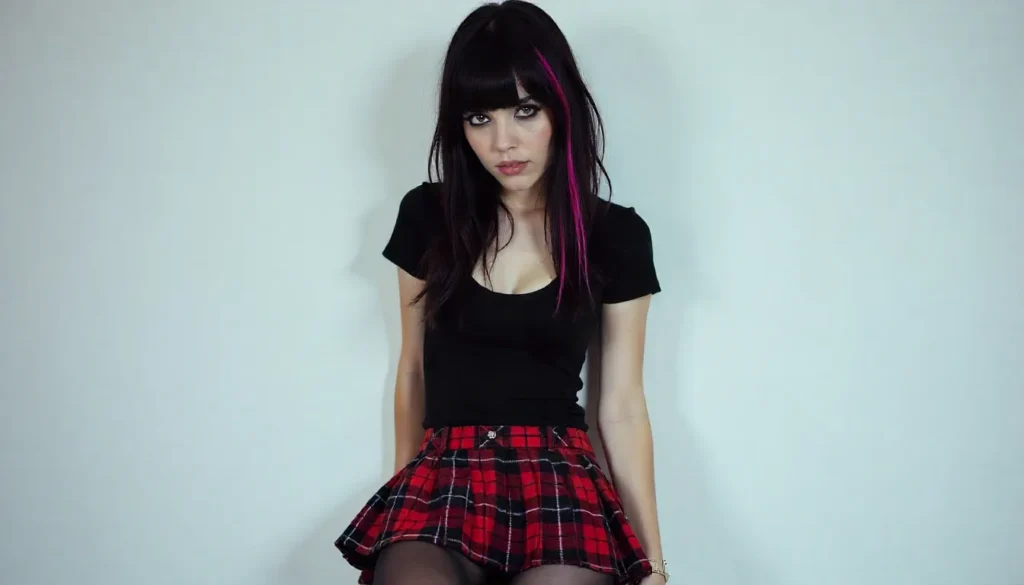
- The Hair: The side-swept bangs were also crucial here, often with added layers and sometimes featuring streaks of bright pink or raccoon-tail extensions (alternating black and blonde stripes).
- The Outfit Formula: Pair black skinny jeans or a short plaid skirt (often layered over leggings) with a band tee or a top with emo-centric graphics like broken hearts or skulls with bows. Layer with striped arm warmers and a studded belt.
- The Makeup: This was a key differentiator. The focus was on the eyes, with heavy black eyeliner (“guyliner” for men, dramatic cat-eyes for women) applied to both the top and bottom lash lines. Eyeshadow in red or black was often smudged around the eye for a “crying” effect.
The Evolution of Emo: Modern Emo and Subgenres
Emo fashion didn’t die; it evolved. The aesthetic has been reinterpreted by new generations and blended with other subcultures.
Modern Emo (E-Boy/E-Girl Aesthetic)

Today’s “emo” look, often seen on TikTok and Instagram, draws heavily from the 2000s but mixes it with elements of goth, skate culture, and anime.
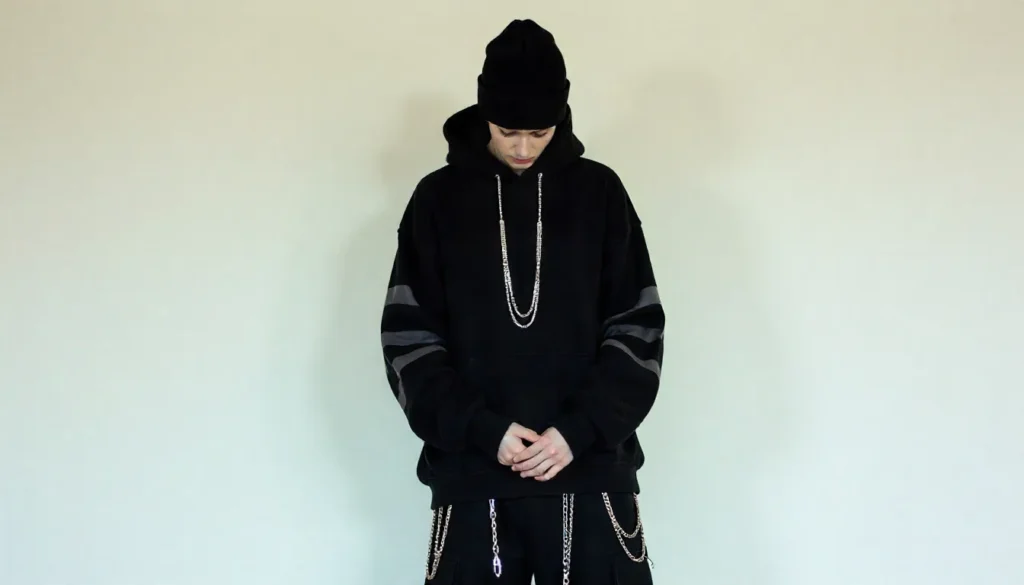
- Key Features: While the core of black skinny jeans and band tees remains, the fit is often looser. Oversized hoodies, striped long-sleeve shirts layered under short-sleeve tees, and cargo pants have been incorporated.
- Accessories: Chains—worn on pants, as necklaces, or as belts—are a huge part of the modern look. Beanies have replaced the meticulously styled side-swoop for many.
- The Vibe: It is less about a specific music scene and more about a general “alternative” internet aesthetic. It is self-aware and often playfully references its 2000s roots.
Screamo and Post-Hardcore
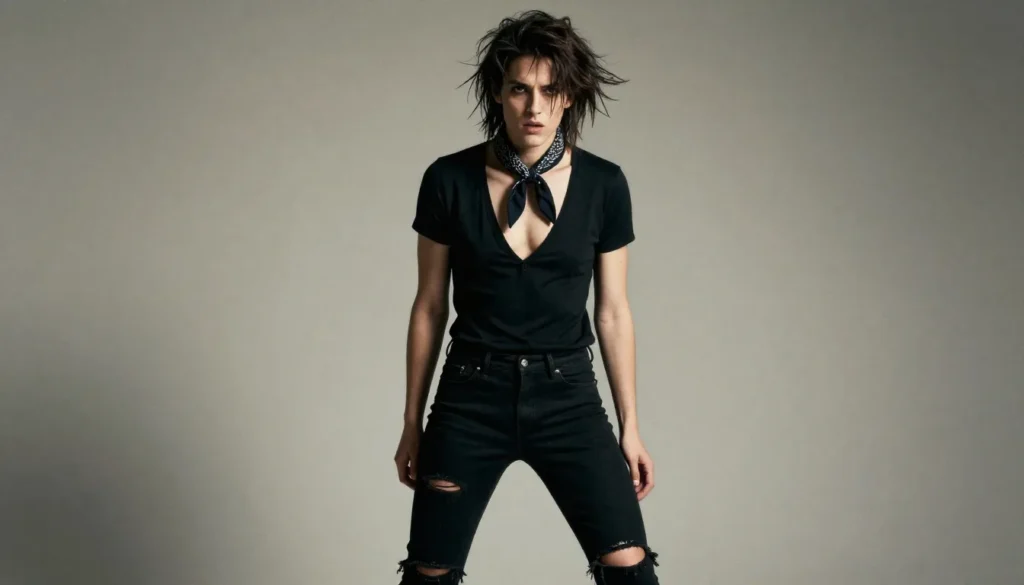
This heavier, more aggressive branch of emo music had a fashion style to match.
- Key Features: The clothing was still tight, but often more distressed. V-neck t-shirts were surprisingly popular, and the color palette might incorporate more greys and muted tones. Bandanas were a common accessory.
Emo Pop (Pop-Punk)
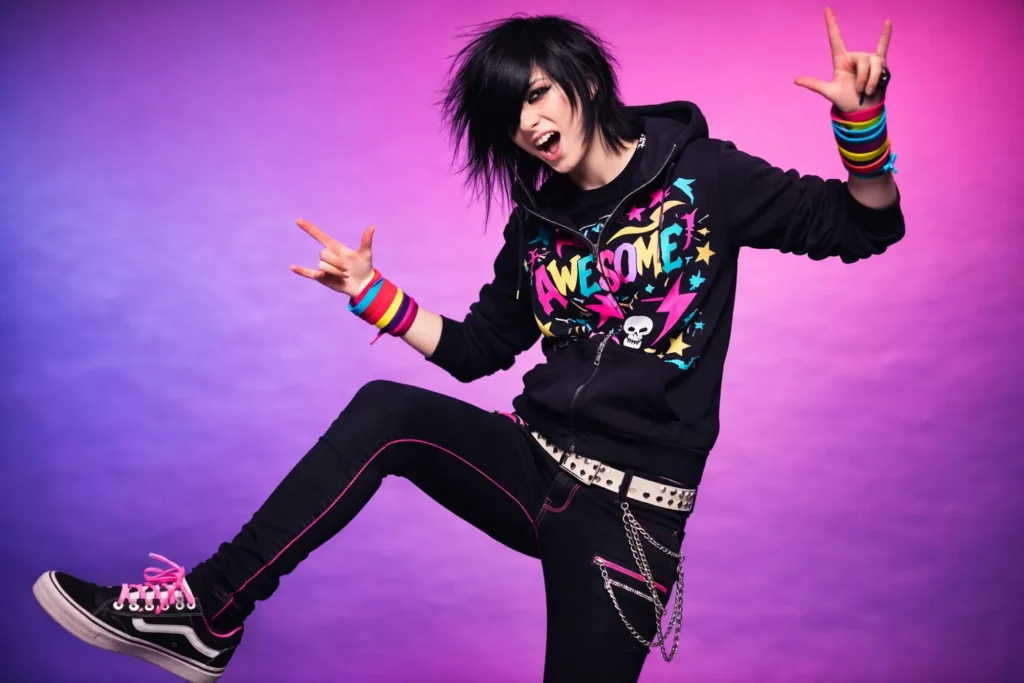
This was the most commercially successful version of emo, represented by bands like Paramore and All Time Low.
- Key Features: The fashion was brighter and more accessible. Neon colors, graphic hoodies, and skinny jeans in colors other than black were common. Accessories like trucker hats and colorful rubber bracelets (like the “I Heart Boobies” ones) were staples.
The Finishing Touches: Hair, Makeup, and Accessories
A true emo outfit is incomplete without considering the details from head to toe. These elements are what elevate a collection of black clothes into a subcultural uniform.
Iconic Emo Hairstyles
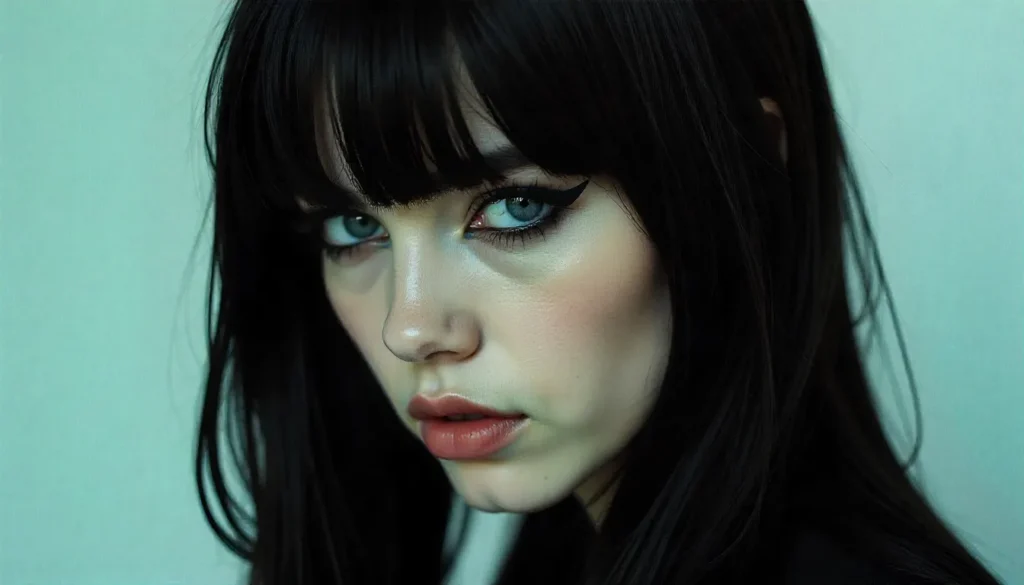
- The Side-Swept Bangs: This cannot be overstated. The hair was straightened with a flat iron until it was pin-straight and then swept dramatically across the forehead.
- The Color: Jet-black dye was the most common choice, creating a stark contrast with pale skin. For those who didn’t want to commit, temporary streaks of color were popular.
- The Cut: For men, it was often a layered cut that was short in the back and long in the front. For women, it was heavily layered, sometimes with a “scene” twist involving teased crowns and raccoon-tail extensions.
Essential Emo Makeup
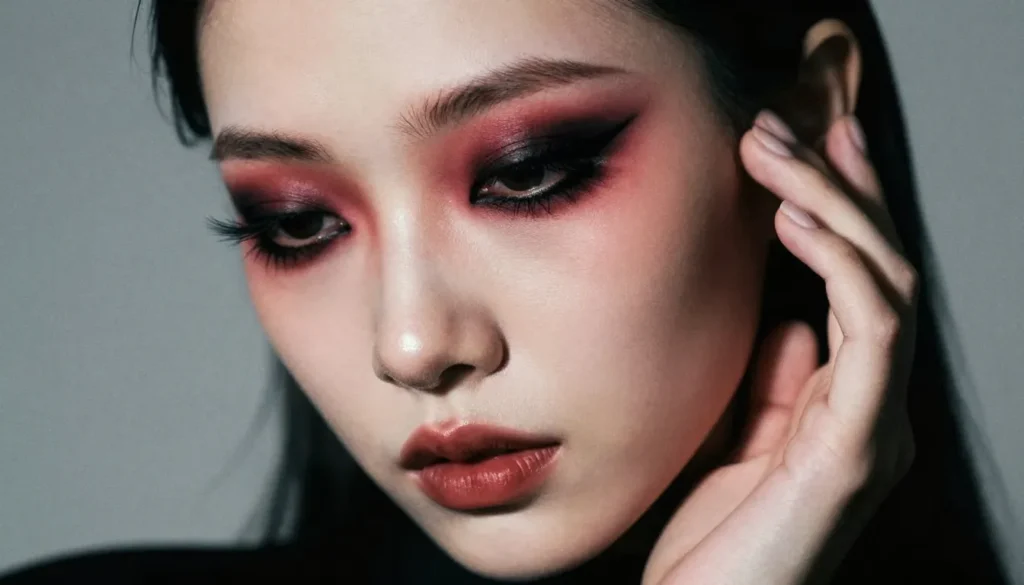
- Heavy Black Eyeliner: This is the most crucial makeup element. A thick line of black kohl pencil on both the upper and lower waterlines was standard for all genders.
- Smudged Eyeshadow: Black or deep red eyeshadow was often applied messily around the eyes to create a tired, melancholic look.
- Pale Foundation: A matte, pale complexion provided the perfect canvas for the dark eye makeup to pop.
- Minimal Lip Color: Lips were usually kept pale or natural, or sometimes covered in foundation to make the eyes the sole focus.
Must-Have Accessories
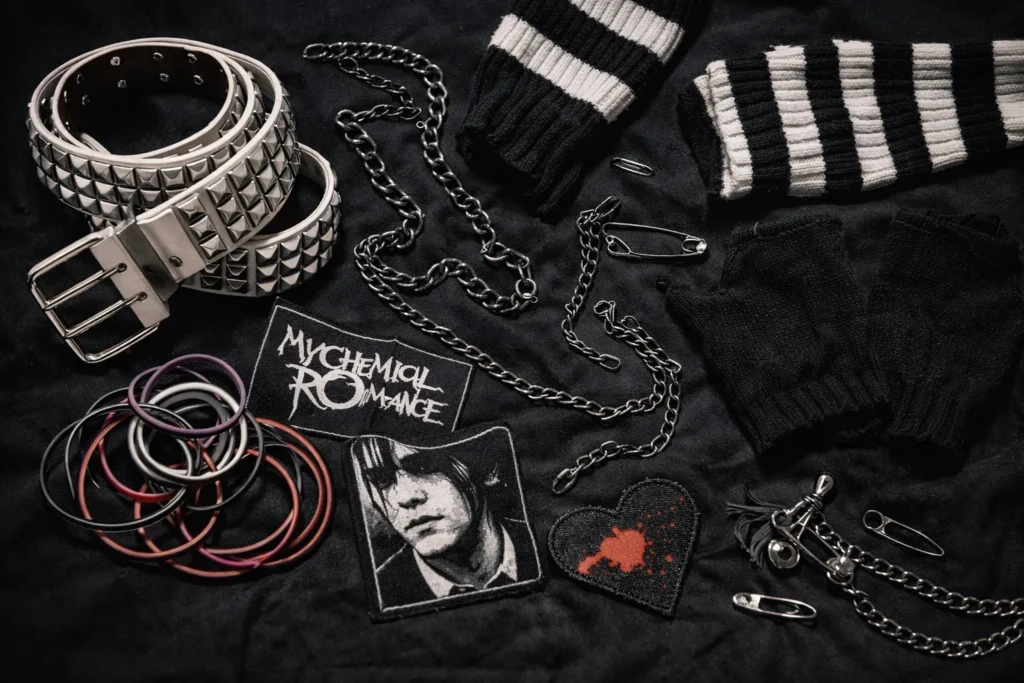
- Studded Belts: White, black, or checkerboard pyramid stud belts were a must.
- Fingerless Gloves & Arm Warmers: Often in stripes, these added layers and a touch of punk rock flair.
- Jewelry: Rubber bracelets with band names, studded wristbands, and simple necklaces with pendants like razor blades or broken hearts were common.
- Piercings: Snake bites (two piercings under the bottom lip) became the quintessential emo piercing. Nose rings and eyebrow piercings were also popular.
- Bags: A messenger bag covered in band patches and buttons was the preferred way to carry school books and CDs.
How to Build Your Emo Wardrobe on a Budget
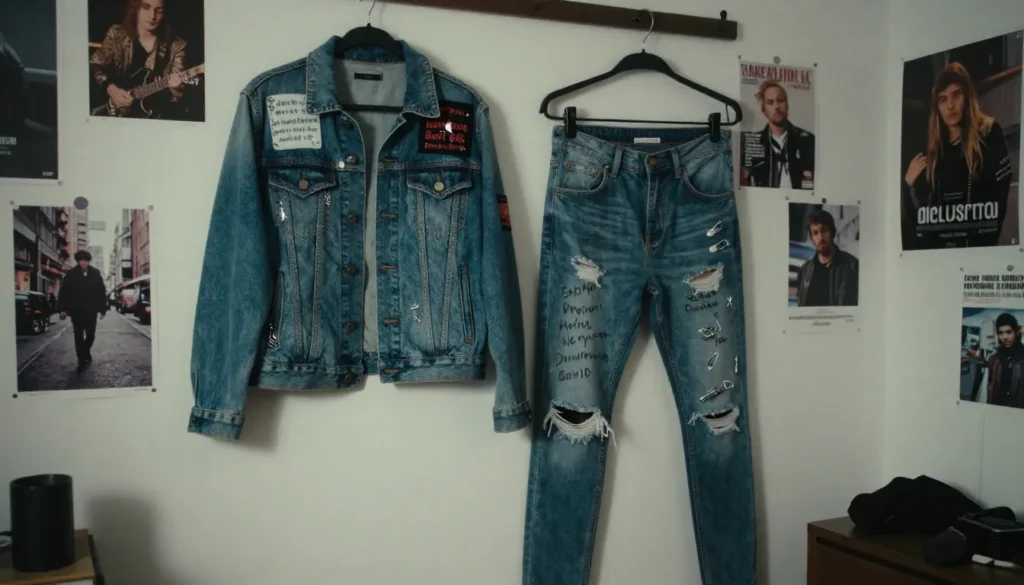
The emo subculture was never about expensive designer clothes. It has deep roots in DIY ethics and accessibility.
- Thrift Stores are Your Best Friend: Second-hand shops are treasure troves for emo staples. Look for plain black hoodies, old band t-shirts, and skinny jeans that you can distress yourself.
- DIY (Do It Yourself): This is the heart of the culture. Use a Sharpie to write lyrics on your Converse. Add safety pins to your jacket. Sew band patches onto your backpack. Rip your jeans. This personalization is what makes an outfit authentic.
- Hot Topic and Journeys: While Hot Topic is a much broader store now, in the 2000s, it was the commercial mecca for emo fashion. It is still a good place to find band merch, studded belts, and alternative accessories. Journeys is great for finding Converse and Vans.
- Invest in Key Pieces: You can save on t-shirts, but it is wise to invest in a good pair of skinny jeans that fit well and a durable pair of shoes that will last through countless concerts.
Conclusion:
The emo outfit is a powerful symbol of a time when music and emotion were deeply intertwined with personal identity. It was a uniform for a generation of kids who found solace in heartfelt lyrics and a community that understood them. Today, as the style sees a resurgence, it continues to represent a desire for authenticity and emotional honesty in a world that often feels superficial.
Whether you are putting together a look for a themed party or integrating emo elements into your daily style, remember the core principles: wear your heart on your sleeve (or your t-shirt), embrace the darkness, and don’t be afraid to be a little dramatic. The most important part of any emo outfit is the attitude and the emotion behind it. So turn up the My Chemical Romance, perfect your eyeliner, and wear your skinny jeans with pride.
Frequently Asked Questions (FAQs)
Q1: What’s the difference between emo and goth?
A1: Though both subcultures favor black clothing, they have different origins and aesthetics. Goth emerged from the 80s post-punk scene and is influenced by Victorian fashion, gothic literature, and horror, creating a more romantic and macabre look. Emo grew out of the hardcore punk scene and focuses on emotional expression, with a fashion style defined by skinny jeans, band tees, and side-swept hair.
Q2: Do I have to listen to emo music to wear the clothes?
A2: While the fashion is intrinsically linked to the music, there are no “rules.” However, understanding the music of bands like My Chemical Romance, Taking Back Sunday, or Jimmy Eat World will give you a much deeper appreciation for the context and meaning behind the style. The band tee is a core part of the identity.
Q3: Can I have an emo outfit without black hair?
A3: Of course. While dyed black hair was iconic, many people in the scene had their natural hair color. The cut and style specifically the long, side swept bangs are more important for achieving the classic look than the color itself.
Q4: How can I wear an emo style to work or school?
A4: This is often called “Corporate Emo.” You can incorporate subtle elements. Wear black skinny trousers instead of jeans. Choose a dark-colored button-down shirt instead of a band tee. You can still wear your Converse or combat boots. It is about capturing the dark, slim silhouette in a more professional way.
Q5: Is emo fashion still relevant today?
A5: Yes, very much so. Many 2000s trends are back in style, and the “e-girl”/”e-boy” aesthetic seen on platforms like TikTok is a direct descendant of classic emo fashion. Bands from the era are doing reunion tours, and a new wave of artists is inspired by the sound, bringing the style along with it.