From Feathers to Gems: The Complete Guide to Caribbean Carnival Costumes
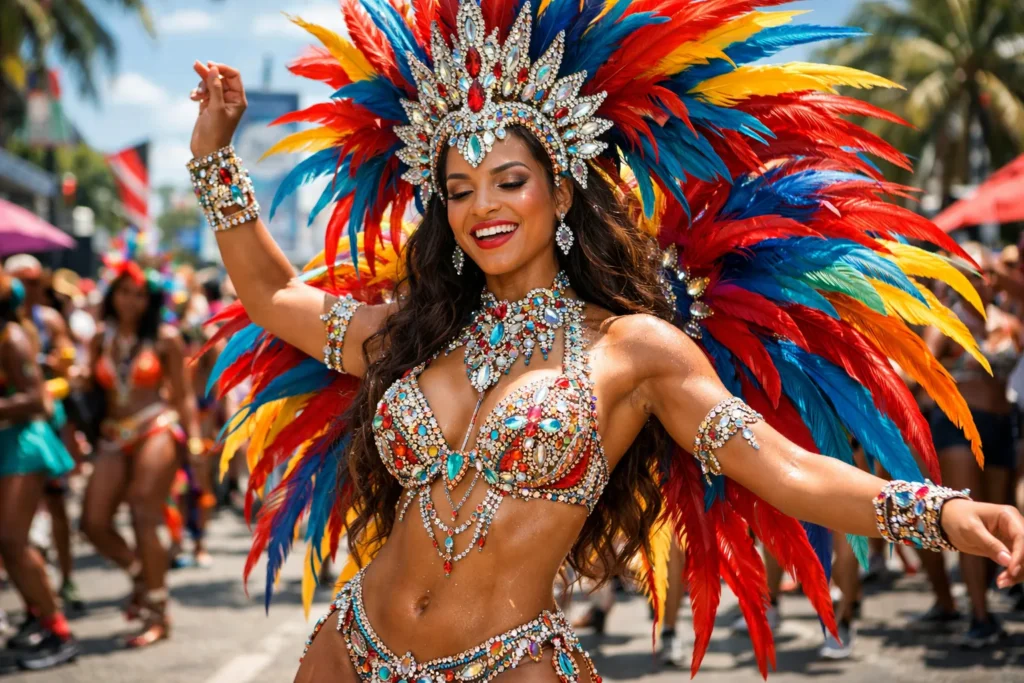
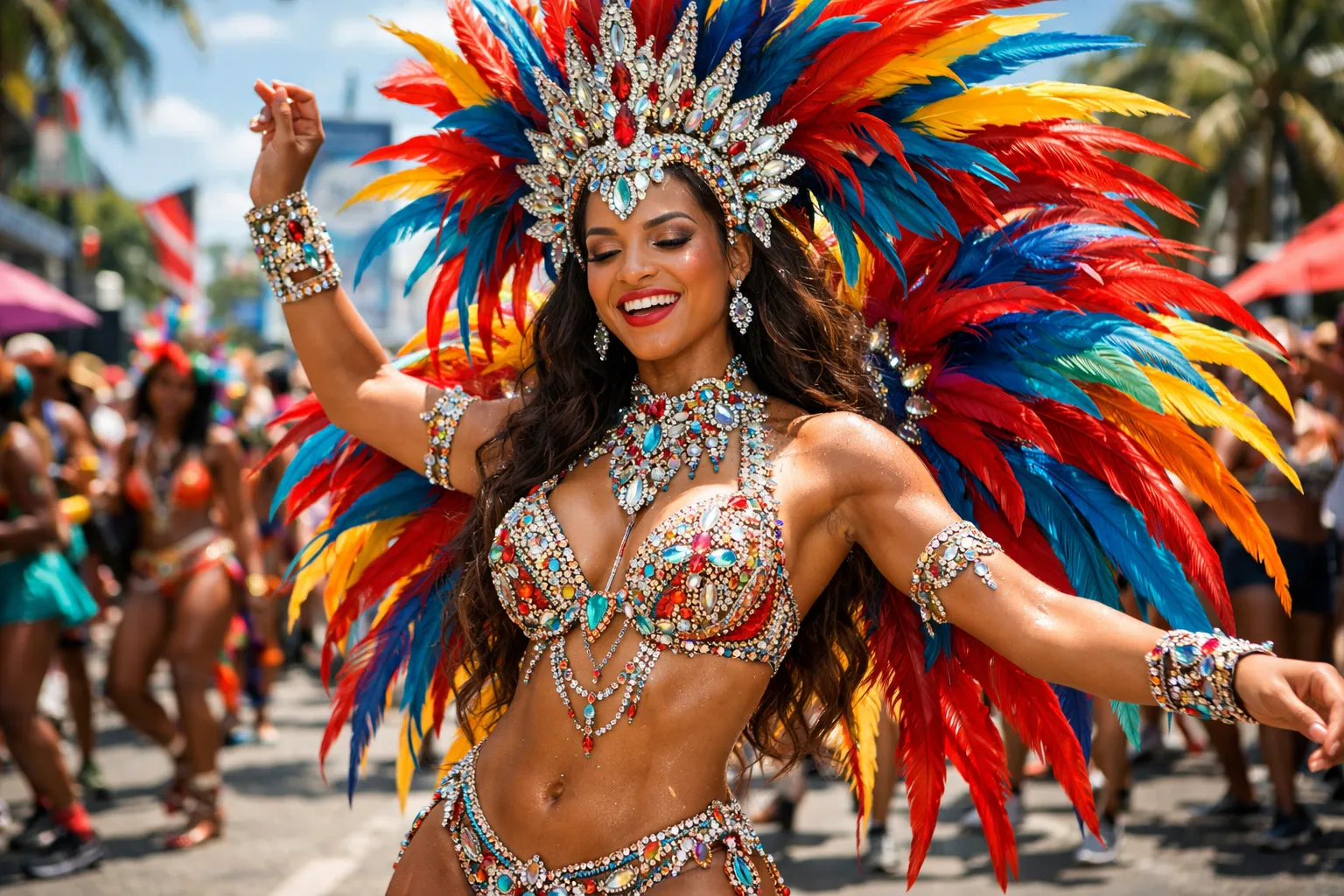
Nothing captures the spirit of celebration quite like stepping onto the road adorned in vibrant colors, sparkling gems, and magnificent feathers. If you are preparing for your first festival or looking to elevate your masquerader experience, understanding Caribbean carnival costumes is your first critical step. These stunning garments represent much more than just party attire; they are profound expressions of freedom, history, and cultural pride.
Choosing the right outfit requires careful thought, from selecting the right designer to understanding the difference between frontline and backline sections. This guide will walk you through everything you need to know to prepare for the road. We will explore the cultural significance, break down the anatomy of the garments, and provide actionable tips to help you shine during the festivities.
The Cultural Significance of Carnival Mas
To truly appreciate Caribbean carnival costumes, you must first understand their deep historical roots. The tradition of “playing mas” (masquerade) originated as a response to European colonial balls. Enslaved Africans in the Caribbean were forbidden from participating in these lavish European events. In response, they created their own vibrant celebrations, using costumes to mock the colonizers and celebrate their own rich heritage.
When emancipation arrived, these underground celebrations erupted onto the streets. The costumes evolved into powerful symbols of liberation. Today, when you wear a carnival costume, you participate in a centuries-old tradition of freedom and resilience.
Modern Day Interpretations
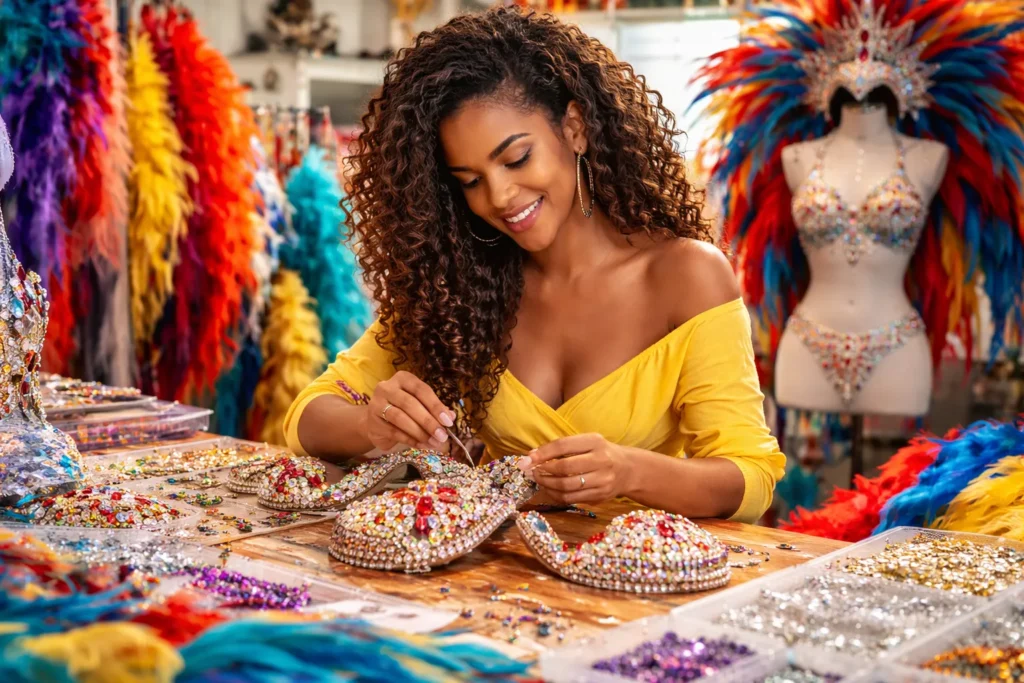
Modern designers fuse traditional elements with contemporary fashion. You will see intricate wire bending, majestic feather work, and elaborate beadwork reflecting both African ancestry and modern Caribbean identity. The artistry involved requires months of preparation, making each piece a wearable work of art.
Anatomy of a Carnival Costume
When a carnival band launches its theme for the year, it divides the presentation into different sections. Each section offers varying levels of costume complexity. Understanding these tiers helps you choose an outfit that fits your budget and comfort level.
The Frontline Costume
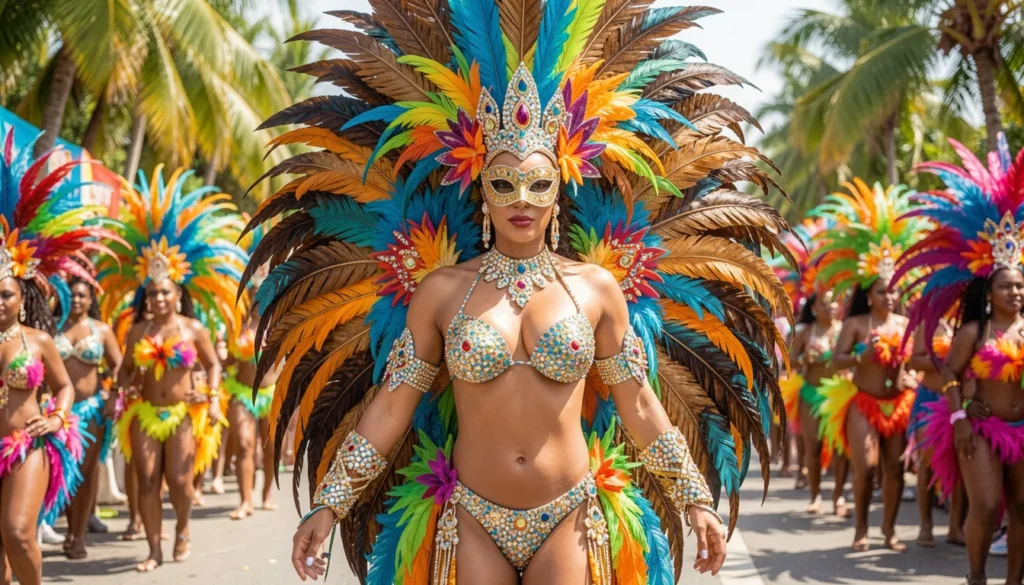
Frontline outfits are the most elaborate and expensive options in any band. Designers create these pieces to draw maximum attention and lead the section down the road.
- Massive Feather Backpacks: These structures can extend several feet in width and height, requiring a wireframe harness for support.
- Intricate Body Wear: Frontline pieces feature heavy jewel embellishments, custom cuts, and premium fabrics.
- Statement Accessories: You can expect heavily decorated leg pieces, elaborate tiaras, and custom arm bands.
The Backline Costume
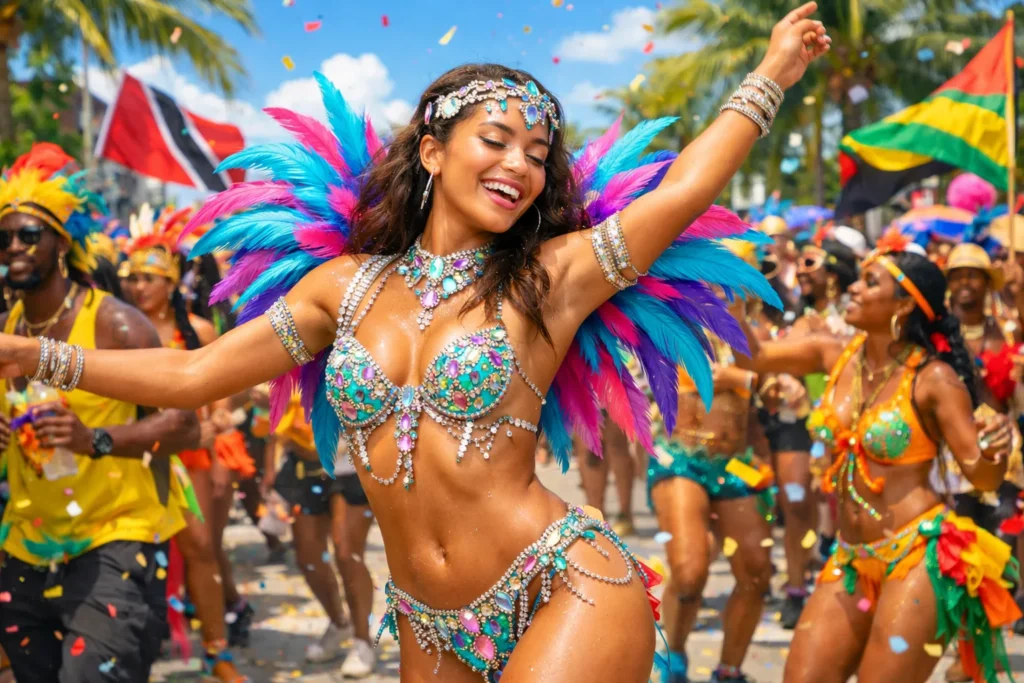
If you want the carnival experience with more mobility, backline pieces offer the perfect solution. These outfits capture the section’s theme but with scaled-down proportions.
- Smaller Feather Pieces: Instead of a massive backpack, backline masqueraders might wear a feathered collar or a smaller, lighter backpack.
- Standard Body Wear: The base pieces (often a two-piece bikini or monokini) feature beautiful but less dense gem work.
- Easier Movement: Because they carry less weight, backline costumes allow for hours of comfortable dancing.
The Midline and Individual Options
Many bands now offer midline options, bridging the gap between front and backline. Furthermore, “Individual” costumes serve as the crown jewels of a band. These are unique, massive creations worn by specific masqueraders who often compete in costume competitions.
Essential Elements of Your Carnival Outfit
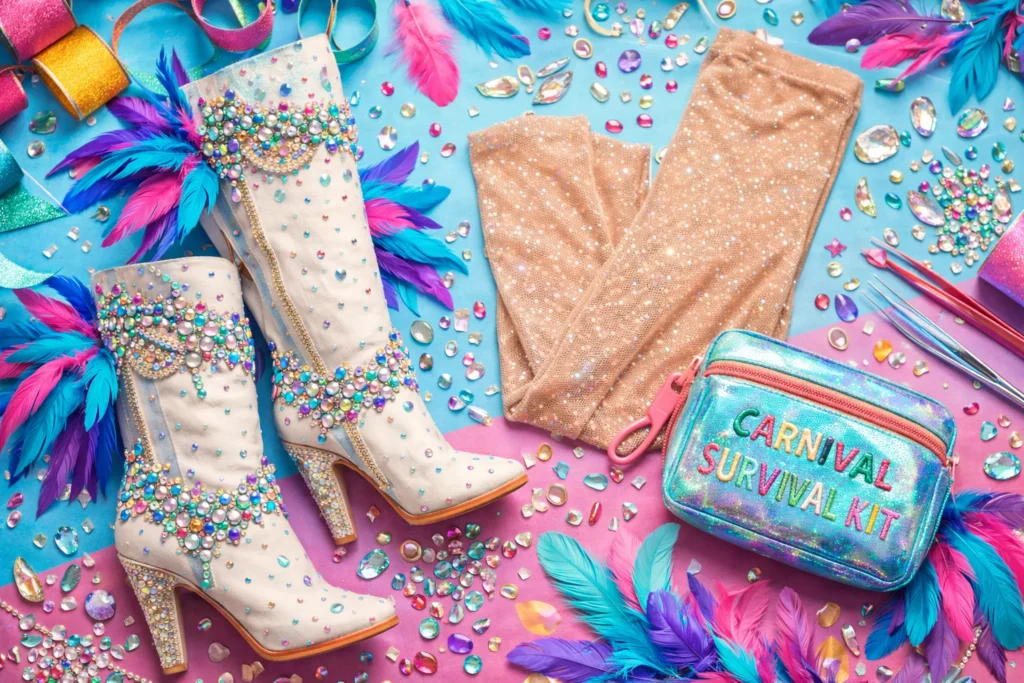
Beyond the feathers and gems, your complete look requires several crucial components to ensure you survive the grueling hours on the road.
Comfortable Footwear
You will dance, walk, and jump on hot asphalt for six to ten hours. Your footwear dictates your entire experience.
- Carnival Boots: Many masqueraders customize comfortable boots to match their outfits.
- Supportive Sneakers: High-quality athletic sneakers offer the best arch support for long distances.
- Avoid Heels: Unless you are a seasoned professional masquerader on a flat parade route, avoid high heels.
Carnival Tights
Carnival tights provide a flawless look while protecting your skin from the sun and chafing. Most masqueraders choose fishnet or shimmer tights matched closely to their skin tone. These tights smooth out the silhouette and hold everything firmly in place.
The Survival Pouch
Most costumes include a small, matching pouch. Use this to carry your absolute essentials: lip balm, safety pins, emergency cash, and your mobile phone. Do not carry large bags that distract from your stunning outfit.
How to Choose the Perfect Costume
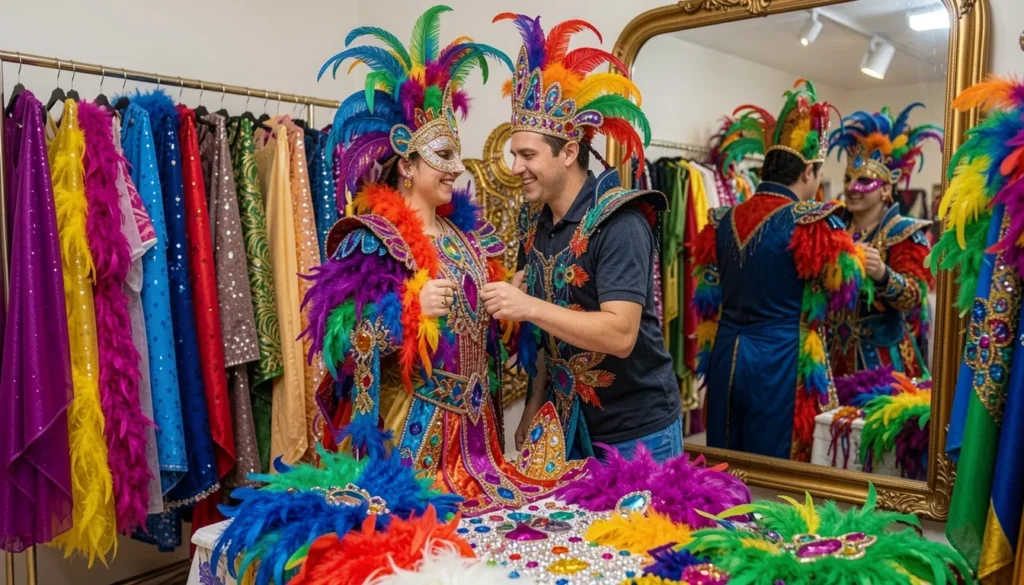
Selecting your outfit involves more than just picking your favorite color. You need to consider logistics, budget, and physical stamina.
Evaluate Your Stamina
Frontline backpacks look incredible in photos, but they are heavy. If you suffer from back pain or prefer to dance wildly without restriction, a backline costume serves you better. Be honest with yourself about how much weight you want to carry under the hot Caribbean sun.
Set a Realistic Budget
Caribbean carnival costumes represent a significant financial investment. Backline pieces typically range from $400 to $800, while frontline pieces easily exceed $1,500 to $2,500. Remember to factor in the cost of your band registration, which covers your drinks, food, and security for the day.
Consider Body Positivity and Comfort
Carnival is a space of radical self-acceptance. Bands offer diverse sizing options, including high-waisted bottoms, full coverage corsets, and curvier cuts. Choose the cut that makes you feel the most confident and secure.
Top Festivals to Showcase Your Look
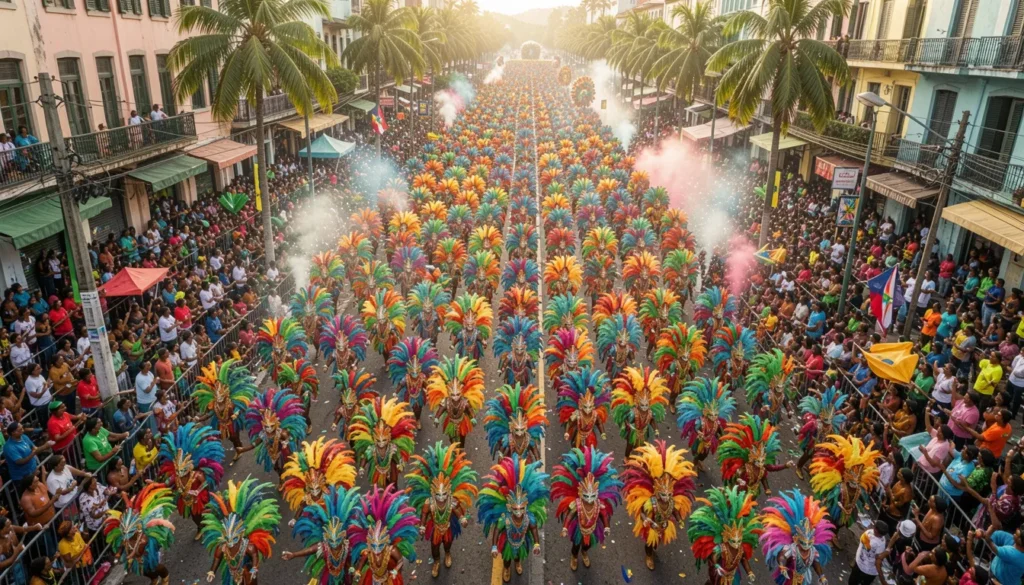
While Trinidad and Tobago hosts the most famous celebration, incredible carnivals take place across the globe. Each offers a unique opportunity to don your feathers.
Trinidad Carnival
Known as the “Mother of all Carnivals,” this event sets the standard for costume design. The bands here produce the most luxurious and innovative outfits in the world.
Crop Over (Barbados)
Barbados caps off its sugar cane harvest with Grand Kadooment Day. The costumes here often feature brighter, punchier colors and slightly different cuts than Trinidad.
Notting Hill Carnival (London)
Europe’s largest street festival offers a different climate but identical energy. Notting Hill focuses heavily on the community aspect, with many traditional masquerade characters mixing with modern bikinis and beads.
Caribana (Toronto)
If you cannot travel to the islands, Toronto hosts the largest Caribbean festival in North America. With stunning costumes parading down Lakeshore Boulevard, it is a highly accessible option.
The Evolution of Sustainable Carnival Costumes
As global awareness grows, carnival bands are recognizing the environmental impact of thousands of feathers and plastic gems. The tradition historically relied on natural materials like leaves, mud, and cotton before shifting to synthetic elements.
The Problem with Feathers
Most modern costumes rely heavily on dyed pheasant or ostrich feathers. These require significant resources to produce, transport, and dye. After two days on the road, many are discarded and end up in landfills.
Eco-Friendly Alternatives
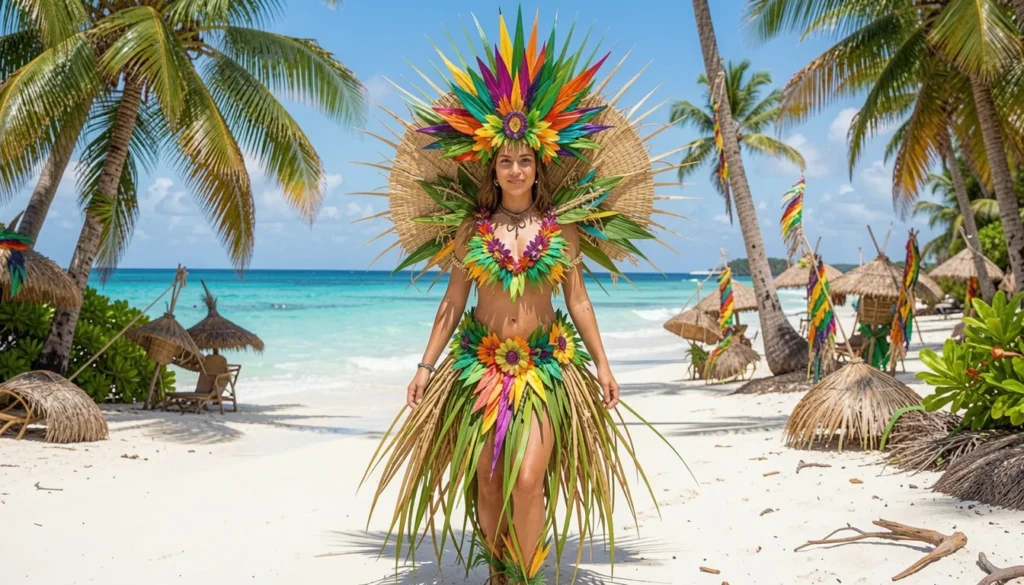
Pioneering designers have begun experimenting with sustainable materials. We see a rise in recycled plastics, natural fibers, and reusable wire frames. Bamboo and woven palm leaves offer a beautiful, structural alternative to synthetic feathers while paying homage to the original, organic masquerade forms.
Essential Preparation and Fitting Tips
Once you choose and pay for your costume, you need to mentally and physically prepare for distribution and fitting day.
Prepare for Alterations
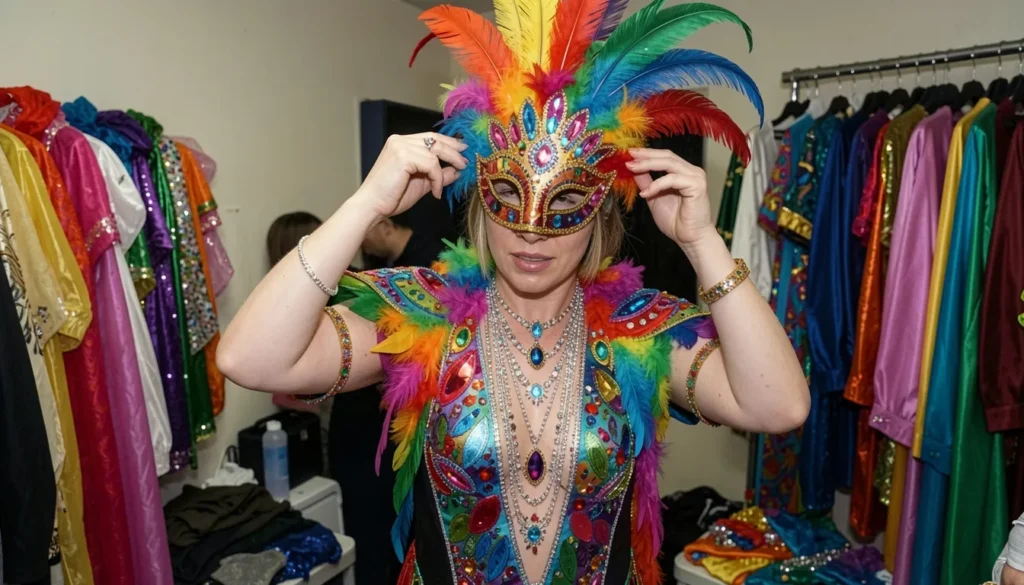
Even the best designers cannot predict your exact body changes over the six months it takes to manufacture your outfit. Bring needle, thread, and fabric glue when you travel. Expect to make minor adjustments to your bikini bottoms or bra straps.
Protect Your Skin
A beautiful costume exposes a lot of skin to the harsh tropical sun. Apply a thick layer of high-SPF, waterproof sunscreen before you put on your outfit. The last thing you want is a severe sunburn ruining your experience.
Secure Your Gems
You will lose a few stones while “wining” (dancing). Apply a thin layer of clear nail polish over delicate rhinestones to lock them in place. Also, use double-sided fashion tape to ensure your bra top stays exactly where you want it.
Conclusion
Stepping into the streets adorned in Caribbean carnival costumes is a transformative experience. It connects you to a profound history of freedom while allowing you to celebrate your body and spirit. By understanding the difference between front and backline sections, preparing your body for the physical demands, and embracing the culture behind the beads, you ensure your time on the road is unforgettable. Choose the outfit that makes you feel powerful, grab your comfortable boots, and get ready to dance.
Frequently Asked Questions (FAQs)
What is the difference between a frontline and backline costume?
Frontline costumes are the most elaborate and expensive, featuring massive wireframe backpacks, intricate body wear, and heavy gem work. Backline costumes capture the same theme but are lighter, less expensive, and feature smaller feather pieces, making them easier to dance in for long periods.
Do I have to be Caribbean to wear carnival costumes?
No, carnival is an inclusive celebration of life and freedom. However, you must respect the culture and understand the history behind the event rather than treating it merely as a generic costume party.
How do I safely pack a large feather backpack?
If you are traveling internationally to play mas, you often receive the backpack at your destination. If you must transport it yourself, bands provide large, flat cardboard boxes. Do not crush the feathers; carry the box as fragile luggage or hand-carry it if the airline permits.
Can I customize my costume after purchasing it?
Yes, most masqueraders customize their outfits with extra gems, unique boots, or personalized makeup. Just ensure your modifications do not interfere with the overall theme of your section.