
Cut Up Shirt Ideas: The Complete Guide to Bold DIY Refashions

Cut up shirt ideas give you a way to turn a plain, forgotten tee into something you actually want to wear. A few snips can change a boxy shirt into a crop top, an off-shoulder look, or a fringed festival piece. We wrote this guide to help you do it well, with clean lines and finished edges that look styled rather than accidental.
We focus on real, copyable methods here, not vague inspiration. You get specific tools, step-by-step cuts, styling tips for each design, and tables you can use right away. Whether you want a quick no-sew shirt cut for the weekend or a more advanced lattice back, we cover the choices that decide whether your reworked tee looks sharp.
What Cut Up Shirts Actually Are
A cut up shirt is any tee or top reshaped with scissors to change its fit, neckline, or hem. The cuts can be simple, like a cropped hem, or detailed, like a woven lattice across the back.
The appeal is straightforward. You take a shirt you already own and refashion it into a piece that feels new, often without sewing a single stitch.
- You upcycle a shirt instead of buying another one.
- You control the fit, the length, and the detail.
- You get a custom look that no store sells.
What this means for you: a cut up shirt is the easiest entry point into DIY fashion. The materials cost almost nothing, and a single afternoon turns a stack of old tees into a fresh rotation.
Why the Base Shirt Matters
Not every shirt cuts well. The fabric decides whether your edges roll cleanly or fray into a mess, so we choose the base before we choose the design.
Three qualities make a shirt ideal for cutting:
- Jersey knit rolls at the edges instead of fraying, so raw cuts look finished.
- A cotton or cotton-blend holds its shape through wear and washing.
- A slightly loose fit gives you fabric to work with for crops and ties.
A thin cotton jersey tee is the best beginner base. The knit curls slightly at every cut, which hides small mistakes and removes the need to hem.
What Fabrics to Avoid
Some fabrics fight back when you cut them. Knowing which to skip saves you a ruined shirt and a frustrating afternoon.
- Woven cotton, like a button-up, frays badly without a sewn hem.
- Slippery synthetics shift under the scissors and cut unevenly.
- Thick fleece or sweatshirt fabric is hard to cut cleanly in detail work.
We steer beginners toward soft jersey knit every time. Save the trickier fabrics for later, once your cuts are clean and confident.
Tools You Need Before Your First Cut
Good results start with the right tools. You do not need much, but the few items you use make a real difference in how clean your cuts look.
We keep the toolkit short and affordable.
| Tool | Job | Why It Matters |
| Fabric scissors | Clean, sharp cuts | Paper scissors snag and tear fabric |
| Tailor’s chalk | Marking guidelines | Keeps cuts straight and even |
| Ruler or measuring tape | Measuring length and spacing | Prevents lopsided results |
| Cardboard insert | Backing inside the shirt | Stops you cutting both layers |
| Safety pins | Holding fabric in place | Keeps layers aligned while you cut |
Start with sharp fabric scissors above all else. Dull or paper scissors chew the knit and leave ragged edges, which is the most common reason a cut up shirt looks unfinished.
Why Fabric Scissors Are Non-Negotiable
Fabric scissors have a long, sharp blade designed to slice through cloth in one smooth motion. That clean cut is what separates a sharp edge from a jagged one.
Here is what they do that regular scissors cannot:
- They cut a long, straight line without stopping and starting.
- They glide through jersey knit without snagging or pulling.
- They hold an edge longer, so your cuts stay clean over many projects.
Keep one pair just for fabric. Cutting paper dulls the blade fast, and a dull blade ruins the clean line you are after.
Optional Tools for Advanced Cuts
As your projects get more detailed, a few extra tools help. They are not essential, but they make precise work easier.
- A rotary cutter and mat for long, straight slits
- Small embroidery scissors for tight, detailed snips
- Fabric glue or a needle and thread for finishing certain edges
Add these only when you move into lattice, weaving, or fringe braiding. For most beginner cuts, the core toolkit is all you need.
Beginner Cut Up Shirt Ideas
Beginner cuts are simple, forgiving, and fast. They rely on the natural roll of jersey knit, so you can skip hemming entirely. These are your best starting point for no-sew shirt cuts.
Each one takes minutes and uses just scissors and chalk.
| Design | Difficulty | Time | Best Shirt |
| Cropped hem | Easy | 5 minutes | Any jersey tee |
| Side slits | Easy | 10 minutes | Loose or fitted tee |
| Off-shoulder | Easy | 10 minutes | Oversized tee |
| Cut sleeves / muscle tee | Easy | 10 minutes | Graphic tee |
| Knotted front | Easy | 5 minutes | Slightly loose tee |
Use this table to pick your first project. Most people start with a cropped hem, since it delivers a big change from a single straight cut.
The Cropped Hem

A cropped hem is the simplest cut and the most popular. You remove length from the bottom to create a crop top from a full-length tee.
Follow these steps:
- Lay the shirt flat and smooth out any wrinkles.
- Mark your new length with chalk, measuring from the shoulder so both sides match.
- Cut straight across in one smooth motion.
- Gently tug the raw edge so the jersey rolls.
The result is a clean crop top DIY in under five minutes. For a cropped tee that sits higher, mark a little above the natural waist and try it on before the final cut.
Side Slits

Side slits add movement and a relaxed, layered look. They work over a tank or a swimsuit and read effortlessly casual.
- Lay the shirt flat and decide how high the slit should rise.
- Mark a vertical line on each side seam with chalk.
- Cut up the marked line through one layer at a time.
- Knot the front and back hems together at the bottom if you want a tied finish.
Keep both slits the same height for a balanced look. Side slits pair well with high-waist bottoms, since the slit reveals just a sliver at the waist.
The Off-Shoulder Cut
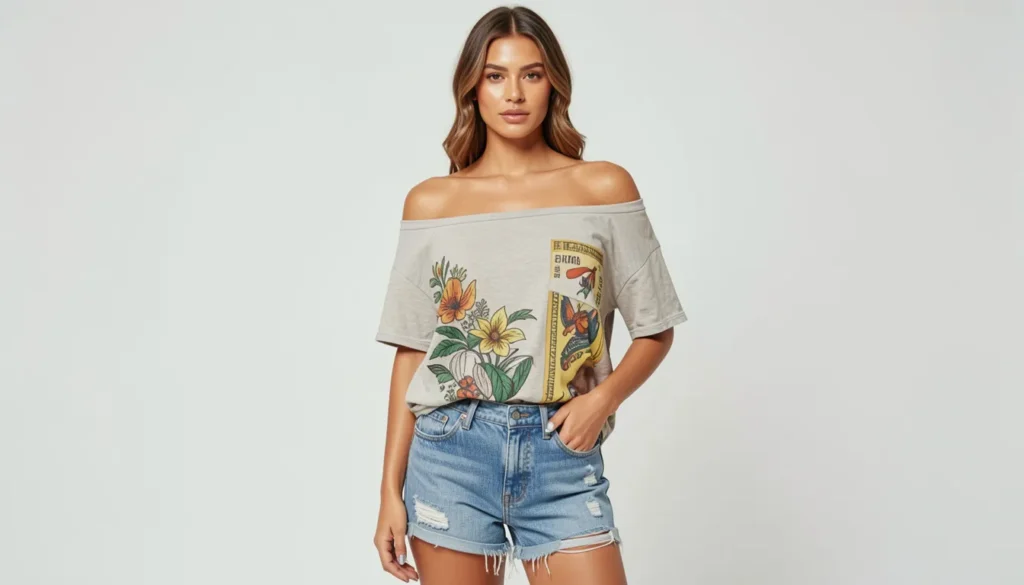
An off-shoulder cut turns an oversized tee into a relaxed, flattering top. You remove the neckline so the collar drapes off one or both shoulders.
- Start with a shirt one or two sizes too big.
- Cut off the entire ribbed collar in a wide curve.
- Widen the neck opening gradually, trying it on as you go.
- Stop once the neckline drapes off the shoulder the way you like.
Cut conservatively at first. You can always remove more fabric, but you cannot add it back, so widen the opening in small steps.
Advanced Cut Up Shirt Ideas
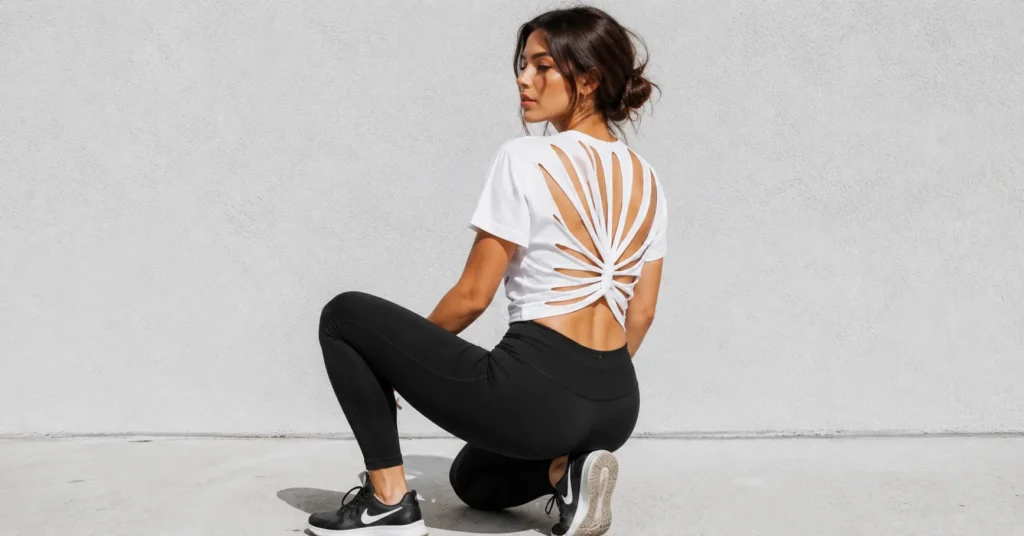
Advanced cuts take more time and patience, but they deliver striking results. These designs turn a basic tee into a real statement piece, and most still avoid sewing.
Each one rewards careful measuring and steady hands.
| Design | Difficulty | Time | Best Shirt |
| Back lattice | Advanced | 30–45 minutes | Fitted jersey tee |
| Fringe hem | Medium | 20 minutes | Loose cotton tee |
| Woven back panel | Advanced | 45 minutes | Fitted tee |
| Lace-up sides | Medium | 30 minutes | Fitted tee |
| Distressed / cut-out | Medium | 20 minutes | Worn graphic tee |
Use this table to plan a weekend project. The back lattice and woven panel make the biggest visual impact, so they are worth the extra time.
The Back Lattice
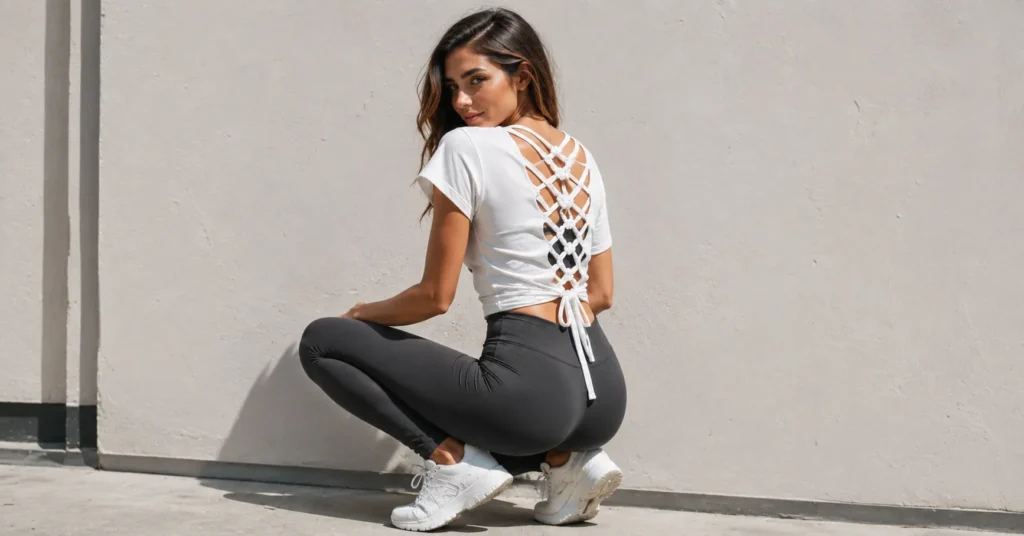
A back lattice creates a woven, crisscross design down the back of the shirt. It reads bold and intricate, even though the method is just a series of careful cuts.
- Turn the shirt inside out and lay it flat with a cardboard insert.
- Mark two vertical guide lines down the back, a few inches apart.
- Cut short, evenly spaced horizontal slits between the two lines.
- Take each strip and twist or loop it through the one below.
- Secure the top and bottom strips with a small stitch or fabric glue.
Even spacing is everything here. Mark every slit with chalk before you cut, since uneven gaps make the finished lattice look messy.
The Fringe Hem
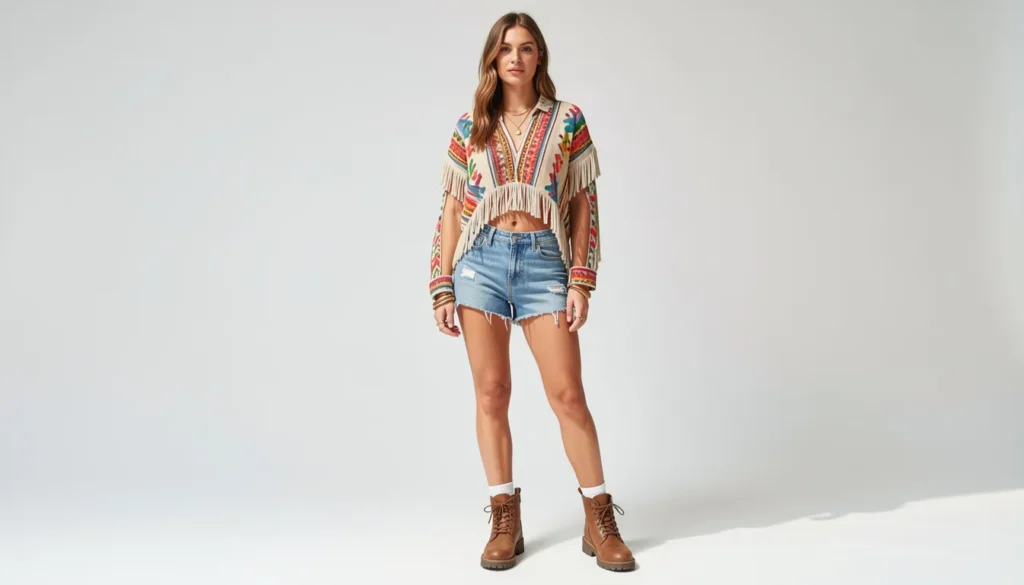
A fringe hem adds movement and a festival-ready edge. You cut the bottom of the shirt into thin vertical strips that swing as you move.
- Decide how deep the fringe should go and mark a horizontal line.
- Cut evenly spaced vertical strips up to that line, around half an inch wide.
- Stretch each strip gently so it rolls into a rounded string.
- Add beads or tie knots along the fringe for extra detail.
For a cleaner finish, keep the strips a consistent width. You can also braid sections of fringe together for a more textured, bohemian look.
Lace-Up Sides
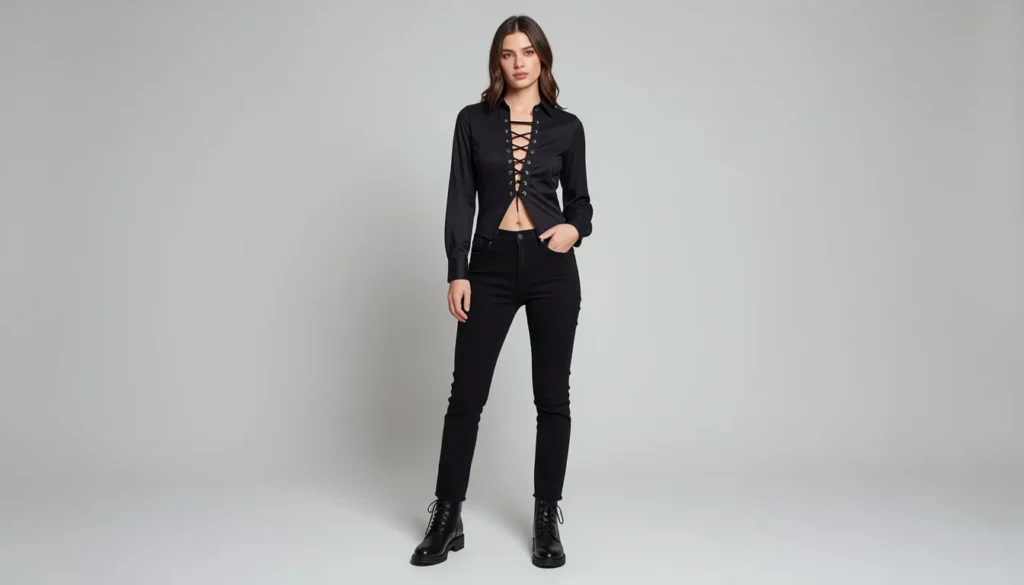
Lace-up sides add an adjustable, edgy detail along the side seams. You cut small holes and thread a cord or fabric strip through them.
- Mark evenly spaced dots down each side seam.
- Cut small horizontal slits or punch small holes at each mark.
- Thread a ribbon, cord, or a strip of leftover fabric through the holes.
- Lace it like a shoe and tie it off at the top or bottom.
Reinforce each hole with a dab of fabric glue around the edge. This stops the slits from tearing wider when you pull the lacing tight.
The Distressed Look
A distressed look adds worn, edgy character to a graphic tee. Small cuts and frayed openings give the shirt a lived-in, rock-inspired feel.
- Choose where you want the distressing, like the chest or hem.
- Make small horizontal slits with the tips of your scissors.
- Pull and rub the edges to fray and soften them.
- Add a few tiny snips for a more worn texture.
Keep the cuts small and spread out. A few well-placed slits read as intentional distressing, while too many in one spot weaken the fabric and tear.
Styling Your Reworked Shirts by Design

A cut up shirt only works when you style it well. Below we match each design to a full outfit, so you can wear your refashion with confidence. Each pairing balances the cut with the right bottom and shoe.
| Cut Design | Bottom | Footwear | Best Occasion |
| Cropped hem | High-waist jeans | White sneakers | Casual day out |
| Side slits | Bikini or tank | Sandals | Beach, pool |
| Off-shoulder | Denim shorts | Ankle boots | Festival, brunch |
| Back lattice | High-waist leggings | Trainers | Workout, casual |
| Fringe hem | Cutoff shorts | Boots | Concert, festival |
| Lace-up sides | Black jeans | Combat boots | Night out, edgy looks |
Swap colors to match what you own, and keep the balance intact. A cropped or revealing cut pairs best with a high-waist bottom that covers the midriff line.
Styling a Cropped Tee
A cropped tee shows the most versatility of any cut. The shorter length pairs with nearly every high-waist bottom in your closet.
A reliable formula: a cropped graphic tee, high-waist jeans, and white sneakers. The high rise meets the cropped hem, so you show just a sliver of skin. This reads casual and current with almost no effort.
For a dressier version, tuck the front of a cropped tee into a high-waist skirt and add sandals. The same cut shifts from daytime errands to an evening out with one swap.
Styling an Off-Shoulder Top
An off-shoulder cut reads relaxed and a little romantic. The exposed shoulder draws the eye up, which balances a fuller bottom.
We recommend an off-shoulder tee with denim shorts and ankle boots for a festival look. Add layered necklaces that sit on the exposed collarbone. The neckline frames the jewelry and finishes the look.
For cooler days, layer the off-shoulder top over a fitted tank. You keep the draped neckline while adding warmth and coverage.
Styling Fringe and Lattice Pieces
Fringe and lattice cuts make the strongest statement, so we keep the rest of the outfit simple. The cut should lead, not compete.
- Pair a fringe hem with cutoff shorts and boots for a concert.
- Wear a back lattice tee over a sports bra for a workout look.
- Keep bottoms solid and neutral so the detail stays the focus.
The rule is balance. When the shirt carries a bold cut, a plain bottom lets that detail stand out instead of fighting it.
Common Mistakes and How We Fix Them
DIY shirt cutting has a few predictable traps. We name them directly, then give you the fix for each, so your reworked tee looks intentional.
- Cutting too much at once. You cannot undo a cut. Trim small and try it on before going further.
- Jagged edges. Dull or paper scissors chew the fabric. Use sharp fabric scissors in long strokes.
- Uneven sides. Eyeballing cuts leads to lopsided results. Mark every line with chalk and a ruler.
- Cutting through both layers. The back gets sliced by accident. Always slide cardboard inside first.
- The wrong fabric. Woven cotton frays badly. Choose jersey knit that rolls at the edge.
Run through this list before you cut. A quick check turns a ruined shirt into a piece you actually wear.
A Quick Pre-Cut Checklist
We use a short checklist to confirm a project is ready before the first snip.
- Is the shirt a jersey knit that rolls cleanly?
- Are my fabric scissors sharp and clean?
- Did I mark every cut line with chalk?
- Is the cardboard insert protecting the back layer?
- Am I cutting conservatively, with room to trim more?
Five yeses mean you are ready to cut. This habit removes most of the guesswork from a refashion.
How to Fix a Cut That Went Wrong
Mistakes happen, and many are recoverable. A bad cut does not always mean a ruined shirt.
- Turn an uneven hem into a deliberate fringe by cutting strips.
- Hide a crooked neckline by widening it into an off-shoulder cut.
- Cover a stray slit with a small knot or a fabric patch.
The trick is to lean into the mistake. Most cutting errors can become a new design feature with a little creativity.
Caring for Your Cut Up Shirts
Care decides how long a reworked shirt holds its shape. Raw edges and twisted strips need gentle handling, so we treat these pieces with a little care.
We follow these steps to protect the cuts and the fabric.
- Wash in cold water on a gentle cycle to protect raw edges.
- Turn the shirt inside out to shield any woven or laced detail.
- Skip the dryer, since heat can fray edges and stretch the knit.
- Lay flat to dry so twisted strips and lattices keep their shape.
What this means: your refashion keeps its clean lines far longer. A small change in laundry habits protects the work you put into the cuts.
Keeping Raw Edges Clean
Raw jersey edges can fray a little over time, especially on the first few washes. A quick step keeps them tidy.
- Stretch each raw edge after washing to re-roll the knit.
- Trim any loose threads with small scissors instead of pulling them.
- Add a thin line of fabric glue along edges you want to seal fully.
These habits keep the edges looking deliberate. A clean raw edge is what separates a styled refashion from a worn-out tee.
Building a Cut Up Shirt Capsule
You do not need to cut every shirt you own. A focused set of refashions gives you many looks from a handful of pieces.
We recommend this starter capsule:
- One cropped graphic tee for casual, everyday wear
- One off-shoulder tee for brunches and festivals
- One side-slit tee to layer over swimwear
- One statement piece, like a fringe or lattice tee
- A few plain tees in reserve for future projects
These pieces cover daytime, beach days, festivals, and nights out. Pair them with high-waist bottoms you already own, and you have a full rotation of custom tops.
Why an Upcycled Approach Saves Money
Refashioning shirts you already own removes the cost of buying new tops. Each old tee becomes a fresh piece for the price of a little time.
- You spend almost nothing beyond a pair of scissors.
- You reduce textile waste by upcycling instead of discarding.
- You build a wardrobe no one else has, since each cut is custom.
That value is the heart of DIY shirt cutting. A drawer of forgotten tees becomes a source of new outfits, and the only limit is your imagination.
Conclusion
Cut up shirt ideas turn forgotten tees into pieces you actually reach for, and the skill is easier to learn than it looks. Start with a jersey knit base, use sharp fabric scissors, mark every cut, and trim conservatively. Follow those steps and a refashion stops feeling risky.
Frequently Asked Questions (FAQs)
What is the best shirt to use for cut up shirt ideas?
A soft cotton jersey knit tee works best. The knit rolls at the edges instead of fraying, so raw cuts look finished without hemming. A slightly loose fit also gives you extra fabric for crops, ties, and off-shoulder cuts.
Do I need to sew a cut up shirt?
Most designs need no sewing at all. Jersey knit rolls naturally at the edges, so cropped hems, side slits, and off-shoulder cuts stay clean on their own. Only detailed work like a lattice or lace-up benefits from a small stitch or fabric glue.
What tools do I need to cut up a shirt?
You need sharp fabric scissors above all, plus tailor’s chalk for marking, a ruler for even spacing, and a cardboard insert to protect the back layer. Safety pins help hold the fabric in place while you cut.
Can I cut up a shirt with regular scissors?
We do not recommend it. Paper or dull scissors snag and chew the knit, leaving ragged edges. Sharp fabric scissors cut a long, smooth line that gives your reworked tee a clean, intentional finish.
How do I make a crop top from a regular tee?
Lay the shirt flat, measure your new length from the shoulder so both sides match, and mark a straight line with chalk. Cut across in one smooth motion, then tug the raw edge so the jersey rolls. The whole crop top DIY takes about five minutes.
How do I cut up a shirt without it fraying?
Use a jersey knit shirt, which rolls rather than frays. After cutting, stretch the raw edge so the knit curls under. For extra security, run a thin line of fabric glue along the edge or add a small rolled hem.
What are good no-sew shirt cuts for beginners?
Start with a cropped hem, side slits, an off-shoulder neckline, or cut sleeves for a muscle tee. Each one relies on the natural roll of jersey knit, takes ten minutes or less, and needs nothing but scissors and chalk.
How do I make a back lattice design?
Turn the shirt inside out, mark two vertical guide lines down the back, and cut short, evenly spaced horizontal slits between them. Then twist or loop each strip through the one below, and secure the top and bottom with a small stitch. Even spacing is the key to a clean result.
How should I style a cut up crop top?
Pair a cropped tee with high-waist jeans and white sneakers for an easy casual look. The high rise meets the cropped hem so you show just a sliver of skin. For a dressier option, tuck the front into a high-waist skirt with sandals.
How do I care for my reworked and upcycled shirts?
Wash in cold water on a gentle cycle, turn the shirt inside out, and skip the dryer to protect the raw edges. Lay flat to dry so twisted strips and lattice cuts keep their shape, and stretch raw edges after washing to re-roll the knit.