The Guide to Met Gala 2026 Outfits: “Costume Art” Defined
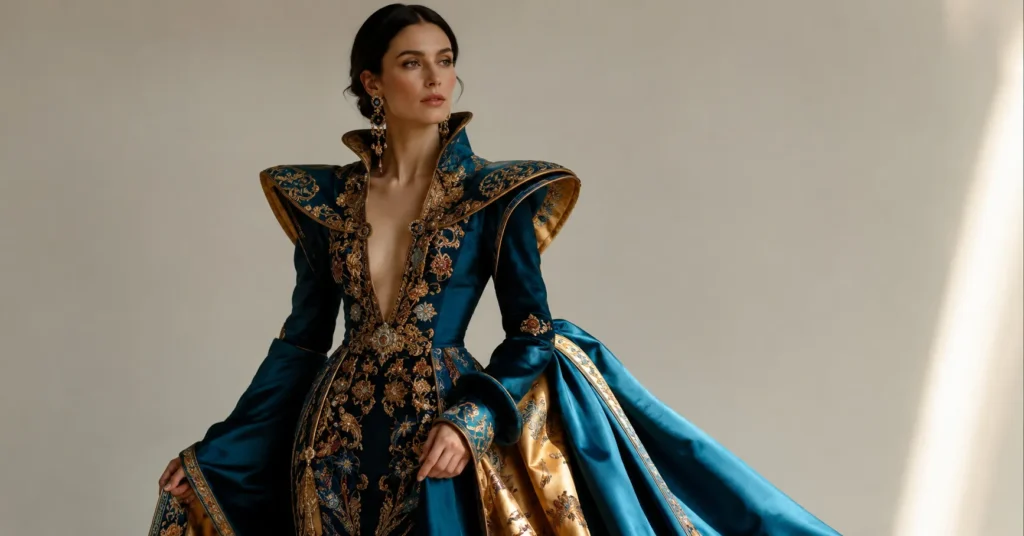
The first Monday in May has arrived, and fashion enthusiasts around the globe have their eyes glued to the steps of the Metropolitan Museum of Art. The Met Gala 2026 outfits are already making fashion history. With this year’s theme centered entirely around the concept of “Costume Art,” celebrities, designers, and stylists are pushing the boundaries of wearable sculpture and archival fashion.
This highly anticipated event funds the Costume Institute and sets the tone for global fashion trends for the rest of the year. In this guide, we will break down the core elements of the 2026 theme, analyze the most striking red carpet trends, and explore how top designers brought their wildest visions to life.
Understanding the 2026 Met Gala Theme: “Costume Art”
Every year, the Costume Institute announces a theme that dictates the dress code for the evening. The 2026 exhibition, “Costume Art,” focuses on the intersection of theatrical costume design, historical garments, and modern high fashion.
The Intersection of Fashion and Museum Archives
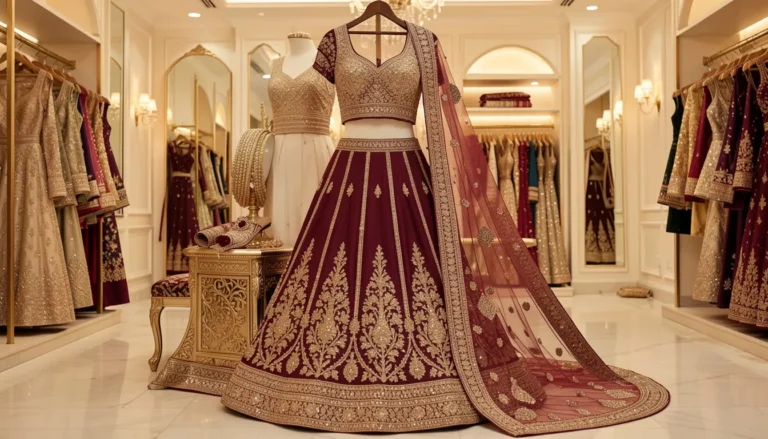
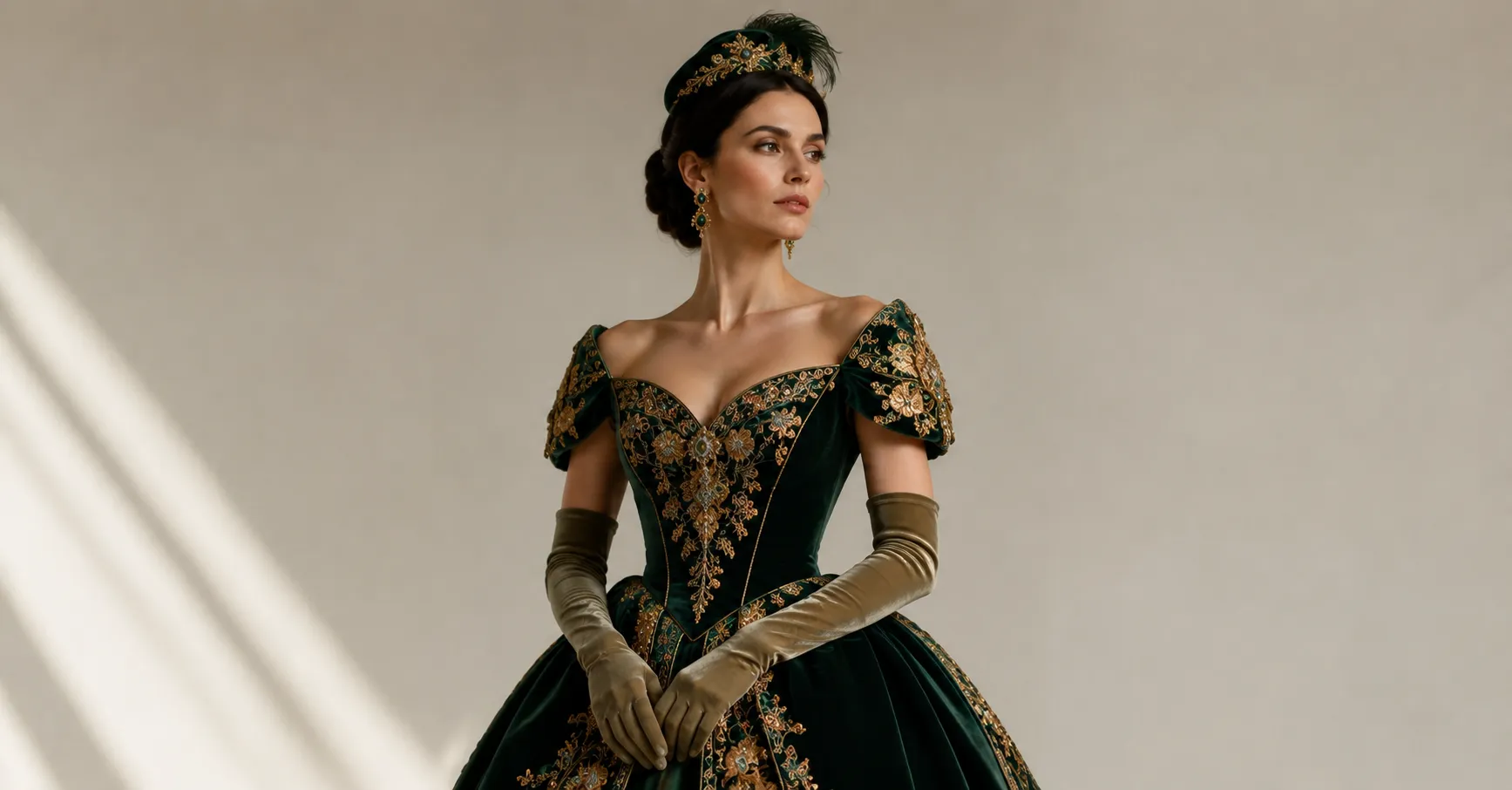
The “Costume Art” theme encourages attendees to view clothing as museum worthy art rather than just apparel. Designers took inspiration from Broadway archives, historical film wardrobes, and centuries old tailoring techniques. You will see heavy embroidery, dramatic silhouettes, and garments that require teams of handlers to move up the iconic Met steps.
Why the Dress Code Matters
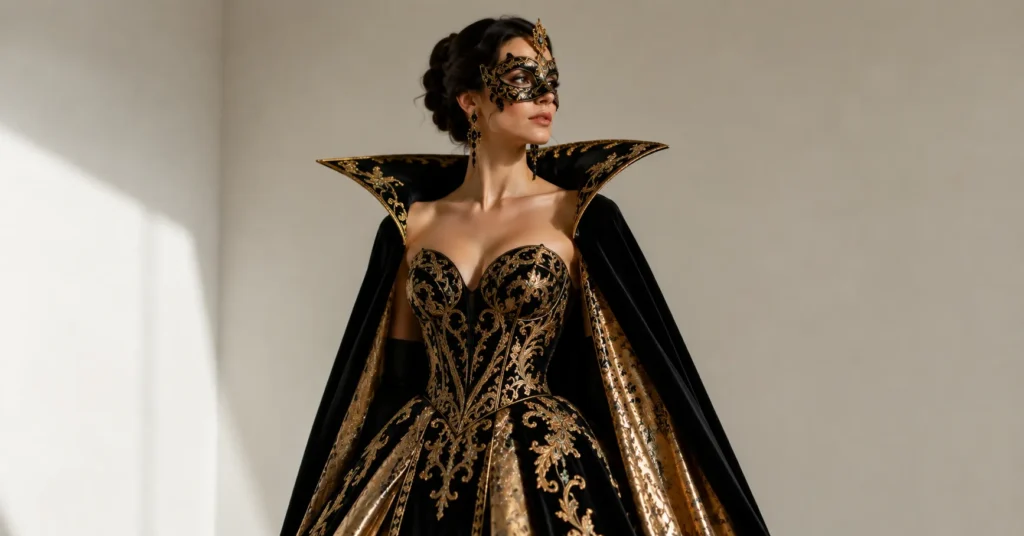
The dress code acts as a creative prompt. Celebrities who ignore the theme often face harsh criticism from fashion commentators. Those who embrace it often working with major fashion houses for six to eight months in advance create the most memorable Met Gala 2026 outfits. This year, the dress code strictly emphasized “Theatricality and Preservation.”
Top Fashion Trends on the 2026 Red Carpet
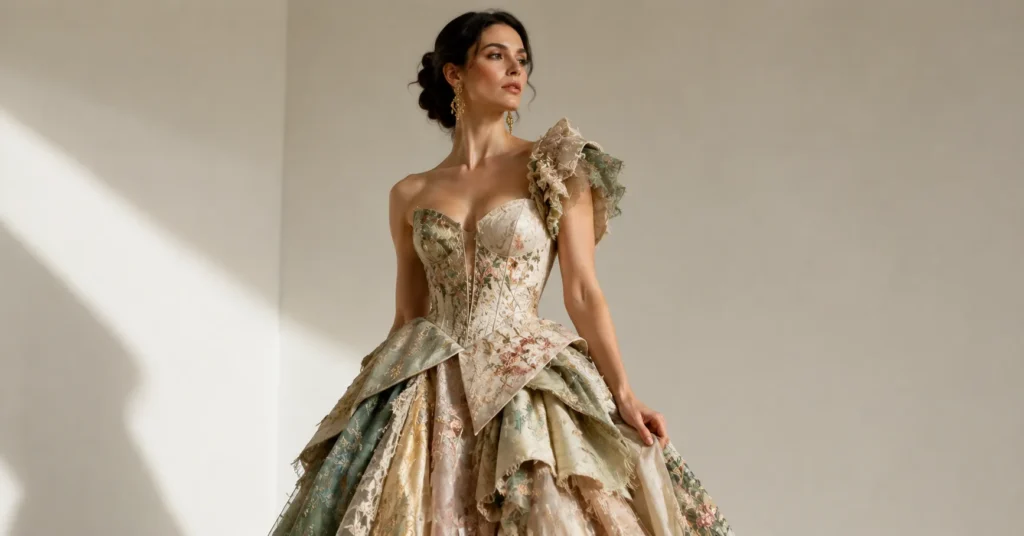
As stars made their way up the museum steps, several distinct fashion trends emerged. Designers moved away from the subtle luxury of previous years to embrace pure maximalism.
Sustainable Couture and Upcycling
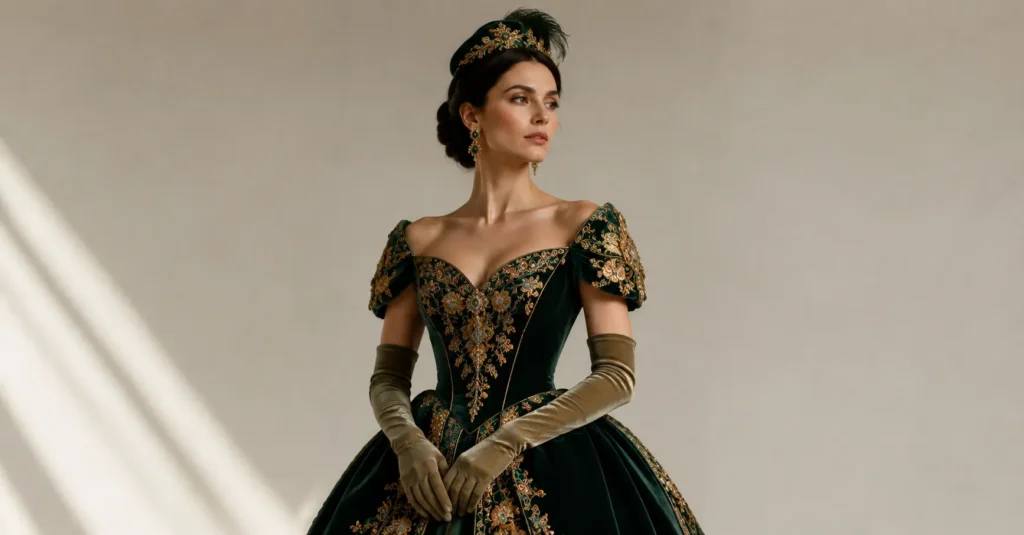
Many fashion houses utilized upcycled materials to create their stunning pieces. Designers sourced vintage fabrics, repurposed deadstock silk, and even integrated antique lace from the 1800s. This approach perfectly aligns with the preservation aspect of the “Costume Art” theme.
The Return of the Archival Pull
Rather than creating new garments, several celebrities opted to wear authentic archival pieces directly from designer vaults. We saw museum-quality dresses from the 1990s and early 2000s, carefully restored for a second life on the red carpet.
3D Printed Masterpieces
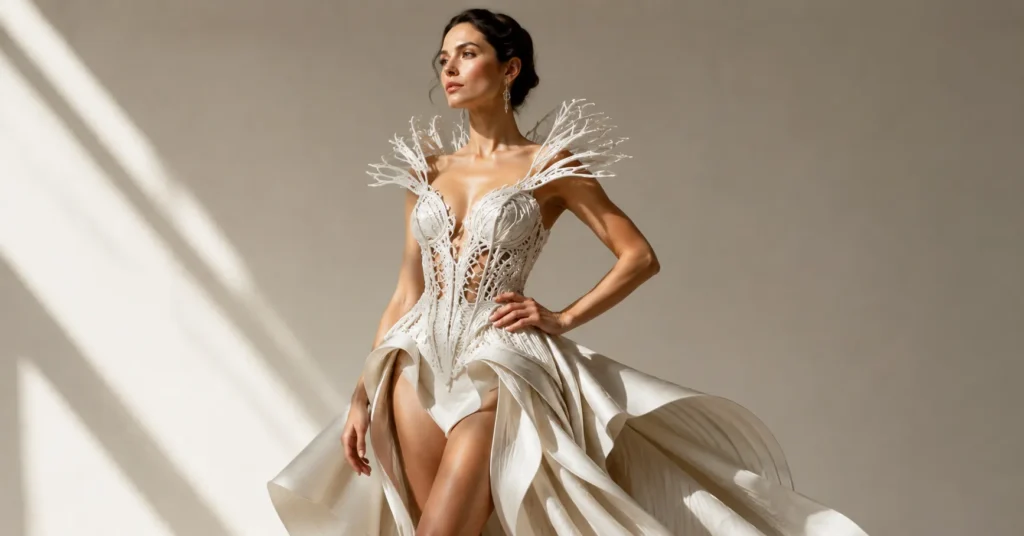
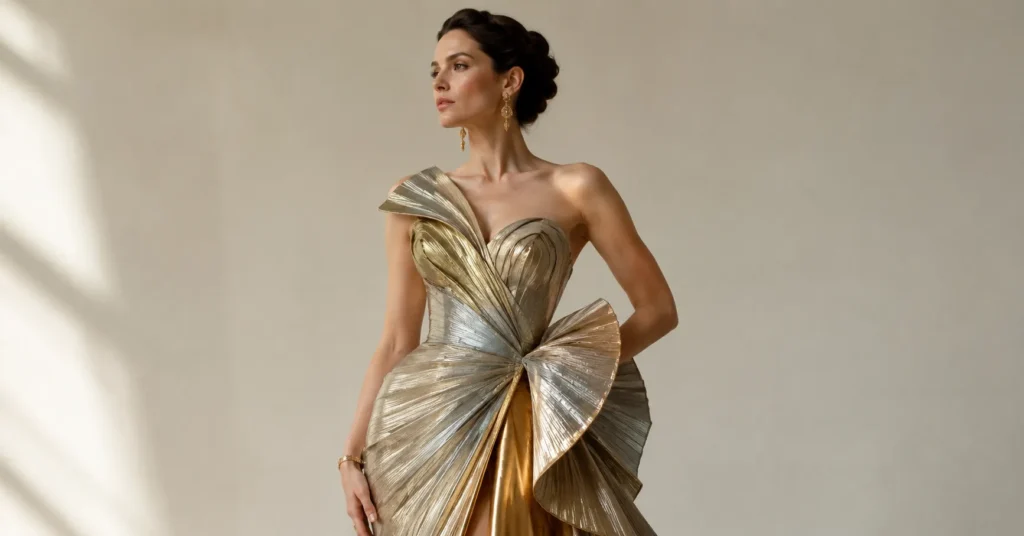
Technology played a massive role in this year’s designs. Designers used advanced 3D printing to create structural corsets, elaborate headpieces, and rigid skirts that resemble solid gold or carved marble.
Comparing the Red Carpet: 2025 vs. 2026
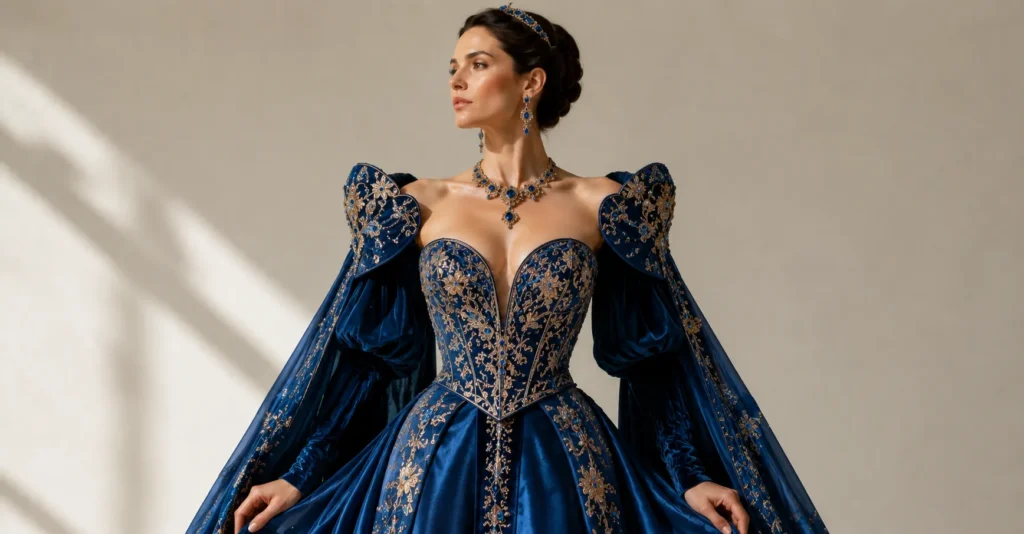
To understand the evolution of Met Gala fashion, we must compare this year’s choices to last year’s event.
| Fashion Element | 2025 Met Gala | 2026 Met Gala (“Costume Art”) |
| Primary Silhouettes | Flowing, ethereal, soft | Rigid, architectural, theatrical |
| Fabric Choices | Tulle, chiffon, organza | Brocade, 3D printed polymers, velvet |
| Accessories | Minimalist diamonds | Dramatic headpieces, theatrical masks |
| Color Palette | Pastels and muted tones | Rich jewel tones, metallic gold, deep black |
How Designers Prepare Met Gala 2026 Outfits
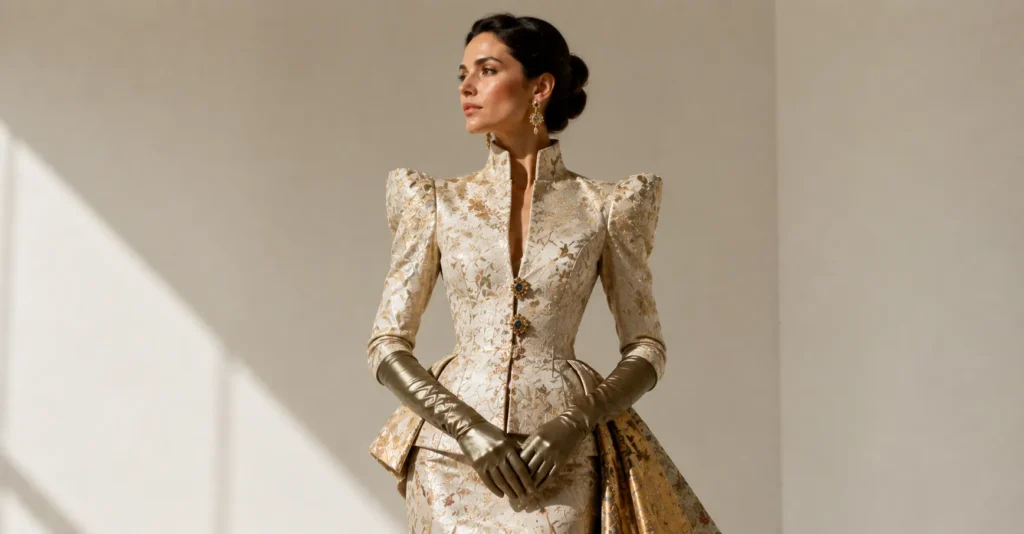
Creating a custom look for the Met Gala requires an incredible amount of logistical planning. The process begins almost immediately after the theme announcement.
- Concept Phase: The fashion house and the celebrity muse brainstorm ideas that align with the exhibition.
- Fabric Sourcing: Designers spend months sourcing materials. For the 2026 theme, this meant hunting for antique trims and specialized structural boning.
- Fittings: A custom gown usually requires four to six fittings. The garment must fit flawlessly while allowing the wearer to breathe and, ideally, sit down during the dinner.
- The Final Polish: On the day of the event, tailors sew the celebrities directly into the garments to ensure absolute perfection.
The Drama Behind the Dress Code
No Met Gala is complete without a little behind-the-scenes drama. Early reports indicated that organizers faced pushback from some attendees over the strict interpretation of the “Costume Art” theme. Some stars wanted to wear modern, sheer “naked dresses,” which have dominated red carpets for years. However, Vogue and the event chairs pushed for more substantial, art-focused garments, leading to some last-minute redesigns that ultimately elevated the entire red carpet.
Conclusion
The Met Gala 2026 outfits delivered exactly what fashion lovers crave: high drama, incredible craftsmanship, and a deep respect for fashion history. By embracing the “Costume Art” theme, celebrities and designers blurred the line between clothing and sculpture. As these trends trickle down from the museum steps to mainstream fashion, we can expect to see more theatrical elements, structural designs, and archival inspirations in our everyday wardrobes.
Frequently Asked Questions (FAQs)
What was the theme for the 2026 Met Gala?
The theme for the 2026 Met Gala was “Costume Art,” celebrating the intersection of theatrical costume design, historical garment preservation, and modern high fashion.
When did the 2026 Met Gala take place?
The event took place on its traditional date, the first Monday in May, which fell on May 4, 2026.
Who decides the Met Gala theme?
The theme is chosen by the Costume Institute’s chief curator, Andrew Bolton, often in close collaboration with Anna Wintour, the editor-in-chief of Vogue.
Why do some celebrities ignore the theme?
Some celebrities prioritize wearing a garment that promotes a specific brand or fits their personal brand aesthetic over strictly adhering to the event’s theme.
What happens to the outfits after the Met Gala?
Custom dresses are often returned to the designer’s archival vaults. Occasionally, celebrities purchase the gowns for their private collections, or the designers donate them to museums.