Button Shirt: Complete Guide to Effortless, Versatile Style
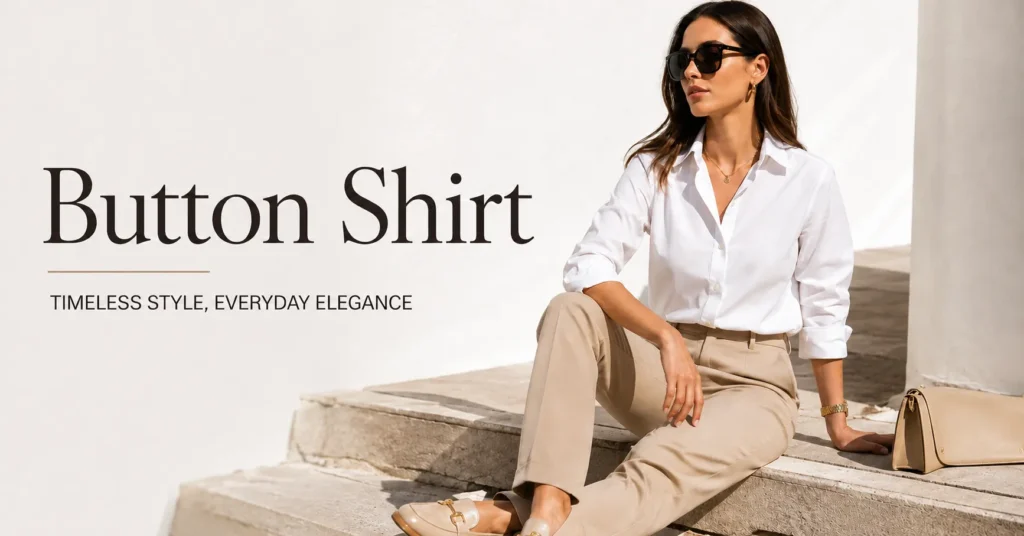
The button shirt is the single most flexible piece you can own. It dresses up for a meeting, dresses down for the weekend, and layers under almost anything in your closet. Yet most shoppers buy the wrong collar, the wrong fabric, or the wrong fit, then wonder why the shirt sits unworn. We wrote this guide to fix that. You will learn how to pick a button shirt that fits your body, suits your life, and lasts for years.
What a Button Shirt Actually Is
A button shirt is any top that fastens down the front with a row of buttons, usually finished with a collar and cuffs. The term covers a wide range, from a crisp dress shirt to a relaxed casual button shirt in soft cotton.
That breadth is why shoppers get confused. A button down shirt and a button up shirt sound identical, but they describe different things.
- Button up refers to any shirt that fastens up the front with buttons.
- Button down refers specifically to a collar whose points fasten to the shirt with small buttons.
So every button down shirt is a button up, but not every button up has a button down collar. Knowing that difference helps you shop with precision.
Why the Button Shirt Endures
Trends come and go, yet the button shirt stays. The reason is simple: it solves more wardrobe problems than any other single piece.
- It crosses the line from formal to casual with a quick change of fabric.
- It layers cleanly under sweaters, blazers, and jackets.
- It flatters nearly every body type when the fit is right.
Bottom line: a well-chosen button shirt earns its place by working harder than almost anything else you own.
Collar Types: The Detail That Sets the Tone
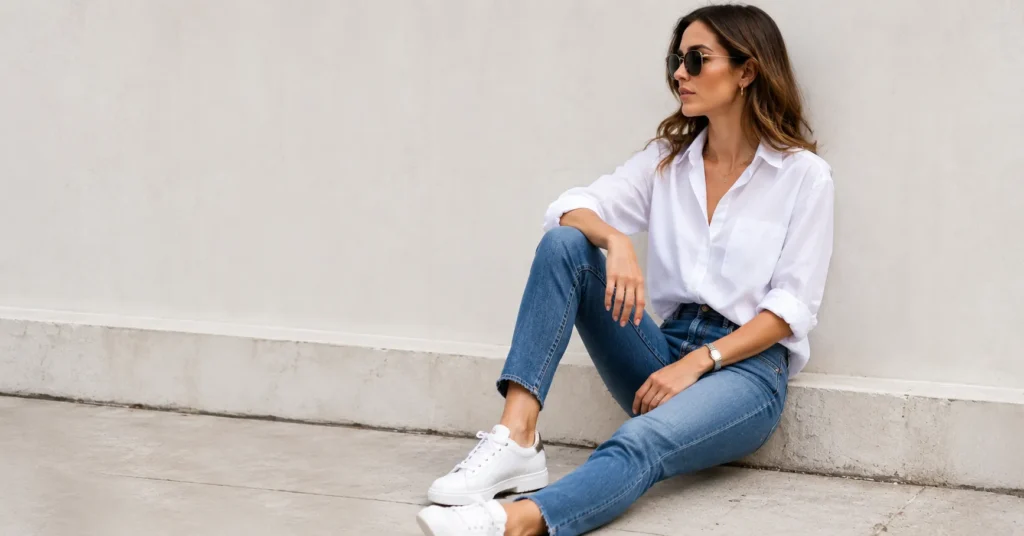
The collar shapes how formal a shirt reads and how it frames your face. Choosing the right one matters more than most shoppers realize.
Each collar suits a different setting, so match it to where you plan to wear the shirt.
| Collar Type | Formality | Best For |
| Point collar | Versatile, classic | Office, suits, daily wear |
| Spread collar | Dressier | Business, wider ties |
| Button-down collar | Casual to smart-casual | Oxford button shirt, weekends |
| Band collar | Modern, relaxed | Minimalist, tie-free looks |
| Club collar | Vintage, distinctive | Statement, smart-casual |
Start with a point collar if you only buy one shirt. It carries the widest range of outfits, from a tucked office look to an open-collar weekend fit.
The Point Collar
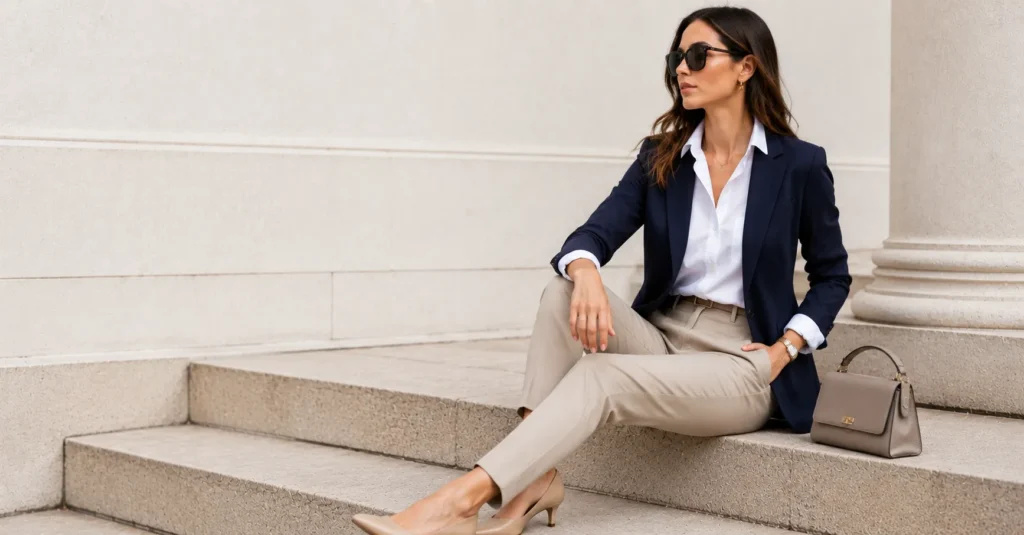
The point collar is the all-rounder. Its narrow spread reads neat with or without a tie, which makes it the safest first purchase.
We recommend it for these situations:
- A daily office shirt that works under a blazer
- A versatile piece that suits most tie knots
- A clean line when worn open at the neck
Quick tip: a medium-spread point collar flatters the widest range of face shapes, so it is the easiest one to get right.
The Button-Down Collar
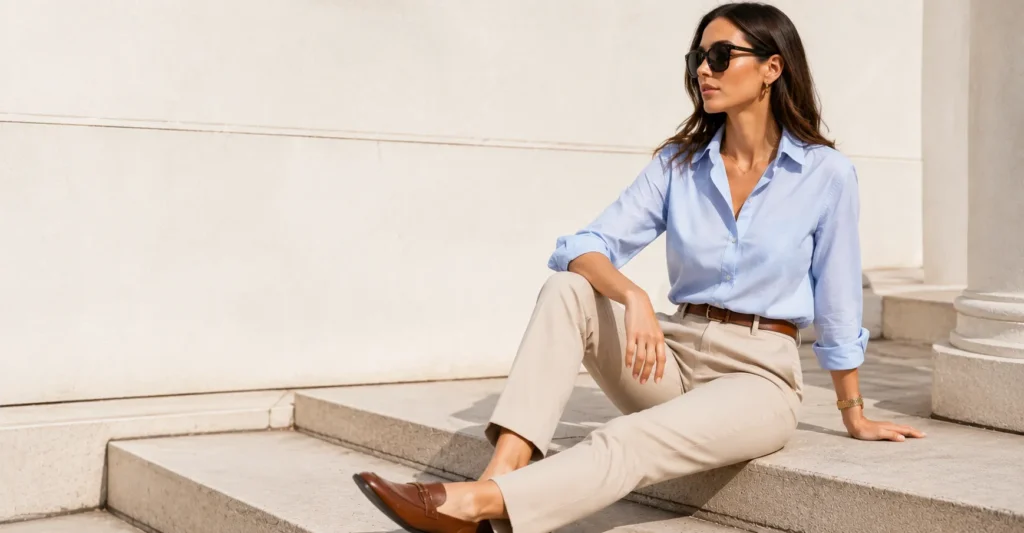
The button-down collar adds a relaxed, preppy edge. Those small buttons hold the points in place, which keeps the collar neat without a tie.
This collar defines the classic Oxford button shirt. It reads smart-casual rather than formal, so it shines on weekends, at relaxed offices, and under knitwear.
Common mistake: wearing a button-down collar with a formal suit and tie. It reads too casual for black-tie or strict business settings, so save it for relaxed occasions.
Spread and Band Collars
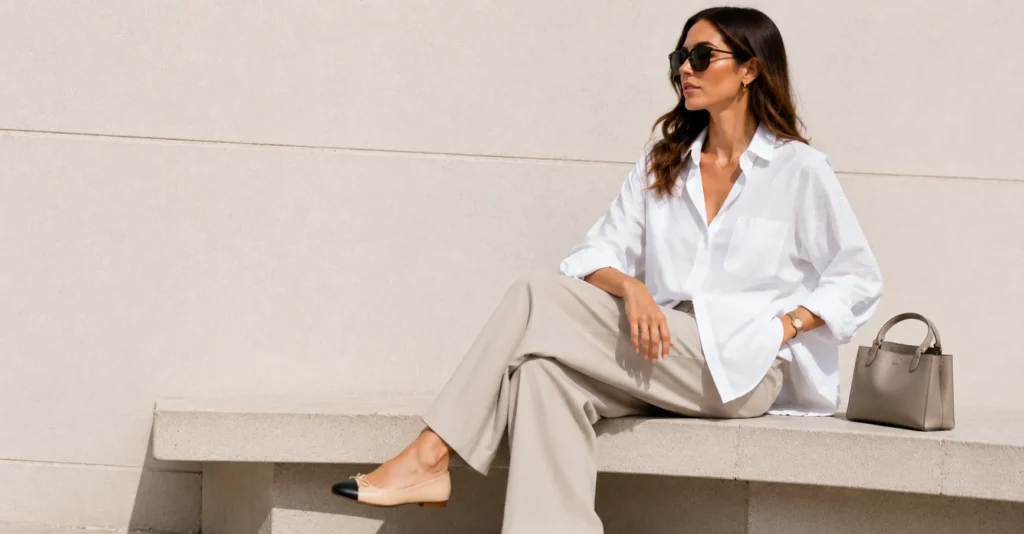
The spread collar opens wider, which suits dressier looks and larger tie knots. The band collar removes the fold entirely for a clean, modern line.
- Spread: choose it for business settings and a more formal feel.
- Band: choose it when you want a relaxed, tie-free, contemporary look.
Both expand your wardrobe once you own a reliable point-collar shirt.
Fabric Choices: Comfort, Drape, and Season
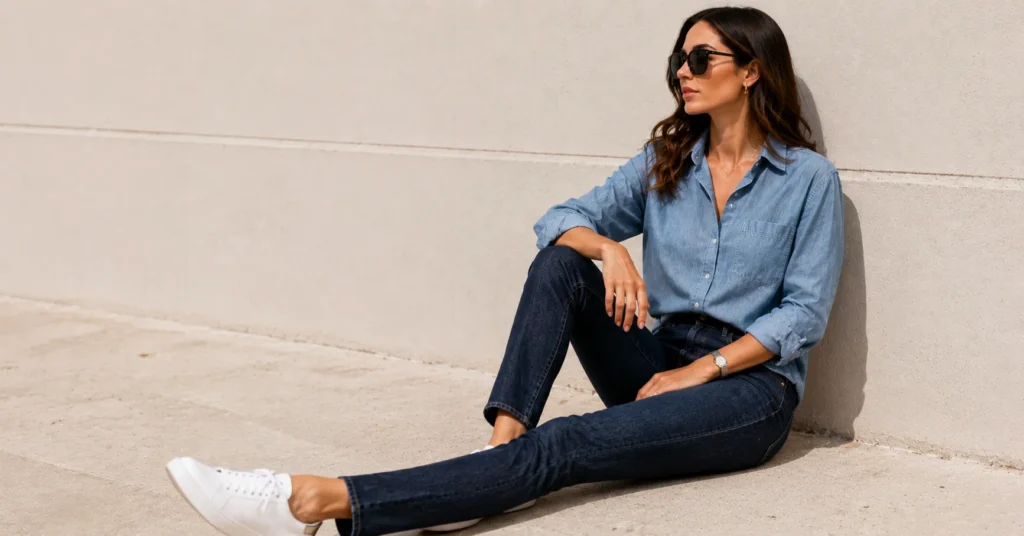
Fabric decides how a button shirt feels, how it drapes, and when you can wear it. The wrong material feels stiff or sheer. The right one breathes and holds its shape.
We judge button shirt fabrics by weave, weight, and season.
| Fabric | Feel | Best Season |
| Cotton poplin | Crisp, smooth | Year-round, office |
| Oxford cloth | Textured, durable | Year-round, casual |
| Chambray | Soft, denim-like | Spring, fall |
| Linen | Light, breathable | Summer |
| Flannel | Brushed, warm | Winter |
| Twill | Smooth, structured | Year-round |
For most shoppers, cotton poplin and Oxford cloth cover the widest range. Add linen for summer and flannel for winter once your basics are set.
Cotton Poplin and Oxford Cloth
Cotton poplin is the dress-shirt standard. Its tight, smooth weave presses crisp and reads polished, which makes it ideal for the office and formal events.
Oxford cloth is heavier and textured, with a subtle basketweave. It anchors the Oxford button shirt and leans casual, so it pairs well with chinos and jeans.
Bottom line: poplin for polish, Oxford for everyday durability.
Chambray and Linen
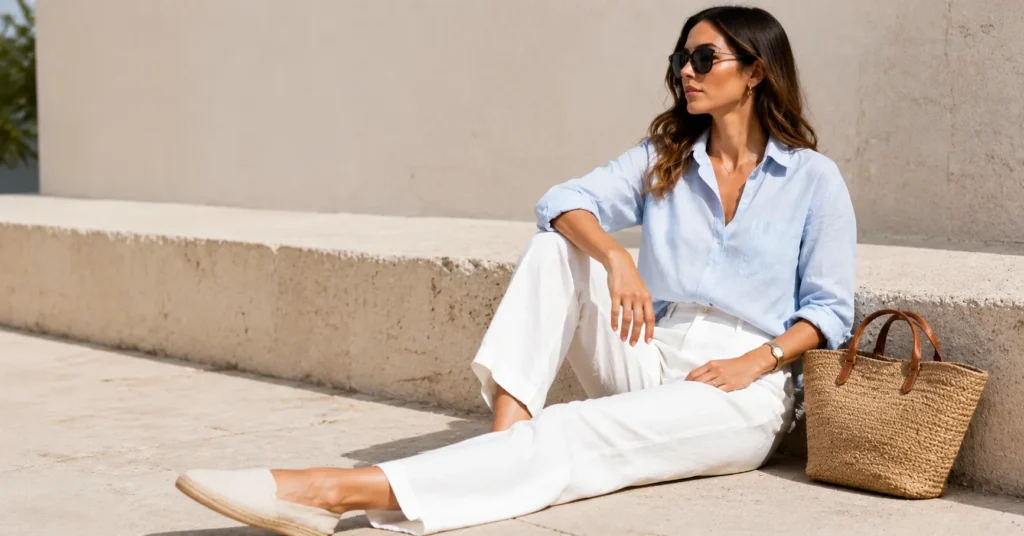
Chambray looks like denim but feels far softer and lighter. It gives a casual button shirt a relaxed, lived-in character that works for weekends and smart-casual days.
Linen is the summer hero. Its open weave breathes in heat and drapes loosely, though it wrinkles easily by design.
- Chambray: soft, durable, easy to style up or down.
- Linen: cool and breathable, best embraced with its natural creases.
Flannel and Twill
Flannel is brushed for warmth, which makes it a winter staple. It works as both a shirt and a light layer over a tee.
Twill has a fine diagonal weave that resists wrinkles and holds structure. It sits between poplin and Oxford in formality, so it flexes across many looks.
The Fit Guide: Getting the Shape Right
Fit decides whether a button shirt flatters or disappoints. A great fabric in the wrong cut still looks off. We break the fit into three zones that matter most.
| Fit Type | Silhouette | Best For |
| Slim fit | Close to the body | Lean frames, layering |
| Regular fit | Balanced, classic | Most body types |
| Relaxed fit | Roomy, easy | Comfort, casual looks |
| Tailored fit | Shaped waist | Polished, structured looks |
Most shoppers do best in a regular or tailored fit. Slim suits lean frames, while relaxed suits comfort-first, casual wear.
The Three Zones to Check
A shirt can look fine on the hanger and wrong on your body. We check three zones every time before buying.
- Shoulders: the seam should sit at the edge of your shoulder, not droop or pull.
- Chest: you should pinch about an inch of fabric at the side, no more, no less.
- Sleeve length: the cuff should end where your wrist meets your hand.
Quick tip: the shoulder seam is the hardest part to alter, so prioritize getting it right first. Everything else can be adjusted by a tailor.
Men’s Button Shirt Fit
A men’s button shirt should skim the torso without pulling at the buttons. Gaping between buttons signals the chest is too tight.
- Choose slim for a sharp, modern line on a lean frame.
- Choose regular for comfort and broad compatibility.
- Check the collar leaves room for one finger when buttoned.
Women’s Button Shirt Fit
A women’s button shirt often needs attention at the bust, where gaping is the most common issue. The right size and a touch of stretch solve it.
- Size for the bust first, then tailor the waist if needed.
- Look for shirts with princess seams for a shaped, flattering line.
- Consider a slight stretch blend to prevent button gaping.
Common mistake: buying down to a smaller size to nip the waist, which causes bust strain. Buy for the bust and shape the waist instead.
Styling Tips: Button Shirt Looks by Occasion
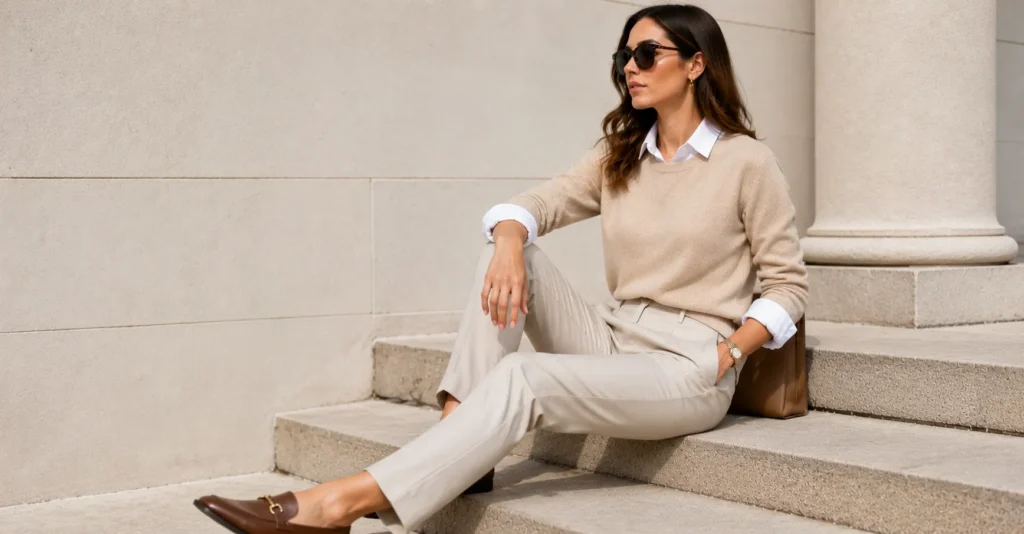
A great shirt deserves the right pairing. Below we match full outfits to common situations, so you can copy them directly. Each look balances fabric, collar, and fit.
| Occasion | Shirt Type | Bottom | Footwear |
| Office formal | Poplin point collar | Tailored trousers | Leather oxfords |
| Smart-casual | Oxford button shirt | Chinos | Loafers |
| Weekend casual | Chambray shirt | Jeans | White sneakers |
| Summer event | Linen shirt | Linen trousers | Espadrilles |
| Layered winter | Flannel shirt | Dark denim | Boots |
Swap colors to suit your wardrobe, and keep the structure intact. These pairings work across most closets.
Dressing It Up
For formal settings, the goal is crisp and clean. A poplin shirt with a point or spread collar does most of the work.
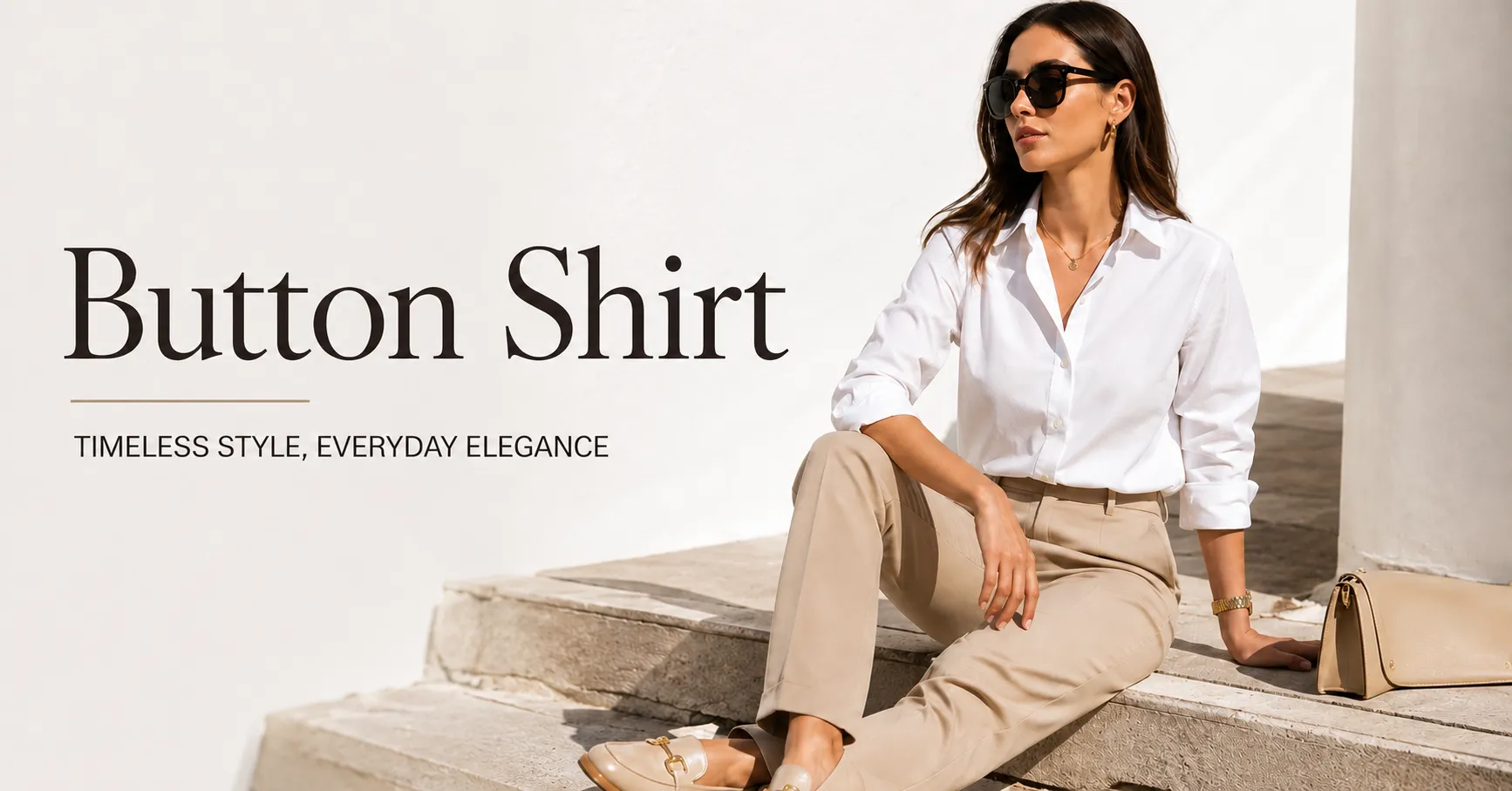
Tuck a poplin shirt into tailored trousers, add a leather belt, and finish with oxford shoes. Keep the colors restrained, like white or light blue, for the sharpest line.
Bottom line: smooth fabric, neat collar, and a clean tuck read instantly polished.
Dressing It Down
For casual looks, texture and ease lead. An Oxford button shirt or a chambray shirt brings relaxed character.
- Wear it open over a plain tee with jeans and sneakers.
- Roll the sleeves to the forearm for a lived-in feel.
- Leave it untucked, but keep the hem above mid-fly for a neat line.
Quick tip: rolling the sleeves twice to just below the elbow reads intentional, not sloppy.
Layering With a Button Shirt
The button-shirt layers better than almost any top. The collar and front placket add structure under knitwear and jackets.
- Under a crewneck sweater, with the collar and cuffs showing
- Under a blazer for smart-casual depth
- Open over a tee as a light jacket on mild days
Keep the layers in a cohesive color family so the outfit reads considered, not busy.
Choosing Colors and Patterns That Work Hardest
Color and pattern decide how versatile a shirt is. We guide your choices so each piece joins many outfits rather than sitting idle.
| Choice | Versatility | Why |
| White | Highest | Pairs with everything, formal or casual |
| Light blue | Very high | Softer than white, equally flexible |
| Light pink | High | Subtle, flattering, smart-casual |
| Thin stripe | High | Adds interest, still office-safe |
| Small check | Medium | Casual character, weekend-friendly |
Start with white and light blue. Those two cover the widest range of looks, then add a stripe or pattern for variety.
Why Neutrals Come First
A neutral shirt joins more outfits than a bold one. White and light blue read clean in formal settings and relaxed in casual ones.
That flexibility is why we always recommend building the base of your shirt collection in solids. Patterns add personality, but they pair with fewer pieces.
Adding Patterns Wisely
Patterns bring character once your solid base is set. The trick is to scale the pattern to the setting.
- Thin stripes: office-safe and slimming.
- Small checks: casual and weekend-friendly.
- Bold prints: statement pieces for relaxed occasions only.
Common mistake: buying a bold pattern before owning the basics. It limits how many outfits the shirt joins.
Common Mistakes and How We Fix Them
Button-shirt shopping has a few predictable traps. We name them directly, then give you the fix for each.
- Buttons gape at the chest or bust. The shirt is too tight there. Size up and tailor the waist instead.
- Shoulder seams droop. The shirt is too big up top. Prioritize shoulder fit, since it is hardest to alter.
- The shirt looks stiff and boxy. Wrong fit or heavy fabric. Choose a tailored cut in a softer weave.
- The collar reads wrong for the setting. A button-down at a formal event feels too casual. Match collar to occasion.
Run through this list before you buy. A quick check turns a frustrating shirt into a favorite.
A Quick Pre-Purchase Checklist
We use a short checklist to confirm a button-shirt is worth buying.
- Does the shoulder seam sit at the edge of my shoulder?
- Can I pinch about an inch of fabric at the chest?
- Does the collar suit where I plan to wear it?
- Is the fabric right for the season and formality?
- Will the color or pattern pair with what I own?
Five yeses mean you are ready to buy. This habit removes the guesswork from shirt shopping.
Caring for Your Button-Shirt
Care decides how long a button-shirt holds its shape and crispness. Cotton, linen, and flannel each respond to slightly different handling.
We follow these steps to protect the fabric and the fit.
- Wash in cold water on a gentle cycle to protect the fibers and color.
- Unbutton the shirt fully before washing to reduce strain on the placket.
- Skip high-heat drying, which shrinks cotton and stiffens fabric.
- Iron or steam while slightly damp for the crispest finish.
Bottom line: gentle washing and damp ironing keep a shirt looking new far longer.
Storing Shirts the Right Way
Storage matters as much as washing for keeping a shirt sharp. The wrong method creases the fabric or stretches the collar.
- Hang dress shirts on shaped hangers to protect the shoulders.
- Fold casual and knit-blend shirts to avoid hanger marks.
- Button the top button when hanging to keep the collar in shape.
A few minutes of care keeps the shirt ready to wear. The collar stays crisp, and the fabric holds its line.
Building a Button-Shirt Capsule Wardrobe
You do not need a closet full of shirts. A focused capsule gives you many outfits from a handful of pieces.
We recommend this starter set:
- One white poplin point-collar shirt for formal wear
- One light blue poplin shirt for the office and beyond
- One Oxford button-shirt for smart-casual days
- One chambray shirt for weekends
- One linen shirt for summer and one flannel for winter
These six shirts cover the office, weekends, events, and every season. Add the trousers, jeans, and shoes you already own for a full rotation.
Why a Capsule Saves Money and Time
A capsule removes the daily struggle of deciding what to wear. Each shirt mixes with the others, so every purchase earns its keep.
- You build more outfits from fewer items.
- You spend on quality basics instead of trend pieces.
- You get dressed faster, since everything coordinates.
That efficiency is the real value of the button-shirt. Few pieces work as both a standalone top and a layering base as well as this one.
Conclusion
A button shirt earns its place because it bridges formal and casual better than anything else you own. Choose the right collar for the setting, the right fabric for the season, and the right fit for your body. Get those three right, and the shirt works for years.
Here are your main takeaways:
- A point collar and poplin or Oxford fabric cover the widest range.
- Fit comes down to shoulders, chest, and sleeve length.
- Build your base in white and light blue, then add patterns.
- Gentle washing and proper storage protect the shape.
Your next step: start with one white poplin shirt that nails the shoulder fit, then build your capsule from there.
Frequently Asked Questions (FAQs)
What is the difference between a button up and a button down shirt?
A button up shirt is any shirt that fastens up the front with buttons. A button down shirt refers specifically to a collar whose points button to the shirt body. Every button down is a button up, but not the reverse.
What is the best fabric for a button shirt?
For everyday versatility, cotton poplin and Oxford cloth lead the way. Poplin presses crisp for formal wear, while Oxford cloth is durable and casual. Add linen for summer breathability and flannel for winter warmth.
How should a button shirt fit?
Check three zones. The shoulder seam should sit at the edge of your shoulder, you should pinch about an inch of fabric at the chest, and the cuff should end where your wrist meets your hand. Prioritize the shoulders, since they are hardest to alter.
What is an Oxford button-shirt?
An Oxford button-shirt uses textured Oxford cloth and usually features a button down collar. It reads smart-casual rather than formal, making it ideal for weekends, relaxed offices, and layering under knitwear with chinos or jeans.
How do I stop a women’s button shirt from gaping at the bust?
Size for the bust first, then tailor the waist for shape. Look for shirts with princess seams or a slight stretch blend, since both reduce the strain that causes button gaping across the chest.
Which collar type is the most versatile?
A point collar is the most versatile. Its narrow spread looks neat with or without a tie and flatters the widest range of face shapes, which makes it the safest first purchase for any wardrobe.
Can I wear a button-down collar with a suit?
You can for smart-casual settings, but avoid it with a formal suit and tie. The button-down collar reads casual, so it suits relaxed offices and weekends rather than black-tie or strict business occasions.
How many button shirts do I need?
A capsule of about six covers most occasions. One white and one light blue poplin, one Oxford, one chambray, one linen, and one flannel handle the office, weekends, events, and every season.
How do I keep a button-shirt looking crisp?
Wash in cold water, unbutton fully before washing, and skip high-heat drying. Iron or steam while the shirt is slightly damp for the crispest finish, and hang dress shirts on shaped hangers to protect the shoulders.
Is a button-shirt good for layering?
Yes. The collar and front placket add structure under sweaters, blazers, and jackets. Worn open over a tee, a casual button-shirt also doubles as a light layer on mild days, which makes it one of the most useful layering pieces you can own.