
Blue Outfits: The Timeless Color That Makes Everyone Look Effortlessly Stylish
I still remember the morning that changed my relationship with color forever. I was getting ready for an important interview one of those high-stakes moments where your heart beats a little faster and your reflection suddenly matters more than usual. I had pulled out my usual neutrals, the beige blazer, the black trousers, the safe white button-up. But nothing felt right. Everything seemed dull, uninspired, almost like I had dressed for someone else. In a moment of impulse, I reached for a deep navy blazer I rarely wore. It felt too bold for me, too “notice me.” But something inside nudged me to try it.
The moment I slipped it on, I stood up straighter. My complexion brightened. My energy shifted. I suddenly looked like the most confident version of myself not loud, not flashy, just quietly powerful. The interviewer later told me, “I noticed your blazer first. Blue is such a confident color.” I got the job.
That’s the thing about blue outfits. They have an effortless, almost magical ability to make us look polished without trying too hard. Blue is calming but authoritative, expressive yet reliable, bold yet classic. Whether it’s a sapphire evening gown, a chambray shirt, or your favorite worn-in jeans, blue has a place in every wardrobe and every season of life.
In this guide, we’ll explore why blue outfits work so well, how to style them with intention, what shades flatter different skin tones, how to build looks for real-life scenarios, and how to avoid the common mistakes that make blue outfits fall flat. Think of it as your personal stylist whispering friendly, practical tips not a rigid fashion rulebook. You’ll walk away with styling clarity, plenty of outfit inspiration, and renewed excitement for this universally flattering color.
Why Blue Outfits Never Go Out of Style

There’s a reason fashion houses like Ralph Lauren, Tom Ford, Chanel, and Dior return to blue season after season. Even fast-fashion favorites like Zara, H&M, and Uniqlo rely on this versatile shade because it has one key advantage that very few colors possess: it looks good on everyone.
Blue carries psychological associations that make it especially appealing in fashion. People instinctively view blue as trustworthy, calm, intelligent, confident, and sophisticated. In color psychology, navy is often linked to professionalism, royal blue to clarity and focus, and pastel blue to serenity and softness. Even denim the ultimate blue staple has become one of the most beloved fabrics on the planet, shaping entire cultural movements from vintage Levi’s to Gen Z oversized styles.
Because blue works across genders, ages, body shapes, and personal aesthetics, it naturally becomes a foundational color in closets. Whether you prefer minimalist neutrals, bohemian layers, contemporary streetwear, preppy classics, or luxury labels, there’s always a version of blue that enhances your style rather than competes with it.
But the real beauty of blue isn’t just its history or symbolism it’s how easy it is to build outfits around it. Blue plays well with almost everything: white, beige, black, gray, pink, gold, silver, emerald, mustard, burgundy. It can be a statement or a backdrop, a pop of vibrancy or a grounding element.
Blue isn’t just a color. It’s a fashion language.
Understanding the Shades of Blue and How They Influence Your Look
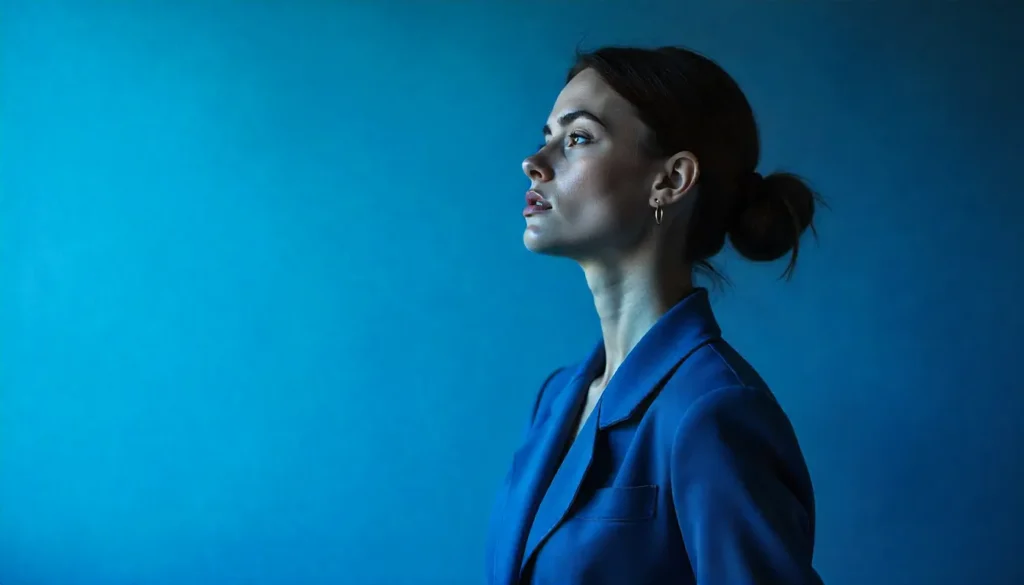
One of the reasons blue outfits work so well is because the color family is incredibly diverse. From baby blue to midnight navy, each shade carries its own personality, mood, and styling advantages.
Light blues like ice blue, sky blue, and pastel blue tend to evoke freshness and innocence. These tones reflect light beautifully, creating a soft glow that works well for spring and summer moods, romantic dates, daytime events, and casual styles.
Medium blues, such as cornflower, cobalt, or classic denim, add balanced energy. They’re bright enough to catch attention yet grounded enough to remain wearable in everyday settings. Many business-casual outfits use this shade range because it communicates clarity and confidence.
Deep blues like navy, midnight, and ink carry gravitas. They resemble black in versatility but feel warmer and more approachable. These are the blues that shine in formalwear navy suits, evening gowns, blazers, and structured coats because they instantly elevate the silhouette without overwhelming the wearer.
Choosing the right blue is less about trends and more about harmony. People with warm undertones tend to look great in rich, warm blues like teal or turquoise, while those with cool undertones glow in icy or sapphire shades. Neutral undertones have the rare advantage of wearing almost any blue effortlessly. If you’re unsure which you are, simply hold different blues near your face and see which makes your skin appear brighter, smoother, and more vibrant.
This intuitive approach to color matching is far more reliable (and more human) than rigid fashion rules.
How to Style Blue Outfits: A Simple, Real-World Approach
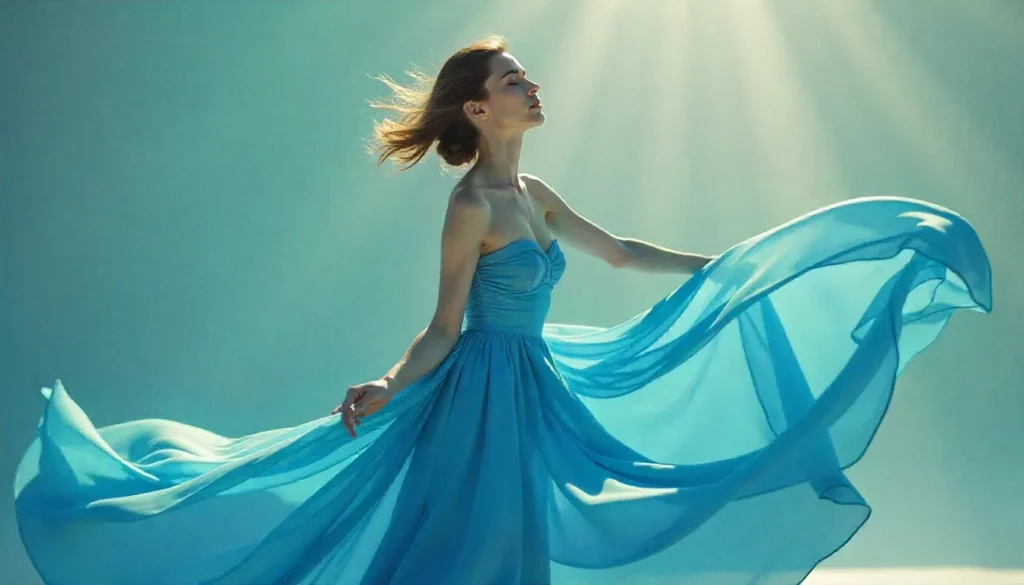
The secret to putting together great blue outfits isn’t about memorizing editorial styling formulas. It’s about understanding balance, layering, and intentional pairings. Think of blue as your starting canvas that welcomes creativity but also supports simplicity.
A classic combination is blue and white, which instantly creates a clean, crisp, nautical vibe. Imagine a white linen shirt tucked into dark-wash jeans or a sky-blue sundress paired with white sneakers. This pairing feels fresh no matter the season and works beautifully for travel, brunches, beach cities, and resort wear.
Blue and beige or camel are equally powerful. Brands like Max Mara have used camel tones for decades to create understated elegance, and when paired with navy or denim, the result feels expensive even on a budget. A navy sweater under a camel coat is the kind of outfit that turns heads quietly you don’t even need accessories for it to feel polished.
For bolder personalities, blue pairs surprisingly well with vibrant colors. Royal blue with mustard, cobalt with hot pink, navy with emerald it’s all about allowing one shade to lead while the other supports. Color blocking with blue adds contemporary flair without slipping into chaos.
The beauty lies in how these combinations can be adapted to your lifestyle. A student might style blue in the form of oversized denim jackets, cargo pants, or graphic tees. A corporate professional might choose blazers, sheath dresses, silk blouses, or tailored trousers. A creative individual might gravitate toward sapphire velvet, patterned kimono jackets, or statement accessories.
Blue adapts to you, not the other way around.
Blue Outfits for Every Occasion: Practical Examples You Can Use Today
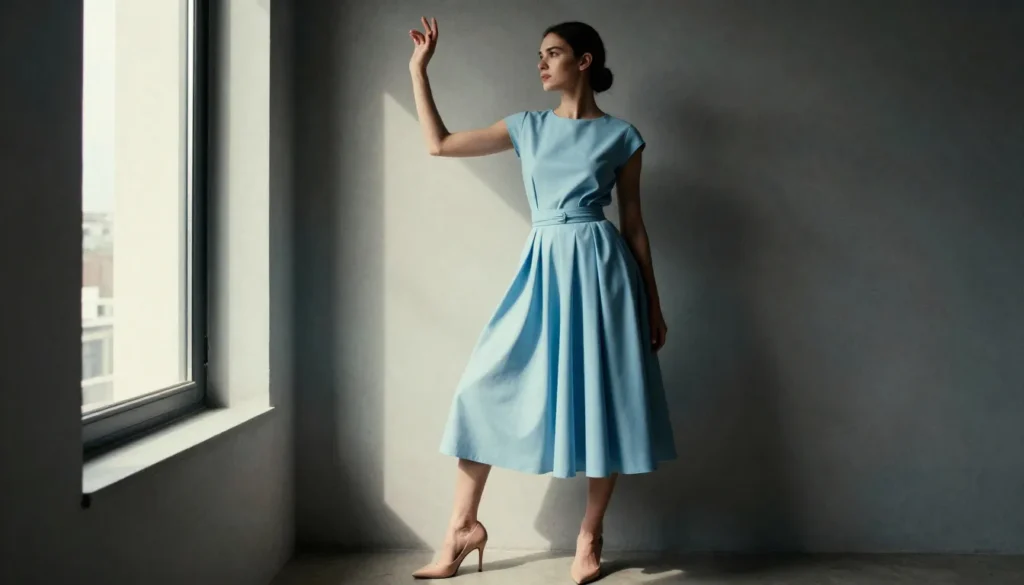
In everyday life, we encounter a range of situations where clothing communicates something essential about who we are. Blue is one of the few colors that seamlessly transitions across them all.
For work environments whether you’re in a law office, a startup, or a school a navy blazer is one of the most reliable wardrobe investments. Pair it with a white shirt for classic professionalism, or swap in a striped top for French-inspired chic. In more relaxed offices, an oversized cobalt sweater and tailored black trousers strike the perfect chord of comfort and modern style.
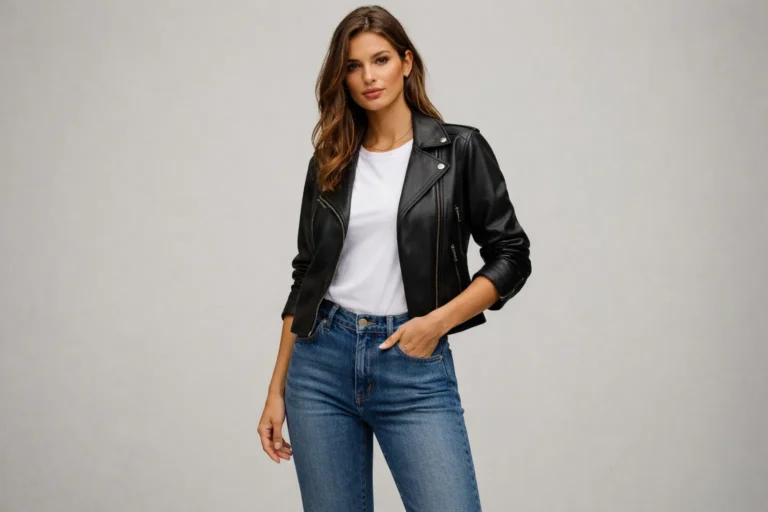
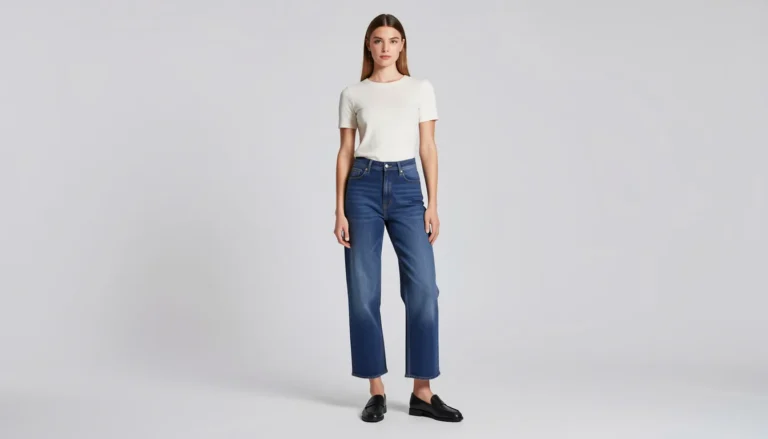
For casual weekends, nothing rivals denim. Whether you prefer straight-leg Levi’s, high-waisted Zara jeans, or vintage Wrangler styles, blue denim is the unofficial uniform of the world. Add a soft blue hoodie, chambray shirt, or denim-on-denim combination, and you’ve built an effortlessly cool look without overthinking.
For date nights or evening events, consider a navy slip dress, a sapphire cocktail dress, or even a velvet blazer paired with slim black trousers. Deep blue fabrics capture light in a way that feels luxurious and romantic, especially under dim lighting.
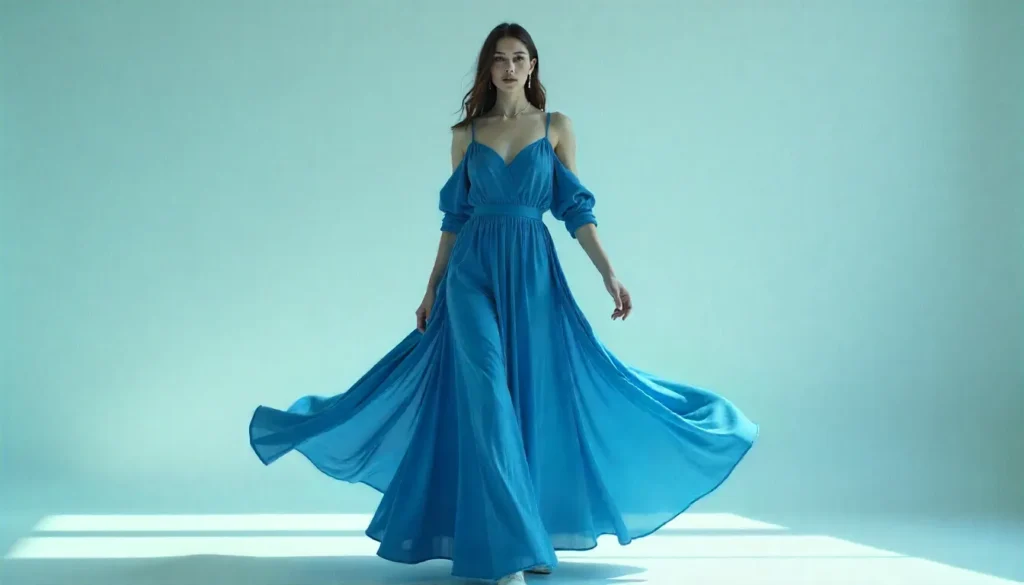
For vacations, blue is practically a theme of its own. Sky-blue maxi dresses, turquoise swimsuits, and striped navy tees feel right at home beside oceans, lakes, and blue-tinted pools. The color enhances the travel experience, making photos more vibrant and outfits easier to coordinate.
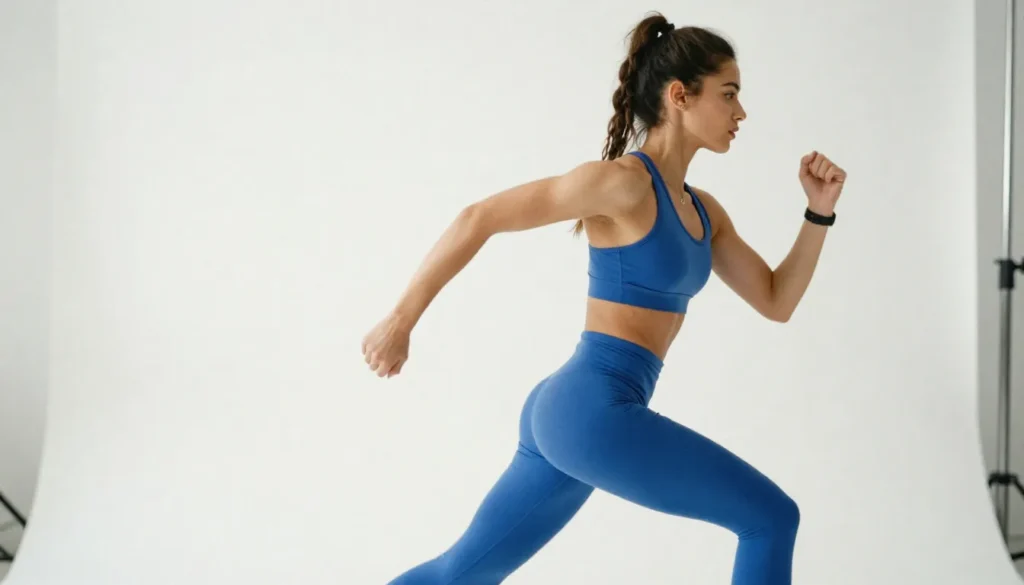
For fitness and athleisure, blue leggings or sports bras are flattering because the shade naturally contours and smooths the silhouette. Brands like Nike, Lululemon, and Gymshark frequently feature blue because it symbolizes strength and serenity two qualities perfect for workouts.
From boardrooms to beaches, blue quietly supports every version of your lifestyle.
Step-by-Step Guide to Building the Perfect Blue Outfit
Creating a cohesive blue outfit is not about following strict fashion rules it’s about layering intention, comfort, and self-expression. Start with choosing your main blue piece, whether it’s jeans, a dress, a blazer, or a sweater. This anchor determines both the mood and the color story you’ll build around.
From there, consider balance. If your anchor piece is bold think a bright cobalt dress keep supporting elements softer and more neutral. Pair it with nude heels, minimal jewelry, and a complementary bag. This maintains harmony without drowning the outfit in color overload.
Next, add textures. Blue truly shines when the fabric has depth. Denim provides rugged charm, silk offers fluid elegance, wool brings structured warmth, and linen creates breezy softness. Mixing textures, even within the same color family, makes the outfit look thoughtful without requiring extra effort.
Then consider contrast. Blue loves contrast. White creates crisp sharpness. Black adds drama. Metallic accessories especially silver for cool blues and gold for warmer tones tie the look together without pulling attention away.
Finally, evaluate proportion. Blue pieces, especially oversized denim or boxy blazers, can easily overwhelm your frame if not balanced with fitted or structured counterparts. If you wear a loose blue top, try fitted bottoms. If you wear wide-leg navy trousers, choose a structured or tucked-in top to keep the silhouette intentional.
This process takes minutes but produces outfits that look naturally chic and fully aligned with your personal style.
Common Mistakes People Make When Wearing Blue Outfits
Even the most wearable color comes with styling pitfalls. One common mistake is pairing too many conflicting shades of blue together without balancing them with grounding pieces. When mismatched, the outfit can accidentally look chaotic rather than cohesive.
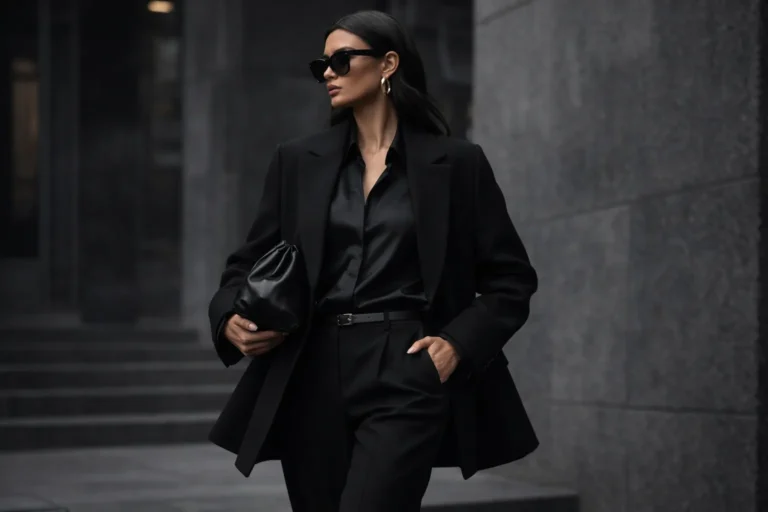
Another misstep is relying solely on black accessories when styling navy. While navy and black can look elegant when done intentionally, they easily clash if the hues are too close in darkness. This creates an almost-but-not-quite mismatch that visually confuses the eye.
Some people also default to the same shade of denim from head to toe. While denim-on-denim is a classic look made famous by icons like Justin Timberlake, Britney Spears, and Vogue editorials, it works best when there is either a clear contrast in washes or a perfectly matched tone. If the shades are slightly off, the outfit can appear unplanned.
Another common mistake is choosing the wrong undertone of blue for your complexion. A pastel blue that flatters someone with cool undertones may wash out someone with warm undertones. Similarly, a rich sapphire may overwhelm someone with very fair skin unless balanced with softer colors.
Finally, people sometimes forget that blue can stain or fade if not cared for properly. Denim, in particular, needs gentle washing to maintain its color integrity. Avoiding these small missteps helps your blue outfits look fresher, more intentional, and longer lasting.
Blue Outfit Product Recommendations That Truly Make a Difference
There are certain blue wardrobe staples that repeatedly prove their value. A well-fitting pair of dark-wash jeans from Levi’s, AG, Everlane, or Madewell creates the foundation for countless looks. A navy blazer from Banana Republic, Theory, Zara, or J.Crew offers instant polish for work or dinner outings.
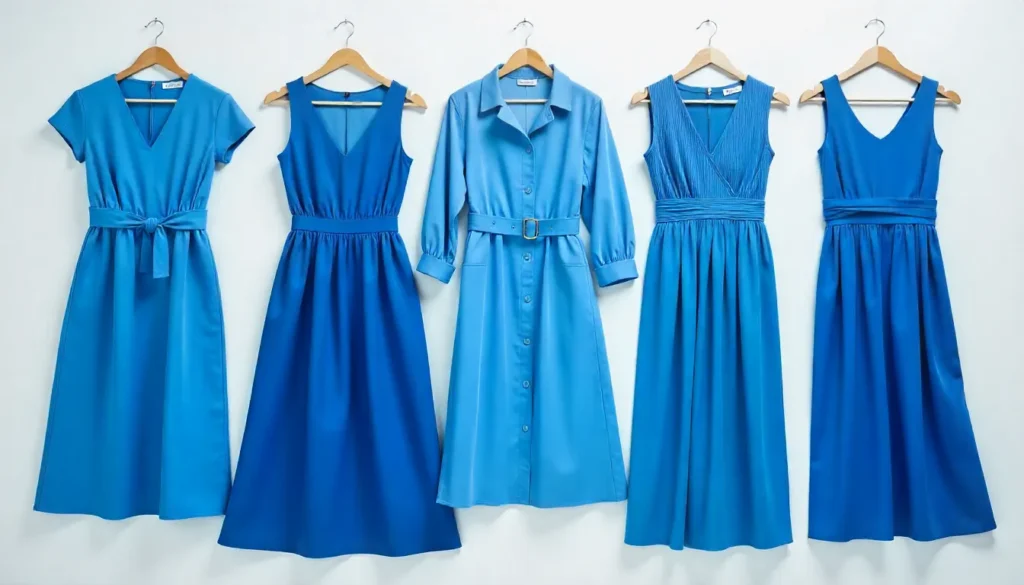
For dresses, brands like Reformation, Anthropologie, and ASOS excel at offering a range of blue silhouettes from floral midis to satin slips that flatter different body shapes. For outerwear, look toward Massimo Dutti, Mango, and COS for navy wool coats, puffer jackets, and tailored trench options.
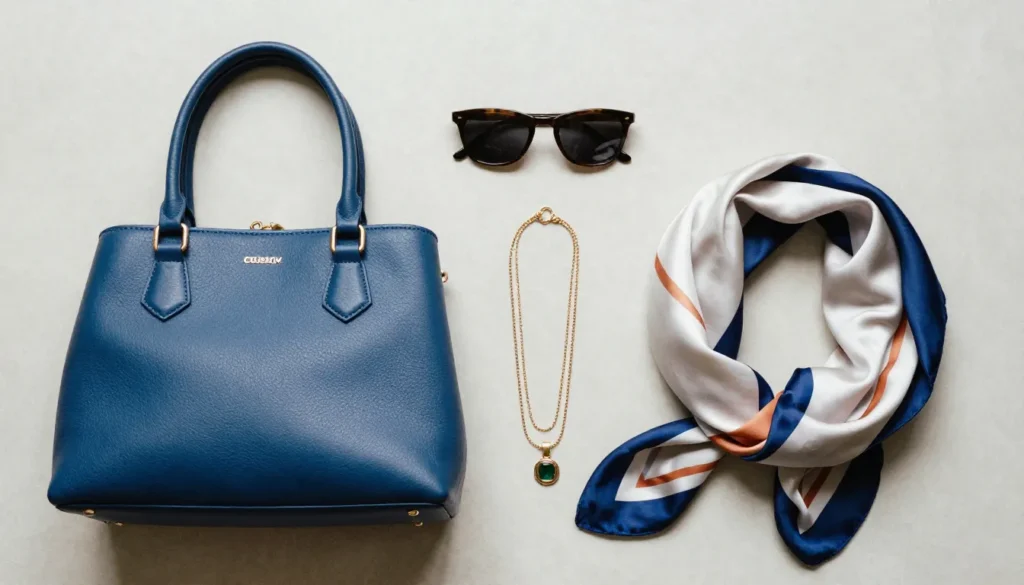
Footwear-wise, blue loafers or sneakers from New Balance, Adidas, or Cole Haan add subtle interest without overwhelming the outfit. Accessories like blue scarves, crossbody bags, and even gemstone jewelry (lapis lazuli, sapphire, tanzanite) enhance the color story effortlessly.
These recommendations aren’t sponsored or restricted to trends they’re evergreen pieces that genuinely make styling easier.
Real-World Cases: How Blue Outfits Transform Everyday Lives
Fashion isn’t superficial it shifts how we show up in the world. Take the example of professionals who rotate between client meetings and remote work. A navy blazer thrown over a white tee can instantly elevate an otherwise casual video call outfit, enhancing perceived credibility.
Students often rely on denim for comfort and durability. A single high-quality pair of blue jeans can last years, making it one of the most sustainable choices in their wardrobes. Paired with hoodies, flannels, or cropped tops, this staple adapts to changing trends effortlessly.
Travelers frequently choose blue because of how well it photographs. Pastel blue dresses pop against tropical scenery, midnight blue suits complement urban nightlife landscapes, and denim jackets create that timeless traveler aesthetic.
Even creatives, such as designers, artists, and photographers, use blue intentionally because of how it interacts with light. Blue tones adapt to changing lighting conditions, giving an outfit depth and dimension that often stands out in photoshoots or portfolio showcases.
When used intentionally, blue becomes not just clothing, but a tool for expression, confidence, and storytelling.
Comparison: Blue Outfits vs. Neutral or Black Wardrobes
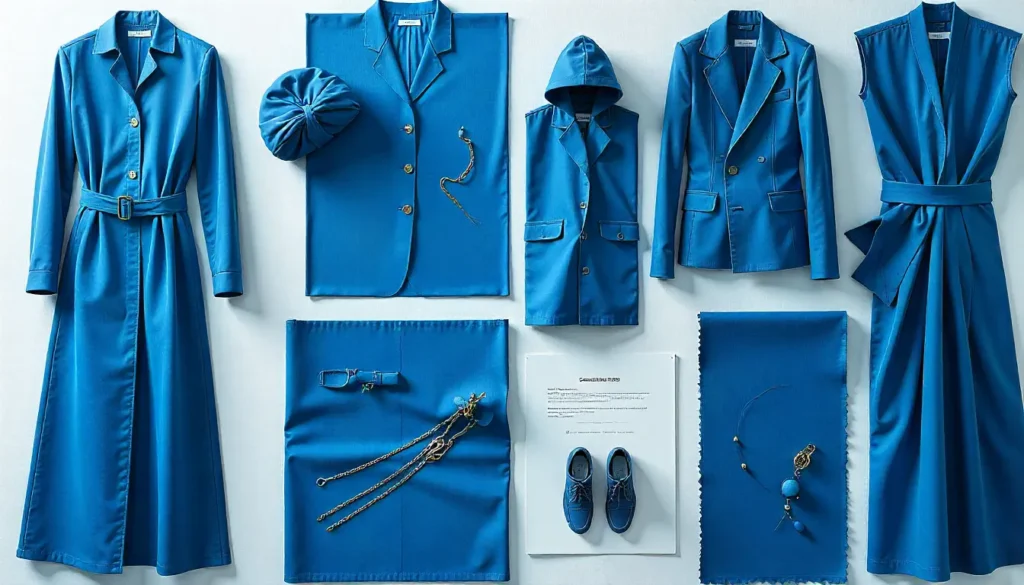
Neutral wardrobes typically made up of white, beige, tan, gray are beloved for their minimalistic charm. They go with everything and create soft, understated looks. However, they sometimes lack the depth that blue naturally offers. Neutrals can flatten the silhouette, while blue adds subtle contrast that brings life back into the outfit.
Black, on the other hand, is powerful, sharp, and undeniably elegant. Yet black can feel harsh in daylight or overly formal for relaxed environments. Blue solves that dilemma. Navy, in particular, has the same slimming effect as black but appears softer, more inviting, and more dimensional.
In essence, blue blends the best of both worlds: the versatility of neutrals and the sophistication of black, while adding warmth, energy, and relatability.
The Emotional Impact of Wearing Blue
Beyond the aesthetics and practicality, blue influences how we feel. Studies in color psychology suggest that blue can lower stress, encourage clarity of thought, and improve confidence. This may explain why so many uniforms, tech brands, and corporate dress codes use blue it naturally communicates dependability and intelligence.
When you wear blue, you often feel calmer, more grounded, and more focused. This emotional alignment makes it easier to move through your day with intention and ease. Clothes affect mindset, and blue is a tool many people use without even realizing it.
Whether you’re starting a new job, going on a first date, or simply trying to build a wardrobe you genuinely love, blue offers emotional support alongside visual appeal.
Conclusion
Blue outfits are more than a fashion choice—they’re an expression of confidence, comfort, and timeless style. Whether you gravitate toward soft pastels, bold cobalt, rich navy, or the everyday ease of denim, blue has a remarkable way of adapting to your personality, lifestyle, and mood. It elevates your natural features, pairs effortlessly with other colors, and works across every season and occasion without ever feeling outdated. By understanding how different shades behave, how to balance textures and proportions, and how to style blue with intention, you unlock a wardrobe that feels more cohesive, expressive, and truly you. Let blue be the color that simplifies your mornings, energizes your outfits, and inspires you to dress with confidence. And as you explore new combinations, embrace the freedom to experiment after all, blue isn’t just a color, it’s a feeling that meets you wherever you are.
FAQs
Why does blue look good on everyone?
Blue reflects natural light in a flattering way and has a wide range of undertones, making it easy to match with different skin tones.
Can I wear blue and black together?
Yes, but choose distinct shades to avoid a near-match that looks unintentional. Pair deep navy with true black for a modern, Parisian-inspired look.
Is denim-on-denim outdated?
Not at all. It’s timeless when done with either matching washes or intentional contrast.
Which shade of blue should I choose for formal events?
Navy, midnight, and sapphire offer elegance, depth, and a polished finish perfect for eveningwear.
What accessories go best with blue?
Silver complements cool blues, while gold enhances warm blues. White, nude, black, and metallics pair beautifully with almost all shades.