
Chic and Warm Winter Office Outfits: Your Complete Style Guide

Finding the perfect winter office outfits can feel like an impossible puzzle. When the temperature drops below freezing, your first instinct is usually to wrap yourself in the thickest blanket you own. However, showing up to your morning meeting in a giant puffer coat and snow pants does not exactly scream professionalism.
We know how hard it is to strike the right balance between staying warm during a freezing commute and remaining comfortable in an overheated office building. You need clothing that looks sharp, feels cozy, and adapts to rapidly changing indoor and outdoor temperatures.
In this comprehensive guide, we will break down exactly how to build a functional, stylish, and warm winter work wardrobe. You will learn the secrets of strategic layering, discover the best cold-weather fabrics, and get actionable styling tips to help you conquer the workweek in style.
The Challenge of Dressing for the Office in Winter
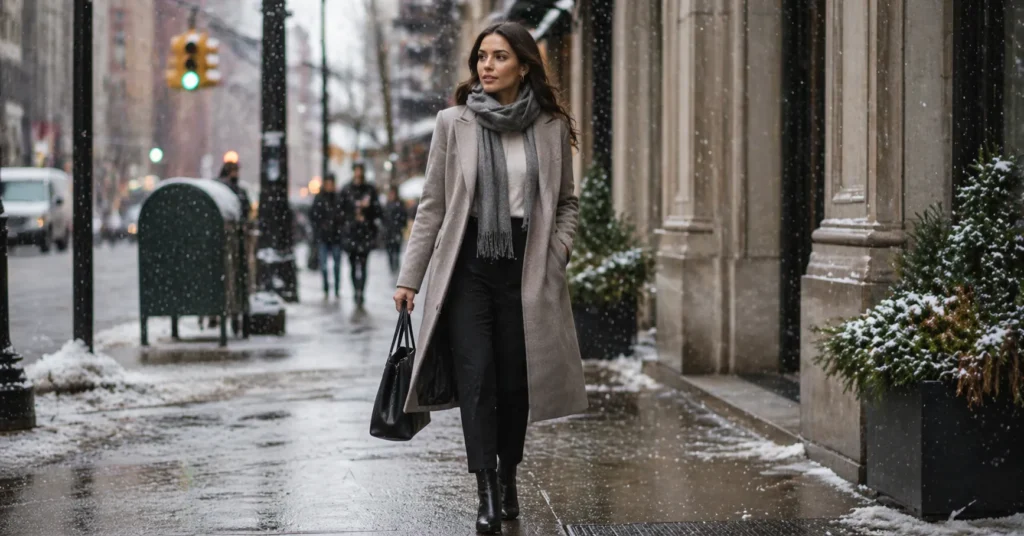
Winter weather presents a unique set of styling challenges for professionals. You are not just dressing for one temperature; you are dressing for at least three different environments throughout the day.
Commuting in the Cold vs. Overheated Offices
First, you have the commute. Whether you walk, take the subway, or wait for a bus, you face biting winds, snow, and freezing rain. You need heavy insulation to survive the journey.
Next, you enter the office. Most commercial buildings crank up their central heating during the winter months. If you wear a heavy wool sweater without a proper base layer, you will spend the entire day sweating at your desk.
The secret to conquering this extreme temperature shift lies in your fabric choices and your layering strategy.
Key Fabrics for Winter Workwear
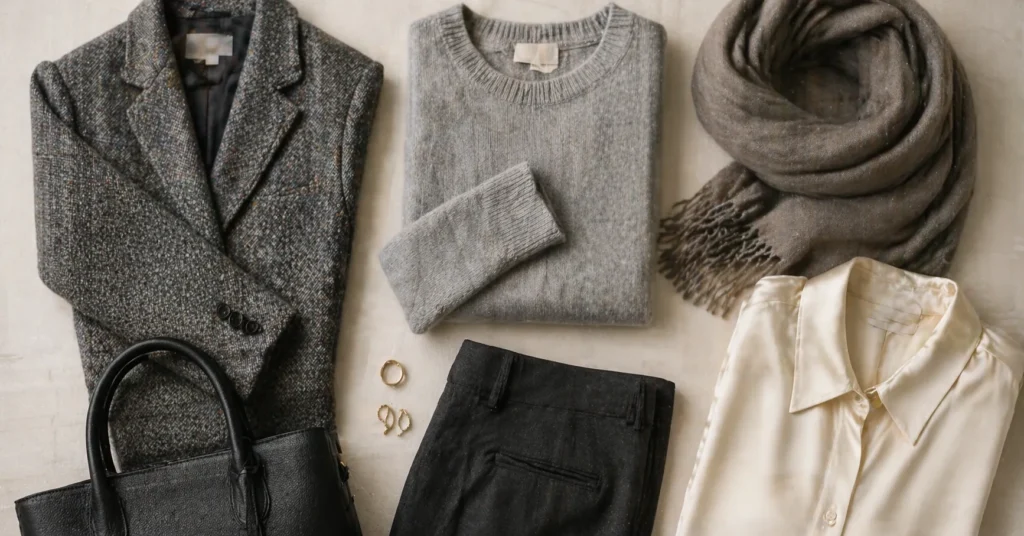
Not all fabrics are created equal when it comes to winter office outfits. Some materials trap heat effectively, while others leave you shivering. To build a solid winter wardrobe, you must check the tags on your clothing.
Here is a breakdown of the best fabrics to look for when shopping for winter workwear:
| Fabric Type | Best For | Benefits | Care Level |
| Merino Wool | Sweaters, trousers, socks | Highly breathable, temperature-regulating, thin but warm. | Medium (Hand wash or gentle cycle) |
| Cashmere | Premium sweaters, scarves | Incredibly soft, provides superior insulation without bulk. | High (Dry clean or hand wash) |
| Heavy Cotton | Button-down shirts, base layers | Easy to clean, breathable, great for layering under wool. | Low (Machine washable) |
| Silk | Base layer camisoles, blouses | Traps body heat close to the skin, slides easily under heavy knits. | High (Dry clean or delicate wash) |
| Tweed | Blazers, structured skirts | Thick, durable, adds rich texture to professional outfits. | High (Dry clean only) |
Essential Winter Office Outfits to Build Your Wardrobe
You do not need an endless closet to look great every day. By investing in a few core outfit formulas, you can mix and match pieces to create weeks of stylish winter office outfits.
The Sweater Dress and Boots Combo
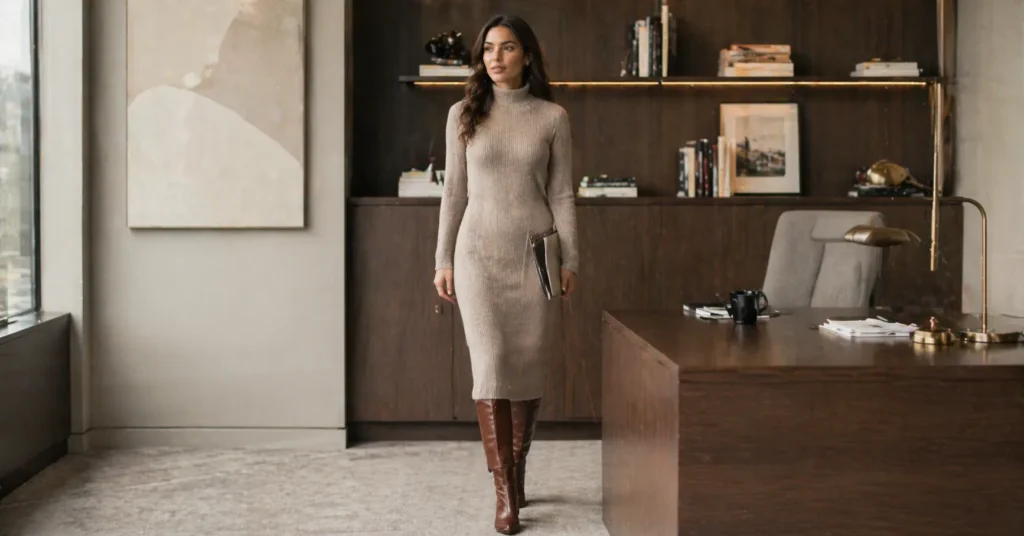
The sweater dress is the ultimate winter workwear hack. It feels exactly like wearing a massive, cozy sweater, but it looks incredibly polished and put-together.
- How to style it: Choose a ribbed midi-length sweater dress in a neutral tone like charcoal, camel, or forest green.
- The accessories: Pair the dress with thick, opaque fleece-lined tights and knee-high leather boots.
- The benefit: This outfit provides full-body warmth, requires zero color-matching effort in the morning, and looks highly professional.
Tailored Wool Trousers and Cashmere Turtlenecks
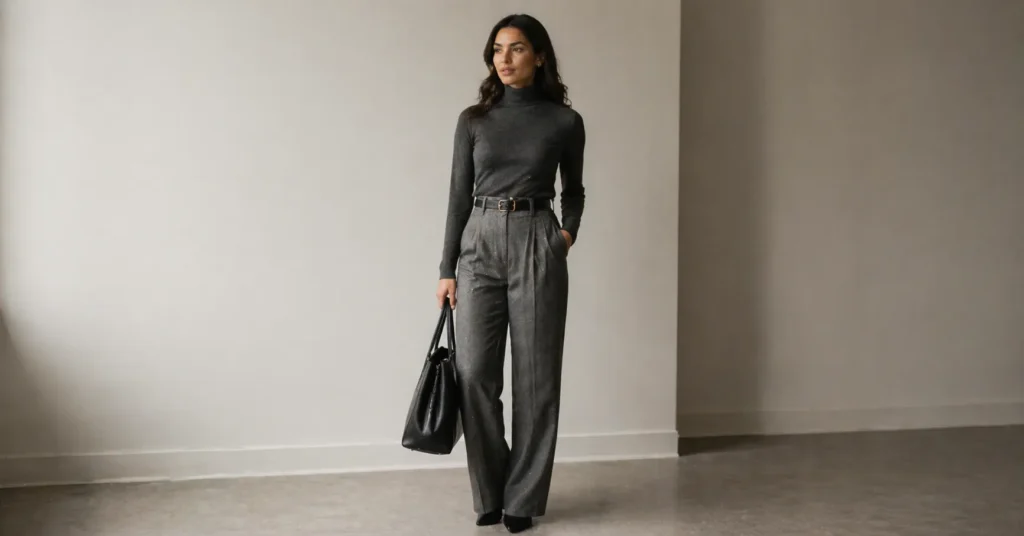
If you want to look instantly sophisticated, reach for a high-quality turtleneck. A thin cashmere or merino wool turtleneck offers incredible warmth without making you look bulky.
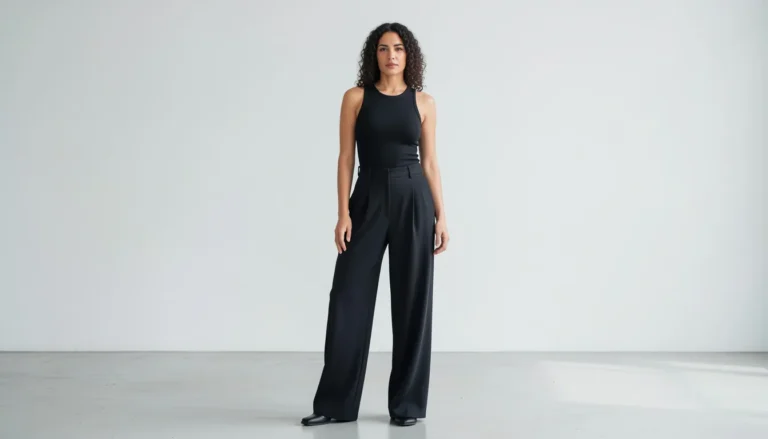
- How to style it: Tuck a fitted black or ivory turtleneck into high-waisted, wide-leg wool trousers.
- The accessories: Add a sleek leather belt to define your waist and finish the look with pointed-toe ankle boots.
- The benefit: The wool trousers block the wind during your commute, while the breathable turtleneck prevents you from overheating at your desk.
The Layered Blazer Look

Blazers are a year-round office staple, but in winter, you need to adjust how you wear them. Lightweight linen blazers must go into storage, making way for heavier wool, herringbone, or tweed options.
- How to style it: Start with a crisp, long-sleeve cotton button-down shirt. Layer a thin v-neck sweater over the shirt, and top it all off with an oversized wool blazer.
- The accessories: Pair this layered top with dark, tailored denim (if your office allows) or slim-cut black trousers and classic loafers.
- The benefit: You can easily remove the blazer or the sweater if the office heating kicks into overdrive.
Midi Skirts with Chunky Knits
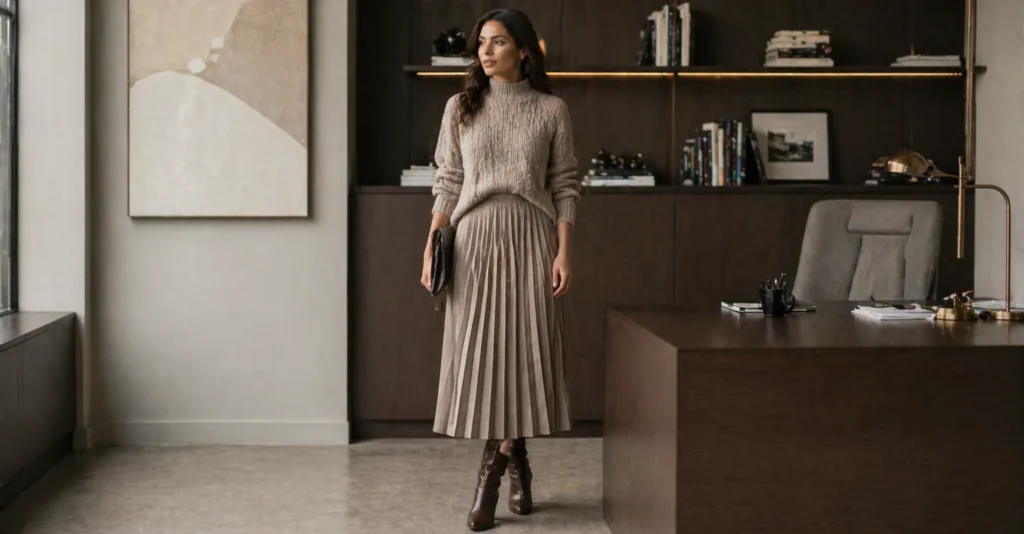
You do not have to pack away your skirts just because it snows. You can easily adapt midi skirts for winter wear.
- How to style it: Take a pleated midi skirt or a structured wool pencil skirt and pair it with a slightly oversized, chunky knit sweater. Do a “French tuck” (tucking just the front of the sweater into the waistband) to maintain your shape.
- The accessories: This look requires warm legs. Invest in thermal tights and pair them with knee-high suede boots.
- The benefit: This creates a beautiful contrast of textures—the heavy knit against the flowing skirt—making you look like a fashion insider.
How to Master the Art of Layering
Strategic layering forms the foundation of all successful winter office outfits. If you simply throw a massive coat over a thin shirt, you will freeze outside and roast inside.
Step 1: Base Layers That Breathe
Your base layer sits directly against your skin. Its primary job is to regulate your body temperature and wick away any sweat. Silk camisoles, thin cotton long-sleeve tees, or lightweight thermal tops work best. Avoid synthetic materials like cheap polyester, which trap sweat and cause odor.
Step 2: Insulating Mid-Layers
This layer provides your primary source of warmth. This is where your cashmere sweaters, wool cardigans, and tailored vests come into play. Ensure your mid-layer fits comfortably over your base layer without bunching up in the sleeves.
Step 3: Professional Outerwear
Your outerwear must look just as professional as the clothes underneath. A neon ski jacket ruins the sleek vibe of a tailored suit. Invest in a high-quality wool overcoat, a classic trench with a thermal lining, or a long, tailored down coat in a neutral color like black, navy, or camel.
Winter Office Footwear That Actually Works
Winter footwear often forces professionals to choose between style and safety. Icy sidewalks demand heavy tread, but office dress codes demand sleek silhouettes.
The Commuter Shoe Strategy
The most practical solution is the two-shoe method. Wear heavy-duty, waterproof snow boots for your commute. Keep a pair of classic pumps, leather loafers, or sleek flats in a drawer at your desk. Simply swap your shoes when you arrive. This keeps your office clean from salt and slush, and it preserves the life of your nice dress shoes.
Stylish yet Slip-Resistant Options
If you refuse to carry a second pair of shoes, you must buy footwear that bridges the gap.
- Leather Chelsea Boots: Look for options with a rubber lug sole. They offer excellent traction but look sharp under wide-leg trousers.
- Block-Heel Ankle Boots: A thick block heel provides much better stability on wet pavement than a stiletto. Ensure the bottom has a textured rubber grip.
- Waterproof Suede Boots: Many modern shoe brands treat their suede to resist water and salt. A knee-high waterproof boot pairs perfectly with winter dresses.
Adapting Your Outfits for Different Office Dress Codes
Every workplace handles dress codes differently. Here is how to adapt your winter wardrobe to fit your company’s specific culture.
Business Professional
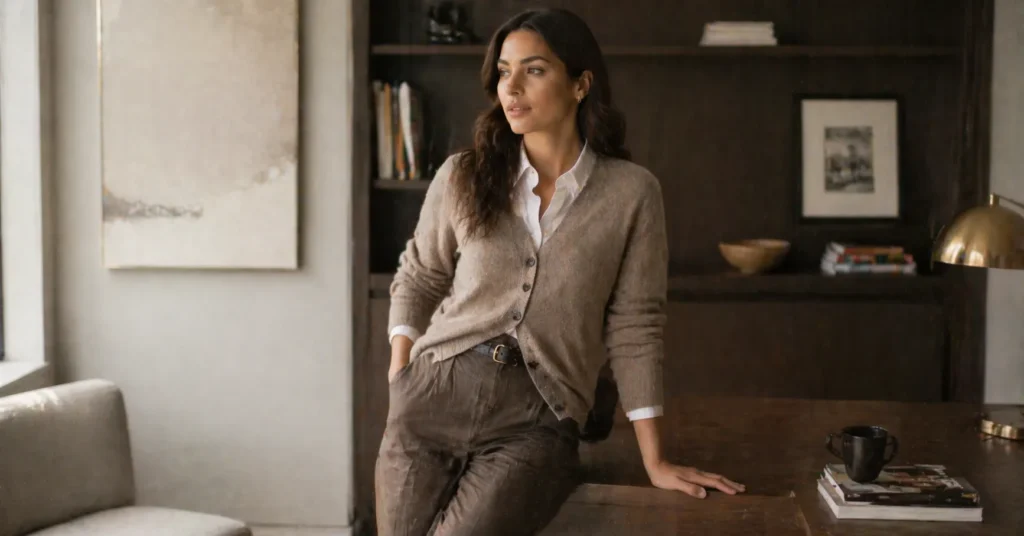
If you work in a traditional corporate environment like law or finance, you must maintain a formal appearance.
- Swap standard cotton suits for heavy wool blend suits.
- Wear fine-knit merino wool sweaters under your suit jackets instead of thin blouses.
- Stick to dark, conservative colors like charcoal, navy, and deep burgundy.
Business Casual
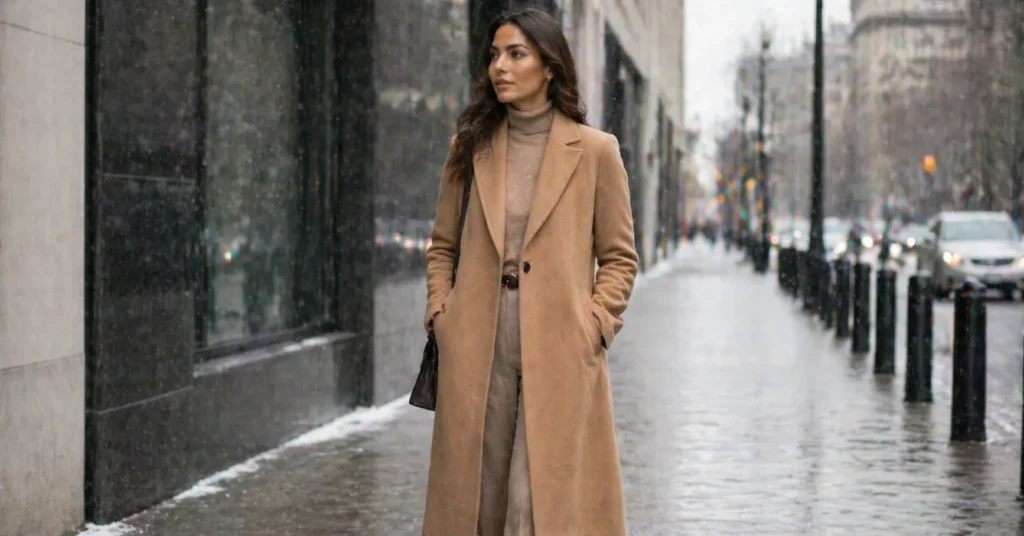
Business casual allows for much more flexibility.
- Mix and match textures, like pairing a tweed blazer with soft corduroy trousers.
- Introduce richer winter colors, such as emerald green, mustard yellow, and plum.
- Wear elegant sweater dresses with tailored cardigans.
Smart Casual
In a creative or relaxed office, you can blend comfort with style.
- Pair dark, non-distressed jeans with a cashmere hoodie and an oversized blazer.
- Wear high-quality Chelsea boots or pristine leather sneakers.
- Experiment with oversized knitwear and statement scarves.
Must-Have Winter Accessories
Accessories do more than just complete your outfit; in winter, they serve a vital survival function.
Scarves
A thick blanket scarf can double as a shawl if your office feels drafty. Keep a neutral-colored wrap draped over your desk chair for emergencies.
Fleece-Lined Tights
These are the holy grail of winter office outfits. They look exactly like sheer black pantyhose on the outside, but they feature a thick, warm fleece lining on the inside. They allow you to wear skirts and dresses in twenty-degree weather without suffering.
Professional Gloves
Ditch the bulky ski mittens. Invest in a pair of sleek, touchscreen-compatible leather gloves. They protect your hands from the wind while maintaining a polished, executive appearance.
Conclusion
Building a collection of stylish winter office outfits does not require sacrificing your comfort or your fashion sense. By focusing on high-quality fabrics like wool and cashmere, mastering the art of strategic layering, and investing in versatile staples like sweater dresses and tailored trousers, you can create a cold-weather wardrobe that works for you. Remember to prioritize functional footwear and keep a backup layer at your desk for those unpredictable office temperatures. With a little planning, you can step out into the freezing air looking chic, professional, and perfectly warm.
Frequently Asked Questions (FAQs)
What is the warmest fabric for winter office outfits?
Cashmere and merino wool are the best options. They provide exceptional insulation, regulate your body temperature, and remain thin enough to look highly professional without adding unwanted bulk to your silhouette.
How can I wear skirts to the office in the winter?
The secret to wearing skirts in winter is investing in fleece-lined tights. Pair these warm tights with knee-high or over-the-knee leather boots to cover as much exposed skin as possible. Top the look with a heavy wool midi skirt to block the wind.
Is it acceptable to wear boots in a professional office?
Yes, boots are perfectly acceptable in most offices, provided they are clean and styled correctly. Opt for sleek leather or suede ankle boots, knee-high riding boots, or tailored Chelsea boots. Avoid wearing heavy snow boots or furry winter boots inside the office.
How do I stop sweating when I get to the office?
You must dress in removable layers. Wear a breathable base layer (like a cotton or silk blouse) under a warm mid-layer (like a wool cardigan or blazer). When you arrive at the overheated office, simply remove the heavy outer layers to adjust to the indoor temperature.