Europe Vacation Outfits Women: The Ultimate Guide to Stylish Travel Looks
Europe Vacation Outfits Women are all about combining comfort, elegance, and versatility for every destination. Packing for an international trip often feels overwhelming. You want to look stylish in your photos while remaining comfortable enough to walk miles every day. Finding the perfect europe vacation outfits women can rely on makes all the difference in your travel experience. You need versatile pieces that handle changing weather, cobblestone streets, and strict dress codes at historic sites.
When you build a smart travel wardrobe, you save space in your luggage and reduce daily outfit stress. You also blend in better with the locals, allowing you to experience the culture more authentically. This guide will walk you through everything you need to know to pack perfectly for your upcoming European getaway. We will cover seasonal dressing, comfortable footwear, and the secret to building a travel capsule wardrobe.
Why Packing the Right Clothes for Europe Matters
Traveling across Europe presents unique wardrobe challenges. You might start your morning exploring a breezy coastal town and end the evening at a formal restaurant in a bustling capital. Your clothing needs to adapt quickly.
First, cobblestone streets dominate many historic city centers. If you pack the wrong shoes, you risk painful blisters or twisted ankles. Second, many popular tourist destinations, especially religious sites in Italy and Spain, enforce strict dress codes. You must cover your shoulders and knees to enter. Finally, European fashion generally leans more polished and tailored than typical American casual wear. By upgrading your travel basics, you avoid looking like an obvious tourist. This guide to Europe Vacation Outfits Women will help you pack smarter while looking effortlessly chic.
Building a Travel Capsule Wardrobe
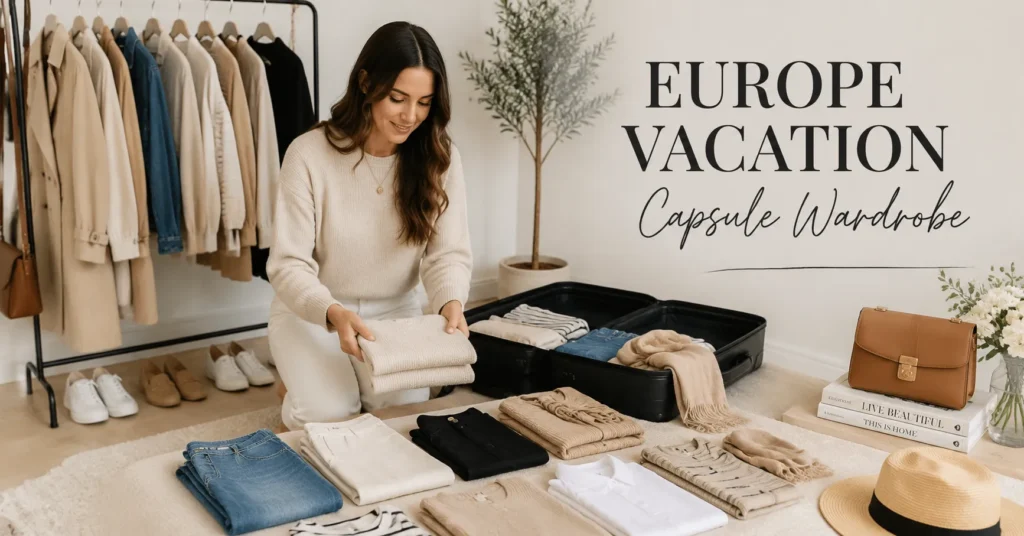
The most effective way to pack for Europe is by creating a capsule wardrobe. This strategy involves packing a limited number of interchangeable clothing items. By mixing and matching these pieces, you can create dozens of unique outfits from just a few garments. A well-planned capsule wardrobe is the foundation of Europe Vacation Outfits Women.
Choosing a Core Color Palette
Choosing coordinating colors makes Europe Vacation Outfits Women much easier to style. Start by selecting a base color for your wardrobe, such as black, navy, or beige. Ensure that all your pants, skirts, and jackets coordinate with this base. Once you have your neutrals set, pick one or two accent colors. This strategy ensures that every top matches every bottom in your suitcase.
Selecting Versatile Tops and Bottoms
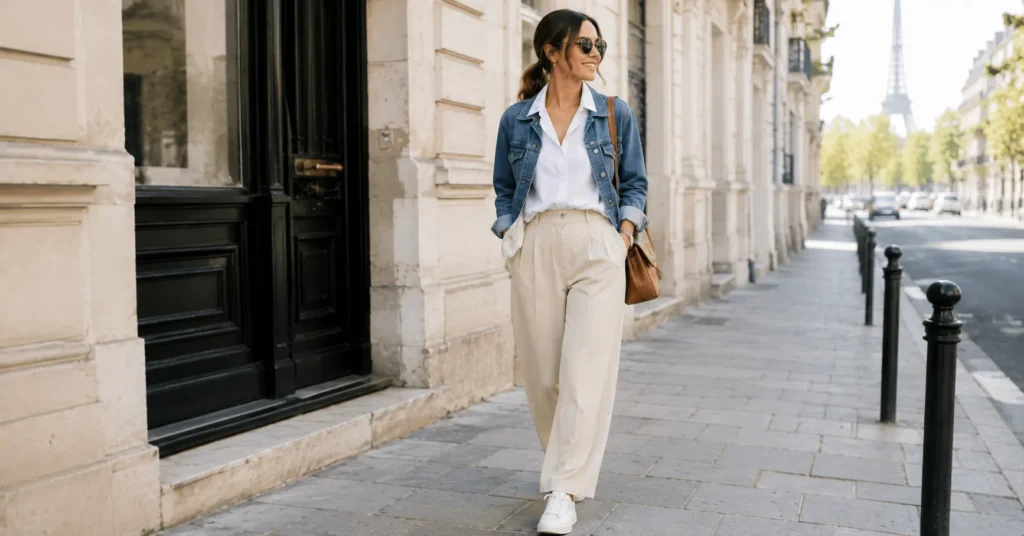
Versatile clothing pieces are essential for creating Europe Vacation Outfits Women that work from morning to night. Pack items that you can easily dress up or down. A classic white button-down shirt works over a swimsuit at the beach, tucked into trousers for a museum visit, or tied over a dress for dinner.
- Tops: Bring breathable cotton t-shirts, a lightweight sweater, and a nice blouse for evenings.
- Bottoms: Pack a pair of comfortable walking trousers, dark-wash jeans, and a versatile midi skirt.
- Dresses: A simple black midi dress is a travel lifesaver. You can wear it with sneakers during the day and dress it up with jewelry at night.
Investing in quality basics makes Europe Vacation Outfits Women more practical and fashionable.
Seasonal Outfit Ideas for European Destinations
Europe experiences distinct seasons, and the climate varies wildly from the Mediterranean coast to the Nordic regions. You must pack appropriately for your specific travel dates.
Spring and Summer Looks
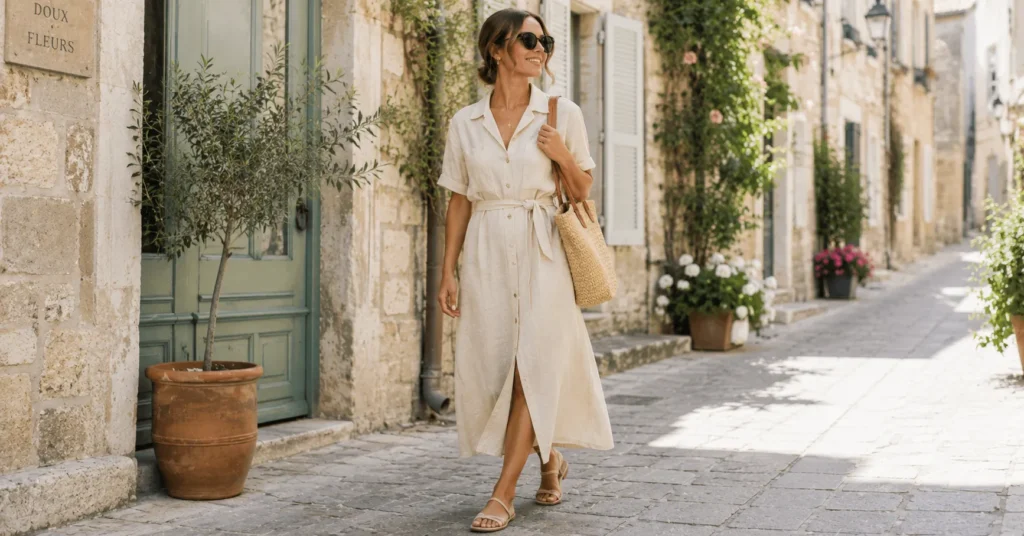
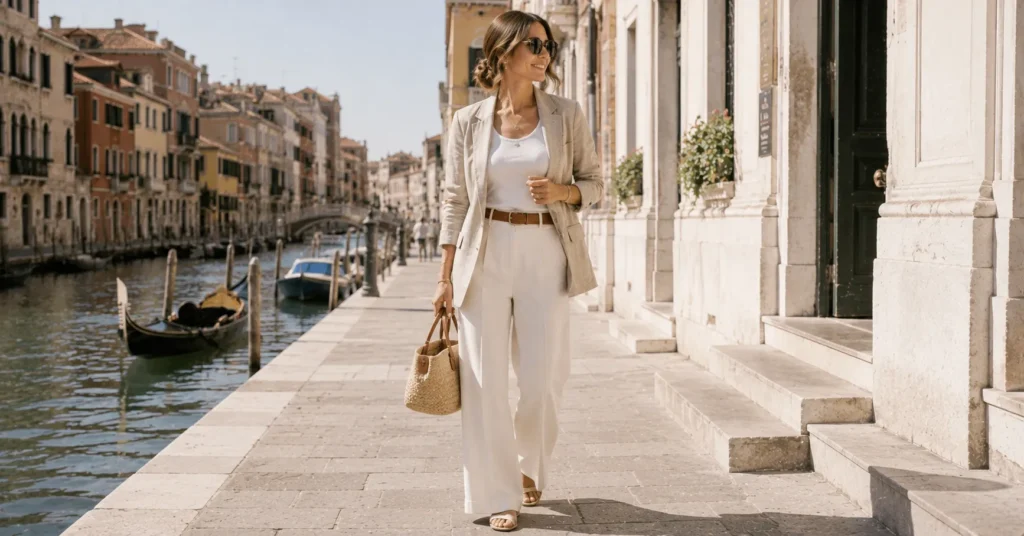
Lightweight fabrics are perfect for Europe Vacation Outfits Women during warmer months. Summer in Southern Europe gets incredibly hot. You need fabrics that breathe and wick away sweat.
- Fabrics: Prioritize 100% linen, lightweight cotton, and breathable rayon. Avoid heavy polyester, which traps heat.
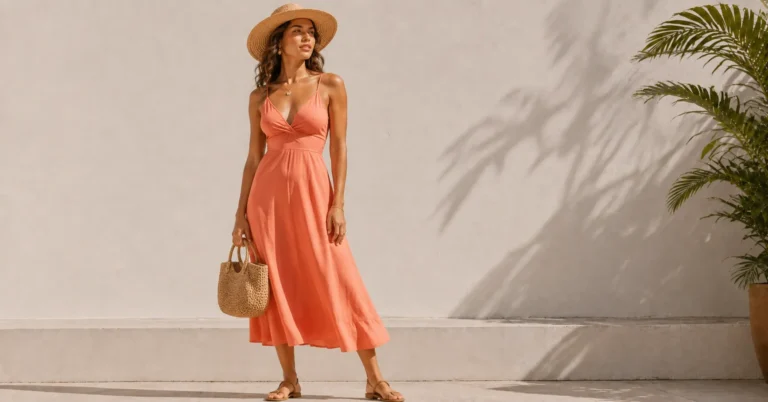
- Outfits: Pack linen trousers paired with cotton tank tops. Flowy maxi dresses are excellent because they offer sun protection while keeping you cool.
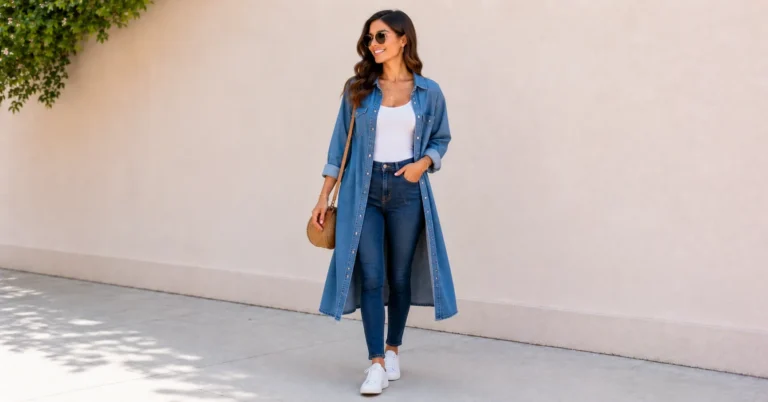
- Layers: Even in summer, evenings by the water feel chilly. Always carry a lightweight denim jacket or a thin cardigan.
Fall and Winter Essentials
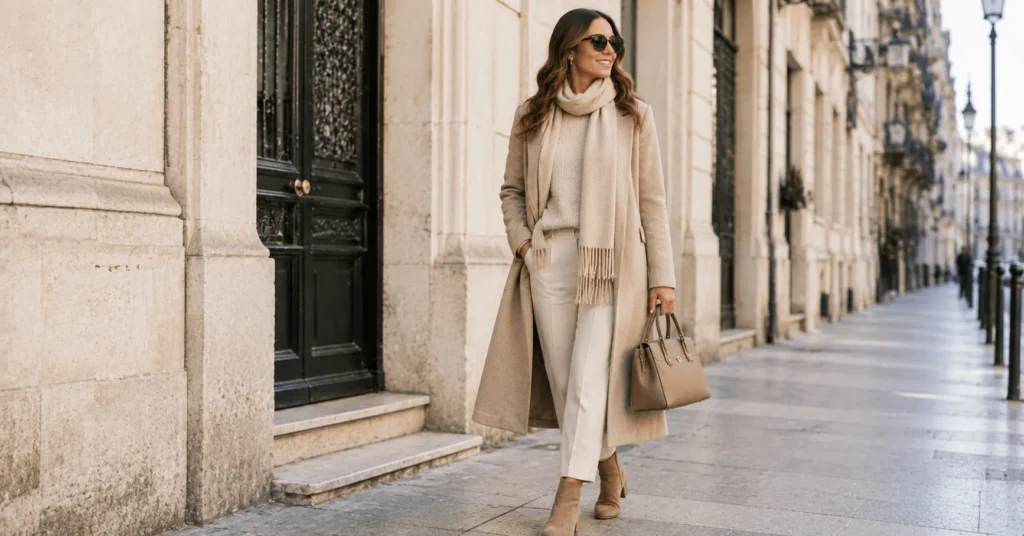
Layering is the secret to comfortable Europe Vacation Outfits Women in cooler weather. Traveling during the colder months requires strategic layering. You want to stay warm without looking bulky.
- Fabrics: Choose merino wool, cashmere, and thermal blends. Merino wool naturally regulates temperature and resists odors, meaning you can wear it multiple times without washing.
- Outfits: Wear a thermal base layer under tailored wool trousers. Add a chunky knit sweater and a stylish trench coat or wool overcoat.
- Accessories: A thick scarf, leather gloves, and a classic beanie add warmth and instant European flair to any outfit.
The Most Important Item: Comfortable Footwear
Your shoe choice dictates how much you will enjoy your trip. Expect to walk anywhere from 10,000 to 20,000 steps a day. You should never bring a pair of shoes that you have not thoroughly broken in at home.
| Shoe Style | Best For | What to Look For |
| White Leather Sneakers | Daily walking, museums, travel days | Cushioned insoles, arch support, water-resistant leather |
| Comfortable Ankle Boots | Fall/winter travel, rainy days, evenings | Low block heel, rubber sole for traction |
| Supportive Sandals | Summer beach towns, casual dinners | Adjustable straps, molded footbeds (like cork) |
| Sleek Loafers | Office-casual settings, smart dinners | Soft, flexible leather that prevents heel rubbing |
How to Dress for Specific European Activities
Different daily itineraries demand different outfits. Planning your looks around your activities keeps you prepared for anything.
Touring Historic Sites and Churches
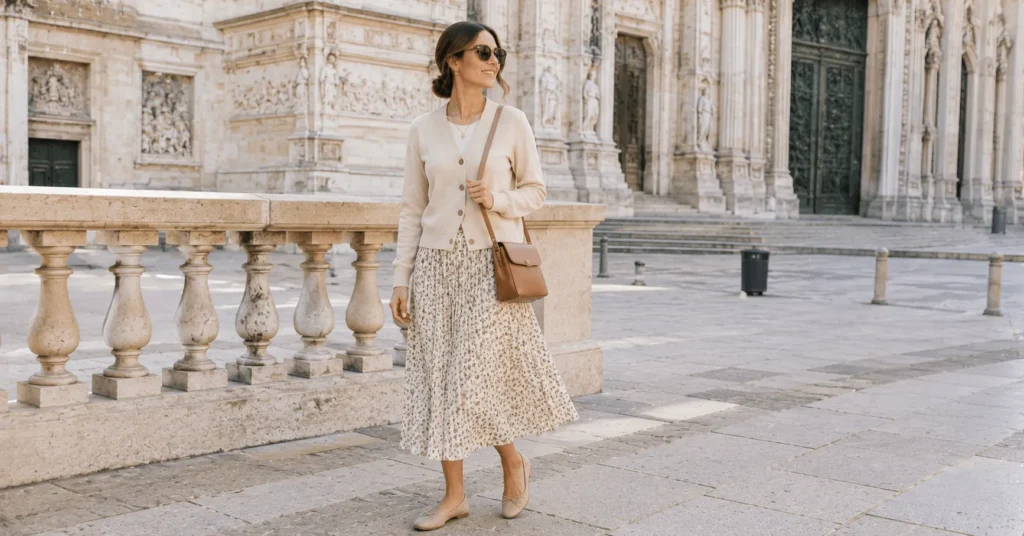
Respectful yet fashionable clothing is an important part of Europe Vacation Outfits Women when visiting historic landmarks. As mentioned, modesty is key when visiting historic religious sites like the Vatican or the Sagrada Familia.
- Always keep a lightweight scarf in your day bag. You can easily drape it over your shoulders before entering a church.
- Wear midi or maxi-length skirts and trousers rather than short shorts.
- Choose comfortable sneakers, as these sites often require standing in long lines.
Elegant Dinners and Nightlife
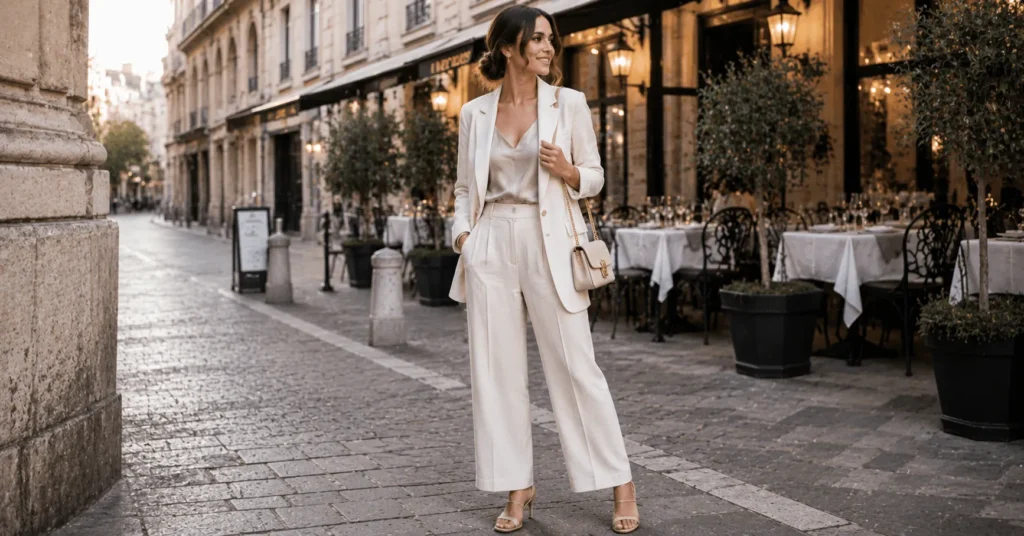
Evening occasions call for refined Europe Vacation Outfits Women that balance sophistication and comfort. Europeans typically dress up for dinner. You do not need a ballgown, but you should avoid wearing athletic wear or distressed denim to a nice restaurant.
- Swap your walking sneakers for a sleek ankle boot or a comfortable flat.
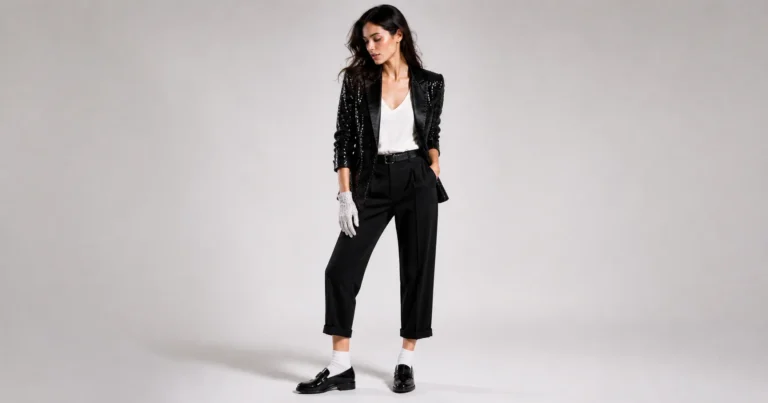
- Wear a dark, tailored jumpsuit or a slip dress layered with a blazer.
- Elevate your daytime look simply by adding a bold red lip and statement earrings.
Essential Travel Accessories to Elevate Your Look
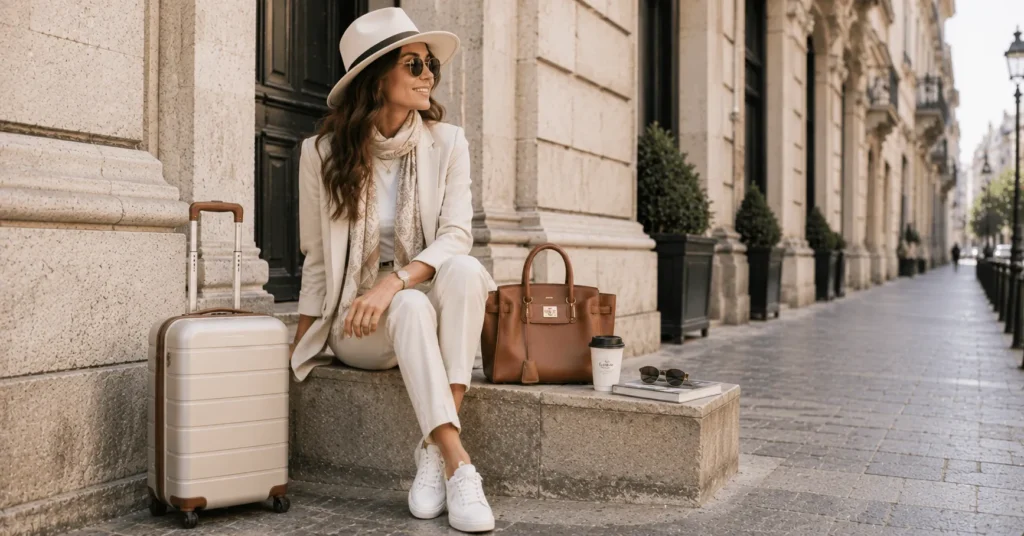
Accessories are the finishing touch for Europe Vacation Outfits Women. Accessories take up very little room in your suitcase but completely transform your outfits.
- Crossbody Bag: This is non-negotiable for security and convenience. Choose a bag with a secure zipper that sits cleanly across your chest to deter pickpockets.
- Silk Scarf: Tie it around your neck, use it as a headband, or attach it to your bag for a pop of color.
- Sunglasses: Protect your eyes from the bright Mediterranean sun while adding a chic, mysterious element to your travel photos.
- Minimalist Jewelry: Leave your expensive, flashy jewelry at home to avoid theft. Pack simple gold hoops and a delicate chain necklace to dress up plain t-shirts.
Conclusion
Mastering your travel wardrobe takes the stress out of packing. When you focus on comfortable, versatile pieces, you create the best Europe vacation outfits women can rely on for any adventure. Remember to check the weather, prioritize comfortable footwear, and lean into neutral colors for maximum mix-and-match potential. With a well-planned capsule wardrobe, you can focus entirely on enjoying the delicious food, breathtaking architecture, and unforgettable experiences that Europe has to offer. Whether you’re exploring famous landmarks or enjoying local cafés, these Europe Vacation Outfits Women ideas will help you travel confidently, comfortably, and in style.
Frequently Asked Questions (FAQs) about Europe Vacation Outfits Women
1. What should women wear on a Europe vacation?
Women should pack versatile outfits that are stylish, comfortable, and easy to layer. A mix of breathable tops, comfortable pants, dresses, a lightweight jacket, and supportive walking shoes works well for most European destinations.
2. How many outfits should I pack for a two-week Europe trip?
A travel capsule wardrobe with around 10–15 mix-and-match clothing pieces is usually enough for two weeks. Choosing neutral colors allows you to create multiple outfit combinations without overpacking.
3. What shoes are best for walking around Europe?
Comfortable white sneakers, cushioned walking shoes, loafers, and supportive ankle boots are excellent choices. Since many European cities have cobblestone streets, prioritize comfort over high heels for sightseeing.
4. What colors work best for a Europe travel wardrobe?
Neutral shades like white, beige, black, navy, gray, and olive are ideal because they pair easily with one another. You can add a few colorful accessories for variety without taking up much luggage space.
5. How do I dress for visiting churches and historic sites in Europe?
Choose modest clothing such as midi dresses, maxi skirts, lightweight trousers, and tops that cover your shoulders. Carrying a light scarf or cardigan is also helpful for entering churches with dress codes.
6. What should I wear in Europe during spring and summer?
Lightweight fabrics such as linen and cotton are perfect for warmer months. Pair breathable dresses, shorts, skirts, or relaxed trousers with comfortable sneakers or sandals and a light cardigan for cooler evenings.
7. What are the best Europe vacation outfits for fall and winter?
Layering is essential during colder seasons. Pack a warm coat, knit sweaters, thermal layers, scarves, ankle boots, and weather-resistant outerwear to stay comfortable while exploring.
8. Can I wear jeans while traveling in Europe?
Yes. Straight-leg, slim-fit, or wide-leg jeans are popular throughout Europe and pair well with blouses, sweaters, blazers, and sneakers for casual sightseeing or dining.
9. What accessories should I bring for a Europe vacation?
A crossbody bag, sunglasses, scarf, compact umbrella, travel hat, reusable water bottle, and comfortable walking shoes are practical accessories that also elevate your travel outfits.
10. How can I pack light without sacrificing style?
Build a capsule wardrobe using versatile basics that can be mixed and matched. Stick to a coordinated color palette, choose wrinkle-resistant fabrics, and accessorize with scarves, jewelry, and handbags to create different looks from fewer pieces.