The Ultimate Guide to the Perfect Cottage Core Outfit
In a fast-paced digital world, there is a growing desire to slow down, disconnect, and return to a simpler way of living. This yearning has given rise to one of the most popular fashion aesthetics of the last decade: the cottage core outfit. It is more than just a trend; it is a visual manifestation of a lifestyle rooted in nature, romance, and nostalgia. Whether you dream of baking bread in a countryside kitchen or simply want to bring a touch of whimsy to your city life, mastering this aesthetic allows you to embody that pastoral dream.
This comprehensive guide will walk you through everything you need to know about the cottagecore aesthetic. We will explore its origins, break down the essential wardrobe staples, and provide actionable styling tips to help you curate the perfect look. From flowing prairie dresses to practical gardening boots, get ready to step into a storybook world where comfort meets romanticism.
What is the Cottage core Aesthetic?

To build an authentic cottage core outfit, you first need to understand the philosophy behind the clothes. Cottagecore is an internet aesthetic that celebrates an idealized rural life. It draws inspiration from Western agricultural life, historical fashion (particularly the Edwardian and Victorian eras), and fantasy elements.
The Philosophy: Simplicity and Nature
At its heart, cottagecore is about harmony with nature. It values self-sufficiency, slow living, and traditional skills like foraging, baking, and sewing.
- Visuals: Think rolling green hills, wildflowers, quaint cottages, picnics, and moss-covered stones.
- Mood: Gentle, cozy, romantic, and nostalgic.
The Origins
While elements of pastoral fashion have existed for centuries (think Marie Antoinette playing shepherdess), the modern iteration exploded on platforms like Tumblr and TikTok around 2018-2020. During global lockdowns, the idea of escaping to a secluded cottage became a collective fantasy, cementing the aesthetic’s place in mainstream fashion.
Essential Wardrobe Staples for a Cottage Core Outfit
You don’t need to live on a farm to dress the part. Building a cottagecore wardrobe is about selecting pieces that feel timeless, natural, and romantic. Here are the must-have items.
1. The Prairie Dress
This is the undisputed queen of the aesthetic. If you only buy one item, make it a dress.
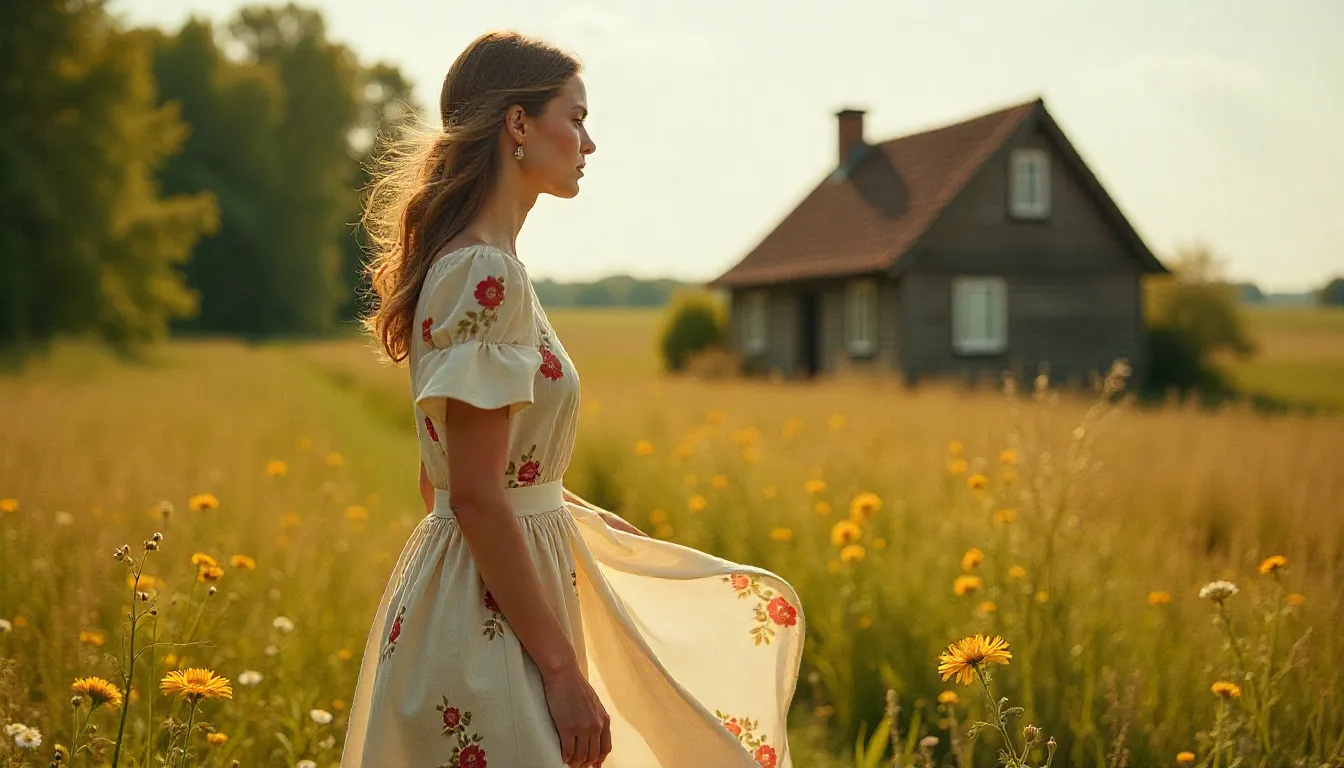
- Silhouette: Look for flowing, loose-fitting silhouettes. Empire waists, tiered skirts, and A-line cuts are key.
- Details: Puff sleeves are essential. Other romantic details include smocking (shirring), ruffles, lace trim, and square necklines.
- Length: Midi and maxi lengths are preferred as they evoke a sense of modesty and historical practicality.
2. Natural Fabrics
The material is just as important as the cut. Because the aesthetic is rooted in nature, synthetic fabrics often feel out of place.
- Cotton and Linen: These are breathable, durable, and wrinkle beautifully, adding to the “lived-in” look.
- Wool: For colder months, chunky knit wool cardigans and vests are essential for layering.
- Corduroy: A sturdy, textured fabric that works perfectly for overalls or skirts in autumn.
3. Iconic Prints
Cottagecore fashion relies heavily on specific patterns that evoke the countryside.
- Florals: Dainty, small-scale floral prints (often called “ditsy” florals) are the most common.
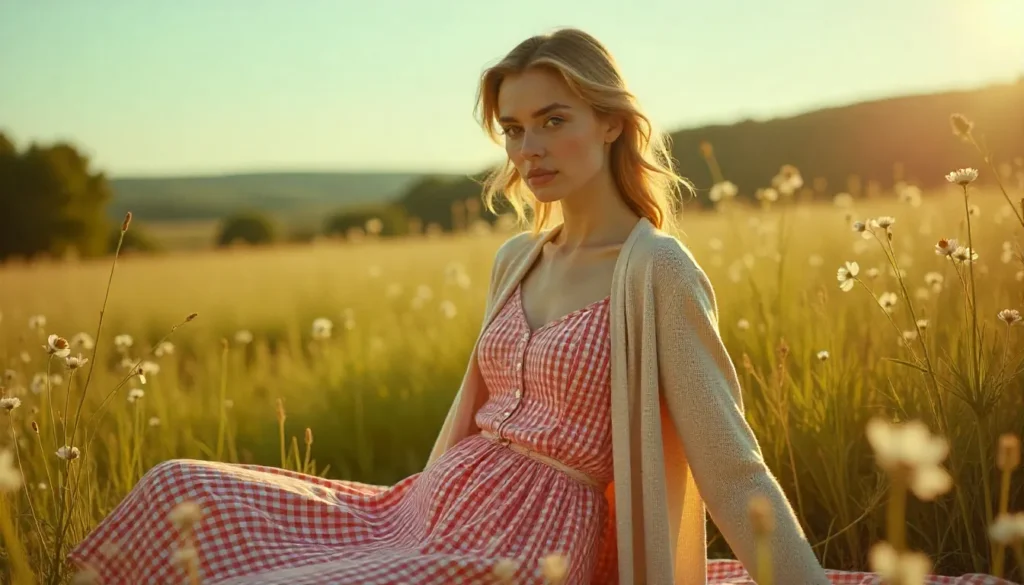
- Gingham: This checkered pattern screams “picnic” and is a staple for skirts and dresses.
- Toile de Jouy: A more sophisticated, pastoral print often featuring landscapes or farming scenes.
4. Tops and Blouses
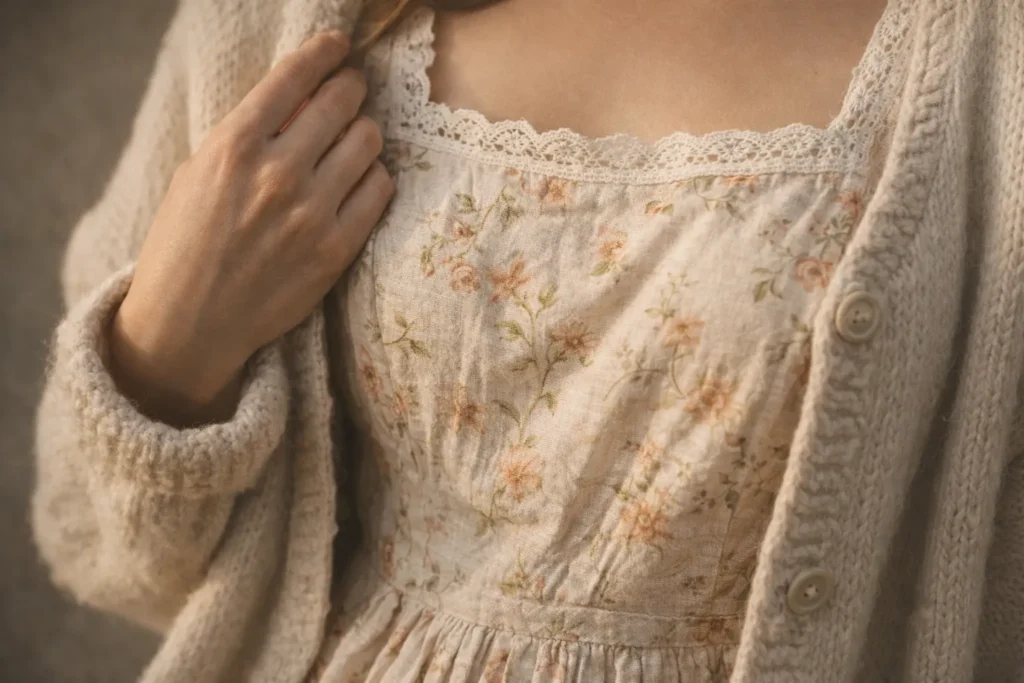
When you aren’t wearing a dress, separates allow for versatile mixing and matching.
- The Peasant Blouse: Characterized by wide necklines (often wearable off-the-shoulder) and billowy sleeves.
- Knit Cardigans: A cropped, chunky cardigan with embroidery or cute buttons (like flowers or wood) is perfect for throwing over a dress.
- Corset Tops: While historically restrictive, modern “cottage” corsets or corset-style tops (stays) are worn over dresses or blouses to add structure and a vintage silhouette.
5. Bottoms: Practical and Pretty
While dresses dominate, skirts and trousers have their place.
- The Midi Skirt: A linen or cotton skirt with buttons down the front is practical for “foraging” (or just walking to the coffee shop).
- Overalls: For a more practical, gardening-inspired look, denim or corduroy dungarees are perfect. Layer them over a floral blouse to keep it feminine.
- Aprons: Yes, aprons are worn as fashion accessories here! A linen pinafore apron layered over a dress adds authenticity and protects your clothes during your hypothetical baking sessions.
Color Palette: Shades of Nature
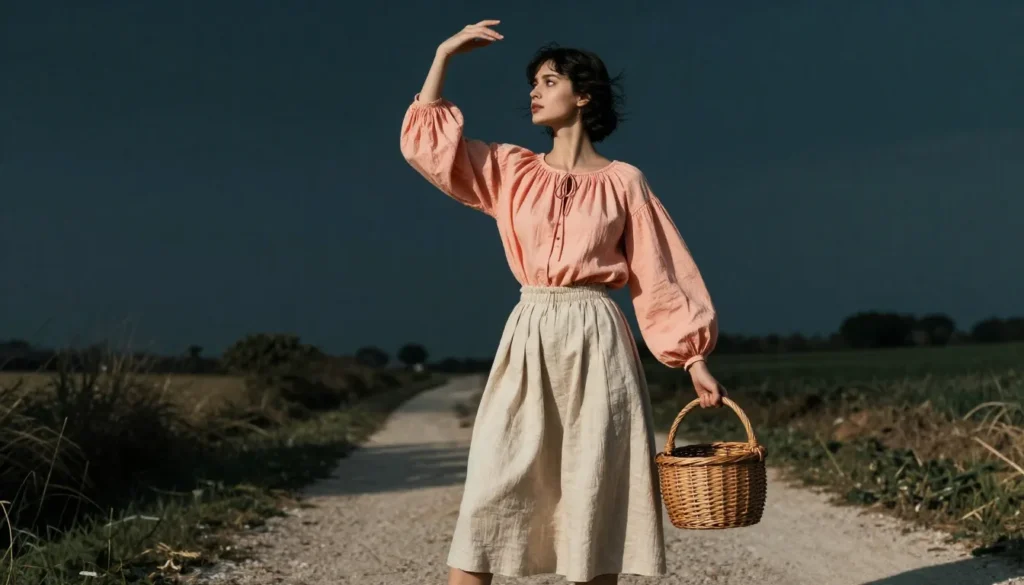
The color palette of a cottage core outfit is strictly drawn from the natural world. You want to blend into a meadow, not stand out like a neon sign.
Earth Tones
- Browns and Beiges: From oatmeal and cream to deep chestnut and rust.
- Greens: Moss, sage, olive, and forest green are foundational colors.
Soft Pastels
- Florals: Dusty rose, lavender, butter yellow, and sky blue reflect the colors of wildflowers and clear days.
Vintage Whites
- Avoid bright white: Opt for ivory, cream, or unbleached linen tones, which look softer and more vintage.
Footwear: Grounded and Romantic
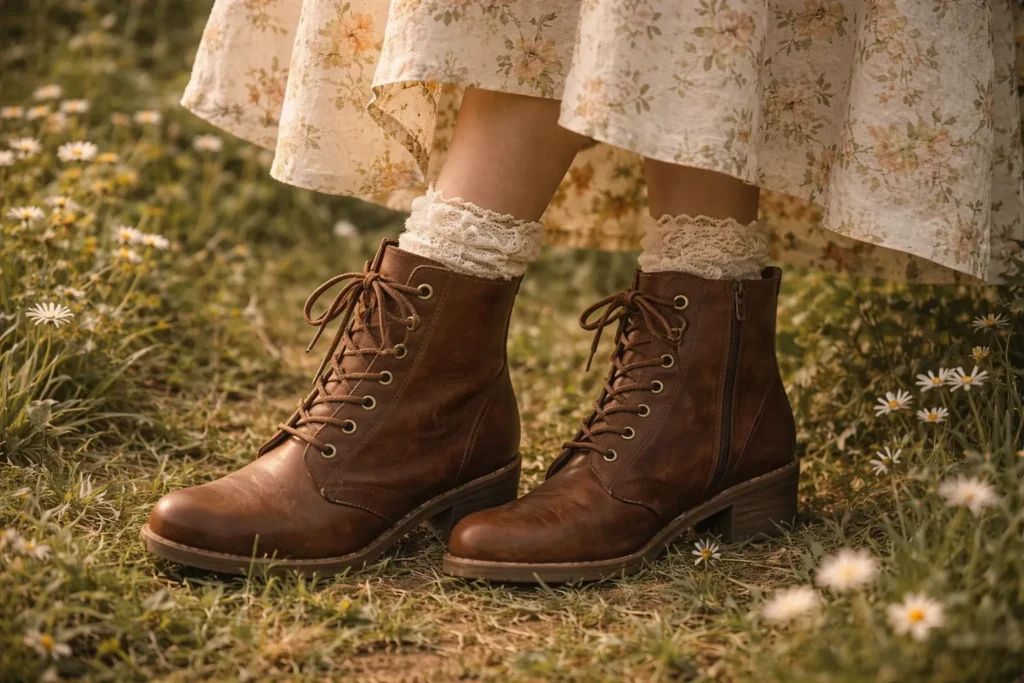
Your shoes should look like they can handle a walk through the woods, or at least look cute while you read a book under a tree.
1. Lace-Up Boots
Leather lace-up boots (often called “granny boots”) are the gold standard. They offer a Victorian vibe that elevates any dress. Brown or cognac leather is preferred over black, as it looks softer.
2. Mary Janes
For a sweeter, more innocent look, Mary Janes are perfect. They can be flat or have a low block heel. Wear them with socks for extra style points.
3. Espadrilles and Sandals
In the summer, woven shoes or simple leather sandals fit the natural aesthetic perfectly. Look for styles with ribbon ties that wrap around the ankle.
Accessories: The Whimsical Details
Accessories are where the magic happens. They transform a simple floral dress into a full cottage core outfit.
Hair Accessories
- Ribbons: Tie a simple satin or velvet ribbon around a ponytail or braid. It’s cheap, easy, and incredibly effective.
- Headscarves: A cotton bandana or silk scarf tied over the head (the “babushka” style) is practical for windy days and looks adorable.
- Straw Hats: Wide-brimmed straw hats or boaters protect you from the sun and complete the gardening look.
Jewelry
- Nature Motifs: Look for lockets, pressed flower necklaces, or earrings shaped like mushrooms, bees, or leaves.
- Gold: Vintage gold tones usually work better with the warm, earthy palette than bright silver.
Bags
- Wicker Baskets: Carrying a basket instead of a traditional purse is a power move in the cottagecore community. It implies you are always ready for a picnic or flower picking.
- Canvas Totes: Simple tote bags with botanical illustrations are great for everyday use.
- Leather Satchels: A structured brown leather bag gives a scholarly, “Little Women” vibe.
Seasonal Styling: Cottagecore All Year Round
One common misconception is that cottagecore is only for spring and summer. With the right layering, you can rock this aesthetic 365 days a year.
Spring: The Awakening

- The Outfit: A pastel gingham midi dress, a white cardigan draped over shoulders, ankle socks with lace trim, and Mary Janes.
- The Vibe: Fresh, light, and blooming. This is the peak season for the aesthetic.
Summer: The Picnic
- The Outfit: A white linen puff-sleeve top, a flowing floral maxi skirt, a straw hat, and leather sandals.
- The Vibe: Airy and breathable. Focus on natural fabrics that keep you cool.
Autumn: The Harvest
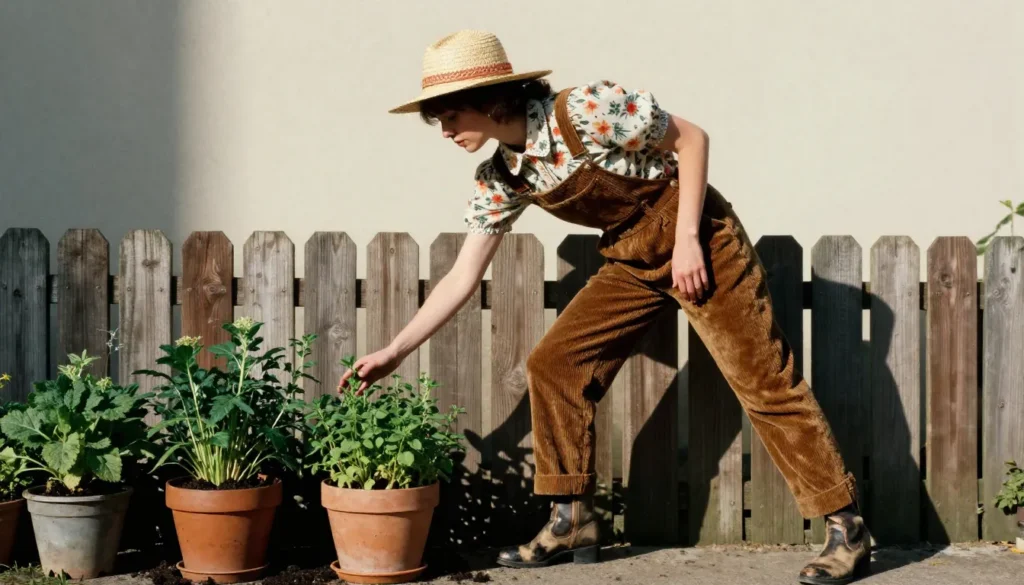
- The Outfit: A rust-colored corduroy pinafore dress layered over a cream turtleneck, thick wool tights, and brown lace-up boots.
- The Vibe: Cozy and warm. Incorporate deeper colors like burnt orange, mustard, and brown.
Winter: The Hibernation
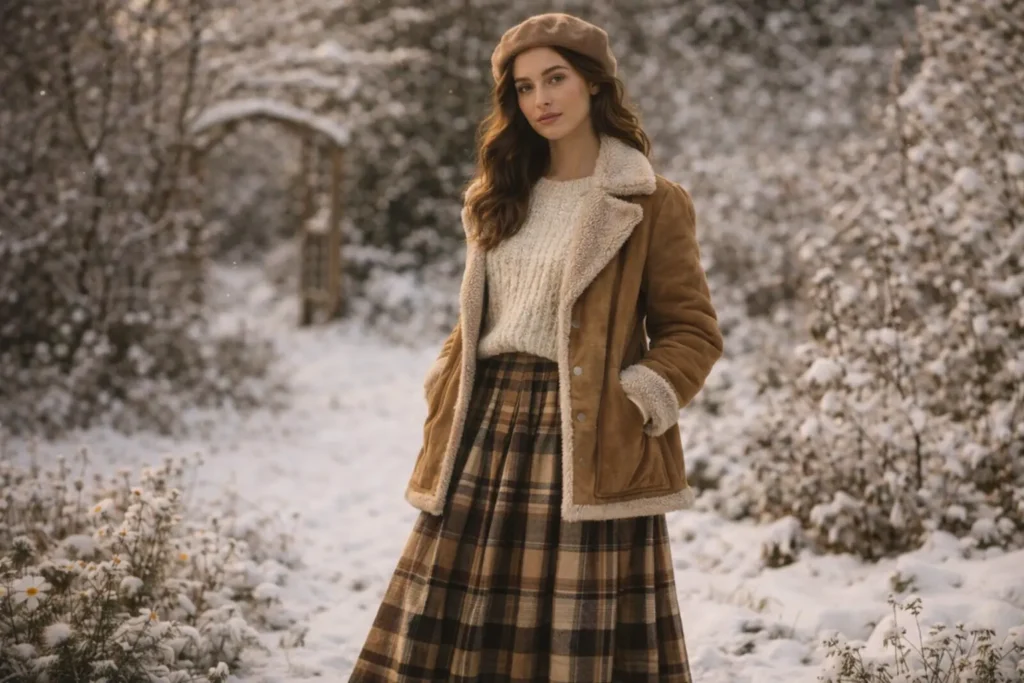
- The Outfit: A long wool plaid skirt, a chunky knit sweater, a shearling-lined coat, a beret, and sturdy boots.
- The Vibe: Protected and snug. Think “The Secret Garden” in winter. Layering is your best friend here.
How to Thrift Your Cottage Core Outfit
Because cottagecore is inspired by the past, thrifting is the most authentic (and sustainable) way to build your wardrobe.
- Check the Lingerie Section: Vintage slips and nightgowns often make beautiful summer dresses. Look for silk or cotton ones with lace details.
- Look at “Grandma” Sweaters: Don’t ignore the senior section! That’s where you’ll find the best hand-knit cardigans and floral prints.
- Inspect the Men’s Section: Oversized flannel shirts and chunky wool vests from the men’s aisle can be styled perfectly with feminine skirts.
- Fabric First: When scanning the racks, touch the fabrics. Look for linen, wool, and cotton. Skip the shiny polyester.
Sub-Genres of Cottagecore
If the traditional look isn’t quite right for you, there are darker and lighter variations to explore.
Dark Cottagecore (Goth Cottage)
This mixes the nature themes with a moodier, witchier vibe.
- Key Elements: Dried flowers, skulls, dark mushrooms, black lace, deep forest greens, and dark purples. It’s less “sunny picnic” and more “witch in the woods.”
Fairycore
This leans heavily into the fantasy aspect.
- Key Elements: Glitter, butterfly wings, sheer fabrics, pastels, and an ethereal, magical vibe. It’s less grounded in reality than cottagecore.
Farmcore (Countrycore)
This is the more practical, rugged cousin.
- Key Elements: Denim overalls, muck boots, flannel shirts, and clothes that actually look like you’ve been working in the dirt.
Conclusion
The cottage core outfit offers a beautiful escape from the modern world. It invites us to romanticize our lives, appreciate nature, and find comfort in nostalgia. Whether you are wearing a full prairie dress to the grocery store or just adding a ribbon to your hair, embracing this aesthetic is about choosing softness and simplicity.
So go ahead put on that puff-sleeve dress, grab your wicker basket, and head out to find the nearest patch of wildflowers. Your fairytale wardrobe awaits.
Frequently Asked Questions (FAQs)
Q1: Can I dress cottage core if I live in a city?
A: Absolutely! Cottage core is a state of mind and a fashion aesthetic, not a geographic requirement. You can bring the vibe to the city by wearing floral midi dresses with sneakers, carrying a tote bag, and visiting parks or botanical gardens. It’s about bringing a touch of nature to your urban environment.
Q2: Is cottage core fashion expensive?
A: It can be, but it doesn’t have to be. While there are high-end brands that specialize in this look, the aesthetic is rooted in thriftiness. You can find amazing pieces at thrift stores, charity shops, and on vintage resale apps. DIY is also huge in this community learning to sew or embroider can save you money and make your clothes unique.
Q3: What makeup goes with a cottage core outfit?
A: The makeup should look natural and fresh. Think “no-makeup” makeup. Focus on rosy, flushed cheeks (lots of blush!), fluffy eyebrows, faux freckles, and maybe a tinted lip balm. The goal is to look like you’ve been out in the fresh air.
Q4: Can men dress cottagecore?
A: Yes! Male cottagecore fashion often leans towards “Grandpacore” or “Hobbitcore.” Key pieces include corduroy trousers, suspenders, linen shirts, knit vests, newsboy caps, and sturdy boots. Think simpler, textured layers in earth tones.
Q5: How do I style cottagecore for work?
A: To make it office-appropriate, focus on the silhouettes and fabrics but tone down the whimsy. A linen button-down shirt tucked into high-waisted trousers, a midi skirt with a solid-colored blouse, or a structured cardigan over a simple dress can work in many professional settings.