Ladies Dress Code for Black Tie: The Ultimate Guide to Formal Elegance
Receiving an invitation with the words “Black Tie” embossed in elegant script can evoke a mix of excitement and anxiety. It promises a night of glamour, champagne, and celebration, but it also presents a sartorial challenge. The ladies dress code for black tie is one of the most misunderstood and widely debated topics in the world of formal fashion. Unlike men, who have a relatively straightforward uniform of a tuxedo and bow tie, women face a vast spectrum of choices, from hemlines and necklines to fabrics and accessories.
Navigating this dress code requires a balance of respecting tradition while embracing personal style. Whether you are attending a prestigious gala, a sophisticated wedding, or an awards ceremony, understanding the nuances of the ladies dress code for black tie is essential to feeling confident and appropriate. This comprehensive guide will demystify the rules, explore modern interpretations, and ensure you arrive looking nothing short of spectacular.
Decoding the Black Tie Definition
To master the look, one must first understand the intent. Historically, Black Tie is a formal evening dress code that originated in the 19th century as a slightly less rigid alternative to White Tie (which involves tailcoats). For men, the rules remain strict. For women, however, the definition has evolved significantly over the decades.
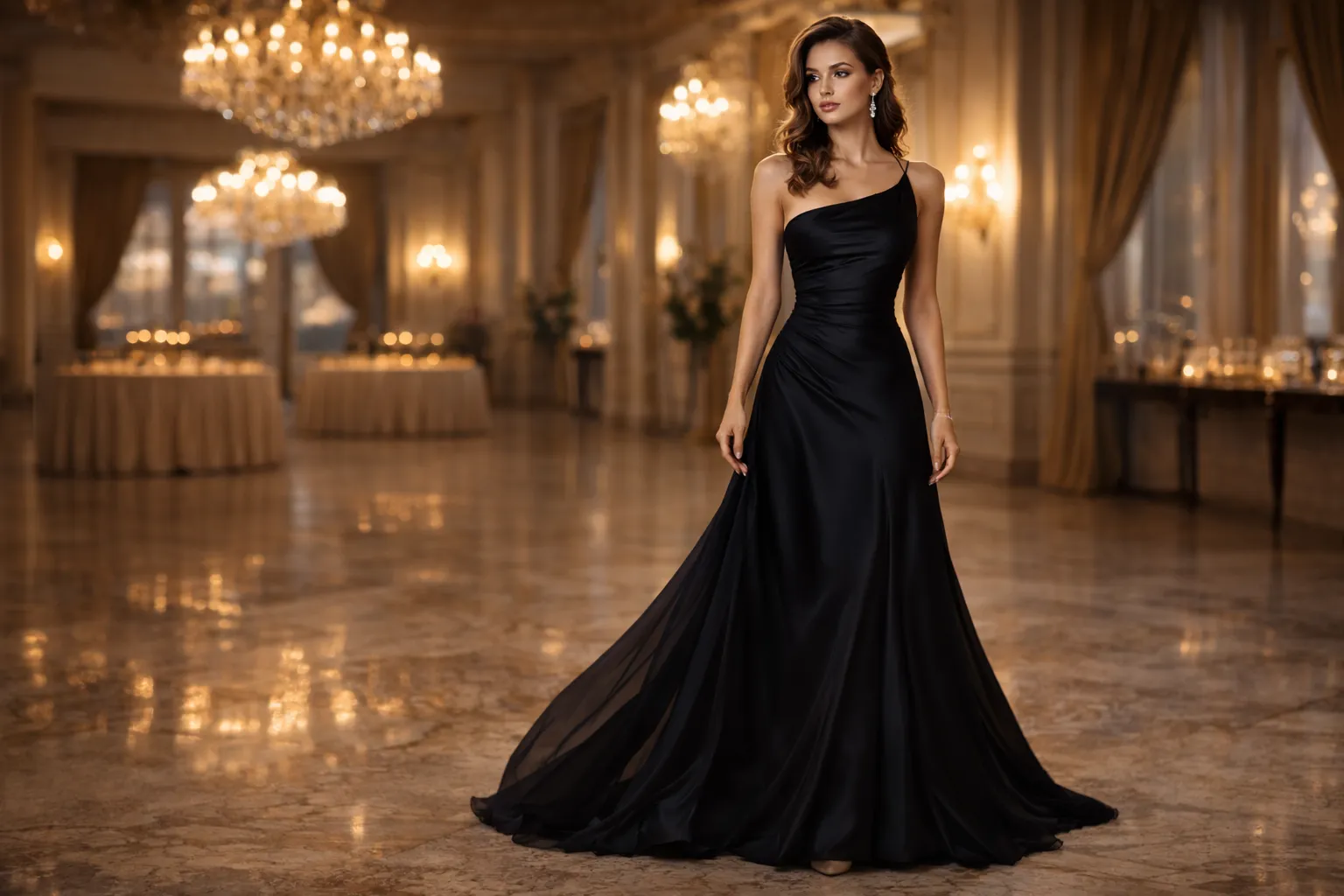
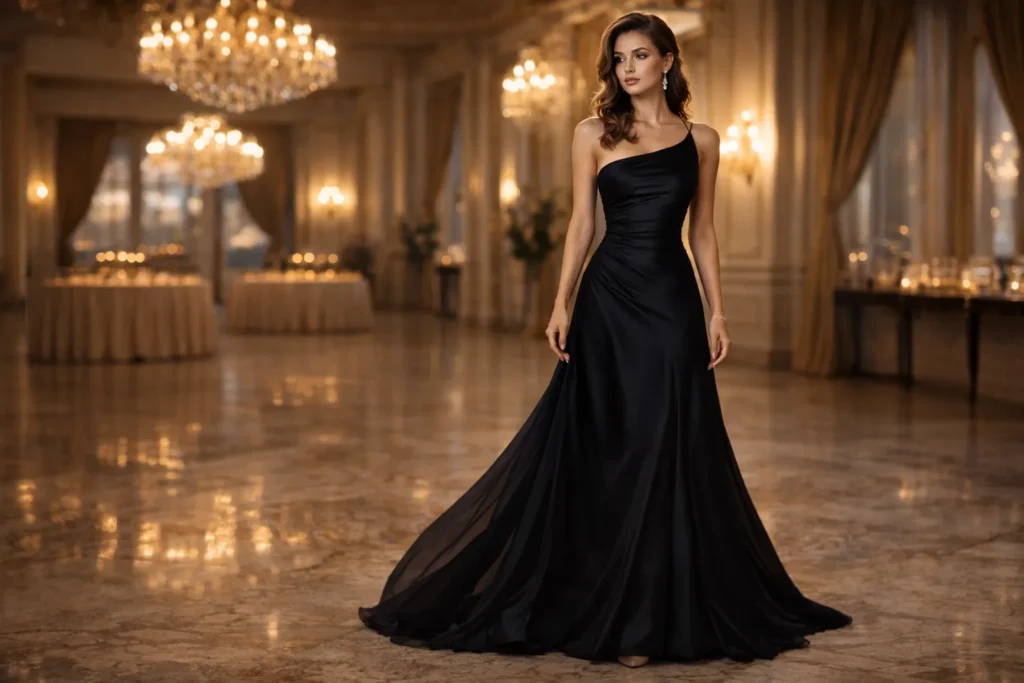
At its core, Black Tie for women implies a long evening gown. It signifies an occasion of importance where guests are expected to elevate their appearance out of respect for the host and the event. While the traditional requirement was strictly a floor-length gown, modern etiquette has softened to allow for dressy cocktail dresses and even formal jumpsuits, provided they exude the necessary level of sophistication.
The Spectrum of Formal Wear
Understanding where Black Tie sits on the formality scale helps in making sartorial decisions:
- White Tie: The most formal (ball gowns, gloves, tiaras).
- Black Tie: Formal evening wear (floor-length gowns, tuxedo suits).
- Black Tie Optional: Formal, but slightly more flexible (midis, fancy cocktail dresses).
- Creative Black Tie: Formal with a thematic or trendy twist.
- Cocktail: Semi-formal (shorter dresses, party attire).
The Golden Rules of the Ladies Dress Code for Black Tie
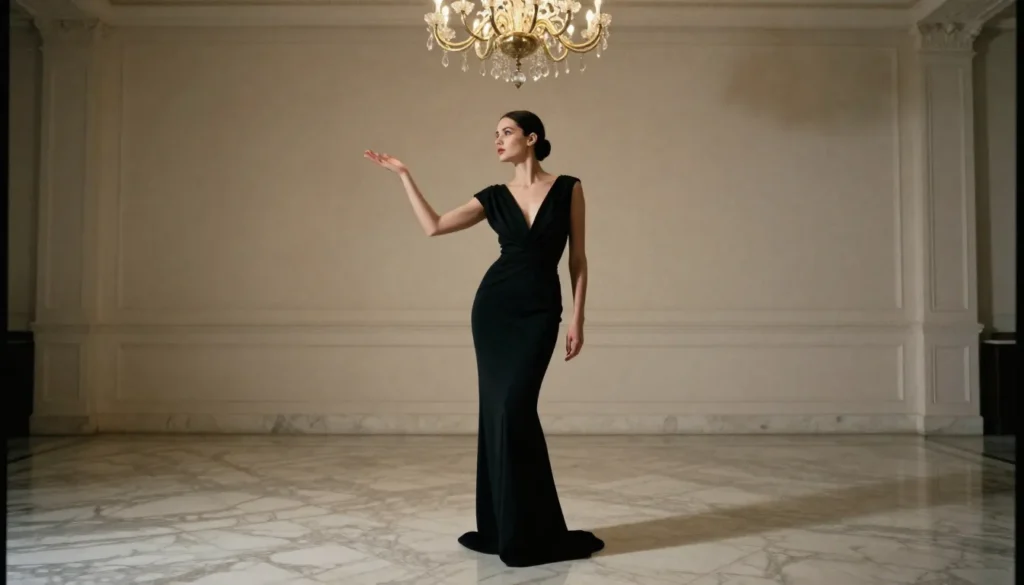
When selecting your ensemble, there are specific pillars of style you should adhere to. These “golden rules” ensure that whatever silhouette you choose, it meets the standard of the event.
1. Length Matters: The Floor-Length Standard
The safest and most traditional interpretation of the ladies dress code for black tie is a floor-length dress. An evening gown that grazes the floor creates a long, elegant line that immediately signals formality.
- The Sweep: A gown that touches the floor hides your shoes when standing still but reveals them when walking.
- The Train: While glamorous, be cautious with long trains at crowded events like weddings or cocktail hours where they might be stepped on.
- The Midi Exception: In modern settings, a “tea-length” or midi dress can be acceptable, but it must be exceptionally dressy to compensate for the lack of length. Think structured silhouettes or heavy embellishment.
2. Fabric Choice: The Key to Sophistication
The material of your garment is arguably more important than the cut. Even a simple silhouette looks expensive and appropriate if made from the right fabric. Conversely, a beautiful design in a casual fabric like cotton or jersey will inevitably look underdressed.
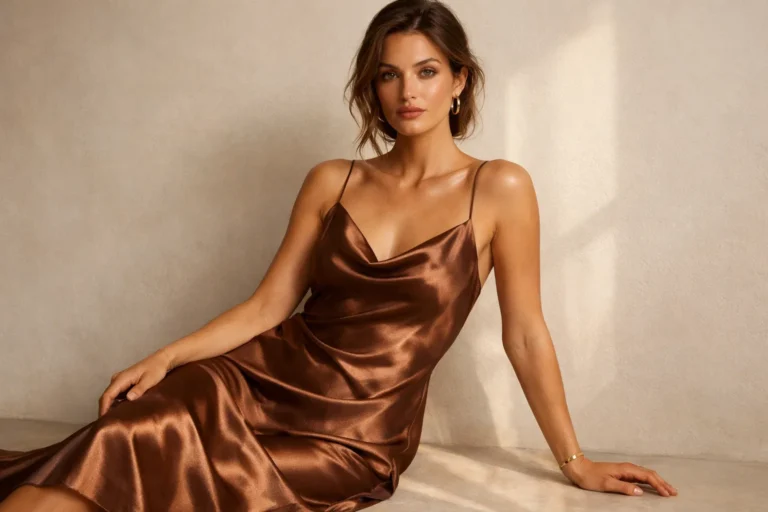
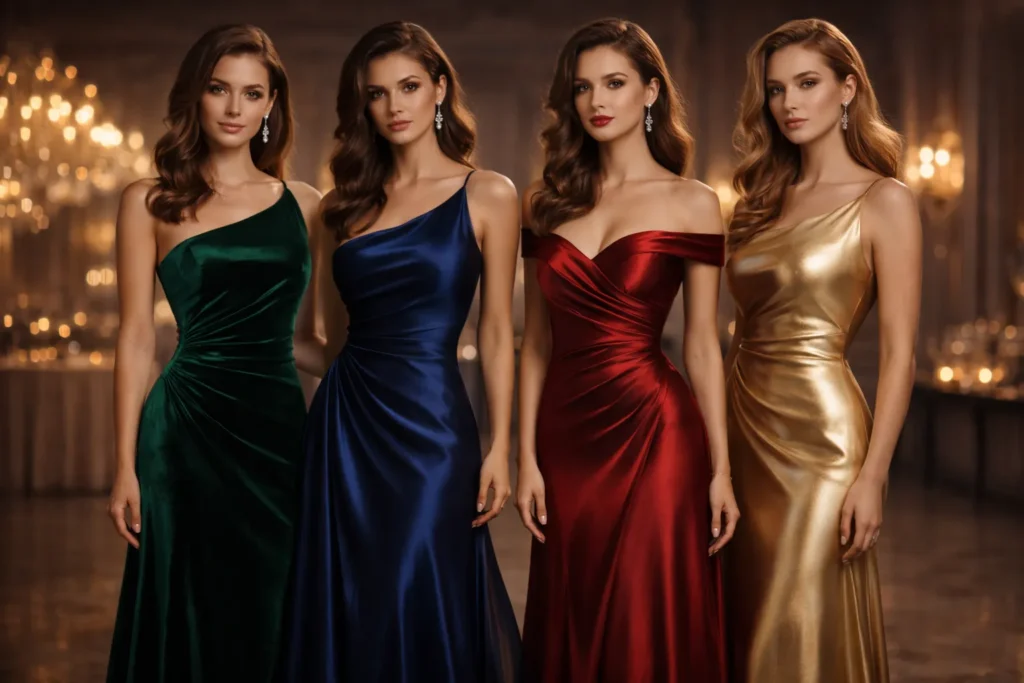
- Acceptable Fabrics: Silk, chiffon, velvet, satin, taffeta, lace, and tulle.
- Avoid: Cotton, denim, linen, casual jersey knits, and anything that looks like daywear.
3. Color Palette: Beyond the Little Black Dress
While “Black Tie” suggests the color black, women are certainly not restricted to it. In fact, color is encouraged.
- Jewel Tones: Emerald green, sapphire blue, deep ruby red, and amethyst are stunning choices for evening wear. They photograph beautifully and look expensive.
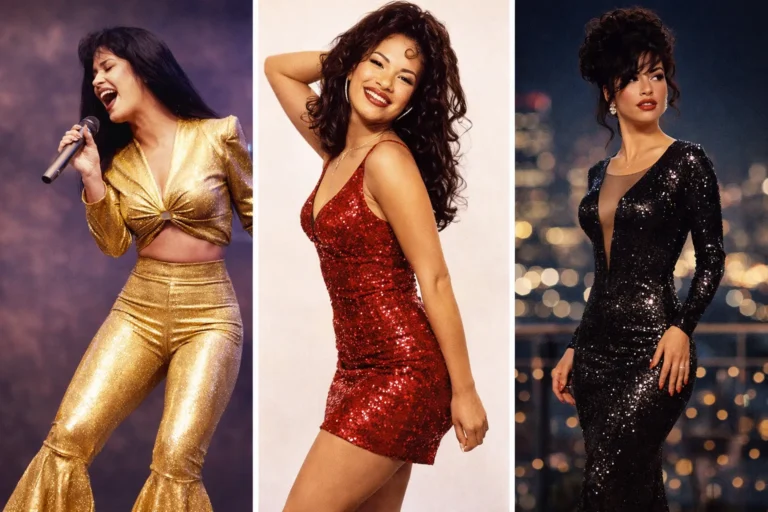
- Metallics: Gold, silver, bronze, and rose gold are perfect for galas and holiday parties.
- The Rule on White: For galas and balls, white or cream is perfectly acceptable. However, if the event is a Black Tie wedding, strict etiquette dictates avoiding white, ivory, or champagne to not upstage the bride.
- Prints: Prints are tricky. Large, bold floral prints can sometimes look too casual (like a resort maxi dress). If you choose a print, ensure the fabric is luxe (like a silk jacquard) and the colors are sophisticated.
Choosing the Perfect Silhouette
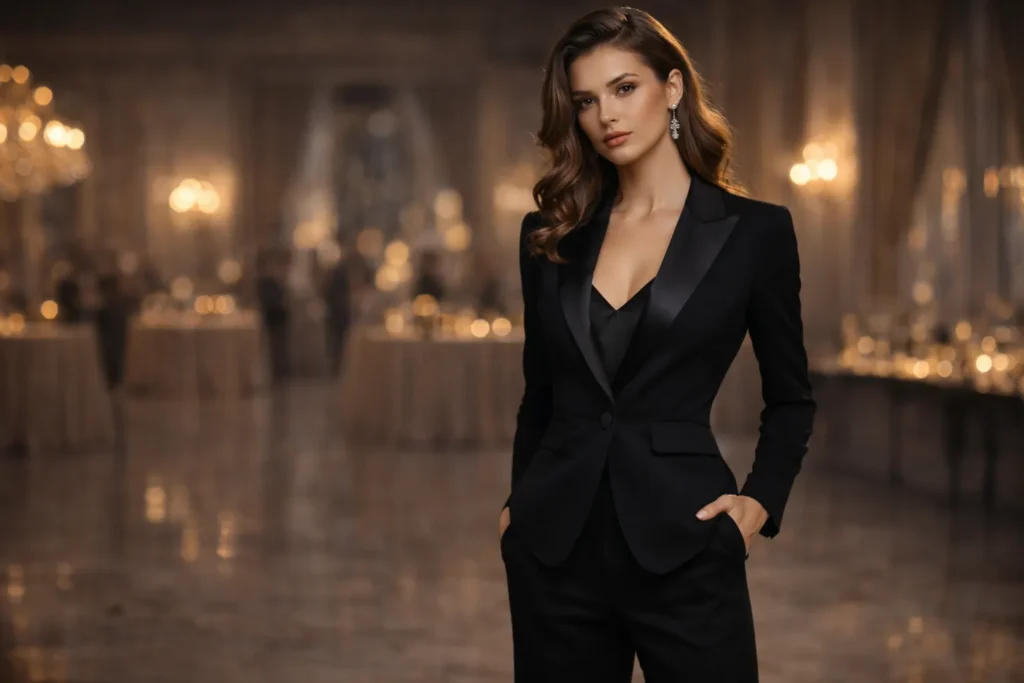
Your body type and personal style should dictate the silhouette you choose. The goal is to feel comfortable and confident for several hours of dining and dancing.
The Classic Ball Gown
For those who love a fairytale moment, the ball gown is the ultimate choice. Featuring a fitted bodice and a full, voluminous skirt, this silhouette is dramatic and undeniably formal.
- Best For: Grand ballrooms, opera galas, and events where you want to make an entrance.
- Styling Tip: Keep jewelry simple if the dress has a lot of volume to avoid looking like a costume.
The Sleek Column Dress
Elegant, statue-esque, and modern, the column dress fits closer to the body and creates a long vertical line. It is sophisticated and often preferred by women who want a more understated, chic look.
- Best For: Art gallery openings, sophisticated dinners, and women who prefer minimalism.
- Styling Tip: This simple canvas allows for statement jewelry or a bold lip color.
The Mermaid or Trumpet Silhouette
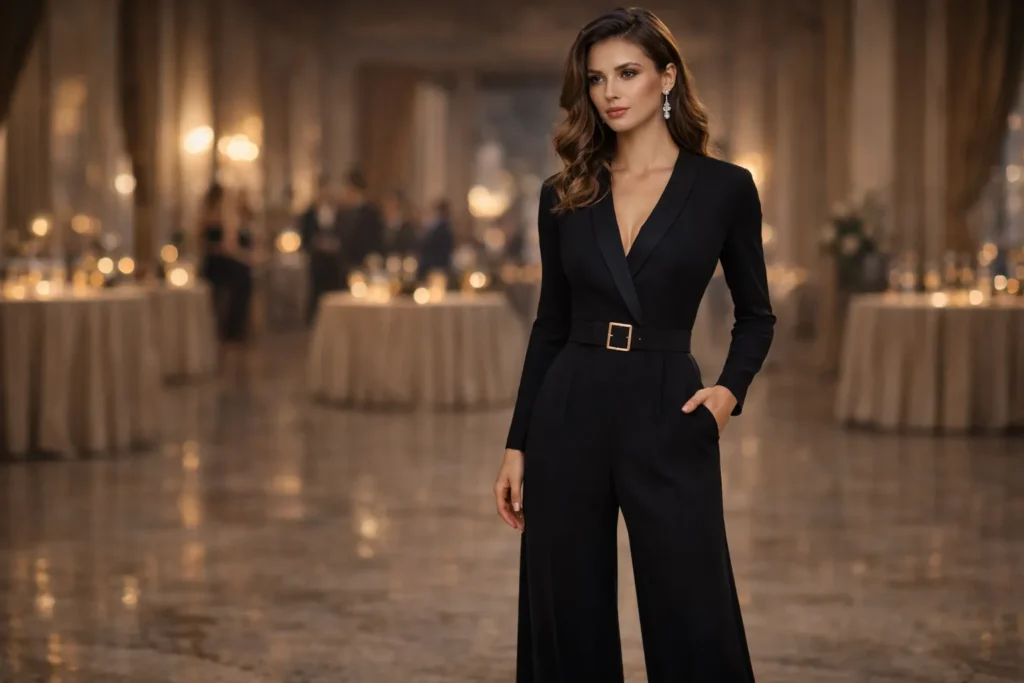
Fitted through the bodice and hips and flaring out at the knees, this style highlights curves and adds a touch of Hollywood glamour.
- Best For: Red carpet events and those wanting to accentuate an hourglass figure.
- Styling Tip: Ensure you can walk comfortably, as the tight knee area can restrict movement.
The A-Line Gown
Universally flattering, the A-line fits at the waist and flows gently to the ground. It is comfortable, classic, and never goes out of style.
- Best For: All body types and any Black Tie event.
- Styling Tip: Focus on interesting necklines, such as off-the-shoulder or halter, to add interest.
Modern Interpretations: Suits and Jumpsuits
The ladies dress code for black tie has expanded in the 21st century to include tailoring. A tuxedo on a woman is incredibly chic, powerful, and appropriate for formal events.
The Formal Jumpsuit
A jumpsuit can be a fantastic alternative to a dress, provided it is tailored and made from evening-appropriate fabric.
- The Look: Opt for wide-leg silhouettes that mimic the movement of a gown. Crepe, silk, or velvet are excellent fabric choices.
- Details: Look for details like a halter neck, a belted waist, or sequin embellishments to elevate it above a standard office jumpsuit.
The Le Smoking Suit
Inspired by Yves Saint Laurent, a woman’s tuxedo suit is the epitome of cool girl glamour.
- The Fit: Tailoring is non-negotiable. The trousers should be hemmed perfectly for your heels, and the jacket should nip in at the waist.
- Styling: Wear it with a silk camisole underneath, or if the cut allows, wear the jacket buttoned up with nothing underneath for a sultry evening look. Pair with stilettos and a red lip.
Can You Wear a Cocktail Dress?
This is the most frequently asked question regarding the ladies dress code for black tie. The answer is: proceed with caution.
Technically, Black Tie implies a long gown. However, a “formal cocktail dress” is sometimes acceptable, depending on the specific event and location.
- The Criteria: If you wear a shorter dress, it must be structured and ornate. A simple cotton sundress is a definite “no.” A structured satin knee-length dress with beading or embroidery might pass.
- The “High-Low” Hem: This can be a good compromise, offering the drama of a train with the ease of a shorter front.
- When to Avoid: If the invitation says “Strictly Black Tie,” do not wear a cocktail dress. Stick to floor length.
Accessorizing Your Look
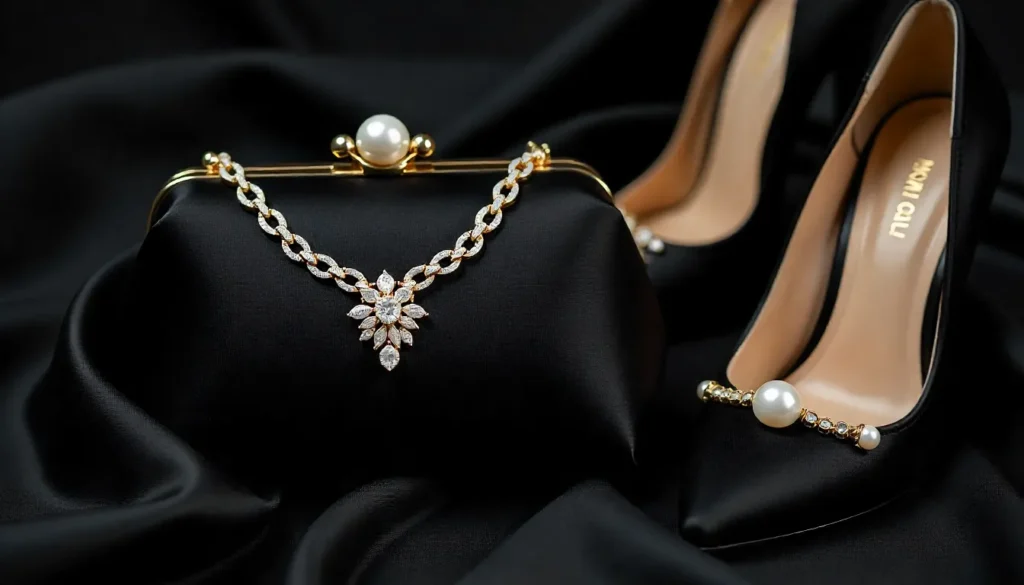
Accessories are the punctuation marks of your outfit. They can elevate a simple dress or tone down a dramatic one.
Shoes: Comfort vs. Style
Since gowns cover your feet most of the time, prioritize comfort, but don’t neglect style.
- Heels: Stilettos or strappy sandals are the standard. They improve posture and the way a gown hangs.
- Flats: If you cannot wear heels, opt for embellished evening flats in satin or velvet. Avoid rubber soles, sneakers, or casual boots.
- The Hem Rule: Ensure your dress is hemmed to the height of the shoes you intend to wear. Tripping over a too-long hem is a common mishap.
Jewelry: Statement vs. Minimalist
Formal events are the time to bring out the “good jewelry.”
- Diamonds and Pearls: You can never go wrong with these classics.
- Costume Jewelry: High-quality costume jewelry is perfectly acceptable. Large crystal earrings or a bold cuff can be stunning.
- Balance: If you are wearing a statement necklace, keep earrings small. If you are wearing chandelier earrings, skip the necklace.
The Evening Bag
Leave the tote bag and shoulder bag at home.
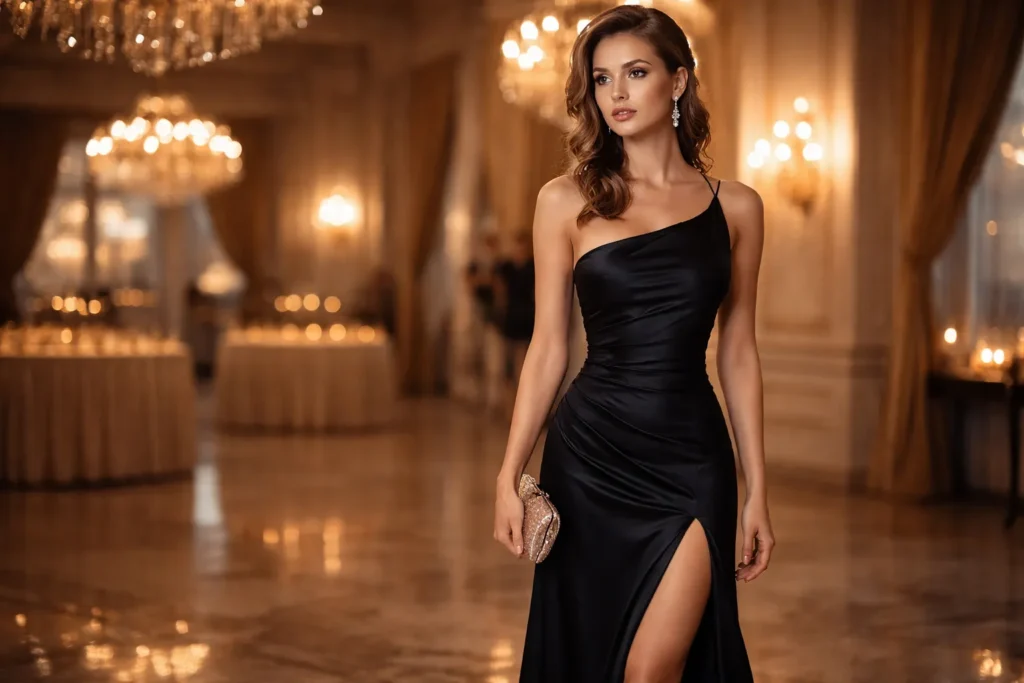
- ** The Clutch:** A small clutch or minaudière is the only bag appropriate for Black Tie. It should be just big enough for your phone, lipstick, and breath mints.
- Materials: Metallic hard-cases, satin pouches, or beaded bags work best.
Outerwear: What to Wear Over Your Gown
Do not ruin a beautiful look by throwing a denim jacket or a casual puffer coat over it.
- Faux Fur Stole: Adds instant glamour and warmth.
- Opera Coat: A long, tailored wool coat looks elegant.
- Pashmina or Shawl: A high-quality silk or cashmere shawl is perfect for draping over shoulders in drafty halls.
- Cape: A structured cape is a modern and architectural choice.
Beauty and Grooming for Formal Events
Your grooming is an extension of the ladies dress code for black tie. It completes the polished aesthetic.
Hair
- Updos: A chignon, French twist, or sleek bun is traditional for formal events as it exposes the neck and shoulders (and jewelry).
- Down: Wearing hair down is acceptable if it is styled—think “Old Hollywood waves” or sleek and straight. Messy beach waves or a gym ponytail are too casual.
Makeup
- Evening Standard: Evening events usually require slightly more defined makeup than daytime, as lighting can be dim.
- The Focus: Choose one feature to highlight—either a smoky eye or a bold lip, but usually not both at full intensity.
- Manicure: Ensure nails are clean and manicured. Neutral shades, classic red, or dark vampy colors are all appropriate. Avoid chipped polish.
Navigating the Variations of Black Tie
Sometimes the invitation adds a modifier to “Black Tie,” which creates nuances in the expectation.
Black Tie Optional
This code is often used to be inclusive of guests who may not own a tuxedo or gown.
- Translation: You can wear a full gown, and you will look great. However, you can also wear a very dressy cocktail dress or a formal separate combination without feeling underdressed.
- Strategy: It is always better to be slightly overdressed than underdressed. When in doubt, wear the long dress.
Creative Black Tie
This is common in the fashion and arts industries.
- Translation: The formal standard applies, but you are encouraged to show personality.
- Strategy: This is the place for bold prints, architectural shapes, vintage gowns, unique accessories, or even fancy themed attire (e.g., a formal western gala).
Black Tie Weddings vs. Galas
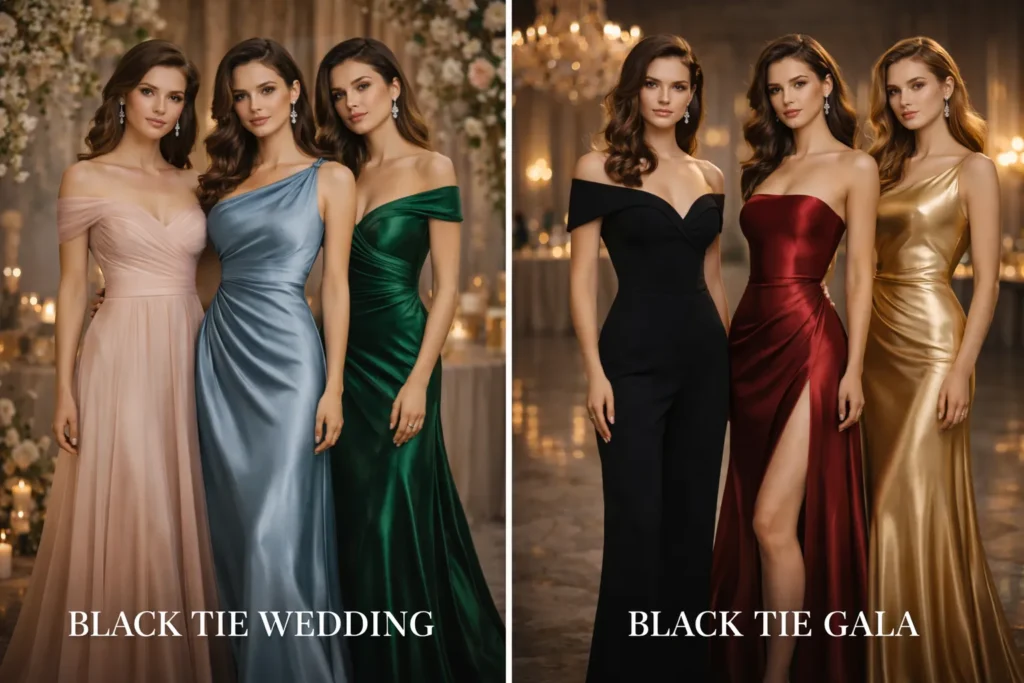
- Weddings: While formal, weddings are celebratory and romantic. Softer colors, florals, and flowing fabrics like chiffon are popular. Avoid white.
- Galas/Awards: These are often more “red carpet.” You can go for sharper silhouettes, bolder colors, sequins, and more structured fabrics.
The Dos and Don’ts Checklist
To summarize the ladies dress code for black tie, keep this checklist in mind:
DO:
- Wear a floor-length gown or a very formal, sophisticated cocktail dress.
- Choose luxe fabrics like velvet, silk, and chiffon.
- Wear evening-appropriate shoes (heels or fancy flats).
- Carry a small clutch bag.
- Ensure your undergarments are invisible (no visible bra straps).
DON’T:
- Wear cotton, denim, or linen.
- Wear a dress that is too revealing (balance is key—if the back is low, keep the front higher).
- Wear a watch that looks like a fitness tracker or sports watch.
- Wear white to a wedding.
- Take off your shoes on the dance floor (bring blister plasters instead).
Conclusion:
Ultimately, adhering to the ladies dress code for black tie is about respect—respect for the hosts who have planned an elaborate evening, and respect for the occasion itself. It is a rare opportunity in our increasingly casual world to indulge in fantasy, glamour, and sophistication.
Whether you choose a sweeping velvet gown, a sleek tuxedo, or a sparkling column dress, the most important accessory you can wear is confidence. When you feel comfortable in your attire and know you have respected the etiquette of the evening, you are free to enjoy the champagne, the conversation, and the celebration. So embrace the grandeur, have fun with your fashion choices, and prepare for a night to remember.
Frequently Asked Questions (FAQs)
Q1: Can I wear a short dress to a Black Tie event?
A1: While tradition dictates floor-length, a short dress is acceptable if it is exceptionally formal. It should feature luxury fabric (lace, velvet, satin) and perhaps some embellishment. A simple “little black dress” that you would wear to the office or a dinner date is generally not formal enough. If the invitation says “Strictly Black Tie,” stick to a long gown.
Q2: Do I have to spend a fortune on a gown?
A2: Absolutely not. You can find stunning formal wear at various price points. Renting a dress (via services like Rent the Runway) is a popular and sustainable option for wearing designer gowns without the designer price tag. High-street brands also offer “premium” or “studio” collections that feature affordable evening wear.
Q3: Is it okay to wear pants?
A3: Yes! A tailored tuxedo suit or a formal jumpsuit made of silk or crepe is a very chic and appropriate interpretation of the ladies dress code for black tie. Just ensure the fit is impeccable and style it with heels and evening jewelry to differentiate it from business wear.
Q4: Can I wear open-toed shoes?
A4: Yes, strappy heeled sandals are a classic choice for evening gowns, especially in warmer months or for indoor events. Just ensure your pedicure is fresh. Closed-toe pumps are also a timeless option.
Q5: What should I do if I’m unsure about the dress code?
A5: If the invitation is vague or you are worried about the specific crowd, it is perfectly acceptable to contact the host or the event organizer to ask for clarification. Alternatively, asking friends who are also attending can help you gauge the general vibe.