12 Stunning Indie Outfits That Will Instantly Transform Your Style
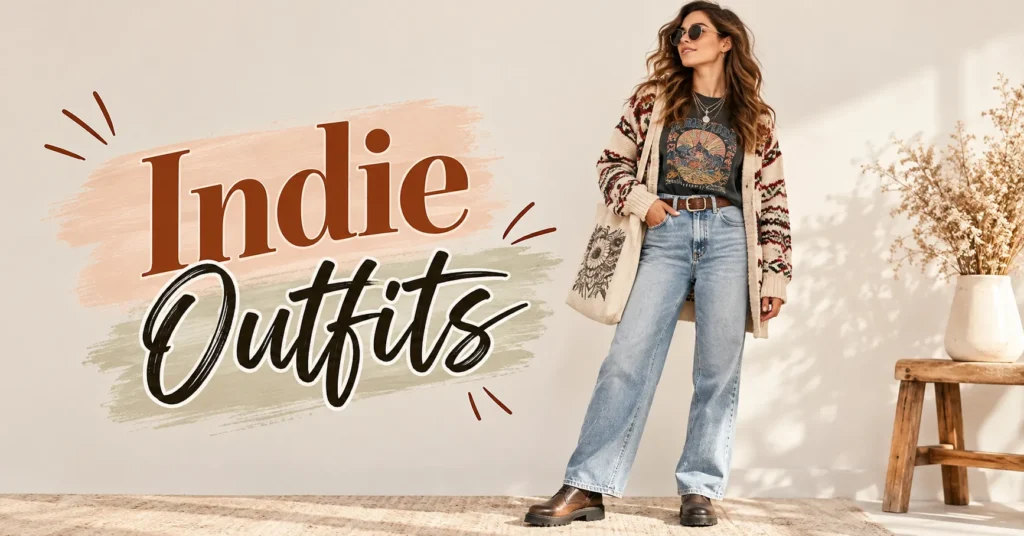
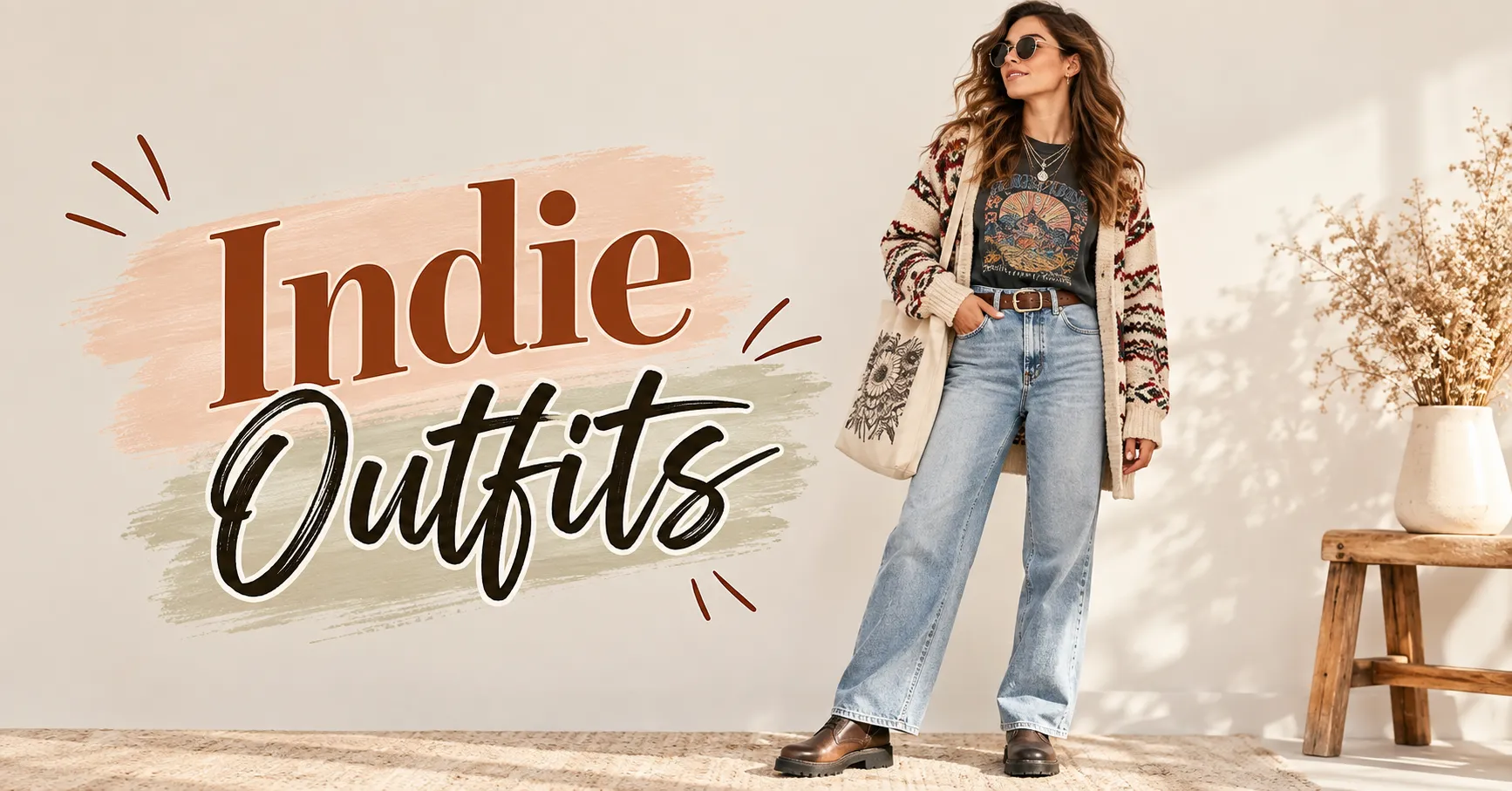
Indie outfits are all about one thing: looking like yourself. They mix thrifted finds, vintage pieces, and a little rebellion into clothes that feel personal instead of mass-produced. Maybe you love the moody layers of grunge. Maybe you prefer the soft, free spirited feel of boho style. Either way, the indie aesthetic leaves room for both.
This guide walks you through 12 distinct indie outfits you can copy, remix, or use as a starting point. You’ll also learn where the style came from, which wardrobe staples matter most, and how to build the look on a budget. By the end, you’ll have a clear plan for creating alternative outfits that feel fresh, wearable, and true to you.
What Is the Indie Aesthetic?
“Indie” is short for independent. The term started in music, where it described bands that worked outside major record labels. Over time, fans of those bands built a look that matched the sound: secondhand, a bit messy, and proudly different from mainstream trends.
Today, the indie aesthetic covers a wide range of styles. Think vintage fashion, thrift store treasures, band tees, chunky boots, and playful colors. The common thread is individuality. Indie outfits aren’t about following a strict rulebook. They’re about curating pieces that reflect your taste, your music, and your mood.
A Quick History of Indie Fashion
Indie style has gone through several waves. Each one left behind pieces that still show up in modern wardrobes.
- 1990s: Grunge bands made flannel shirts, ripped denim, and combat boots iconic.
- Mid 2000s to early 2010s: The “indie sleaze” era brought skinny jeans, leather jackets, and messy party looks.
- Around 2020: The “indie kid” trend went viral on social media with bright colors, patterned pants, and quirky accessories.
- Today: Indie fashion blends all three eras with a strong focus on thrifting and sustainability.
This layered history is why modern indie outfits feel so flexible. You can pull from any era and still stay on theme.
How Indie Compares to Other Alternative Styles
Indie often gets confused with nearby aesthetics. The table below shows how they differ.
| Aesthetic | Core Vibe | Key Pieces | Color Palette |
| Indie | Quirky, personal, thrifted | Band tees, cardigans, mom jeans, Docs | Mixed: earthy tones with pops of color |
| Grunge | Moody, rebellious | Flannel, ripped jeans, combat boots | Dark plaids, black, muted greens |
| Boho | Free-spirited, romantic | Maxi dresses, fringe, suede | Warm neutrals, rust, mustard |
| Soft Grunge | Dreamy meets edgy | Slip dresses, chokers, chunky knits | Pastels with black |
| Dark Academia | Scholarly, vintage | Blazers, turtlenecks, loafers | Brown, burgundy, navy |
| Skater | Relaxed, sporty | Baggy pants, hoodies, Vans | Neutrals, primary colors |
As you can see, indie borrows from almost all of them. That’s what makes it such a welcoming style to explore.
Why Indie Outfits Are Still Trending in 2026
Fashion trends come and go fast. Yet indie outfits keep returning because they solve real problems for shoppers.
They’re budget friendly. Most pieces come from thrift stores, vintage shops, or your own closet. You don’t need designer labels to nail the look.
They support sustainable fashion. Buying secondhand keeps clothes out of landfills and reduces demand for fast fashion. Many people choose indie outfits partly for this reason.
They allow self expression. No two indie wardrobes look exactly alike. Your outfit can tell people what music you love or which decade inspires you.
They work across seasons. Layering is central to the style, so you can adapt the same pieces for summer and winter.
They’re comfortable. Loose jeans, soft cardigans, and broken-in boots beat stiff, trendy pieces any day.
Essential Wardrobe Staples for Indie Outfits
Before you dive into the 12 looks, it helps to have a few core pieces ready. These staples appear again and again across indie outfits, so they give you the most value.
| Staple Piece | Why It Matters | Where to Find It | Approx. Thrift Price |
| Vintage band T-shirt | Instant indie identity | Thrift stores, online resale apps | $5–$25 |
| Flannel shirt | Layering hero for grunge outfits | Thrift stores, dad’s closet | $4–$15 |
| Mom jeans or straight-leg denim | Flattering, versatile base | Vintage shops, resale apps | $8–$30 |
| Chunky knit cardigan | Cozy, works over anything | Thrift stores, knit it yourself | $6–$20 |
| Combat boots or Docs | Grounds every look | Resale apps, outlet stores | $30–$90 |
| Converse or Vans | Easy everyday sneaker | Retail, secondhand | $20–$50 |
| Slip dress | Layers over tees or under sweaters | Vintage shops | $8–$25 |
| Corduroy pants | Adds texture and retro charm | Thrift stores | $6–$20 |
| Tote bag | Practical indie accessory | Record stores, local markets | $5–$15 |
Prices are typical secondhand ranges and vary by location and brand.
You don’t need all of these at once. Start with three or four, then build slowly as you find pieces you love.
12 Indie Outfits You Need to Try
Here are 12 indie outfits that range from cozy to bold. Each one includes what to wear, why it works, and a quick styling tip.
1. The Classic Grunge Flannel Layer
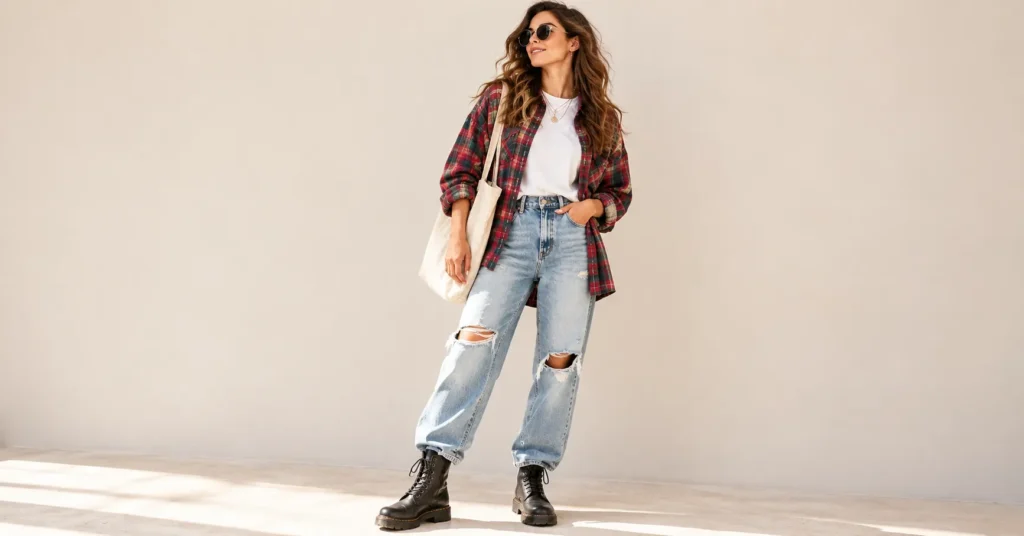
This look is the backbone of 90s inspired indie style. Throw an oversized flannel shirt over a plain white or black tee. Pair it with ripped light wash jeans and lace up combat boots.
Why it works: Flannel adds pattern and warmth without much effort. The ripped denim keeps it relaxed, while the boots add an edgy finish.
Styling tip: Tie the flannel around your waist on warmer days. It gives the outfit shape and keeps the grunge feel intact.
Of all the indie outfits on this list, this one is the easiest to build from items you may already own.
2. The Indie Sleaze Party Look
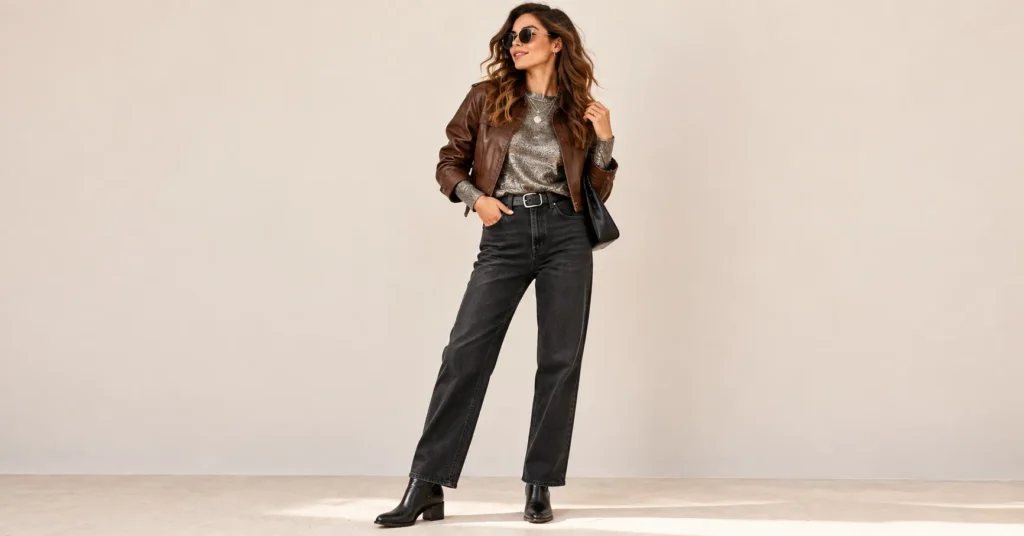
Indie sleaze is back, and it’s loud. Picture black skinny or straight leg jeans, a sheer or metallic top, a cropped leather jacket, and scuffed ankle boots. Add smudged eyeliner and messy hair for the full effect.
Why it works: It captures the carefree energy of late 2000s concerts and house parties. The leather jacket gives structure, while the shiny top adds nighttime glam.
Styling tip: Don’t overthink it. Indie sleaze is meant to look slightly undone, like you got dressed in five minutes and still looked cool.
3. The Boho Maxi Dress with Ankle Boots
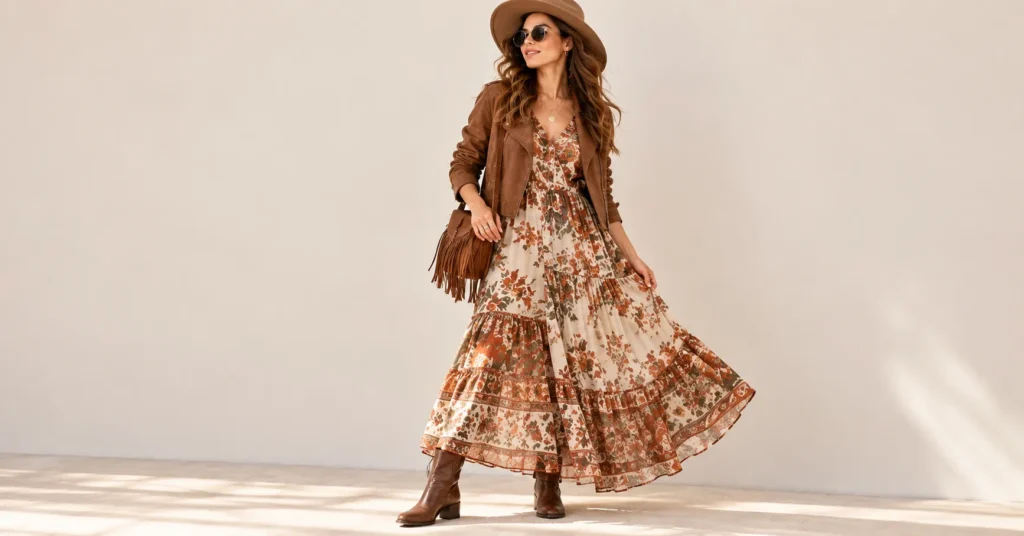
For a softer take, reach for a floral or paisley maxi dress. Layer a suede or denim jacket on top and finish with brown ankle boots. A wide brim hat or stack of thin rings completes the boho style.
Why it works: The flowing dress feels romantic, but the boots stop it from looking too sweet. It’s a great example of how indie outfits blend opposites.
Styling tip: Look for dresses in earthy shades like rust, mustard, or olive. They pair easily with brown leather accessories.
4. The Vintage Band Tee and Mini Skirt
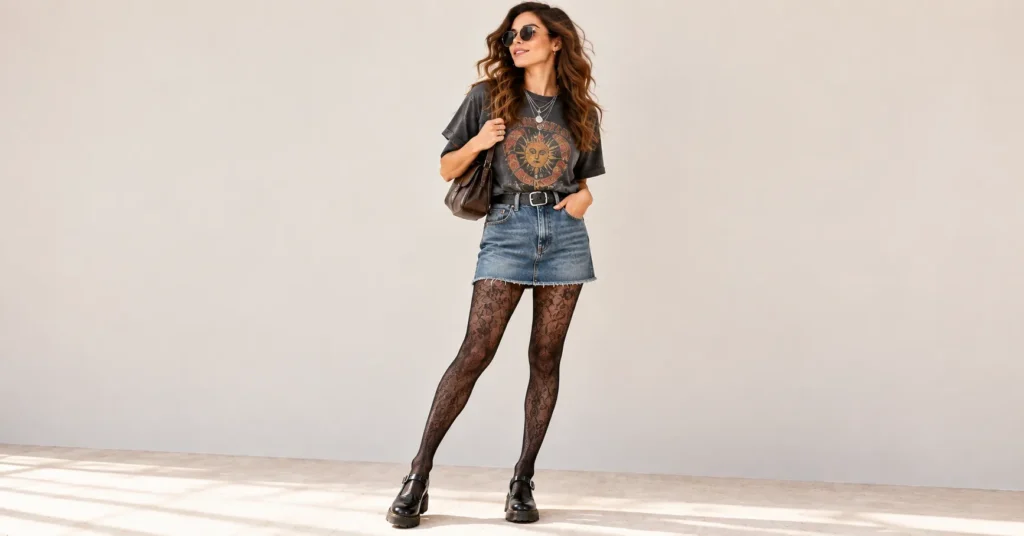
Grab a faded band tee, tuck it into a denim or corduroy mini skirt, and add patterned tights. Chunky Mary Janes or platform sneakers make a fun finishing touch.
Why it works: The band tee shows off your music taste. The mini skirt and tights add playful contrast, especially in fall.
Styling tip: Choose a band you actually listen to. Indie fans will often ask about your shirt, and it’s an easy conversation starter.
5. The Indie Kid Cardigan and Plaid Skirt
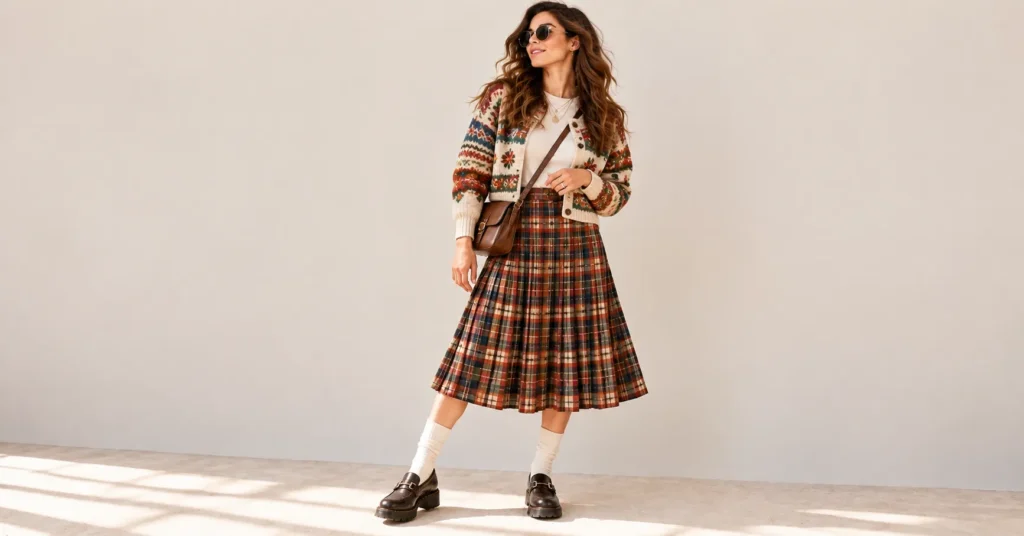
This outfit leans into the colorful “indie kid” trend. Wear a cropped, patterned cardigan over a fitted tee. Add a plaid pleated skirt, knee high socks, and loafers or chunky sneakers.
Why it works: It mixes prints in a way that feels intentional and fun. The look has a slightly retro, schoolyard charm.
Styling tip: When mixing patterns, keep one shared color between them. For example, a green cardigan pairs well with a plaid skirt that has green in it.
Cardigan-based indie outfits are perfect for school, coffee dates, or casual weekends.
6. Mom Jeans and a Graphic Crop Top
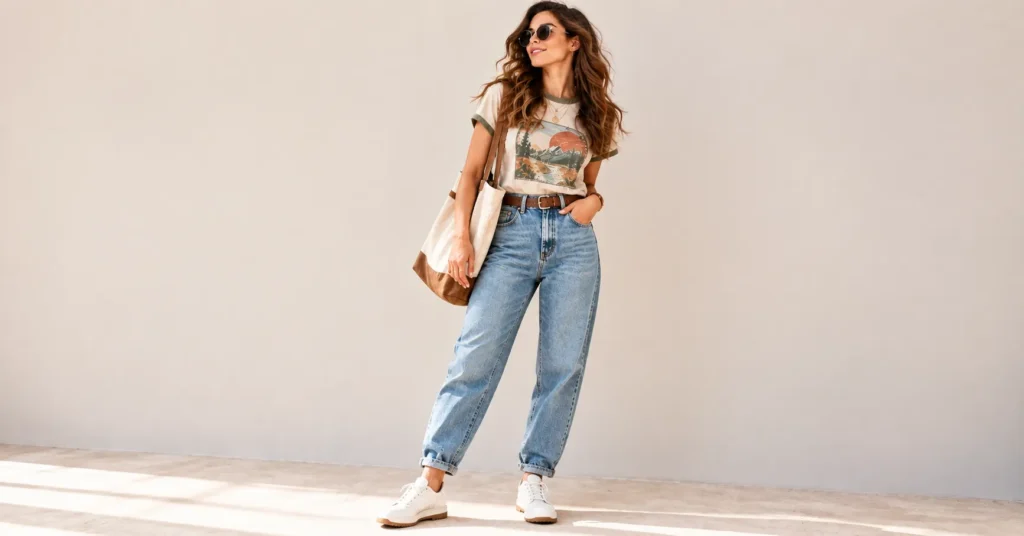
Simple, comfy, and always reliable. Pair high waisted mom jeans with a graphic crop top or baby tee. Add a brown belt, white sneakers, and a canvas tote bag.
Why it works: The high waist flatters most body types. The graphic tee keeps it playful instead of basic.
Styling tip: Hunt for retro graphics like old cartoon characters, national park logos, or obscure local businesses. They feel more authentic than mass produced prints.
This is one of those indie outfits you can wear on repeat without getting bored.
7. Overalls with a Striped Tee
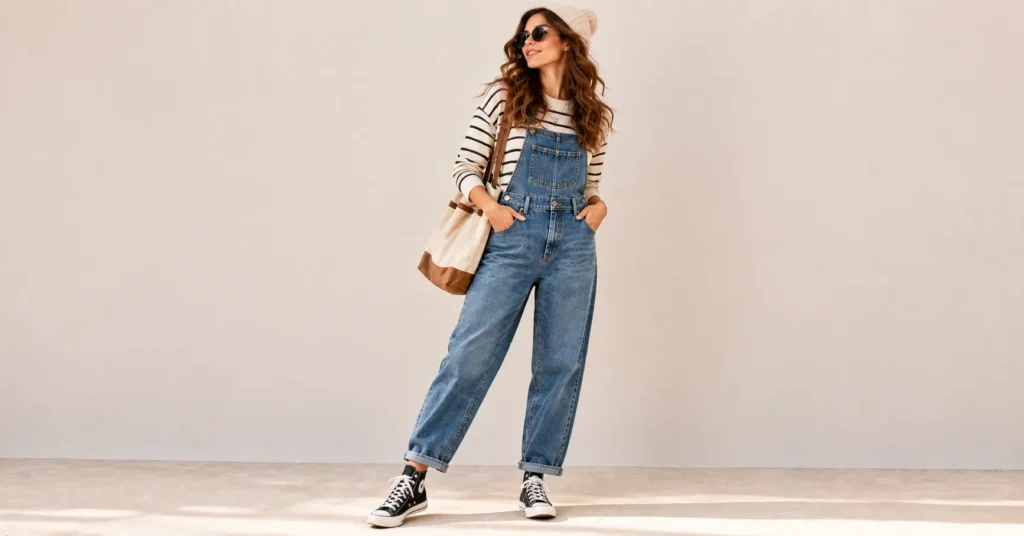
Overalls have a charming, artsy feel. Wear denim or corduroy overalls over a striped long-sleeve tee. Finish with Converse high tops and a beanie.
Why it works: The stripes add movement, while the overalls give a relaxed, creative vibe. It’s the outfit of someone who paints, plays guitar, or runs a record shop.
Styling tip: Leave one strap unbuttoned for a more effortless look. Roll the hems to show off your sneakers.
8. Corduroy Pants and a Chunky Knit Sweater
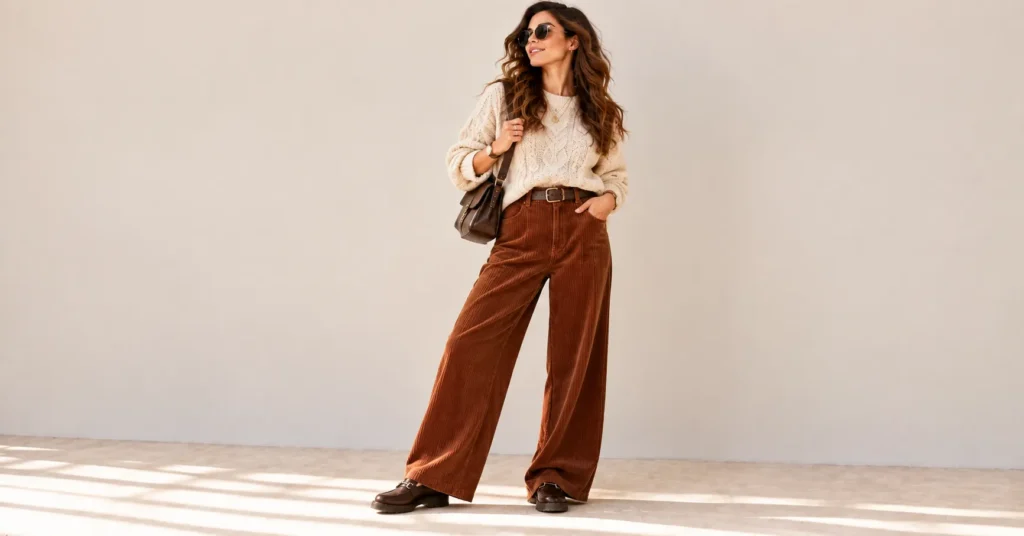
This cozy combo is ideal for colder days. Choose wide leg corduroy pants in brown, rust, or forest green. Add an oversized knit sweater and leather loafers or worn in boots.
Why it works: Corduroy and knits bring rich texture. Together, they create warm, vintage fashion vibes without looking costume like.
Styling tip: Tuck just the front of your sweater into your pants. This “French tuck” shows your waist while keeping the cozy feel.
Texture heavy indie outfits like this one photograph beautifully, too.
9. The Slip Dress Over a T-Shirt
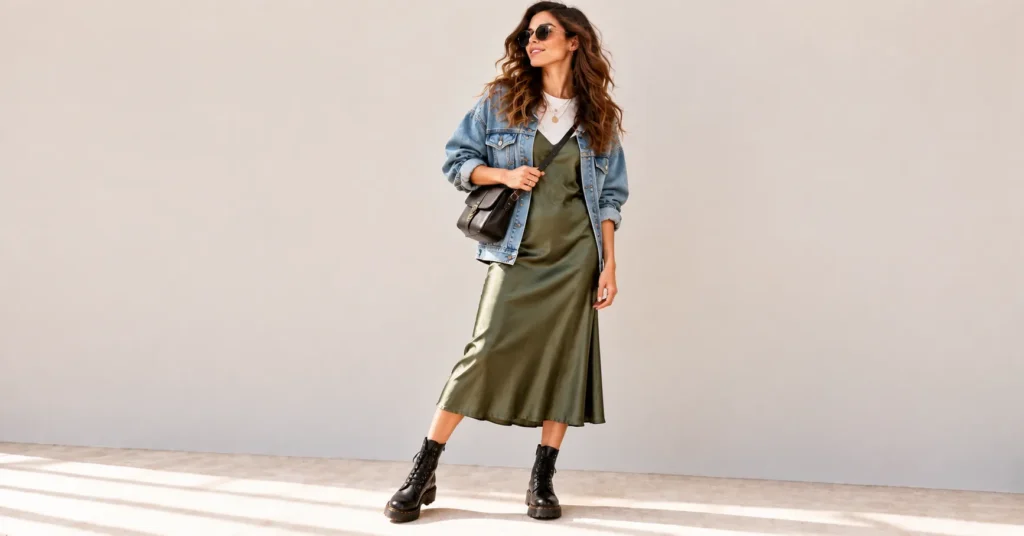
This 90s-inspired layering trick is pure soft grunge. Slide a satin slip dress over a fitted white or black tee. Add combat boots, a choker, and an oversized denim jacket.
Why it works: It mixes delicate and tough elements in one outfit. The tee makes the slip dress daytime friendly.
Styling tip: In winter, swap the tee for a thin turtleneck and add tights. You’ll get far more wear from one dress.
10. The Oversized Blazer and Mini Dress
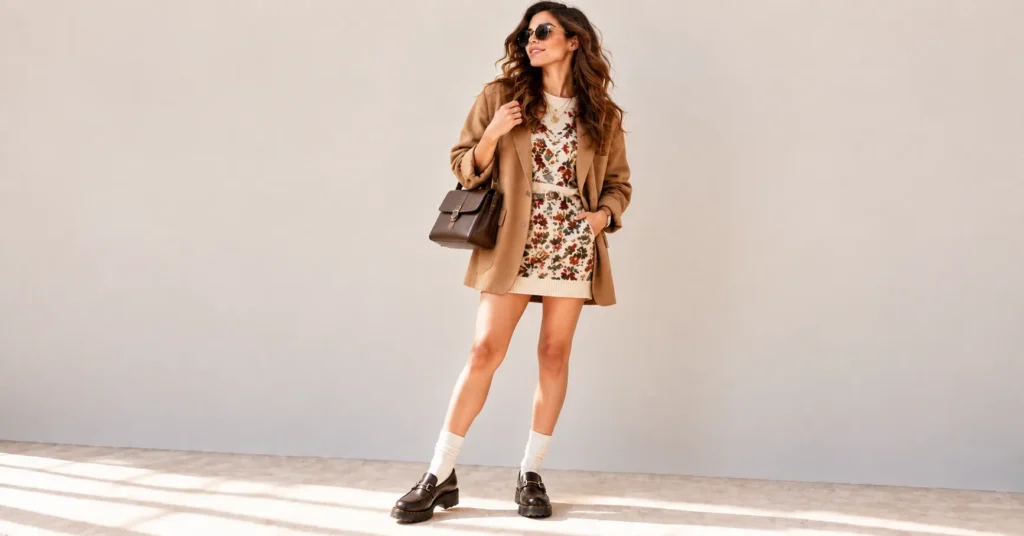
Indie doesn’t always have to be casual. Throw a thrifted, oversized blazer over a short knit or floral dress. Pair with loafers and white socks, or knee high boots for a bolder look.
Why it works: The structured blazer adds polish, while the mini dress keeps it youthful. It’s perfect for gallery openings, dinners, or creative workplaces.
Styling tip: Check the men’s section of thrift stores for blazers. You’ll often find better fabrics and that ideal slouchy fit.
Smart casual indie outfits like this prove the aesthetic can grow with you.
11. The Patchwork Jacket and Wide Leg Jeans
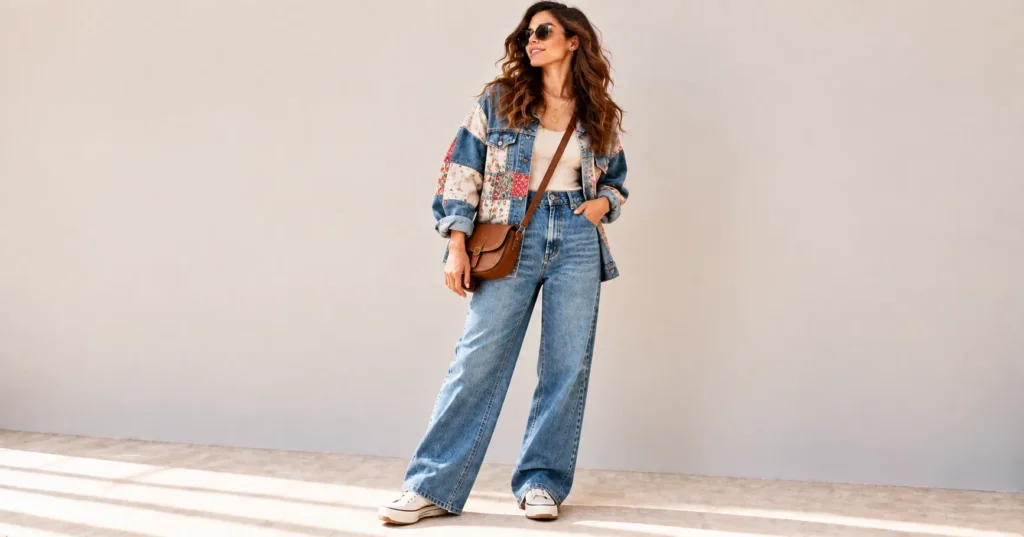
This outfit celebrates handmade and upcycled fashion. Choose a patchwork denim jacket or quilted coat. Pair it with wide leg jeans, a simple tank, and platform sneakers.
Why it works: Patchwork is unique by nature, so nobody else will have the same piece. It also highlights the sustainable side of indie culture.
Styling tip: Keep the rest of the outfit simple. Let the jacket be the star.
Want to go further? Add your own patches, embroidery, or pins. DIY touches make indie outfits feel truly one of a kind.
12. The Skater Inspired Baggy Cargo Look
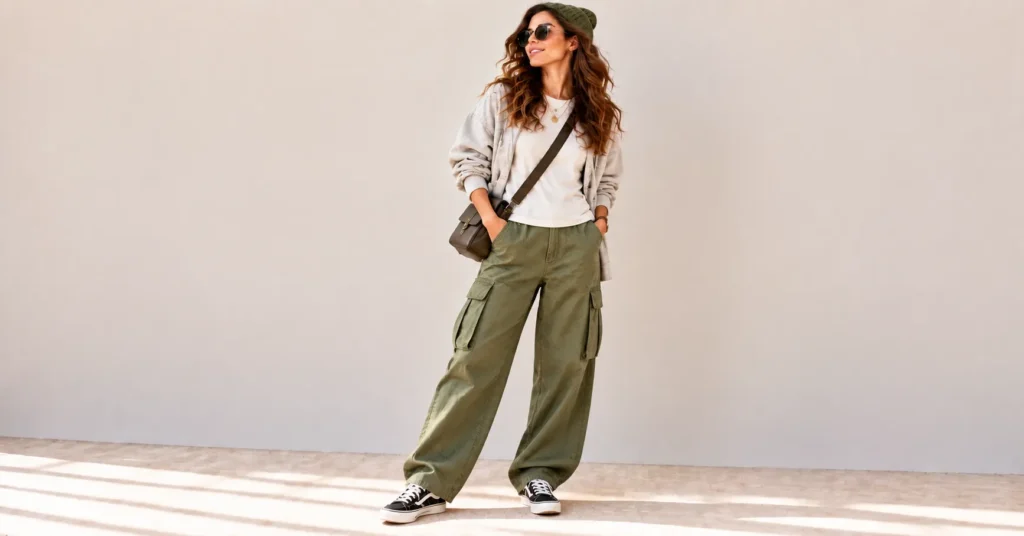
Relaxed and practical, this look borrows from skate culture. Wear baggy cargo pants with an oversized hoodie or a boxy band tee. Add classic Vans, a beanie, and a crossbody bag.
Why it works: It’s comfortable enough for all day wear. The loose silhouette feels laid back and effortlessly cool.
Styling tip: Balance the baggy pants with a slightly cropped or tucked top. This keeps your shape from getting lost.
Quick Comparison: Which Indie Outfit Fits Your Day?
Not sure where to start? Use this table to match indie outfits to your plans.
| Outfit | Best Occasion | Best Season | Budget Level | Comfort Level |
| Grunge Flannel Layer | Everyday, school | Fall, spring | Low | High |
| Indie Sleaze Party Look | Concerts, nights out | Year-round | Medium | Medium |
| Boho Maxi Dress | Festivals, brunch | Spring, summer | Medium | High |
| Band Tee and Mini Skirt | Casual hangouts, gigs | Fall | Low | Medium |
| Indie Kid Cardigan | School, coffee dates | Fall, spring | Low | High |
| Mom Jeans and Crop Top | Everyday | Spring, summer | Low | High |
| Overalls and Striped Tee | Art class, weekends | Spring, fall | Low | High |
| Corduroy and Knit | Cozy days, study sessions | Winter | Low | Very high |
| Slip Dress Over Tee | Dates, casual events | Year-round | Low | Medium |
| Blazer and Mini Dress | Dinners, galleries, work | Fall, spring | Medium | Medium |
| Patchwork Jacket | Markets, festivals | Fall, spring | Medium | High |
| Skater Cargo Look | Everyday, travel | Year-round | Low | Very high |
How to Build Indie Outfits on a Budget
One of the best things about indie outfits is that they reward creativity over spending. Here’s how to build a great wardrobe without breaking the bank.
Thrift With a Plan
Thrift stores can feel overwhelming. Go in with a short list, such as “flannel, corduroy pants, cardigan.” This keeps you focused.
Visit on weekdays if you can. Stores often restock early in the week, and crowds are smaller. Always check seams, zippers, and underarms before buying.
Shop Online Resale Apps
Resale platforms make vintage fashion easy to find. Use specific search terms like “90s band tee,” “vintage corduroy,” or “y2k mini skirt.” Save searches so you get alerts for new listings.
Try DIY Upgrades
Small changes can transform a basic piece:
- Crop a thrifted tee for a boxier shape
- Add patches or pins to a denim jacket
- Distress jeans with sandpaper for a worn-in look
- Dye faded clothes a deeper color
DIY gives you control and makes your pieces feel personal.
Build a Mini Capsule Wardrobe
A capsule wardrobe is a small set of items that all work together. With about 15 to 20 pieces, you can create dozens of indie outfits. Choose neutral bases like jeans and plain tees, then add character with patterned or colorful layers.
Swap With Friends
Clothing swaps are free and fun. Invite friends over, bring pieces you no longer wear, and trade. It’s sustainable, social, and a great way to discover new styles.
Must-Have Accessories for the Indie Aesthetic
Accessories can turn a simple outfit into a statement. They’re also the cheapest way to make indie outfits feel complete.
Jewelry: Layered silver rings, chunky chains, beaded necklaces, and mismatched earrings all fit the vibe. Thrift stores often have unique vintage pieces.
Bags: Canvas totes from bookstores or record shops are an indie classic. Small crossbody bags and vintage leather satchels also work well.
Headwear: Beanies, bucket hats, berets, and wide-brim hats add personality. A beanie works with almost any of the 12 looks above.
Socks and tights: Patterned tights, frilly ankle socks, or striped knee-highs bring fun details to skirts and dresses.
Pins and patches: Decorate jackets, bags, and hats with band pins or quirky patches. They tell your story at a glance.
Sunglasses: Small oval frames or round retro shades nod to 90s and 70s fashion.
Common Mistakes to Avoid
Even with great pieces, a few habits can make indie outfits look less authentic.
Buying Everything at Once
It’s tempting to buy a full “indie starter pack” from a fast fashion store. But the real charm of the style comes from collecting pieces slowly. Rushed outfits often look like costumes.
Ignoring Fit
Oversized doesn’t mean ill-fitting. Make sure shoulders sit right and pants don’t drag on the ground. A quick tailoring job can make thrifted items look custom-made.
Copying Without Personalizing
Inspiration is great, but copying an influencer’s outfit piece-for-piece misses the point. Add something that’s uniquely yours, like a handmade bracelet or a shirt from a local band.
Overloading Accessories
A few thoughtful accessories beat ten random ones. If your jacket is busy, keep your jewelry simple.
Seasonal Guide to Indie Outfits
Indie style shifts easily with the weather. Here’s a simple breakdown of how to adapt your wardrobe across the year.
| Season | Key Pieces | Go-To Fabrics | Outfit Idea |
| Spring | Light cardigans, mini skirts, overalls | Cotton, linen, light denim | Striped tee, overalls, Converse |
| Summer | Slip dresses, crop tops, maxi dresses | Cotton, satin, linen | Boho maxi dress with sandals |
| Fall | Flannels, corduroy, band tees, boots | Flannel, corduroy, denim | Flannel, ripped jeans, combat boots |
| Winter | Chunky knits, wool coats, tights | Wool, knit, thick cord | Corduroy pants, knit sweater, beanie |
Layering is your best friend year-round. In cooler months, add tights, turtlenecks, and long coats. In warmer months, strip back to single pieces and lighter fabrics.
Conclusion
Indie outfits prove that great style doesn’t need a big budget or a strict set of rules. Whether you lean toward moody grunge outfits, dreamy boho style, playful indie kid prints, or relaxed skater looks, the core idea stays the same: wear what feels like you.
Start small. Pick one or two indie outfits from this list and build them with pieces you already own or can find secondhand. Over time, you’ll naturally develop a wardrobe full of alternative outfits that tell your story.
Most of all, have fun with it. Mix eras, clash patterns, and try something new. The best indie outfits are the ones that make you feel confident every time you walk out the door.
Frequently Asked Questions (FAQs) about Indie Outfits
What are indie outfits?
Indie outfits are clothing combinations inspired by independent music and alternative culture. They often feature thrifted pieces, vintage fashion, band tees, layered textures, and a focus on individuality over mainstream trends.
How do I start dressing indie on a budget?
Begin with thrift stores and online resale apps. Focus on staples like mom jeans, a flannel shirt, a cardigan, and a band tee. DIY upgrades and clothing swaps can also help you build a wardrobe without spending much.
What’s the difference between indie and grunge style?
Grunge is darker and more rebellious, with flannel, ripped denim, and combat boots. Indie is broader and often more colorful. It borrows from grunge but also includes boho, retro, and quirky elements.
What shoes go best with indie outfits?
Dr. Martens, combat boots, Converse, Vans, loafers, and Mary Janes are all popular choices. Chunky platform sneakers also work well with skirts and wide-leg pants.
Can indie outfits be worn to work?
Yes. Smart-casual options like an oversized blazer with a dress, or corduroy pants with a knit sweater, fit well in creative and relaxed workplaces. Keep accessories minimal for a more polished look.
What is indie sleaze?
Indie sleaze is a party-focused style from the late 2000s and early 2010s. It features skinny jeans, leather jackets, metallic tops, messy hair, and smudged eyeliner. It has made a strong comeback in recent years.
Are indie outfits sustainable?
They can be very sustainable. Because the style relies heavily on thrifting, vintage shopping, and DIY, it reduces demand for new fast fashion items and keeps clothes in use longer.
How do I make indie outfits look unique?
Add personal touches like band pins, handmade jewelry, custom patches, or pieces tied to your favorite music. Mixing eras and patterns also helps your look stand out.