French Ombre Nails: The Complete Guide to the Baby Boomer Manicure
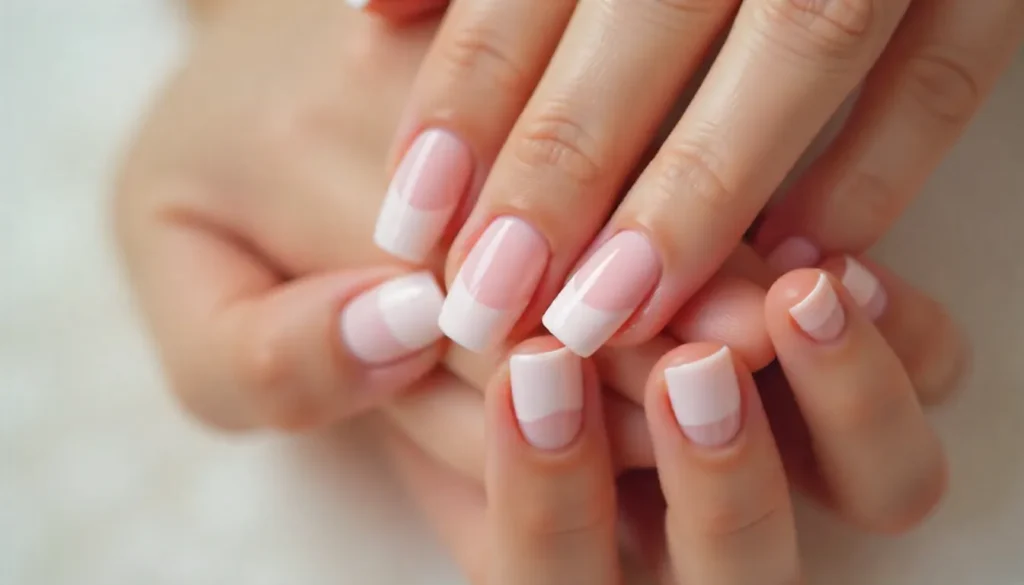
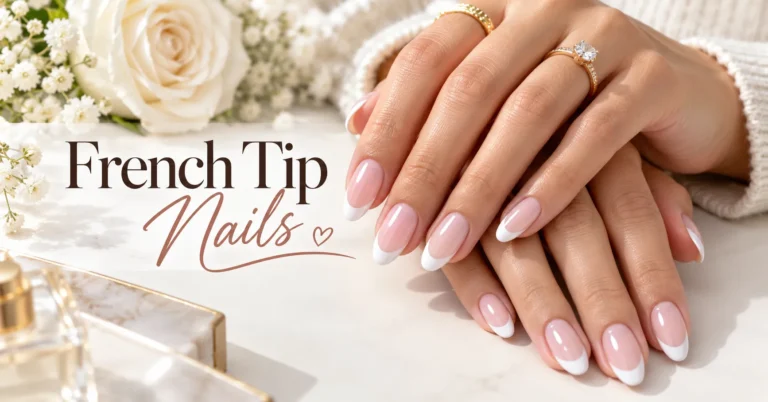
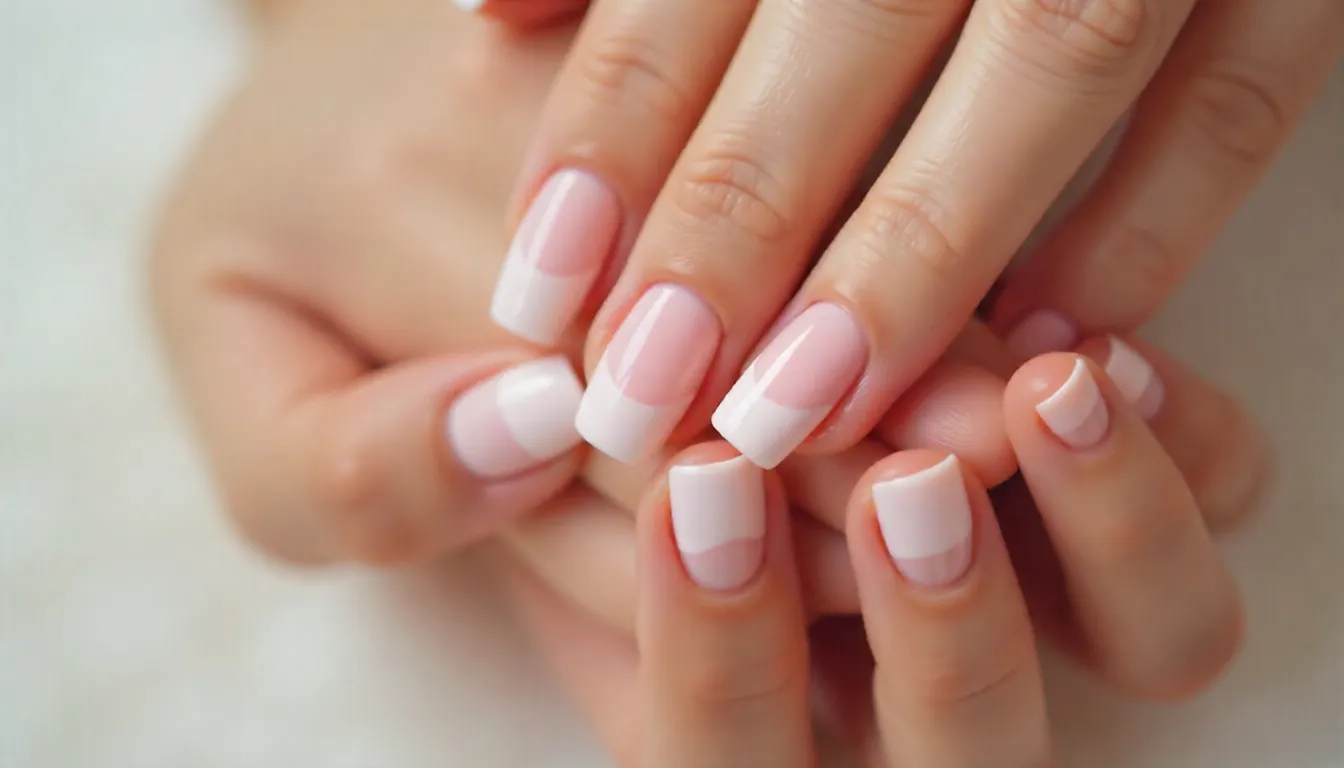
In the constantly evolving world of nail artistry, few designs have managed to bridge the gap between classic elegance and modern trendiness quite like french ombre nails. Also affectionately known as the “Baby Boomer” manicure, this sophisticated style takes the stark, defined line of a traditional French tip and blurs it into a seamless, gradient fade. The result is a soft, ethereal look that is universally flattering and suitable for absolutely any occasion, from a conservative office environment to a glamorous wedding day.
Whether you are a nail art novice looking to try something new at home or a salon regular searching for your next inspiration photo, this comprehensive guide covers everything you need to know about french ombre nails. We will explore why this style has become a permanent fixture in the beauty world, break down the different techniques to achieve it, and offer endless design variations to keep your manicure feeling fresh and exciting.
Why French Ombre Nails Are a Timeless Staple
What makes the French ombre so special? Unlike fleeting trends that burn bright and fade away (remember crackle polish?), the French ombre has staying power because it solves a fundamental aesthetic need: polished simplicity.
Universally Flattering
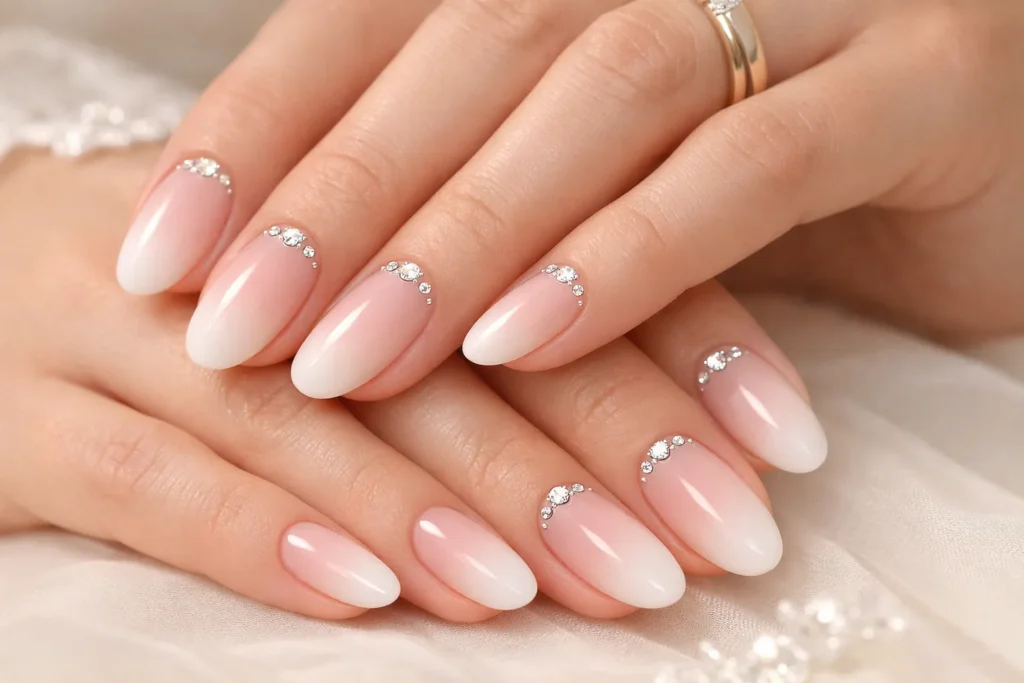
The combination of soft pink and crisp white mimics the natural coloration of a healthy nail plate, but elevated. Because the transition is gradual, it elongates the appearance of the nail bed, making fingers look longer and more slender. It works beautifully on every nail shape, from short squoval to long coffin or stiletto.
Low Maintenance Growth
One of the biggest advantages of french ombre nails over a traditional French manicure is the grow-out phase. With a sharp white tip, growth is immediately obvious. With an ombre fade, the gradient near the cuticle (usually a nude or pink that matches the nail bed) grows out much more subtly, allowing you to stretch the time between salon visits.
The Perfect Canvas
The subtle nature of the fade makes it an incredible base for further nail art. It pairs effortlessly with crystals, glitter, chrome powder, or hand-painted floral designs without looking cluttered or overwhelming.
The Techniques: How French Ombre is Created
Achieving that perfect, airbrushed blend can be done in several ways, depending on the medium you prefer—acrylic, gel polish, or dip powder.
1. The Sponge Method (Gel or Regular Polish)
This is the most accessible method for DIY enthusiasts.
- The Process: You apply a base coat of nude or pink polish. Then, you paint a stripe of white and a stripe of pink on a makeup sponge. You dab the sponge repeatedly onto the nail to blend the colors together.
- The Result: A soft, diffused look. It can get messy on the skin, so liquid latex barriers are often used around the cuticle.
2. Acrylic Blending
This is the traditional “Baby Boomer” technique often performed in salons.
- The Process: The nail technician uses two balls of colored acrylic powder—one white (for the tip) and one pink (for the bed). They feather the white up towards the middle of the nail and the pink down over the white while the product is still wet.
- The Result: A smooth, permanent structure with a deep, seamless fade.
3. Airbrushing
For a flawless, pixel-perfect gradient, some technicians use an airbrush machine.
- The Process: A stencil or freehand technique is used to spray white paint onto a pink base.
- The Result: The smoothest possible transition, though it requires specialized equipment.
4. Blooming Gel
A newer technique involving a special gel coat that causes colored polish to spread.
- The Process: White gel is applied over a wet layer of blooming gel, causing it to disperse into a soft fade naturally.
Design Variations: Modern Twists on the Classic
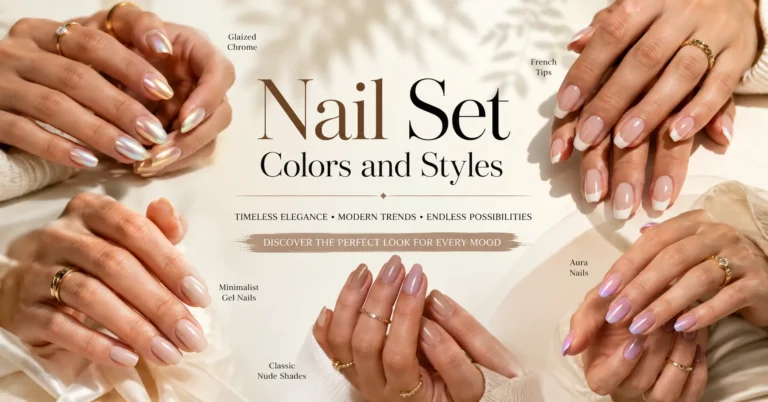
While the classic pink-and-white is iconic, french ombre nails have evolved. Here are the top trending variations to ask for at your next appointment.
The “Glazed Donut” Ombre
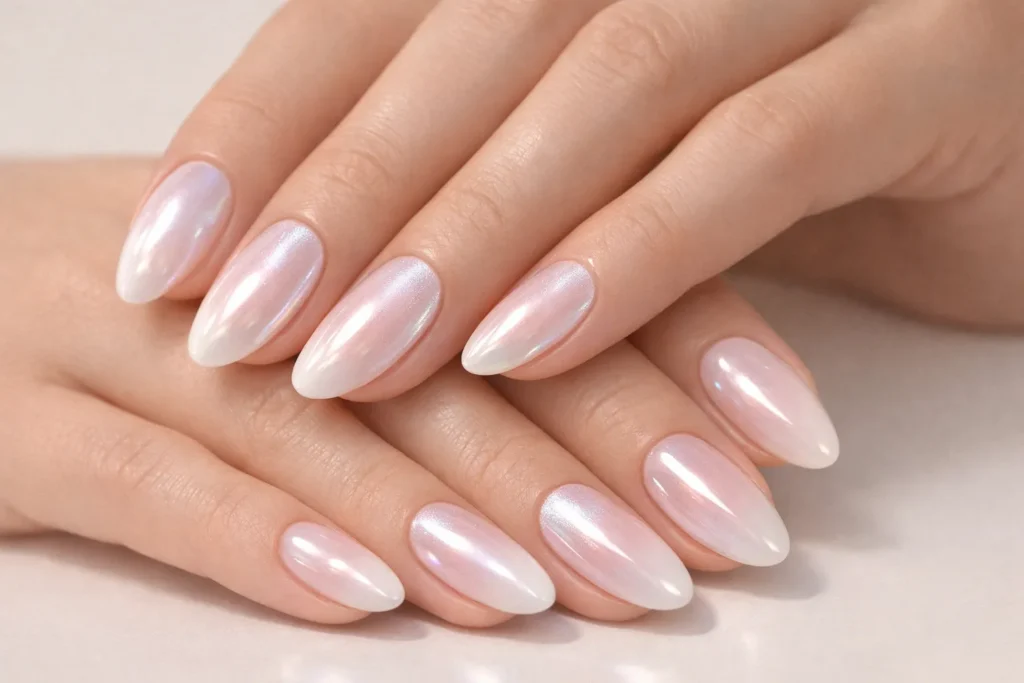
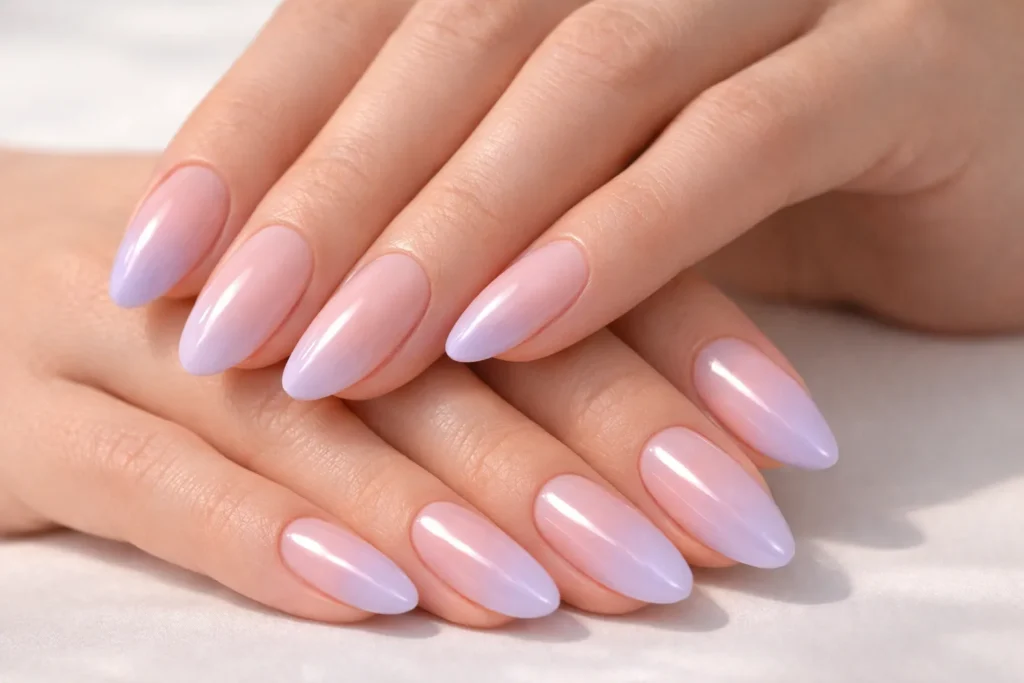
Inspired by the viral Hailey Bieber nail trend, this look takes a standard French ombre and tops it with a sheer, pearlescent chrome powder. The result is a milky, glowing finish that catches the light beautifully.
Glitter Fade
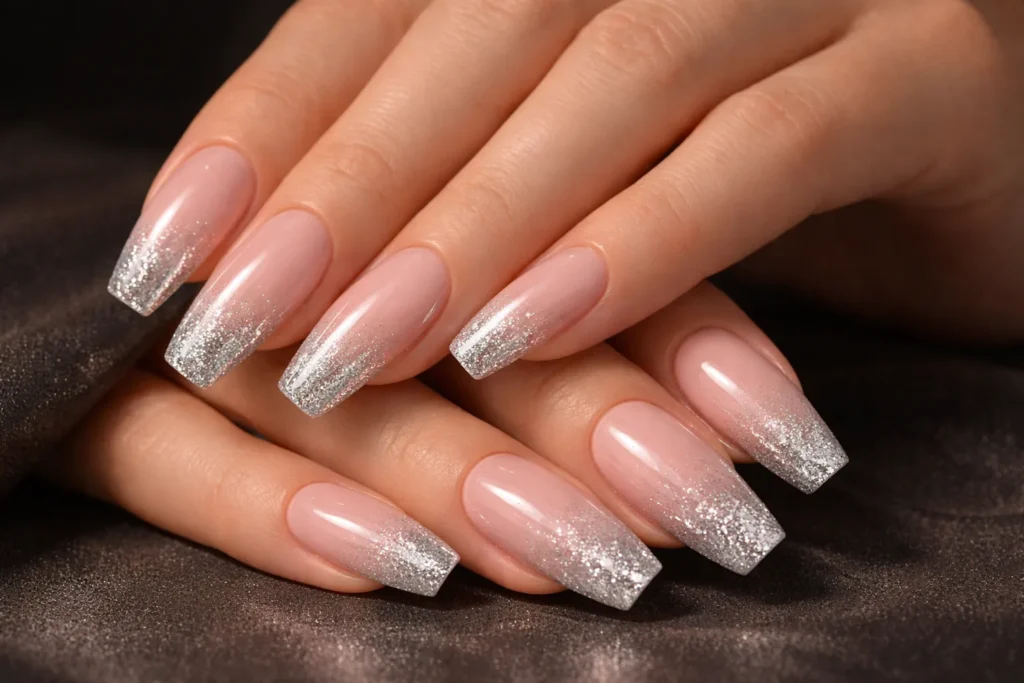
Instead of a solid white tip, swap the white for a chunky or fine glitter.
- The Look: A nude base that fades into sparkling silver, gold, or rose gold tips. This is a massive trend for holiday parties and New Year’s Eve.
Colored French Ombre
Who says the tip has to be white?
- Pastels: A nude base fading into baby blue, lilac, or mint green is perfect for spring.
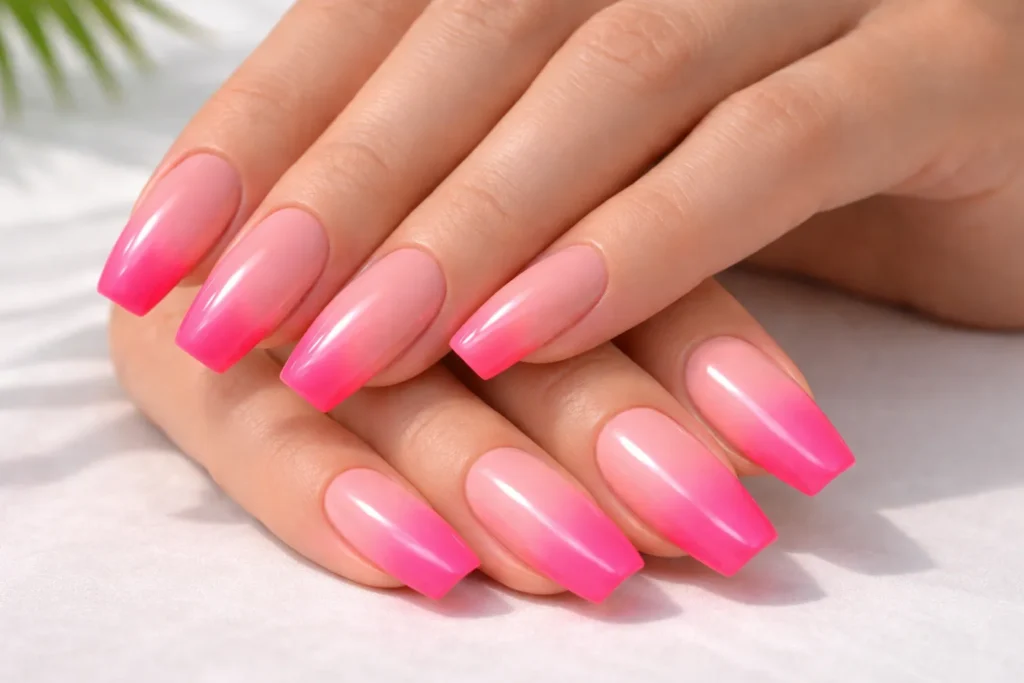
- Neons: For summer, fade a nude base into bright neon orange or hot pink for a bold, beach-ready look.
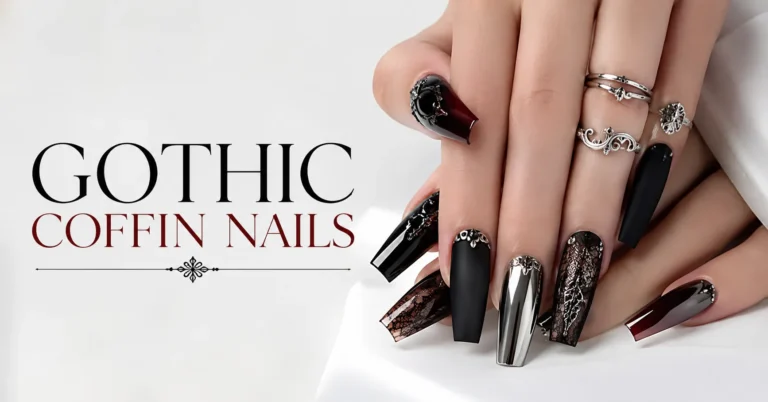
- Vampy: For autumn, try a beige base fading into deep burgundy or black (often called a “Goth French”).
Vertical Ombre
Turn the gradient on its side. Instead of fading from cuticle to tip, the color fades from the left side of the nail to the right. This creates a unique, modern visual effect that is subtle yet different.
Matte Finish
Applying a matte top coat over french ombre nails transforms the look entirely. It turns the glossy, classic style into something velvety and modern. This works particularly well with almond or coffin shapes.
Step-by-Step Tutorial: DIY French Ombre with Gel Polish
If you want to achieve this salon-quality look at home, follow this detailed guide using the sponge technique.
Tools You Need:
- Gel Base Coat and Top Coat
- Sheer Pink Gel Polish
- Opaque White Gel Polish
- Makeup Sponges (wedge shape is best)
- Lint-free wipes and rubbing alcohol
- UV/LED Lamp
- Cleanup brush
The Process:
- Prep: Clean, shape, and buff your nails. Push back cuticles. Wipe with alcohol to remove oils. Apply your Gel Base Coat and cure.
- Base Color: Apply one or two thin coats of your sheer pink gel polish. Cure each layer. This provides the background color.
- The Sponge: Take your makeup sponge. Paint a horizontal strip of white gel polish at the top and a strip of pink gel polish directly below it, slightly overlapping.
- Dabbing: Gently dab the sponge onto your nail. Move it slightly up and down to blend the line. Do not press too hard; light tapping is key. The first layer will look patchy—don’t panic! Cure this layer.
- Repeat: Repeat the sponging process 2-3 times. You will see the opacity build and the gradient smooth out. Cure between each sponging layer.
- Cleanup: Before the final cure, use a brush dipped in alcohol to clean any polish off your skin.
- Top Coat: Apply a layer of glossy Top Coat. This is the magic step that blurs the tiny sponge marks and creates that creamy, seamless finish. Cure completely.
- Finish: Wipe off the sticky inhibition layer (if using a wipe-off top coat) and apply cuticle oil.
Matching Nail Shapes to the Style
While versatile, certain nail shapes interact with the french ombre gradient differently.
- Coffin/Ballerina: This shape provides a large canvas, allowing for a very long, gradual fade. It is the most popular shape for this design on Instagram and Pinterest.
- Almond: The soft curves of an almond nail perfectly complement the softness of the ombre. This pairing is extremely feminine and elegant.
- Stiletto: The sharp point creates a dramatic contrast with the soft fade. Often, the white tip is concentrated at the very point, creating a “snow-capped” effect.
- Square/Squoval: On shorter square nails, the fade needs to happen faster. This creates a cleaner, more sporty look that is very practical for everyday wear.
Wedding Nails: Why Brides Choose French Ombre
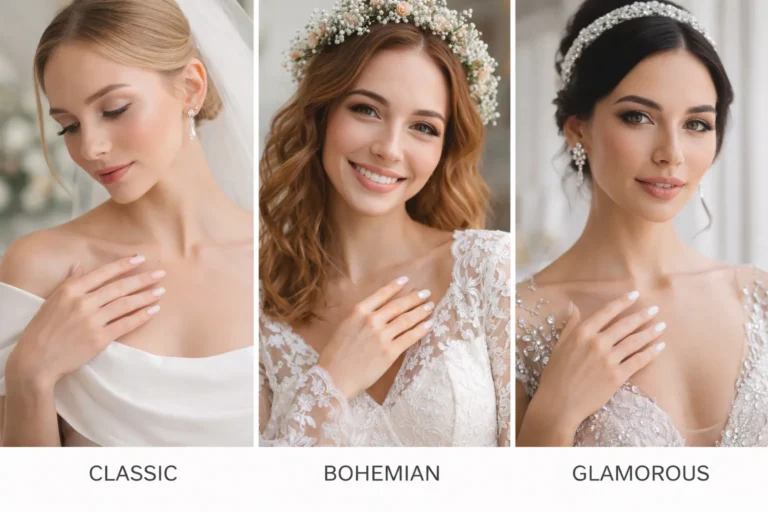
It is impossible to discuss this trend without mentioning its dominance in the bridal industry. French ombre nails are consistently the number one request for brides worldwide.
Why it works for weddings:
- Photography: It photographs beautifully. Unlike intricate art that might look messy from a distance, the ombre looks clean and polished in ring detail shots.
- Versatility: It matches any dress shade, from stark white to ivory, champagne, or blush.
- Timelessness: Wedding photos last forever. While trendy nail art might look dated in 20 years, a soft gradient is classic enough to stand the test of time.
Bridal Tip: Many brides add a subtle feature nail on the ring finger, such as a few Swarovski crystals near the cuticle or a delicate 3D acrylic flower, to elevate the standard ombre.
Troubleshooting Common Issues
Even professionals sometimes struggle with the perfect fade. Here are solutions to common french ombre problems.
Problem: The fade looks chalky or grainy.
- Solution: This usually happens with the sponge method if the bubbles from the sponge dry into the gel. Wait a few seconds for the gel to self-level before curing, or apply a very thin layer of base coat over the sponged color before the top coat to smooth it out.
Problem: You can see a distinct line between the pink and white.
- Solution: You aren’t blending enough. When sponging, move the sponge up and down the nail plate more aggressively. If using acrylic, ensure your beads are wetter to allow for better feathering.
Problem: The white tip is too thick or bulky.
- Solution: Ombre requires layers. If you apply thick layers of polish or acrylic to get opacity quickly, the tip will bulge. Build opacity slowly with thin layers.
Conclusion:
The enduring popularity of french ombre nails is a testament to their beauty and versatility. Whether you call it Baby Boomer, French Fade, or French Ombre, this design has secured its place in the nail hall of fame alongside the classic red manicure. It offers a sophisticated, clean aesthetic that enhances your hands without overpowering your overall look. By mastering this technique or knowing exactly what to ask for at the salon, you ensure a manicure that is always chic, appropriate, and flawlessly stylish. So, next time you are staring at the color wall, overwhelmed by choices, remember: you can never go wrong with a perfect fade.
Frequently Asked Questions (FAQs)
Q1: What is the difference between French Manicure and French Ombre?
A1: A traditional French manicure features a solid, distinct line separating the pink base from the white tip. A French ombre (or Baby Boomer) blends these two colors together creates a seamless gradient with no harsh lines.
Q2: Can French ombre be done on short nails?
A2: Absolutely! While longer nails provide more space for a gradual fade, the technique can be adapted for short nails. The gradient will just be more condensed. It actually helps elongate the look of short nails.
Q3: How much does a French ombre manicure cost?
A3: Generally, you can expect to pay $10-$20 more than a standard single-color manicure. Because it requires more skill, time, and multiple colors/products to achieve the blend, salons charge it as nail art.
Q4: Is French ombre the same as “Baby Boomer” nails?
A4: Yes, the terms are often used interchangeably. The term “Baby Boomer” originated because the pink-and-white color palette was most popular during the post-WWII baby boom era (1940s-60s), though the ombre technique itself is more modern.
Q5: Which lasts longer: pink and white acrylic ombre or polish ombre?
A5: Pink and white acrylic ombre generally lasts longer (3-4 weeks) and is more durable because the design is built into the structure of the nail enhancement itself. Polish ombre (gel or regular) sits on top and may chip or wear down faster, typically lasting 2-3 weeks for gel.