Winter to Spring Transition Outfits: Mastering the Art of In-Between Weather

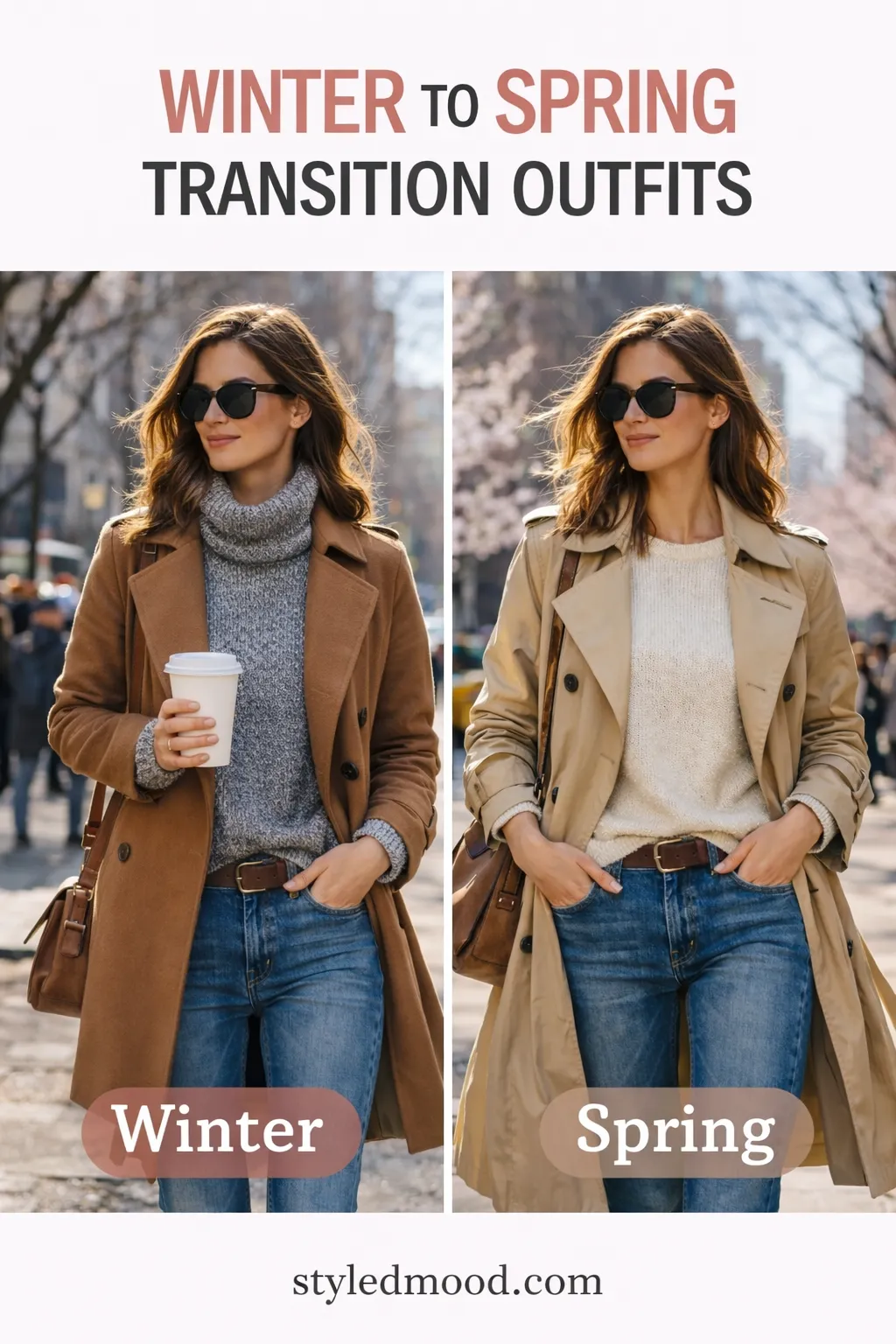
There is a specific time of year that sends even the most stylish fashion enthusiasts into a spiral. It’s that confusing period where the calendar says spring is coming, but the thermometer still reads winter. One minute you are freezing in the morning chill, and by noon, you are sweating in your heavy wool coat. Navigating this sartorial limbo requires a specific strategy: perfecting your winter to spring transition outfits.
This transitional season is not about completely swapping your wardrobe overnight. It is about bridging the gap. It is the art of mixing your cozy winter staples with fresh, lighter spring pieces to create looks that are practical for fluctuating temperatures and visually refreshing after months of dark neutrals. In this comprehensive guide, we will explore the essential layering techniques, the must-have fabrics, and the foolproof outfit formulas that will carry you seamlessly from the last frost to the first bloom.
The Challenges of Transitional Dressing
Why is dressing for this season so difficult? It largely comes down to unpredictability. March and April are notorious for “four seasons in one day” weather. You might leave the house in 40-degree weather only to face 65 degrees and sunshine during your lunch break.
- Temperature Fluctuations: The biggest hurdle is comfort. You need an outfit that works for a 20-degree temperature swing.
- Visual Heaviness: You are tired of heavy puffers and dark colors, but it’s too cold for linen and sundresses. Finding the visual middle ground is key.
- Footwear Dilemmas: It’s too dry for snow boots but often too wet or cold for open sandals.
The solution lies in a strategic approach to your closet. Instead of packing away all your winter gear, we will look at how to remix it.
The Golden Rules of Transitional Layering

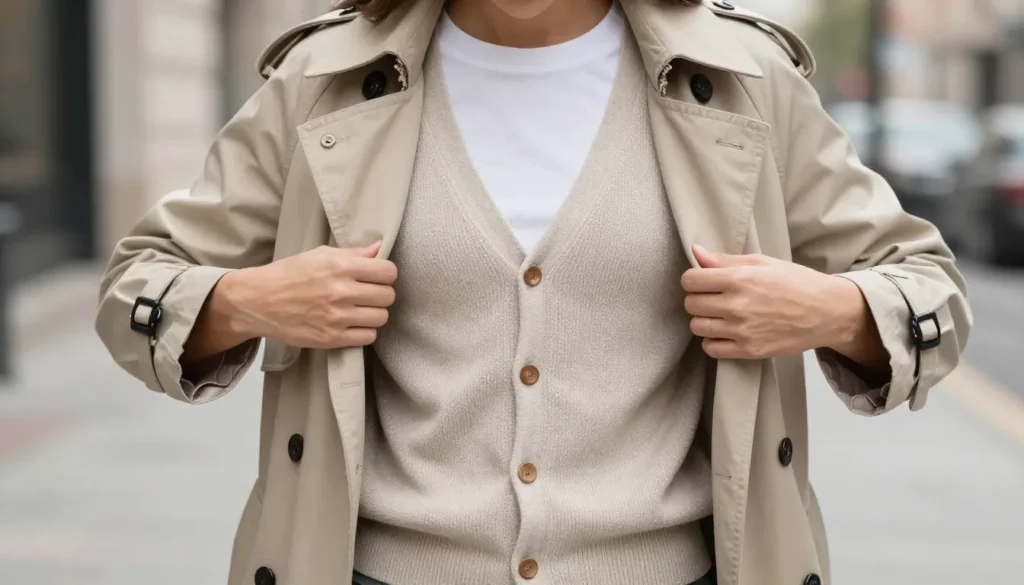
Layering is the backbone of any successful winter to spring transition outfit. However, this isn’t just about piling on clothes; it’s about smart, functional layering that allows you to deconstruct your outfit as the day warms up.
1. The “Onion” Technique
Think of your outfit like an onion. You should be able to peel off layers without ruining the look.
- Base Layer: Start with a lightweight, breathable layer like a cotton tee or a silk camisole. This is what you’ll be left wearing if it gets surprisingly warm.
- Middle Layer: Add warmth without bulk. Think cashmere cardigans, denim shirts, or lightweight merino wool sweaters.
- Outer Layer: This is your shield against wind and rain. Trench coats, leather jackets, and oversized blazers are perfect here.
2. Fabric Mixing
Contrast is your friend. Mixing heavy winter textures with light spring fabrics creates a balanced look that acknowledges both seasons.
- Leather + Lace: Pair a tough leather jacket with a delicate lace skirt.
- Knits + Satin: A chunky sweater worn over a slip dress is a classic transitional formula.
- Wool + Denim: A structured wool blazer elevates a simple pair of light-wash jeans.
3. The “Third Piece” Rule
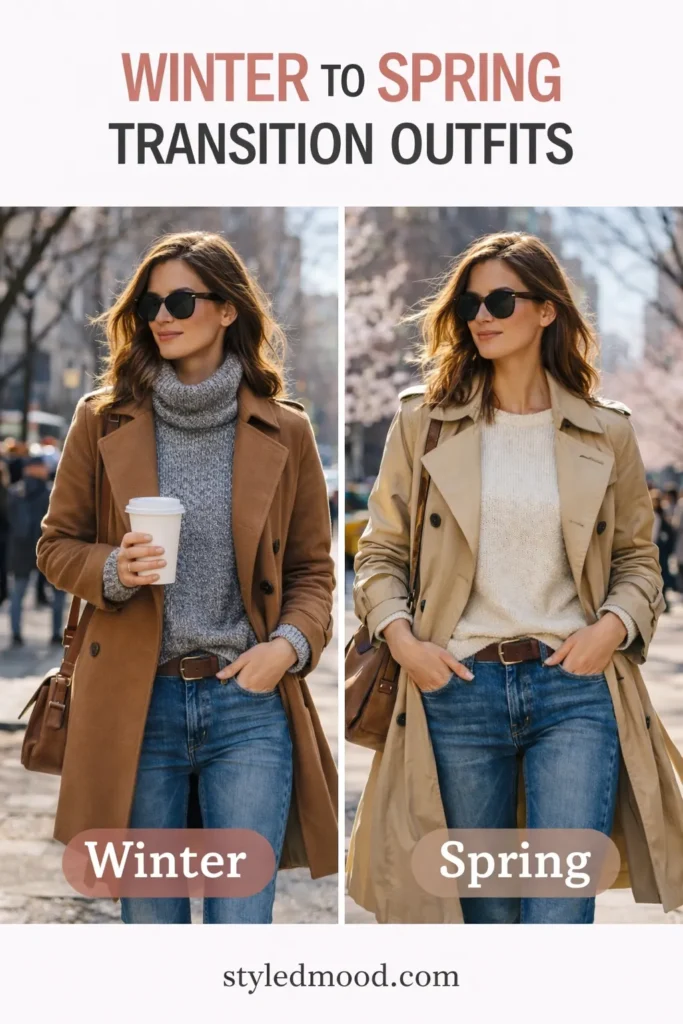
In transitional weather, outerwear often becomes the “third piece” that completes the outfit. Instead of a giant parka that hides your look, choose a jacket that is the look. A trench coat or a shacket (shirt-jacket) adds structure and style while providing necessary warmth.
Key Pieces for Your Transition Wardrobe
You don’t need to buy a whole new wardrobe. You likely own many of these staples already. These are the workhorses of the winter-to-spring shift.
The Trench Coat

No item says “spring transition” quite like a trench coat. It is lightweight, water-resistant, and inherently chic.
- Style Tip: Look for a classic beige or khaki trench for versatility, or try a sage green or dusty blue for a spring update. Belt it over a hoodie for a cool, casual vibe.
The Midi Skirt
Midi skirts offer leg coverage for warmth but allow for airflow. They are incredibly versatile.
- Style Tip: Wear a satin or pleated midi skirt with tall leather boots. The boots keep your legs warm, bridging the gap until it’s warm enough for bare legs and sneakers.
The Oversized Blazer
A blazer is heavy enough to act as a jacket on mild days but light enough to wear indoors.
- Style Tip: Swap your black winter blazer for one in camel, grey plaid, or a pastel hue. It instantly brightens your face and feels fresher.
Straight-Leg Jeans

Skinny jeans can feel very wintry, while linen trousers are too summery. Straight-leg jeans in a medium or light wash are the perfect middle ground.
- Style Tip: Look for a cropped length that shows off your ankle boots now and your loafers later.
The Cotton Sweater

Put away the heavy cable-knit wool and reach for cotton. Cotton sweaters provide warmth but breathe much better, preventing you from overheating.
- Style Tip: A striped Breton sweater is a timeless spring staple that looks great under a denim jacket or trench.
Foolproof Outfit Formulas to Copy
When you are staring at your closet in the morning, confused by the weather app, fall back on these reliable combinations.
Formula 1: The Dress Over Pants Strategy
This styling trick is having a major comeback. It allows you to wear your favorite spring dresses earlier in the year.
- The Look: Layer a sheer or button-down midi dress over straight-leg jeans or trousers.
- Why It Works: You get the flowy, feminine vibe of the dress, but the pants provide the warmth you need.
Formula 2: Sweater + Slip Skirt + Boots
This is the ultimate texture mix.
- The Look: A chunky knit sweater (french tucked) paired with a silk midi skirt and knee-high boots.
- Why It Works: The sweater keeps your core warm, while the skirt hints at spring lightness. The boots ensure no skin is exposed to the chill.
Formula 3: Trench + Hoodie + Leggings
For casual days, errands, or travel.
- The Look: A matching athleisure set or leggings and a hoodie, topped with a structured trench coat and white sneakers.
- Why It Works: The trench elevates the gym clothes into a proper “outfit.” It’s comfortable but polished.
Formula 4: Blazer + T-Shirt + Jeans
The uniform of cool girls everywhere.
- The Look: A graphic tee or crisp white t-shirt tucked into vintage-wash jeans, topped with an oversized blazer and loafers.
- Why It Works: Layers can be easily removed. It works for the office (in casual environments) and for brunch.
Footwear: Stepping into Spring
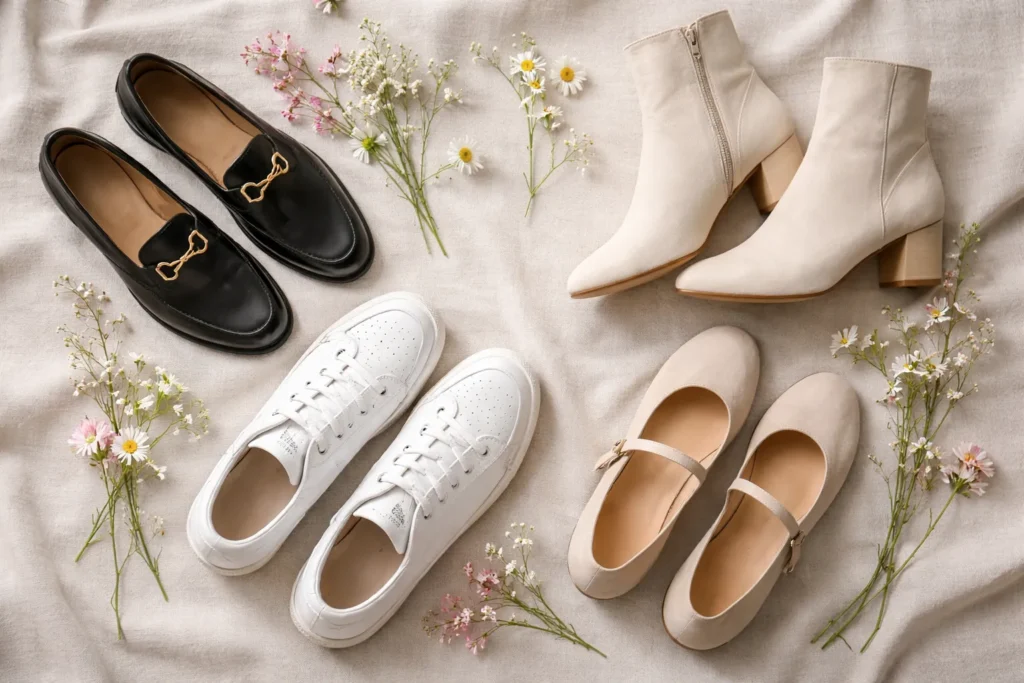
Footwear is often the hardest part of the transition. You are done with snow boots, but it’s not quite sandal weather.
Loafers
Chunky loafers are perfect for this time of year. They cover the foot but expose the ankle (or look cute with a fun sock). They add a preppy, polished touch to jeans.
White Sneakers
A fresh pair of white sneakers instantly “spring-ifies” any outfit. Even if you are wearing a heavy coat, white sneakers signal that warmer days are ahead.
Ankle Boots (Light Colors)
Put away the black boots and opt for tan, beige, white, or cognac. Lighter-colored leather feels less heavy and pairs beautifully with floral prints and light denim.
Mary Janes
If you want a trendier option, Mary Janes are huge for 2026. Wear them with socks if it’s chilly, or bare-legged on warmer days.
Integrating Spring Trends Early

You don’t have to wait for May to start wearing spring trends. Here is how to incorporate them into your winter to spring transition outfits.
1. Pastels with Neutrals
If the trend is “butter yellow” or “lilac,” introduce it via a scarf, a handbag, or a single layer.
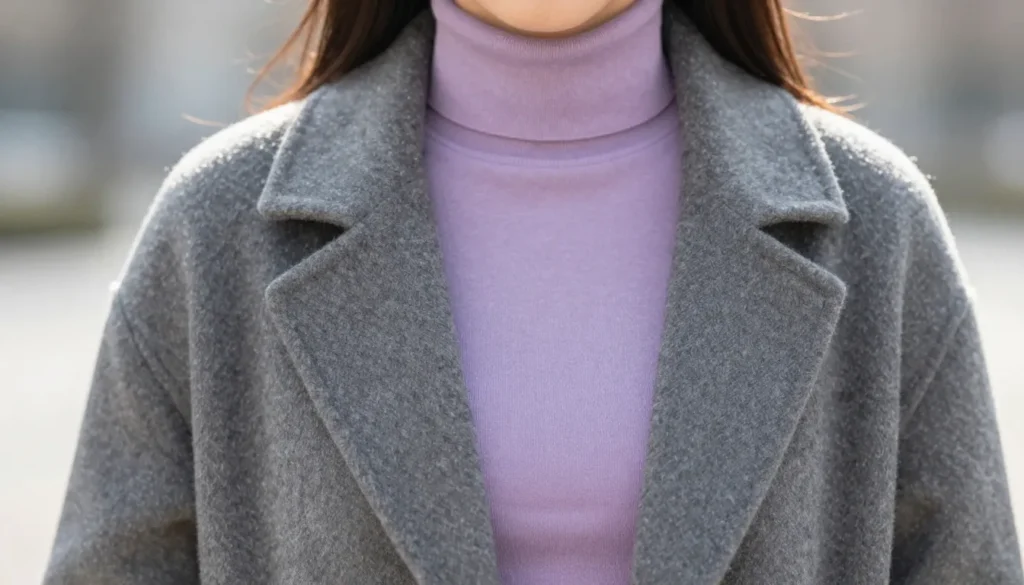
- How to Style: Wear a lilac turtleneck under a grey wool coat. The pop of color near your face brings the spring vibe without sacrificing warmth.
2. Sheer Fabrics
Sheer is a major trend, but freezing in it is not chic.
- How to Style: Layer a sheer blouse under a sweater vest or a sleeveless dress. You get the visual texture of the trend while keeping your core covered.
3. Denim on Denim
The “Canadian Tuxedo” is perfect for transition weather because denim is a thick, protective fabric.
- How to Style: Pair a chambray shirt with jeans in a slightly different wash. Top with a camel coat for a sophisticated finish.
Managing the “Winter Coat” Fatigue

By March, most of us are sick of our winter coats. Here are three ways to ditch the parka without freezing.
- The “Shacket” (Shirt Jacket): Made of wool blends or heavy flannel, these offer significant warmth but look like a shirt. They are less bulky than a coat and perfect for 50-degree days.
- The Leather Jacket: Leather cuts the wind effectively. Layer a hoodie underneath a moto jacket for extra insulation.
- The Vest: A puffer vest keeps your vital organs warm while letting your arms breathe. It’s a sporty, practical option for active days.
Accessorizing for the In-Between
Accessories can make or break a transitional look.
- Scarves: Swap your heavy wool muffler for a silk square scarf or a lightweight cotton wrap. It protects your neck from drafts but looks decorative.
- Hosiery: As mentioned in previous sections, tights are essential. Move from opaque 100-denier tights to sheer black tights or fishnets. They add texture and a bit of warmth without the “heavy winter” look.
- Socks: Embrace the “socks with loafers” or “socks with sneakers” look. A ruffled ankle sock or a glittery sock adds a fun, deliberate style element that keeps ankles warm.
Transitioning Your Work Wardrobe
Office temperatures are notoriously tricky, often freezing regardless of the season.
- The Shirt Dress: A crisp cotton shirt dress is professional and spring-ready. Layer a turtleneck underneath it for warmth, and wear it with tall boots.
- The Sleeveless Vest/Waistcoat: Tailored vests are very trendy. Wear one over a long-sleeve blouse now, and wear it alone as a top later in spring.
- Lightweight Suiting: Switch your wool trousers for a poly-blend or cotton-blend suit. Light grey, beige, or soft blue suits feel professional and seasonal.
Conclusion:
The period between winter and spring doesn’t have to be a fashion frustration. It is actually an opportunity to get creative with your styling. By mastering the art of the winter to spring transition outfits, you extend the life of your wardrobe, get to wear your favorite pieces year-round, and look stylish no matter what the forecast throws at you.
Start by auditing your closet. Pull out your trench coats, your loafers, and your cotton sweaters. Mix them with your trusty winter denim and boots. Remember, the goal is balance. Balance warmth with breathability, heavy textures with light ones, and dark neutrals with fresh brights. With these tips, you’ll be stepping out in style, ready for the first tulips to bloom.
Frequently Asked Questions (FAQs)
Q1: When should I start wearing transition outfits?
A: This depends on your location, but generally, late February to early March is when you start shifting. A good rule of thumb is when temperatures consistently hit above 45°F (7°C) during the day, even if nights are still freezing.
Q2: Can I wear white jeans in the transition period?
A: Absolutely! The “no white after Labor Day” rule is dead. White jeans are surprisingly great for transition because the denim fabric is warm, but the color feels fresh and bright. Pair them with a camel sweater and brown boots for a chic look.
Q3: How do I wear dresses without freezing?
A: The secret is thermal layers. Uniqlo Heattech or similar thin thermal shorts/tops can be worn under dresses invisible. Also, tall boots are your best friend—they cover most of the leg, leaving very little skin exposed to the cold.
Q4: Is it okay to wear suede in the rain?
A: Spring weather often brings rain, which is the enemy of suede. If the forecast predicts showers, leave the suede boots at home and opt for leather or treated waterproof materials. If you must wear suede, ensure it has been treated with a high-quality weatherproofing spray.
Q5: What is the best coat for 50-degree weather?
A: A trench coat or a leather jacket is ideal for 50-degree weather. They provide wind protection without the insulation of a down puffer, keeping you comfortable without overheating.