The Perfect Wedding Officiant Outfit Female: A Complete Style Guide
Being asked to officiate a wedding is an incredible honor. It means the couple trusts you to lead one of the most important moments of their lives. But once you accept the role and start writing your script, a wave of panic often sets in: what exactly are you supposed to wear? Finding the right wedding officiant outfit female can feel like a daunting task. You need to look professional, polished, and entirely appropriate for the ceremony, all without pulling focus away from the couple.
Your attire sets the tone for the ceremony. Unlike standard wedding guests, you will be standing at the front of the venue, captured in the background of almost every ceremony photograph. You need a look that communicates authority and grace, blending seamlessly into the couple’s overall aesthetic.
Whether you are officiating a casual beach ceremony, a rustic barn wedding, or an elegant black-tie affair, this comprehensive guide will help you navigate your wardrobe choices. We will explore the golden rules of officiant fashion, the best outfit formulas, seasonal considerations, and exactly how to accessorize for the big day.
Why Your Officiant Outfit Matters
When you step into the role of an officiant, you are no longer just a friend or family member attending a party. You are the master of ceremonies. Your clothing choices carry a lot of weight.
Blending In vs. Standing Out
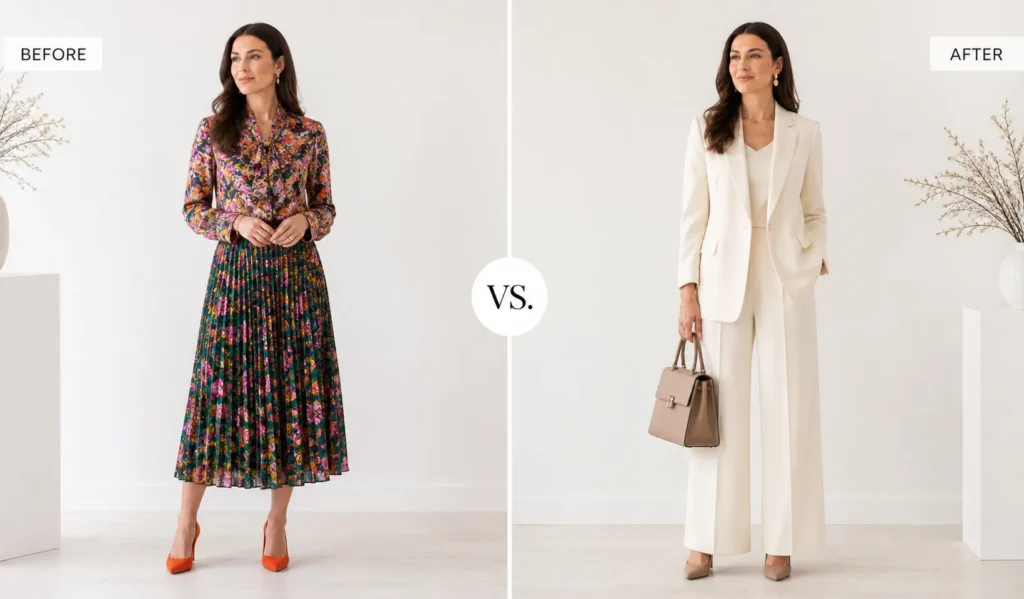
The golden rule of officiating is that you should never upstage the couple. Your outfit needs to act as a complementary backdrop. If you wear something too flashy, bright, or revealing, you risk distracting the guests and dominating the wedding photos. The goal is visual harmony. You want guests to focus on the words you are saying and the couple’s reactions, not on a dramatic pattern or a plunging neckline.
Respecting the Couple’s Vision
Every wedding has a specific vibe, color palette, and dress code. As the officiant, you must respect these parameters. Before you even open your closet, you need to have a detailed conversation with the couple. Ask them about their vision. Some couples prefer their officiant to wear neutral tones like black, navy, or grey. Others might want you to wear a specific color that coordinates with the bridal party. Clear communication prevents any fashion missteps on the wedding day.
Key Rules for Choosing a Female Wedding Officiant Outfit
Before we look at specific outfit ideas, you need to understand the fundamental rules of officiant attire. These guidelines ensure you look appropriate and feel confident.
Rule 1: Avoid White and Bridal Colors
Unless the couple explicitly asks you to wear white, avoid it entirely. This rule applies to ivory, cream, champagne, and very pale blush. These colors are traditionally reserved for the bride. Wearing them to the altar is a major faux pas. You should also avoid wearing the exact same color as the bridesmaids, unless instructed otherwise. You want to look like an essential part of the ceremony, not a lost member of the wedding party.
Rule 2: Prioritize Comfort and Mobility
You will spend a significant amount of time standing, speaking, and potentially moving around the altar. Comfort is non-negotiable. Choose breathable fabrics that allow you to move your arms freely. You will need to hold a binder, a microphone, or a tablet. If your jacket is too tight or your dress restricts your movement, you will look stiff and uncomfortable.
Rule 3: Mind the Dress Code and Venue
The location of the wedding dictates your wardrobe. A floor-length evening gown makes sense for a grand ballroom, but it will look absurd at a casual backyard ceremony. Match the formality of the event. Furthermore, consider the physical environment. If the ceremony takes place on grass or sand, you need to adjust your footwear and hemline accordingly to avoid sinking or tripping.
Top Wedding Officiant Outfit Ideas for Women
Women have a fantastic array of options when it comes to officiating. Here are the most reliable, professional, and stylish outfit formulas you can choose from.
The Classic Tailored Suit or Pant Suit
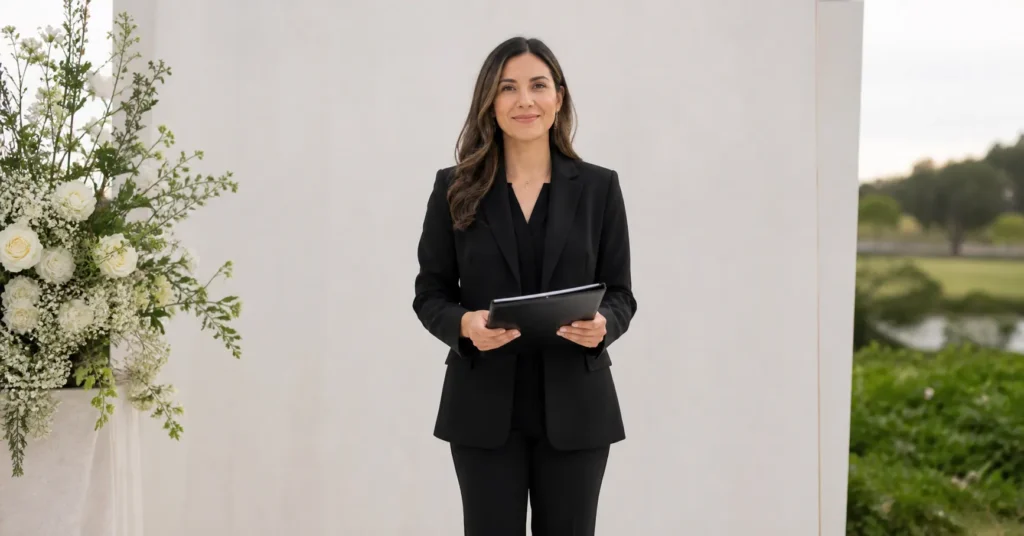
A well-tailored suit is arguably the best choice for a female officiant. It projects authority, sophistication, and a neat, streamlined appearance.
- The Black Pantsuit: You cannot go wrong with a classic black suit. It acts as the perfect neutral background for the couple. Pair it with a high-quality silk blouse or a simple camisole underneath.
- The Navy or Charcoal Option: If black feels too harsh or severe, navy blue and charcoal grey are excellent alternatives. They are universally flattering and photograph beautifully.
- The Skirt Suit: A tailored blazer paired with a matching pencil skirt offers a slightly softer, vintage-inspired look. Ensure the skirt falls to the knee or just below it to maintain a professional appearance when standing on a raised platform.
The Elegant Midi or Maxi Dress
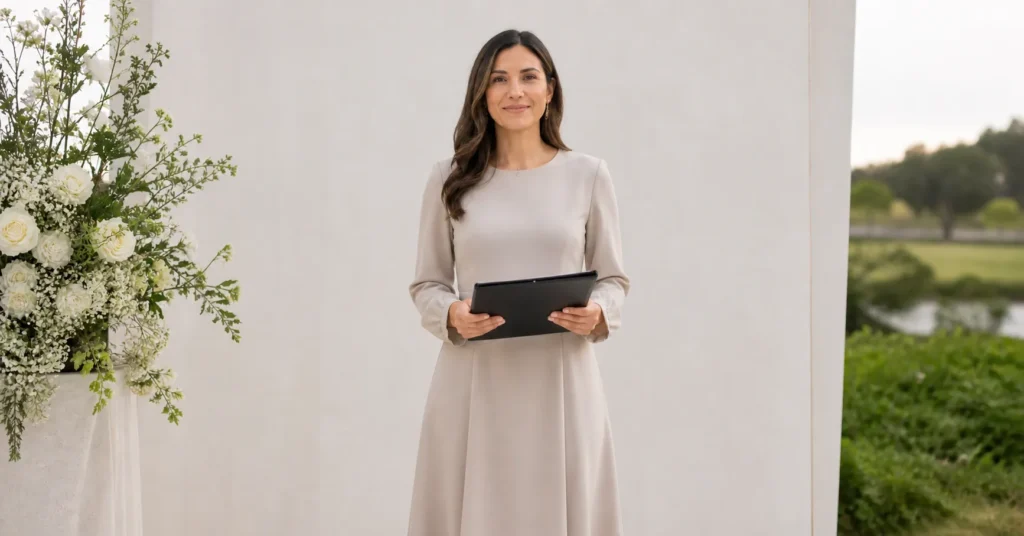
Dresses are comfortable, feminine, and easy to style. When choosing a dress for an officiating role, focus on the silhouette and the neckline.
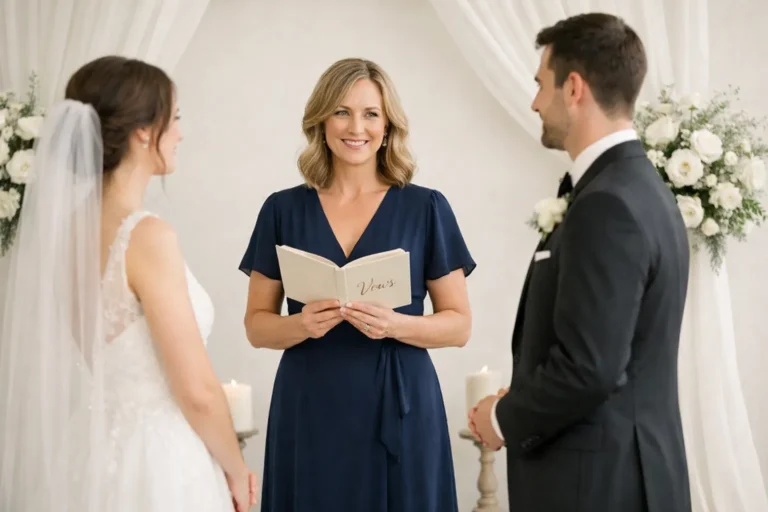
- The A-Line Midi Dress: A midi dress that hits mid-calf is incredibly elegant. Look for high necklines, such as a boat neck or a modest V-neck. Sleeves (short, three-quarter, or long) often add a touch of formality.
- The Wrap Dress: A classic wrap dress is universally flattering and highly comfortable. Choose a solid, muted color like deep plum, emerald green, or navy.
- The Column Maxi Dress: For formal or black-tie weddings, a simple, unadorned column maxi dress works perfectly. Keep the fabric high-quality, like heavy crepe or silk, and avoid excessive beading or sequins.
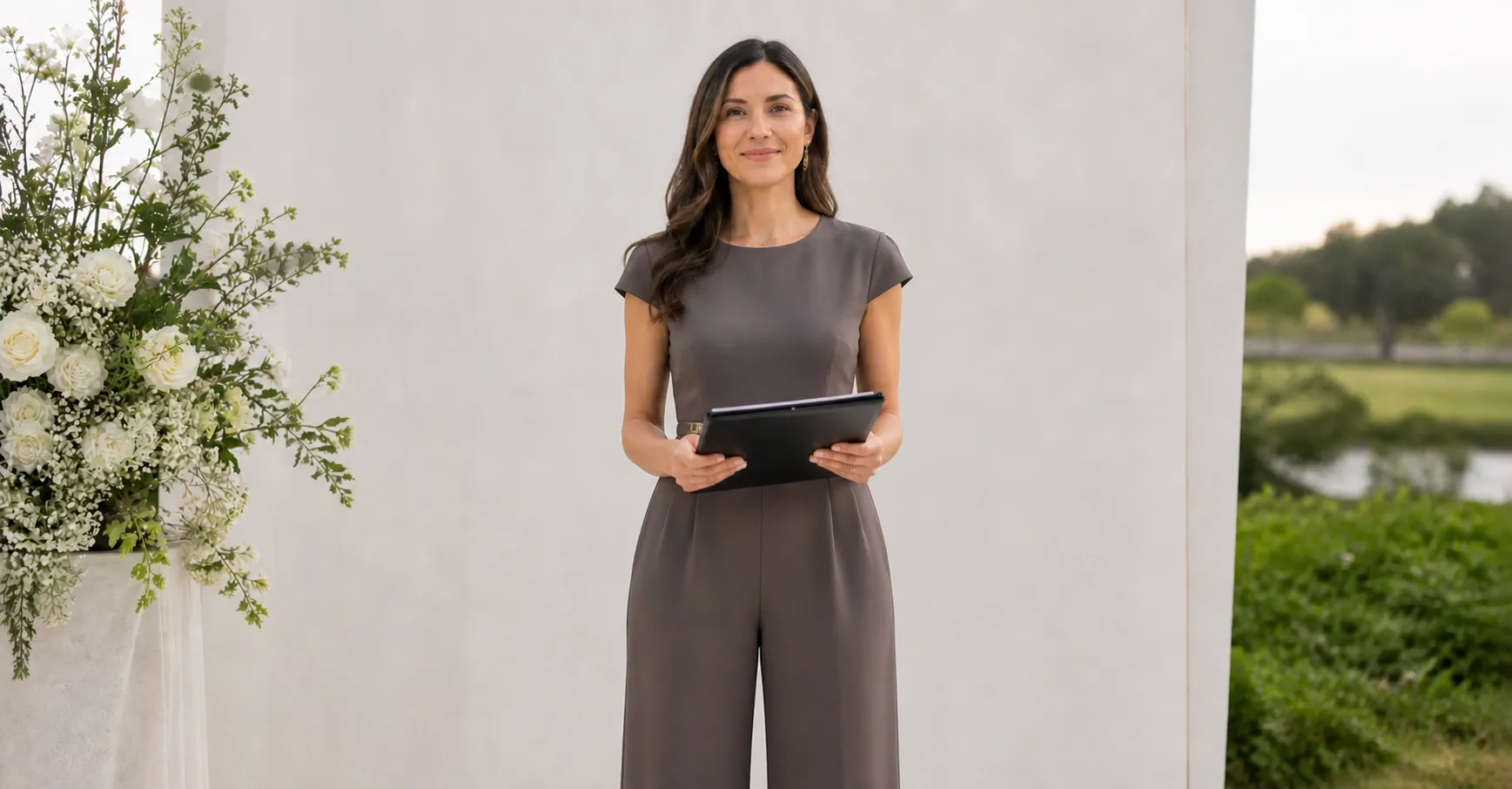
The Sophisticated Jumpsuit
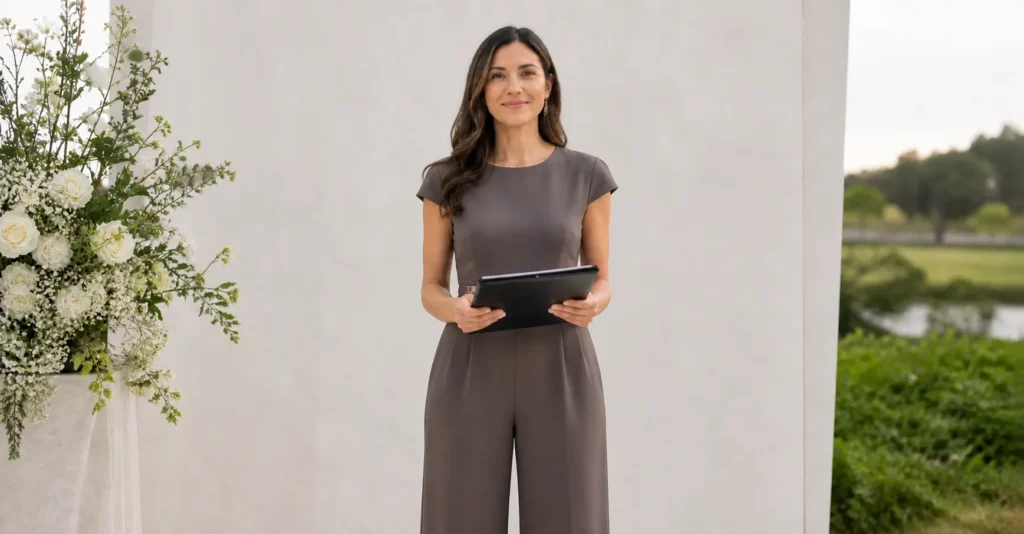
Jumpsuits offer the elegance of a dress with the practicality of trousers. They have become increasingly popular for modern, non-traditional weddings.
- Choose a jumpsuit with wide, flowing legs.
- Ensure the waist is tailored or belted to give the garment structure.
- Stick to solid, dark colors. A navy or black jumpsuit looks incredibly chic and contemporary without stealing the spotlight.
Seasonal Considerations for Officiant Attire
The time of year dramatically impacts what you should wear. You need to remain comfortable regardless of the temperature, as shivering or sweating at the altar will distract from your delivery.
Spring and Summer Ceremonies
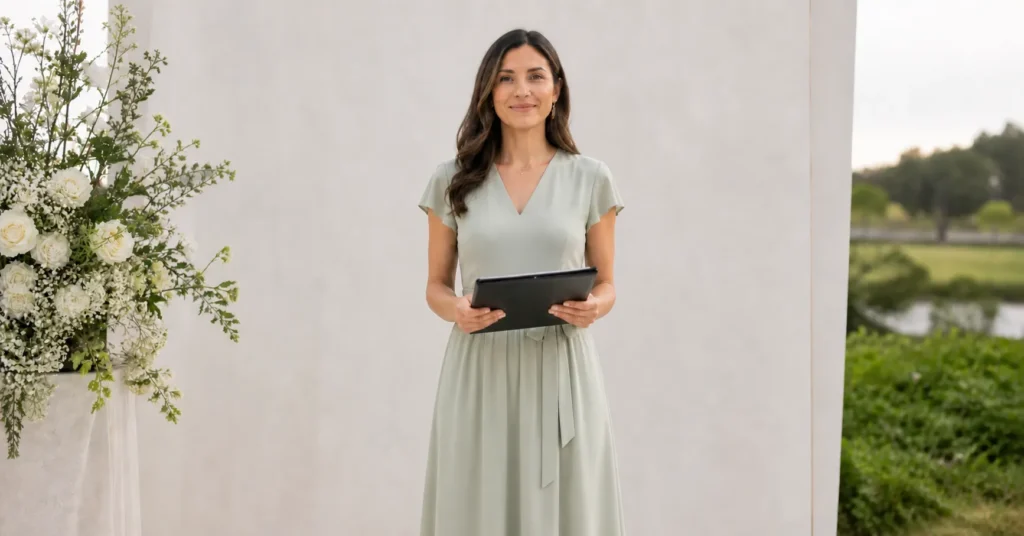
Warm weather weddings, especially those held outdoors, require breathable fabrics.
- Opt for lightweight materials like high-quality cotton blends, linen, or breathable crepe.
- If you wear a suit, ensure it is unlined or half-lined to prevent overheating.
- Keep your colors appropriate. While black is a staple, a summer wedding might allow for lighter neutrals like dove grey, taupe, or soft sage green.
Fall and Winter Ceremonies
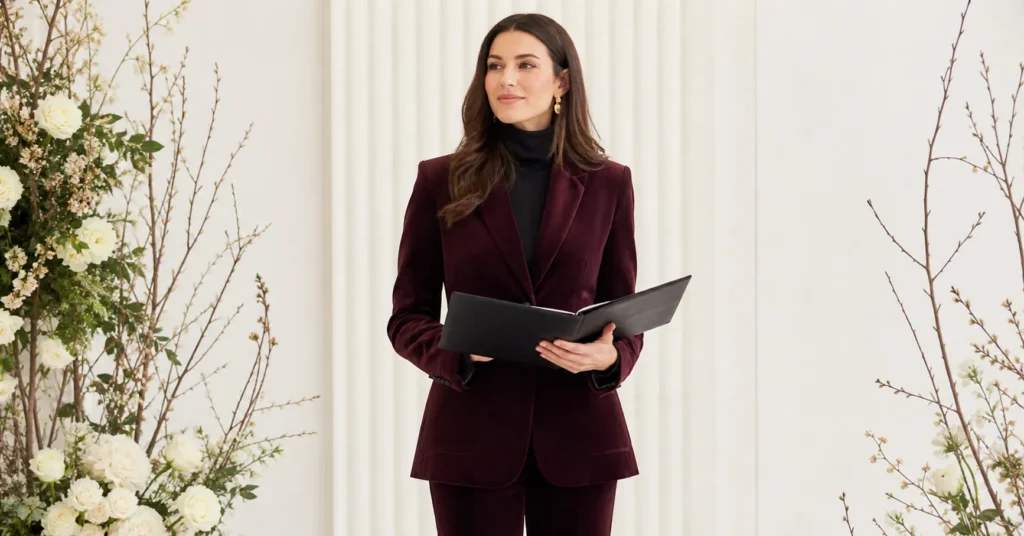
Cold weather weddings allow for richer fabrics and smart layering.
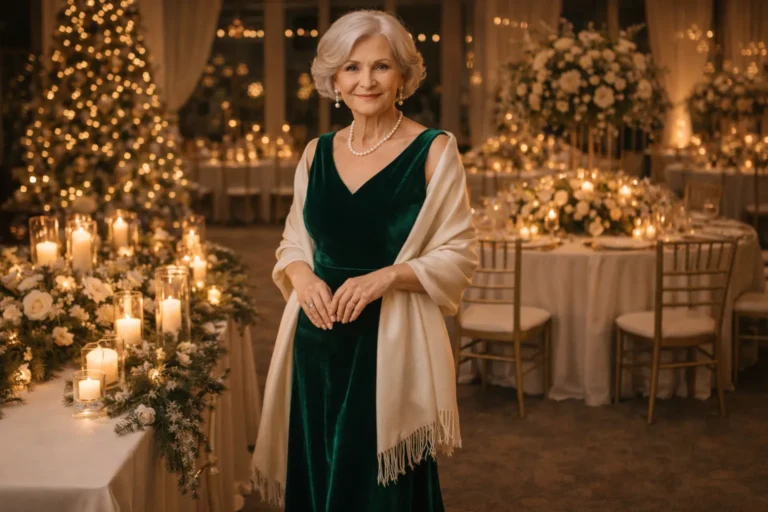
- Embrace heavier materials like wool, velvet, or heavy silk.
- A dark velvet blazer paired with tailored trousers looks incredibly festive for a winter wedding while remaining entirely professional.
- Bring an elegant wrap or a tailored overcoat if you need to stand outside in the cold. You can easily remove it once you move indoors for the reception.
Quick Reference: Seasonal Fabric and Style Guide
| Season | Ideal Fabrics | Best Outfit Choices | Color Palette Suggestions |
| Spring | Crepe, Silk, Chiffon | Midi dresses, lightweight suits | Navy, slate grey, sage green |
| Summer | Linen, Cotton Blends | Sleeveless jumpsuits, wrap dresses | Taupe, light grey, navy |
| Fall | Heavy Crepe, Wool | Trouser suits, long-sleeve dresses | Burgundy, emerald, charcoal |
| Winter | Velvet, Wool, Brocade | Velvet blazers, column maxi dresses | Black, deep plum, midnight blue |
Accessorizing Your Officiant Look
Accessories can elevate your outfit, but as an officiant, less is always more. Keep your add-ons functional and understated.
Functional Footwear
Your shoes are arguably the most important accessory you will wear. You must be able to stand completely still for 20 to 45 minutes without shifting your weight in pain.
- Block Heels: If you want height, block heels provide stability and comfort. They also prevent you from sinking into grass during outdoor ceremonies.
- Elegant Flats or Loafers: Do not feel pressured to wear heels. A pointed-toe flat, a stylish loafer, or a clean, polished mule looks incredibly professional and guarantees comfort.
- Wedges: A low wedge offers support while giving you a slight lift.
Minimalist Jewelry
Keep your jewelry simple and elegant. Avoid noisy bracelets that clink when you turn the pages of your script. Skip massive, sparkling statement necklaces that catch the sun and blind the camera lens.
- Opt for simple stud earrings, delicate pearl drops, or small hoops.
- Wear a minimalist watch to discretely keep track of the ceremony’s timing.
- A simple gold or silver pendant necklace adds a touch of polish to a plain neckline.
Managing Your Script: Binders and Portfolios
How you hold your script matters. Do not walk up to the altar holding crinkled, stapled printer paper.
- Invest in a sleek, professional portfolio or a small binder.
- Leather or faux-leather portfolios in black or brown look highly professional.
- Some couples purchase a customized binder or a beautiful vow book for their officiant to use. Ask them if they have a preference.
What to Avoid Wearing as an Officiant
Knowing what to leave in the closet is just as crucial as knowing what to wear. Avoid these common fashion mistakes to ensure you represent the couple perfectly.
Loud Prints and Patterns
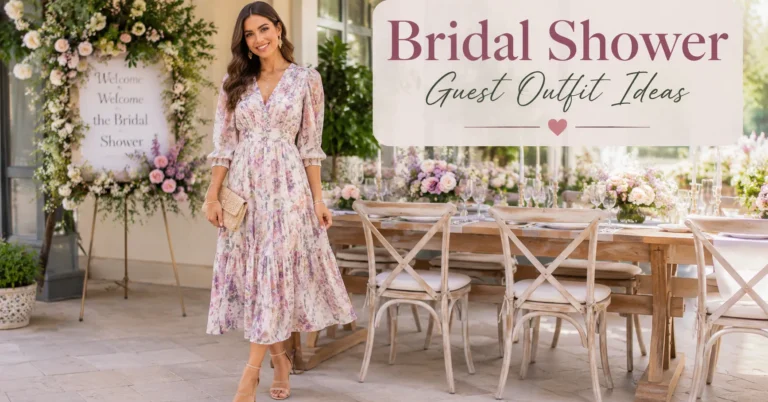
Busy florals, loud animal prints, and geometric patterns pull the eye away from the couple. Stick to solid colors. If you must wear a pattern, ensure it is incredibly subtle, like a faint pinstripe or a micro-houndstooth on a suit.
Plunging Necklines and High Slits
An officiant outfit should err on the side of modesty. You are leading a formal, often legal and spiritual ceremony. Avoid plunging necklines, completely bare backs, or skirts with very high slits. You want your words to carry weight, and a highly revealing outfit undermines that authority.
Noisy Fabrics and Accessories
Avoid anything that makes noise when you move. Corduroy that swishes, heavily beaded dresses that rattle, and stacks of metal bracelets will be picked up by the microphone and distract the audience.
Coordinating with the Wedding Party
While you do not want to look exactly like a bridesmaid, you do want to coordinate with the overall aesthetic of the wedding.
Once the couple decides on the bridal party’s colors, ask them how they want you to fit in. If the groomsmen are wearing navy suits and the bridesmaids are wearing burgundy, a charcoal grey or black outfit for the officiant creates a beautiful, cohesive look in group photos. Always send the couple a photo of your proposed outfit a few weeks before the wedding to ensure they are happy with the choice.
Conclusion
Choosing the perfect wedding officiant outfit female does not have to be a stressful experience. The key is to prioritize professionalism, comfort, and harmony with the couple’s vision. By opting for a classic tailored suit, an elegant midi dress, or a sophisticated jumpsuit, you guarantee a polished appearance. Remember to stick to solid, neutral, or dark colors, avoid loud patterns, and wear shoes that allow you to stand comfortably for the duration of the ceremony. When you feel confident and comfortable in your attire, you can focus all your energy on delivering a beautiful, memorable ceremony that honors the love of the couple standing in front of you.
Frequently Asked Questions (FAQs)
Should a female officiant wear black?
Yes, black is one of the most popular and appropriate colors for an officiant. It is neutral, professional, and visually recedes into the background, allowing the couple to shine in photographs.
Can an officiant wear a dress?
Absolutely, A modest, elegant dress is a great choice. Opt for a midi or maxi length, a conservative neckline, and a solid color. Wrap dresses and A-line silhouettes work exceptionally well.
Is it okay for an officiant to wear a pantsuit?
A pantsuit is often considered the gold standard for female officiants. It looks authoritative, neat, and highly professional. Navy, black, and charcoal grey suits are perfect choices.
What colors should an officiant avoid?
Avoid white, ivory, cream, and very pale pastels that might look white in photos. You should also avoid overly bright, neon colors or the exact same shade that the bridesmaids are wearing (unless requested by the couple).
Do I need to wear heels as an officiant?
No, you do not need to wear heels. Comfort is crucial since you will be standing still for a long time. Polished flats, elegant loafers, or low block heels are perfectly acceptable and highly recommended.
Can I wear patterns to officiate a wedding?
It is best to avoid loud or busy patterns, as they distract from the couple. If you prefer patterns, stick to very subtle, muted designs like a faint pinstripe or a dark, tonal floral.
How do I hold my script during the ceremony?
Do not hold loose paper. Use a professional portfolio, a sleek leather folder, or a nice binder to hold your notes. It looks significantly more polished and keeps your papers from blowing away in the wind.