Dream Bridal Outfits Guide: Wedding Wardrobe Ideas for Brides
Planning a wedding is an unforgettable journey, and curating your wardrobe is one of the most exciting parts of the process. Long gone are the days when a bride simply needed a single white gown. Today, modern weddings involve a series of celebrations, and you need the perfect bridal outfits to match each occasion. Whether you are hosting an intimate garden gathering or a grand black-tie affair, what you wear sets the tone for your entire wedding experience.
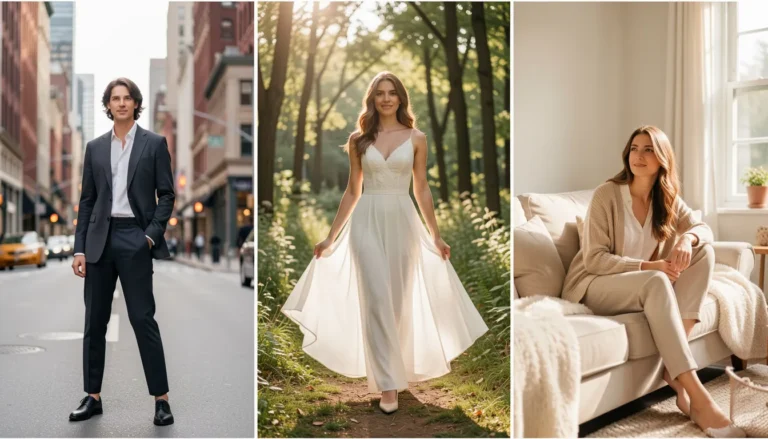
Building a cohesive wedding wardrobe allows you to express different facets of your personal style. You might want a fun, sparkling mini dress for your bachelorette party, a sophisticated jumpsuit for the rehearsal dinner, and a breathtaking ballgown for the main event.
This comprehensive guide will walk you through everything you need to know to build your ultimate wedding wardrobe. We will explore outfit ideas for every milestone, break down popular silhouettes and fabrics, offer styling tips for different seasons, and help you navigate the alterations process with ease.
The Rise of the Bridal Wardrobe
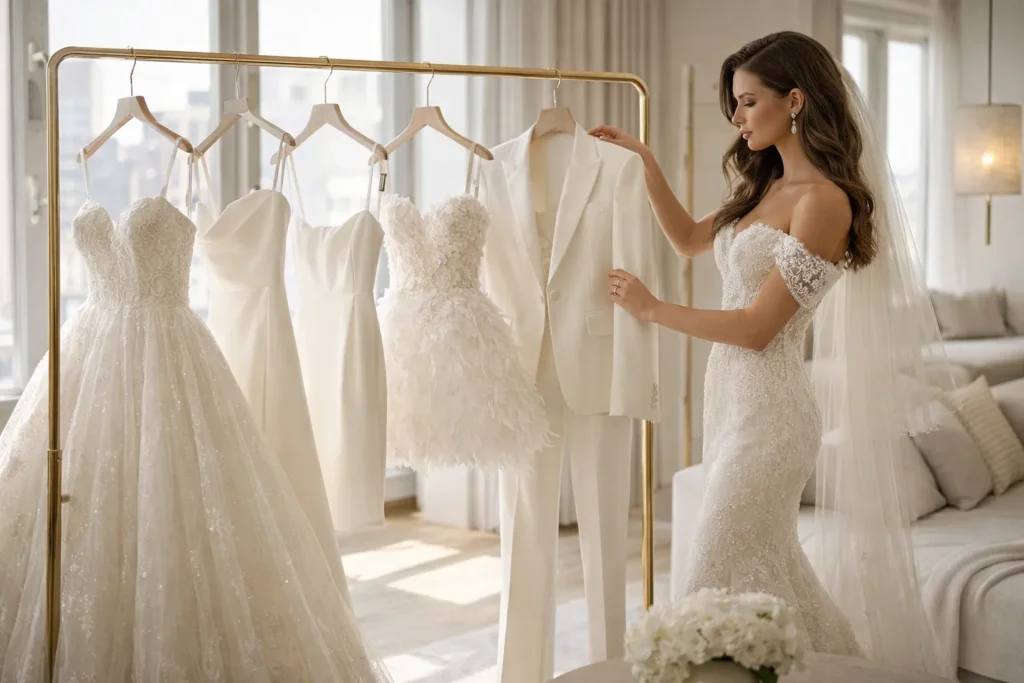
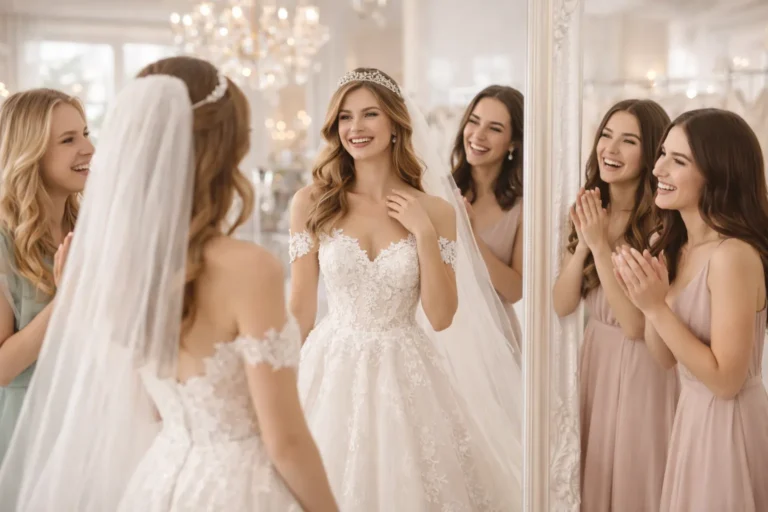
Historically, brides focused entirely on the wedding dress. While the ceremony gown remains the centerpiece, the modern wedding experience spans several months and multiple events. This shift has given rise to the “bridal wardrobe”—a carefully curated collection of outfits designed specifically for the bride-to-be.
Having a dedicated wardrobe for your wedding events offers several benefits:
- Expression of style: It allows you to experiment with trends you love but might not want to wear down the aisle.
- Practicality: You can choose comfortable, venue-appropriate clothing for dynamic events like a bachelorette weekend.
- Memorable photos: Distinct outfits create clear visual markers for each phase of your wedding journey, resulting in a beautiful, varied photo album.
- The element of surprise: Changing into a “second look” for the reception delights your guests and signals that it is time to hit the dance floor.
Perfect Bridal Outfits for Pre-Wedding Events
Your wedding journey officially begins the moment you say “yes.” From that point forward, you will be the guest of honor at several pre-wedding celebrations. Here is how to dress for each milestone.
The Engagement Party
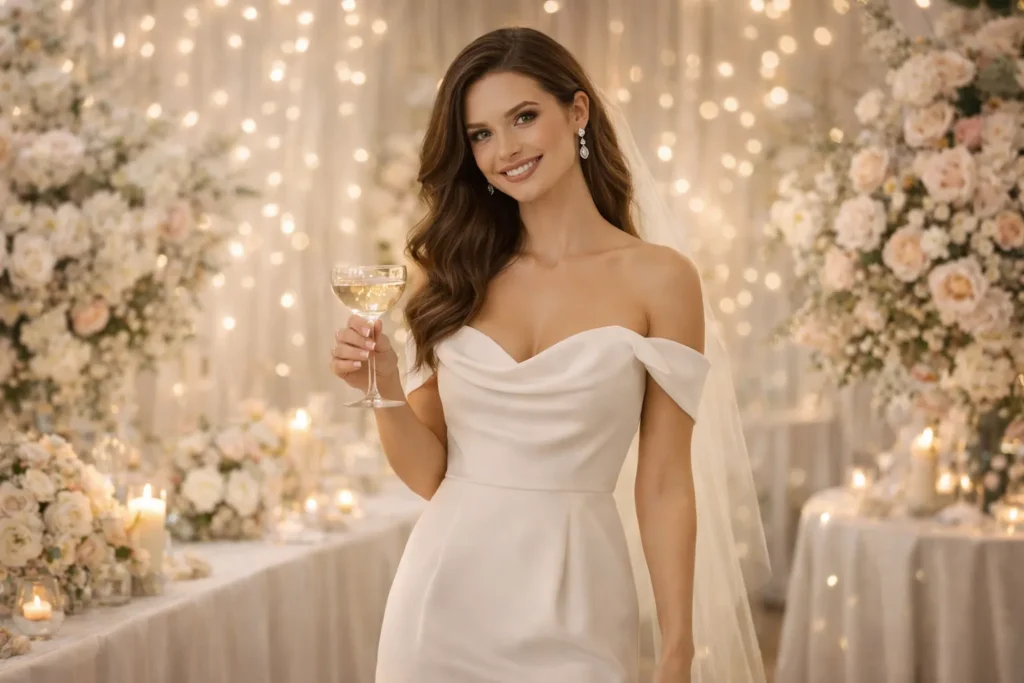
The engagement party is your debut as a bride-to-be. The vibe is usually celebratory but less formal than the wedding itself.
- The Vibe: Romantic, fresh, and slightly elevated.
- Outfit Ideas: A classic white midi dress with delicate lace detailing is always a safe and beautiful choice. If you want to step outside the box, try a pastel floral wrap dress or a sleek ivory slip dress.
- Accessories: Keep it simple. Let your new engagement ring be the star of the show. Pair your outfit with comfortable block heels and a delicate pendant necklace.
The Bridal Shower
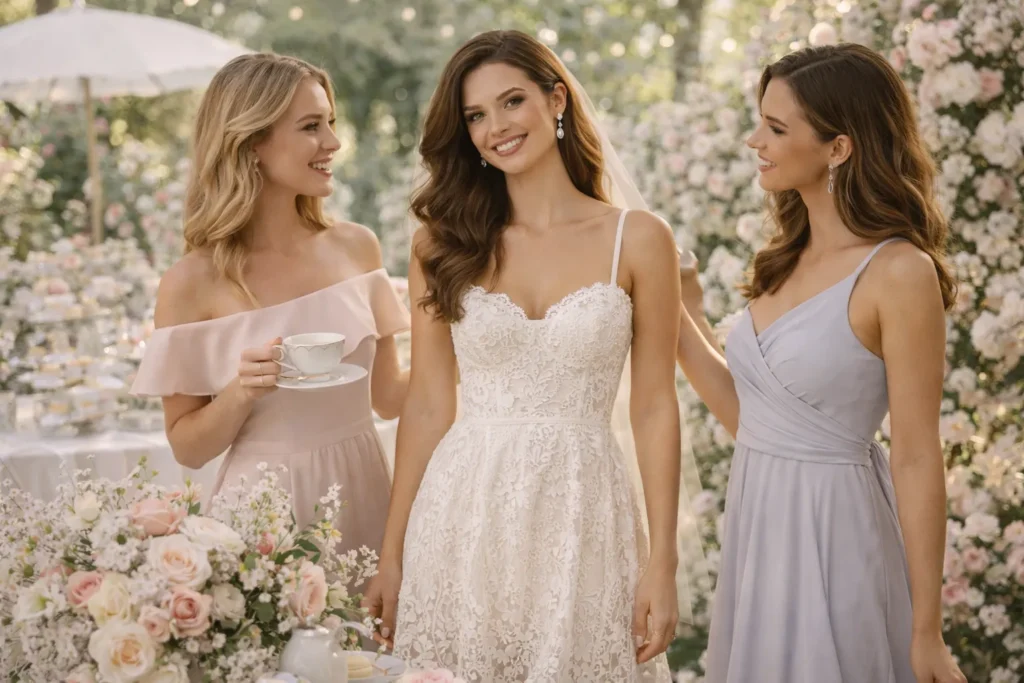
Traditionally hosted during the day, bridal showers are often feminine, elegant affairs involving close family and friends.
- The Vibe: Sweet, sophisticated, and daytime-appropriate.
- Outfit Ideas: An eyelet lace sundress, a tailored two-piece skirt and top set, or a wide-leg linen jumpsuit. Soft hues like blush pink, powder blue, and classic white work perfectly here.
- Accessories: A stylish headband or a subtle pearl hair clip adds a beautiful touch to daytime looks. Opt for wedges or elevated flats if the shower takes place on a lawn or in a garden.
The Bachelorette Weekend
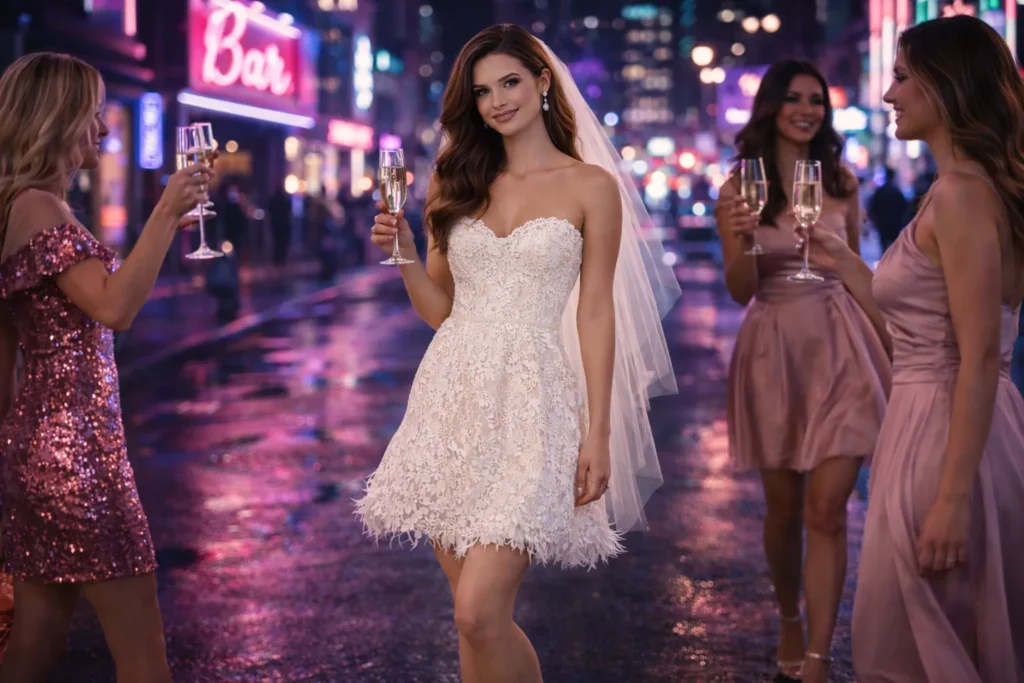
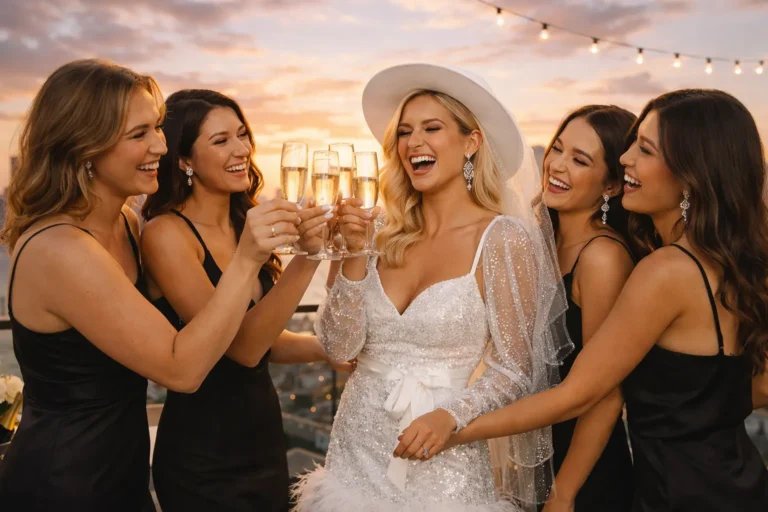
This is your time to let loose and have fun with your closest friends. Your bachelorette outfits should reflect the destination and your personal style.
- Daytime Activities: If you are heading to the beach or lounging by a pool, pack a white bridal swimsuit, a sheer kaftan cover-up, and an oversized sun hat. For city exploration, a white denim skirt and a playful graphic tee do the trick.
- Night Out: This is where you can embrace high glamour. Think sequined mini dresses, feather-trimmed tops, or a daring white corset paired with tailored trousers.
- Footwear: Bring a mix of comfortable sneakers for daytime walking and stylish, secure heels for the evening.
The Rehearsal Dinner
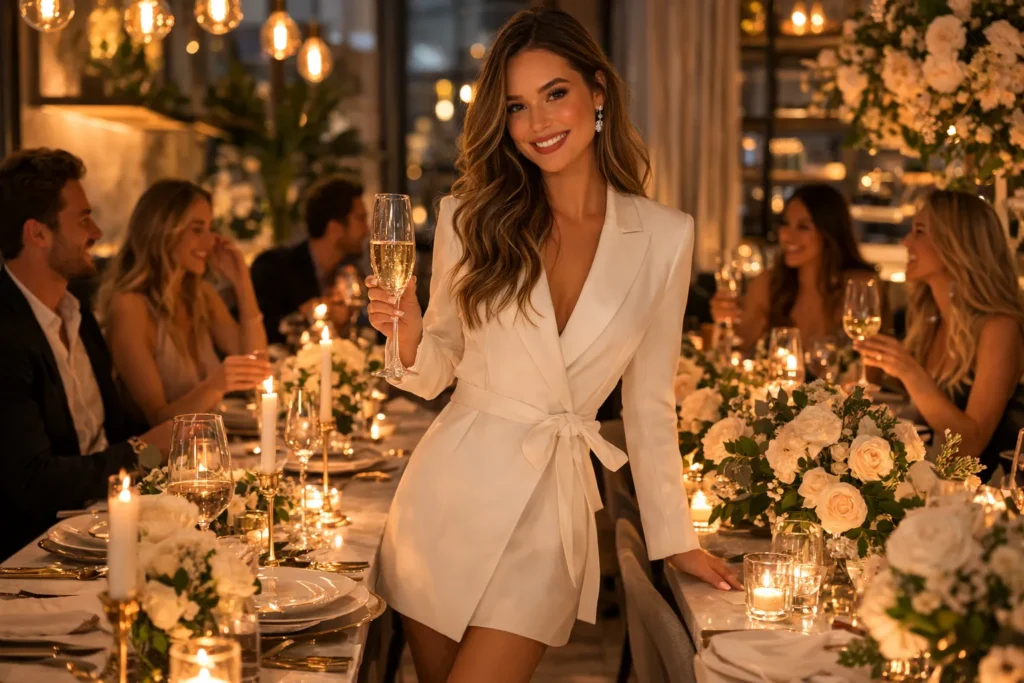
The rehearsal dinner is the prelude to the main event. It is your final pre-wedding celebration, and your outfit should bridge the gap between your everyday style and your wedding gown.
- The Vibe: Elegant, chic, and polished.
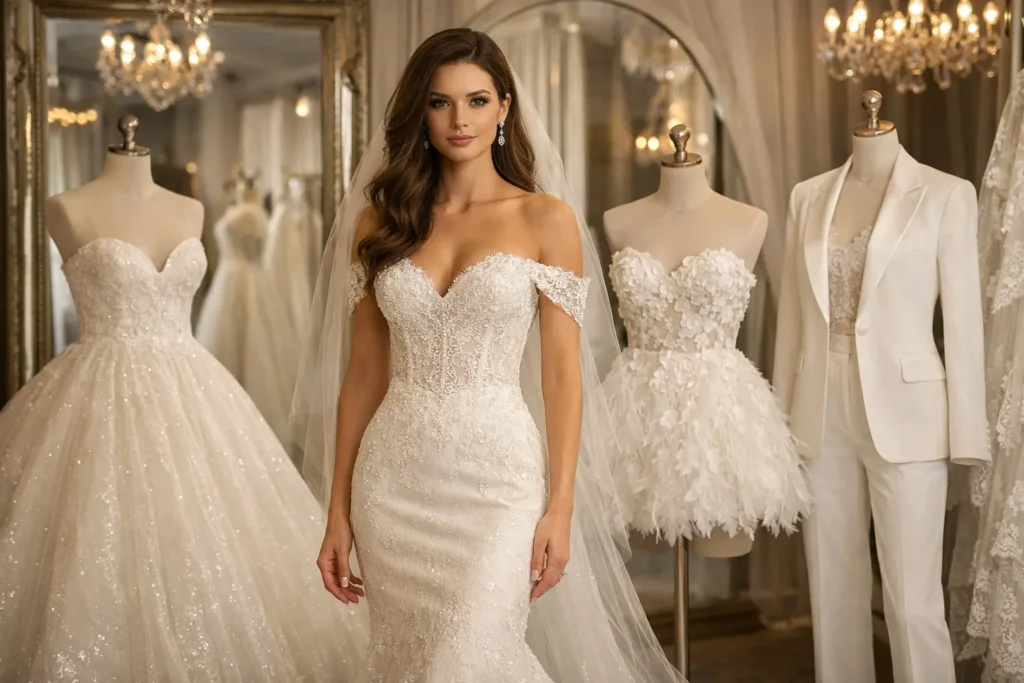
- Outfit Ideas: A tailored white blazer dress makes a powerful, modern statement. Alternatively, a sleek crepe maxi dress or a sophisticated pantsuit offers an elegant silhouette that contrasts beautifully with a traditional wedding gown.
- Accessories: This is a great time to wear heirloom jewelry or accessories gifted to you by a family member.
The Main Event: Ceremony Bridal Outfits
When it comes to the wedding day, your ceremony outfit is the focal point. Finding the right silhouette is crucial for your comfort and confidence.
Classic Ballgowns and A-Lines
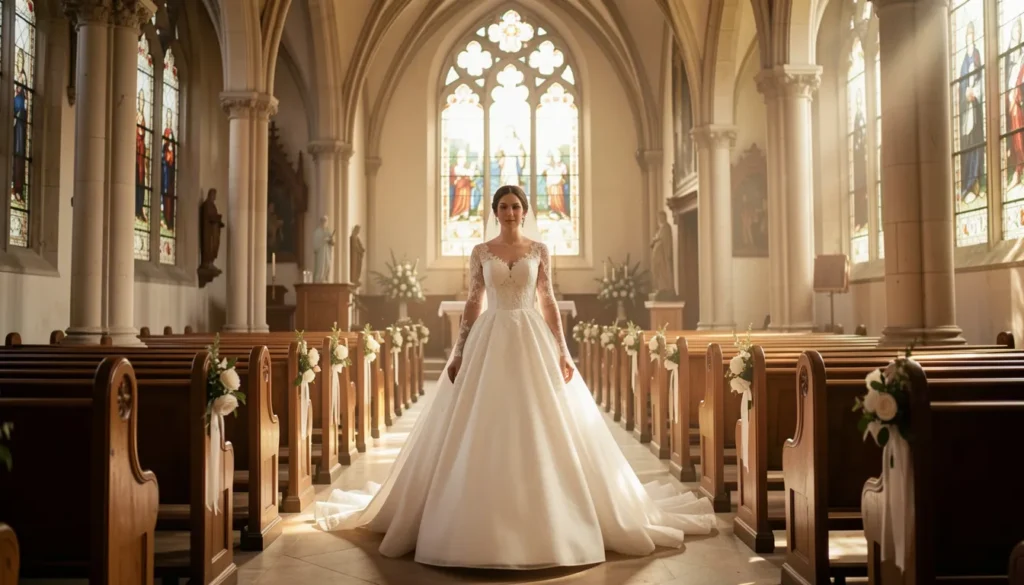
These are the most traditional bridal silhouettes, known for their universally flattering shapes.
- The Ballgown: Featuring a fitted bodice and a dramatically full, voluminous skirt. This style is perfect for formal, fairytale-inspired weddings. It creates a striking presence as you walk down the aisle.
- The A-Line: Similar to a ballgown but with a softer, less dramatic skirt that flares out gently from the natural waist, resembling the letter “A.” It is highly versatile and works for almost any venue.
Sleek Mermaids and Trumpets
If you want to highlight your curves, these fitted silhouettes are the way to go.
- The Mermaid: This style hugs the chest, waist, and hips closely, flaring out dramatically at or below the knee. It is glamorous and dramatic, perfect for an upscale evening wedding.
- The Fit-and-Flare: A softer variation of the mermaid, this silhouette flares out a bit higher (usually mid-thigh), offering a bit more mobility while still showcasing your figure.
Modern Sheaths and Columns
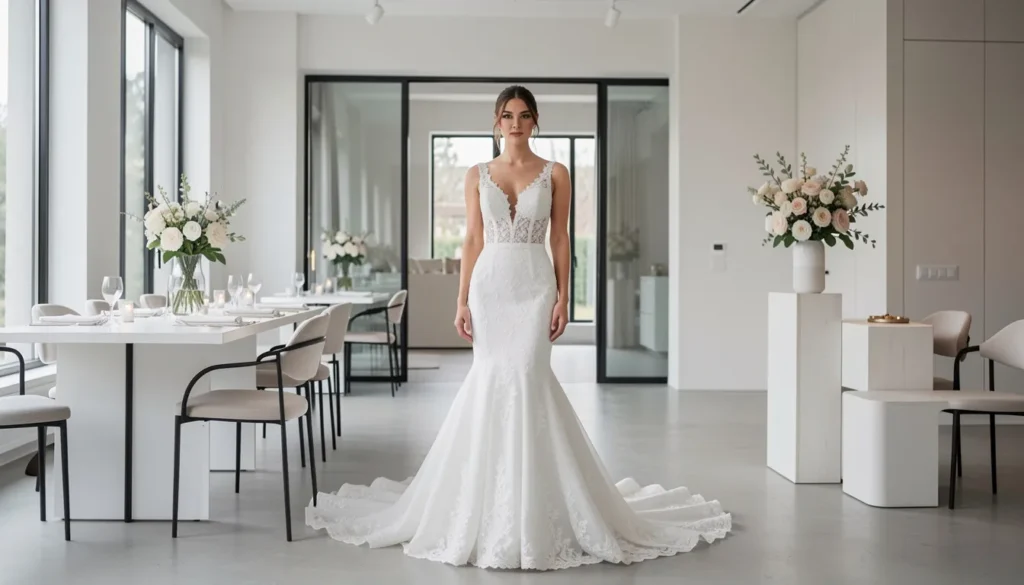
For the minimalist bride, sheath dresses offer effortless elegance.
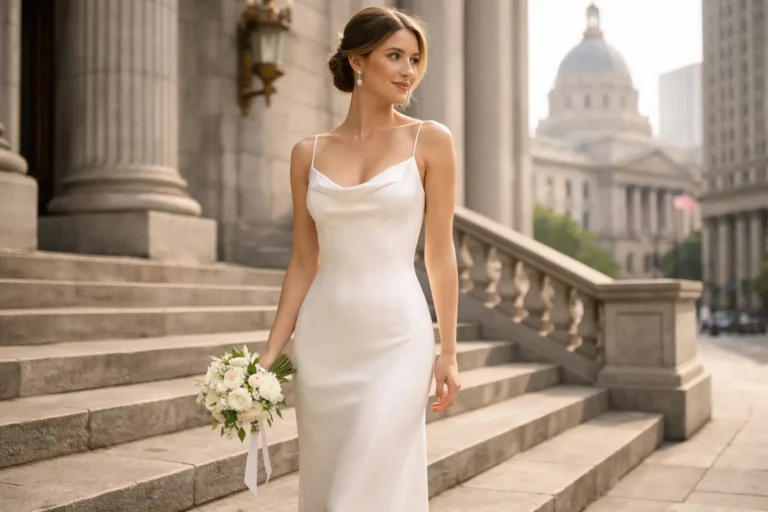
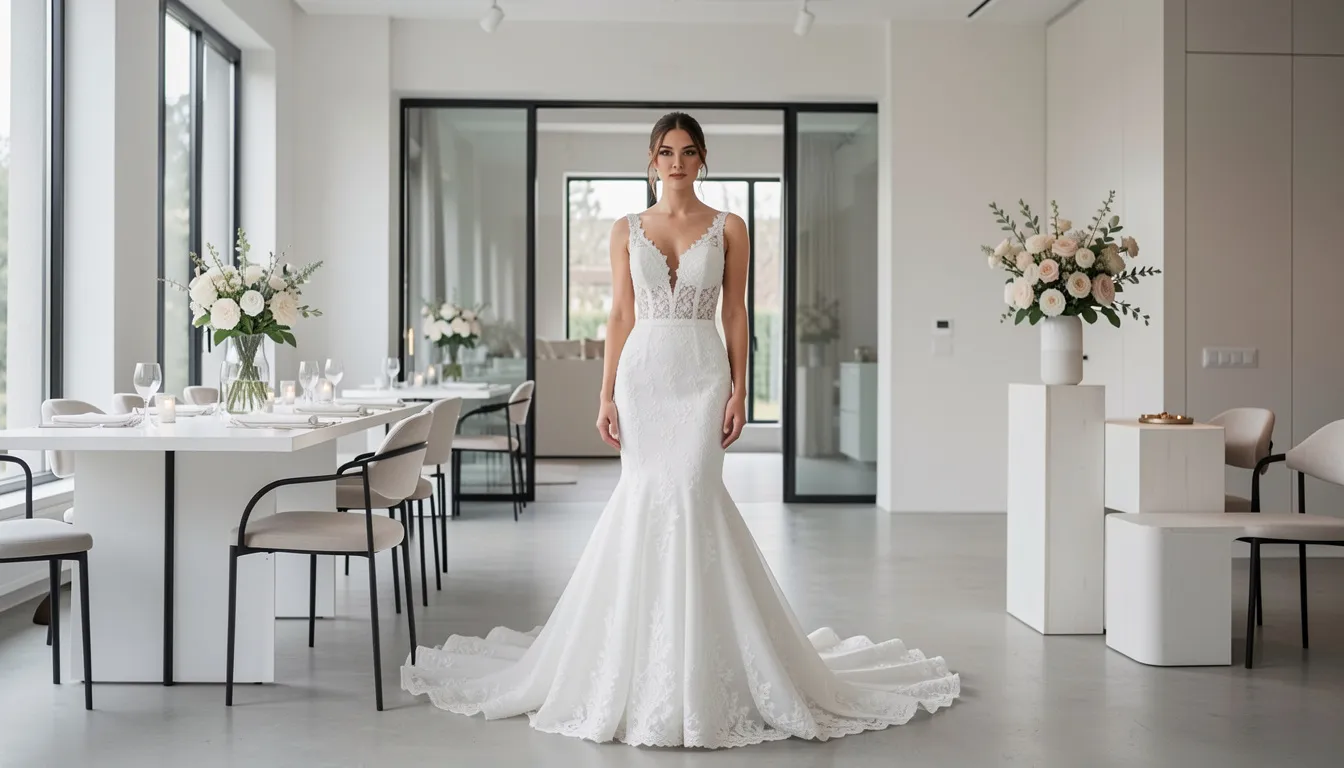
- The Sheath: This dress falls straight down from the neckline to the hem, hugging the body’s natural shape without adding extra volume. It is lightweight, making it ideal for beach or outdoor summer weddings.
Non-Traditional Choices
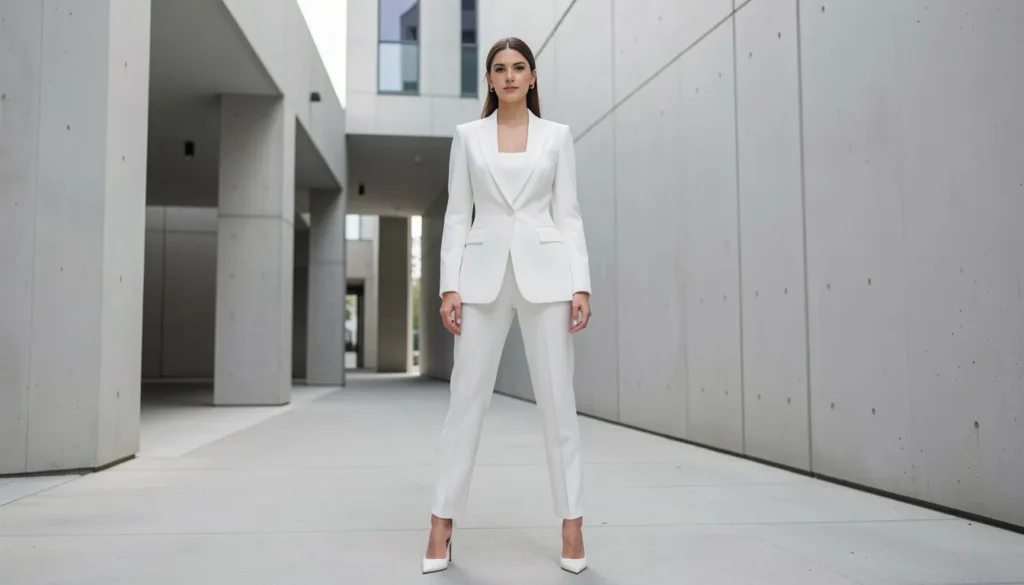
Not every bride wants to wear a dress. Modern bridal fashion embraces diverse, rule-breaking options.
- Bridal Suits: A flawlessly tailored white tuxedo is chic, comfortable, and incredibly stylish.
- Jumpsuits: Offering the comfort of pants with the elegance of a gown, jumpsuits often feature beautiful details like open backs or lace overlays.
- Two-Piece Separates: Pairing a voluminous skirt with a cropped lace bodice allows you to mix and match textures for a completely custom look.
The Reception: The “Second Look” Trend
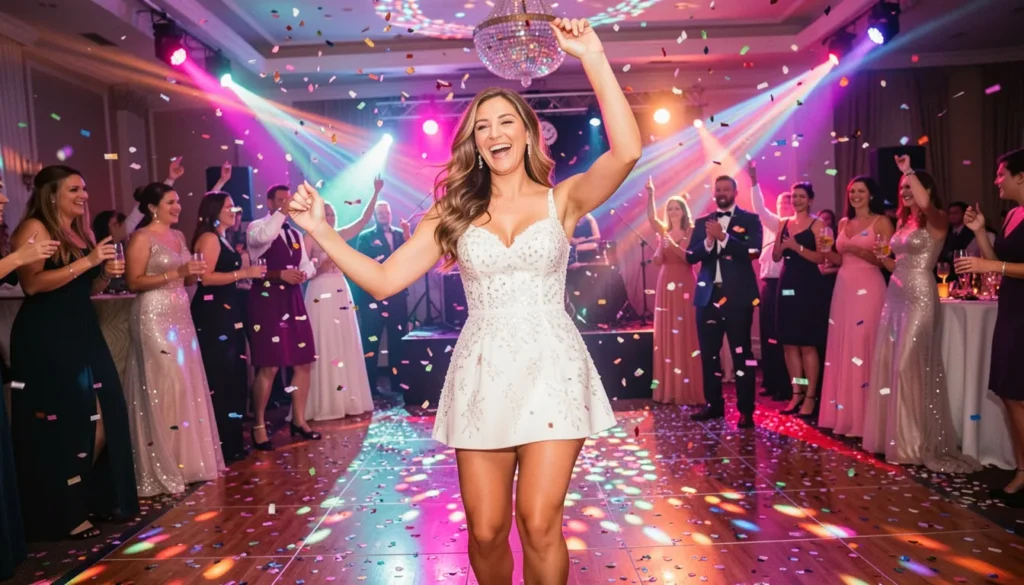
Many brides now opt to change into a second outfit for the reception. A heavy ballgown might be stunning for the ceremony, but it can make dancing difficult.
Why Choose a Second Look?
Changing your outfit signals a shift in the evening’s energy. It tells your guests that the formal proceedings are over and the party has begun. It also protects your primary gown from spills and tearing on the dance floor.
Popular Reception Outfits
- The Little White Dress (LWD): A short, heavily embellished mini dress is perfect for dancing the night away. Look for fun textures like fringe, sequins, or 3D floral appliques.
- The Slip Dress: A 1990s-inspired silk slip dress is sleek, sexy, and incredibly comfortable. It allows you to move freely and looks amazing under ambient reception lighting.
- The Romper: A playful, short romper gives you total freedom of movement, ensuring you can participate in every dance circle without hesitation.
Navigating Bridal Fabrics
The fabric of your outfit dictates how it looks, feels, and moves. Understanding these materials will help you make an informed decision.
Structured and Formal Fabrics
- Mikado: A heavy, blended silk that holds its shape beautifully. It has a subtle shine and is perfect for structured ballgowns and dramatic A-lines.
- Satin: Smooth, heavy, and highly reflective. Satin is a classic bridal fabric that drapes elegantly and works best for formal, indoor weddings in cooler weather.
- Crepe: A crisp, matte fabric with a slight texture. Crepe clings beautifully to the body, making it the top choice for sleek sheath and mermaid gowns.
Soft and Romantic Fabrics
- Tulle: A lightweight, sheer netting used to create soft volume. It is often layered under skirts or used as an illusion neckline.
- Chiffon: Incredibly sheer, lightweight, and fluid. Chiffon floats beautifully in the wind, making it the ultimate fabric for beach and destination weddings.
- Organza: Similar to chiffon but with slightly more structure and stiffness. It holds a shape well but remains light and airy.
The World of Bridal Lace
Lace comes in dozens of variations, each offering a distinct vibe.
- Chantilly Lace: Very fine, delicate, and detailed. It has a vintage, romantic feel.
- Alençon Lace: Known for its prominent, raised motifs (often floral) outlined with a heavier silk cord.
- Guipure Lace: A heavier, more structured lace without a net background. It feels very bohemian and modern.
Selecting Outfits by Venue and Season
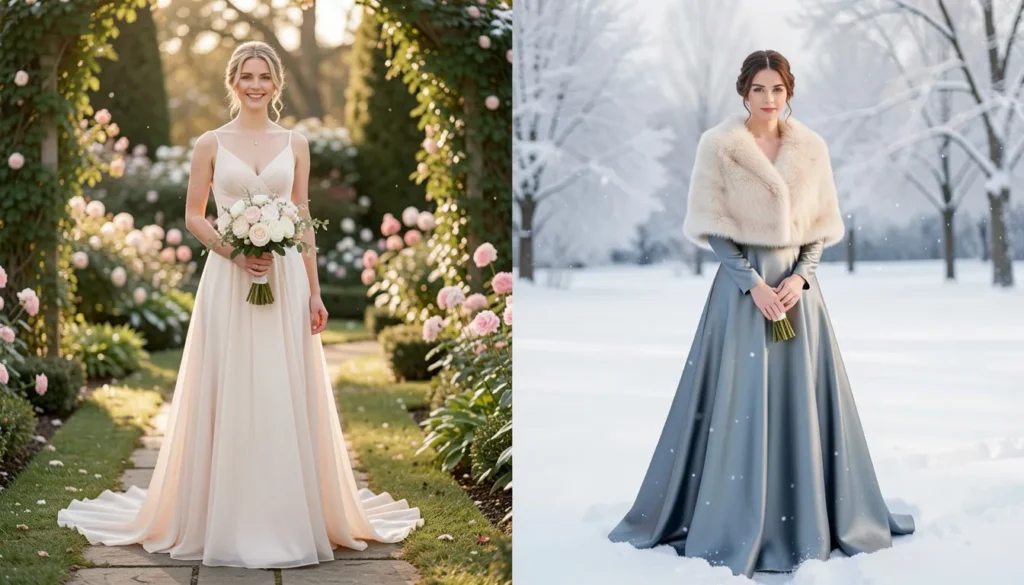
Your venue and the time of year should heavily influence your wardrobe choices. Wearing a heavy satin gown in the middle of July will leave you uncomfortable, while a sheer chiffon slip in December will leave you freezing.
Spring and Summer Weddings
When the weather is warm, prioritize breathability and lightness.
- Fabrics: Chiffon, organza, light crepe, and tulle.
- Styles: Strapless, off-the-shoulder, or spaghetti strap designs keep you cool. High slits and shorter hemlines are also excellent choices.
- Vibe: Soft, romantic, and airy. Floral appliques and pastel undertones work beautifully in garden settings.
Fall and Winter Weddings
Cooler temperatures allow for dramatic, heavy fabrics and intricate layering.
- Fabrics: Mikado, heavy satin, velvet, and brocade.
- Styles: Long sleeves, high necklines, and heavy layering. You can incorporate stylish outerwear like a faux fur wrap or a tailored bridal coat.
- Vibe: Regal, dramatic, and luxurious. Winter weddings are the perfect time to embrace heavy beading and crystal embellishments.
Destination and Beach Weddings
Traveling for your wedding requires practical, easy-to-pack clothing.
- Fabrics: Lightweight cotton, linen, and fluid silk. Avoid materials that wrinkle easily or take up massive amounts of suitcase space.
- Styles: Unstructured A-lines and breezy sheaths. Leave the massive trains and heavy veils at home, as they will drag in the sand and dirt.
- Footwear: Swap traditional heels for elegant sandals, espadrilles, or even barefoot jewelry for a true beach ceremony.
Accessorizing Your Bridal Looks
Accessories complete your outfits and allow you to personalize even the most traditional garments.
Veils and Capes
The veil is the quintessential bridal accessory.
- Cathedral Veils: Long, dramatic veils that extend past the train of your dress. They are perfect for grand, formal ceremonies.
- Fingertip Veils: A versatile length that hits right at your fingertips, flattering almost every dress silhouette.
- Bridal Capes: A modern alternative to the veil. A cape attaches at the shoulders and provides a regal, unexpected touch.
Jewelry Rules of Thumb
Your jewelry should complement, not compete with, your dress.
- Match the metals to the dress color: Bright white dresses look best with silver or platinum. Ivory and champagne dresses pair beautifully with gold.
- Consider the neckline: A sweetheart neckline leaves bare skin that looks great with a statement necklace. A high neckline, however, pairs better with statement earrings and no necklace at all.
Bridal Footwear
Comfort is just as important as style when choosing your wedding shoes. You will be standing, walking, and dancing for hours.
- Break them in: Wear your shoes around the house with thick socks for several weeks before the wedding to stretch them out.
- Consider the venue: Stilettos will sink into grass and sand. If your wedding is outdoors, opt for block heels, wedges, or stylish bridal sneakers.
The Alterations Timeline: Getting the Perfect Fit
Even if you order a dress in your exact size, it will require alterations. Bridal sizing is notoriously tricky, and a flawless fit requires the hands of a skilled seamstress.
When to Shop
Start shopping for your main wedding dress 9 to 12 months before your wedding date. Custom dresses can take six to eight months to arrive from the designer.
The Fitting Process
You will typically need three alteration appointments.
- First Fitting (2-3 months out): The seamstress pins the dress to map out major structural changes, such as taking in the bodice or adjusting the hemline. Crucial: You must bring your exact wedding shoes and undergarments to this fitting to ensure the hem is perfect.
- Second Fitting (1 month out): You try on the dress with the major adjustments completed. The seamstress checks the fit and begins working on the bustle (the system of hooks or buttons that lifts your train for the reception).
- Final Fitting (1-2 weeks out): This is a final check to ensure everything is perfect. Bring a bridesmaid or family member to learn how to do your bustle correctly.
Budgeting for Your Wedding Wardrobe
Creating a full wardrobe of bridal outfits can add up quickly. It is essential to set a realistic budget early in the planning process.
Smart Saving Strategies
- Rent the pre-wedding looks: You do not need to buy a brand-new outfit for your bridal shower or rehearsal dinner. Use fashion rental services to wear high-end designer pieces for a fraction of the cost.
- Shop sample sales: Bridal boutiques frequently host sample sales where you can buy floor models at deep discounts.
- Re-wear your pieces: Buy shoes, jewelry, and pre-wedding outfits that you can easily integrate into your everyday wardrobe after the wedding is over.
- Focus the budget on the ceremony: Allocate the largest portion of your wardrobe budget to your primary wedding gown, as this is the most photographed garment of the entire event.
Sustainable and Eco-Friendly Bridal Fashion
As sustainability becomes increasingly important, many brides are looking for eco-conscious ways to build their wardrobes.
- Vintage and Secondhand: Purchasing a pre-loved wedding dress is highly sustainable and often allows you to buy designer labels at a massive discount.
- Ethical Designers: Look for brands that use recycled fabrics, practice zero-waste manufacturing, and guarantee fair labor practices.
- Upcycling: Consider taking a family member’s vintage wedding dress and having a seamstress modernize it to fit your style.
Conclusion
Curating your bridal outfits is a joyful, creative process that allows you to celebrate your unique style across multiple unforgettable events. From the sweet elegance of a bridal shower dress to the breathtaking impact of your ceremony gown and the fun flair of a reception mini-dress, every piece plays a part in your wedding story. By understanding silhouettes, selecting venue-appropriate fabrics, and mastering the alterations timeline, you guarantee that you will look and feel your absolute best. Enjoy the shopping experience, stay true to your personal aesthetic, and step into this new chapter of your life with confidence and grace.
Frequently Asked Questions (FAQs)
How many bridal outfits do I actually need?
There is no set rule. At a minimum, you need an outfit for the ceremony. However, most modern brides plan for 3 to 5 looks, covering the engagement party, bridal shower, rehearsal dinner, ceremony, and reception.
Can I wear pants down the aisle?
Absolutely, Bridal suits, tailored tuxedos, and intricate jumpsuits are highly fashionable, modern alternatives to traditional dresses. They are comfortable, chic, and make a strong fashion statement.
What should I wear under my wedding dress?
Your undergarments depend entirely on the silhouette of your dress. You may need a strapless bra, a seamless bodysuit, or adhesive silicone cups. Always buy your undergarments before your first alterations appointment so your seamstress can fit the dress over them precisely.
Is it acceptable to wear colors other than white?
Yes! While white, ivory, and champagne are traditional, modern brides frequently wear blush pink, soft blue, or even bold colors like red or black. Your wedding is your day, and your outfits should reflect your true personality.