What is a Size 30 Jeans in US? Your Ultimate Guide
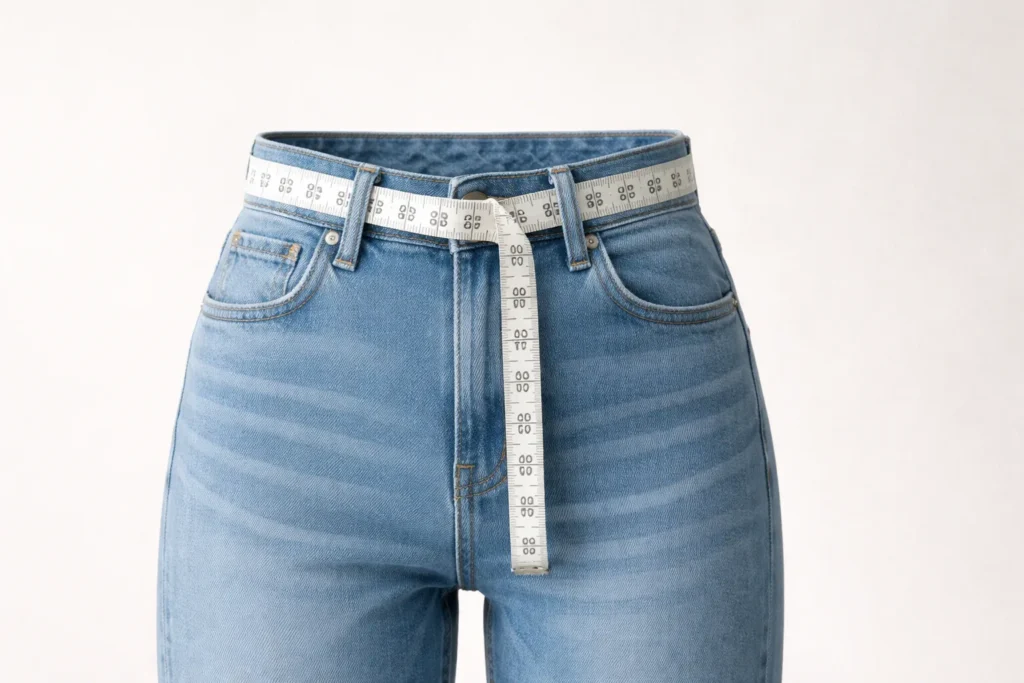
Navigating the world of denim sizing can be a frustrating experience. With inconsistent charts, varying brand standards, and international conversion differences, finding the right fit feels like solving a puzzle. This is especially true when you encounter a specific number like a size 30 jeans in US sizing. What does that number actually mean? Is it for men or women? And how can you ensure it will fit you correctly?
This comprehensive guide will demystify the size 30 jean. We will break down exactly what this measurement means for both men’s and women’s apparel, how it translates to other sizing systems, and provide practical tips for finding the perfect pair of jeans every time you shop.
Understanding Jean Sizing: The Basics
Before diving into size 30 specifically, it is helpful to understand the two primary ways jeans are sized in the United States.
- Waist/Inseam (W/L): This is the most common method for men’s jeans and many unisex brands. The first number (e.g., 30W) refers to the waist measurement in inches. The second number (e.g., 32L) refers to the inseam, which is the length from the crotch to the hem. A “size 30” in this context almost always means a 30-inch waist.
- Vanity Sizing (0, 2, 4, etc.): This system is standard in women’s fashion. These numbers (e.g., 8, 10, 12) do not directly correspond to a specific measurement in inches. Instead, they are arbitrary numbers assigned by brands. Over time, these numbers have shifted in a phenomenon known as “vanity sizing,” where a size 8 today might have the same measurements as a size 12 from several decades ago.
What Does a Men’s Size 30 Jeans in US Mean?
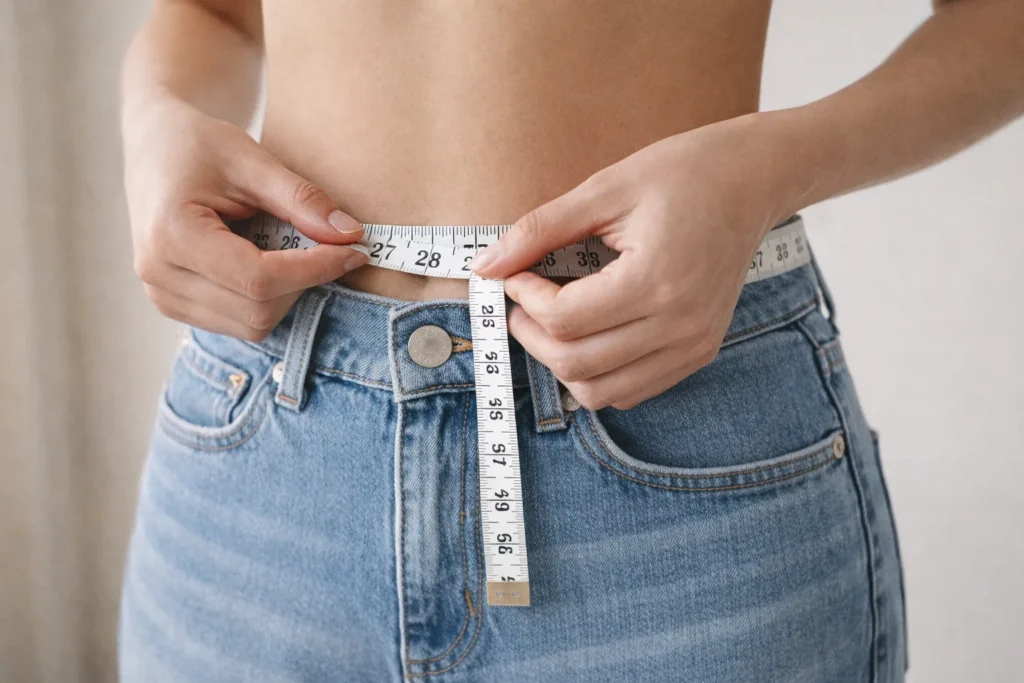
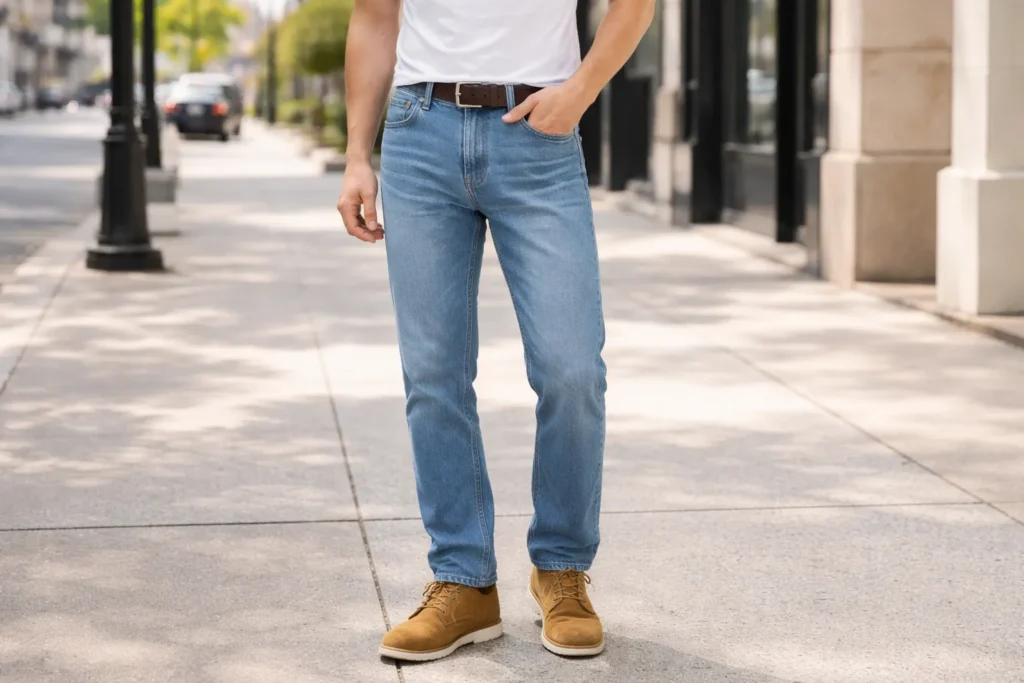
For men, the answer is refreshingly straightforward. A men’s size 30 jean refers to a pair of pants designed to fit someone with a 30-inch waist.
How to Measure for a Men’s Size 30
To confirm if a size 30 is right for you, you need two key measurements:
- Waist: Using a flexible measuring tape, measure around your natural waistline. This is typically just above your belly button and is the narrowest part of your torso. Ensure the tape is snug but not tight. If the measurement is around 30 inches, a size 30W is your starting point.
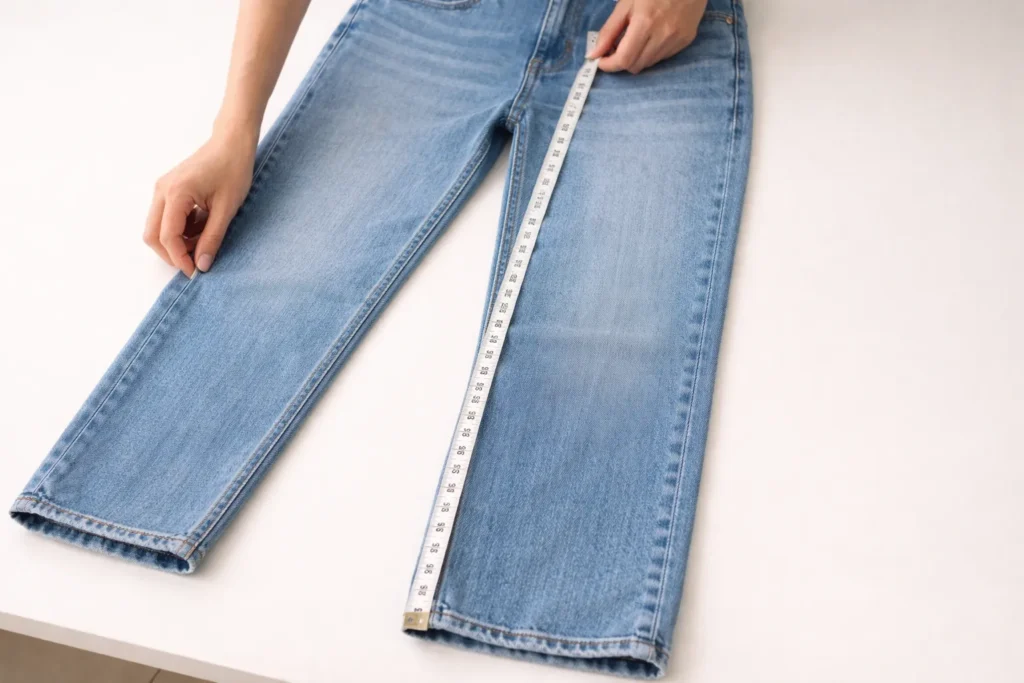
- Inseam: This measurement determines the length of the jeans. You can measure a pair of existing jeans that fit you well by laying them flat and measuring from the crotch seam down to the bottom of the hem. Common inseam lengths are 30″, 32″, and 34″.
So, a man looking for size 30 jeans would see tags like “30×30,” “30×32,” or “30×34.” The first number is the waist size, and the second is the inseam length.
International Conversion for Men’s Size 30
If you are shopping from European or other international brands, you will need to convert the US size.
- EU Sizing: European sizes are often half of the US waist size. So, a US size 30 waist is roughly equivalent to an EU size 40.
- UK Sizing: UK sizing for men’s trousers is typically the same as US sizing, so a US 30 is also a UK 30.
What Does a Women’s Size 30 Jeans in US Mean?
This is where things become more complicated. In women’s fashion, “size 30” can mean one of two things:
- A waist measurement of 30 inches.
- A numeric “vanity” size, often equivalent to a US size 10.
Many contemporary women’s brands, especially those focused on premium denim, have adopted the waist/inseam sizing model used in menswear. For these brands (like Levi’s, Madewell, or AG), a women’s size 30 directly corresponds to a 30-inch waist measurement.
However, in the traditional numeric system, a size 30 does not exist. Instead, brands use sizes like 8, 10, or 12. In this system, a 30-inch waist measurement generally corresponds to a US size 10.
Women’s Size 30 Conversion Chart (Approximate)
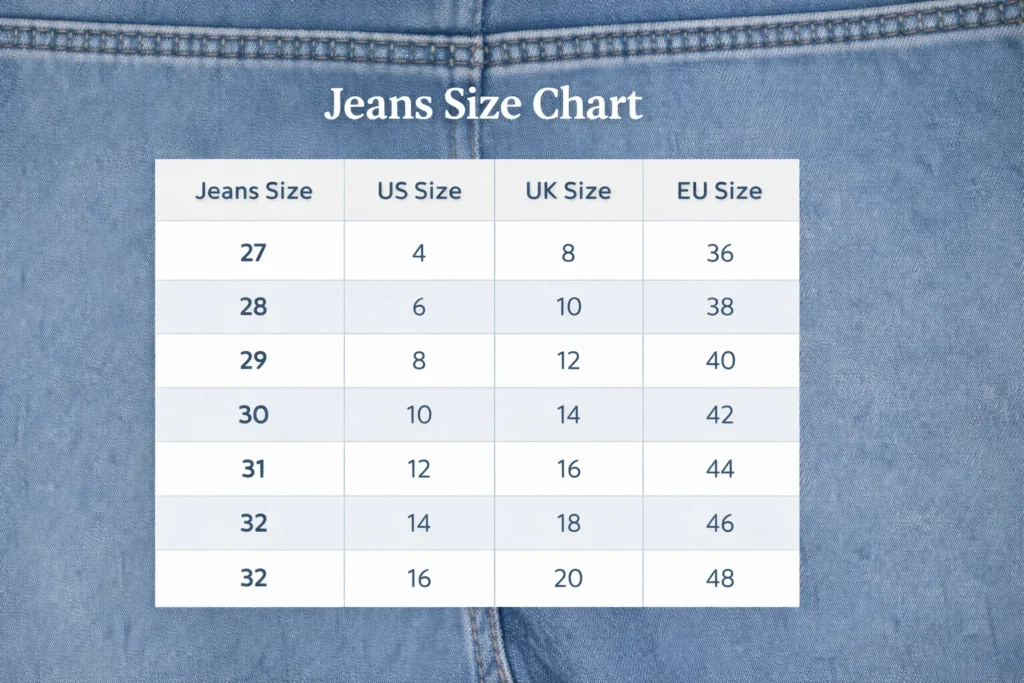
Because women’s sizing varies so much, this chart is an estimate. Always consult the specific brand’s size guide.
| US Size (Numeric) | US Size (Waist/Inch) | UK Size | EU Size |
| 10 | 30 | 14 | 42 |
How to Measure for a Women’s Size 30
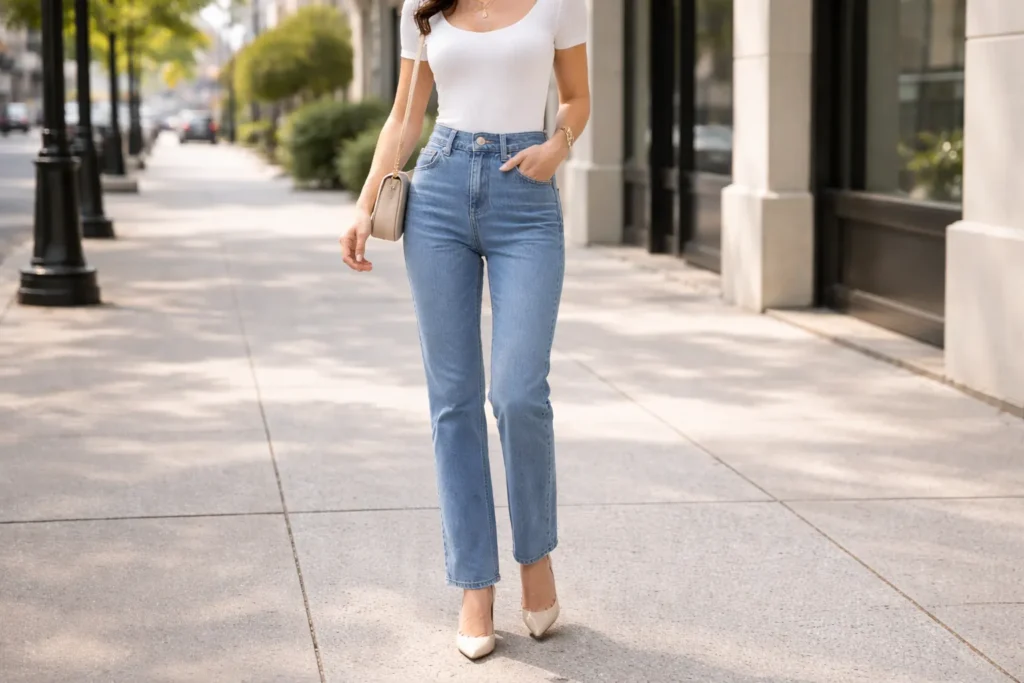
For women, getting the right fit involves more than just the waist measurement.
- Waist: Measure your natural waist as described above. If it’s around 30 inches, a size 30 (or a numeric size 10) is a good place to start.
- Hips: Measure the fullest part of your hips and bottom. This is a critical measurement for women’s jeans, as it determines if the jeans will fit through the seat and thigh area. A 30-inch waist often corresponds to hip measurements of 40-41 inches.
- Rise: The rise is the distance from the crotch seam to the top of the waistband. This determines where the jeans sit on your body (low-rise, mid-rise, or high-rise). This measurement is crucial for comfort and style.
The Importance of Fabric and Cut
A “size 30” label does not tell the whole story. The fabric composition and the cut of the jeans will dramatically affect the final fit.
Fabric Composition
- 100% Cotton (Rigid Denim): These jeans have no stretch. A size 30 will feel very snug at first and will mold to your body over time. You may need to size up for a more comfortable initial fit.
- Stretch Denim (Cotton/Elastane Blends): Most modern jeans contain 1-3% elastane (Lycra or spandex). This provides flexibility and comfort. With stretch denim, a size 30 will have more give, and you might even be able to size down for a tighter, more “painted-on” look.
- High-Stretch Denim (4%+ Elastane): Often found in jeggings or super-skinny styles, these fabrics are very forgiving. A size 30 in this material will fit a wider range of body shapes.
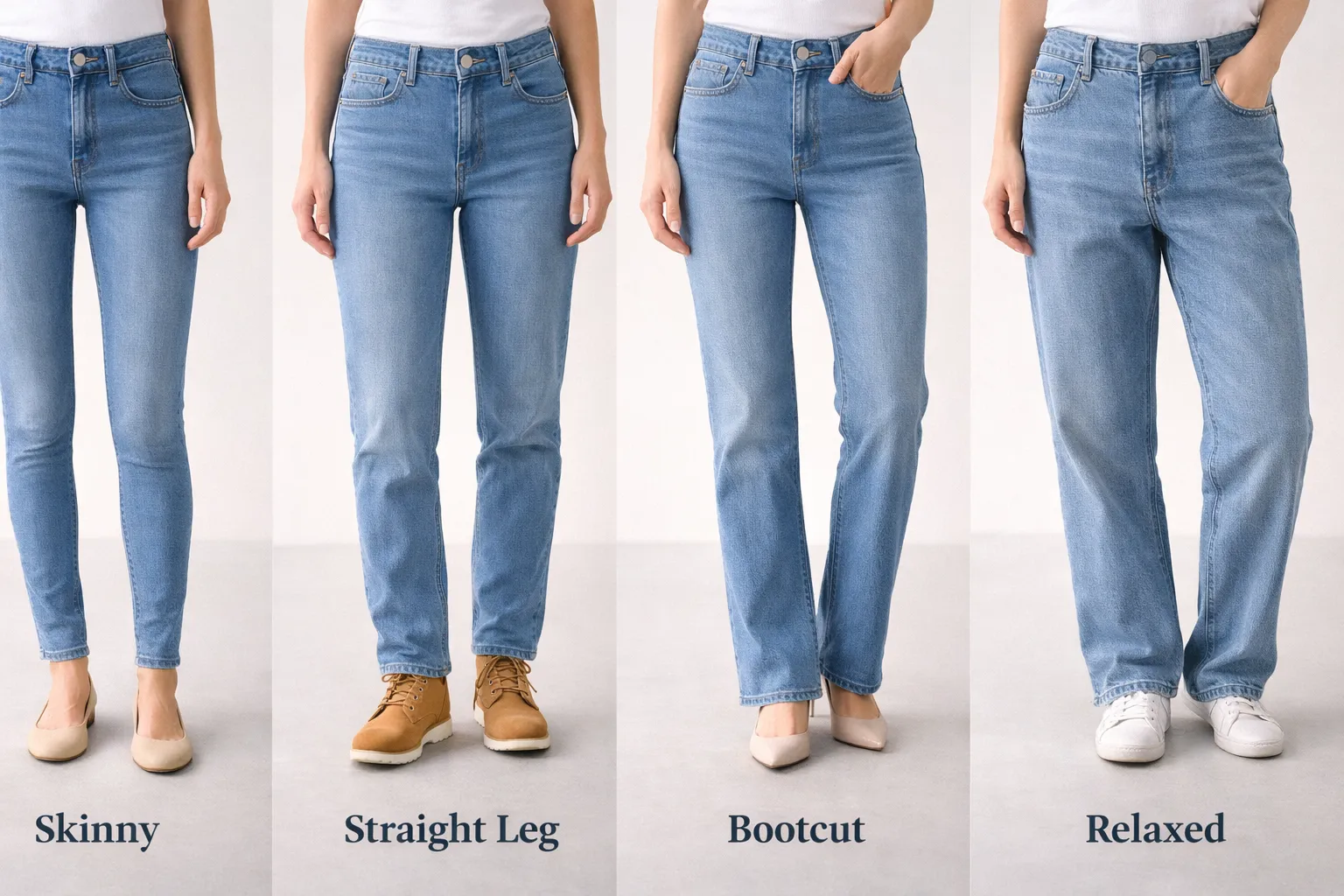
Popular Jean Cuts
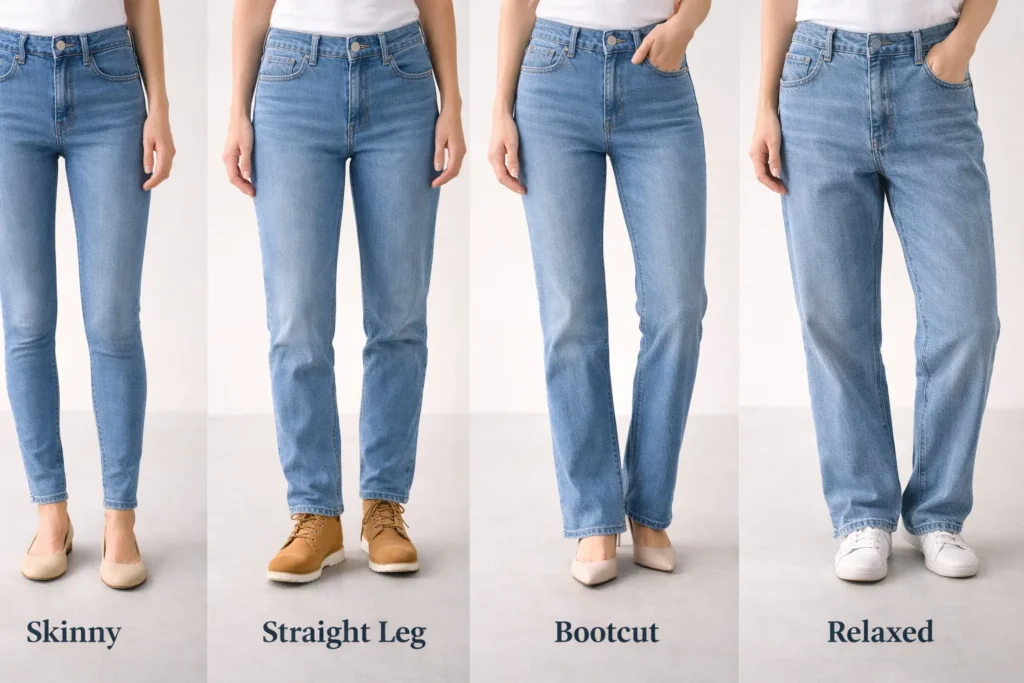
The same size 30 will fit differently depending on the style:
- Skinny: Tapered and tight from hip to ankle. A size 30 skinny jean will be form-fitting all over.
- Straight-Leg: Consistent width from the knee down. This offers a more classic, relaxed fit through the calf.
- Bootcut: Flared slightly from the knee to accommodate boots. The fit through the hip and thigh is usually slim.
- Relaxed/Boyfriend: Looser fit through the hip and thigh for a casual, comfortable feel. You may be able to size down in this cut for a less baggy look.
Tips for Shopping for Size 30 Jeans
- Know Your Measurements: This is the single most important tip. Keep your waist, hip, and inseam measurements saved on your phone so you can reference them while shopping online or in-store.
- Always Read the Size Chart: Never assume a size 30 from one brand will fit like a size 30 from another. Check the brand’s specific size guide and compare it to your measurements.
- Read Customer Reviews: Reviews are a goldmine of information. Look for comments from people with similar body types who mention whether the jeans run true to size, small, or large.
- Order Multiple Sizes: If you’re shopping online and are unsure, it’s often worth ordering two sizes (e.g., a 29 and a 30) and returning the one that doesn’t fit.
- Consider the Rise: Pay attention to whether the jeans are low, mid, or high-rise. A high-rise size 30 will need to fit your natural waist, while a low-rise size 30 will sit closer to your hips.
Conclusion
A size 30 jeans in US sizing is not a one-size-fits-all answer. For men, it reliably indicates a 30-inch waist. For women, it can mean either a 30-inch waist or a numeric size 10, depending on the brand. Understanding this distinction, along with your personal measurements and the impact of fabric and cut, is the key to conquering the denim-shopping challenge. By using the information in this guide, you can shop with confidence and finally find that perfect-fitting pair of jeans.
Frequently Asked Questions (FAQs)
Is a size 30 in jeans a medium?
Generally, yes. For both men and women, a size 30 waist measurement typically falls into the “Medium” (M) category on most general apparel size charts.
Is a women’s size 30 the same as a size 10?
In many modern women’s brands that use vanity sizing, a size 30 waist is equivalent to their numeric size 10. However, this is not a universal rule, so always check the brand’s size chart.
Do size 30 jeans stretch over time?
This depends on the fabric. Jeans made from 100% cotton will stretch and mold to your body, sometimes up to a full inch. Jeans with high elastane content will stretch while you wear them but should return to their original size after washing.
What is the difference between a women’s 30 and a men’s 30 in jeans?
While both refer to a 30-inch waist, the fit is very different. Men’s jeans have a straighter cut through the hips and more room in the crotch. Women’s jeans are designed with a smaller waist-to-hip ratio, meaning they curve out more at the hips and thighs to accommodate a woman’s figure.