
Your Ultimate Guide to Epic Ren Faire Outfits
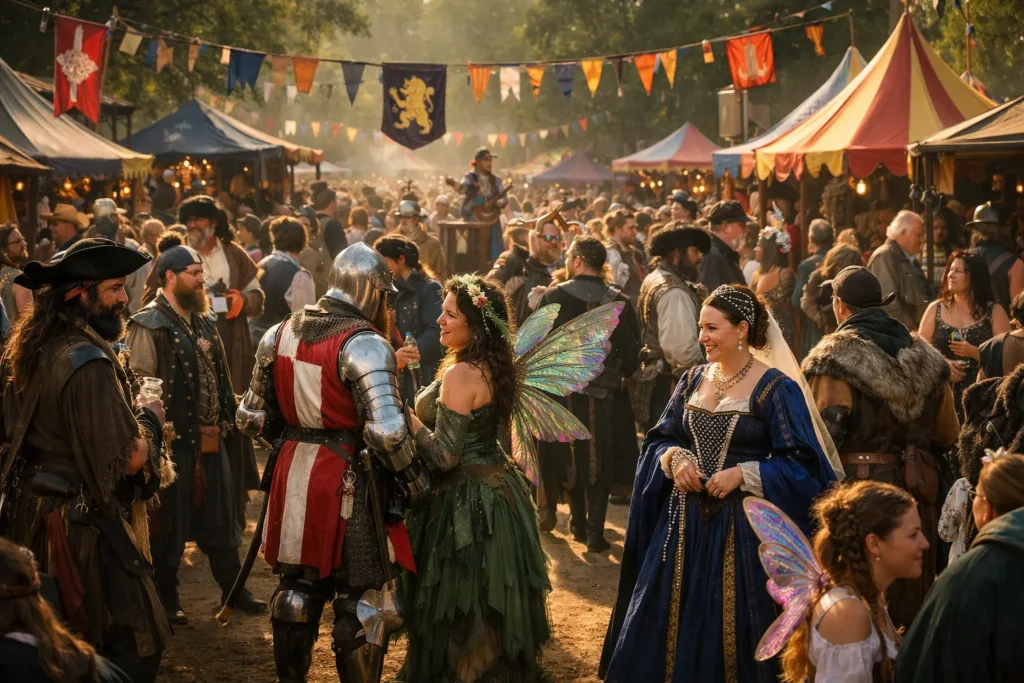
Stepping through the gates of a Renaissance Faire is like traveling back in time. The air fills with the sounds of blacksmiths, the scent of turkey legs, and the sight of knights, nobles, and mythical creatures. Part of this immersive magic comes from the attendees themselves, many of whom are dressed in incredible historical and fantasy costumes. Planning your Ren Faire outfits is a rite of passage that transforms you from a spectator into an active participant in the fantasy.
Whether you are a seasoned faire-goer or a first-timer wondering what to wear, creating a costume can feel intimidating. Do you need to be historically accurate? Can you mix fantasy elements with historical clothing? Where do you even begin? The good news is that there are no strict rules, only endless opportunities for creativity.
This comprehensive guide will serve as your ultimate resource for crafting the perfect ensemble. We will break down the essential building blocks of Renaissance clothing, explore popular archetypes, offer budget-friendly DIY and thrifting tips, and ensure your look is both magnificent and comfortable enough for a full day of adventure.
Understanding the Basics of Ren Faire Fashion
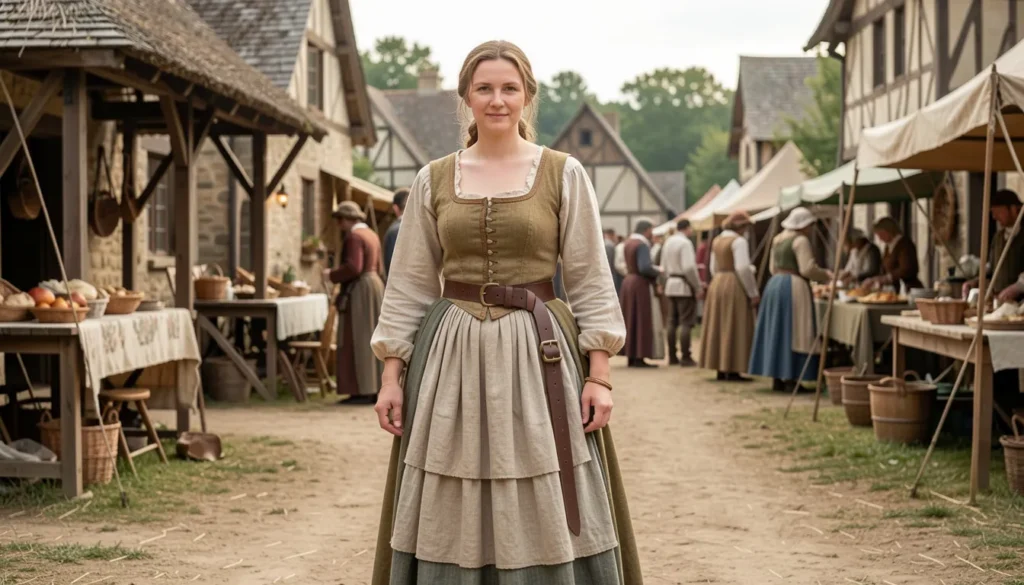
Before you can build a character, you need to understand the fundamental layers of Renaissance-era clothing. Most outfits, for both men and women, are built upon a few simple, modular pieces.
The Foundational Layer: The Chemise
The chemise (for women) or undershirt (for men) is the most critical piece of your entire costume. This is the garment that sits against your skin.
- Function: It serves as an undergarment, absorbing sweat and protecting your more expensive outer layers (like corsets and doublets) from getting dirty.
- Material: Always choose a chemise made from a natural, breathable fabric like lightweight cotton or linen. This is crucial for staying cool in the summer heat.
- Style: A classic peasant-style chemise often features a drawstring neckline and billowy sleeves that can be worn on or off the shoulder.
For Women: The Bodice or Corset
This is the layer that provides shape and structure to the female silhouette.
- Bodice: A sleeveless, fitted vest that laces up the front. It is relatively comfortable and provides a classic “serving wench” or peasant look.
- Corset: More structured than a bodice, a corset uses boning to cinch the waist and lift the bust. An “overbust” corset covers the entire torso, while an “underbust” corset starts just below the bust, pushing it upwards. For faire, a well-made corset should be supportive, not painfully restrictive.
For Men: The Doublet or Jerkin
The doublet is the male equivalent of the bodice—a fitted jacket that was a staple of Renaissance menswear.
- Doublet: A snug-fitting, buttoned or laced jacket, often with sleeves.
- Jerkin: A sleeveless jacket or vest, typically made of leather, worn over the top of a doublet for an extra layer of style and protection.
The Bottoms: Skirts, Breeches, and Trousers
- Skirts: Women traditionally wear one or two long, full skirts over their chemise. Layering two skirts of different colors allows you to tuck up the outer skirt to reveal the contrasting color underneath.
- Breeches and Trousers: Men typically wear loose-fitting breeches that end at the knee, often paired with tall socks or boots. Simple, loose linen trousers are also a comfortable and appropriate choice for a peasant or pirate look.
Choosing Your Character: Popular Ren Faire Archetypes
The easiest way to build your Ren Faire outfit is to choose a character archetype. This gives you a clear theme to follow. Here are some of the most popular choices.
The Humble Peasant or Villager
This is the most common and accessible starting point for any new faire-goer. It is comfortable, relatively inexpensive, and highly versatile.
- Women’s Look: A simple linen or cotton chemise, a dark-colored bodice (brown, green, or black), and one or two full skirts in earthy tones. Add a simple leather belt to hang a pouch and a mug from.
- Men’s Look: A loose-fitting undershirt, knee-length breeches, a simple leather belt, and tall socks or leg wraps. You can add a simple, loose vest for an extra layer.
- Key Accessories: A cloth head covering (coif or bandana), a leather pouch, a wooden mug, and simple leather sandals or boots.
The Bold and Daring Pirate
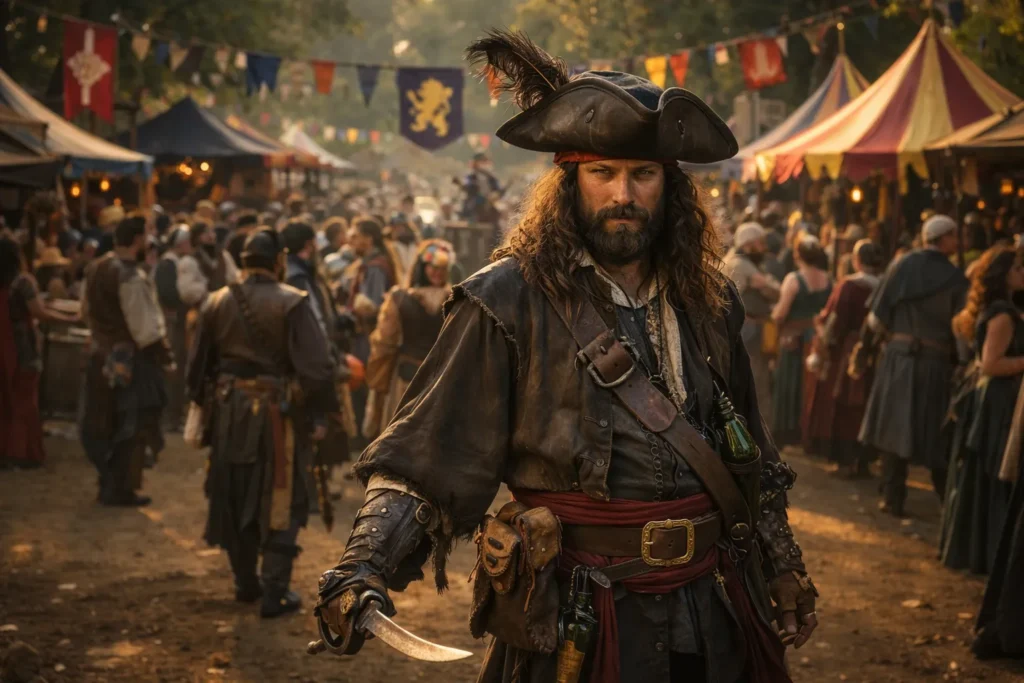
Pirate costumes allow for a bit more flair and attitude. They are a fantasy staple at almost every Renaissance Faire.
- The Look: Build upon a peasant base, but add distinct pirate elements. Think a billowy, open-necked shirt, a leather jerkin or long vest, loose-fitting trousers or breeches, and tall boots.
- Key Accessories: A tricorne hat or a bandana, a wide leather belt with multiple buckles, a prop cutlass or flintlock pistol (check faire rules!), and an eye patch. A sash tied around the waist in a bold color like red or purple adds a perfect pop of color.
The Noble Knight or Lady
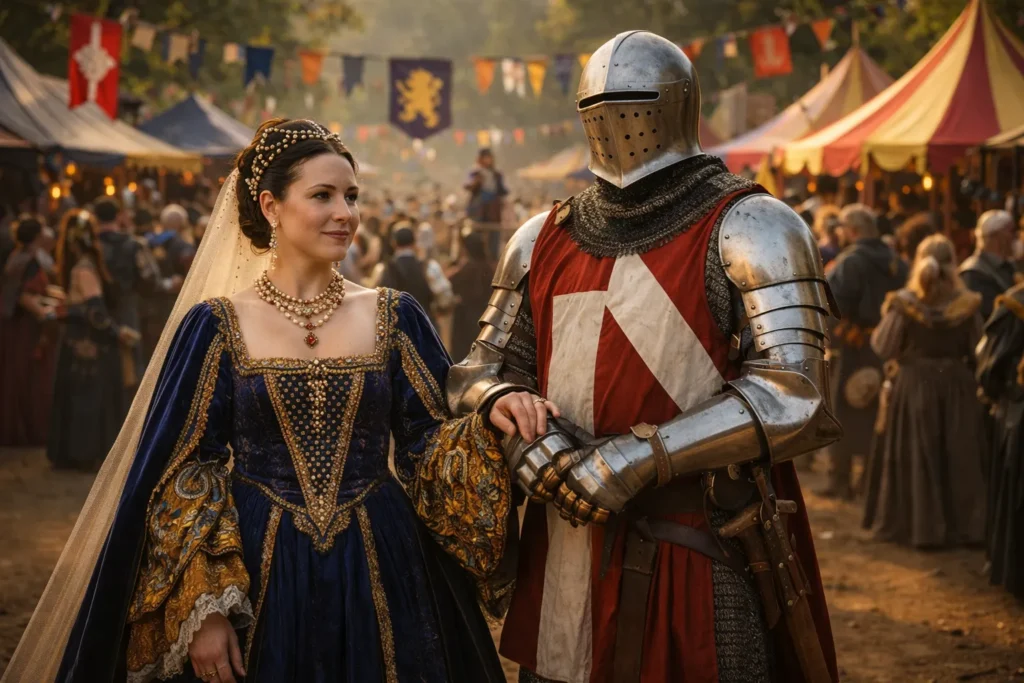
If you want to look like royalty, you will need to invest in more luxurious fabrics and structured garments.
- Women’s Look (Lady/Noblewoman): A formal gown featuring a structured bodice, a full skirt made from velvet or brocade, and ornate sleeves. A kirtle (a fitted overdress) worn over a fine chemise is a classic noble look.
- Men’s Look (Knight/Nobleman): A tailored doublet made from rich fabric, often with slashed sleeves to show a contrasting color underneath. Worn with matching breeches and fine leather boots. For a knight, you can add pieces of armor like gauntlets or a gorget (neck armor).
- Key Accessories: Fine jewelry, jeweled belts, elegant hats, and for knights, a sword and scabbard.
The Mystical Fae or Elf
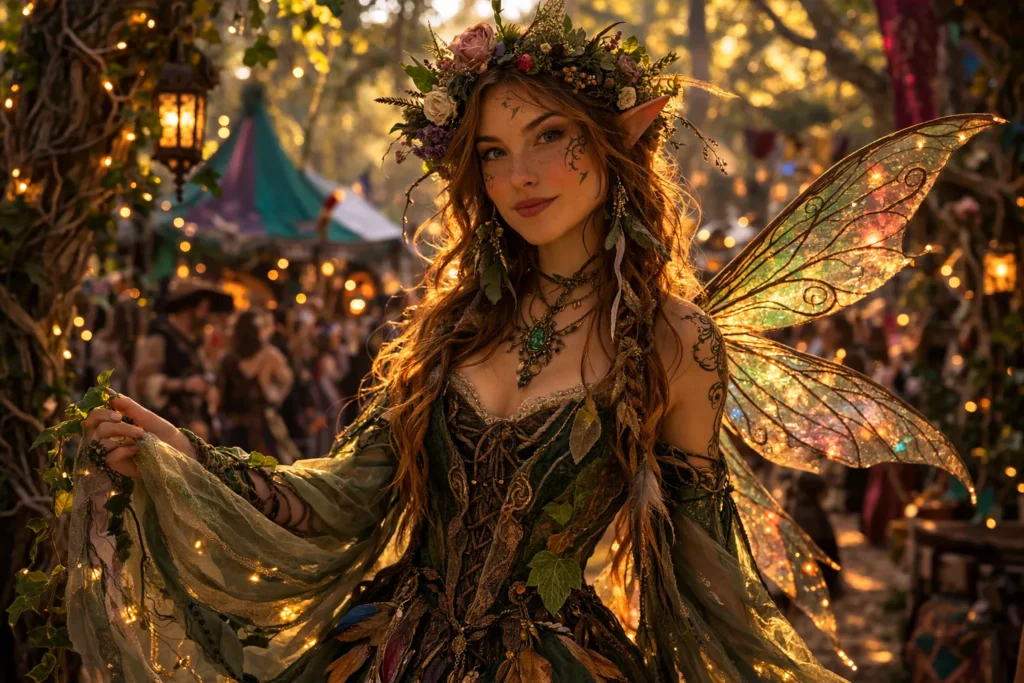
This is where you can truly let your imagination run wild. The “Fae Court” is a beloved part of many faires, allowing for whimsical, nature-inspired creations.
- The Look: Start with a base of earthy tones. Think flowing, layered dresses for women and tunics with leggings for men. Incorporate materials that feel organic, like faux moss, leaves, and flowers. Asymmetry is key.
- Key Accessories: Flower crowns, elf ear cuffs, glitter or body paint, wands made from twisted branches, and leather accessories shaped like leaves. Many Fae choose to go barefoot or wear simple leather sandals. Horns are also a popular choice for fauns and satyrs.
The Hardy Barbarian or Viking
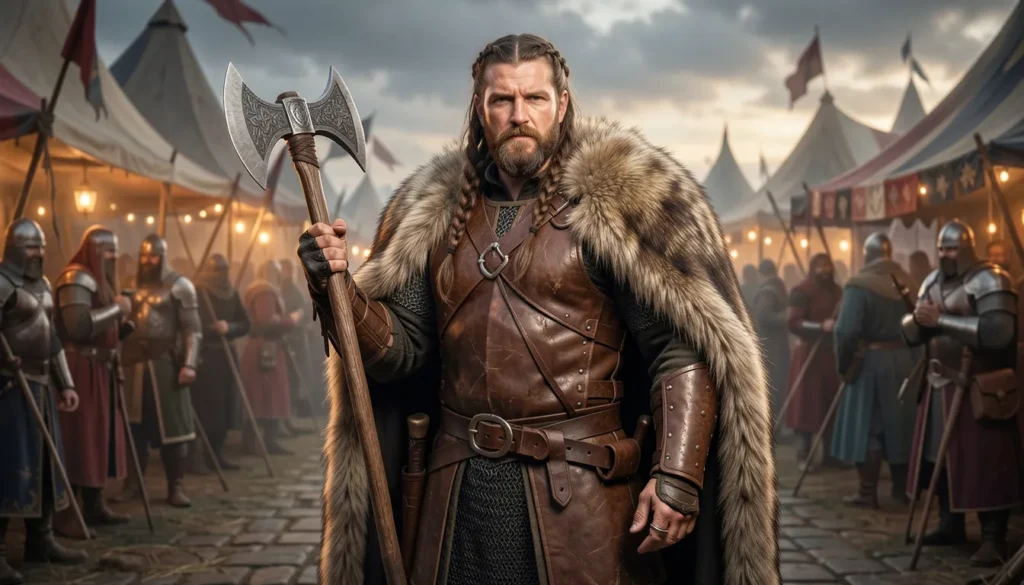
For a more rugged and powerful look, channelling a northern warrior is a fantastic option.
- The Look: Focus on layers of faux fur, leather, and rough-spun tunic fabrics. A simple tunic belted at the waist, worn over loose trousers and wrapped with leg bracers, is a great base. Add a faux fur mantle or cloak for dramatic effect.
- Key Accessories: Wide leather belts, leather arm bracers, drinking horns, prop axes or shields, and rugged, fur-lined boots. Braiding your hair and beard is a must.
Comfort is King: Practical Tips for a Full Day at the Faire
You will be walking for miles on uneven, dusty terrain, often in extreme heat. An uncomfortable outfit can ruin your entire day. Prioritize comfort above all else.
Footwear is Everything
This is the most important decision you will make.
- Break in Your Boots: Never wear brand-new boots to a faire. Wear them for several weeks beforehand to ensure they are comfortable.
- Choose Comfort Over Accuracy: If you do not have period-appropriate boots, wear a pair of comfortable, broken-in hiking boots in a neutral color like brown or black. They will be far better for your feet than cheap costume boots.
- Add Insoles: High-quality gel or cushioned insoles can make a world of difference.
Fabric Choices Matter
Stay away from synthetic fabrics like polyester. They do not breathe and will turn your costume into a sauna.
- Embrace Linen and Cotton: These natural fabrics are your best friends. They are breathable and will help keep you cool.
- Wool for Cold Days: If you are attending a fall or winter faire, wool is an excellent, historically accurate choice for cloaks and tunics.
Essential, Practical Accessories
Your accessories should not just look good; they should serve a purpose.
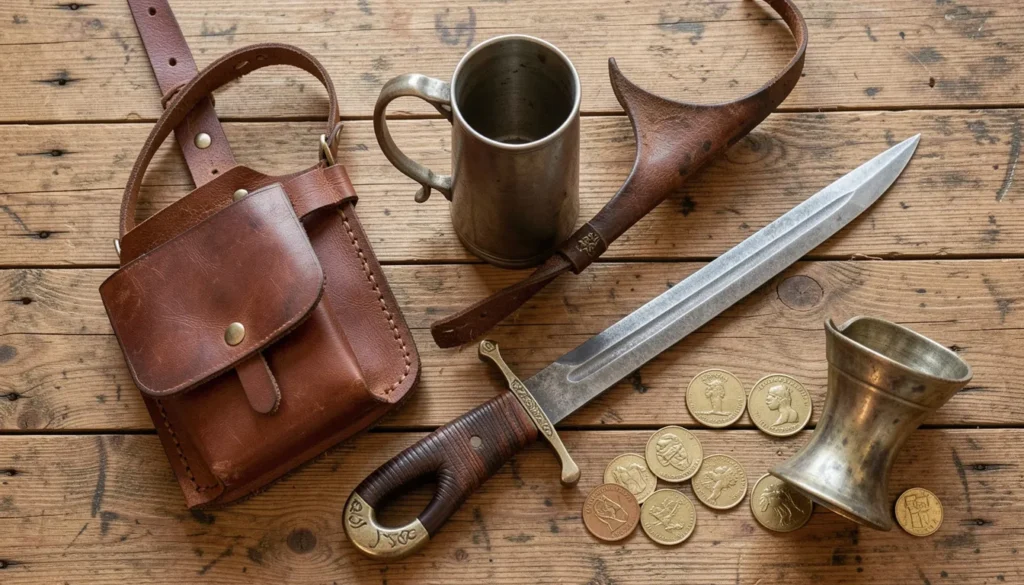
- The Pouch: You need a place to carry your keys, phone, and wallet. A leather belt pouch is the perfect in-character solution.
- The Mug and Holder: Most faires have water fountains and vendors who will fill your personal mug. A mug hanging from a belt loop is an iconic Ren Faire accessory that also helps you stay hydrated.
- Sun Protection: A wide-brimmed hat, coif, or bandana is not just a costume piece; it is essential for protecting you from the sun.
DIY and Budget-Friendly Ren Faire Outfits
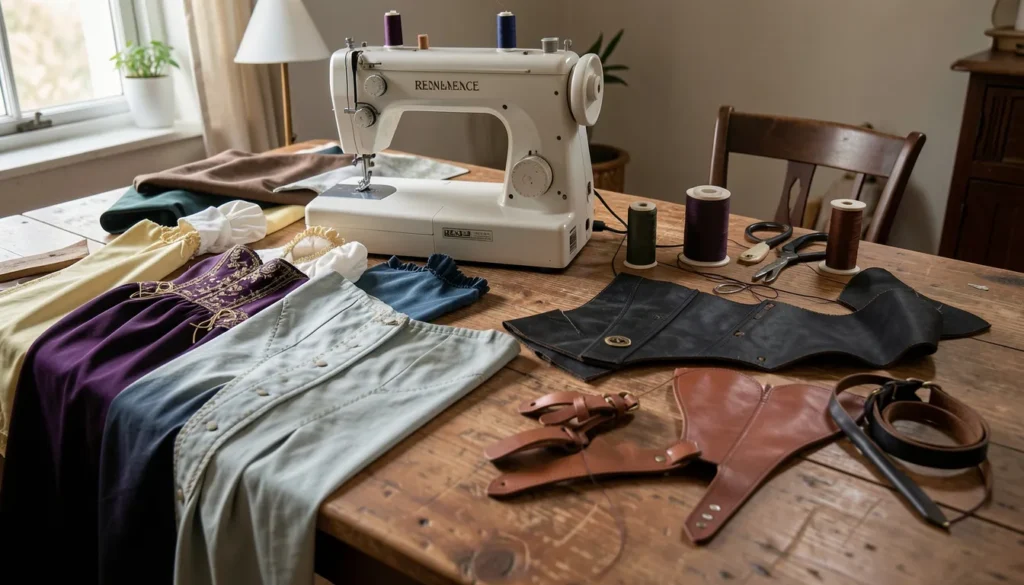
You do not need to spend hundreds of dollars to look amazing. With a little creativity, you can build a fantastic costume on a tight budget.
The Power of Thrifting
Your local thrift store is a treasure trove of costume pieces if you know what to look for.
- The Chemise/Shirt: Look for oversized, white cotton or linen blouses with puffy sleeves. Women’s blouses often work perfectly for both men and women.
- The Skirts: The skirt section is your best friend. Look for long, flowing cotton or linen skirts in earthy tones. You can easily layer two or three of them.
- Leather Belts: The belt rack is a goldmine. Find a few wide, genuine leather belts. You can link them together to create a more elaborate belt rig.
- Vests: A simple leather or suede vest from the men’s section can instantly become a pirate’s jerkin or a peasant’s bodice.
Simple DIY Modifications
You can transform modern clothing into faire-worthy pieces with a few simple tweaks.
- The “No-Sew” Tunic: Take an oversized t-shirt in an earthy color. Cut off the collar to create a wider, rougher neckline. Cut a slit down the front and add grommets and a leather lace to create a lace-up front.
- Bodice from a Vest: Find a tight-fitting vest. Use a seam ripper to remove the buttons and replace them with grommets and lacing.
- Weathering and Aging: Your costume should not look brand new. To make it look more authentic, you can “age” it by lightly spraying it with a diluted solution of brown or black paint, or by soaking it in tea to give it a faded, vintage look.
Final Touches: Hair, Makeup, and Final Preparations
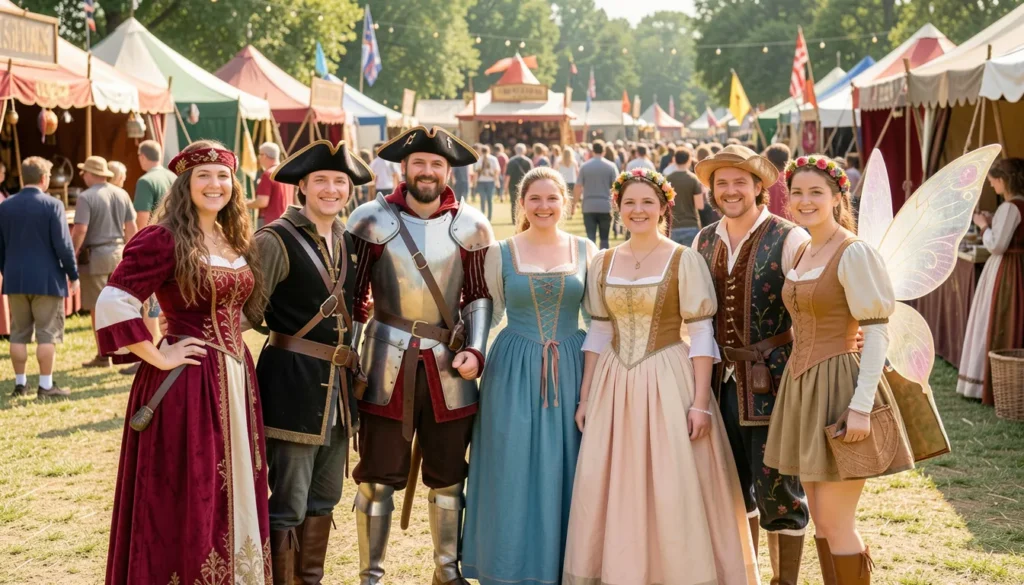
Once your core outfit is assembled, the final details will bring your character to life.
- Hair: Braids are your best friend. They are historically appropriate for many archetypes and will keep your hair out of your face on a hot day. Men with long hair can rock a simple ponytail or a “man bun.”
- Makeup: Keep it minimal and natural for most historical looks. A bit of dirt (smudged brown eyeshadow) on your face can add to a peasant or barbarian aesthetic. For Fae characters, this is your chance to go wild with glitter, body paint, and bold colors.
- Do a Test Run: Wear your entire costume around the house for an hour or two before the day of the faire. This allows you to identify any comfort issues—a strap that digs in, a shoe that rubs, or a piece that is too restrictive—and fix them before you are miles from your car.
Conclusion
Creating your first (or your tenth) Ren Faire outfit is a wonderfully creative process that adds a whole new layer of fun to the experience. Whether you choose to be a humble peasant, a fearsome pirate, or a magical elf, the most important thing is to create a look that you love and feel comfortable in. Start with a breathable base layer, build your character through key pieces and accessories, and always, always prioritize comfortable footwear. Now go forth, enjoy a giant turkey leg, and have a huzzah-filled day!
Frequently Asked Questions (FAQs)
What should I wear to a Renaissance Faire for the first time?
For your first time, a simple peasant or villager outfit is the best choice. It is comfortable, affordable, and fits in perfectly. Start with a cotton chemise or shirt, add a simple bodice or vest, and finish with a long skirt or loose breeches. Focus on comfort and natural fabrics.
Do I have to dress up to go to a Ren Faire?
Not at all! Many people attend in regular street clothes. However, dressing up, even in a simple costume, can make the experience much more immersive and fun. You will feel less like a tourist and more like a part of the world.
Can I wear fantasy costumes like elves or fairies?
Yes! Most Renaissance Faires are technically “Renaissance Fantasy Faires.” Elves, fairies, orcs, wizards, and other fantasy creatures are not only welcome but are a huge part of the culture.
What are the most important items for comfort at a Ren Faire?
The three most important things for comfort are: 1) Broken-in, comfortable shoes, 2) Breathable, natural fabrics like cotton and linen to keep you cool, and 3) A hat or head covering for sun protection. Staying hydrated by carrying a mug is also crucial.