
Master the Art of Professional Fits for Any Workplace

Dressing for work can sometimes feel like a complicated puzzle. You want to look sharp, feel comfortable, and respect your company’s dress code all at once. Crafting the right professional fits solves this daily dilemma. When you build a reliable work wardrobe, you eliminate morning stress and step into the office with absolute confidence.
Understanding how to dress for your career requires a strategy. You need to know which pieces work together, how to care for your clothes, and how to adapt to different office environments. This comprehensive guide breaks down everything you need to know about workplace fashion. We will cover the essential items every closet needs, the exact rules of modern dress codes, and practical tips for building a workwear capsule wardrobe that lasts for years.
Why Your Work Wardrobe Matters
What you wear to the office impacts more than just your physical appearance. Your clothing choices influence your mindset, your productivity, and how your colleagues perceive you.
The Psychology of Dressing Well

Fashion psychologists study a concept known as “enclothed cognition.” This theory suggests that the clothes you wear directly affect your psychological processes. When you put on sharp, well-tailored professional fits, your brain actually shifts into a more focused, authoritative state. You feel more capable and competent. By dressing for the role you want, you actively boost your own performance and self-assurance.
Making a Lasting First Impression

People form an impression of you within seconds of meeting you. In a professional setting, this visual assessment carries significant weight. A polished outfit signals that you respect your job, pay attention to detail, and take your responsibilities seriously. Whether you are walking into a job interview, leading a client meeting, or simply collaborating with your team, a cohesive look helps establish your credibility instantly.
Decoding Modern Dress Codes

Workplace dress codes have evolved significantly over the last decade. Many companies have shifted away from strict corporate rules, leading to a lot of confusion about what is actually acceptable. Here is how to navigate the three most common office dress codes.
Business Professional

Business professional represents the most formal and traditional tier of workwear. You will typically find this dress code in law firms, finance sectors, and corporate headquarters.
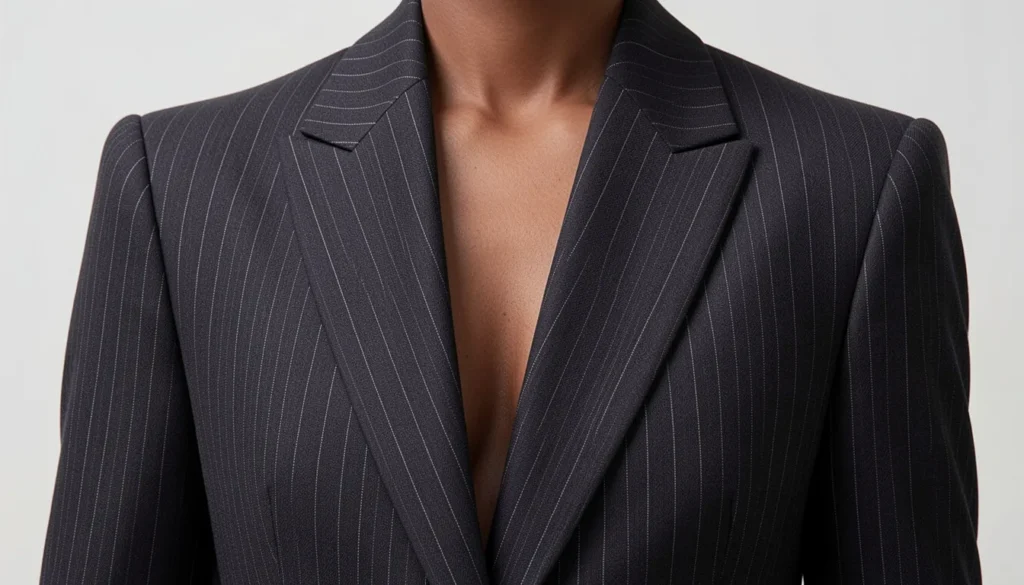
This category requires structured, tailored garments. For men, this means a matching two-piece suit, a conservative tie, and a crisp button-down shirt. For women, a pantsuit, skirt suit, or a tailored dress with a matching blazer fits the bill. Colors should remain neutral and conservative. Stick to navy, charcoal gray, black, and subtle pinstripes. Footwear must be closed-toe, such as polished oxfords, loafers, or classic leather pumps.
Business Casual

Business casual offers more flexibility while maintaining a polished appearance. This is the standard dress code for most modern offices.
You do not need to wear a full suit, but you still need to look sharp. You can mix and match tailored pieces. Pair a navy blazer with khaki chinos, or wear a fine-knit sweater over a collared shirt. Women can opt for tailored trousers, midi skirts, structured blouses, and elegant cardigans. You can introduce more colors and subtle patterns into your wardrobe here. While sneakers are usually not permitted, leather loafers, elegant flats, and neat boots work perfectly.
Smart Casual
Smart casual blends everyday wear with professional elements. This style is common in tech companies, creative agencies, and casual startups.
The key to mastering smart casual is balance. If you wear dark, well-fitting denim, elevate the look with a tailored blazer and a crisp button-down shirt. If you wear a casual cotton t-shirt, tuck it into high-quality trousers. Clean, minimalist sneakers are often acceptable in smart casual environments, provided they look brand new and lack flashy logos. Avoid anything overly distressed, ripped, or baggy.
Essential Pieces for Building Professional Fits
Creating a reliable rotation of outfits requires a solid foundation. Invest your budget into these highly versatile, essential pieces that never go out of style.
The Tailored Blazer

A well-fitted blazer acts as the ultimate wardrobe staple. It instantly elevates a simple outfit into a professional fit. Look for a blazer made from high-quality wool or a durable cotton blend. Navy and charcoal serve as the most versatile colors. Ensure the shoulder seams sit perfectly on the edge of your shoulders, and the sleeves end right at your wrist bone.
High-Quality Trousers

You need pants that look crisp but offer enough comfort for an eight-hour workday. Straight-leg or slightly tapered trousers flatter almost every body type. Avoid fabrics that wrinkle easily. Instead, look for wool blends with a tiny percentage of elastane for stretch. Keep a pair of black, navy, and camel trousers in your closet to ensure you can build an outfit around any top.
Crisp Button-Down Shirts
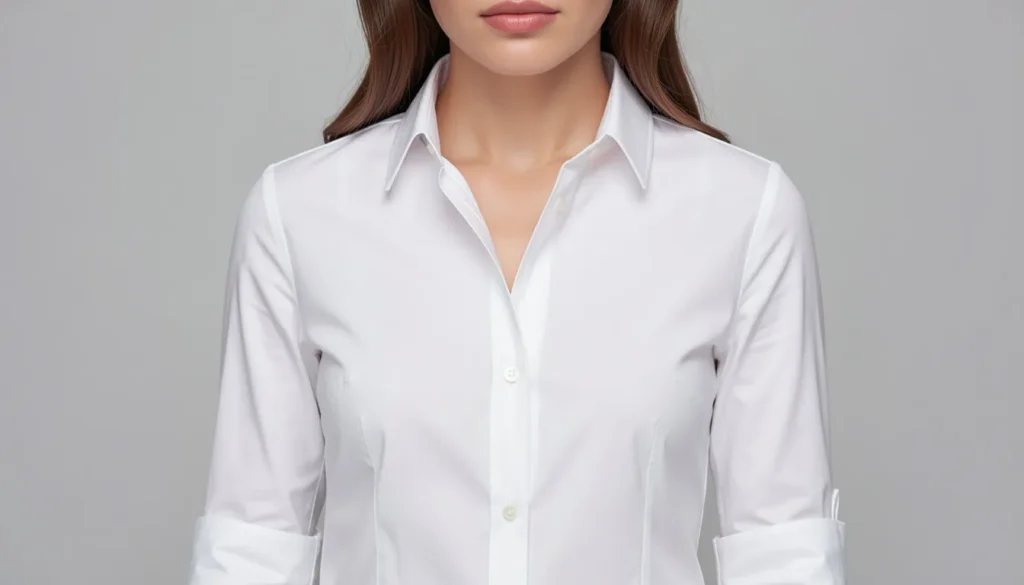
The button-down shirt remains a non-negotiable item for any professional wardrobe. Start with two high-quality white shirts and one light blue option. Choose 100% cotton for maximum breathability. A well-ironed button-down looks incredibly sharp tucked into trousers or worn under a fine-gauge sweater.
Versatile Footwear Options
Your shoes can make or break your entire outfit. For formal settings, a pair of black or brown leather oxfords or closed-toe pumps will serve you well. For business casual environments, invest in leather loafers, sleek Chelsea boots, or elegant ballet flats. Keep your shoes clean and polished. Scuffed heels or dirty soles instantly ruin an otherwise perfect look.
How to Build a Workwear Capsule Wardrobe
A capsule wardrobe consists of a small collection of interchangeable items. This approach simplifies your mornings and saves you a tremendous amount of money over time.
Choose a Neutral Color Palette
To ensure all your clothes match, build your capsule around a neutral color palette. Base your wardrobe on black, navy, gray, white, and beige. These colors blend seamlessly with one another. Once you have a strong neutral foundation, you can introduce a few seasonal accent colors through ties, scarves, or blouses.
Invest in High-Quality Fabrics
When you wear the same core items repeatedly, they need to withstand constant washing and wearing. Cheap synthetic materials like polyester trap sweat and pill easily. Instead, invest in natural fibers. Merino wool, organic cotton, and linen provide better breathability, drape more elegantly on the body, and last significantly longer.
Mix and Match Strategies
Maximize your closet by rethinking how you pair items. The trousers from your gray suit can pair with a navy blazer. Your white button-down shirt works under a crewneck sweater or worn alone with a statement belt. By mixing your separate pieces, a 15-piece capsule wardrobe can easily generate over 30 unique professional fits.
Styling Tips for a Flawless Look
Buying the right clothes is only the first step. Knowing how to wear them makes all the difference. Apply these styling rules to look your absolute best.
The Importance of Tailoring
Even the most expensive clothes will look cheap if they do not fit correctly. Tailoring acts as the secret weapon of well-dressed professionals. Have a trusted tailor adjust the hem of your trousers, take in the waist of your shirts, and shorten the sleeves of your blazers. A perfectly tailored $50 pair of pants will always look better than an ill-fitting $500 pair.
Emphasize Proportions
Balance the proportions of your outfit to create a flattering silhouette. If you wear wide-leg trousers, pair them with a fitted, tucked-in top to define your waist. If you wear a slightly oversized blazer, keep your pants slim and tailored. Balancing volume ensures your clothes do not overwhelm your frame.
Elevating Your Look with Accessories
Accessories provide the finishing touches that pull an outfit together. Keep them understated and functional in a professional setting.
Watches and Minimalist Jewelry
A classic analog watch adds an immediate touch of sophistication to your wrist. Choose a watch with a leather strap or a simple metal band. For jewelry, stick to minimalist pieces. Small hoop earrings, delicate gold chains, or simple cuff links add personality without distracting from your overall appearance.
Professional Bags and Briefcases
Ditch the canvas gym bag or the bulky nylon backpack. Carry your laptop and documents in a structured leather briefcase or a high-quality tote bag. Choose a bag in black, brown, or tan leather to ensure it matches the rest of your wardrobe.
Common Workwear Mistakes to Avoid
Even seasoned professionals occasionally make style missteps. Avoid these common errors to maintain a flawless reputation at the office.
Wearing Wrinkled or Stained Fabrics
Nothing ruins an outfit faster than wrinkles. A wrinkled shirt signals carelessness. Invest in a good quality iron or a handheld garment steamer. Take five minutes every evening to prep your clothes for the next day. Furthermore, inspect your clothes regularly for missing buttons, loose threads, or small coffee stains.
Choosing Overly Casual Items
When an office adopts a casual dress code, some employees push the boundaries too far. Never wear gym clothes, sweatpants, flip-flops, or overly revealing items to the office. Even in a relaxed environment, you are still at work. Your clothing should always reflect a baseline of professionalism.
Conclusion
Mastering your professional fits takes a little time and investment, but the payoff is immense. When you build a wardrobe based on quality fabrics, versatile neutrals, and precise tailoring, you eliminate the daily stress of getting dressed. You can walk into any meeting, interview, or presentation knowing you look the part. Remember to adhere to your company’s specific dress code, invest in essential staples like blazers and crisp shirts, and never underestimate the power of a good tailor. Elevate your workwear today, and watch how it positively impacts your confidence and your career.
Frequently Asked Questions (FAQs)
How many suits should I own for a business professional office?
If you wear a suit every day, aim to own at least three complete suits. A navy suit, a charcoal gray suit, and a black suit will cover all your bases. By rotating them, you give the wool time to breathe and recover between wears, significantly extending the lifespan of the garments.
Are jeans acceptable for a business casual dress code?
Generally, no. Business casual traditionally requires chinos, dress pants, or skirts. Denim usually falls under the “smart casual” category. However, every office culture varies. If your specific workplace allows jeans, stick to dark washes with no fading, rips, or distressing.
How can I make my work clothes last longer?
Wash your clothes less frequently. Unless an item is visibly stained or smells, you can often wear trousers and blazers multiple times before dry cleaning. When you do wash items, use cold water and avoid the dryer, as intense heat breaks down fabric fibers. Always hang your clothes on high-quality wooden hangers to maintain their shape.
Is it okay to wear bright colors to the office?
Yes, but use them strategically. The bulk of your outfit should consist of neutral tones to maintain a professional look. You can introduce bright colors through smaller items like a silk tie, a blouse worn under a blazer, or a vibrant scarf. This adds personality without overpowering the room.