Game, Set, Match: The Guide to the Perfect Tennis Outfit
Stepping onto the court requires more than just a racket and a can of balls; your tennis outfit plays a pivotal role in your game. Whether you are a seasoned pro preparing for a tournament or a beginner heading to your first lesson, what you wear impacts your comfort, mobility, and confidence. Tennis fashion has evolved significantly from the rigid, all-white dress codes of the past into a vibrant fusion of high-performance technology and runway-ready style.
This comprehensive guide dives deep into everything you need to know about selecting the right gear. We will cover the essential components of a functional tennis wardrobe, how to choose fabrics that keep you cool under pressure, and style tips to ensure you look as good as your forehand feels. Get ready to serve some serious looks.
Why Your Tennis Outfit Matters
It’s easy to dismiss athletic wear as purely aesthetic, but in a high-intensity sport like tennis, your clothing is technical equipment. The right apparel enhances your performance by allowing for a full range of motion while managing sweat and body temperature.
Enhanced Mobility and Range of Motion
Tennis is a dynamic sport involving lunging, reaching, sprinting, and twisting. Restrictive clothing can hinder your ability to reach a drop shot or execute a powerful serve. A proper tennis outfit is designed with specific cuts—like racerback tops or pleated skirts—that accommodate these explosive movements without bunching or pulling.
Temperature Regulation and Breathability
Matches can be grueling, often played under the blazing sun. High-quality tennis apparel utilizes advanced moisture-wicking fabrics that pull sweat away from the skin, allowing it to evaporate quickly. This keeps you dry, prevents chafing, and helps regulate your body temperature so you can focus on the next point, not on how sticky your shirt feels.
Confidence on the Court
There is a psychological element to dressing the part. When you feel comfortable and stylish, your confidence levels rise. This “enclothed cognition” can translate into better focus and a more aggressive, assured style of play.
Essential Components of a Women’s Tennis Outfit
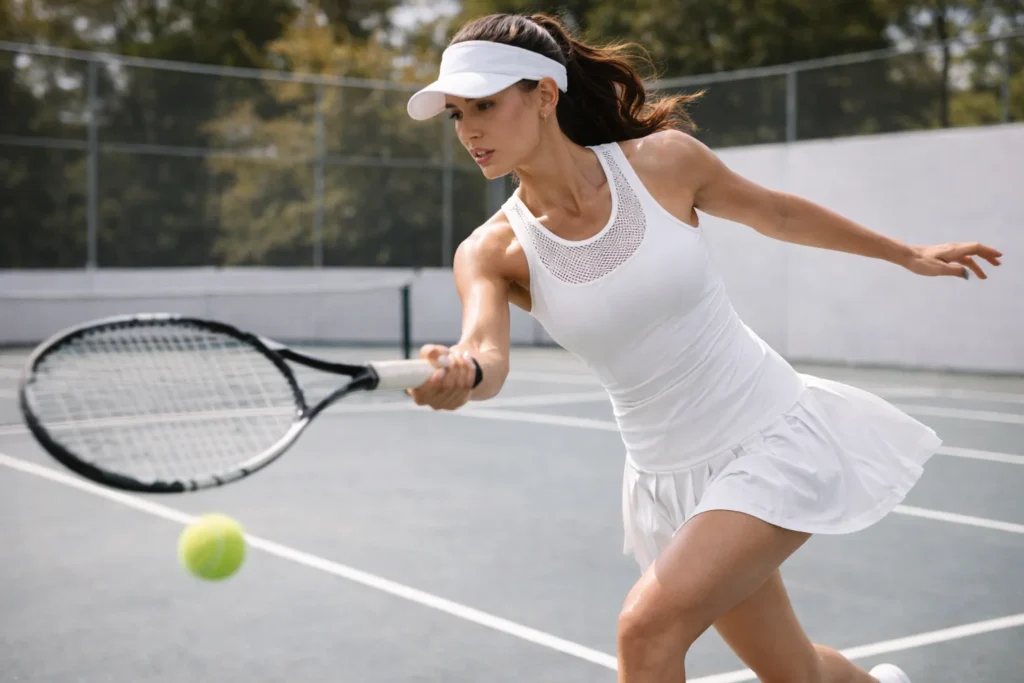
Building a functional tennis wardrobe starts with understanding the key pieces available. Let’s break down the most popular options.
The Classic Tennis Skirt and Skort
The tennis skirt is iconic. Modern versions are almost exclusively “skorts,” featuring built-in compression shorts underneath for coverage and ball storage.
- Pleated Skirts: Offer a traditional, preppy look with excellent movement.
- A-Line Skirts: Provide a sleek, flattering silhouette.
- Ruffle Skirts: Add a playful, feminine touch to your ensemble.
Tennis Dresses: The One-Piece Wonder
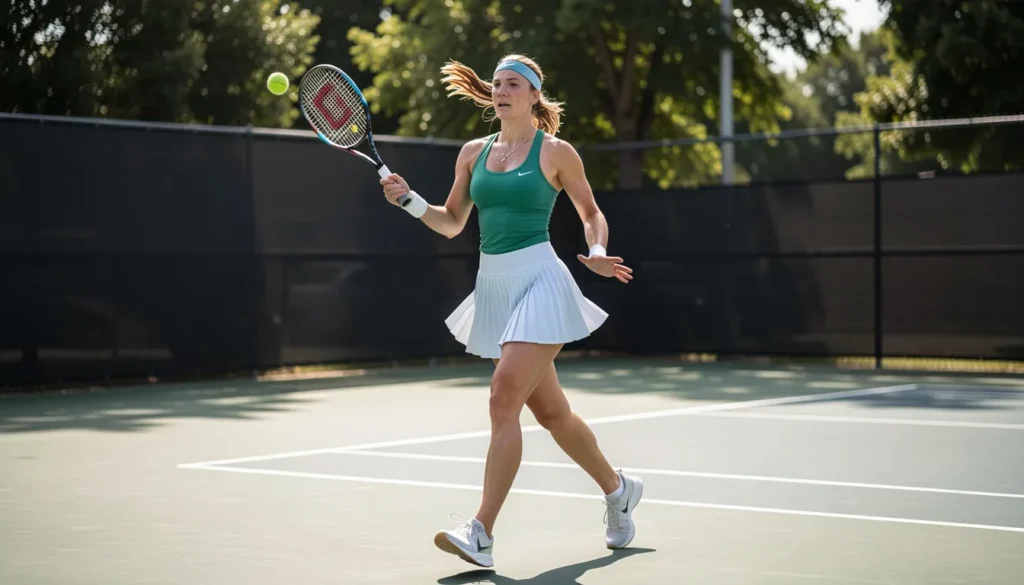
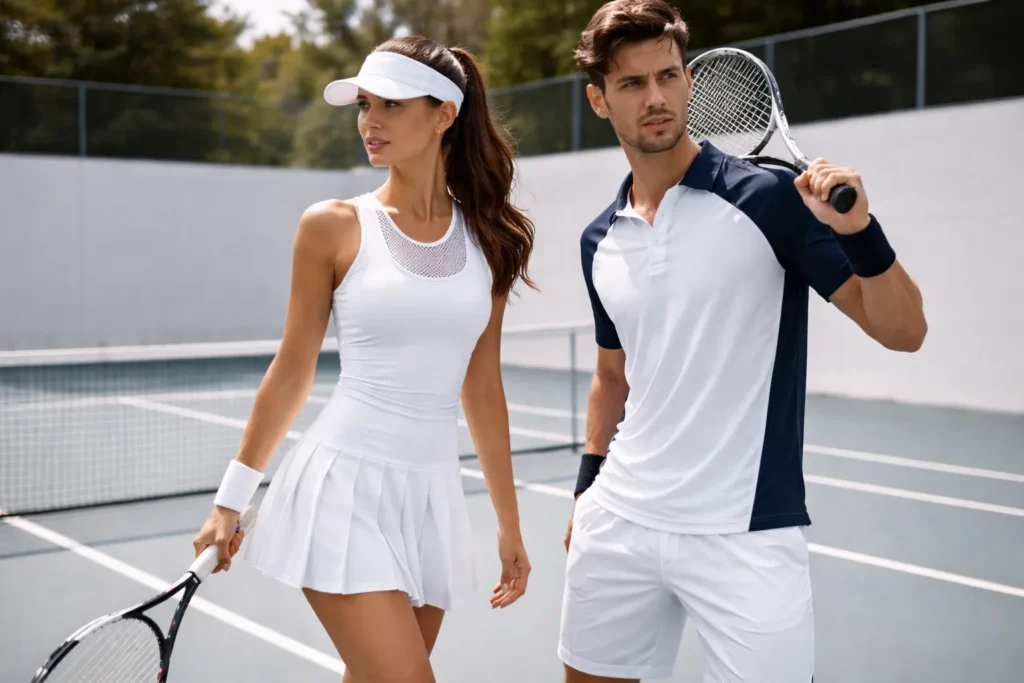
For effortless style, nothing beats a tennis dress. It removes the hassle of matching tops and bottoms. Look for dresses with built-in bras and separate or attached shorts. The A-line cut is universally flattering and allows for maximum airflow around the legs.
Tank Tops, Polos, and Tees
Your choice of top depends on personal preference and the weather.
- Tank Tops: Great for hot days and minimizing tan lines. Racerback styles keep straps secure during overhead serves.
- Polo Shirts: Offer a collar for a touch of formality and neck protection from the sun.
- Performance Tees: Ideal for cooler days or players who prefer more coverage.
Leggings and Trousers
While skirts are traditional, many players prefer leggings or joggers, especially for practice sessions or cooler weather. Look for leggings with side pockets specifically designed to hold tennis balls securely.
Essential Components of a Men’s Tennis Outfit
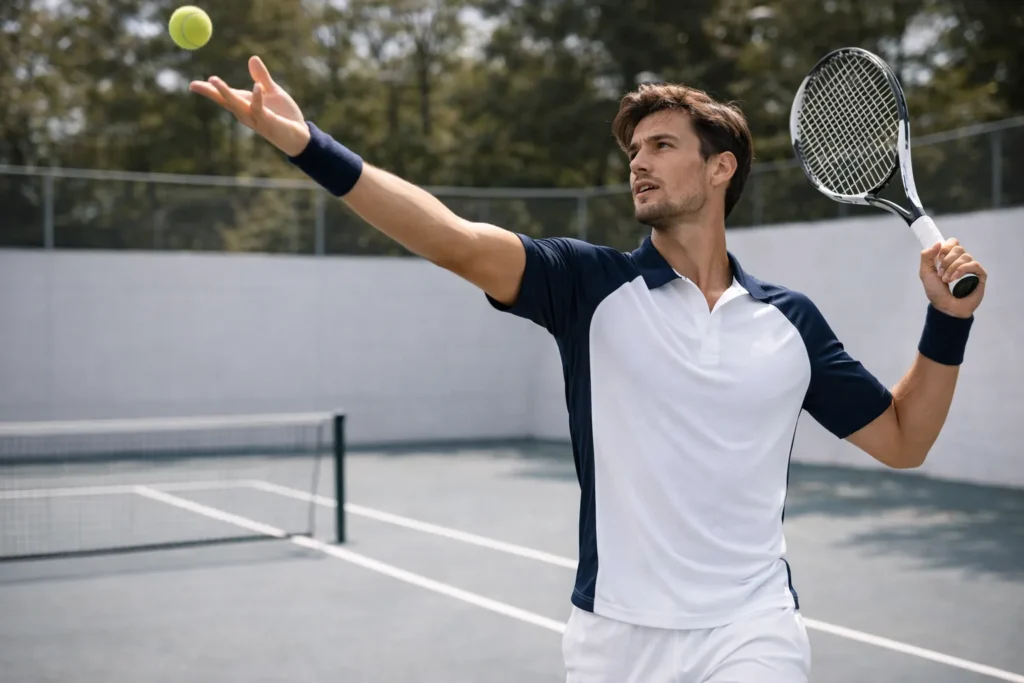
Men’s tennis fashion balances classic tailoring with modern athletic needs.
Tennis Shorts
Unlike basketball or running shorts, tennis shorts are designed with specific pocket depth to hold spare balls without them bouncing out during play. They typically feature an elastic waistband with a drawstring for a secure fit.
- Inseam Length: Usually ranges from 7 to 9 inches. Shorter inseams offer more freedom of movement, while longer ones provide more coverage.
Polos and Crew Neck Shirts

- The Polo: The quintessential tennis shirt. Modern performance polos are made from synthetic blends rather than heavy cotton, offering the classic look without the sweat retention.
- Crew Neck Tees: A more casual and modern alternative, popular among younger players. They offer a relaxed fit and excellent breathability.
Choosing the Right Fabrics: Cotton vs. Synthetics
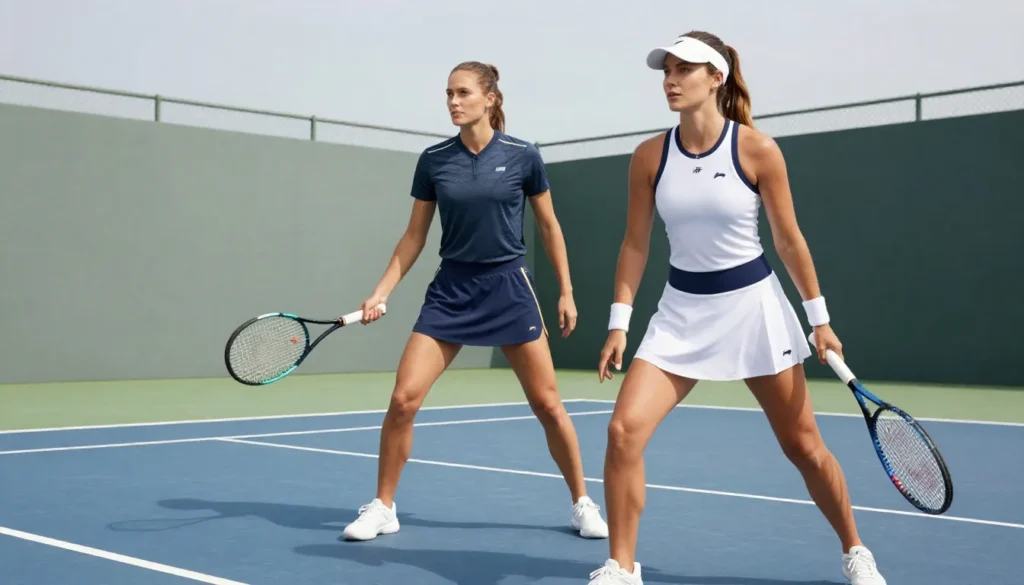
The fabric of your tennis outfit is arguably more important than the style.
Why You Should Avoid 100% Cotton
Old-school tennis whites were often cotton, but for modern play, cotton is generally a poor choice. It absorbs moisture like a sponge, becoming heavy, wet, and clingy. This can lead to chafing and overheating.
The Power of Synthetics
Look for blends containing:
- Polyester: Durable, lightweight, and excellent at wicking moisture.
- Spandex/Elastane: Provides the necessary stretch for dynamic movement.
- Nylon: Soft against the skin and very strong.
- Mesh Panels: Often added in high-heat zones (like underarms or back) for extra ventilation.
Footwear: The Foundation of Your Game
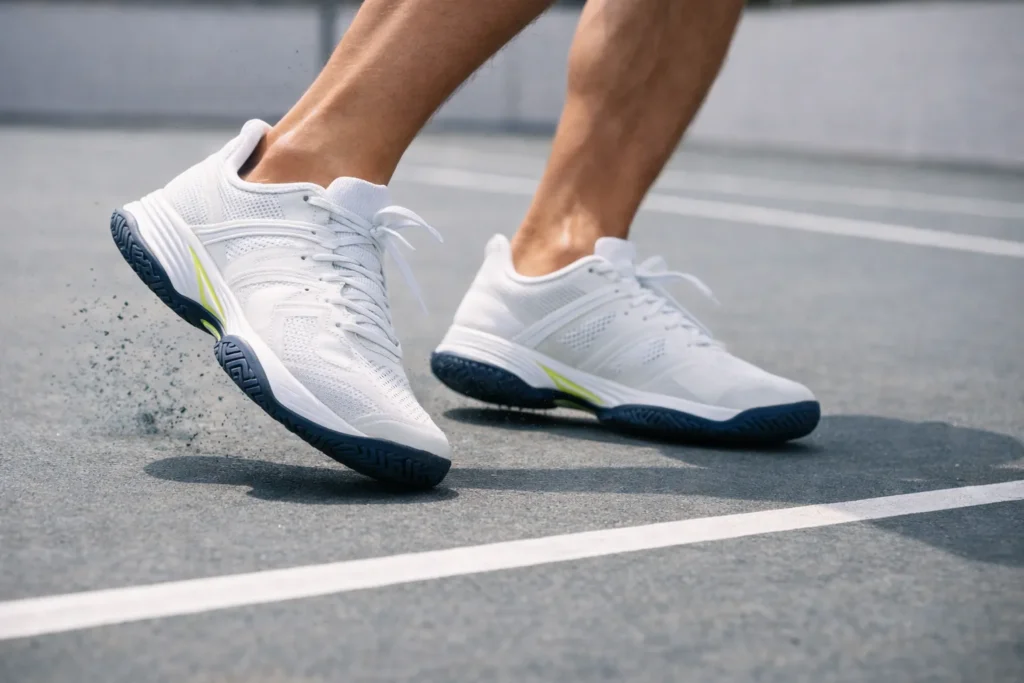
You cannot play tennis in running shoes. Tennis shoes are specifically engineered for the lateral (side-to-side) movement that dominates the sport.
Stability vs. Speed
- Stability Shoes: Heavier and more supportive, designed to protect ankles during sharp cuts. ideal for baseline players.
- Speed Shoes: Lightweight and flexible, allowing for quick sprints to the net.
Court Surface Matters
- Hard Court: Requires durable outsoles and extra cushioning to absorb impact.
- Clay Court: Features a herringbone tread pattern to grip the clay while allowing for controlled sliding.
- Grass Court: Soles have small “nub” patterns for traction on slippery grass.
Accessorizing Your Look
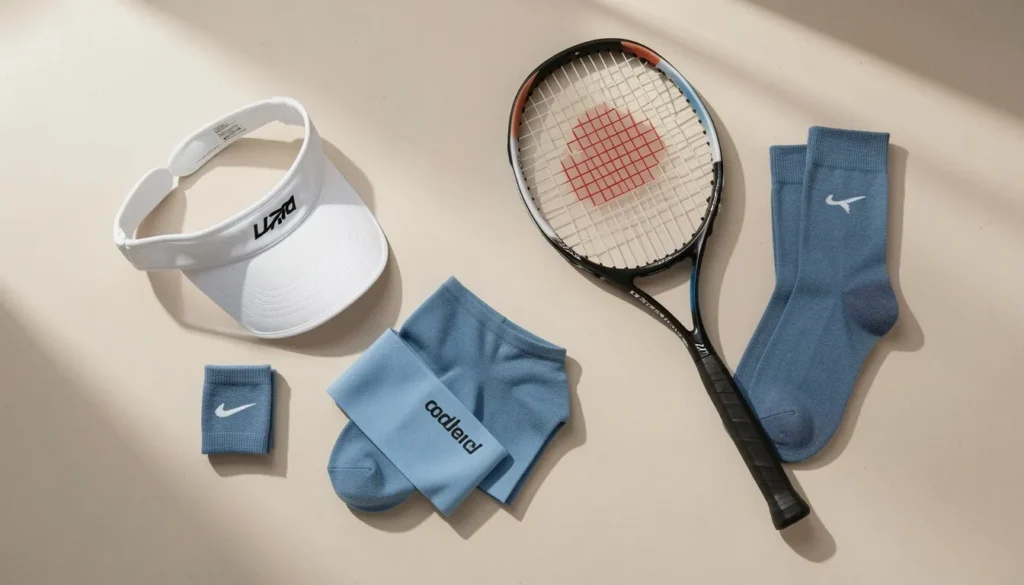
Accessories are functional necessities that can also elevate your style.
Visors and Caps
Keeping the sun out of your eyes is critical for serving and tracking high balls. Visors are popular for women as they allow for high ponytails and provide better airflow than full caps.
Wristbands and Headbands
Sweat management is key. Wristbands stop sweat from running down your arm onto your grip, ensuring your racket doesn’t slip during a crucial point. Headbands keep sweat (and hair) out of your eyes.
Tennis Socks
Do not overlook socks. Dedicated tennis socks have extra padding in the heel and toe to prevent blisters and absorb shock. Look for crew or quarter length to prevent clay or grit from getting inside the sock.
Dressing for the Seasons
Your tennis outfit needs to adapt to the changing weather conditions.
Summer Tennis
- Focus: Breathability and sun protection.
- Colors: Wear light colors (white, pastels) to reflect heat.
- Fabrics: ultra-lightweight, moisture-wicking synthetics.
- Extras: Don’t forget sunscreen and UV-protective clothing.
Winter/Cold Weather Tennis
- Focus: Warmth without bulk.
- Layering: Start with a tight base layer. Add a thermal long-sleeve top and a lightweight vest.
- Bottoms: Swap skirts for thermal leggings or wear fleece-lined joggers.
- Hands: Wear tennis gloves designed to keep hands warm while maintaining grip feel.
Tennis Dress Codes and Etiquette
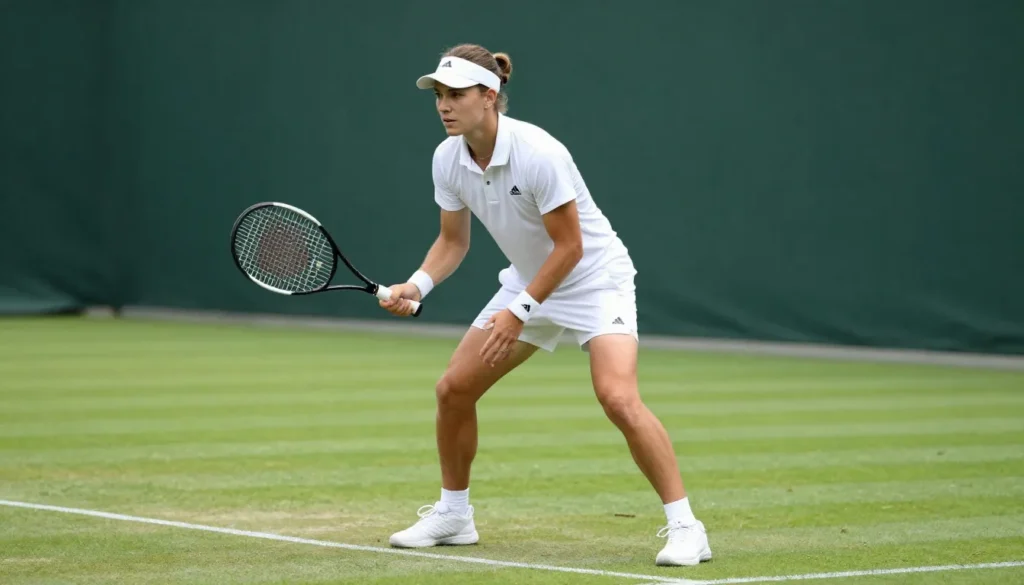
Before you buy, check where you’ll be playing.
The “All-White” Rule
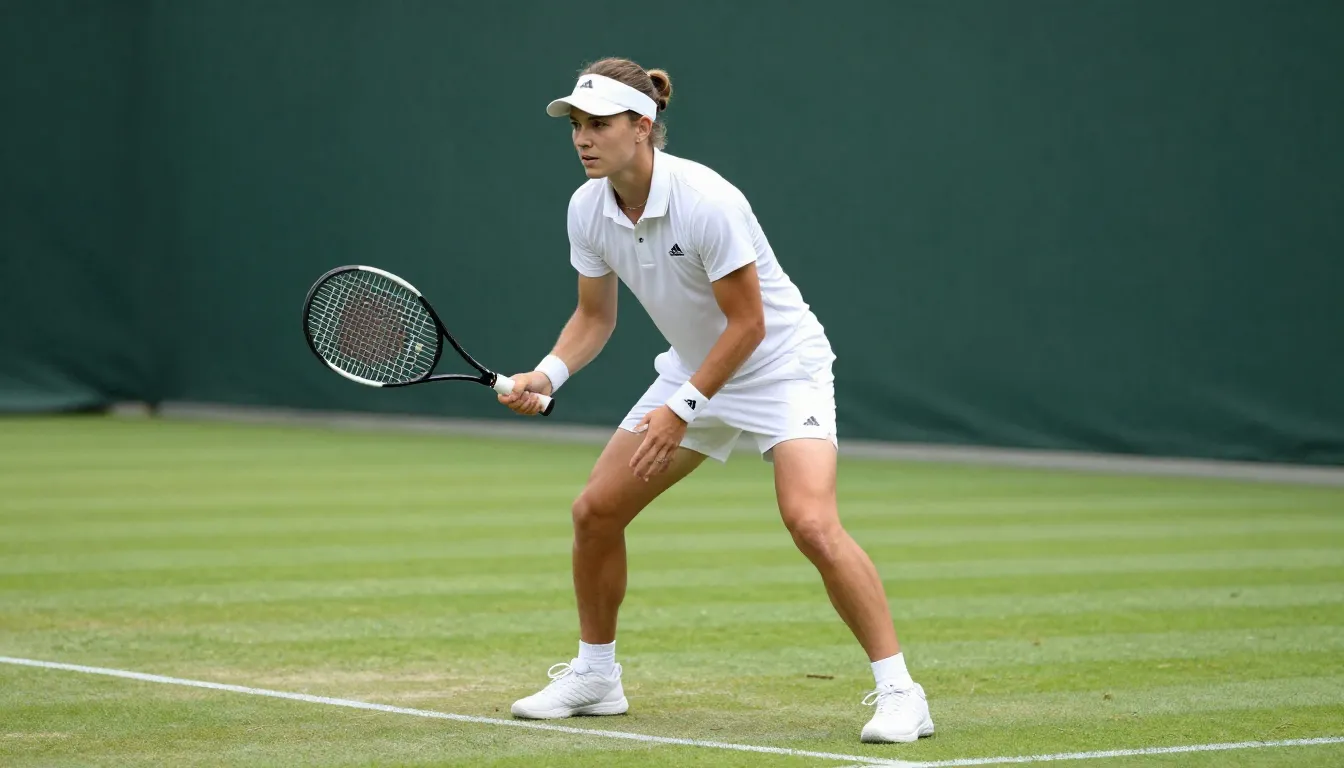
Wimbledon is famous for it, but many private clubs still enforce an all-white dress code. This generally means your clothing must be almost entirely white, with very minimal colored trim. If you join a traditional club, investing in a high-quality all-white kit is mandatory.
Public Courts and Modern Clubs
Most venues are relaxed and encourage colorful, expressive attire. Neon colors, bold patterns, and black are all widely accepted and popular in modern tennis fashion.
How to Care for Your Tennis Apparel
Performance fabrics require specific care to maintain their wicking properties and elasticity.
- Wash in Cold Water: Hot water can break down spandex fibers.
- Skip the Fabric Softener: Softeners coat the fibers, blocking their moisture-wicking ability.
- Air Dry: High heat from dryers can damage the elasticity. Hang your gear to dry.
- Wash Immediately: Don’t leave sweaty gear in your bag overnight; this encourages bacteria growth and lingering odors.
Conclusion:
Curating the perfect tennis outfit is about finding the intersection of personal style and athletic function. The right gear empowers you to move freely, stay comfortable, and feel confident from the first serve to match point. Whether you prefer the traditional elegance of a white pleated skirt or the modern edge of a neon racerback dress, prioritize high-quality fabrics and proper footwear.
Remember, when you look like a pro, you’re one step closer to playing like one. So, grab your gear, head to the court, and enjoy the game in style.
Frequently Asked Questions (FAQs)
Q1: Can I wear running shoes for tennis?
No, it is highly discouraged. Running shoes are designed for forward motion and lack the lateral support needed for tennis. Wearing them increases the risk of ankle injuries during side-to-side movements.
Q2: Why do tennis players wear white?
The tradition dates back to the Victorian era when sweat patches were considered unsightly. White fabric shows sweat less than colored fabric. Today, it remains a symbol of tradition, particularly at tournaments like Wimbledon.
Q3: What should I wear to my first tennis lesson?
Prioritize comfort and movement. Athletic shorts or leggings with pockets (for balls) and a moisture-wicking t-shirt are perfect. Ensure you have proper non-marking court shoes.
Q4: How do I choose the right size tennis racket grip?
While not part of the “outfit,” this is crucial. When holding the handle, there should be enough space to fit your index finger of the other hand between your ring finger and palm.
Q5: Are tennis dresses comfortable to play in?
Yes, modern tennis dresses are designed specifically for the sport. They are usually made of stretchy, breathable materials and often come with separate or built-in compression shorts to provide coverage and ball storage.