Finding the Perfect Mother of the Bride Gown
Your daughter’s wedding day is one of the most significant milestones in your life. While the spotlight is naturally on the happy couple, all eyes will also be on you. Finding the perfect mother of the bride gown is about more than just buying a dress; it is about honoring the occasion, feeling confident, and celebrating your role in this beautiful new chapter. However, navigating the world of wedding fashion can feel overwhelming. From deciphering dress codes to coordinating with the mother of the groom, there are several factors to consider before you make that final purchase.
In this comprehensive guide, we will walk you through everything you need to know to find a gown that makes you look and feel spectacular. We will cover current trends, essential etiquette, shopping timelines, and tips for every body type. By the end of this article, you will be equipped with the knowledge to choose an ensemble that perfectly complements the wedding while letting your personal style shine.
Understanding Your Role and the Wedding Vision
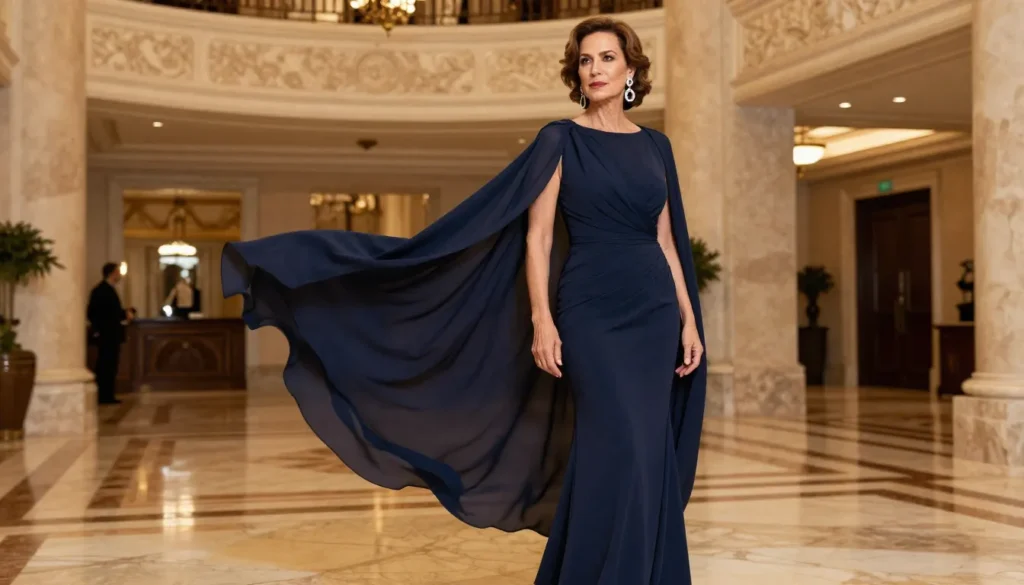
Before you step foot in a boutique or start browsing online, it is crucial to understand the overall vision for the wedding. Your attire should harmonize with the event’s theme, venue, and level of formality.
The Importance of Communication
The first step in your shopping journey should be a conversation with the bride. While it is your dress, her input is invaluable in ensuring your look aligns with the wedding’s aesthetic. Ask her about:
- The Color Palette: Are there specific colors she wants you to avoid or embrace?
- The Vibe: Is she envisioning a relaxed beach wedding, a rustic barn affair, or a black-tie ballroom event?
- The Bridal Party: What color are the bridesmaids wearing? You don’t need to match them, but you should coordinate so you don’t clash in photos.
Coordinating with the Mother of the Groom
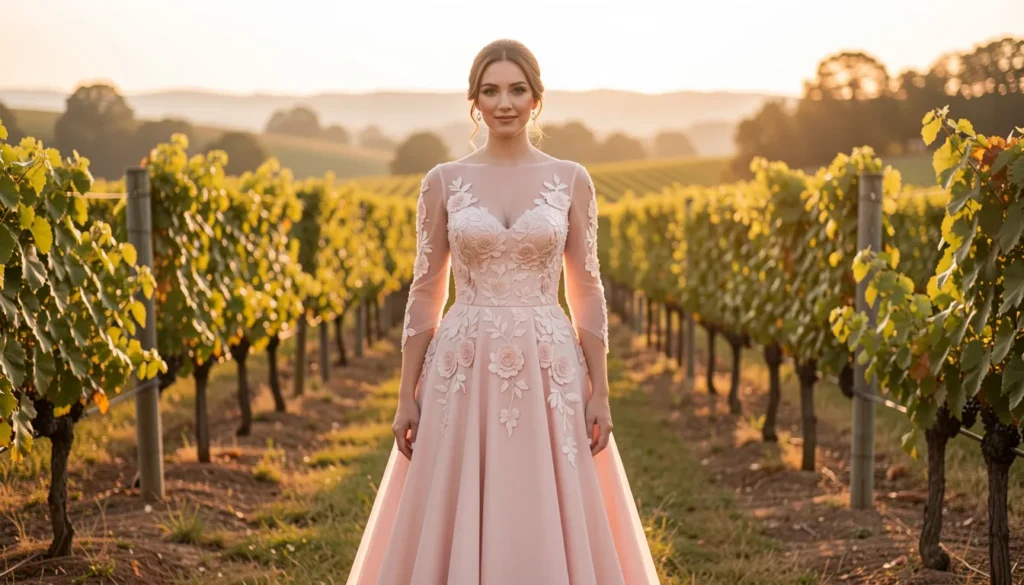
Traditionally, the mother of the bride selects her outfit first. Once you have chosen your mother of the bride gown, it is polite to inform the mother of the groom. This helps avoid any fashion faux pas, such as both mothers showing up in the exact same dress or in colors that clash terribly. While you don’t need to be matchy-matchy, a cohesive look between the two mothers creates a harmonious visual in the wedding portraits.
Decoding the Dress Code
The invitation says “Black Tie Optional” or “Cocktail Attire,” but what does that actually mean for you? Here is a breakdown of common wedding dress codes and how they translate to your outfit.
Black Tie and White Tie
This is the height of formality.
- The Expectation: A floor-length evening gown is required.
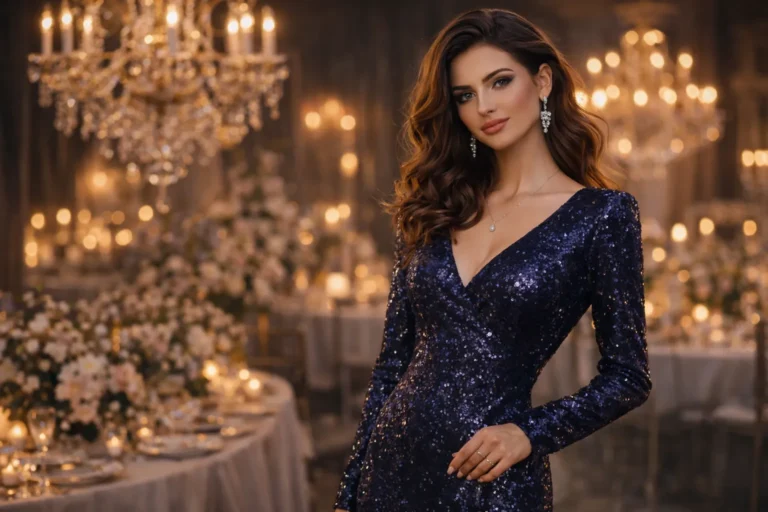
- Fabric and Details: Look for luxurious fabrics like silk, velvet, satin, or chiffon. Embellishments like beading, sequins, and lace are appropriate and encouraged.
- Colors: Deep jewel tones (emerald, navy, burgundy) or metallics (gold, silver, champagne) work beautifully.
Formal or Black Tie Optional
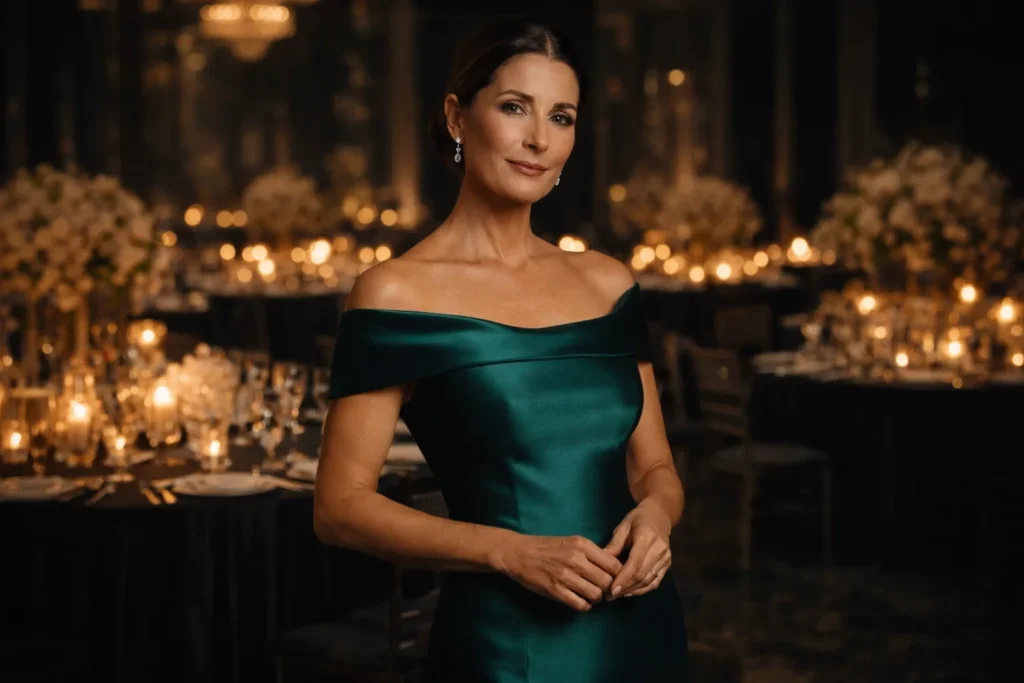
You have slightly more flexibility here, but elegance is key.
- The Expectation: A floor-length dress is still the standard, but a very dressy cocktail dress might pass if the venue is less traditional.
- Style Tip: If you choose a shorter dress, ensure it has formal elements, such as a structured silhouette or rich fabric, to elevate the look.
Cocktail or Semi-Formal
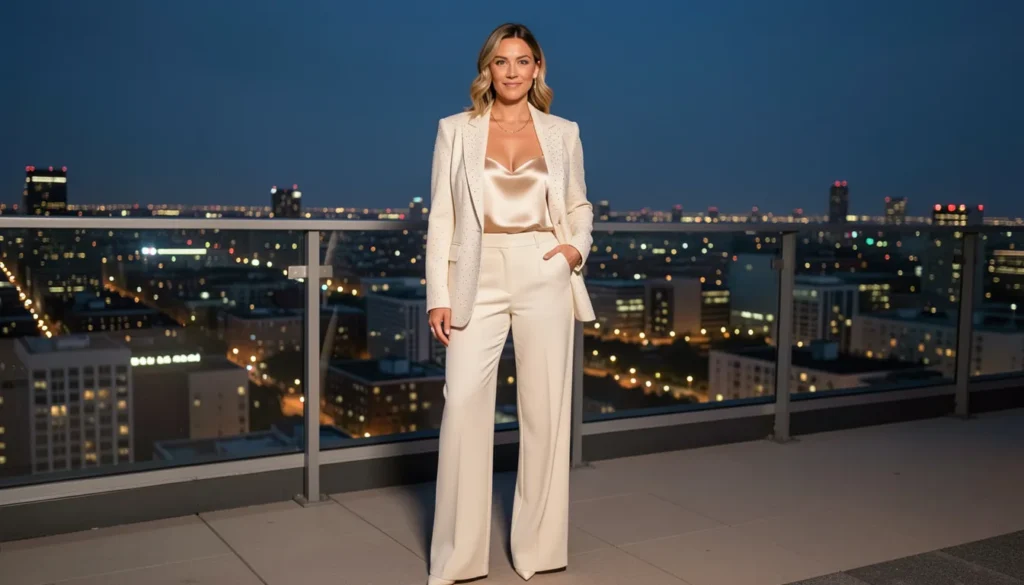
This is the most common dress code for modern weddings.
- The Expectation: A knee-length or midi dress is perfect. You can also opt for a chic pantsuit or a dressy jumpsuit.
- The Vibe: This allows for more playful silhouettes and prints. You can embrace trends like high-low hemlines or asymmetrical necklines.
Casual or Daytime
Think “Sunday Best” or garden party attire.
- The Expectation: A sundress, a skirt and blouse combination, or a flowy maxi dress.
- Fabrics: Lighter materials like cotton, linen blends, or jersey are appropriate.
- Comfort: If the wedding is outdoors, consider footwear that works on grass or sand, like wedges or block heels.
Choosing the Right Color
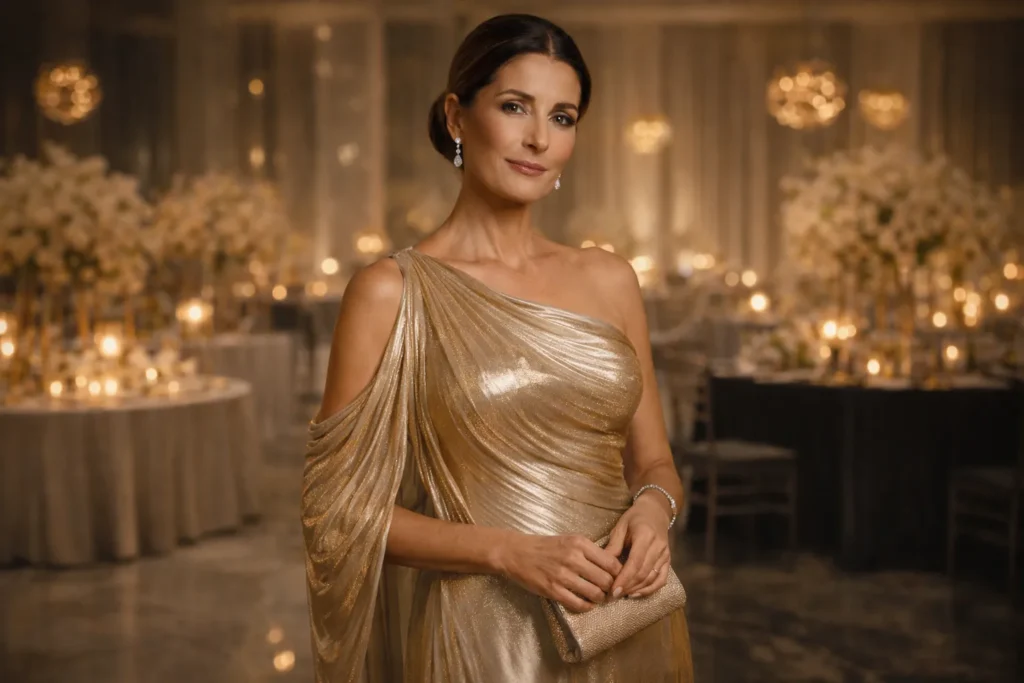
Gone are the days when mothers were restricted to beige or washed-out pastels. Today, the color spectrum for a mother of the bride gown is vast and exciting.
Colors to Embrace
- Navy and Midnight Blue: Universally flattering and photograph beautifully. They are a softer alternative to black but just as formal.
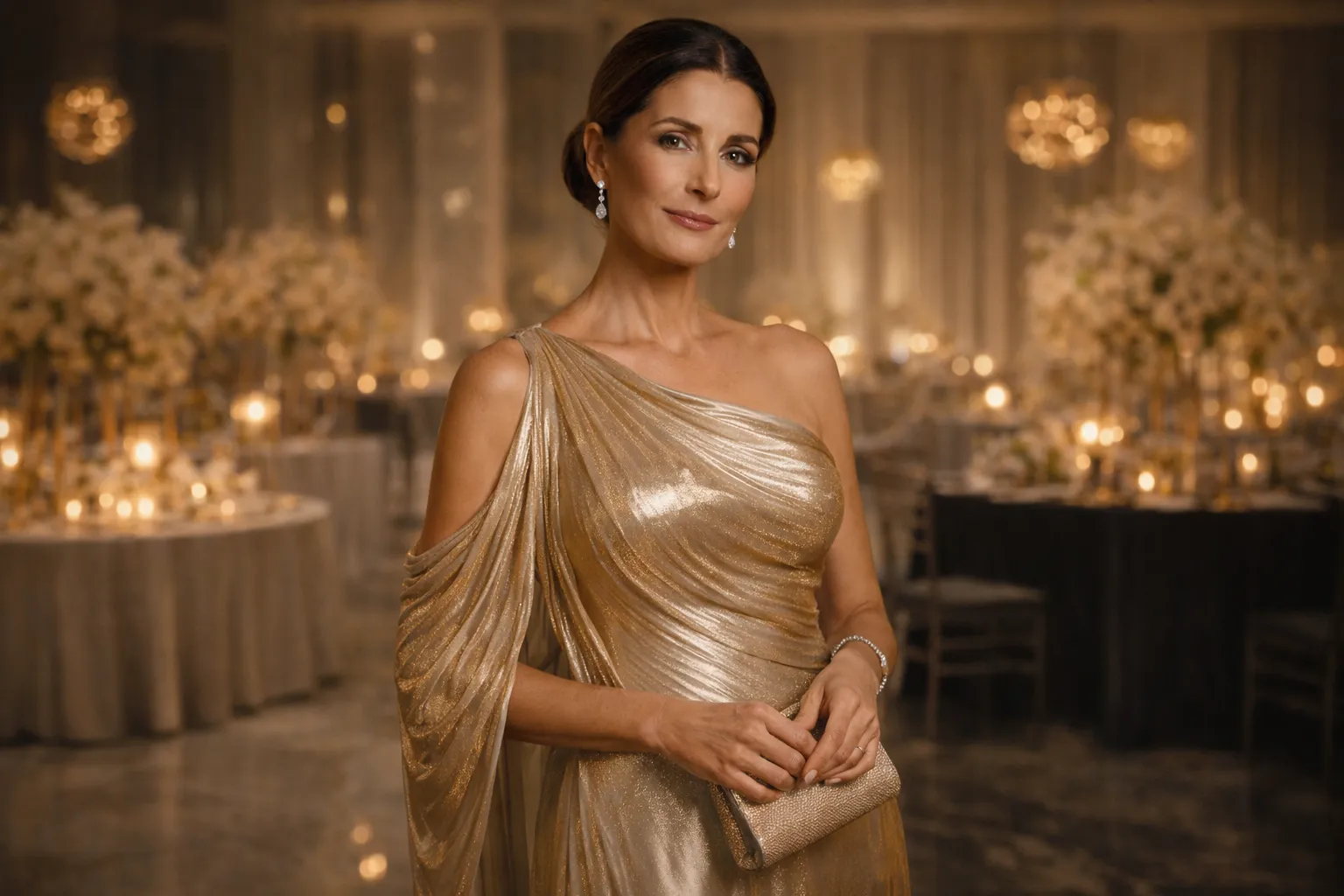
- Metallics: Champagne, rose gold, silver, and gunmetal are sophisticated and festive. They act as neutrals and pair well with almost any wedding palette.
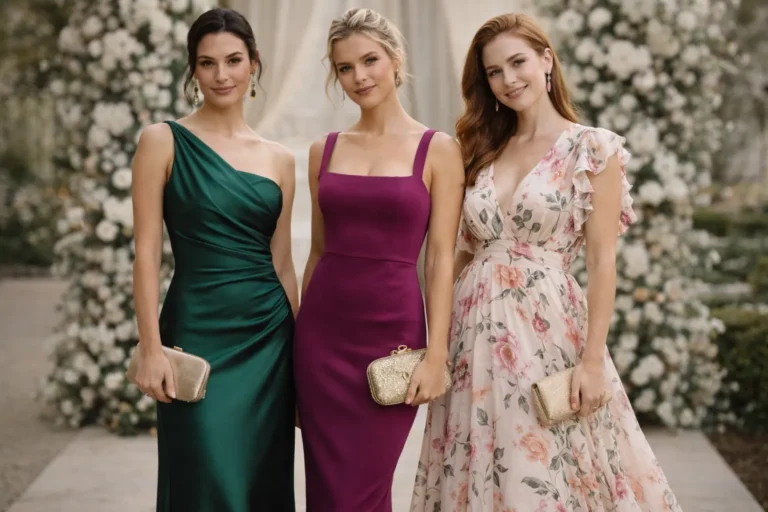
- Jewel Tones: Deep amethyst, sapphire, ruby, and emerald are stunning for fall and winter weddings. They add richness and depth to your look.
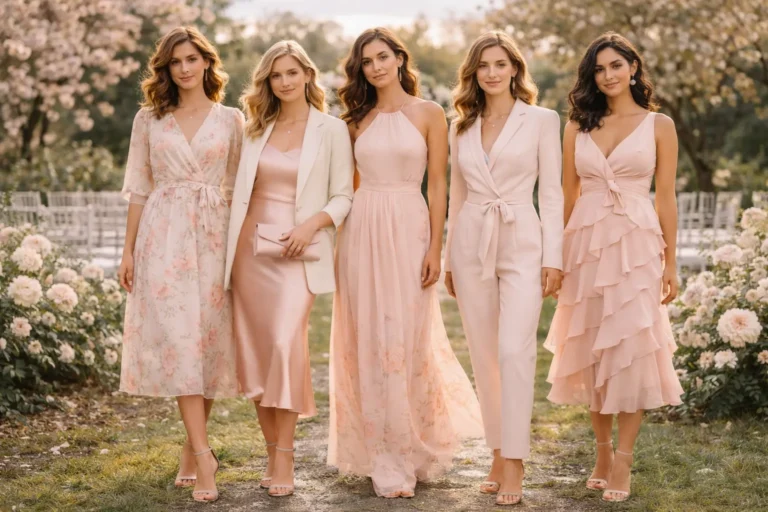
- Soft Pastels: Blush, sage green, periwinkle, and dusty blue are classic choices for spring and summer nuptials.
Colors to Approach with Caution
- White and Ivory: Unless the bride explicitly asks you to wear white (an all-white wedding theme, for example), steer clear. This color belongs to the bride.
- Black: Traditionally, black was seen as a color of mourning and avoided at weddings. However, modern etiquette has shifted. Black is now acceptable for formal evening weddings, provided the dress is festive (think sequins or lace) rather than somber. Always check with the bride first.
- Bright Red: This can sometimes be seen as attention-grabbing or distracting in photos. If you love red, opt for a deeper wine or burgundy shade instead.
Flattering Silhouettes for Every Body Type
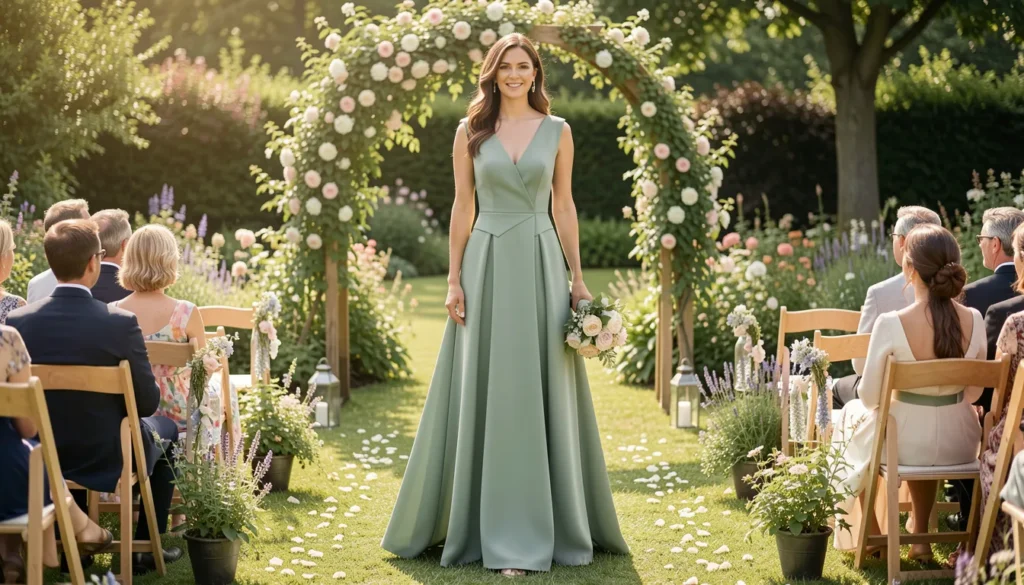
The key to feeling confident is finding a silhouette that highlights your best features. There is a perfect mother of the bride gown for every shape and size.
A-Line
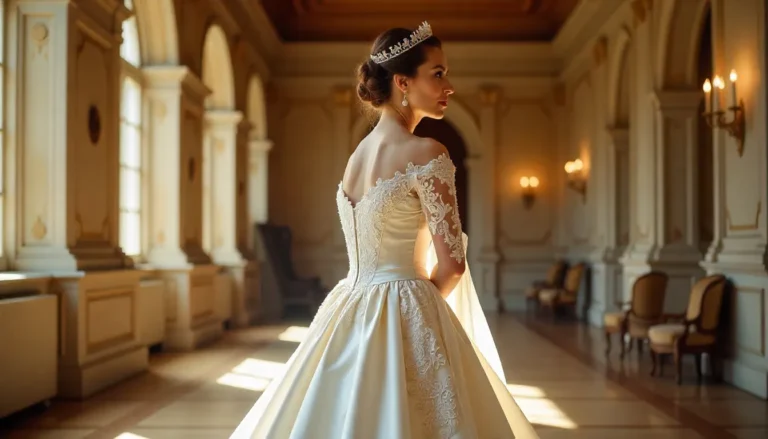
This is the “Holy Grail” of silhouettes. It fits at the bodice and flares out gently from the waist to the hem.
- Why it works: It creates an hourglass illusion and glides over the hips and tummy, offering both comfort and style.
Empire Waist
The waistline sits just under the bust, and the skirt flows down from there.
- Why it works: It draws the eye upward and elongates the frame. It is an excellent choice for petite women or those who want a loose fit around the midsection.
Fit and Flare (Mermaid/Trumpet)
This style hugs the body through the bodice and hips, then flares out at the knee.
- Why it works: It celebrates curves. If you want to show off your figure, this is a glamorous and sophisticated option.
Sheath or Column
A straight cut that follows the line of the body without being overly tight.
- Why it works: It looks modern, sleek, and streamlined. It is particularly flattering on tall, slender frames, but works well for anyone who prefers a minimalist aesthetic.
Tea-Length
The hem falls between the knee and the ankle.
- Why it works: It has a vintage, 1950s charm that is perfect for daytime or semi-formal weddings. It also allows you to show off a fabulous pair of shoes.
Fabrics and Seasonality
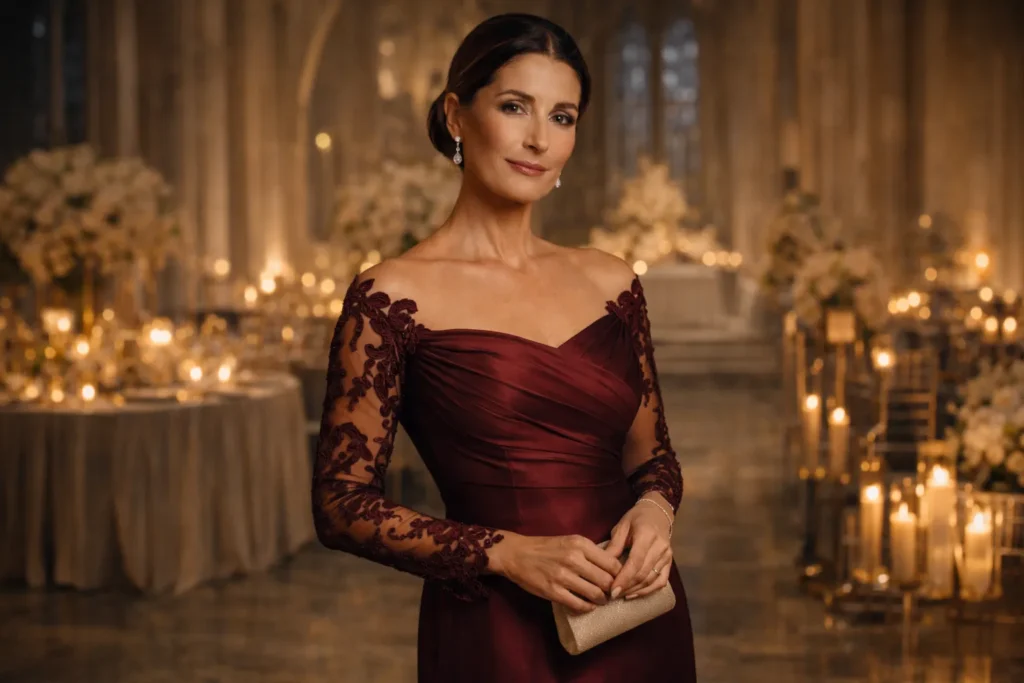
The material of your dress plays a huge role in your comfort. A velvet gown in July will be miserable, just as a thin chiffon dress in December might leave you shivering.
Spring and Summer
- Fabrics: Chiffon, organza, lace, tulle, and crepe.
- Why: These breathable, lightweight fabrics allow air circulation and have a lovely, ethereal movement perfect for warm weather.
Fall and Winter
- Fabrics: Velvet, satin, brocade, taffeta, and heavy lace.
- Why: These structured, heavier fabrics provide warmth and look luxurious under venue lighting.
The Shopping Timeline: When to Start
Procrastination is the enemy of wedding planning. To ensure a stress-free experience, follow this general timeline for purchasing your mother of the bride gown.
- 6-8 Months Before: Start browsing online and visiting boutiques to get an idea of styles you like.
- 4-6 Months Before: Make your purchase. This allows ample time for shipping if the dress needs to be ordered.
- 2-3 Months Before: Schedule your first fitting. Most formal gowns will require some alterations to achieve a perfect fit.
- 1 Month Before: Final fitting. Bring your shoes and undergarments to ensure the hem length and silhouette are exactly right.
- 1 Week Before: Pick up your pressed and ready-to-wear gown.
Current Trends in Mother of the Bride Fashion
The stereotype of the “frumpy” mother of the bride dress is long gone. Today’s designers are creating chic, fashion-forward options that celebrate mature beauty.
1. Capes and Capelets
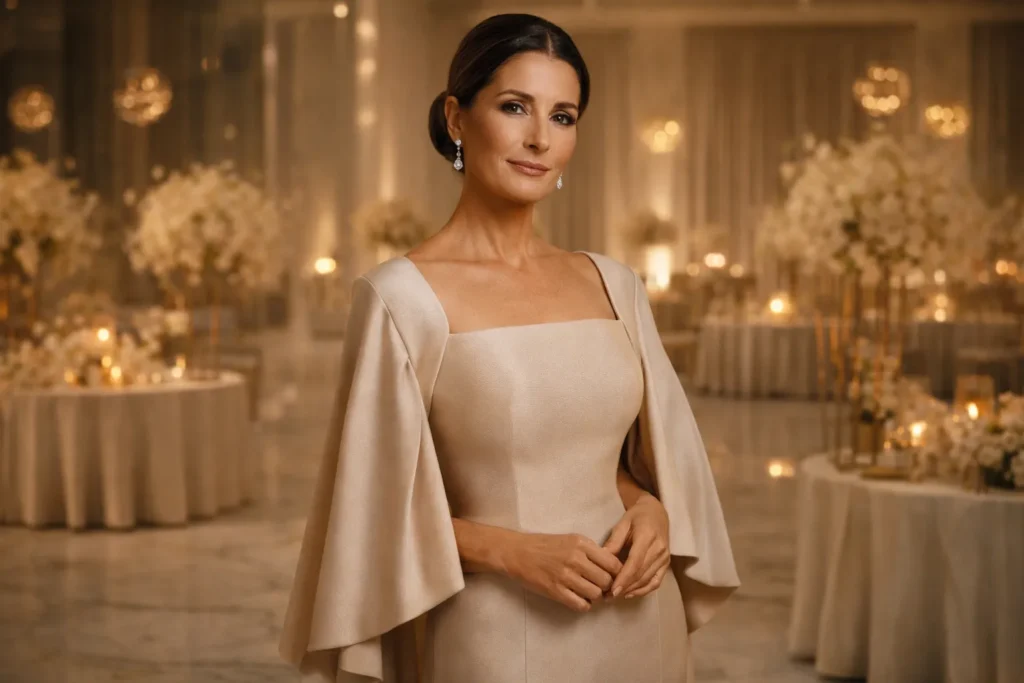
A dress with an attached cape or a removable capelet offers the perfect blend of drama and coverage. It’s a modern alternative to a jacket or shawl and adds a regal touch to your look.
2. Off-the-Shoulder Necklines
This neckline is universally flattering. It highlights the collarbones and face while providing coverage for the upper arms. It feels romantic and timeless.
3. Jumpsuits and Pantsuits
For the mom who never wears dresses, a tailored jumpsuit or elegant pantsuit is a stylish and acceptable choice. Look for wide-leg trousers and luxurious fabrics like crepe or silk to keep it formal.
4. 3D Floral Appliqués
Instead of flat prints, look for dresses with textured floral details. These add dimension and a whimsical, romantic feel that is perfect for garden or vineyard weddings.
5. Illusion Sleeves
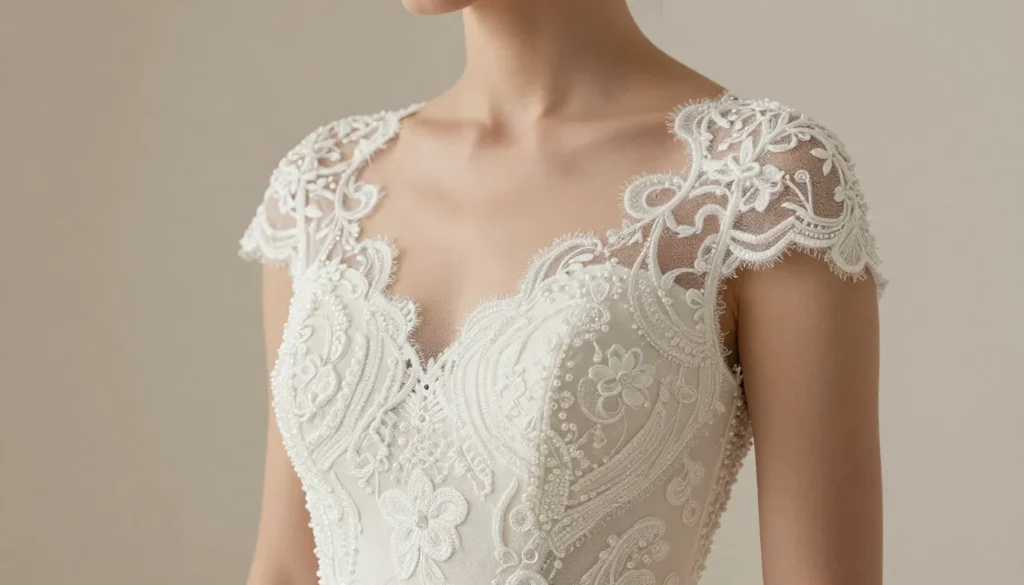
If you want arm coverage but don’t want to feel covered up, illusion sleeves (sheer fabric with lace or bead placement) are the answer. They offer a “barely there” look that is both modest and sexy.
Accessorizing Your Look
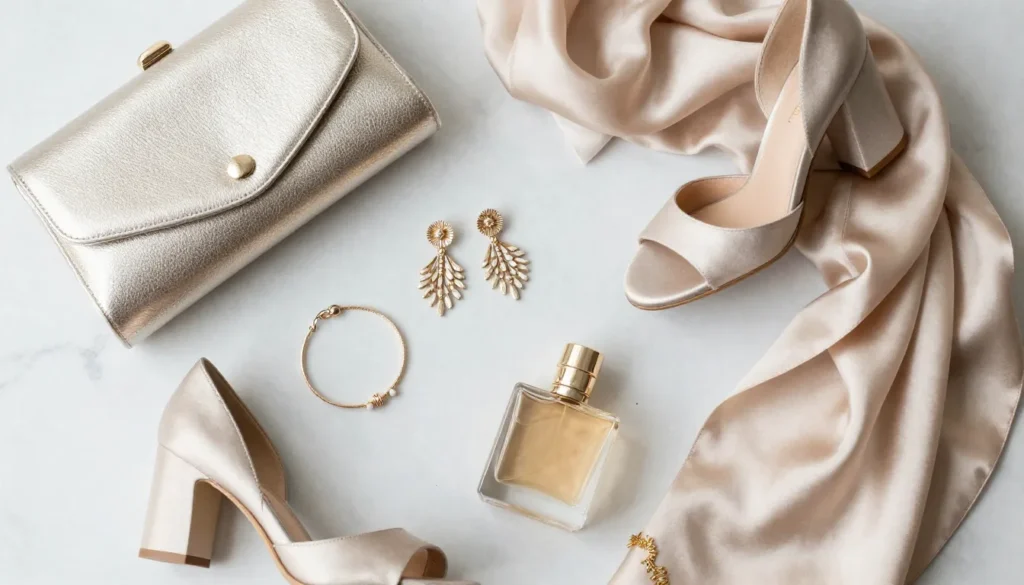
The dress is the foundation, but accessories complete the picture.
Shoes
Comfort is non-negotiable. You will be standing for photos, mingling with guests, and likely dancing.
- Tips: Break your shoes in weeks before the wedding. Consider a block heel or a wedge for stability, especially for outdoor venues. Keep a pair of dressy flats handy for the reception if needed.
Jewelry
Let the neckline of your dress guide your jewelry choices.
- High Neck/Halter: Skip the necklace and opt for statement earrings.
- V-Neck: A delicate pendant or a drop necklace works beautifully.
- Scoop/Boat Neck: A shorter necklace or choker complements this shape.
- Rule of Thumb: Don’t overdo it. If your dress has a lot of beading or sequins, keep jewelry minimal.
The Bag
You won’t need a large purse. A clutch or small evening bag is sufficient for essentials like lipstick, a tissue, phone, and reading glasses.
Shapewear and Undergarments
The right undergarments can transform how a dress fits.
- Fit: Bring your shapewear to your fittings to ensure it doesn’t show under the fabric.
- Comfort: Choose pieces that smooth and support without restricting your breathing or movement.
Hair and Makeup
Your beauty look should complement your gown and the formality of the event.
- Makeup: Aim for a “polished version of yourself.” You want to look like you in photos, not a stranger. A professional makeup artist can ensure your look is photo-ready and lasts through tears and dancing.
- Hair: An updo is classic and keeps hair off your face, which is great for outdoor weddings where wind might be a factor. A soft blowout or half-up style is romantic and youthful.
FAQs for the Mother of the Bride
Q: Can the mother of the bride wear black?
A: Yes! Black is now considered a chic and sophisticated choice for formal evening weddings. Just ensure the dress has festive details like lace, sequins, or a flattering cut so it doesn’t look like mourning attire. Always check with the bride first to be sure she is comfortable with it.
Q: How far in advance should I buy my mother of the bride gown?
A: It is best to purchase your dress 4 to 6 months before the wedding. This timeline allows plenty of time for delivery (if ordering online or from a bridal salon) and ensures you have 2-3 months for necessary alterations.
Q: Does the mother of the bride have to coordinate with the mother of the groom?
A: While it is not a strict rule, it is highly recommended. The mother of the bride typically buys her dress first and then informs the mother of the groom of her choice (style, color, length). This prevents clashing colors or the awkwardness of wearing the exact same dress.
Q: What is the best length for a mother of the bride dress?
A: The length depends on the dress code. Floor-length is standard for formal and black-tie weddings. Knee-length or midi (tea-length) is perfect for cocktail, semi-formal, or daytime weddings.
Q: Can I wear a patterned dress as the mother of the bride?
A: Absolutely. Floral prints, subtle geometric patterns, or jacquard weaves can be beautiful and appropriate, especially for spring, summer, or outdoor weddings. Just ensure the pattern isn’t so loud that it distracts from the bride.