A Modern Guide to Selecting the Perfect Opera Outfits
Attending the opera is a truly special experience, a chance to immerse yourself in breathtaking music, dramatic storytelling, and stunning stagecraft. The grandeur of the occasion often calls for a more elevated dress code, but figuring out what to wear can be intimidating. This guide is here to demystify the art of dressing for the occasion, providing you with modern and practical advice on choosing appropriate opera outfits. From decoding dress codes to selecting seasonal attire, we will walk you through everything you need to know to feel confident, comfortable, and perfectly dressed for a night at the opera.
Understanding the Modern Opera Dress Code
The formal, black-tie-only image of opera attendance has evolved. While opening nights and gala events still command a high level of formality, most regular performances now welcome a broader range of attire. The key is to show respect for the performers, the venue, and the art form itself by dressing thoughtfully.
Decoding Different Levels of Formality
Opera houses rarely enforce a strict dress code, but they often provide guidance. The level of formality can depend on the city, the specific venue, the time of the performance (matinee vs. evening), and the event type.
- Black-Tie or Gala Premiere: This is the most formal level. It is typically reserved for opening nights, premieres, or special fundraising galas. Think floor-length gowns and tuxedos.
- Formal or Semi-Formal: This is a safe and respectful choice for most evening performances at major opera houses. It strikes a balance between glamour and comfort.
- Smart Casual (Business Casual): Often acceptable for matinee performances, smaller venues, or more contemporary productions. This dress code is polished but less traditional than formal wear.
General Etiquette: What to Avoid
Regardless of the specific dress code, some items are generally considered inappropriate for an evening at the opera. Showing respect for the occasion means leaving these at home:
- T-shirts with large logos or graphics
- Ripped or distressed jeans
- Shorts and flip-flops
- Athletic wear, including sneakers and hoodies
- Excessively casual clothing like sweatshirts
The goal is to look put-together and intentional. When in doubt, it is always better to be slightly overdressed than underdressed.
Elegant Opera Outfits for Women
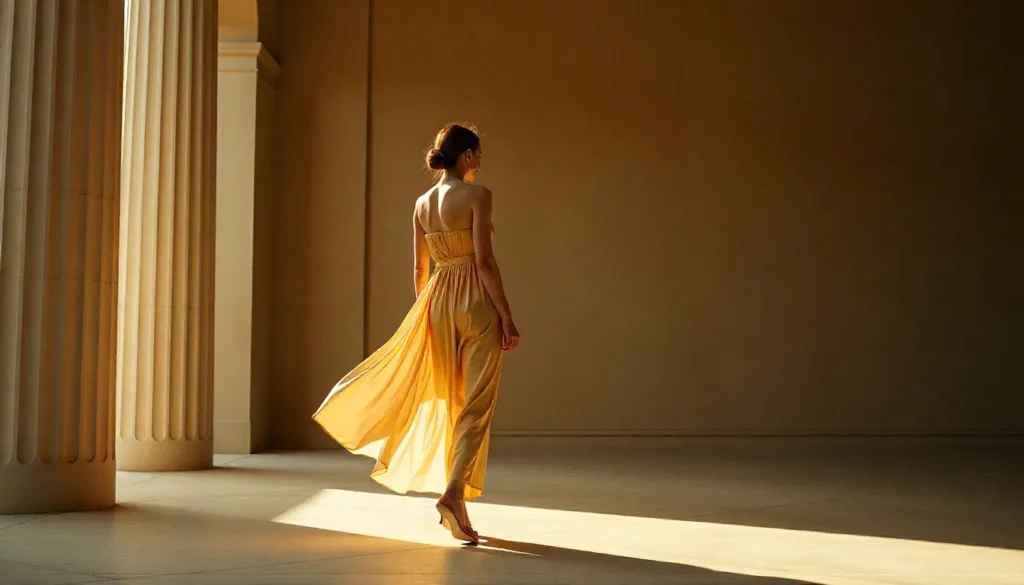
For women, dressing for the opera is a wonderful opportunity to embrace elegance and sophistication. The options are plentiful, ranging from classic dresses to chic separates.
Classic and Timeless Dress Options
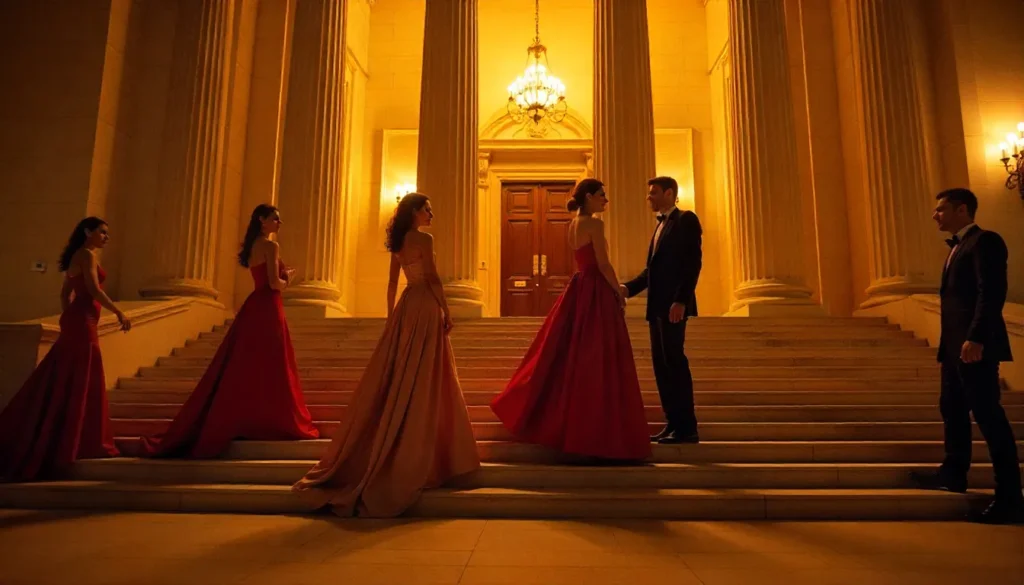
A beautiful dress is a go-to choice for the opera. The length and style can be adapted based on the formality of the event.
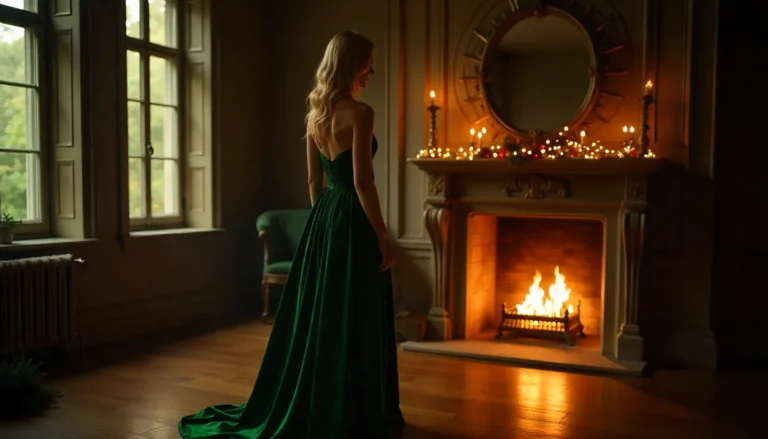
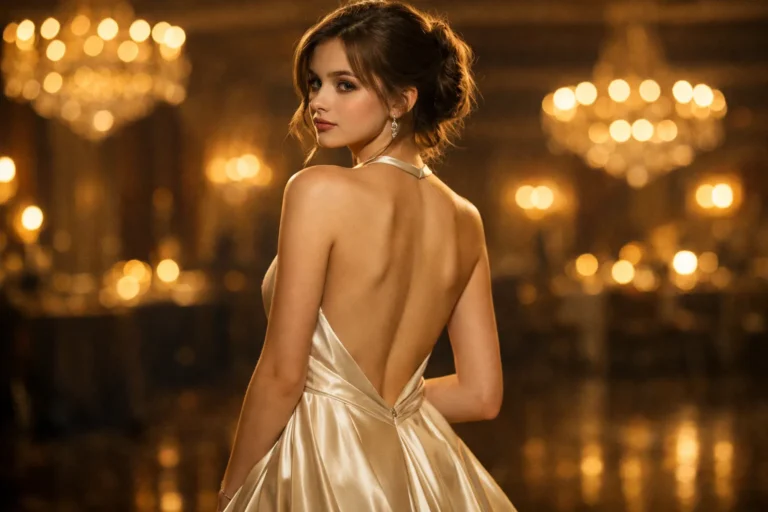
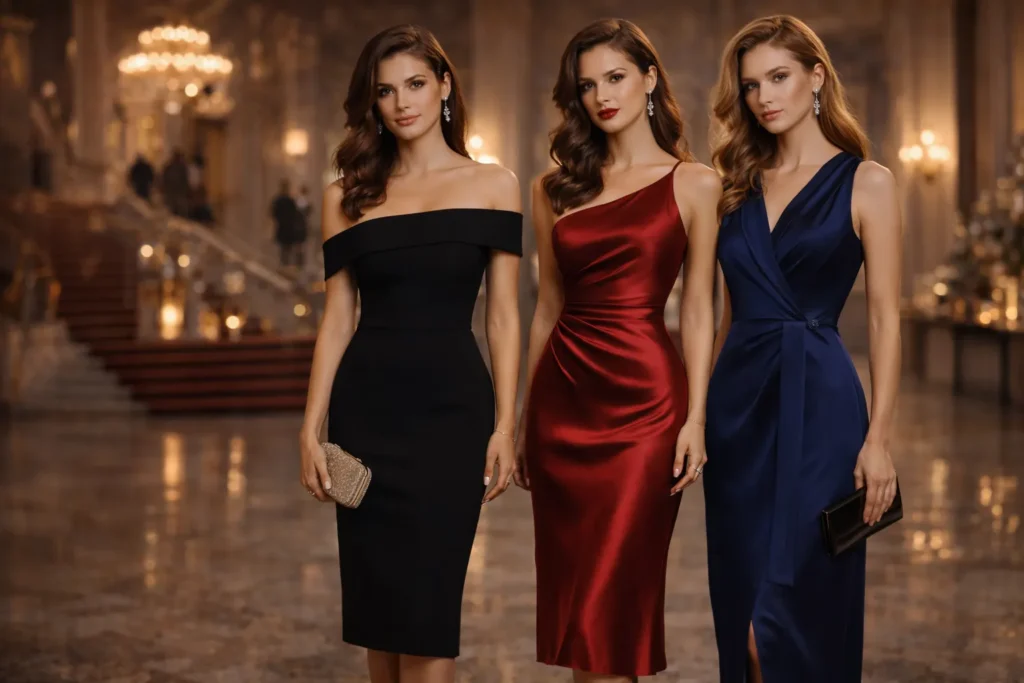
- The Evening Gown (Floor-Length): For a black-tie gala or an opening night at a historic opera house like La Scala or the Vienna State Opera, a floor-length evening gown is the standard. Opt for luxurious fabrics like silk, satin, or velvet in rich jewel tones or classic black.
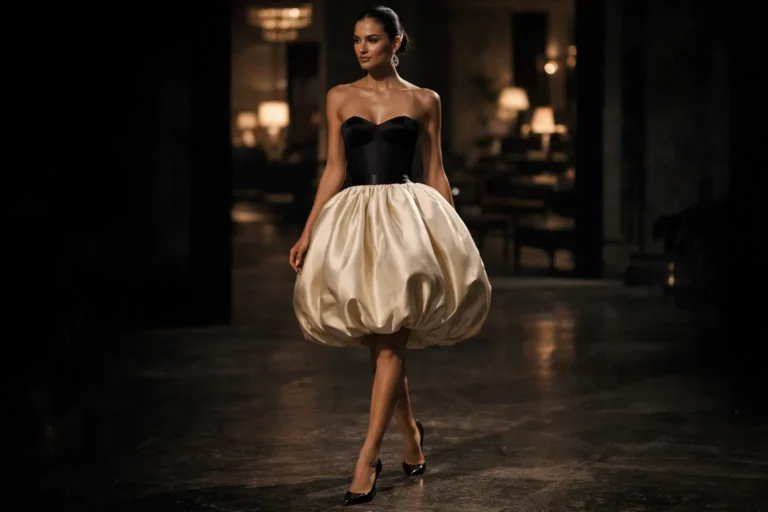
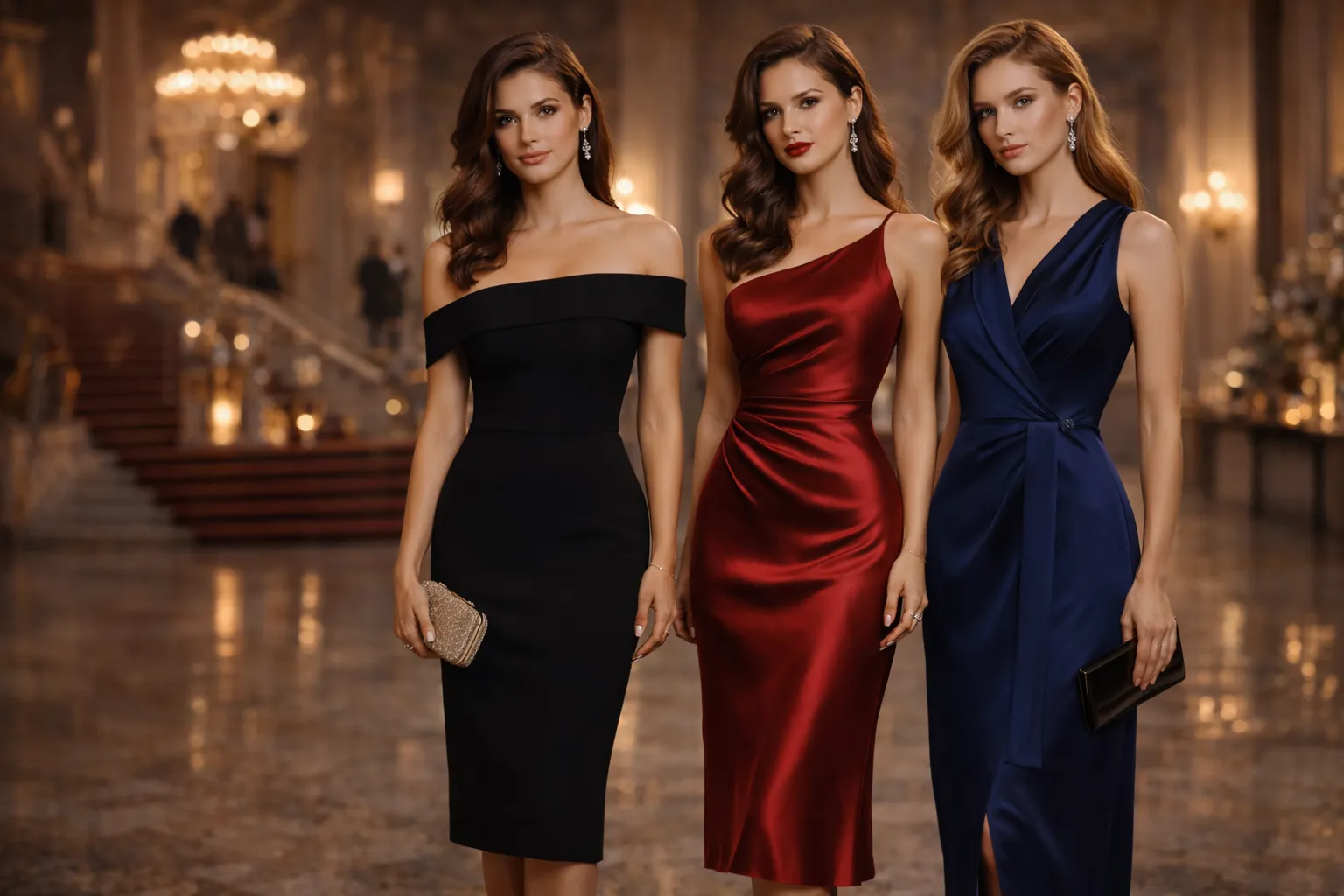
- The Cocktail Dress: This is the most versatile and popular choice for most evening performances. A knee-length or midi-length dress in a sophisticated silhouette is perfect. Look for styles with elegant details like lace, subtle beading, or an interesting neckline. A classic Little Black Dress (LBD) is always a flawless option.
- The Midi Dress: A dress that falls mid-calf offers a modern and elegant silhouette. A-line or slip-style midi dresses in solid colors or tasteful prints are both comfortable and chic.
Sophisticated Separates
Dresses aren’t your only option. Well-chosen separates can look just as polished and offer more versatility.
- Elegant Trousers or a Jumpsuit: A wide-leg or palazzo pant in black, navy, or cream crepe or silk is a powerful and stylish choice. Pair it with a silk blouse or a fine-knit cashmere top. A tailored, wide-leg jumpsuit in a dark color can also be a stunning and modern alternative to a dress.
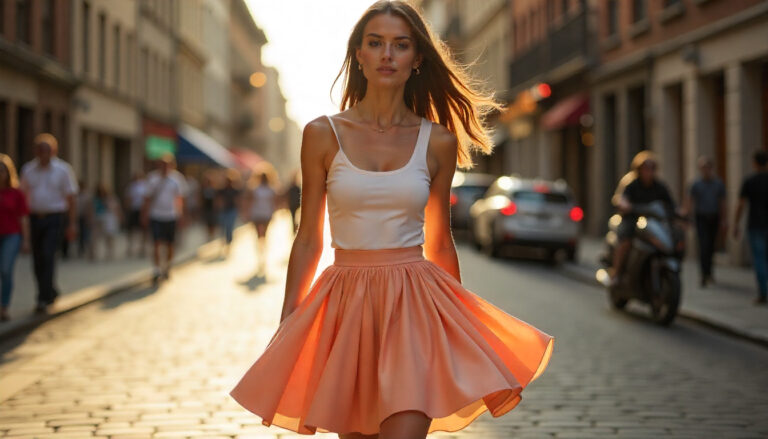
- A Classic Skirt Ensemble: A midi or full-length skirt in a luxurious fabric like satin, taffeta, or brocade can be very dramatic. Pair it with a simple, fitted top like a silk camisole or a cashmere sweater to let the skirt be the focal point.
The Importance of Outerwear and Layers

You will need a chic piece of outerwear for arriving at and leaving the opera, especially in cooler weather. The opera house itself can also be cool, so a light layer is practical.
- A Classic Coat: A tailored wool coat or a timeless trench coat adds a polished final layer.
- A Shawl or Wrap: A pashmina, silk, or cashmere shawl is an elegant and practical accessory. It can add a pop of color and provide warmth if the theater is air-conditioned. Draped over your shoulders, it adds a touch of old-world glamour.
- A Smart Blazer or Cropped Jacket: For a separates-based outfit, a structured blazer or a stylish bolero jacket can complete the look.
Dapper Opera Outfits for Men

For men, opera attire is about sharp tailoring and classic combinations. While a tuxedo is not always required, a well-fitting suit or smart separates are essential.
From Tuxedos to Suits
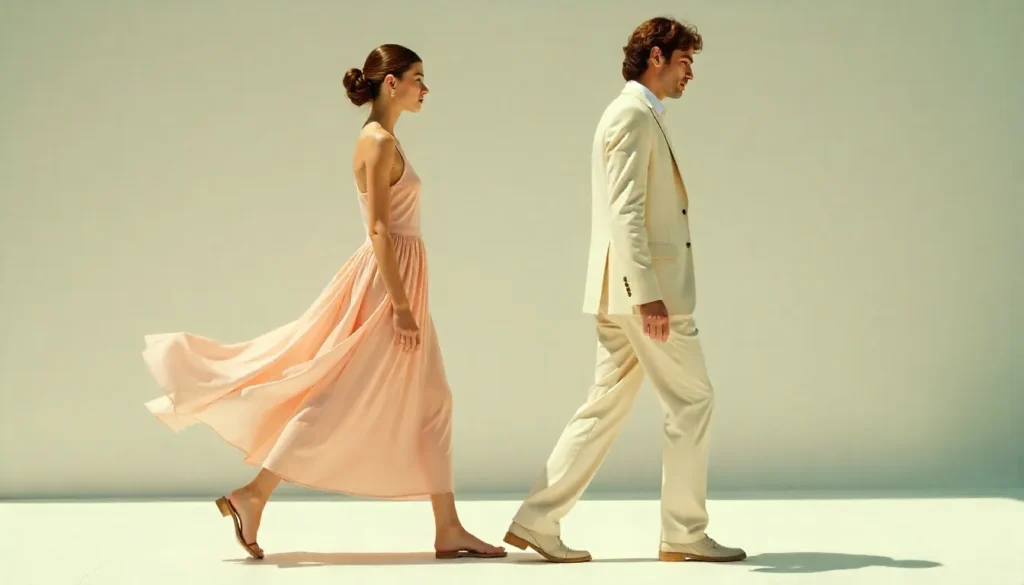
The cornerstone of a man’s opera outfit is a well-cut suit. The style you choose depends on the event’s formality.
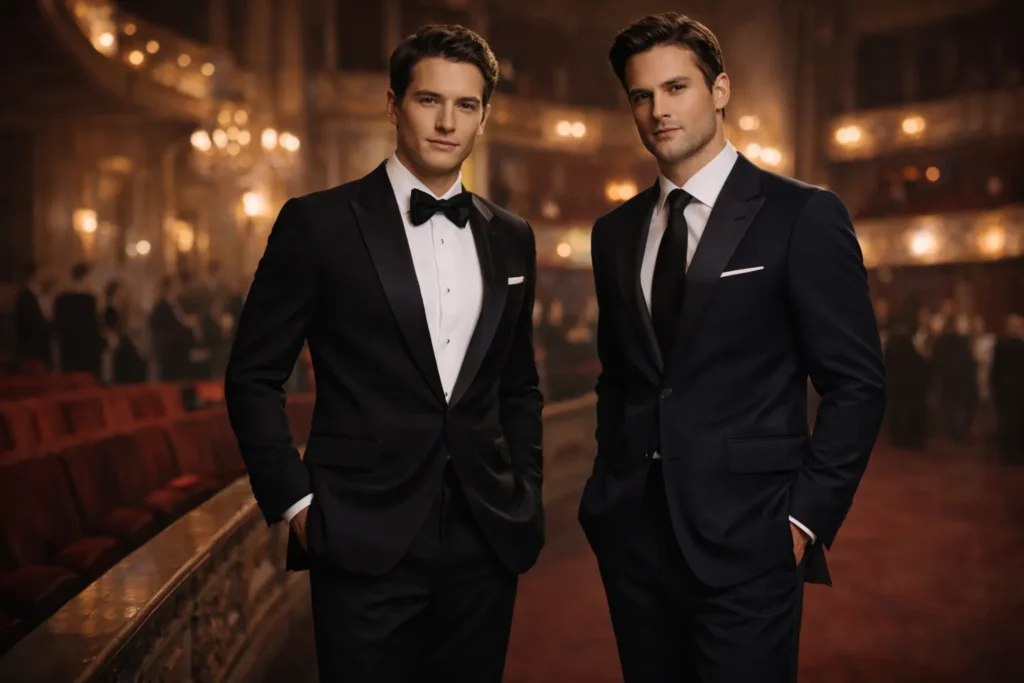
- The Tuxedo (Black-Tie): For galas and premieres, a classic black tuxedo is the gold standard. It should be worn with a formal white dress shirt (with pleats or a bib front), a black bow tie, and black patent leather shoes.
- The Dark Suit (Formal/Semi-Formal): For most evening performances, a dark suit in charcoal grey, navy, or black is perfectly appropriate and sharp. Pair it with a crisp white or light blue dress shirt, a conservative silk tie (avoiding overly loud patterns), and polished leather dress shoes like Oxfords or Derbies.
- The Blazer and Trousers (Smart Casual): For a matinee or a less formal venue, a combination of a well-fitted blazer and tailored trousers works well. A navy blazer paired with grey flannel or khaki trousers is a classic combination. A tie is often optional but adds a touch of refinement.
Essential Accessories for Men
Accessories are key to completing a polished look.
- Footwear: Shoes should always be clean and polished. Black leather Oxfords are the most formal and versatile option. For less formal attire, brogues or loafers in dark brown or black are also acceptable.
- The Tie: A silk tie or a classic bow tie is essential for formal and semi-formal looks. Choose a color or subtle pattern that complements your suit and shirt.
- A Pocket Square: A silk or linen pocket square adds a final touch of personality and sophistication to a suit or blazer.
- Cufflinks: For formal shirts with French cuffs, a pair of elegant cufflinks is a must.
Seasonal Considerations for Opera Attire
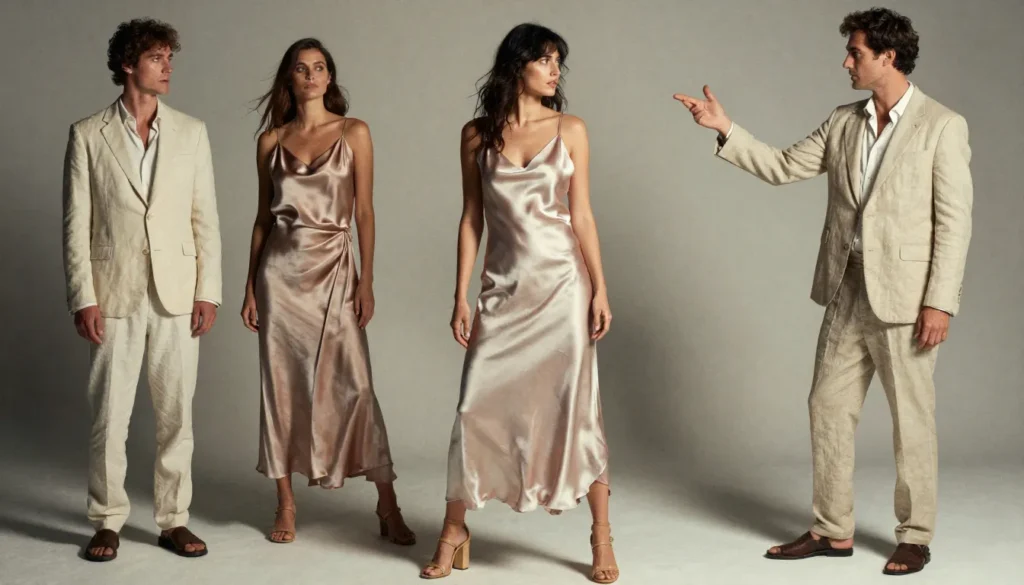
Your opera outfit should also be adapted to the season to ensure you remain comfortable throughout the evening.
Winter and Autumn Opera Outfits
Cooler months are an opportunity to embrace rich textures and luxurious layers.
- For Women: Think velvet or brocade dresses, wool coats, and elegant boots. Rich jewel tones like emerald, burgundy, and sapphire are beautiful for this time of year. A faux fur stole or wrap can add a touch of drama and warmth.
- For Men: This is the perfect time for a heavier wool suit in charcoal or navy. A classic overcoat and a cashmere scarf are essential for arrival. Consider textures like a flannel suit or a tweed blazer for a smart casual look.
Spring and Summer Opera Outfits
Warmer weather calls for lighter fabrics and brighter colors.
- For Women: Opt for dresses and separates in breathable fabrics like silk, cotton, or linen blends. Lighter colors and floral or abstract prints are appropriate. An elegant sandal with a heel is a great footwear choice. Remember to bring a light shawl or cardigan for the air-conditioned theater.
- For Men: A lightweight wool or linen-blend suit in a lighter color, such as light grey or beige, is a great option. For smart casual settings, a seersucker or linen blazer is a stylish choice. A tie may be optional in more relaxed summer settings.
Accessorizing Your Opera Outfit
Accessories are what personalize your look and elevate it from simply “dressed up” to truly elegant.
- Jewelry: Choose one or two statement pieces rather than overwhelming your outfit. Elegant drop earrings, a classic pearl necklace, or a sophisticated cocktail ring can be the perfect finishing touch.
- Handbags: A small, elegant handbag is essential. A clutch, minaudière, or a small bag with a delicate chain strap is far more appropriate than a large everyday tote.
- Footwear: Comfort is a factor, as you may be standing or walking. However, your shoes should still be elegant. Avoid scuffed or overly casual shoes. For women, a classic pump, a heeled sandal, or an elegant flat are all great choices. For men, polished dress shoes are non-negotiable.
Conclusion:
Choosing your opera outfit is part of the magic of the experience. It’s an opportunity to honor a timeless art form and create a memorable evening for yourself. While the strictest dress codes of the past have relaxed, the principle of dressing with intention and respect remains. By understanding the guidelines for formality and selecting an outfit that is elegant, comfortable, and true to your personal style, you can step into the opera house feeling confident and ready to be swept away by the performance.
Frequently Asked Questions (FAQs)
Q1: Can I wear jeans to the opera?
A1: It is generally best to avoid jeans. While a pair of dark, tailored, non-distressed jeans might be acceptable for a very casual matinee at a modern venue, they do not align with the traditional elegance of the opera. Opting for tailored trousers or a skirt is a safer and more respectful choice.
Q2: Are sneakers ever acceptable for the opera?
A2: No, sneakers and other athletic footwear are considered too casual for the opera. Even for a smart casual dress code, it’s better to choose polished shoes like loafers, dressy flats, or leather dress shoes to maintain a sense of occasion.
Q3: What should I wear for a matinee performance?
A3: Matinee performances are typically less formal than evening shows. A “smart casual” or “business casual” approach is perfect. For women, this could be a daytime dress, tailored trousers with a nice blouse, or a skirt and sweater set. For men, a blazer with chinos or dress trousers and a collared shirt is an excellent choice.
Q4: Do I need to wear a full-length gown?
A4: A full-length gown is only necessary for the most formal events, like an opening night gala or a black-tie premiere. For the vast majority of regular opera performances, a cocktail dress, a midi dress, or elegant separates are perfectly appropriate.
Q5: Is it okay to wear bright colors to the opera?
A5: Absolutely! While dark and neutral colors are a classic and safe choice, wearing color can be a wonderful way to express your style. Jewel tones are particularly beautiful for evening events. For spring and summer performances, lighter, brighter colors and tasteful prints are perfectly acceptable and can look very chic. The key is to ensure the overall look remains elegant.