
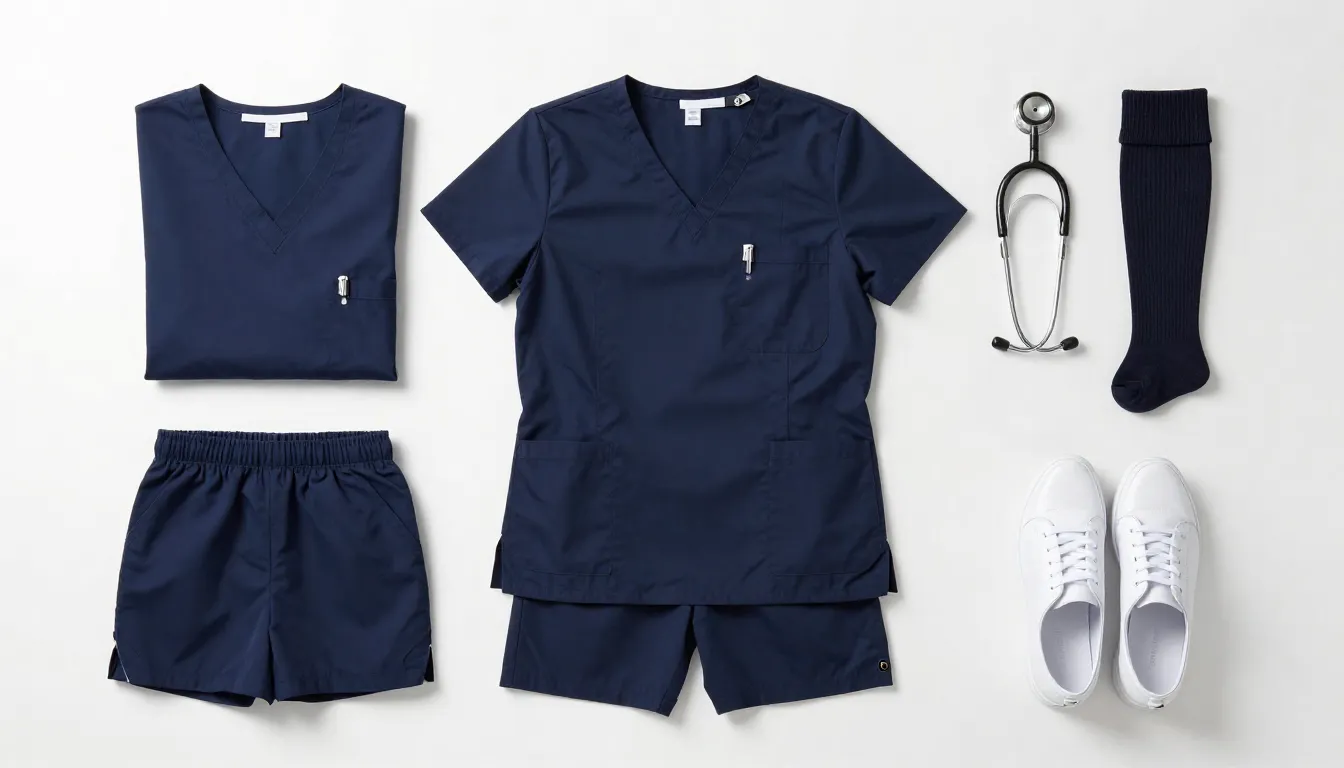
Nurse Outfit Guide: Combining Comfort, Style, and Functionality

Nursing is one of the most demanding professions in the world, requiring long hours, physical stamina, and immense mental focus. In such a high-pressure environment, your nurse outfit plays a critical role in your daily performance. It is not just about adhering to a dress code; it is about finding the perfect balance between comfort, functionality, and personal style. Whether you are a seasoned RN or a nursing student just starting your clinicals, the right attire can significantly impact how you feel and perform during a 12-hour shift.
This comprehensive guide will explore everything you need to know about curating the ideal nursing wardrobe. We will dive deep into the best fabrics for breathability, how to choose the right fit for your body type, and the essential accessories that make your job easier. Gone are the days of shapeless, scratchy uniforms. Today’s medical apparel market offers innovative designs that allow healthcare professionals to look professional while feeling comfortable enough to save lives.
The Evolution of the Nurse Outfit

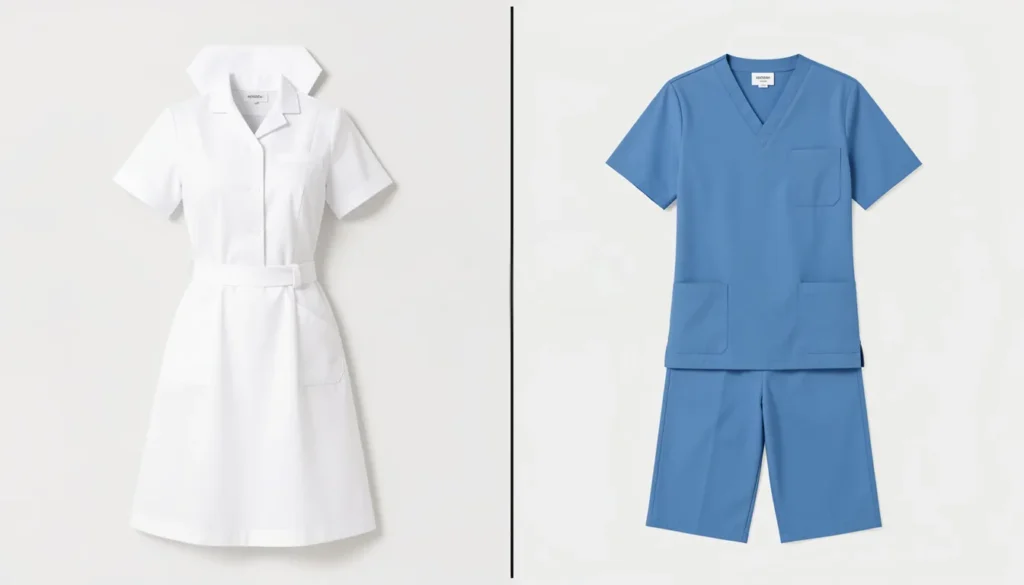
To appreciate modern nursing attire, it is helpful to look back at how far the uniform has come. The traditional image of a nurse crisp white dresses, caps, and stockings—is largely a thing of the past.
From Tradition to Practicality
Historically, the nurse outfit was symbolic of hygiene and discipline. However, these uniforms were often restrictive and impractical for the physical demands of the job. As the role of nurses evolved to include more complex and physically active tasks, the uniform had to adapt.
- The Shift to Scrubs: In the late 20th century, scrubs became the standard. Originally green or blue to reduce eye strain in surgery, they eventually became the universal uniform for most healthcare settings.
- Gender Neutrality: Modern scrubs offer practical solutions for all genders, moving away from gender-specific dresses to functional two-piece sets that prioritize utility over tradition.
The Modern Medical Aesthetic
Today, the definition of a nurse outfit has expanded. It now encompasses high-tech performance fabrics, athletic-inspired cuts, and a wide array of colors and prints. This shift acknowledges that nurses are athletes of the healthcare world, needing gear that supports movement, wicks sweat, and withstands rigorous washing.
Choosing the Best Fabric for Your Scrubs
The foundation of any great nurse outfit is the fabric. You will be wearing these clothes for 12+ hours at a time, often in fluctuating temperatures. The wrong material can leave you feeling sweaty, restricted, or uncomfortable.
Cotton vs. Polyester vs. Spandex
Understanding fiber content labels can help you make smarter purchasing decisions.
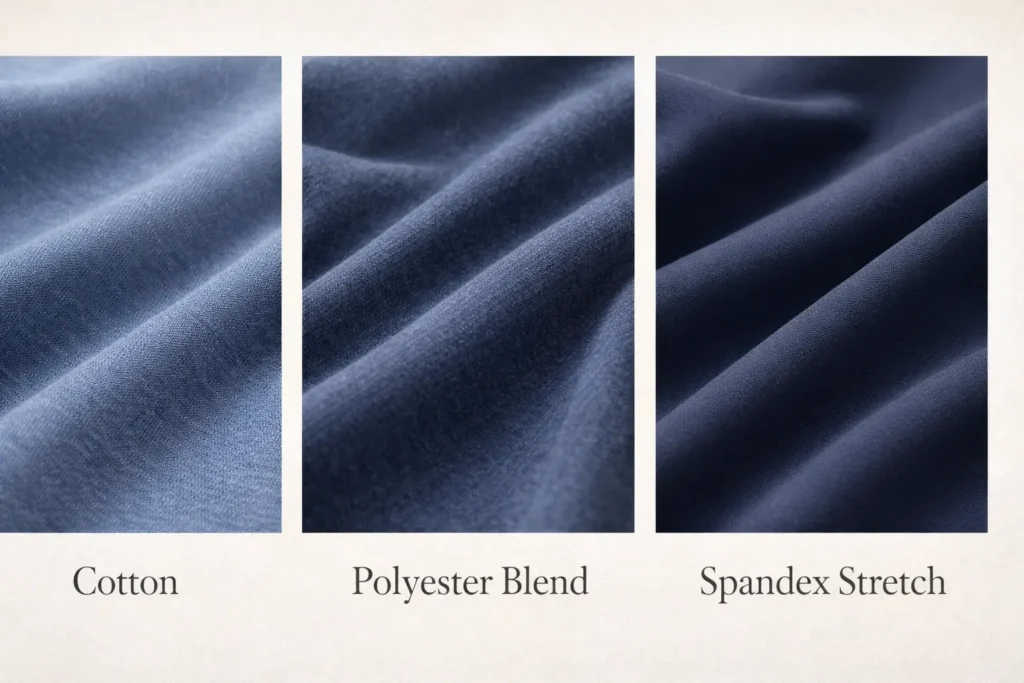
- Cotton: Known for its softness and breathability. However, 100% cotton wrinkles easily and can fade over time. It absorbs moisture but doesn’t necessarily wick it away quickly.
- Polyester: Durable, colorfast, and wrinkle-resistant. Polyester blends are excellent for maintaining a professional appearance throughout a long shift. However, cheap polyester can trap heat.
- Spandex/Elastane: This is the magic ingredient for stretch. A good nurse outfit should have a small percentage (2-5%) of spandex to allow for squatting, reaching, and bending without fear of ripping seams.
- Rayon: Adds a silky feel and drape to the fabric, making scrubs feel more like luxury activewear than stiff uniforms.
Performance Blends
The gold standard for modern medical apparel is a blend. Look for “performance” fabrics that combine polyester, rayon, and spandex. These blends offer the best of all worlds: durability, softness, moisture-wicking properties, and four-way stretch. Some brands even incorporate antimicrobial technologies to inhibit the growth of bacteria and reduce odors—a huge benefit in a clinical setting.
Finding the Perfect Fit

Ill-fitting scrubs are not just a fashion faux pas; they can be a safety hazard. Excess fabric can snag on equipment, while overly tight clothing can restrict circulation and range of motion.
Styles for Every Body Type
- The Modern Fit: This style is slightly more tailored than traditional boxy scrubs. It follows the contours of the body without being tight, offering a polished look.
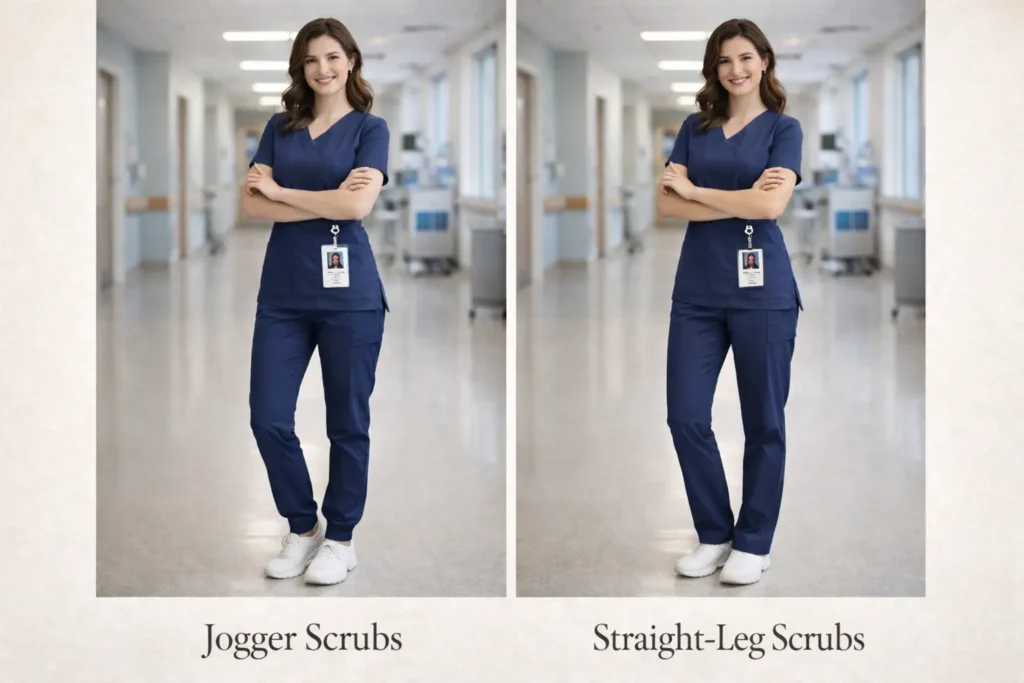
- Jogger Scrubs: Extremely popular in recent years, joggers feature a cuffed ankle. This is practical as it prevents pant hems from dragging on the floor and picking up germs. They offer a sporty, athletic vibe.
- Straight Leg: A classic choice that offers ventilation and a traditional silhouette. Ensure the length is correct; you don’t want to be tripping over your hem during an emergency.
- Maternity Scrubs: Specialized cuts with stretchy belly panels ensure pregnant nurses can work comfortably through their trimesters.
Sizing Tips
- Measure Yourself: Sizes vary wildly between brands. Always check the specific size chart and measure your bust, waist, and hips.
- Check the Rise: High-waisted pants are often preferred for nurses as they provide better coverage when bending over or lifting patients.
- Consider Length: Petite, tall, and regular lengths are widely available. Buying the correct inseam saves you the hassle and cost of hemming.
Essential Components of a Complete Nurse Outfit

A nurse outfit is more than just a top and pants. It is a system of layers and accessories designed to keep you prepared for anything.
The Underscrub Layer
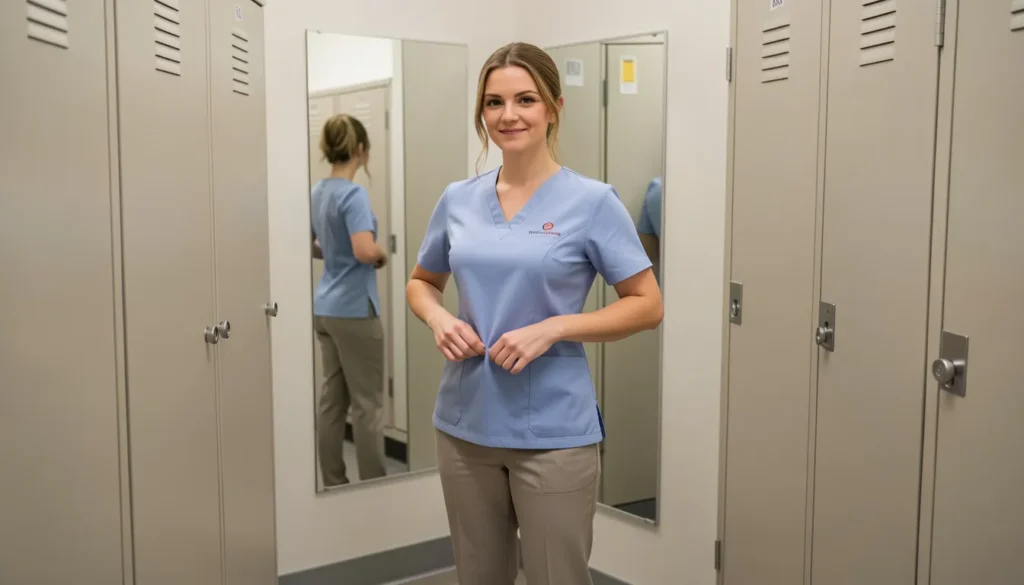
Hospitals are notorious for being freezing cold. An underscrub tee is essential for temperature regulation.
- Material: Choose moisture-wicking, long-sleeve tees that fit snugly under your scrub top without bunching.
- Color: Stick to neutral colors like black, white, or grey, or match the color of your scrubs for a monochromatic look.
The Scrub Jacket
For those moments when an underscrub isn’t enough, a scrub jacket is vital.
- Features to Look For: Deep pockets (essential for carrying instruments), soft zipper guards (to prevent irritation), and ribbed cuffs (to keep sleeves up when washing hands).
- Style: Bomber-style jackets offer a modern look, while traditional warm-up jackets provide a classic silhouette.
Compression Socks
If there is one non-negotiable item for a nurse, it is compression socks. Standing for 12 hours can wreak havoc on your legs.
- Benefits: They improve blood circulation, reduce swelling, prevent varicose veins, and minimize leg fatigue.
- Fun Factor: This is an area where you can express personality! From tacos to electrocardiogram waves, compression socks come in endless fun prints that are hidden under your pants but bring a smile to your face.
Footwear: The Foundation of Your Shift
Your shoes are arguably the most important part of your nurse outfit. You can log thousands of steps in a single shift, and poor footwear can lead to back pain, plantar fasciitis, and knee issues.
Clogs vs. Sneakers
- Nursing Clogs: Brands like Dansko are famous for their rigid support and rocker bottom soles, which propel the foot forward and reduce fatigue. They are also easy to wipe clean—a major plus when dealing with bodily fluids.
- Athletic Sneakers: Many nurses prefer the cushioning and flexibility of high-quality running shoes. Look for brands known for maximal cushioning and arch support. Mesh uppers are breathable but can be harder to clean than leather or synthetic uppers.
Key Features for Nursing Shoes
- Slip Resistance: Hospital floors can be wet and slick. A non-slip sole is a safety necessity.
- Arch Support: Prevents the foot from flattening and causing strain on the plantar fascia.
- Wide Toe Box: Allows toes to splay naturally as feet swell during a long shift.
- Fluid Resistance: A solid upper protects your feet from spills and sharps better than porous mesh.
Accessorizing for Functionality
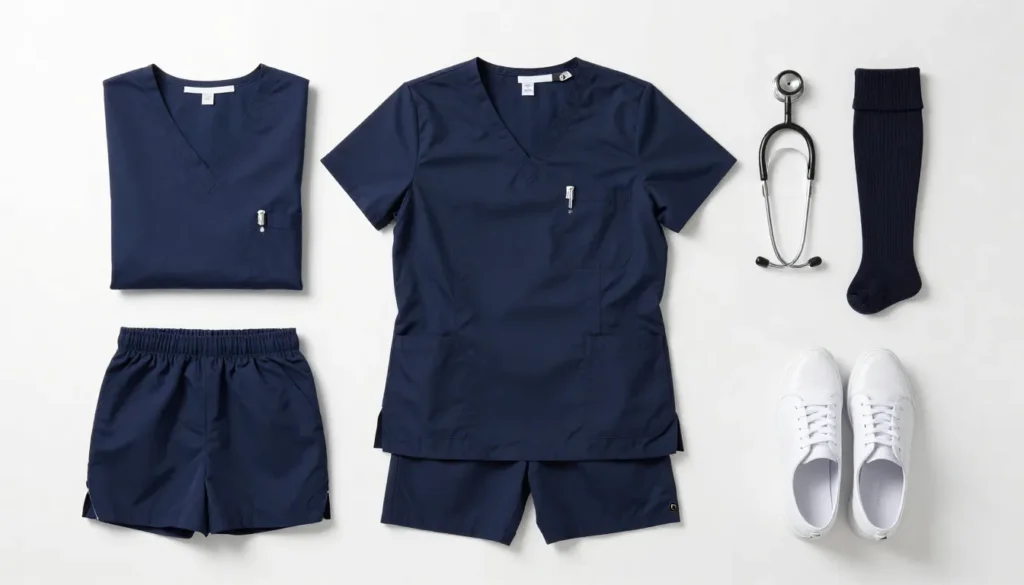
In nursing, accessories aren’t just decorative; they are tools of the trade.
The Stethoscope
While strictly a medical device, the stethoscope is often worn around the neck or in a specialized pocket, becoming part of the visual uniform. Choosing a color that complements your scrubs or adding a personalized ID tag adds a touch of flair.
The Watch
Nurses need to track time for medication administration and vitals.
- Smartwatches: Allow you to track your steps, receive messages, and set timers hands-free. Ensure you have a washable band (silicone is best).
- Fob Watches: Pinned to the tunic, these are great for infection control as they keep wrists bare for hand hygiene.
Badge Reels
Your ID badge is part of your daily attire. A cute, personalized badge reel is a small way to show personality. You can find reels shaped like organs, band-aids, or featuring inspirational quotes.
Scrub Caps
For those in surgery, L&D, or procedural areas, a scrub cap is part of the nurse outfit.
- Fabric: Cotton is breathable, while satin-lined caps protect hair from breakage.
- Buttons: Look for caps with buttons on the sides to hold your mask loops. This saves your ears from soreness after hours of mask-wearing.
Caring for Your Scrubs
To keep your nurse outfit looking professional and lasting longer, proper care is essential.
Washing Tips
- Cold Water: Wash in cold water to prevent fading and shrinking.
- Turn Inside Out: Protects the fabric surface and any logos or embroidery.
- Avoid Fabric Softener: It can coat the fibers of performance fabrics, reducing their moisture-wicking capabilities.
- Sanitizing: If exposed to pathogens, use a laundry sanitizer or wash on a hot cycle (check garment labels first) to ensure cleanliness.
Conclusion:
Curating the right nurse outfit is an investment in your career and your physical well-being. When you feel comfortable in your clothes, you are less distracted by physical irritations and more focused on patient care. It allows you to project professionalism and confidence to your patients and colleagues.
From choosing the right fabric blend that moves with you to selecting shoes that support your spine, every element of your uniform serves a purpose. Don’t be afraid to experiment with different brands and styles until you find the combination that makes you feel like the superhero you are. Remember, you take care of others every day—make sure your outfit takes care of you.
Frequently Asked Questions (FAQs)
Q1: What color scrubs do nurses usually wear?
Scrub colors often depend on the specific facility or department. Common colors include royal blue, navy, hunter green, and maroon. Some hospitals assign specific colors to different roles (e.g., RNs in navy, CNAs in burgundy) to help patients identify staff members easily.