The Ultimate Guide to Rocking a Matching Outfit: Couples, Families, and Friends
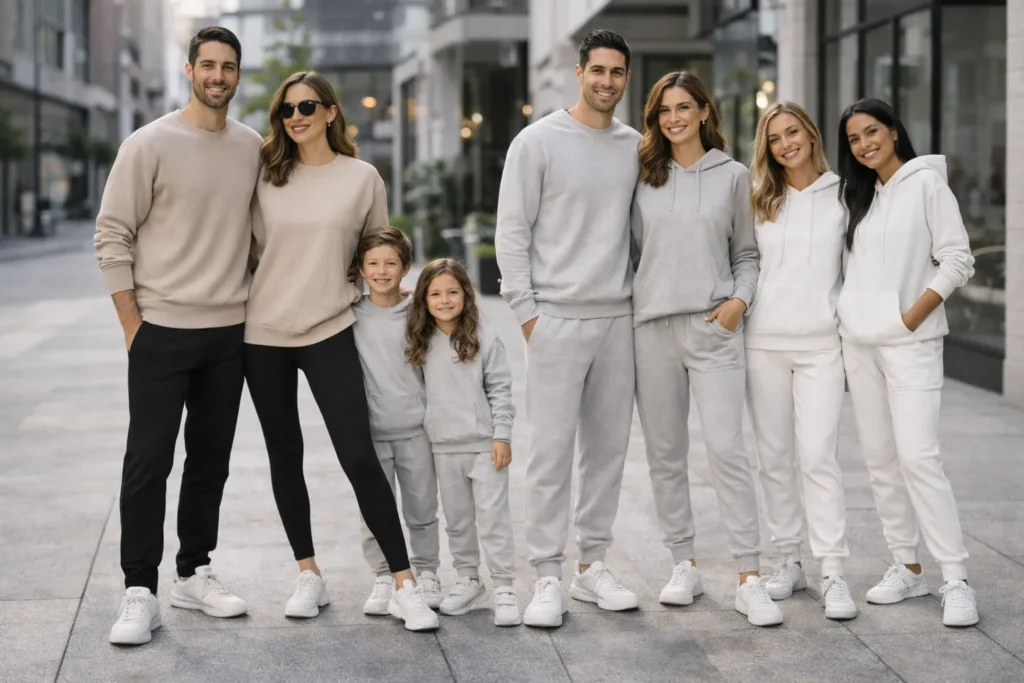
There is something undeniably charming and visually striking about a well-executed matching outfit. Whether it’s a couple stepping out in coordinated colors, a family rocking identical pajamas for a holiday card, or best friends sporting complementary streetwear, the trend of matching clothes has evolved from a cheesy faux pas into a legitimate fashion statement. Today, wearing a matching outfit is less about identical uniforms and more about cohesive style, shared identity, and having fun with fashion.
In this comprehensive guide, we will dive deep into the world of coordinated fashion. We will explore the different ways to pull off a matching outfit without looking over the top, the best occasions for twinning, and how to adapt this trend for couples, families, and friend groups. Whether you are looking for subtle coordination or full-on twinning, this guide has everything you need to master the art of the match.
The Evolution of the Matching Trend
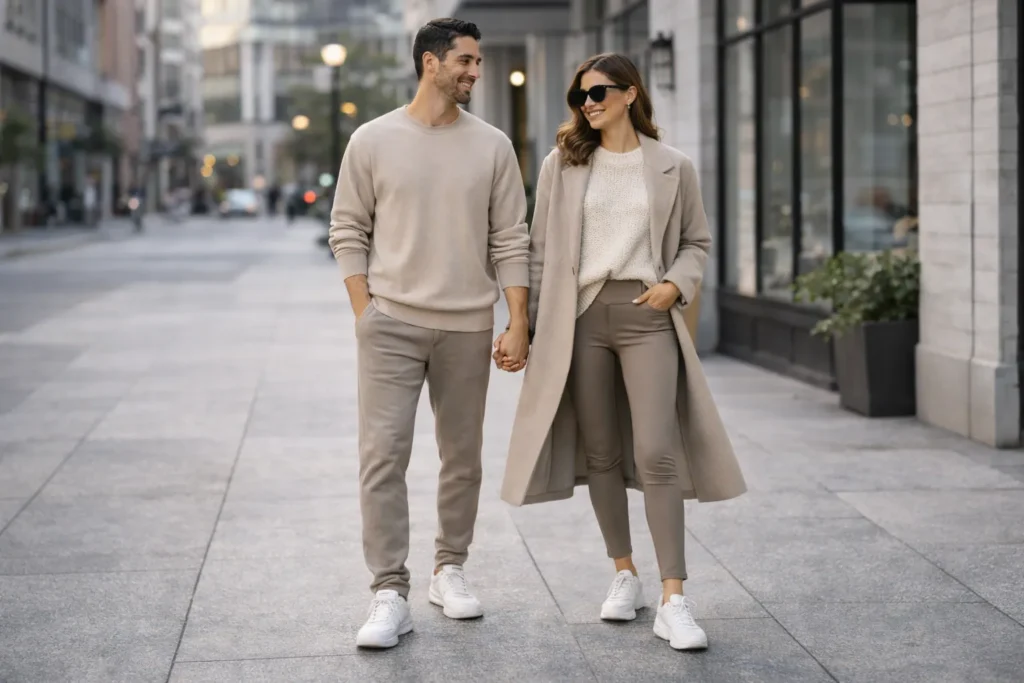
The concept of matching outfits isn’t entirely new. Historically, siblings were often dressed alike, and couples in certain subcultures have long used clothing to signal their partnership. However, the modern iteration of this trend—often dubbed “twinning”—has taken on a life of its own, largely fueled by social media platforms like Instagram and TikTok.
From “Matchy-Matchy” to Chic Coordination
In the past, “matchy-matchy” was often a derogatory term in fashion, implying a lack of creativity. It conjured images of awkward family portraits where everyone wore the exact same stiff denim shirt and khakis. Today, however, the matching outfit has been rebranded. It’s no longer just about wearing the exact same item; it’s about thematic cohesion.
- The Korean Couple Look: South Korea has been a massive driver of this trend. Known as the “Couple Look,” young couples wear matching hoodies, sneakers, or color palettes as a public display of affection and relationship status.
- The “Mini-Me” Phenomenon: Celebrity culture has popularized the “mini-me” trend, where parents dress their children in smaller versions of their own high-fashion outfits.
- Streetwear Squads: Friend groups often coordinate brands, logos, or silhouettes to show unity and collective style.
Types of Matching Outfits
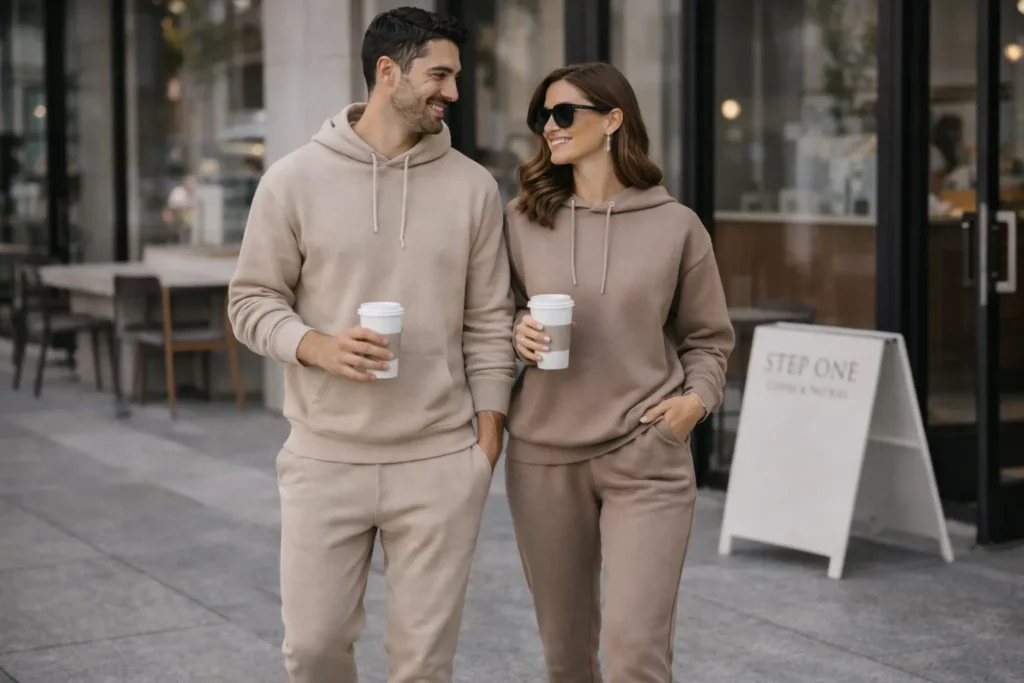
When planning a matching outfit, it’s crucial to understand that there are different levels of intensity. You don’t always have to be identical twins to match.
1. The Carbon Copy (Identical Matching)
This is the most direct interpretation. Everyone involved wears the exact same pieces.
- Best for: Holiday pajamas, novelty t-shirts, sports jerseys, or specific photo shoots.
- Pros: It’s bold, unmistakable, and often humorous or cute.
- Cons: It can be difficult to find items that flatter different body types and personal styles equally.
2. The Color Block Coordination
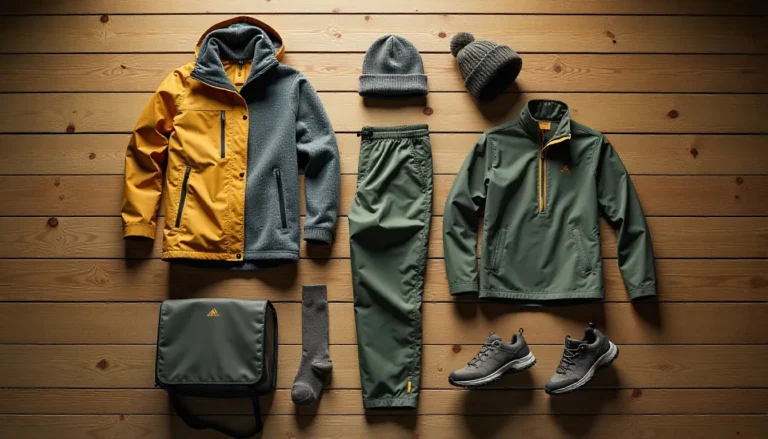
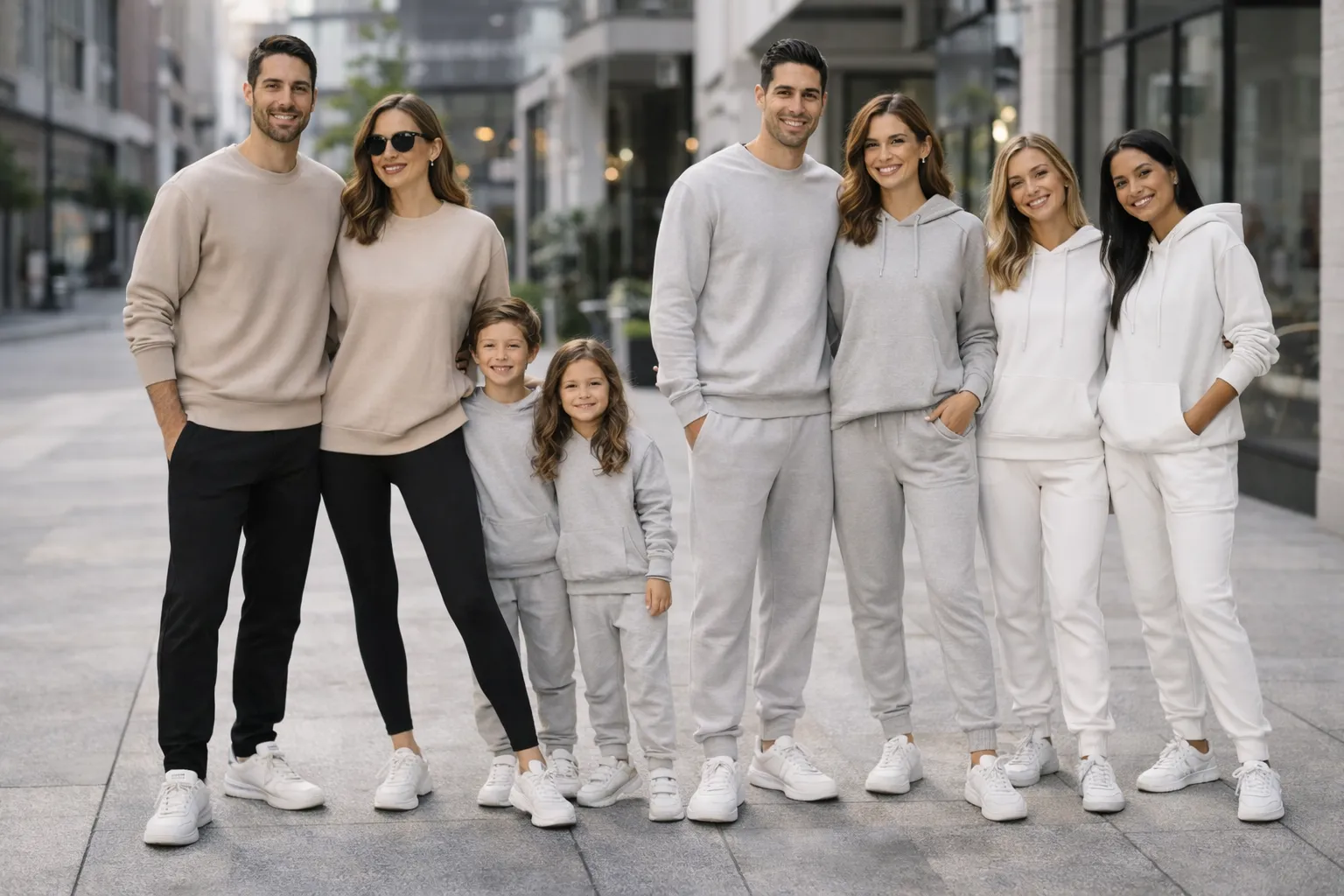
Instead of identical items, you choose a specific color palette. For example, everyone wears shades of sage green and cream.
- Best for: Family portraits, weddings, and sophisticated date nights.
- Pros: Allows for individual expression while maintaining visual harmony. It looks more curated and high-fashion.
- Cons: Requires more effort to shop for different pieces that match the exact hue.
3. The Pattern Play
Everyone wears the same print (e.g., plaid, floral, stripes) but in different cuts or styles. One person might wear a plaid shirt, while another wears a plaid skirt in the same fabric.
- Best for: Vacations, seasonal events (like pumpkin picking), and parties.
- Pros: Visually interesting and dynamic.
- Cons: Can look busy if the pattern is too loud.
4. The Theme or Vibe Match
This is the most subtle approach. You match the aesthetic or theme rather than specific items. Think “90s grunge,” “nautical,” or “all-denim.”
- Best for: Everyday wear, street style, and casual hangouts.
- Pros: Very cool and effortless. It shows you are in sync without trying too hard.
- Cons: The connection might be too subtle for some to notice immediately.
Mastering the Couple Matching Outfit
For romantic partners, a matching outfit can be a fun way to feel connected. However, there is a fine line between cute and cringe. Here is how to navigate couple coordination with style.
Subtle Coordination for Date Night
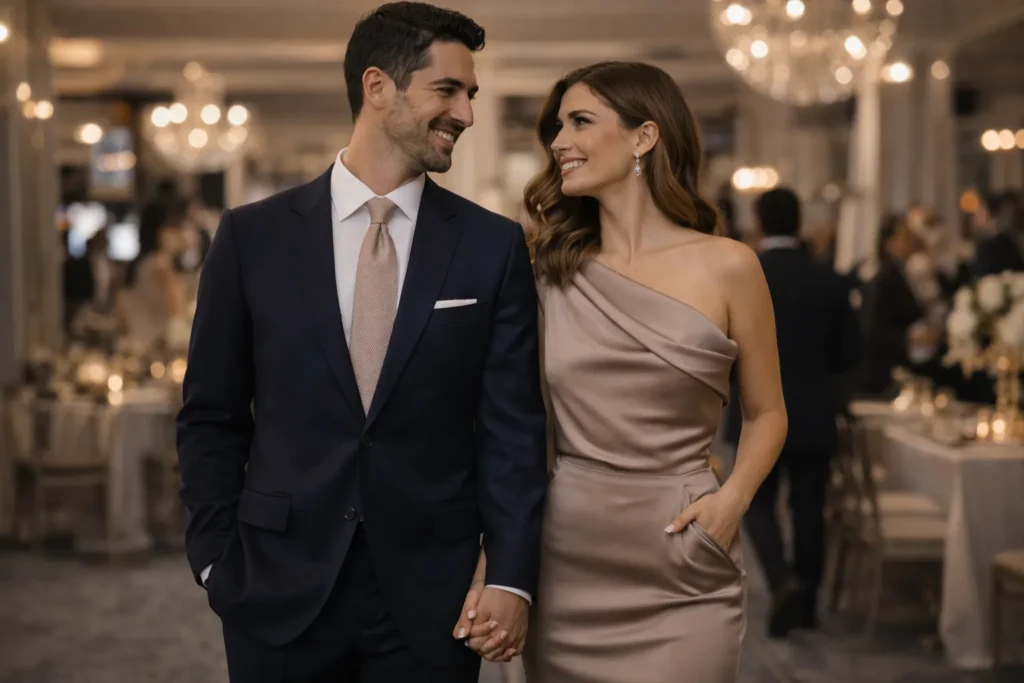
You don’t need to wear identical “I’m with Her/Him” t-shirts to show you are a pair.
- Accessorize Together: Wear matching sneakers (like Jordans or Converse) or coordinate your watches and jewelry metals.
- Invert the Colors: If one partner wears a black top and white bottoms, the other can wear a white top and black bottoms. This creates a balanced, yin-yang visual effect.
- Fabric Matching: Both of you wearing leather jackets, denim, or linen can create a cohesive look suitable for the season.
Athleisure Twinning
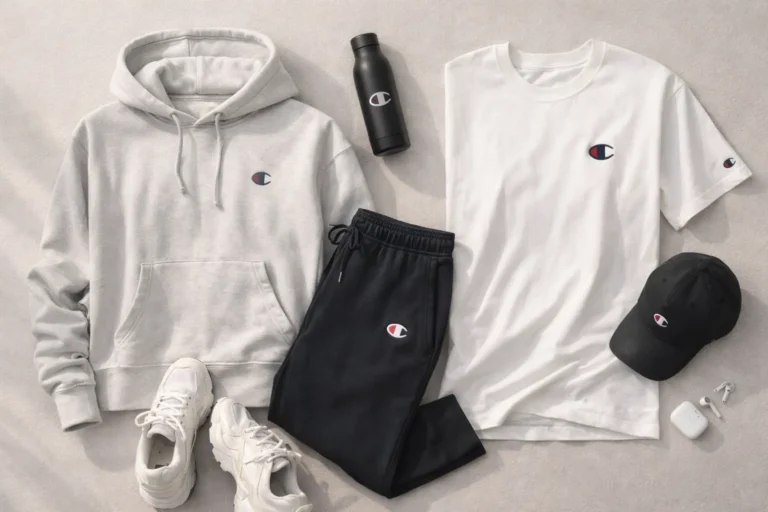
The easiest entry point for couples is athleisure. Matching tracksuits or gym sets are socially acceptable and trendy. Brands like Nike, Adidas, and Essentials make unisex sets that look great on everyone. This is perfect for travel days, gym sessions, or coffee runs.
Formal Event Coordination
When attending weddings or galas, matching is standard but requires finesse.
- Tie and Dress Match: The classic move is matching the partner’s tie or pocket square to the color of the other partner’s dress.
- Metal Tones: Ensure your belt buckles, cufflinks, and jewelry are all the same metal (gold or silver) for a polished finish.
The Art of the Family Matching Outfit
There is arguably nothing cuter than a family matching outfit. It creates a sense of belonging and makes for memorable keepsakes.
Holiday Pajamas: A Modern Tradition

The matching holiday pajama trend shows no signs of slowing down. Whether it’s Christmas, Hanukkah, or Halloween, families love coordinating sleepwear.
- Tip: Buy early! These collections often sell out months in advance.
- Comfort First: Ensure the fabrics are soft and breathable, especially for young children who might get fussy in itchy materials.
The Vacation Squad
Traveling together offers a prime opportunity for matching.
- Disney/Theme Parks: It’s practically a requirement to wear matching shirts at theme parks. It serves a practical purpose too—it makes it easier to spot your family members in a crowd.
- Beachwear: Matching swimwear is a huge market. Look for brands that offer men’s trunks, women’s one-pieces/bikinis, and kids’ sizes in the same tropical print.
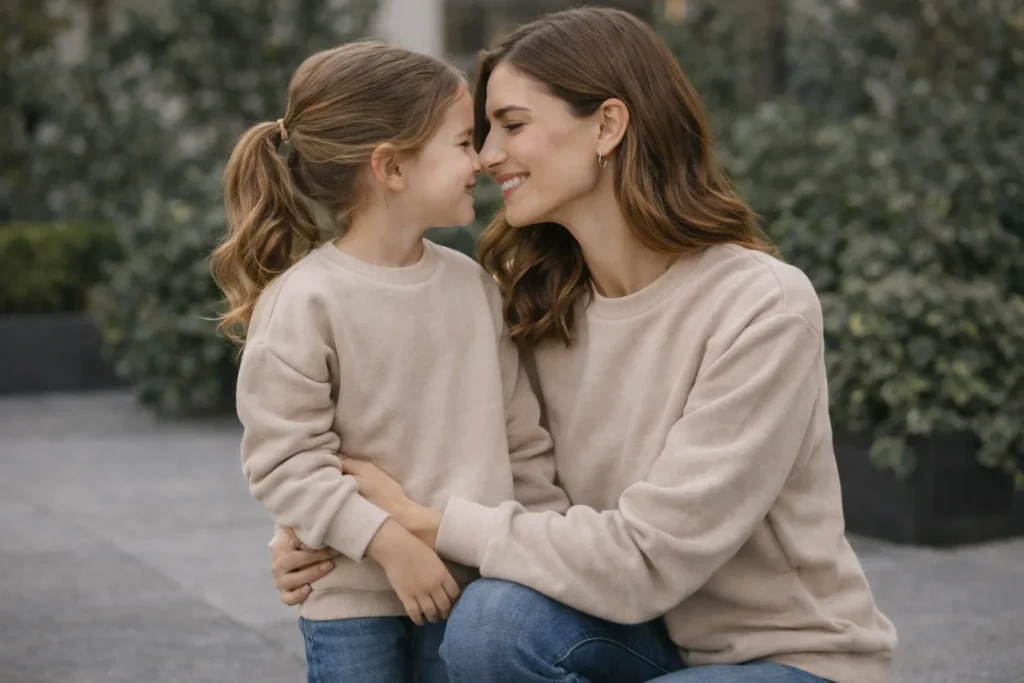
The Mommy & Me / Daddy & Me Trend
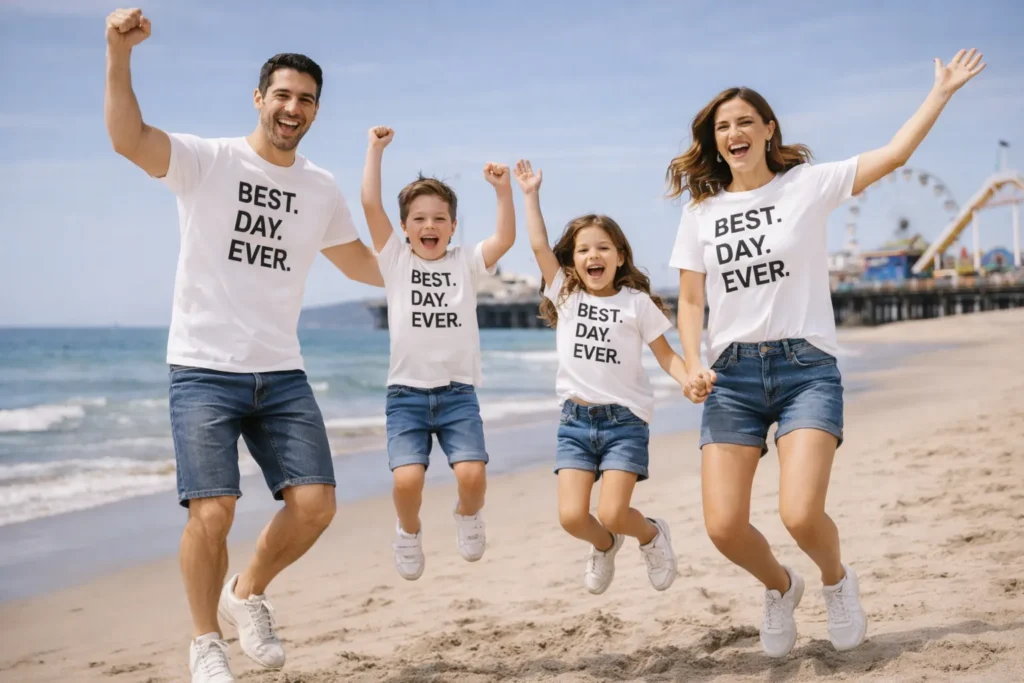
This subset of family fashion focuses on the bond between parent and child.
- Dressing Up: A mother and daughter in matching sundresses or a father and son in matching blazers can be incredibly heartwarming.
- Casual Cool: Matching graphic tees with slogans like “Small” and “Smalls” or “Original” and “Remix” add a touch of humor to the outfit.
Matching with Best Friends
Who says matching is only for families and couples? Best friends have been coordinating looks for decades.
Festival Fashion

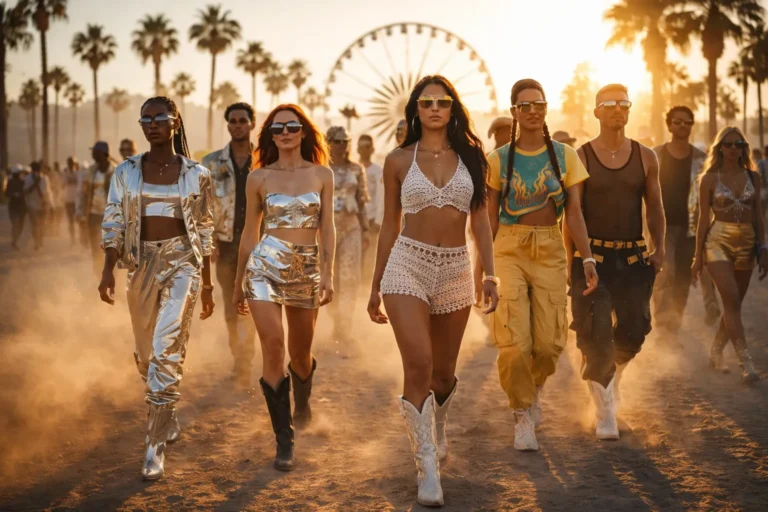
Music festivals are the playground for the matching outfit. Friends often coordinate elaborate costumes, neon colors, or sequin looks to stand out in the crowd and look great in photos.
Bridesmaid and Groomsmen Alternatives
While traditional bridal parties wear identical outfits, modern weddings are leaning towards the “mismatched but matching” trend. Bridesmaids might wear different dresses in the same color family (e.g., various shades of terracotta) or the same dress in different necklines. This allows each friend to feel comfortable while maintaining the group aesthetic.
How to Pull Off a Matching Outfit Without Looking Cheesy
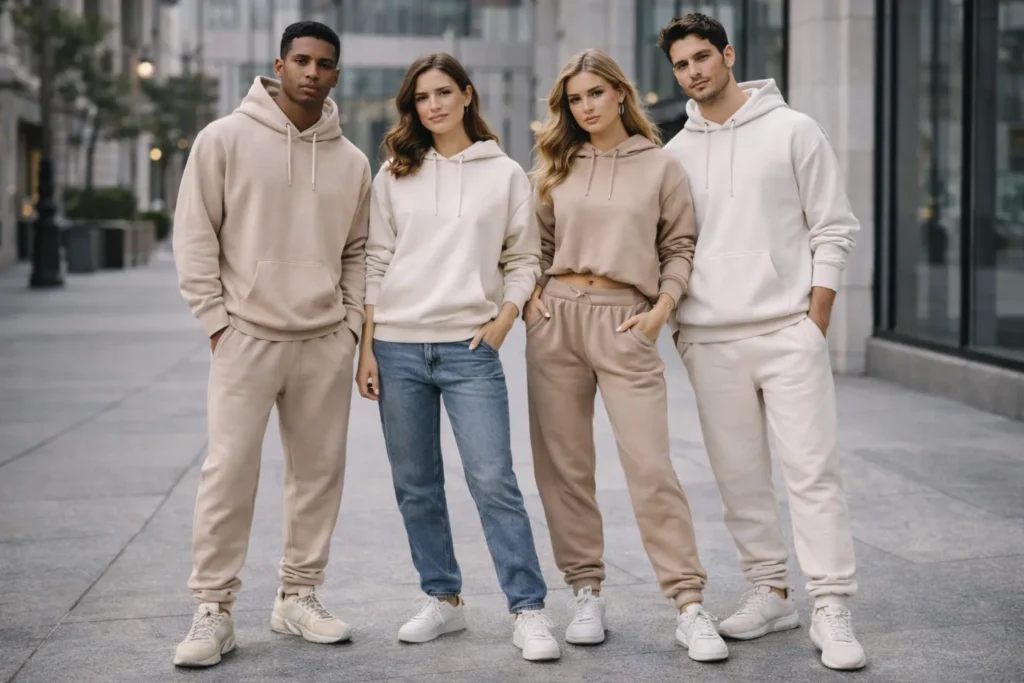
This is the biggest fear most people have. How do you participate in this trend without looking like a novelty act?
1. Focus on Quality Basics
Instead of buying cheap novelty t-shirts with arrows pointing at each other, invest in high-quality basics. Two people wearing high-end camel coats and black turtlenecks look chic and editorial, not cheesy.
2. Keep it Subtle
Less is often more. Matching one element—like shoes or a color accent—is sophisticated. You don’t need to match from head to toe.
3. Own It
Confidence is the best accessory. If you look uncomfortable or embarrassed to be matching, it will show. If you commit to the look and wear it with a smile, people will appreciate the effort and the vibe.
4. Break it Up
If you are wearing identical tops, wear different bottoms. If you are wearing matching denim jackets, personalize them with different pins or patches. Breaking up the uniformity slightly makes the look feel more organic.
Where to Buy Matching Outfits
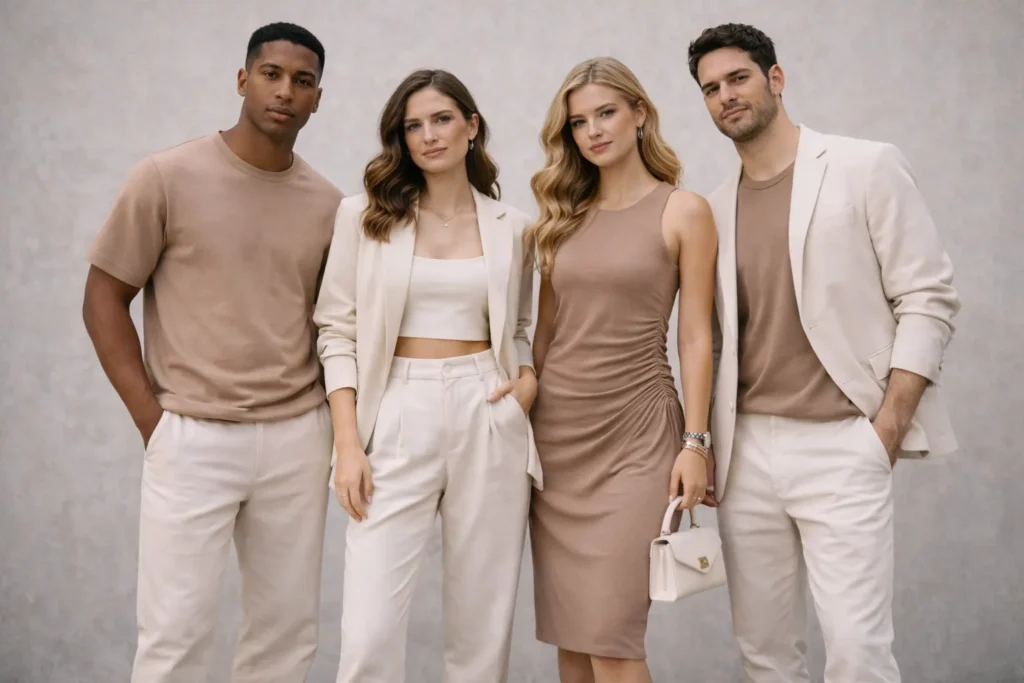
Finding the perfect matching outfit used to require hunting through different departments. Now, many retailers cater specifically to this demand.
Mainstream Retailers
- Old Navy & Gap: Famous for their family matching collections, specifically pajamas and seasonal wear.
- Target: Offers affordable matching sets for families, often featuring popular characters or seasonal themes.
- H&M & Zara: Great for finding trendy, fashion-forward pieces that coordinate well for couples or siblings without being explicitly sold as “matching sets.”
Specialized Brands
- PatPat: A massive online retailer dedicated almost entirely to matching family outfits at low price points.
- Hanna Andersson: Known for high-quality, organic cotton matching pajamas that last for years.
- Chubbies: Popular for men’s swim trunks that often have matching versions for boys and women.
Custom & Handmade
- Etsy: The go-to place for customized matching shirts. You can get names, dates, or specific inside jokes printed on high-quality apparel. This is ideal for bachelorette parties, family reunions, or Disney trips.
Psychological Benefits of Matching
Believe it or not, wearing a matching outfit can have psychological impacts.
- Enclothed Cognition: This theory suggests that what we wear affects how we think and feel. When a group dresses alike, they feel a stronger sense of unity and shared purpose. This is why sports teams and military units wear uniforms.
- Bonding Hormone: Engaging in coordinated activities (like dressing up) can stimulate oxytocin, the bonding hormone. It signals to the outside world—and to yourselves—that you are a unit.
- Memory Making: We tend to remember events where we put in extra effort. The act of planning, buying, and wearing matching outfits cements the occasion in your memory bank.
Seasonal Ideas for Matching Outfits
Spring
Think pastels and florals.
- Idea: Easter Sunday is a classic time for families to wear coordinating pastel shades like lavender, mint, and pale yellow.
- Material: Linen and light cotton are perfect for this season.
Summer
Focus on swimwear and bright colors.
- Idea: Fourth of July BBQs are synonymous with red, white, and blue coordination.
- Material: Breathable fabrics and sunglasses are key accessories to match.
Autumn
The season of plaid and layers.
- Idea: Apple picking or pumpkin patch visits. Everyone in flannel shirts and denim is a quintessential fall look.
- Material: Chunky knits, flannel, and corduroy.
Winter
Cozy layers and holiday sparkle.
- Idea: New Year’s Eve. Couples can match in velvet or sequins. Families can rock the classic Buffalo check pajama sets.
- Material: Wool, velvet, and fleece.
Tips for Photographing Your Matching Look
You went to the effort of coordinating; now you need the proof!
- Find a Neutral Background: Since matching outfits can be visually busy (especially patterns), shoot against a clean wall, a field, or a beach. Avoid cluttered backgrounds.
- Interact, Don’t Just Pose: Stiff poses can make matching outfits look like a catalog. Candid shots of the family laughing, the couple walking, or friends dancing make the matching aspect look natural and fun.
- Lighting is Key: Golden hour (the hour before sunset) provides the most flattering light for group photos.
- Prop Coordination: If you are really committed, match your props too. Matching mugs for a pajama shoot or matching suitcases for travel photos add that extra layer of detail.
Conclusion:
The matching outfit is more than just a fleeting trend; it is a celebration of relationships. In a world that often emphasizes hyper-individualism, choosing to coordinate your appearance with someone else is a visual declaration of togetherness. Whether you are aiming for a high-fashion editorial look with your partner, a hilarious holiday card with your kids, or a unified front with your best friends, there is a way to match that fits your style.
So, go ahead and buy those matching pajamas. Coordinate your colors for that wedding. Wear the matching jerseys. Fashion is supposed to be fun, and nothing says “fun” quite like a squad that dresses the part.
Frequently Asked Questions (FAQs)
Q1: Is wearing a matching outfit with my partner cheesy?
A: It can be, but it doesn’t have to be! The key to avoiding “cheese” is subtlety. Instead of identical slogan t-shirts, try coordinating color palettes or matching specific items like sneakers or leather jackets. Think “complementary” rather than “carbon copy.”
Q2: How can I convince my partner to wear a matching outfit?
A: Start small. Suggest wearing the same color for an event or matching shoes for a casual outing. Explain that it’s for a fun photo or a special occasion. Often, once they see that it can look stylish and not silly, they will be more open to it.
Q3: Where is the best place to find matching family outfits for holidays?
A: For holidays like Christmas or Halloween, retailers like Old Navy, Target, Burt’s Bees Baby, and Hanna Andersson are top choices. They offer a wide range of sizes from newborn to adult, ensuring everyone fits the theme.
Q4: Can we match if we have different body types?
A: Absolutely. This is where color coordination works better than identical clothing. Choose a unifying color (e.g., navy blue) and let each person pick the garment that fits and flatters their body shape best. One person might wear a navy maxi dress, while another wears a navy button-down and chinos.
Q5: What is the “Mini-Me” trend?
A: The “Mini-Me” trend involves parents dressing their children in smaller versions of their own adult clothing. It focuses on fashion-forward, stylish pieces rather than traditional “kiddy” clothes, creating a chic, cohesive parent-child look.