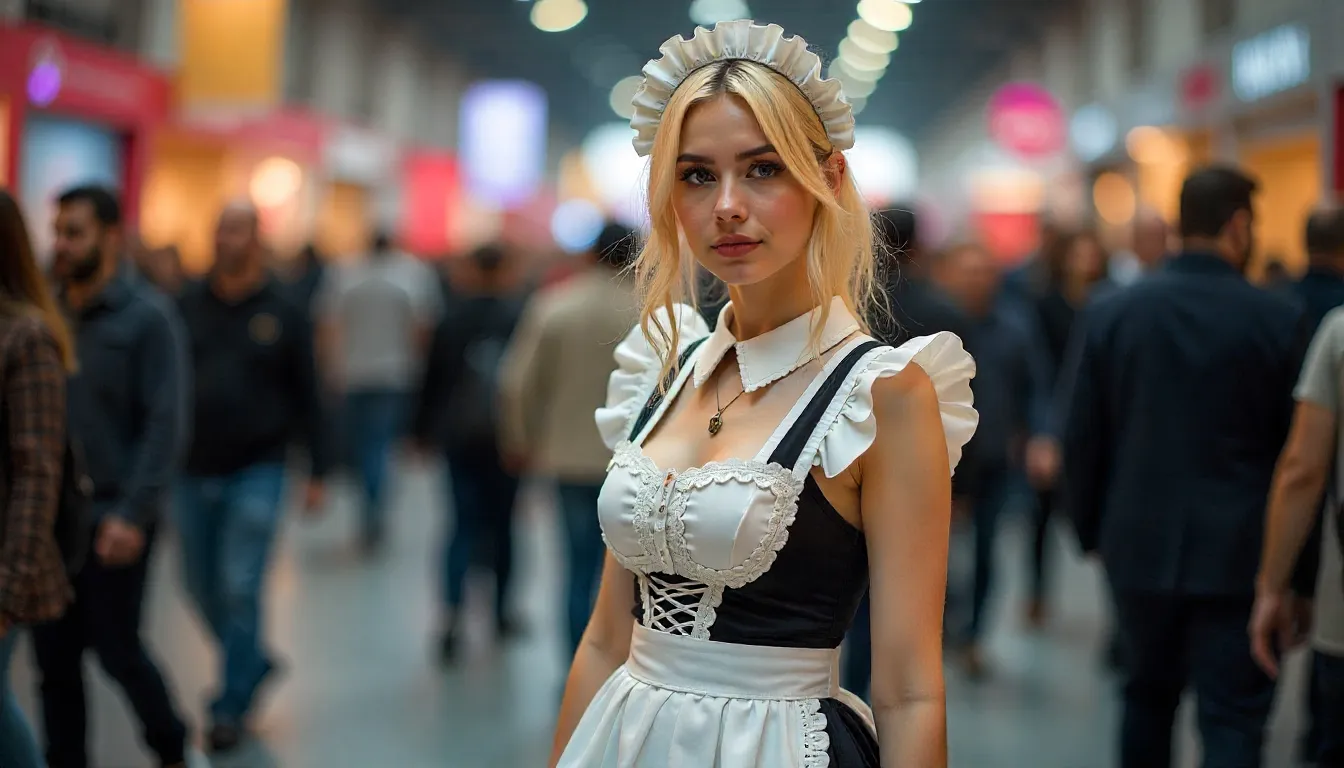
The Enduring Allure of the Maid Outfit: A Cultural and Style Guide
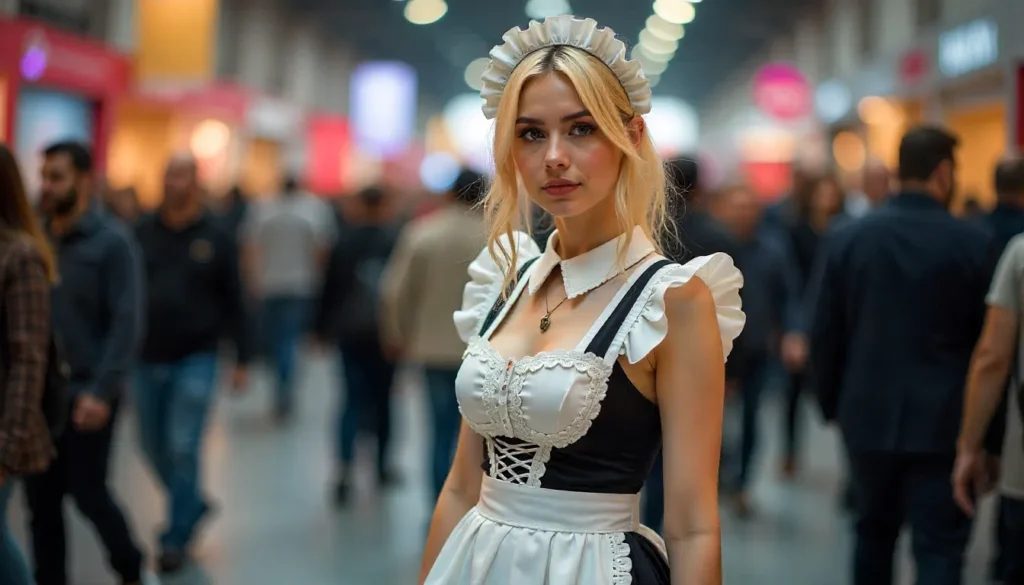
The maid outfit is more than just a uniform; it’s a cultural icon steeped in history, symbolism, and modern-day reinterpretation. From the starched aprons of Victorian households to the vibrant costumes seen in anime and cosplay conventions, this distinctive attire has captured the imagination of people worldwide. Its journey through time reflects changing social classes, evolving fashion trends, and a powerful presence in media and pop culture. This comprehensive guide will explore the multifaceted world of the maid uniform, from its practical origins to its status as a beloved costume.
We will delve into the history of this iconic garment, examine its key components, and explore its significant role in everything from historical dramas to Japanese subcultures. Whether you are a history buff, a cosplayer, or simply curious about the story behind the uniform, you’ll find valuable insights into its enduring appeal.
The Historical Roots of the Maid Uniform
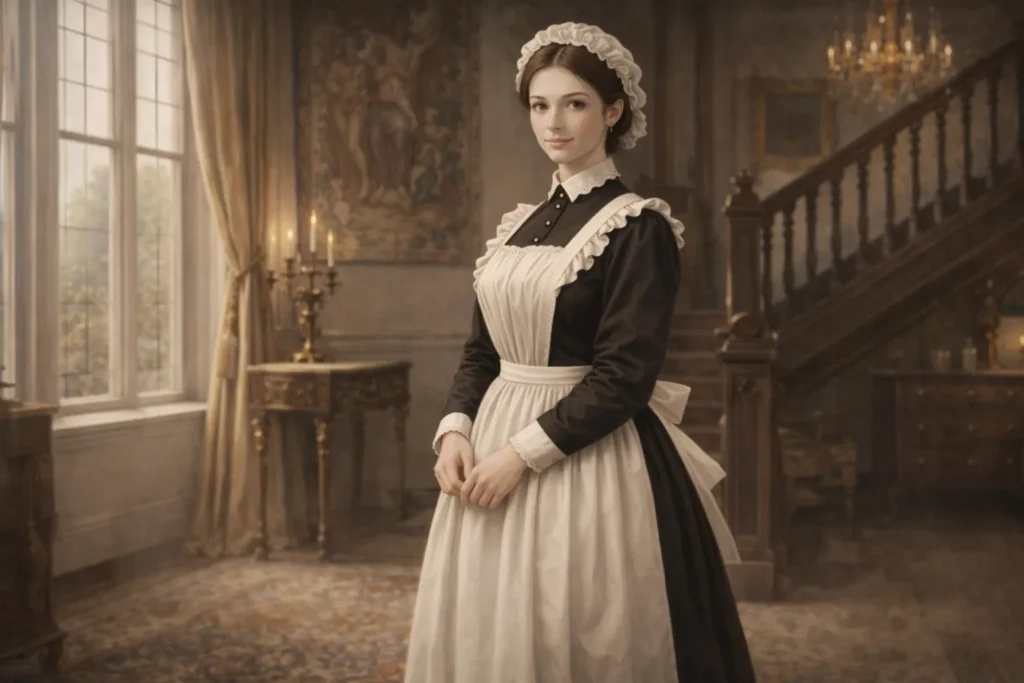
The maid outfit as we recognize it today didn’t appear overnight. It evolved over centuries, reflecting the social hierarchy and domestic roles of the time. Its design was driven by practicality, status, and a desire to distinguish domestic staff from the family they served.
From Humble Beginnings to Victorian Elegance
The concept of a servant’s uniform dates back centuries, but it became standardized during the Victorian era (1837-1901). In large, affluent households, a clear hierarchy existed among the domestic staff, and their clothing was a visual representation of their rank.
- Early Servant Attire: Before the 19th century, a servant’s clothing was often simple, durable, and made from cheap fabrics. It was more about practicality than creating a specific “look.” A housemaid might simply wear a sturdy dress and an apron to protect it from dirt.
- The Rise of the Uniform: The Victorian era brought a new emphasis on order, presentation, and propriety. A uniformed staff signified a well-managed and wealthy household. The classic black-and-white maid outfit emerged during this period. The dark color of the dress was practical for hiding stains, while the white, starched apron, collar, and cuffs conveyed cleanliness and neatness.
The Head of Household’s Influence
The lady of the house often had the final say on the staff’s uniforms. The design could vary significantly from one household to another. Some employers preferred elaborate, French-inspired designs to showcase their wealth and sophistication, while others opted for more somber, practical attire rooted in British tradition. This is where the distinction between the “parlor maid” (who interacted with guests) and the “scullery maid” (who did the heavy, dirty work) became visually apparent through their clothing. The parlor maid wore the crisp, presentable uniform, while the scullery maid wore tougher, more functional garments.
Deconstructing the Classic Maid Outfit: Key Components
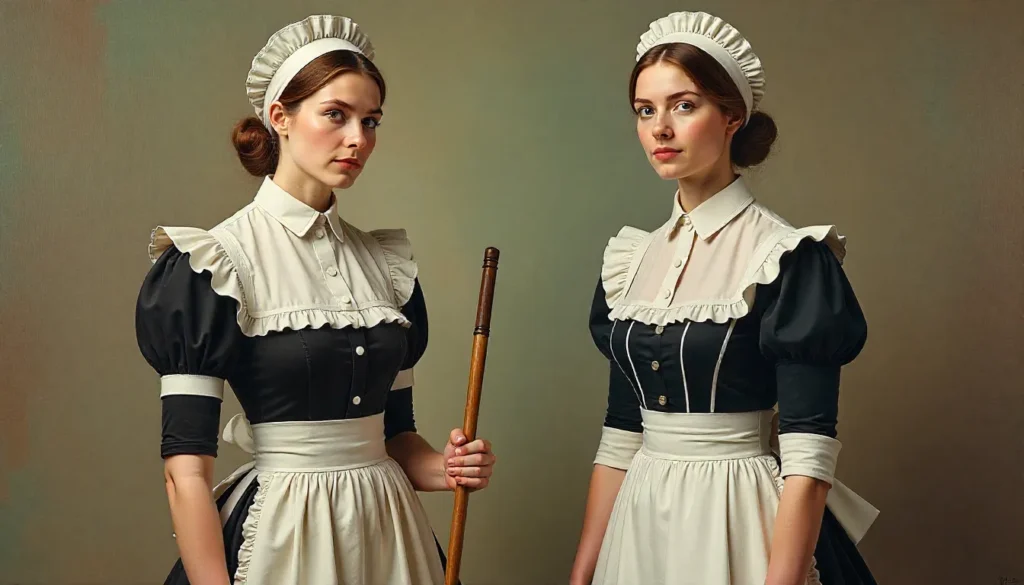
The traditional maid outfit is instantly recognizable due to its specific combination of elements. Each piece had a purpose, contributing to both the function and the aesthetic of the uniform.
The Dress
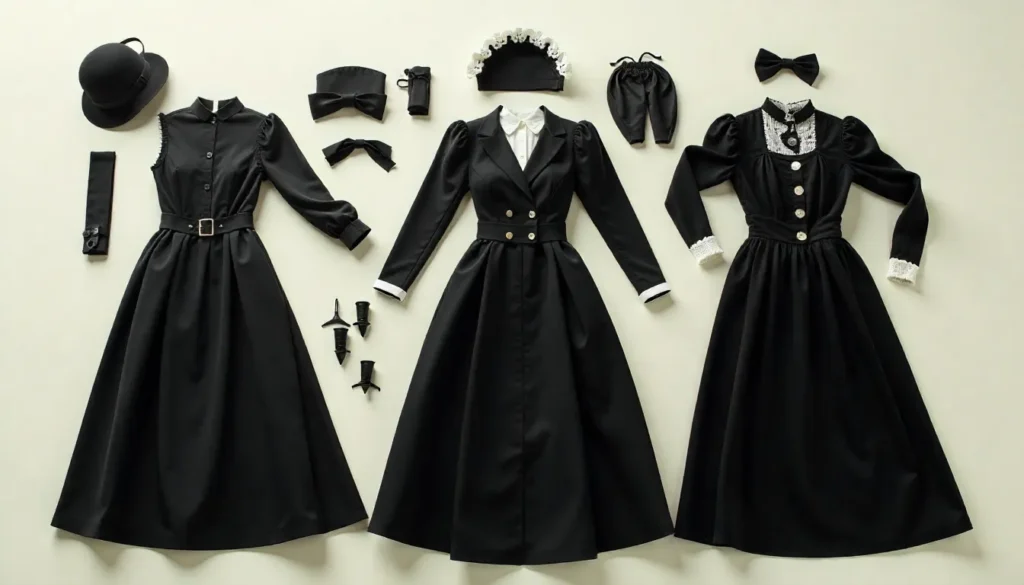
The foundation of the outfit is the dress. Historically, these were designed for durability and to allow for a full range of motion required for household chores.
- Color: Black or a dark navy blue was the most common color. This practical choice helped conceal dirt and stains accumulated throughout a long workday.
- Fabric: Sturdy materials like cotton or wool were used for their longevity and ease of cleaning. The fabric needed to withstand constant wear and frequent washing.
- Length and Fit: The dress was typically long, falling to the ankles to adhere to the modest dress codes of the era. The fit was conservative, neither too tight nor too loose, prioritizing movement over fashion.
The Apron
Perhaps the most defining element of the maid outfit, the apron served both a practical and symbolic purpose.
- Function: The primary role of the apron was to protect the dress underneath from spills, dust, and grime. Maids often had multiple aprons—a sturdier one for cleaning tasks and a crisper, more decorative one (often called a “pinafore apron”) for serving or answering the door.
- Style: The classic maid apron is white, made of starched cotton or linen, and often features ruffles or lace trim along the edges and shoulder straps. This contrast between the white apron and the dark dress created a sharp, clean, and professional appearance.
Headwear and Accessories
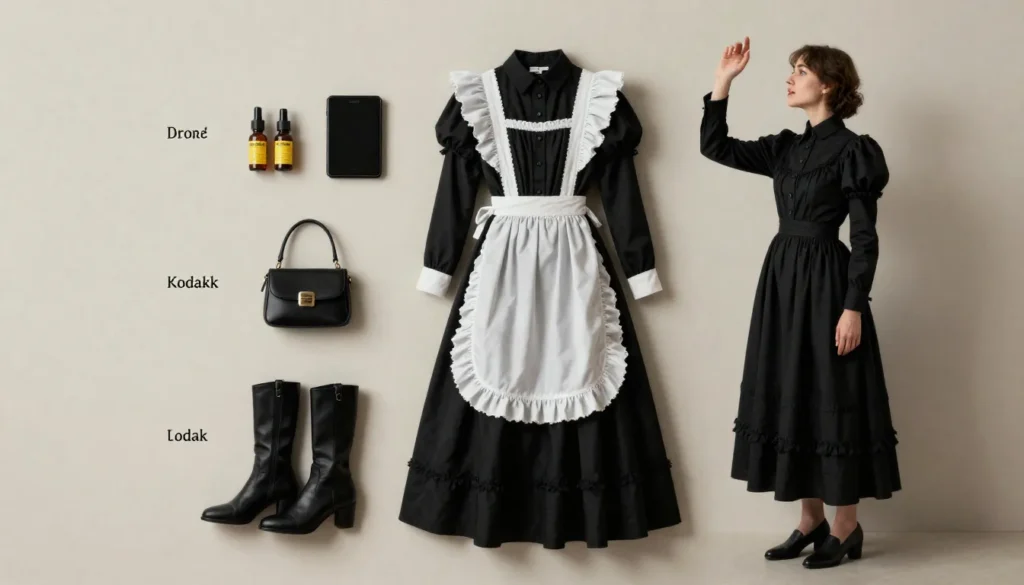
Accessories completed the uniform, reinforcing the neat and tidy look expected of domestic staff.
- The Maid Cap: A small, often frilly white cap or headband was worn to keep hair neatly tucked away and out of the face. It also served as a symbol of service. The styles varied from simple bands to more elaborate, lacy creations.
- Collars and Cuffs: Detachable white collars and cuffs were common. Made from starched linen or cotton, they could be easily removed and washed separately. This allowed the maid to maintain a pristine appearance without needing to launder the entire dress daily.
The French Maid Outfit: A Stylized Sibling
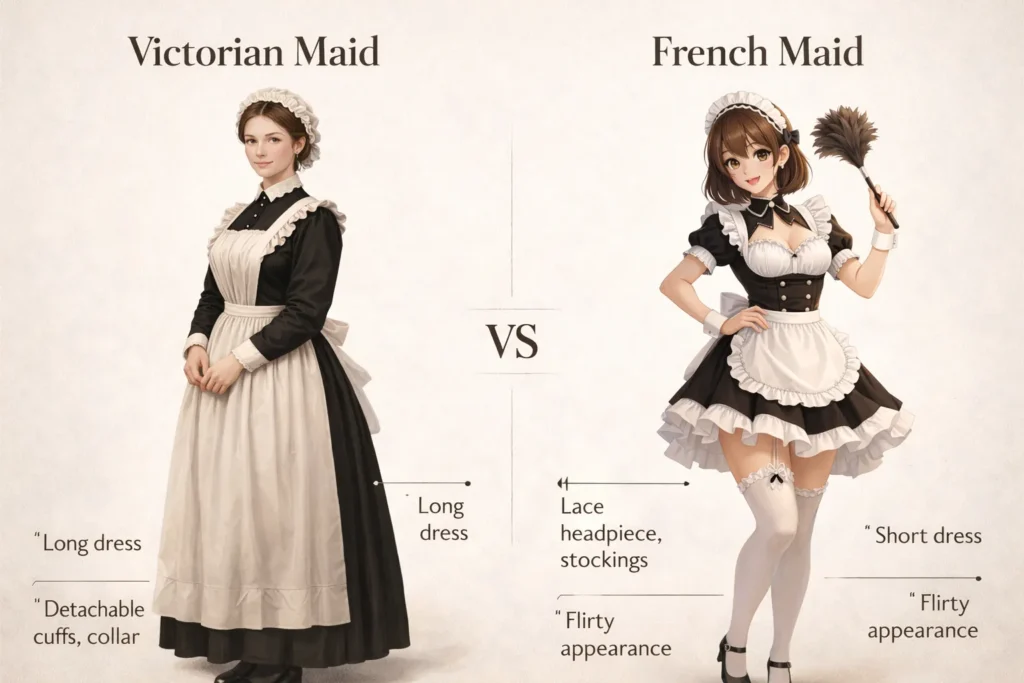
When many people think of a “maid outfit,” they often picture the French maid costume. This version is a more stylized, often shorter, and more flirtatious interpretation of the classic Victorian uniform.
Origins of the French Maid Look
The French maid costume gained popularity in the 19th century, not as actual workwear, but as a trope in burlesque shows and risqué theatrical productions in France and the United States. It was designed to be alluring and playful, exaggerating the elements of the traditional uniform.
- Key Differences: The French maid outfit typically features a much shorter black dress, a smaller and frillier apron, and often includes accessories like a feather duster, thigh-high stockings, and high heels. The neckline is often lower, and the overall fit is more form-fitting.
- Symbolism: While the Victorian outfit symbolized servitude and cleanliness, the French maid costume became associated with flirtation, fantasy, and a certain cheeky charm. It was a costume from the very beginning, intended for performance and entertainment rather than domestic work.
French Maid vs. Classic Maid: A Quick Comparison
| Feature | Classic Victorian Maid Outfit | French Maid Costume |
| Purpose | Practical work uniform | Costume for entertainment/fantasy |
| Dress Length | Long (ankle-length) | Short (mid-thigh or higher) |
| Fit | Conservative and functional | Form-fitting and stylized |
| Apron | Large, protective pinafore | Small, decorative, often frilly |
| Accessories | Simple cap, detachable collar/cuffs | Feather duster, stockings, heels |
| Connotation | Service, cleanliness, order | Flirtation, playfulness, allure |
The Maid Outfit in Pop Culture and Media

The maid outfit has become a powerful visual shorthand in film, television, and literature. It can instantly establish a character’s role, social standing, or even their personality.
Representation in Film and Television
From historical dramas to modern comedies, maids have been pivotal characters.
- Historical Dramas: Shows like Downton Abbey and Upstairs, Downstairs have meticulously recreated the world of domestic service, showcasing the strict uniform codes and the lives of the women who wore them. In these contexts, the maid outfit reinforces the period setting and the rigid class structure. Anna Smith in Downton Abbey is a prime example of a character whose identity is closely tied to her role and uniform.
- Comedy and Satire: The maid character is often used for comedic effect. The French maid trope, in particular, appears in comedies as a symbol of farcical situations or romantic misunderstandings. Think of characters like the maid in the movie Clue, whose presence adds to the mystery and chaos.
- Animation and Anime: The maid outfit holds a special place in Japanese anime and manga. It’s not just a uniform but a character archetype known as “meido.”
The “Meido” Archetype in Japanese Anime and Manga
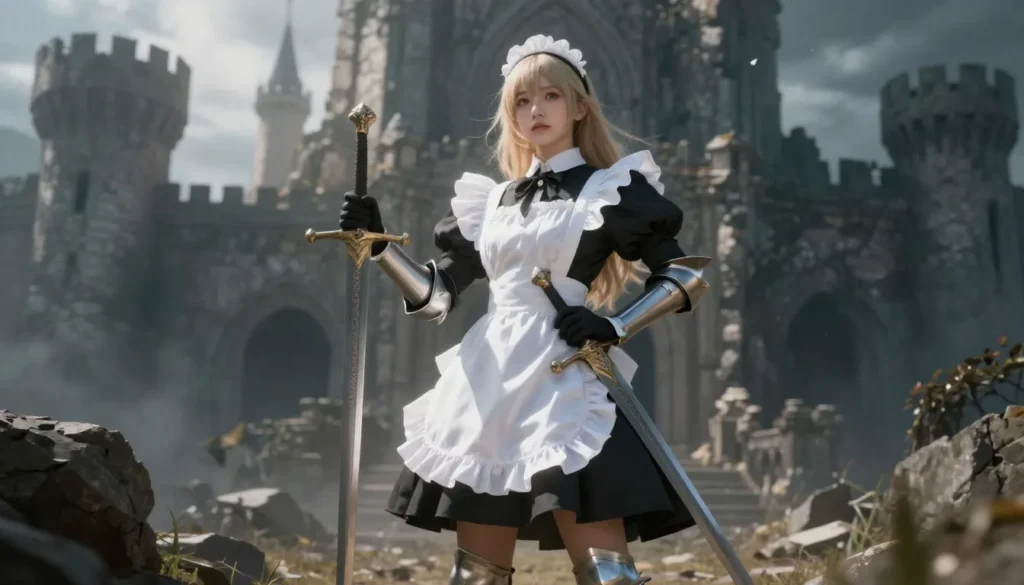
In Japan, the maid outfit, particularly a stylized version inspired by Victorian and French designs, is a hugely popular element in otaku culture. The “meido” character is a staple in many anime series and manga.
- Maid Cafés: The concept materialized in real life with the rise of maid cafés, primarily in Tokyo’s Akihabara district. In these cafés, waitresses dressed in elaborate maid costumes treat customers as “masters” and “mistresses” in a role-playing atmosphere. The experience is designed to be cute, fun, and a form of escapism.
- Famous Anime Maids: Characters like Rem from Re:Zero, Tohru from Miss Kobayashi’s Dragon Maid, and Roberta from Black Lagoon have become iconic. Each character reinterprets the maid role—some are devoted and sweet, others are super-powered warriors, but all don the recognizable outfit. The anime maid outfit often features bright colors, exaggerated ruffles, and unique accessories that reflect the character’s personality and the show’s genre.
Cosplay and Costume Parties: The Modern Maid Outfit
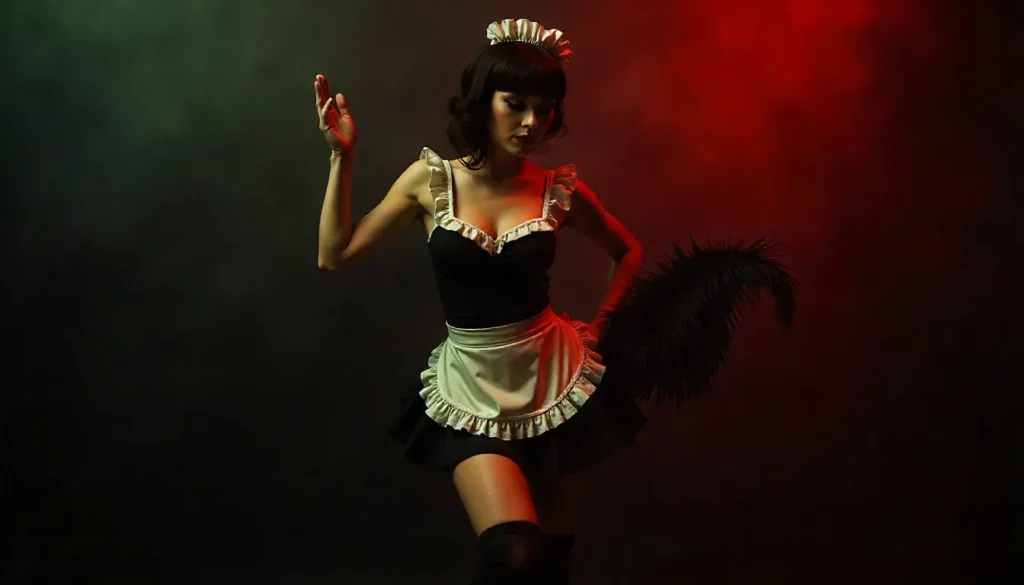
Today, the maid outfit is one of the most popular choices for cosplay, Halloween, and costume parties. Its recognizability and versatility allow for endless creativity and personal expression.
Why is the Maid Outfit Popular for Cosplay?
- Recognizable Silhouette: Everyone knows what a maid outfit is, making it an easy-to-identify costume.
- Customizable: It serves as a fantastic base for creativity. Cosplayers can create a classic look, a gothic Lolita version, a cute anime-style costume, or even a “battle maid” with fantasy armor elements. You can find patterns to sew your own or buy a complete set.
- Character Emulation: Fans can dress up as their favorite maid characters from anime, manga, or video games. This allows them to embody a character they admire and connect with other fans.
Choosing Your Maid Cosplay

If you’re interested in putting together a maid outfit for a convention or party, consider what style you want to achieve.
- The Classic Look: Go for a long black dress, a full white pinafore apron, and a simple cap. This is perfect for historical-themed events or a more traditional aesthetic.
- The Anime “Meido”: This involves a shorter dress, often in colors beyond black (like pink or blue), lots of ruffles and bows, and accessories like cat ears or colorful wigs. This is a cute and playful option.
- The French Maid: A short, form-fitting black dress, a tiny frilly apron, and a feather duster are the key ingredients for this classic costume look.
- Gothic Lolita Maid: This sub-style combines the maid silhouette with gothic fashion. Think black lace, crosses, bell sleeves, and platform shoes, all while maintaining the core elements of a dress, apron, and headwear.
Conclusion:
The maid outfit has traveled an extraordinary journey. It began as a practical symbol of labor and social status in Victorian England, designed for durability and cleanliness. Over time, it was reinterpreted by burlesque and theatre as the playful French maid costume and later adopted and evolved by Japanese pop culture into the beloved “meido” archetype.
Today, the outfit exists in a space between history, media, and personal expression. It can represent historical accuracy in a period drama, comedic charm in a film, devoted service in an anime, or creative freedom at a cosplay convention. Its simple components the dress, the apron, the cap come together to create a look that is instantly recognizable and endlessly adaptable. The enduring allure of the maid outfit lies in its ability to be both a window into our past and a canvas for our modern imagination.
Frequently Asked Questions (FAQs)
Q1: What is the difference between a maid outfit and a French maid outfit?
A: A traditional maid outfit, originating from the Victorian era, is a practical uniform with a long black or dark dress, a large white apron, and a simple cap, designed for work. A French maid outfit is a stylized, often fetishized costume with a much shorter dress, a smaller frilly apron, and accessories like stockings and a feather duster. It was created for entertainment, not domestic labor.
Q2: Why is the maid outfit so popular in anime?
A: The maid outfit in anime is part of the “moe” aesthetic, which focuses on cute, endearing characters. The “meido” (maid) archetype represents devotion, care, and service, which resonates strongly with audiences. Maid characters are often central to the plot, combining their traditional role with fantasy elements, like combat skills or magical abilities, making them dynamic and popular.
Q3: Where did the classic black-and-white maid uniform come from?
A: The black-and-white color scheme became standardized in the 19th century, particularly during the Victorian era. Black was a practical color for a dress as it didn’t show dirt easily. The contrasting white apron, collar, and cuffs symbolized cleanliness and hygiene, assuring the homeowners and their guests that the maid was neat and tidy.
Q4: What are maid cafés?
A: Maid cafés are a type of cosplay restaurant popular in Japan. Waitresses dress in maid outfits and act as servants, treating customers with exaggerated reverence as “masters” or “mistresses.” The experience is focused on a cute, lighthearted role-playing atmosphere rather than just the food.
Q5: Can I wear a maid outfit for Halloween?
A: Absolutely. The maid outfit is a very popular and versatile Halloween costume. You can choose from various styles, including the classic Victorian maid, the French maid, an anime-inspired maid, or even a spooky “zombie maid” to fit the Halloween theme. It’s a recognizable costume that you can either buy pre-made or easily assemble yourself.