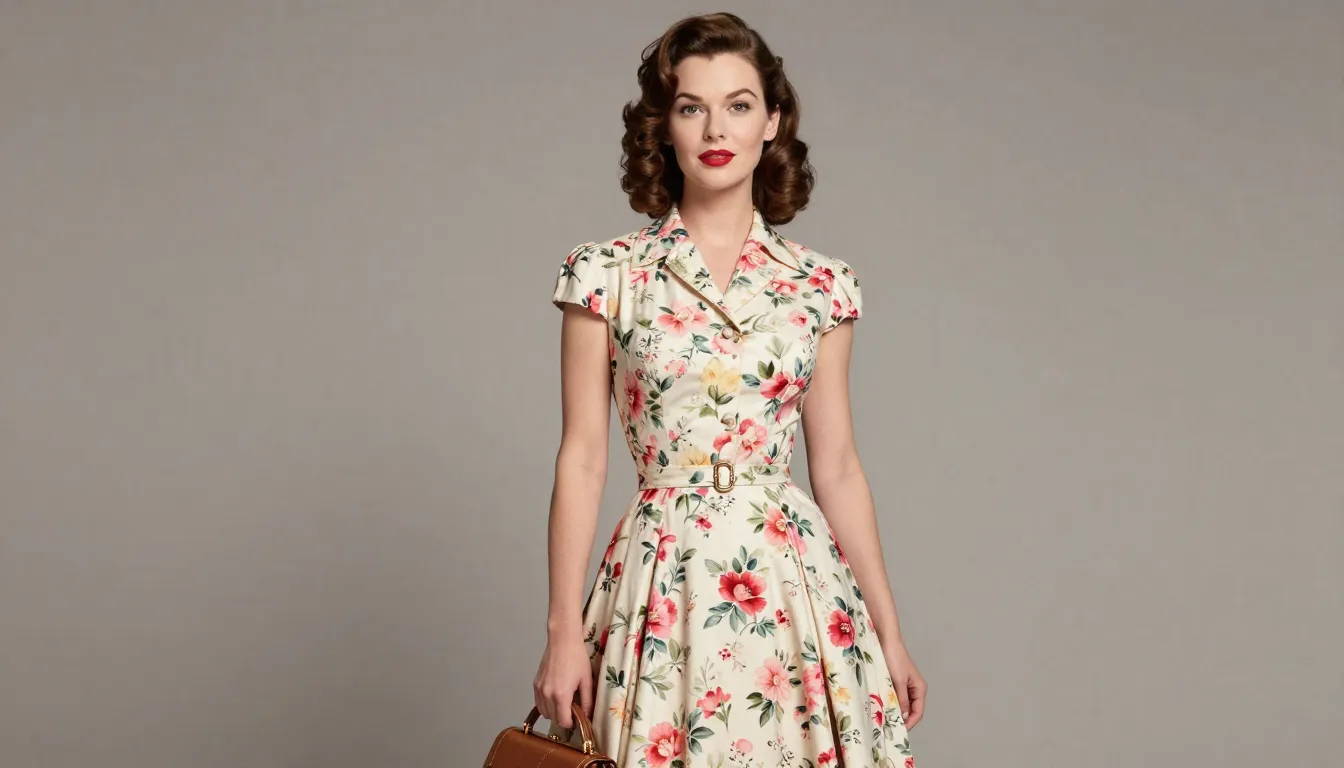
How to Style a Vintage Outfit: A Guide to Timeless Fashion
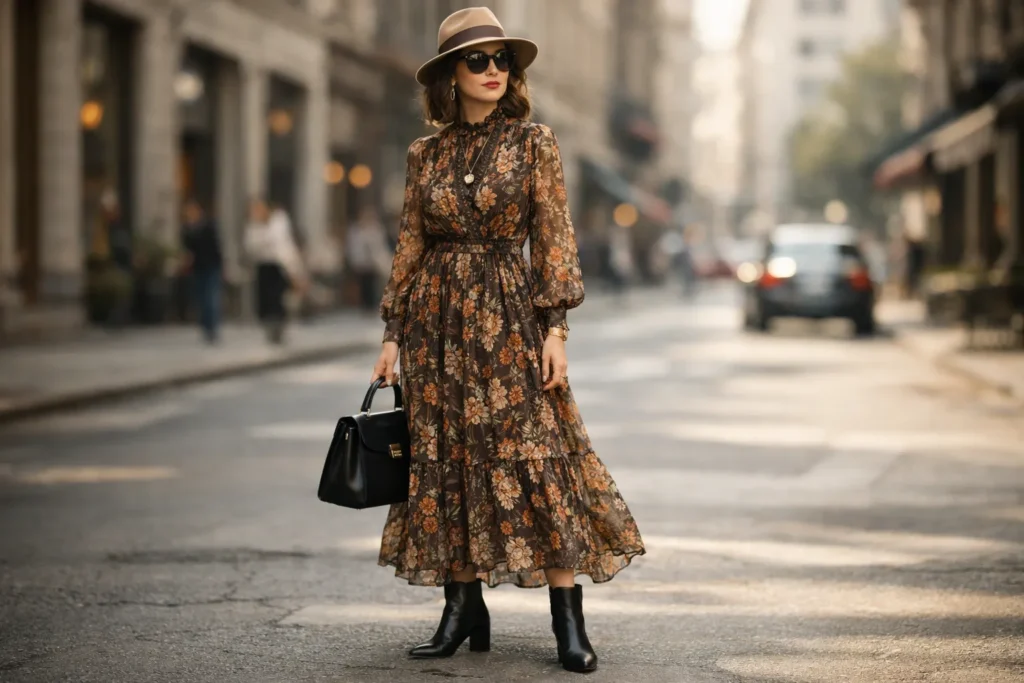
Stepping out in a vintage outfit is more than just wearing old clothes; it’s about embracing a piece of history and telling a story with your style. Vintage fashion offers a unique way to stand out from the crowd, champion sustainability, and connect with the iconic trends of past decades. Whether you’re drawn to the rebellious spirit of the 1950s, the bohemian freedom of the 1970s, or the bold glamour of the 1980s, curating a vintage look is an art form. This comprehensive guide will provide you with the inspiration and practical tips you need to confidently style vintage clothing for a look that is both timeless and uniquely you.
Why We Love Vintage Fashion
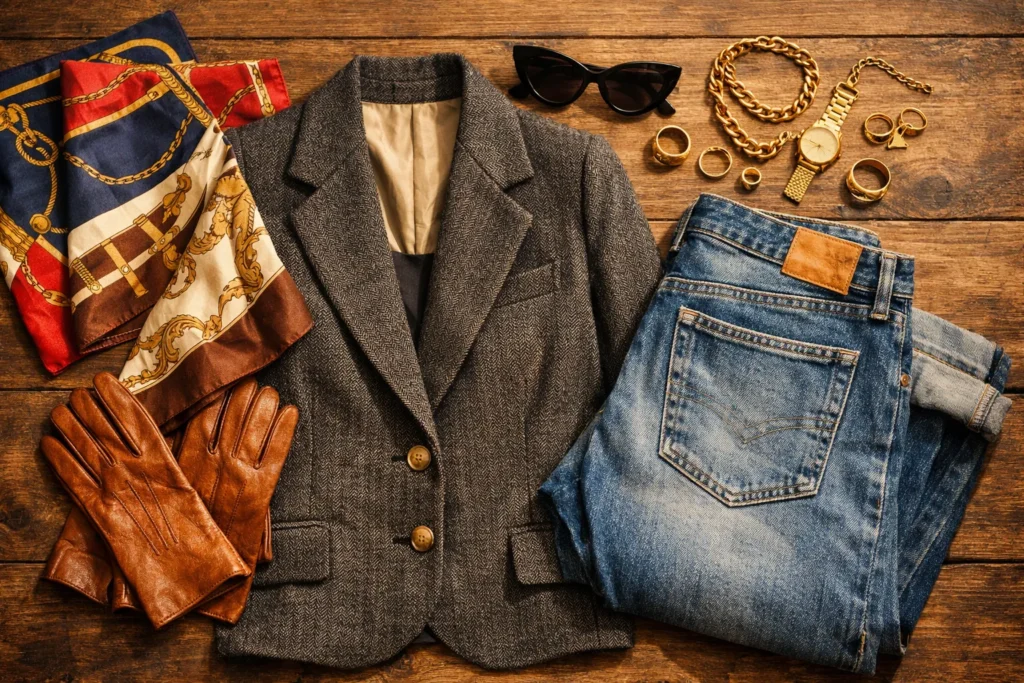
Before we explore the “how,” let’s touch on the “why.” The appeal of vintage clothing goes far beyond simple aesthetics. Incorporating pre-loved pieces into your wardrobe is a choice that comes with several compelling benefits.
Uniqueness and Personal Style
Fast fashion cycles mean that many people end up wearing similar styles from the same handful of stores. Vintage pieces, by contrast, are often one-of-a-kind. Wearing a vintage outfit ensures that you won’t see someone else in the exact same look. It allows for a deeper expression of personal style, creating a wardrobe that is curated and special.
Unmatched Quality and Craftsmanship
Many garments from past decades were made to last. Before the rise of disposable fashion, clothing was constructed with greater attention to detail, using durable fabrics and superior sewing techniques. When you invest in a vintage piece, you’re often getting a level of quality that is hard to find in modern, mass-produced clothing.
Sustainability
The fashion industry is a major contributor to global waste. By choosing vintage, you are participating in a circular economy. You give a pre-loved garment a new life, reducing the demand for new production and keeping clothing out of landfills. It’s one of the most stylish ways to make an eco-conscious choice.
A Journey Through the Decades: Finding Your Era
The term “vintage” covers several decades, each with its own distinct identity. The key to styling a great vintage outfit is to understand the defining silhouettes, colors, and moods of each era. While you can mix and match, focusing on one decade is a great starting point.
The 1940s: Utilitarian Elegance
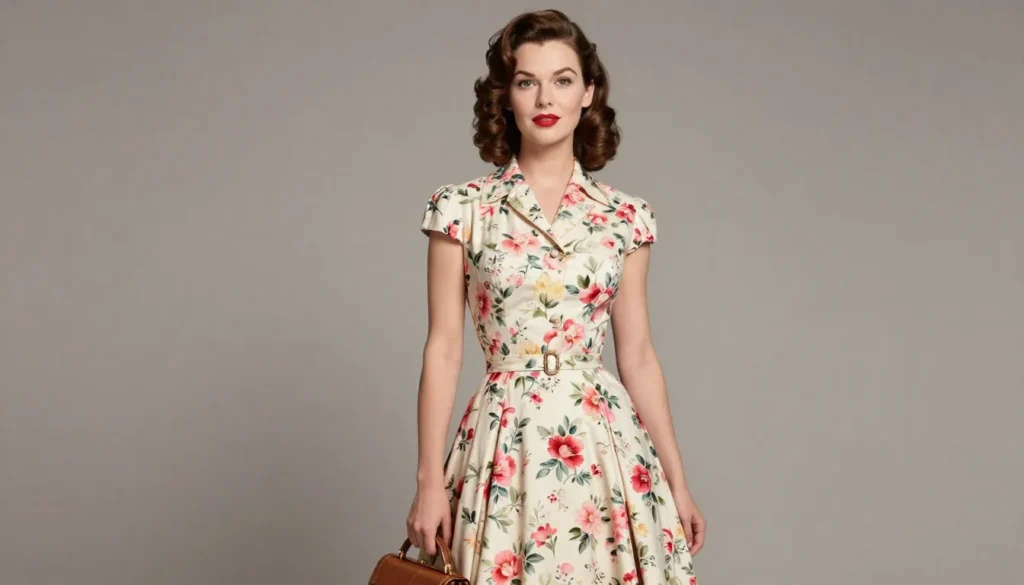
Fashion during this wartime era was defined by resourcefulness and practicality.
- Key Silhouettes: A-line skirts hitting just below the knee, sharp shoulder pads in blouses and jackets, and high-waisted trousers. The hourglass figure was emphasized.
- Fabrics & Prints: Rayon was a popular fabric. Small floral prints, polka dots, and checks were common.
- Iconic Pieces: Tea dresses, tailored suits with peplum jackets, victory rolls hairstyles.
- How to Style It: Pair a floral tea dress with low block heels and a structured handbag. For a more casual look, try high-waisted, wide-leg trousers with a simple button-down blouse tucked in.
The 1950s: Femininity and Rebellion
The post-war era brought a return to glamour and hyper-femininity, but also saw the birth of rock-and-roll rebellion.
- Key Silhouettes: Two main silhouettes dominated: the full, swinging circle skirt (popularized by Dior’s “New Look”) and the slim, form-fitting pencil skirt.
- Fabrics & Prints: Gingham, polka dots, and novelty prints were huge. Fabrics included crisp cotton, satin, and tulle for petticoats.
- Iconic Pieces: Poodle skirts, saddle shoes, cropped cardigans, leather jackets, and blue jeans (for the greaser look).
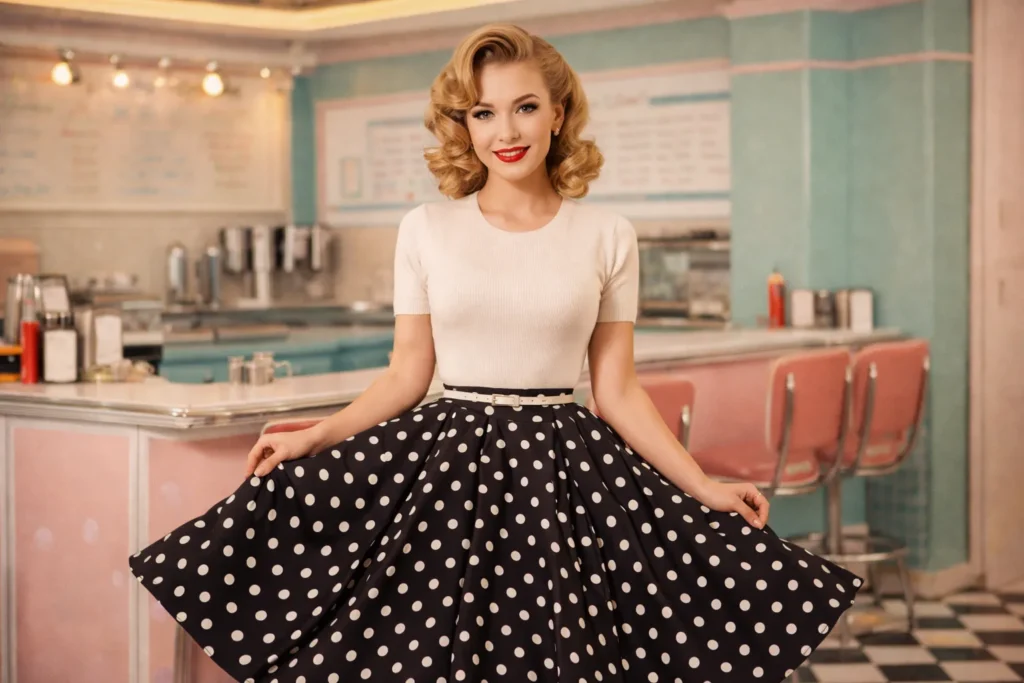
- How to Style It: For a classic feminine look, wear a full midi skirt with a fitted knit top and a thin belt at the waist. For a rebel vibe, pair cuffed dark-wash jeans with a white t-shirt and a black leather jacket.
The 1960s: Revolution and Youthquake
This decade was a tale of two halves. The early ’60s retained a polished, Jackie O-inspired look, while the late ’60s exploded with mod culture and hippie freedom.
- Key Silhouettes: A-line shift dresses, mini skirts, bell-bottom pants, and turtlenecks.
- Fabrics & Prints: Bold geometric prints, psychedelic patterns, PVC, and crochet.
- Iconic Pieces: The mini skirt, go-go boots, shift dresses, colorful tights, and flower-power-inspired peasant blouses.
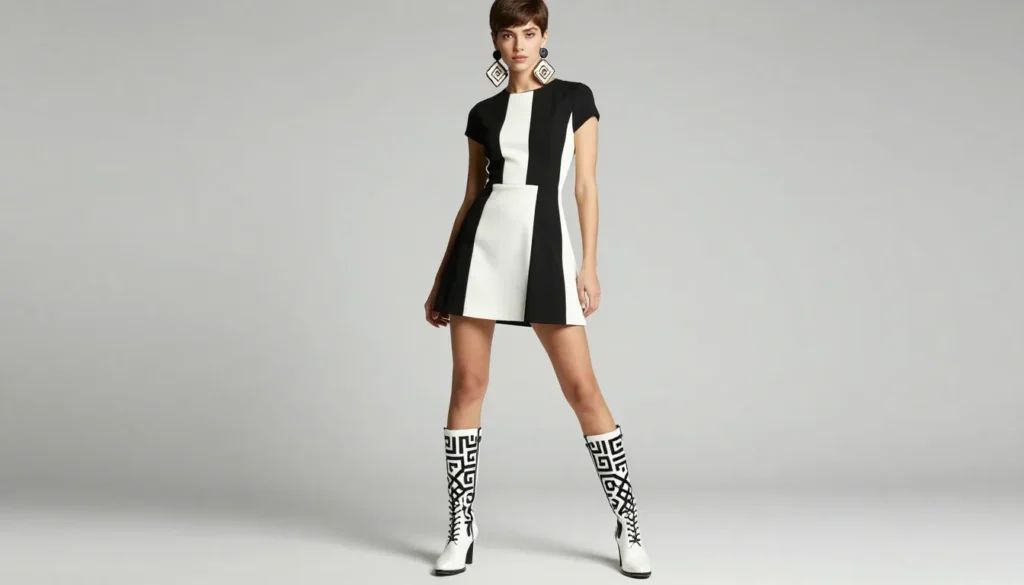
- How to Style It: Create a mod look with a black-and-white A-line mini dress, white go-go boots, and large statement earrings. For a late-60s feel, try flared jeans with a tie-dye t-shirt or a fringed vest.
The 1970s: Disco Glam and Bohemian Spirit
The ’70s were eclectic, ranging from the high glamour of the disco scene to the earthy, laid-back style of the hippies.
- Key Silhouettes: High-waisted and wide-leg trousers (flares), maxi dresses, wrap dresses, and pant-suits.
- Fabrics & Prints: Denim, corduroy, suede, satin, and polyester. Earth tones, paisley prints, and bold florals were popular.
- Iconic Pieces: The wrap dress, platform shoes, high-waisted bell bottoms, fringed jackets, and peasant blouses.
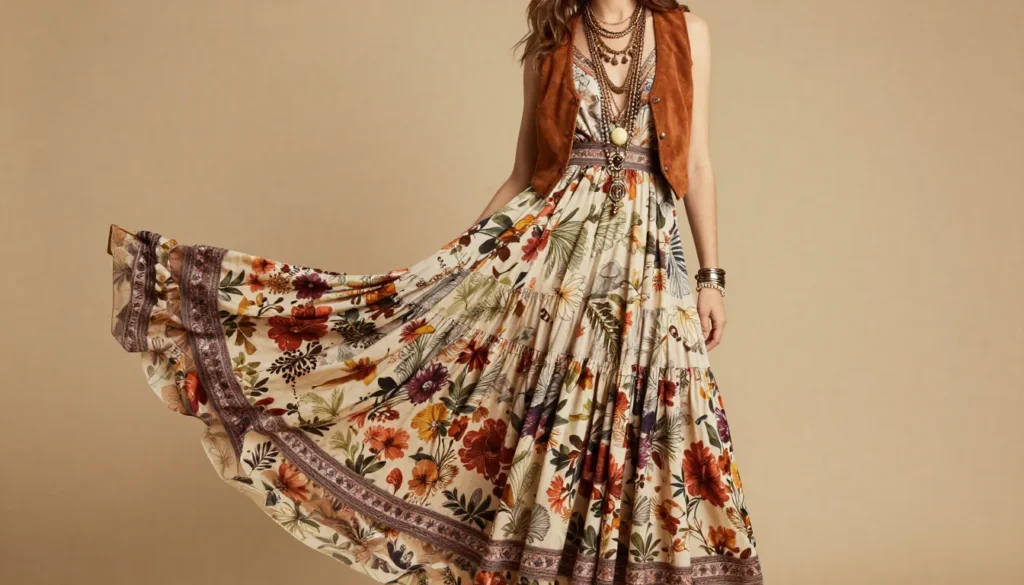
- How to Style It: Embrace the boho look with a flowy floral maxi dress, a suede vest, and platform sandals. For a disco-ready outfit, go for high-waisted satin flares, a sequined top, and a faux fur coat.
The 1980s: Power Dressing and Bold Expression
This was the decade of “more is more.” Fashion was about making a statement with big shoulders, bright colors, and bold accessories.
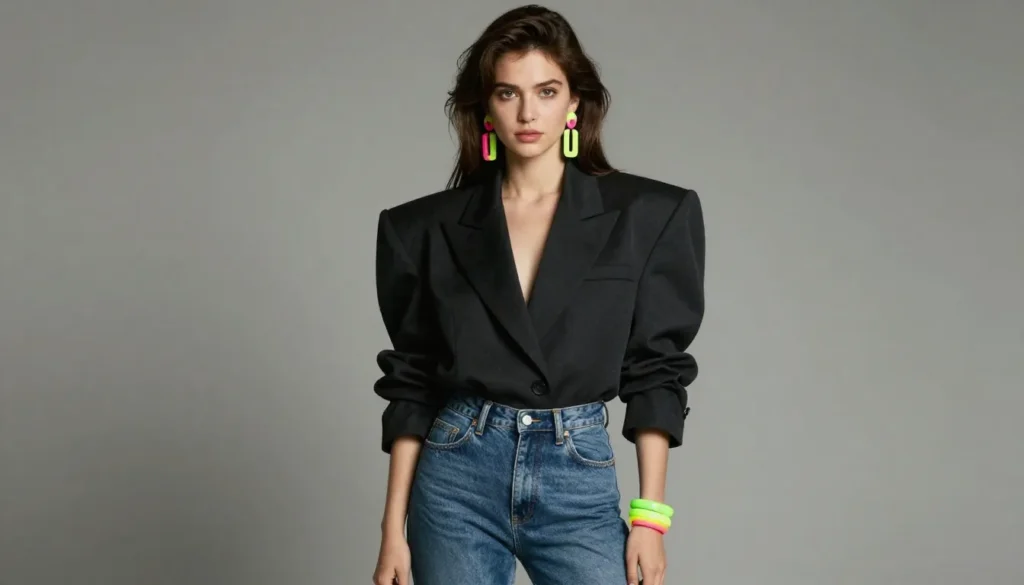
- Key Silhouettes: Exaggerated shoulders (shoulder pads were essential), tapered high-waisted jeans (“mom jeans”), oversized blazers, and mini skirts.
- Fabrics & Prints: Acid-wash denim, spandex, leather, and neon colors. Animal prints and graphic patterns were everywhere.
- Iconic Pieces: Power suits, oversized sweaters, leggings, bomber jackets, and statement t-shirts.
- How to Style It: Pair high-waisted “mom jeans” with an oversized graphic sweatshirt and chunky sneakers. For a power-dressing look, wear a blazer with strong shoulders over a simple top and a pencil skirt.
How to Build a Vintage Outfit Without Looking Like You’re in a Costume
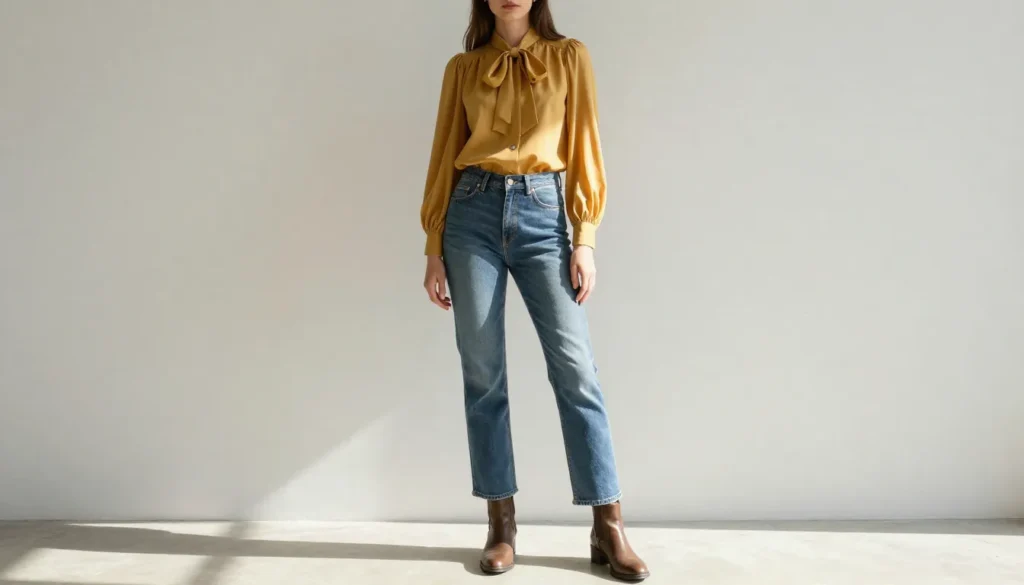
The goal is to look inspired by the past, not stuck in it. The key is balance. Here’s how to integrate vintage pieces into your modern wardrobe for a look that feels fresh and current.
The One-Piece Rule
If you’re new to vintage, start with one statement piece. Build the rest of your outfit with modern, neutral basics.
- Example: Wear a 1970s pussy-bow blouse with your favorite modern jeans and ankle boots. The blouse is the hero, while the rest of the outfit grounds it in the present day.
Mix Eras Carefully
While possible, mixing different vintage decades can be tricky. A better approach is to mix a vintage piece with modern items. If you do mix eras, make sure there’s a common thread, like a color palette or a similar mood.
- Example: A 1950s circle skirt could work with a 1980s band t-shirt if you’re going for a punk or rockabilly aesthetic.
Focus on Fit
The most important part of making vintage wearable is ensuring it fits you perfectly. Silhouettes from the past were designed for different body types and undergarments. Don’t be afraid to take a piece to a tailor. A simple adjustment, like hemming a dress or taking in the waist of a skirt, can make a world of difference.
Accessorize Thoughtfully
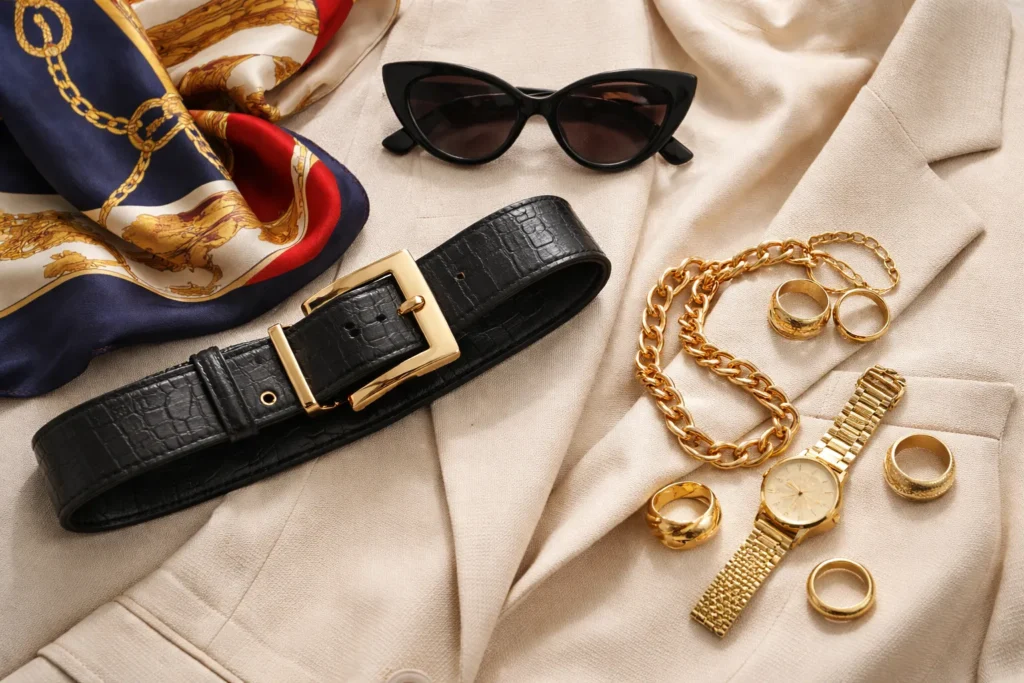
Accessories are a fantastic way to nod to a vintage trend without committing to a full outfit.
- A 1940s-style silk scarf tied around your neck or handbag.
- A pair of 1960s cat-eye sunglasses.
- A 1980s chunky statement belt.
Modern clothes paired with vintage accessories create a subtle, sophisticated look.
Where to Find Authentic Vintage Clothing
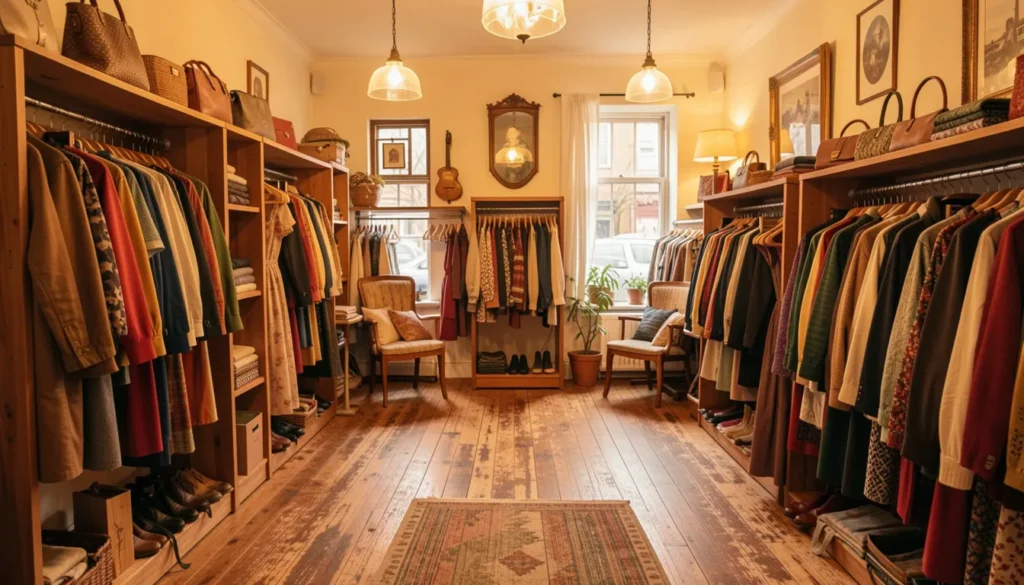
Building your vintage collection is a treasure hunt. Here are the best places to look:
- Local Thrift Stores: These can be hit-or-miss but offer the lowest prices. It requires patience, but finding a hidden gem is incredibly rewarding.
- Curated Vintage Boutiques: These stores do the hard work for you, selecting high-quality, on-trend pieces. You’ll pay more, but you’re paying for curation and condition.
- Online Marketplaces: Websites like Etsy, Depop, and eBay have vast selections of vintage clothing from sellers around the world. Be sure to check measurements and read seller reviews carefully.
- Flea Markets and Estate Sales: These are excellent for finding unique accessories, jewelry, and true antique pieces.
Conclusion:
Styling a vintage outfit is a creative journey that connects you to the fashion of the past while highlighting your individuality in the present. It’s about celebrating craftsmanship, making sustainable choices, and having fun with your clothes. Whether you choose a single vintage accessory or a head-to-toe look from your favorite decade, the most important rule is to wear it with confidence. Use this guide as a starting point, but don’t be afraid to break the rules and create a style that is entirely your own.
Frequently Asked Questions (FAQs)
1. What is the difference between “vintage” and “antique” clothing?
Generally, “vintage” refers to items that are at least 20 years old but less than 100. “Antique” is reserved for items that are 100 years old or more. So, a dress from the 1980s is vintage, while a dress from the 1920s is on the cusp of becoming an antique.
2. How do I care for my vintage clothing?
Vintage garments are delicate. Always check the fabric content. Natural fibers like cotton and linen are more durable, but old silks and rayons can be very fragile. When in doubt, hand wash gently in cold water or take it to a trusted dry cleaner who has experience with vintage textiles. Never put vintage clothing in a machine dryer; always air-dry.
3. What if I can’t find vintage pieces in my size?
This is a common challenge, as sizing has changed over the decades. Don’t just look at the size on the tag; focus on the measurements. If you’re looking for plus-size vintage, it can be harder to find from earlier decades but becomes more available from the 1970s onward. Another option is to look for “vintage-inspired” or reproduction clothing, which offers retro style in modern sizes.
4. Can men wear vintage outfits too?
Absolutely! Men’s vintage fashion is rich with classic styles. Think 1950s bowling shirts and leather jackets, 1970s dagger-collar shirts and flared trousers, or 1980s bomber jackets and classic denim. The same principles of mixing vintage with modern apply.
5. Is it okay to alter vintage clothing?
This is a debated topic. If it’s a rare, designer, or historically significant piece, it’s best to leave it as is. However, for most everyday vintage finds, tailoring the piece to fit you perfectly is a great idea. A garment that fits you well will be worn and loved, which is better than it sitting in a closet unaltered.