A Guide to Traditional Indian Outfits & Modern Ethnic Wear
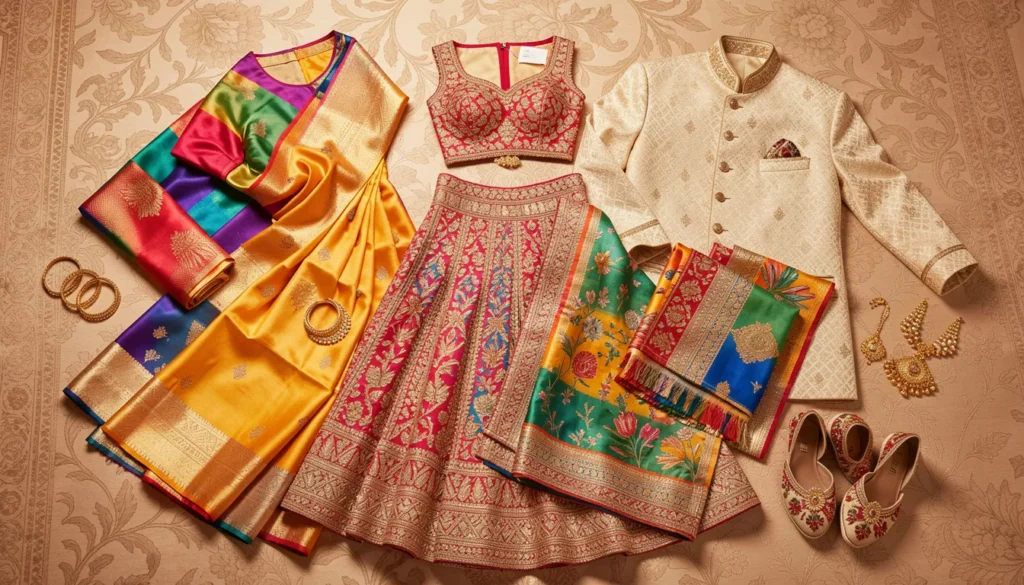
The world of fashion is vast, but few clothing styles offer the same richness, history, and vibrancy as traditional Indian outfits. From the graceful drape of a saree to the intricate embroidery of a lehenga, Indian ethnic wear is a celebration of culture, craftsmanship, and personal expression. These garments are more than just clothing; they are a story woven from centuries of tradition, regional diversity, and artistic innovation.
Whether you’re attending a wedding, celebrating a festival, or simply looking to incorporate more color and elegance into your wardrobe, this guide will serve as your introduction. We will explore the most iconic garments, understand the fabrics and craftsmanship involved, and offer tips on how to style these beautiful pieces for any occasion.
The Cornerstones of Indian Ethnic Wear for Women
Indian fashion for women is incredibly diverse, with styles that vary significantly from one region to another. However, a few key garments have achieved universal popularity and are recognized globally as symbols of Indian culture.
The Saree: An Icon of Elegance
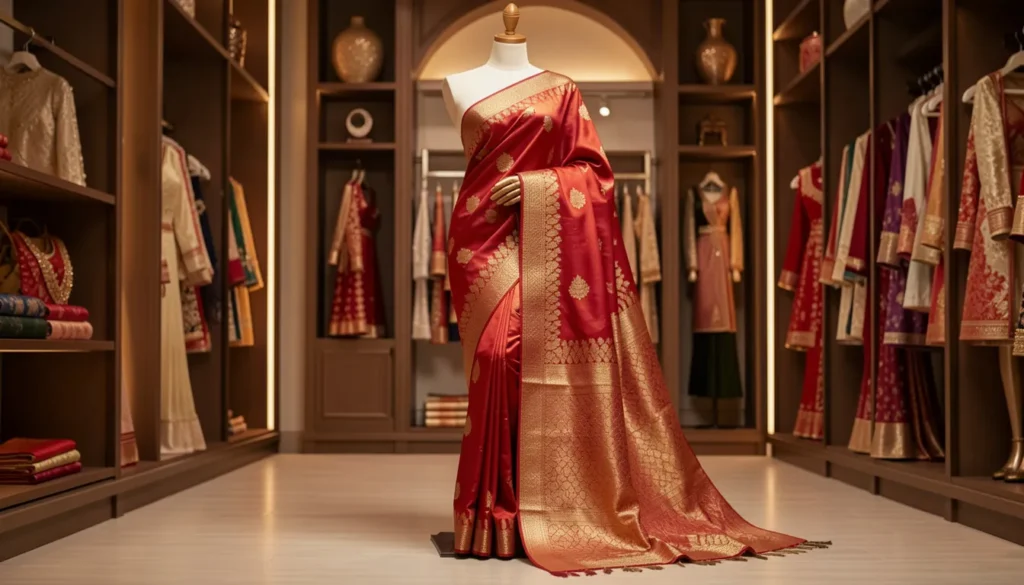
The saree (or sari) is perhaps the most quintessential Indian garment. It consists of an unstitched drape of fabric, typically ranging from five to nine yards in length, which is artfully wrapped around the body. It’s worn with a fitted blouse (choli) and a petticoat (underskirt).
- Draping Styles: There are over 80 recorded ways to drape a saree, with the most common being the Nivi drape, which originated in Andhra Pradesh. Other popular styles include the Bengali drape, the Gujarati seedha pallu, and the Maharashtrian Nauvari.
- Fabrics and Weaves: Sarees are crafted from a vast array of materials. For daily wear, cotton and georgette are popular choices. For special occasions, women opt for luxurious silks like Banarasi, Kanjeevaram, and Mysore silk, often featuring intricate zari (gold or silver thread) work.
- Modern Interpretations: Contemporary designers are constantly reinventing the saree with pre-draped versions, concept sarees with belts, and innovative blouse designs like off-the-shoulder or collared styles.
The Lehenga Choli: Fit for a Celebration
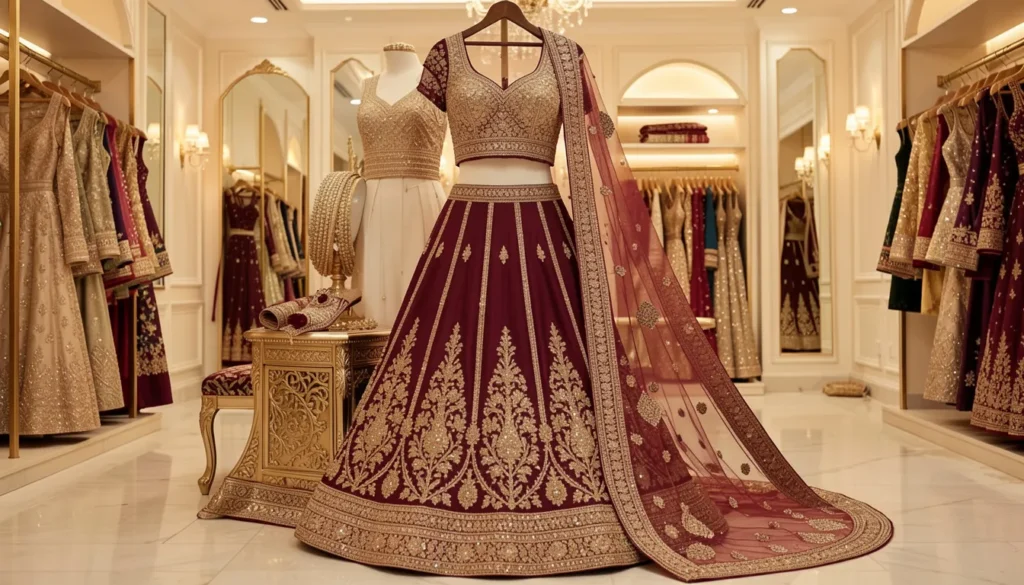
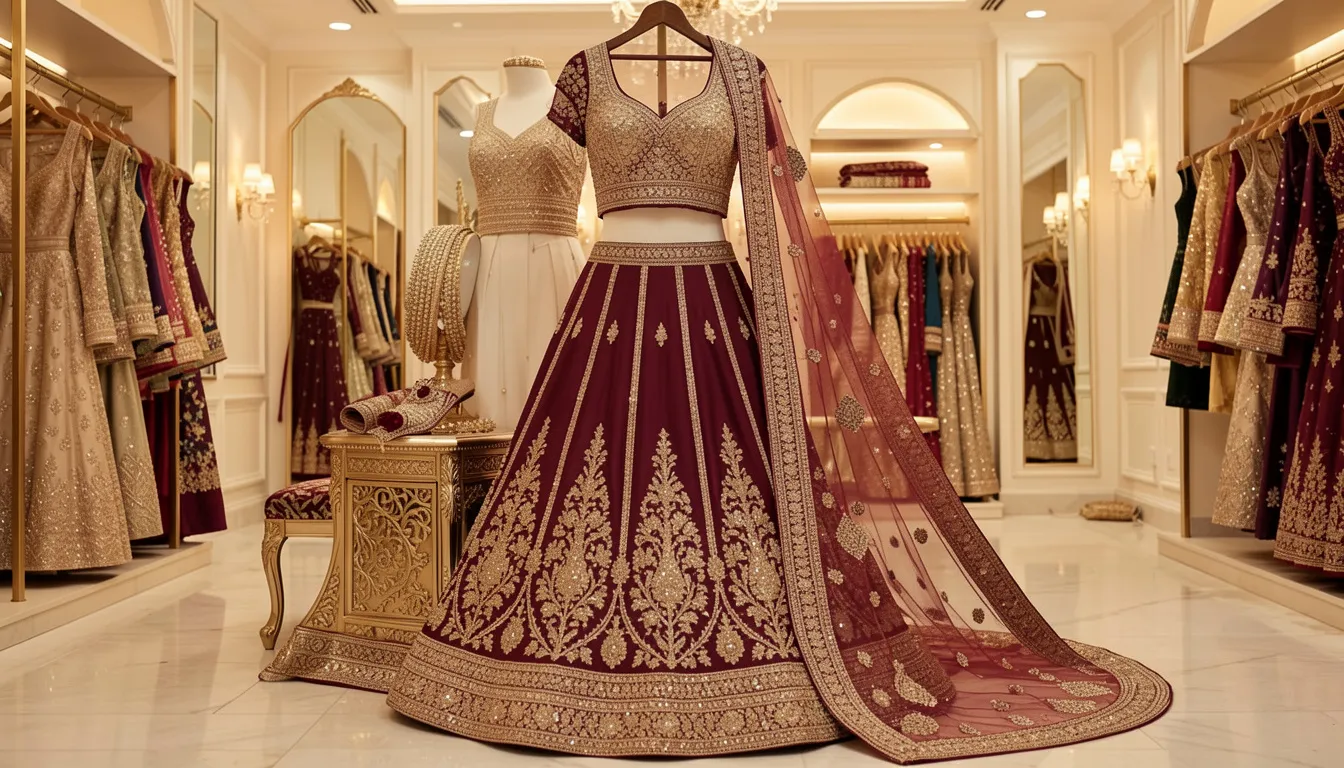
The lehenga choli is a three-piece ensemble that is a go-to choice for weddings, festivals, and grand celebrations.
- The Lehenga: A long, embellished skirt that can range in silhouette from A-line to flared or fishtail.
- The Choli: A fitted, often cropped, blouse.
- The Dupatta: A long scarf or shawl that is draped over the shoulder or head, completing the look.
Lehengas are known for their heavy embellishments, including embroidery, mirror work (shisha), sequins, and zardozi. The silhouette of the lehenga can create a dramatic, regal effect, making it a favorite for brides and wedding guests alike.
The Salwar Kameez and Anarkali Suit
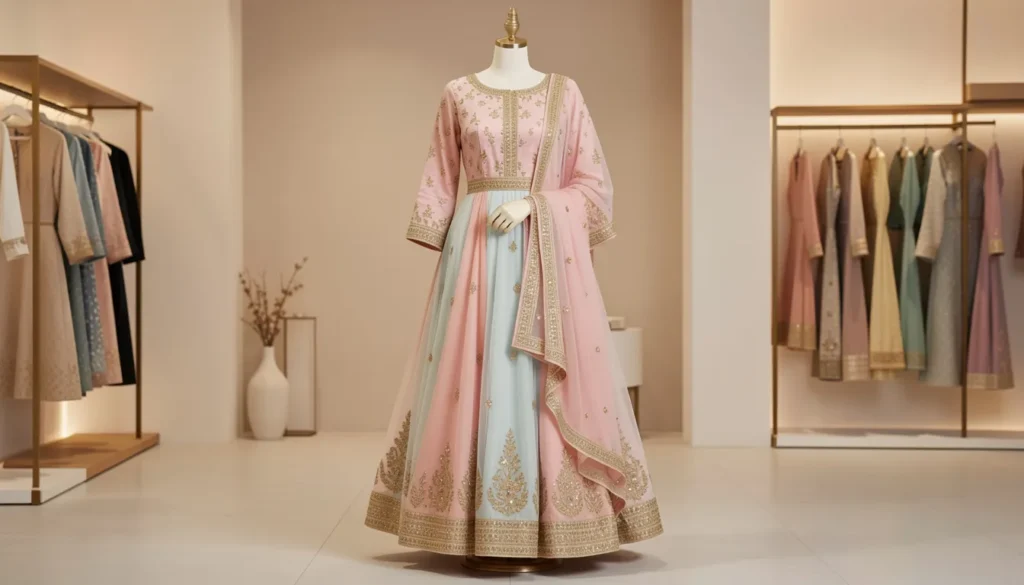
The salwar kameez is a versatile and comfortable two or three-piece outfit popular across South Asia.
- Kameez: A long tunic or top.
- Salwar: Loose-fitting trousers that are wider at the top and tapered at the ankle.
- Dupatta: An optional matching scarf.
A popular variation is the Anarkali suit. It features a long, frock-style top (the Anarkali) that is fitted at the bust and flares out, paired with slim-fit trousers (churidar). This silhouette is flattering on many body types and exudes a timeless, royal charm, making it perfect for semi-formal events.
The Kurta and Kurti
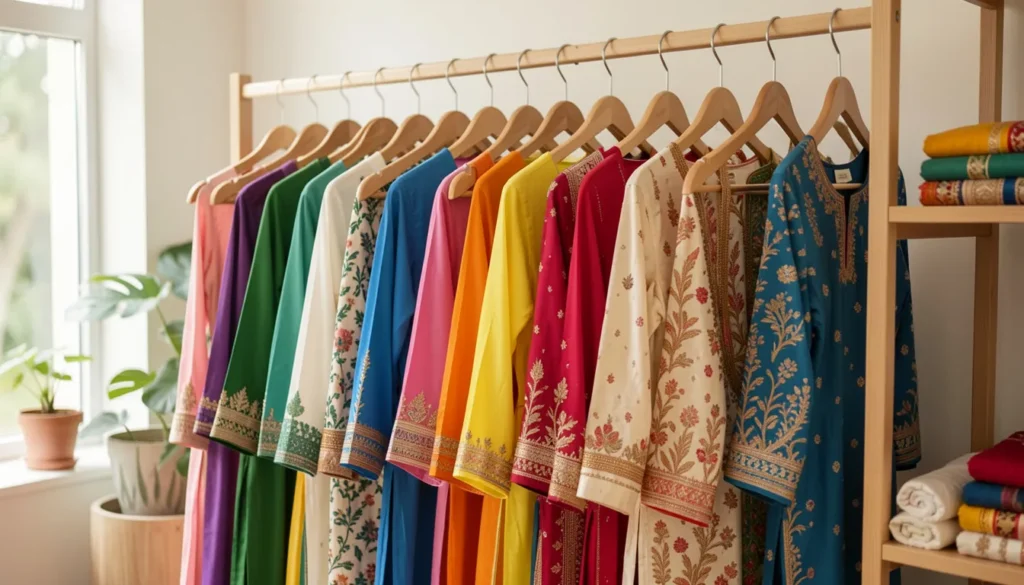
A kurta is a long, loose-fitting shirt that can be worn by both men and women. A kurti is simply a shorter version of the kurta, typically hip-length or waist-length, worn exclusively by women. Kurtis are incredibly versatile and can be paired with jeans, leggings, palazzos, or skirts, making them a staple of modern Indian casual wear.
Key Indian Outfits for Men
Indian menswear offers a sophisticated blend of comfort and style, perfect for cultural events and celebrations.
The Sherwani: The Epitome of Royal Attire
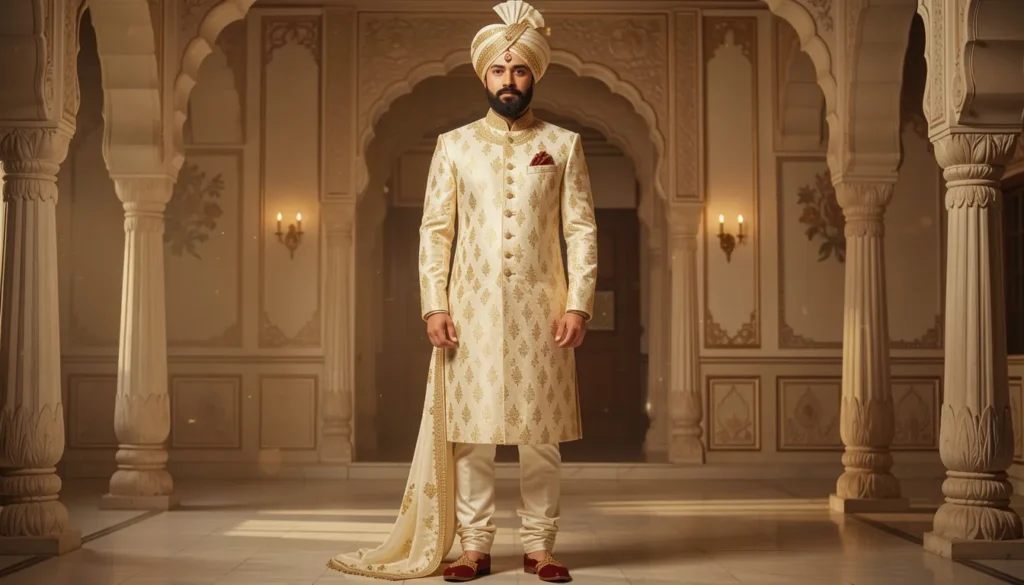
A sherwani is a long, coat-like garment, buttoned up to the collar and extending to below the knee. It is typically worn over a kurta and paired with churidar or dhoti pants. Made from rich fabrics like silk or brocade and often heavily embroidered, the sherwani is the most popular choice for grooms at Indian weddings.
The Kurta Pajama
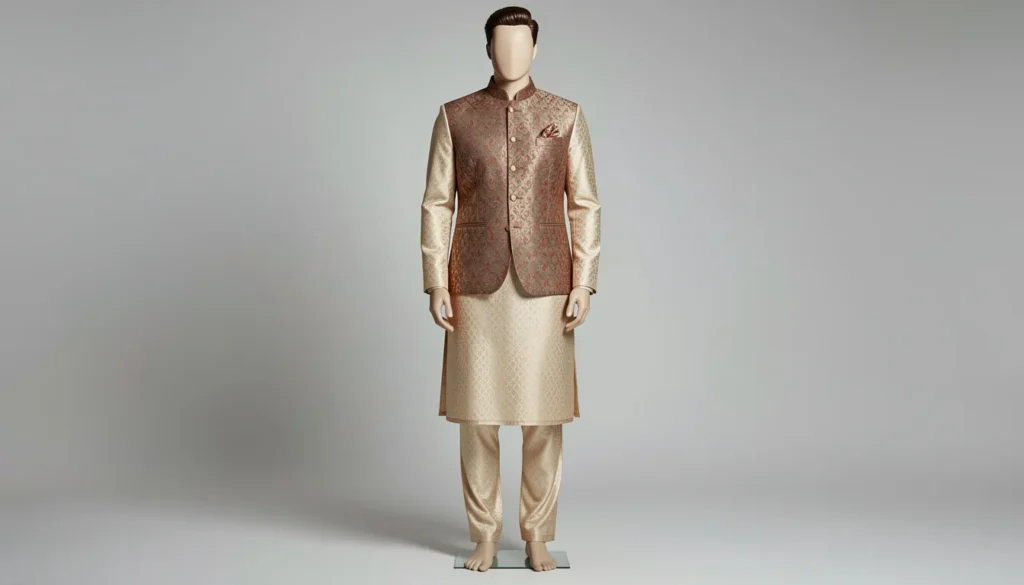
This is the most common traditional outfit for men. It consists of a kurta paired with loose-fitting trousers called pajama. A Nehru jacket—a sleeveless, hip-length tailored coat with a mandarin collar—is often layered over the kurta to create a more formal, polished look. This three-piece ensemble is perfect for festivals like Diwali or pre-wedding functions like a Sangeet.
The Dhoti and Bandhgala
- Dhoti: An unstitched garment, similar to a sarong, that is wrapped around the waist and legs. It is often paired with a kurta and is popular in rural areas and for religious ceremonies.
- Bandhgala: Also known as a Jodhpuri suit, this is a formal suit that originated in Jodhpur. It combines a tailored jacket with a mandarin collar (the Bandhgala) with trousers. It’s a sophisticated fusion of Indian and Western tailoring.
Fabrics, Colors, and Craftsmanship
The beauty of Indian outfits lies in the details. The choice of fabric, the vibrancy of the colors, and the skill of the artisans are what make each piece a work of art.
A World of Textiles
India has a rich history of textile production, with each region specializing in unique weaves.
- Banarasi Silk: From Varanasi, known for its opulent brocades with intricate gold and silver zari work.
- Kanjeevaram Silk: From Tamil Nadu, famous for its durability, vibrant colors, and temple-inspired motifs.
- Chanderi: A lightweight, sheer fabric from Madhya Pradesh with a luxurious feel.
- Bandhani (Tie-Dye): A traditional tie-dye technique from Gujarat and Rajasthan that creates intricate patterns.
The Symbolism of Color
Colors play a significant role in Indian culture and are chosen carefully for different occasions.
- Red: The color of love, passion, and prosperity. It is the most popular color for bridal wear.
- Yellow and Orange: Associated with happiness, auspiciousness, and new beginnings. Often worn for festivals and pre-wedding ceremonies like the Haldi.
- Green: Symbolizes nature, fertility, and harmony.
- White: Represents purity but is also associated with mourning in some contexts.
How to Style Indian Outfits for Any Occasion
Wearing Indian clothing is an experience. Here’s how to put together a complete look.
- For a Wedding: Women can opt for a heavily embellished lehenga or a rich silk saree. Men can choose a sherwani or a Bandhgala suit. Don’t be afraid of bold colors and heavy jewelry.
- For a Festival (like Diwali): An Anarkali suit, a designer kurta set, or a lightweight lehenga is perfect. For men, a kurta pajama with a vibrant Nehru jacket is a classic choice.
- For Casual Wear: A simple cotton kurti paired with jeans or palazzo pants is a comfortable and stylish option for daily wear.
Accessorizing is key. Jhumkas (bell-shaped earrings), bangles, a bindi (a decorative dot on the forehead), and a statement necklace can elevate any Indian outfit. For footwear, mojaris or juttis (traditional embroidered leather shoes) complement ethnic wear perfectly.
Conclusion
Indian outfits offer a spectacular array of choices for anyone looking to embrace vibrant colors, exquisite craftsmanship, and timeless elegance. From the regal saree to the stately sherwani, each garment carries a piece of cultural heritage. As global fashion continues to draw inspiration from these traditional designs, the appeal of Indian ethnic wear only grows stronger. By understanding the key styles and the stories behind them, you can confidently select and style the perfect Indian outfit for any event on your calendar.
Frequently Asked Questions (FAQs)
What do you wear to an Indian wedding as a guest?
For women, a lehenga, Anarkali suit, or a saree are all excellent choices. It’s best to avoid black or white and opt for bright, festive colors. For men, a kurta set with a Nehru jacket or a simple suit is appropriate. It’s respectful to avoid being more elaborately dressed than the bride or groom.
Can non-Indians wear Indian outfits?
Absolutely! Wearing Indian clothing is widely seen as a sign of appreciation for the culture, especially when worn respectfully at cultural events like weddings or festivals. People in India are generally welcoming and happy to see others embrace their traditional attire.
What is the difference between a kurta and a kameez?
While often used interchangeably, a kameez is traditionally part of a salwar kameez set and is usually more structured. A kurta is a more general term for a tunic that can be worn with various bottoms, including jeans, and is often less formal.
How do you care for heavily embroidered Indian clothes?
Most heavily embellished garments, especially those made of silk or with delicate zardozi work, should be dry-cleaned only. Store them by wrapping them in a muslin cloth to protect the fabric and embroidery from damage and discoloration.