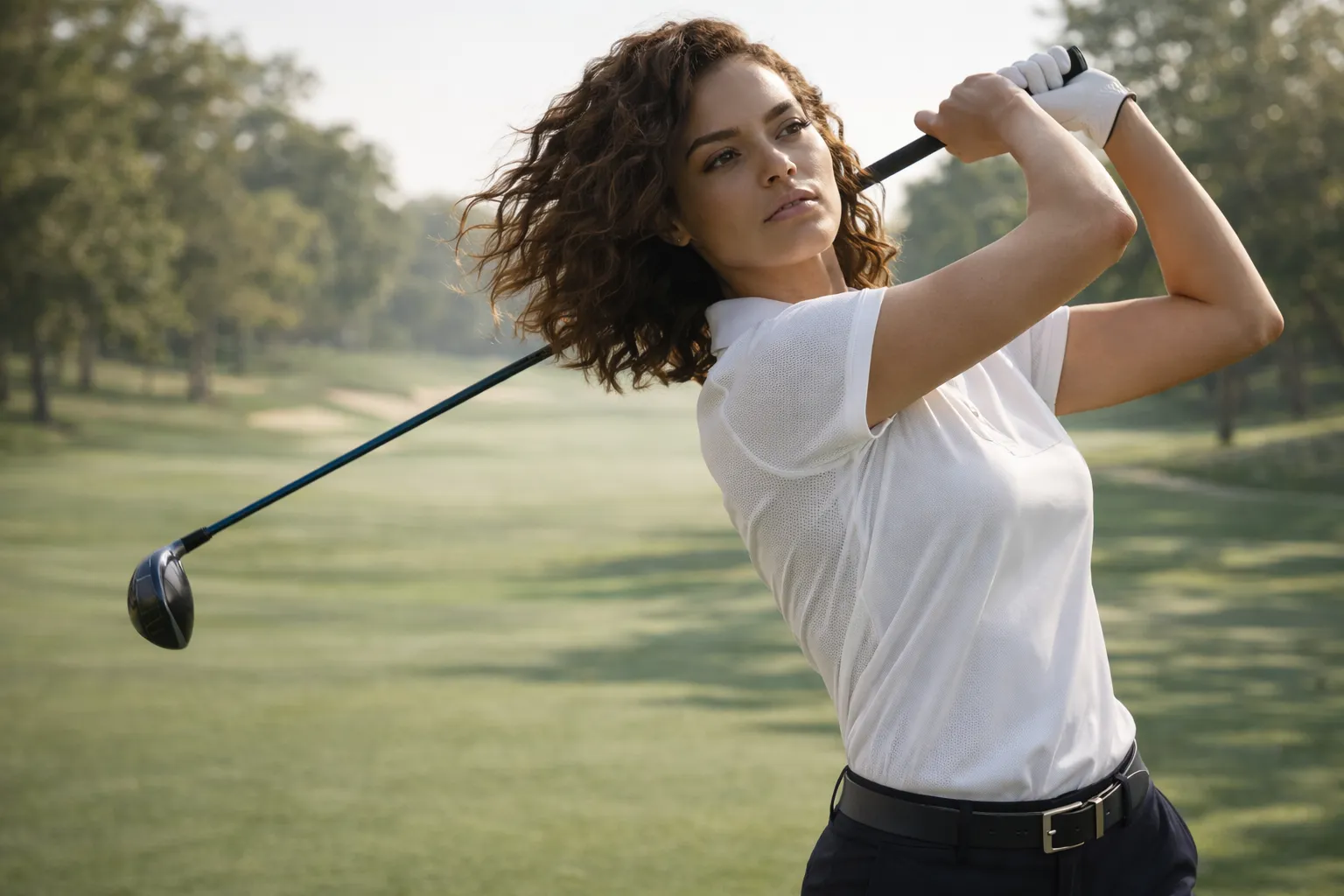
The Ultimate Golf Outfit Guide: Mastering Style and Etiquette on the Green
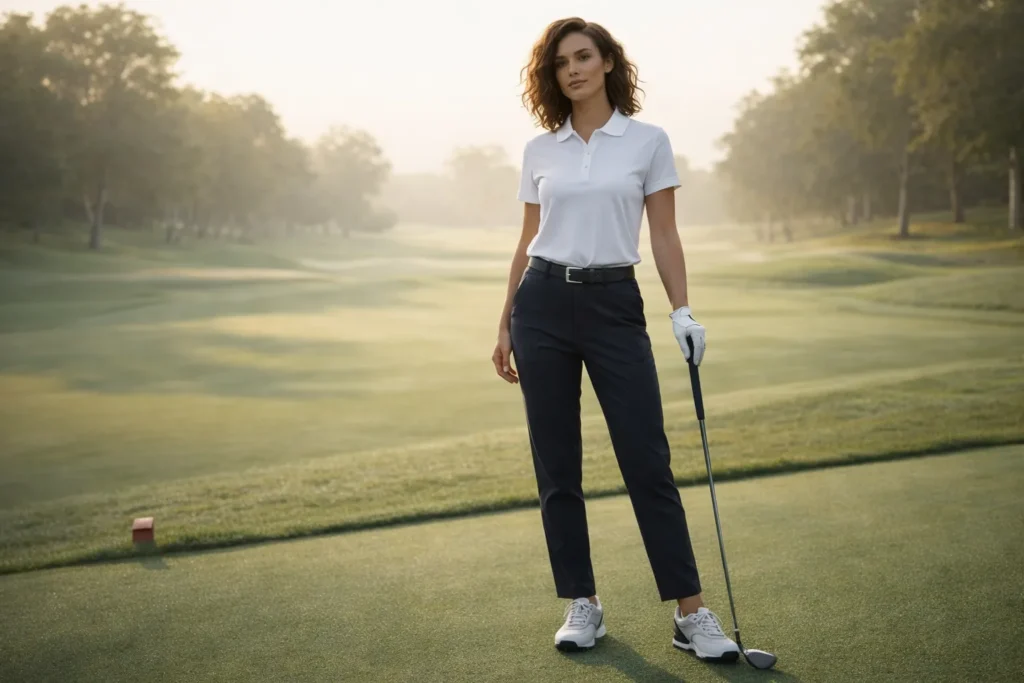
Walking onto the first tee involves more than just having the right clubs and a solid swing; your appearance plays a pivotal role in the game’s tradition. A proper golf outfit does double duty: it respects the sport’s long-standing etiquette while providing the technical performance you need to play your best. Whether you are a seasoned pro or a weekend warrior just learning the ropes, understanding how to dress for the course is essential.
Golf fashion has evolved significantly over the decades. Gone are the days of stiff, heavy wools and restrictive cuts. Today, modern golf apparel blends athletic performance with sophisticated style, allowing players to transition seamlessly from the 18th hole to the clubhouse lunch. In this comprehensive guide, we will break down every element of the perfect golfing ensemble, ensuring you look sharp, feel comfortable, and adhere to the rules of the club.
Understanding Golf Course Dress Codes

Before you even think about buying new gear, you must understand the environment where you will be playing. Golf is unique in the sporting world because it is deeply rooted in tradition, and dress codes are strictly enforced at many private and semi-private clubs.
Public vs. Private Courses
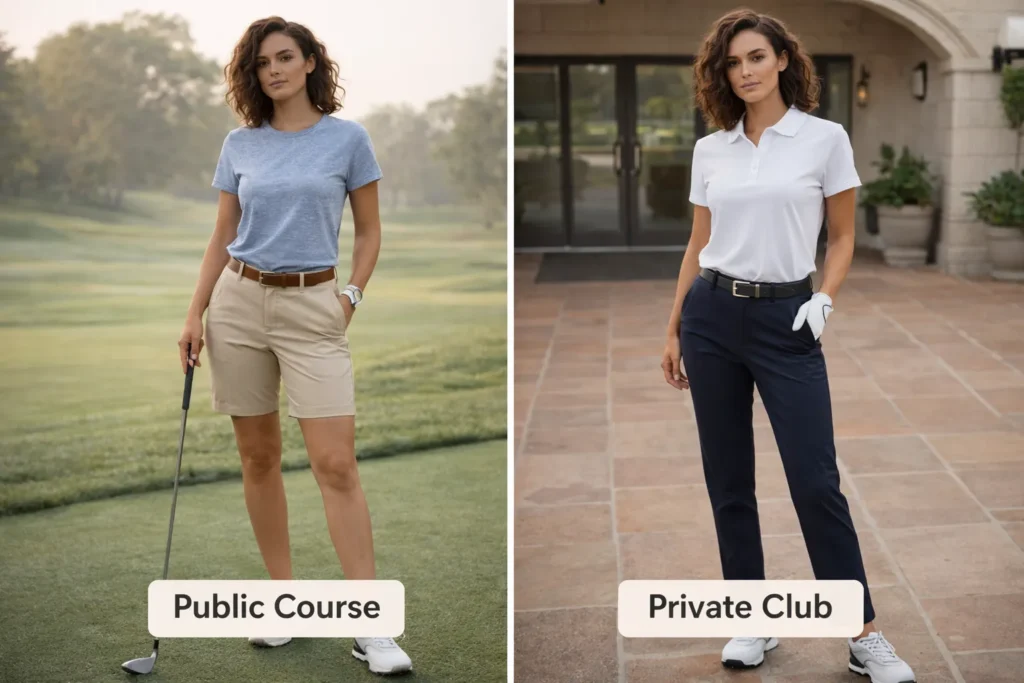
The strictness of the dress code often depends on the type of course.
- Municipal/Public Courses: These tend to be more relaxed. You can often get away with a neat t-shirt and athletic shorts, though a collared shirt is still the standard recommendation.
- Private/Country Clubs: These institutions often have rigid rules. Collared shirts are non-negotiable, denim is usually forbidden, and shirts must be tucked in. Some even require knee-length socks if you are wearing shorts.
- Resort Courses: These fall somewhere in between, usually requiring “resort casual” attire. This means polo shirts and golf slacks or shorts, but the vibe is slightly more relaxed than a stuffy private club.
The “No Denim” Rule
If there is one golden rule to remember for your golf outfit, it is this: leave the blue jeans at home. Almost every reputable course prohibits denim. Jeans are viewed as too casual and can be uncomfortable for playing in warm weather. Instead, opt for chinos, performance slacks, or golf-specific trousers.
The Anatomy of a Men’s Golf Outfit

For men, the standard golf uniform is relatively straightforward, but the details matter. Fit, fabric, and color coordination separate the novices from the stylish players.
The Polo Shirt: The Foundation

The collared shirt, or polo, is the cornerstone of men’s golf attire.
- Material Matters: Avoid 100% cotton polos, which hold moisture and become heavy when you sweat. Look for performance blends (polyester, spandex, or technical cotton) that offer moisture-wicking properties and UV protection.
- The Fit: Your shirt should allow for a full range of motion without being baggy. Excess fabric can get in the way of your swing. The sleeves should hit around the mid-bicep, and the length should be sufficient to stay tucked in during your follow-through.
- Style Variations: While solid colors are safe, don’t be afraid of stripes or subtle micro-prints. However, avoid loud, novelty patterns unless you are confident you can pull them off.
Trousers and Shorts
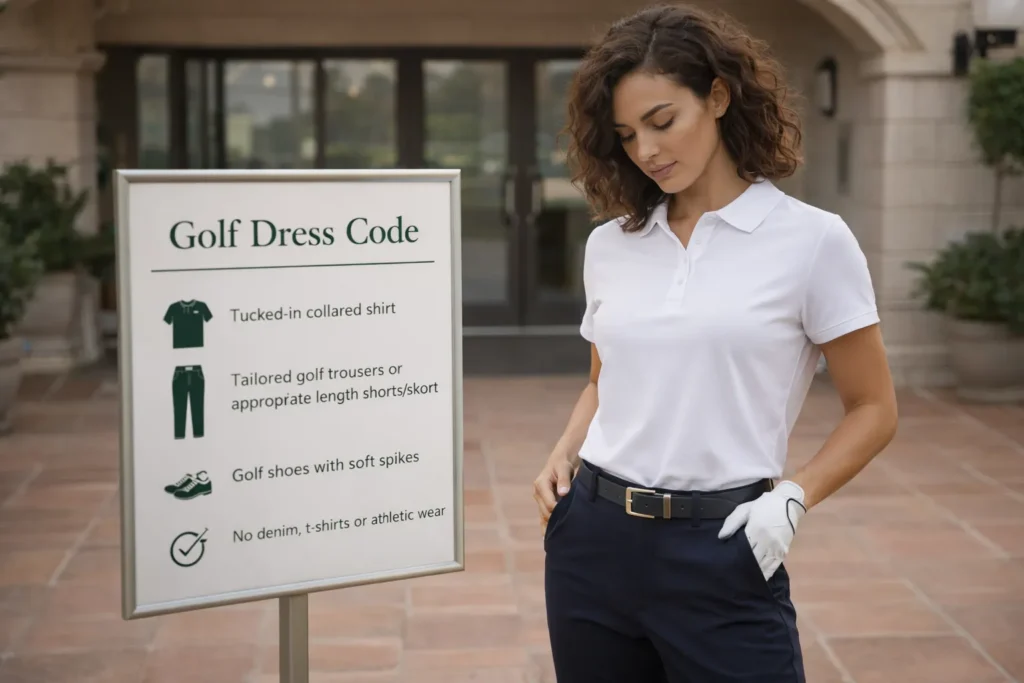
Your choice of legwear depends largely on the weather and the formality of the club.
- Golf Slacks: A pair of well-tailored golf trousers is appropriate year-round. Look for lightweight, breathable fabrics with a bit of stretch. Neutral colors like khaki, navy, grey, and black are versatile staples.
- Shorts: In warmer weather, golf shorts are standard. The ideal length is just above the knee. Cargo shorts with bulky side pockets are generally frowned upon in the golf world; stick to flat-front styles for a cleaner silhouette.
- The Belt: Always wear a belt. It ties the look together and is often required if your shirt is tucked in. A braided or woven belt offers flexibility and comfort as you rotate your hips.
Layering for the Elements
Weather on the course can be unpredictable.
- Vests and Pullovers: A quarter-zip pullover or a performance vest is perfect for chilly mornings. They keep your core warm without restricting arm movement.
- Rain Gear: A lightweight, packable rain jacket is a smart addition to your bag. Look for “quiet” fabrics that don’t rustle loudly when you move.
The Anatomy of a Women’s Golf Outfit
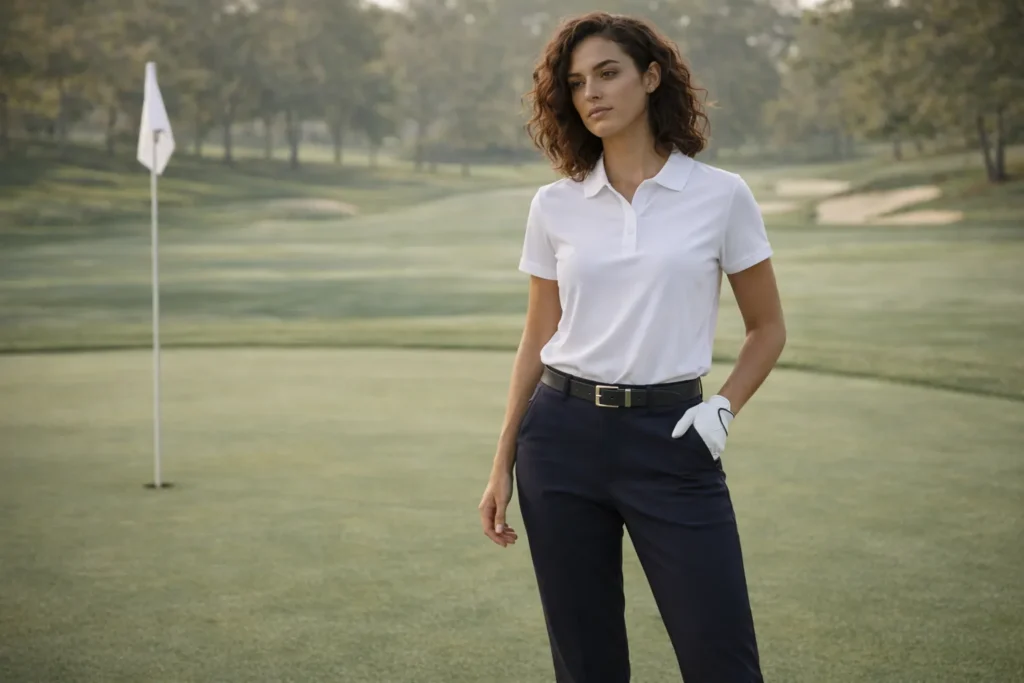
Women’s golf fashion has seen an explosion of creativity in recent years. The options are far more varied than men’s, ranging from classic cuts to athletic, fashion-forward designs.
Tops: Polos and Beyond
While the collar is still king (or queen), women have more neckline options.
- The Modern Polo: Sleeveless, short-sleeve, and long-sleeve polos are all acceptable. Look for contoured fits that aren’t too tight.
- Mock Necks: Many courses now accept mock neck shirts, which provide a modern, athletic look.
- Racerbacks: Some very modern courses allow racerback tops, but usually only if they have a collar. Always check the specific club rules before wearing these.
Bottoms: Skorts, Shorts, and Pants
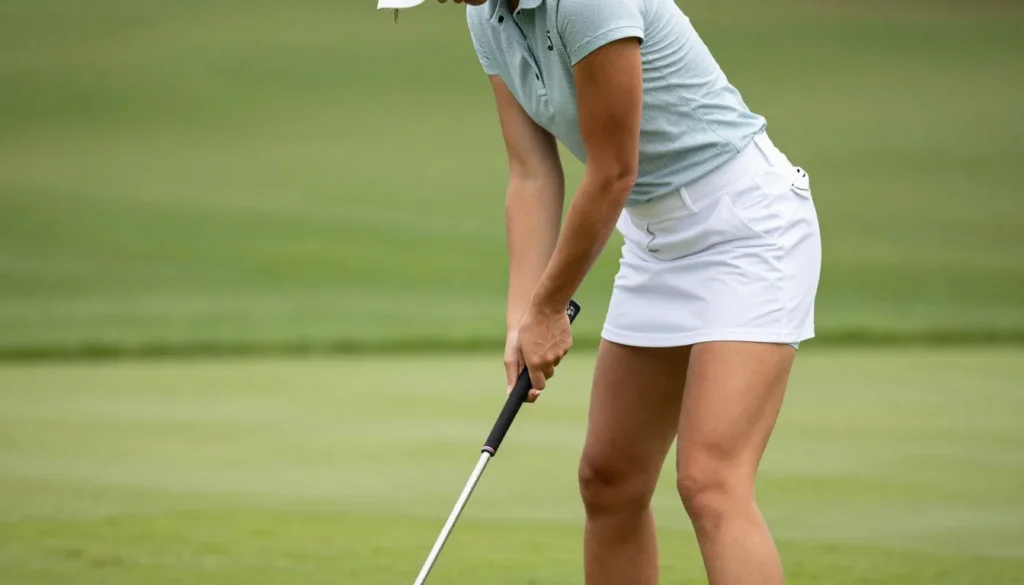
- The Skort: The golf skort (a skirt with built-in shorts) is arguably the most popular item in a woman’s golf outfit. It offers the feminine look of a skirt with the practicality of shorts, allowing you to bend and crouch to read putts with confidence.
- Golf Dresses: Athletic dresses designed for golf are a fantastic “one-and-done” option. They are comfortable, stylish, and often come with pockets.
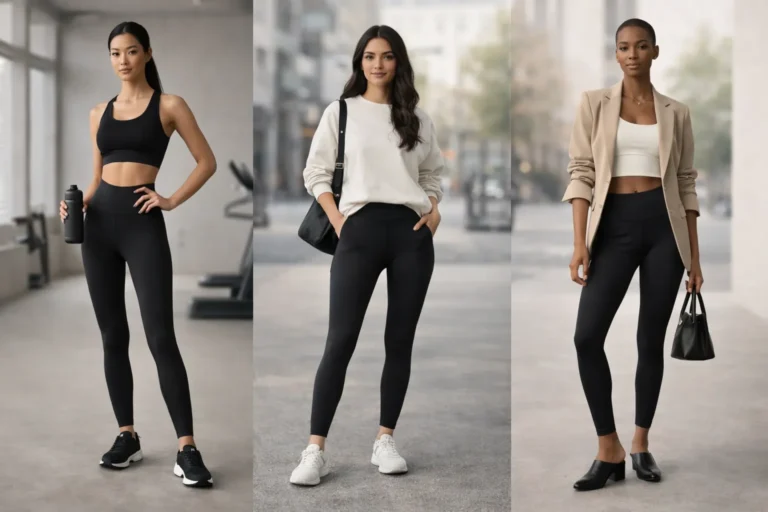
- Ankle Pants: For cooler days or sun protection, ankle-length golf trousers are chic and functional. Look for slim or straight-leg cuts. Leggings are becoming more common but are often required to be worn under a skirt or dress at private clubs.
Length Guidelines
A good rule of thumb for skirts, skorts, and shorts is the “fingertip rule”: when standing with your arms at your sides, the hem should extend below your fingertips. Ultra-mini skirts are generally not appropriate for the golf course.
Footwear: The Foundation of Your Swing
Your shoes are arguably the most important piece of equipment you wear. They connect you to the ground, providing the stability and traction needed to generate power in your swing.
Spiked vs. Spikeless
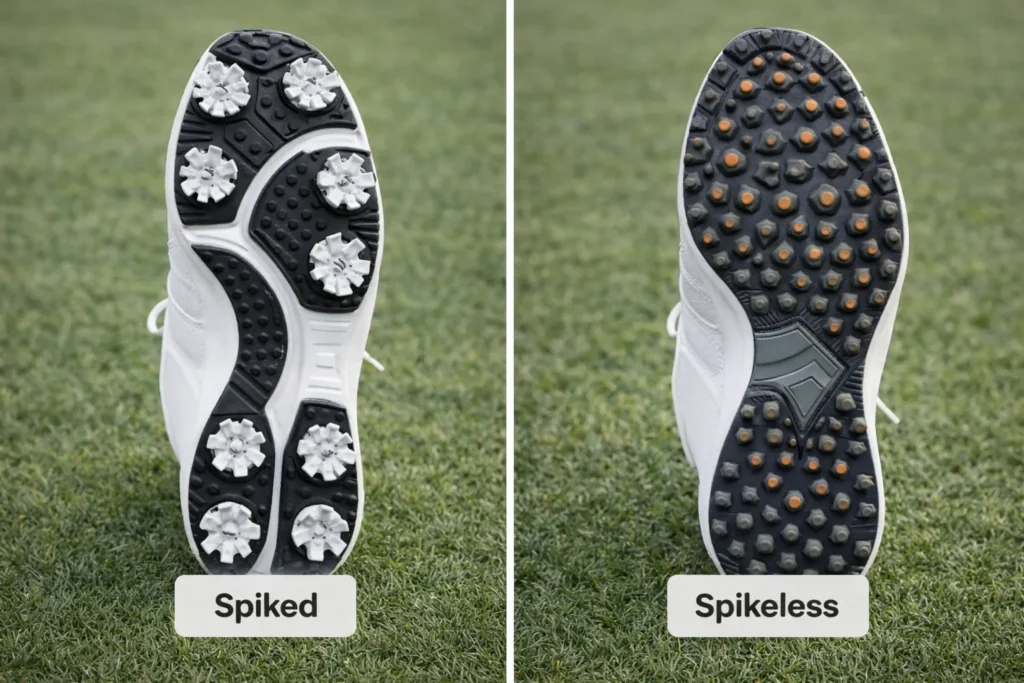
- Spiked Shoes: These feature removable plastic cleats (metal spikes are largely banned to protect the greens). They offer superior traction, especially on wet or hilly courses.
- Spikeless Shoes: These have rubber studs or patterns molded directly into the sole. They have gained massive popularity because they are more comfortable and can be worn off the course (like in the car or clubhouse) without damaging the cleats.
Style and Comfort
Modern golf shoes look like running sneakers or classic leather oxfords.
- Athletic Style: Brands like Nike and Adidas make golf shoes that mirror their running shoe aesthetics. These are great for walking 18 holes.
- Classic Style: Brands like FootJoy offer traditional leather styles that look sharp with trousers.
- Waterproofing: Always invest in waterproof shoes. Even on sunny days, morning dew can soak your socks if your shoes aren’t protected.
Fabric Technology: Why Material Matters

A great golf outfit is defined by its fabric. You are engaging in a physical activity that lasts four to five hours, often in direct sunlight. Cotton is generally your enemy here.
Moisture-Wicking
Look for synthetic blends (polyester, nylon) or treated natural fibers (merino wool, bamboo) that pull sweat away from the skin. This keeps you cool in summer and prevents you from getting chilled in winter.
UV Protection
Many golf brands now integrate UPF (Ultraviolet Protection Factor) into their clothing. Since golfers spend hours under the sun, a shirt with UPF 50+ provides a crucial layer of defense against sunburn.
Four-Way Stretch
The golf swing is a dynamic movement involving rotation and extension. Rigid fabrics restrict this movement. Clothing with “four-way stretch” (often thanks to Elastane or Spandex) moves with your body, ensuring your clothes never hinder your swing.
Accessories: The Finishing Touches
Accessories are functional necessities that can also elevate your style.
Hats and Visors

Headwear serves the practical purpose of keeping the sun out of your eyes so you can track your ball.
- Baseball Caps: The standard choice. Ensure it is clean and not overly worn.
- Visors: A popular choice for women and some men (think Phil Mickelson). They offer sun protection while keeping the top of the head cool.
- Bucket Hats: Great for full-coverage sun protection for the ears and neck.
- Etiquette Tip: Always remove your hat when entering the clubhouse restaurant or bar. Also, traditionally, men remove hats when shaking hands on the 18th green at the end of a match.
Gloves
While technically equipment, the glove is part of the visual package.
- Fit: It should fit like a second skin.
- Material: Cabretta leather offers the best feel but wears out faster. Synthetic gloves are more durable and better for humidity.
- Color: White is the standard, but colored gloves can add a fun pop of personality.
Socks
Don’t neglect your socks.
- Low-cut/No-show: Best for wearing with shorts to avoid tan lines.
- Crew socks: Making a comeback in golf fashion, especially with shorts for a retro look.
- Material: Like your shirt, your socks should be moisture-wicking to prevent blisters.
Seasonal Styling: Playing Year-Round
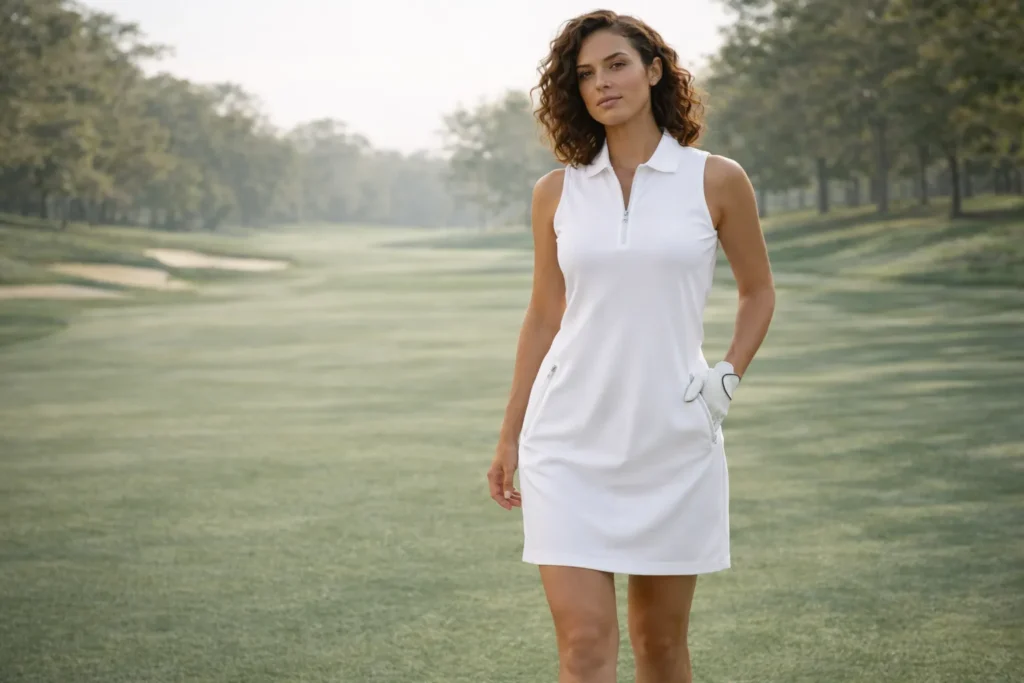
Golf is a sport for all seasons, and your wardrobe needs to adapt.
Spring
Layers are your best friend. Start with a polo, add a light sweater or vest, and bring a windbreaker. The ground is often wet, so waterproof shoes and perhaps darker trousers (to hide mud splatters) are wise.
Summer
Focus on breathability and light colors. White, light grey, and pastels reflect the sun. This is the season for shorts, skorts, and sleeveless polos. Don’t forget high-quality sunglasses to reduce glare.
Autumn
Similar to spring, but often drier. Earth tones (greens, browns, navies) look fantastic against the changing foliage. A merino wool sweater is a classic autumn golf look.
Winter
If you are brave enough to play in the cold, you need thermal base layers. Compression leggings and mock-neck undershirts trap heat. Wear a beanie instead of a baseball cap to keep your ears warm. Investing in “winter golf gloves” (often sold as a pair) can save your hands from freezing.
How to Assemble a Capsule Golf Wardrobe
You don’t need a closet full of clothes to look good. A few high-quality basics can be mixed and matched for dozens of outfits.
For Men:
- 3 Polos (White, Navy, Patterned)
- 2 Pairs of Pants (Khaki, Grey)
- 2 Pairs of Shorts (Navy, Stone)
- 1 Quarter-Zip Pullover (Neutral color)
- 1 White Belt and 1 Black Belt
For Women:
- 3 Tops (1 Sleeveless, 1 Short Sleeve, 1 Long Sleeve)
- 2 Skorts (1 Solid, 1 Print)
- 1 Pair of Ankle Pants
- 1 Golf Dress
- 1 Lightweight Jacket
Common Fashion Faux Pas to Avoid
To ensure you always look the part, steer clear of these common mistakes:
- Ill-fitting clothes: Baggy shirts and trousers look sloppy.
- Untucked shirts: Unless the shirt is specifically designed with a hem meant to be worn out (which is rare in traditional golf), tuck it in.
- Backwards hats: Save this for the driving range, never the course.
- Gym clothes: Yoga pants, tank tops, and basketball shorts are generally not acceptable.
- Metal spikes: Ensure your shoes are course-safe.
Conclusion
Curating the perfect golf outfit is about finding the sweet spot between tradition and personal flair. It is a sign of respect for the game, your playing partners, and the course itself. When you dress well, you feel professional, and that confidence translates directly to your game.
Remember that comfort is paramount. If you are constantly adjusting a tight waistband or sweating through a heavy shirt, you aren’t focusing on your putt. Invest in quality fabrics, get the fit right, and adhere to the dress codes of your local club. Whether you are aiming to break 80 or just trying to avoid the bunkers, looking the part is the first step toward playing like a pro.
Frequently Asked Questions (FAQs)
Q: Do I have to wear a collar for golf?
A: Generally, yes. The collared shirt is the universal standard for golf attire. However, trends are shifting. Blade collars (a low-profile, modern collar) and mock necks (like a turtleneck but shorter) are becoming widely accepted, especially on the PGA Tour and at public courses. Always check the specific course rules beforehand.
Q: Can I wear leggings to play golf?
A: This depends on the course. Public courses are usually fine with athletic leggings. Private clubs are stricter; often, they allow leggings only if worn underneath a skirt or shorts. If you wear leggings alone, choose a pair made of thicker, high-quality fabric with pockets to look more like golf trousers than gym wear.
Q: Why are jeans not allowed in golf?
A: The ban on jeans is rooted in tradition. Golf was historically a gentleman’s game with a formal dress code. Denim is viewed as “working class” or overly casual material that doesn’t fit the refined atmosphere clubs try to maintain. Practically speaking, denim is also heavy, restrictive, and slow-drying, making it poor sportswear.
Q: Do my belt and shoes have to match?
A: In traditional menswear rules, yes, your belt should match your shoes. On the golf course, this rule is slightly more relaxed, but matching them still provides the most cohesive and polished look. If you wear white shoes (very common in golf), a white belt is a sharp pairing.
Q: What should I wear if it’s my first time playing and I don’t have “golf clothes”?
A: You likely have something in your closet that works. A nice polo shirt from work (as long as it fits well), a pair of chino shorts or khaki pants, and clean athletic sneakers will get you on almost any public course. Avoid t-shirts, gym shorts, and denim.