Designer Jeans: Is Premium Denim Worth the Investment?

Denim is the great equalizer of fashion. It is worn by rock stars, royalty, construction workers, and tech billionaires alike. However, not all denim is created equal. When you slip into a pair of designer jeans, the difference is often palpable immediately. The fabric feels substantial yet soft, the fit contours perfectly to the body without sagging, and the wash looks authentic rather than manufactured. But with price tags often ranging from $200 to over $1,000, a common question arises: are they truly worth the investment?
In this comprehensive guide, we will dissect the world of premium denim. We will explore what separates high-end manufacturing from fast fashion, how to select the right cut for your body type, and how to care for your investment to ensure it lasts a lifetime.
The Anatomy of Premium Denim: What You Are Paying For
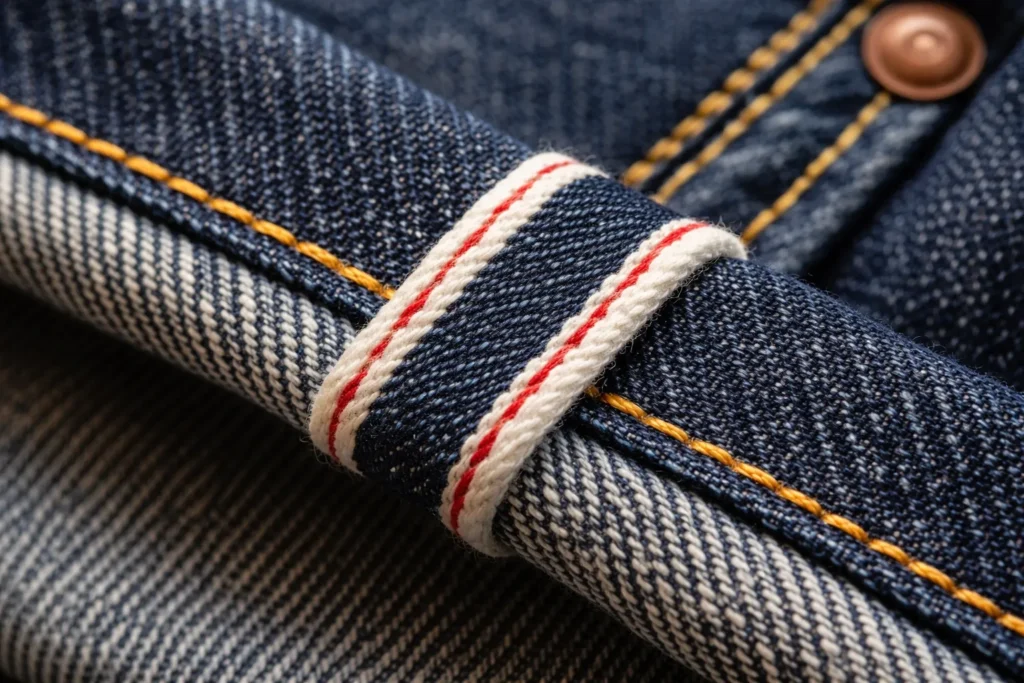
When you purchase designer jeans, you aren’t just paying for a label or a logo on the back pocket. You are paying for a complex supply chain involving specialized craftsmanship, superior raw materials, and ethical labor practices. To understand the value proposition, we must look beneath the surface.
1. Superior Fabric Quality
The primary differentiator is the cotton. Mass-market jeans often use short-staple cotton, which can fray and pill over time. Premium denim brands utilize long-staple cotton (often sourced from Zimbabwe, the U.S., or Egypt), which creates a stronger, softer thread.
- Selvedge Denim: Many high-end brands use “selvedge” (self-edge) denim. This is woven on old-school shuttle looms that seal the edge of the fabric, preventing unraveling. It is a slower, more expensive process that results in a tighter, more durable weave.
- Stretch Retention: Cheaper jeans with elastane (spandex) tend to bag out at the knees after a few hours of wear. Designer jeans use advanced recovery fabrics (like elastomultiester) that snap back to their original shape, ensuring a consistent fit from morning to night.
2. The Wash and Distressing Process
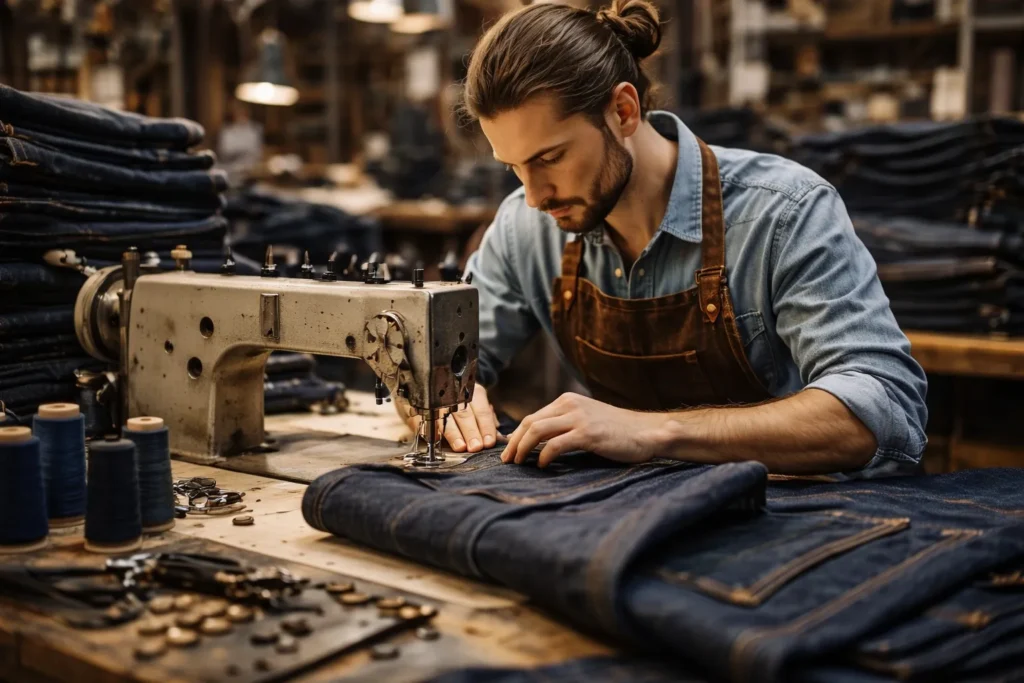
Have you ever noticed how cheap jeans often have “whiskering” (fade lines) that looks like zebra stripes? That is the result of laser printing or hasty chemical sprays.
True luxury denim achieves its worn-in look through artisanal processes. Skilled technicians may hand-sand the denim, use ozone washing techniques, or apply natural enzymes to create fades that mimic actual wear patterns. This results in a garment that looks authentically vintage rather than artificially distressed.
3. Fit Engineering
Pattern-making for denim is an architectural feat. Budget brands usually cut their fabric in large stacks to save money, which causes inconsistencies in sizing. Designer brands cut in smaller batches, or even individually, ensuring that a size 28 is truly a size 28. They also employ complex stitching techniques on the yoke (the V-shaped section on the back) to create a lifting and shaping effect that cheaper cuts cannot replicate.
Top Categories of Designer Jeans
The market for premium denim is vast. To navigate it, it helps to categorize brands by their philosophy and aesthetic.
The Heritage Icons
These brands focus on the history of workwear, utilizing heavy, raw denim and traditional construction methods.
- Levi’s Vintage Clothing (LVC): Accurate reproductions of archival fits from the 1800s to the 1960s.
- RRL (Double RL): Ralph Lauren’s homage to the American West, featuring heavy weights and rugged aesthetics.
- Iron Heart: A Japanese brand famous for heavyweight denim originally designed for motorcyclists.
The California Casuals
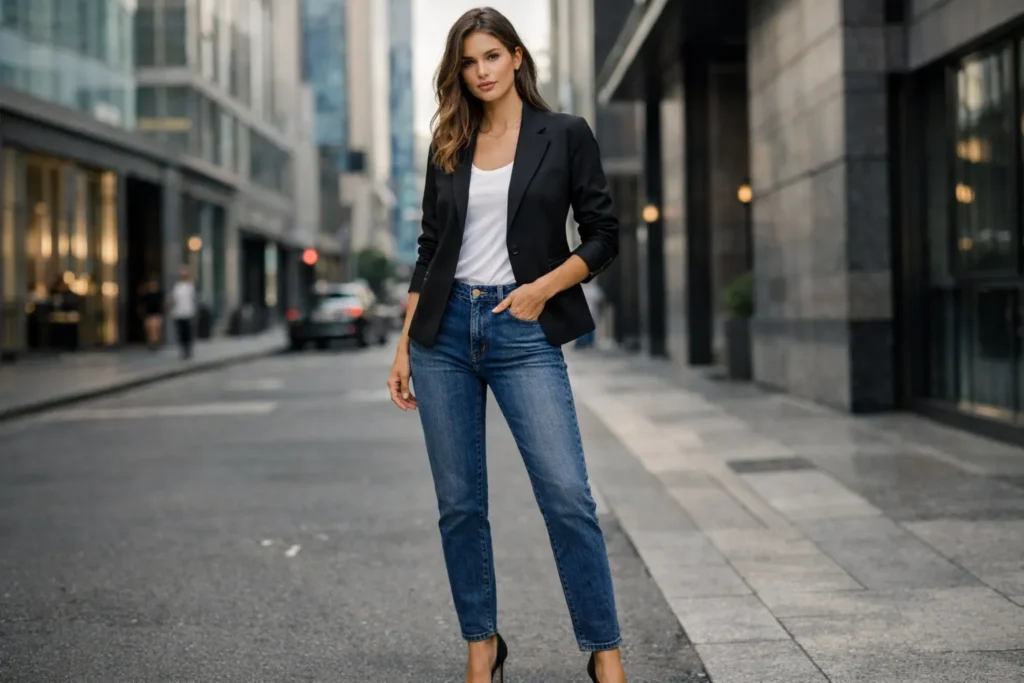
Born in Los Angeles, the capital of modern premium denim, these brands prioritize softness, stretch, and effortless style.
- 7 For All Mankind: Often credited with starting the “premium denim” craze in the early 2000s.
- PAIGE: Known for their “Transcend” fabric technology that offers extreme comfort.
- AG Jeans: A leader in eco-friendly washing processes and timeless cuts.
- Mother Denim: Famous for their indie vibe, soft fabrics, and slightly irreverent attitude.
High-Fashion Luxury
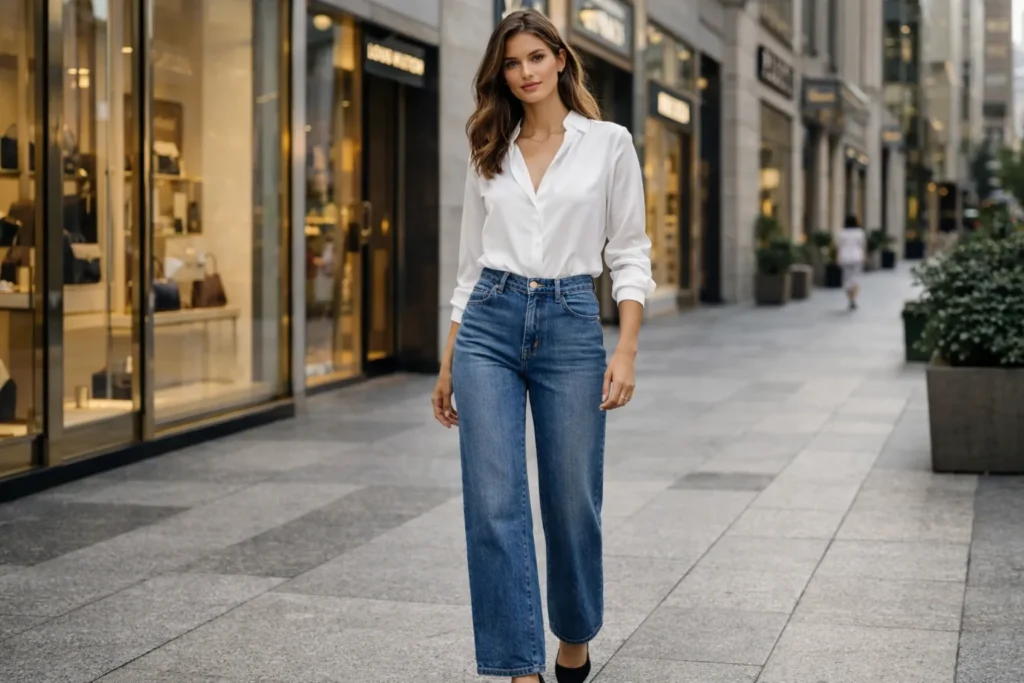
These are jeans seen on runways, featuring avant-garde cuts, unique embellishments, and higher price points.
- Balmain: Known for their iconic biker jeans with ribbed detailing above the knees.
- Saint Laurent: The go-to for the ultra-slim, rock-and-roll aesthetic.
- Loewe: Recently famous for their anagram logo jeans and fisherman cuffs.
Finding Your Perfect Fit: A Buyer’s Guide
Buying designer jeans online can be tricky due to varying “vanity sizing” across brands. Here is how to nail the fit.
Understanding Key Measurements
- Rise: This is the distance from the crotch seam to the top of the waistband.
- Low Rise (7-8 inches): Sits at the hips. Making a comeback from the Y2K era.
- Mid Rise (9-10 inches): The universal standard; sits just below the belly button.
- High Rise (10+ inches): Sits at the natural waist; elongates the legs and holds the midsection.
- Inseam: The length from the crotch seam to the hem. If you are investing in luxury denim, factor in the cost of a tailor if the inseam isn’t perfect. Most designer brands offer longer inseams (32-34 inches) specifically to accommodate hemming.
- Leg Opening: This dictates the silhouette (skinny, straight, bootcut, or wide-leg).
Fits for Different Body Types
- Athletic Builds: Look for “Relaxed Tapered” cuts. These offer more room in the thigh and seat but narrow down at the ankle for a clean look.
- Petite Frames: Opt for cropped styles or ankle-length cuts to avoid fabric bunching, which can shorten the leg line. High-waisted styles create the illusion of height.
- Tall Frames: Look for brands that offer “stacked” styles or specifically advertise long inseams (34″+). Raw denim brands often sell jeans with a standard 36-inch inseam.
- Curvy Figures: Look for “contoured waistbands.” These are cut on a curve rather than straight across, preventing the dreaded waist gap at the back of the jeans.
The Sustainability Factor: Eco-Friendly Denim
One of the major criticisms of the denim industry is its environmental impact. Traditionally, producing a single pair of jeans could require up to 1,800 gallons of water. However, the designer jeans sector is leading the charge in sustainability.
If you are an eco-conscious shopper, look for the following:
- Ozone Washing: Uses gas instead of water to bleach denim.
- Laser Finishing: Replaces chemical distressing with laser technology.
- Recycled Cotton: Brands incorporating post-consumer waste into new denim.
- Natural Indigo: Dye derived from the Indigofera plant rather than synthetic petroleum-based dyes.
Brands like Nudie Jeans even offer free repairs for life, encouraging consumers to fix their denim rather than discard it, reducing textile waste.
Styling Your Designer Denim
The versatility of denim is unmatched. Here is how to elevate your jeans for different occasions.
For Men

- The Smart Casual Office: Pair dark wash, slim-straight jeans (no distressing) with a crisp white Oxford shirt, a blazer, and leather Chelsea boots.
- The Weekend Warrior: Light wash vintage-style denim paired with a heavyweight hoodie and retro sneakers.
- Date Night: Black selvedge denim, a charcoal knit sweater, and suede chukka boots.
For Women
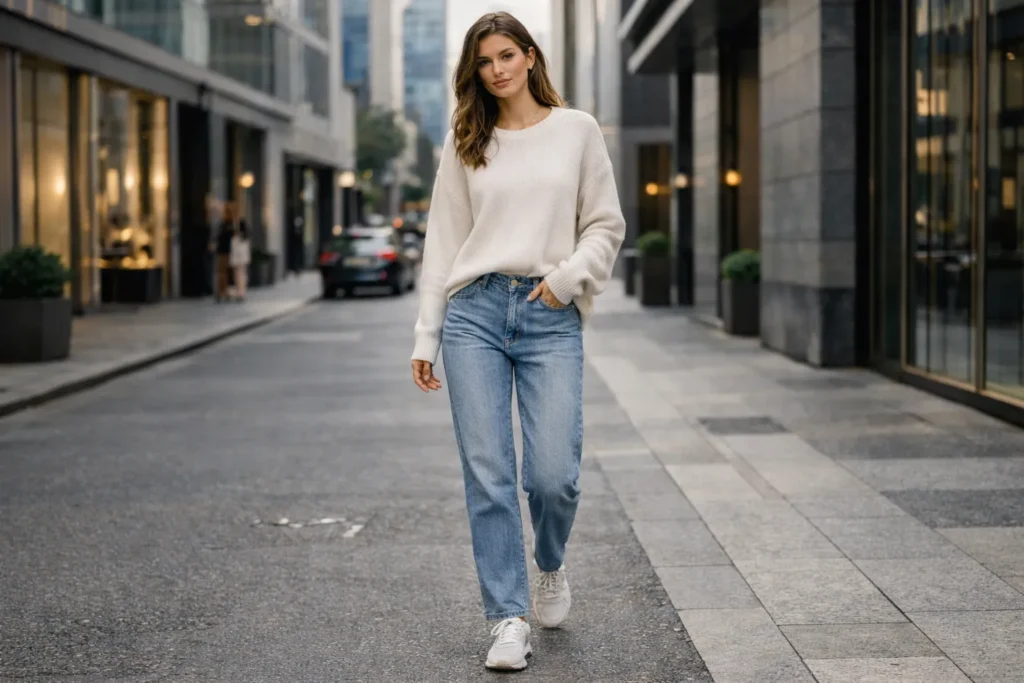
- The French Girl Look: High-waisted straight-leg jeans in a medium blue wash, tucked-in silk blouse, and ballet flats.
- The Power Outfit: Dark, wide-leg trouser jeans paired with a structured blazer and pointed-toe heels.
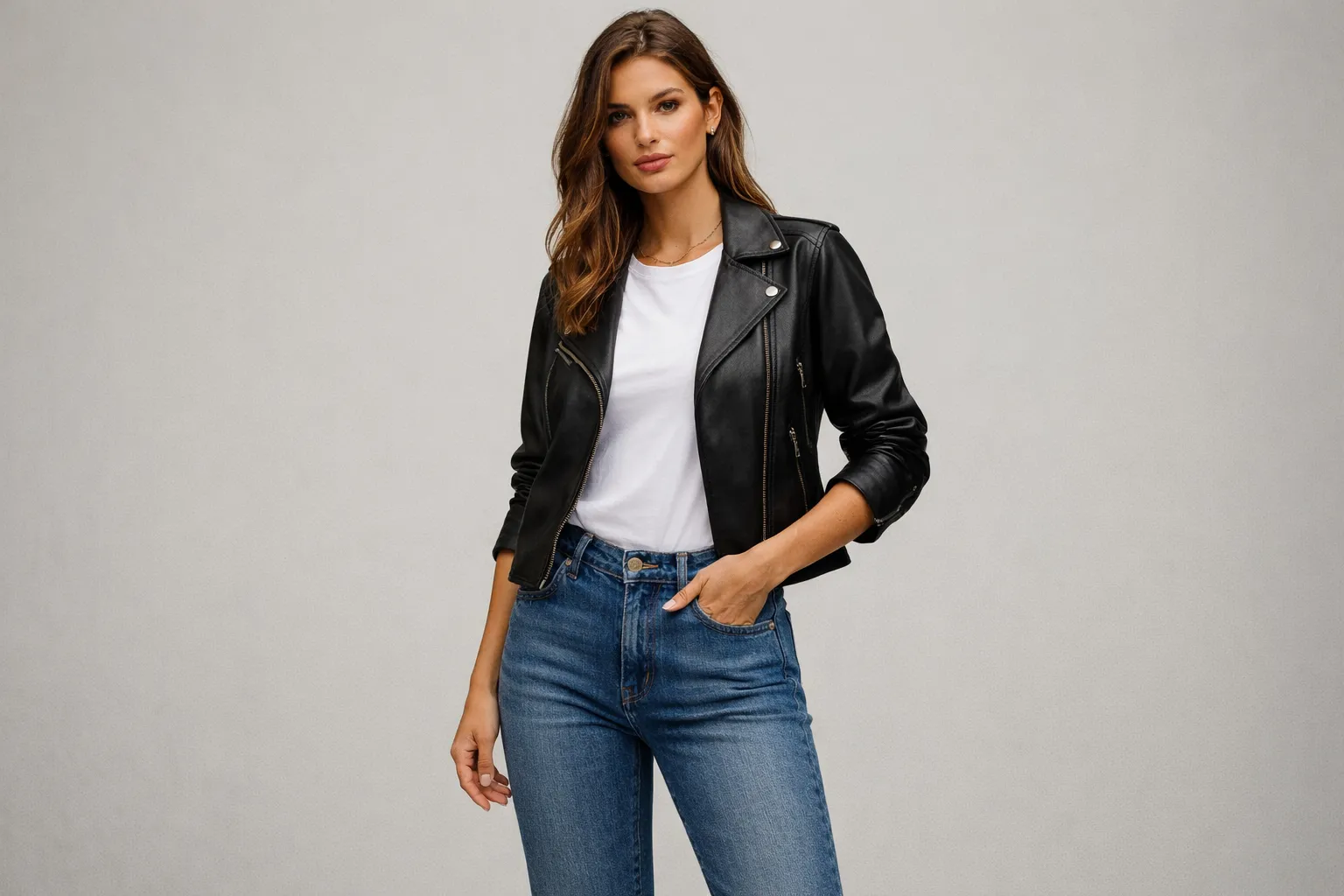
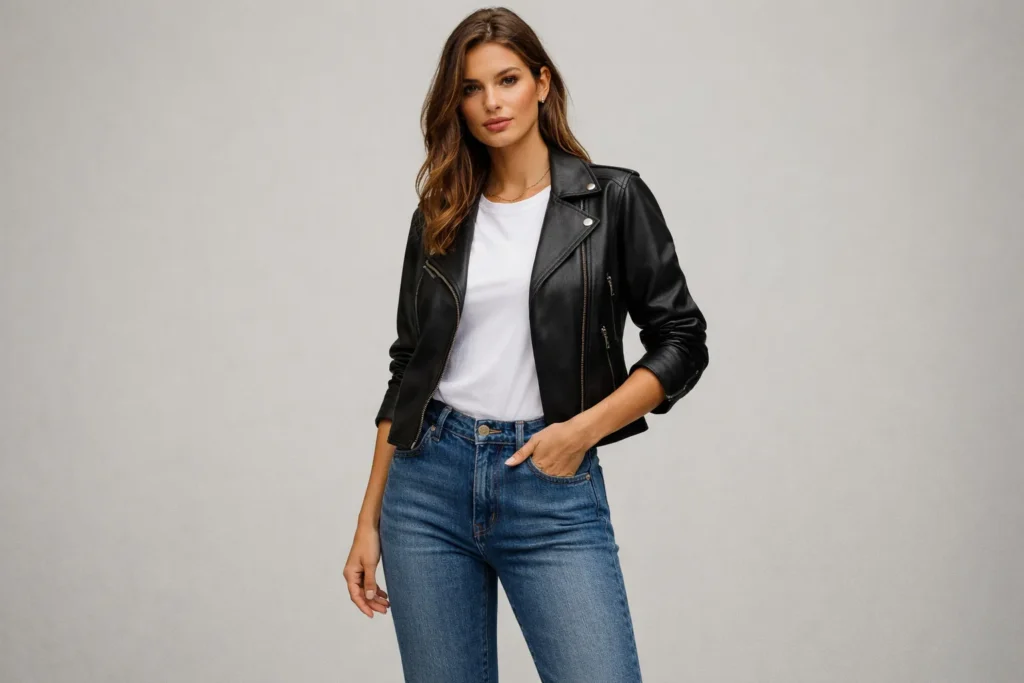
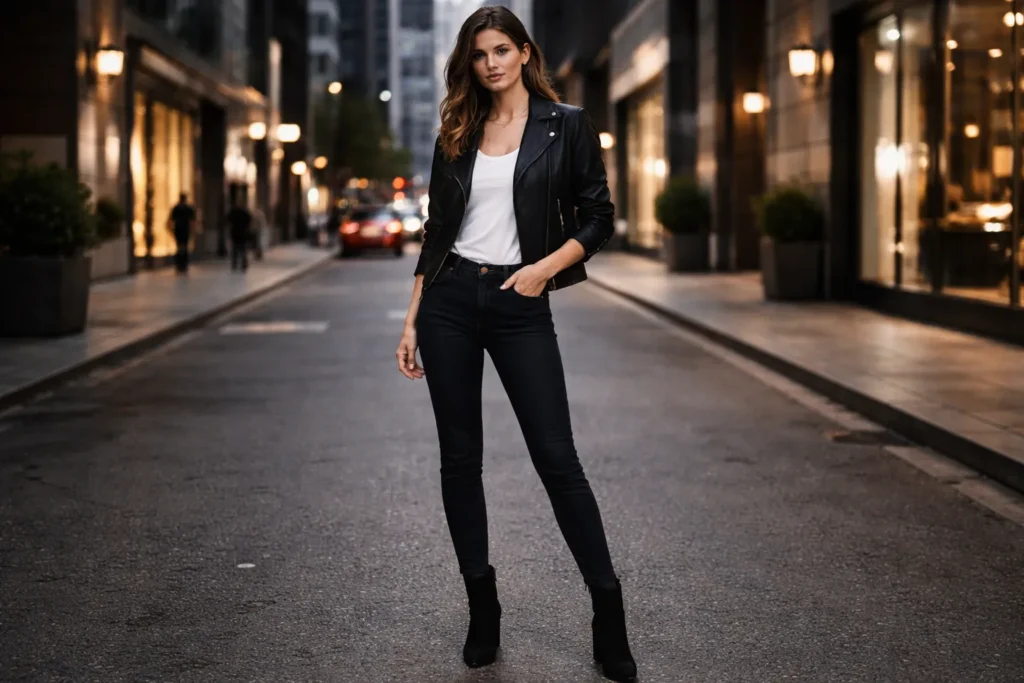
- Edgy Evening: Grey or charcoal skinny jeans with an oversized leather jacket and ankle boots.
Care Instructions: Making Your Investment Last
You have spent the money on a premium pair of designer jeans; now you must maintain them. The number one rule of denim care is: Wash them as little as possible.
Washing breaks down the fibers and fades the dye. Unless they are visibly dirty or smell, try to air them out instead.
The Washing Protocol
When you finally do wash them, follow these steps strictly:
- Turn them inside out: This protects the outer face of the fabric from friction and preserves the color.
- Use cold water: Hot water shrinks cotton and leeches dye.
- Use a gentle detergent: Avoid bleach or brighteners. Specialized denim washes (like those from The Laundress) are ideal.
- Hand wash or gentle cycle: If using a machine, remove them immediately after the cycle ends to prevent creasing.
- Hang dry only: Never, under any circumstances, put your designer jeans in the dryer. The heat destroys the elastane (stretch) fibers and shrinks the cotton. Hang them by the back belt loop in a shaded area.
The “Freezer Myth”
You may have heard that putting jeans in the freezer kills bacteria. While this is a popular myth in the raw denim community, science suggests it is mostly ineffective. The bacteria simply go dormant and reactivate once the jeans warm up. Airing them out in the sun (inside out) is a more effective way to neutralize odors without washing.
Real vs. Fake: How to Spot Counterfeits
Because designer jeans command high prices, they are frequent targets for counterfeiters. Here is how to ensure authenticity:
- Check the Hardware: Zippers and buttons on luxury jeans are heavy and branded. Counterfeits often use light, generic hardware. Look for “YKK” or brand-specific engravings.
- Inspect the Stitching: Luxury denim features uniform, tight stitching. Loose threads, uneven lines, or skipped stitches are red flags.
- The Inside Tags: Authentic jeans have multiple tags detailing fabric composition, manufacturing location (often USA, Italy, or Japan), and style codes. The font should be clear and centered.
- The Fabric Feel: Trust your hands. If the denim feels waxy, overly stiff (in a cheap way), or chemically treated, it is likely a fake.
Conclusion:
Are designer jeans a necessity? No. Are they a worthy luxury? Absolutely.
While you can certainly cover your legs with a $30 pair of fast-fashion pants, they will likely lack the comfort, durability, and flattering fit of a premium pair. Designer denim is an investment in your daily confidence. A great pair of jeans is one of the few items in your wardrobe that looks better with age, molding to your lifestyle and becoming a visual diary of your experiences.
Whether you opt for the rugged durability of Japanese selvedge or the buttery softness of Los Angeles stretch denim, upgrading your jeans is an upgrade to your foundational wardrobe. Choose wisely, care for them properly, and they will serve you for years to come.
FAQs
Q: How often should I wash my designer jeans?
A: Aim for every 10 to 15 wears. Washing them too frequently will degrade the fabric and fade the color prematurely. Spot clean stains when possible.
Q: Why are Japanese jeans so expensive?
A: Japanese denim is often woven on vintage shuttle looms, a slow process that produces high-quality, durable “selvedge” fabric. The dyeing techniques, often using natural indigo, are also labor-intensive.
Q: Do designer jeans run true to size?
A: It varies by brand. European brands (like Saint Laurent) tend to run small, while American vanity sizing means you might wear a smaller size in brands like 7 For All Mankind than you would in non-stretch denim. Always check the brand’s specific size chart.
Q: Can I tailor my jeans without ruining the hem?
A: Yes. Ask your tailor for an “original hem” (or “European hem”). They will detach the original distressed hem, shorten the jeans, and reattach the hem so it looks unaltered.
Q: What is the difference between raw and washed denim?
A: Raw denim (dry denim) has not been washed after dyeing. it is stiff and dark, designed to fade uniquely to your body over time. Washed denim has been treated during manufacturing to be softer and have a “lived-in” look immediately.