The Evolution and Meaning of Cloak and Dagger Comic Outfits
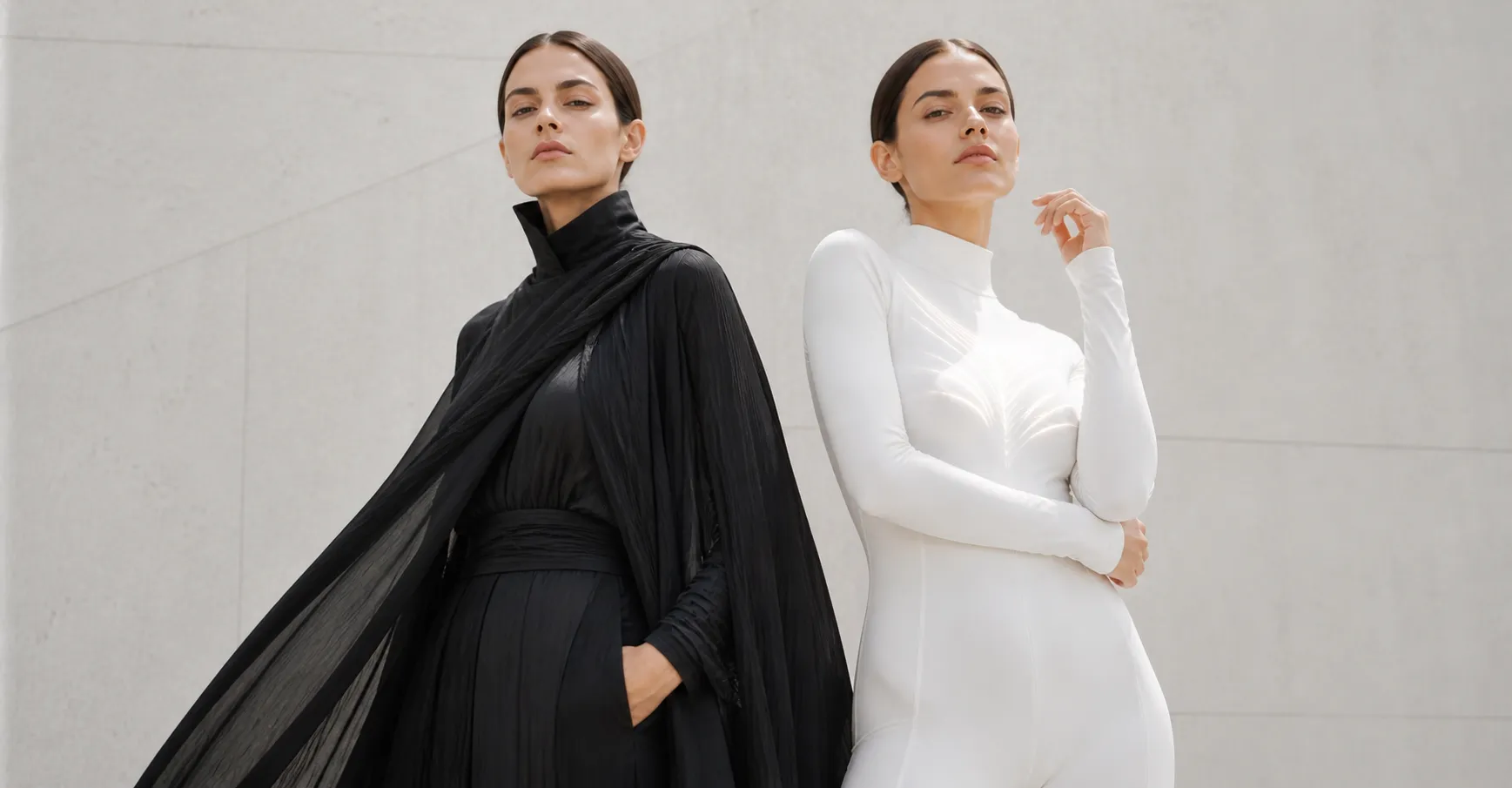
Superhero costume design is an intricate art that blends character backstory, power sets, and visual symbolism. Few character designs execute this balance as perfectly as the Cloak and Dagger comic outfits. Debuting in Spectacular Spider-Man #64 in 1982, Tyrone Johnson and Tandy Bowen immediately stood out. Their contrasting looks one engulfed in a massive, living shadow and the other wearing a striking, luminous white bodysuit tell a profound story about their connection and their tragic origins.
Understanding these costumes means diving into the visual history of Marvel Comics. In this guide, we break down the origins of their designs, the practical and narrative reasons behind their wardrobes, and how the Cloak and Dagger Marvel costumes evolved from the gritty 1980s to modern comic runs.
The Origin of Cloak and Dagger Marvel Costumes
When writer Bill Mantlo and artist Ed Hannigan created Cloak and Dagger, they wanted the characters’ visual identities to reflect their core themes: duality, light, and darkness. As runaway teenagers subjected to experimental drugs, their powers manifested as literal representations of their internal struggles.
The Symbolism of Light and Dark
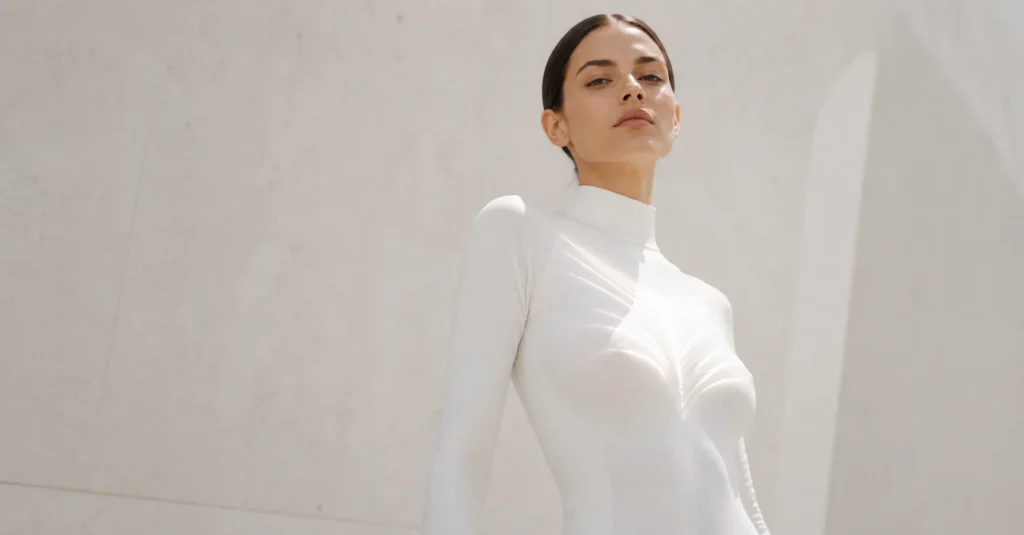
The core philosophy behind their superhero attire relies heavily on the Yin and Yang concept.
- Tyrone (Cloak): Represents the void, darkness, and a hunger that can never be satiated. His outfit consumes light.
- Tandy (Dagger): Represents pure, overwhelming light, hope, and an overabundance of life force. Her outfit radiates light.
This duality ensures that when the two characters stand next to each other on a comic panel, they create a perfect, high-contrast image. The outfits are not just clothing; they are visual manifestations of their codependency.
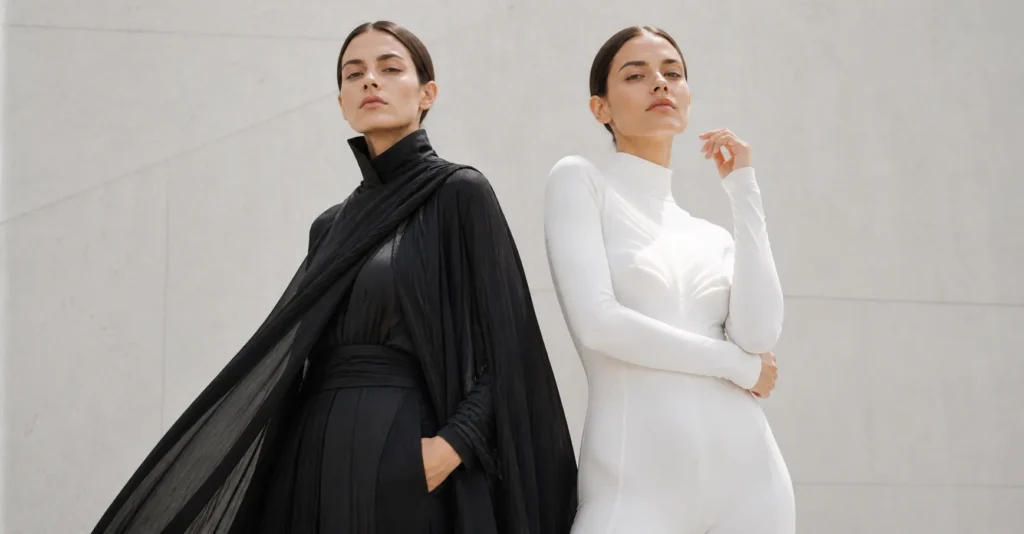
Breaking Down Cloak’s Iconic Look
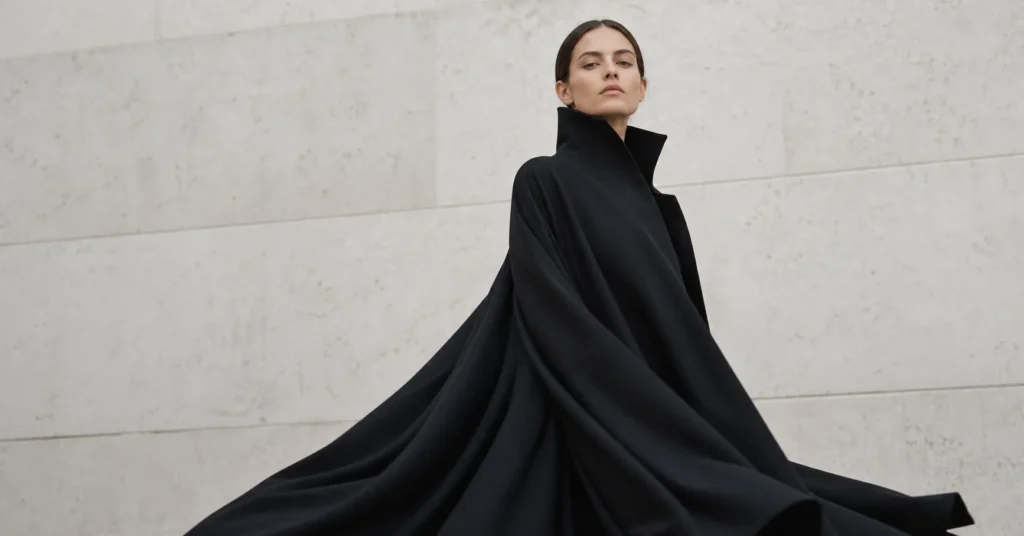
Tyrone Johnson’s superhero identity is almost entirely defined by his massive, billowing cape. It is one of the most recognizable silhouettes in comic history.
The Living Cape of Darkness
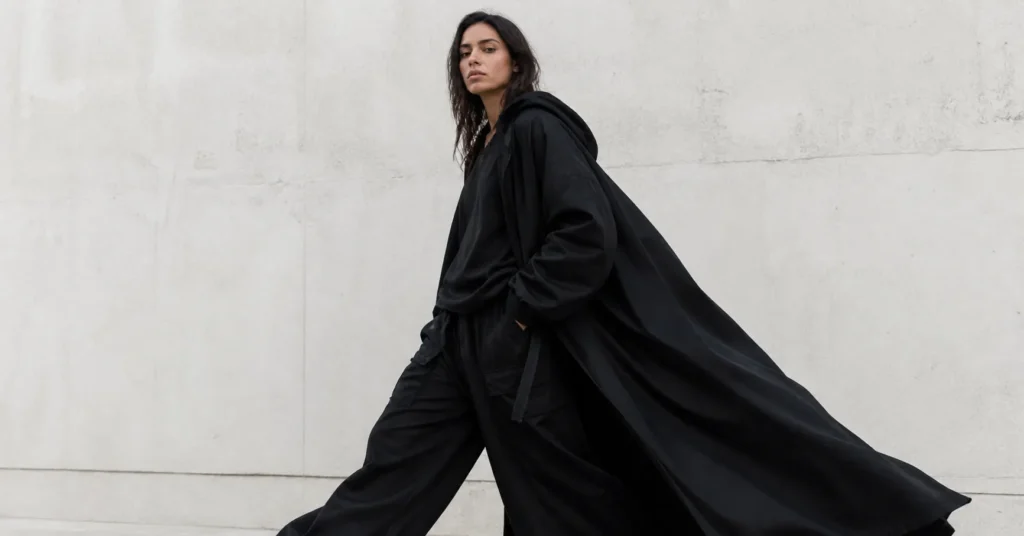
Cloak’s outer garment is less of a traditional superhero cape and more of an interdimensional gateway.
- Design Details: The cloak is a massive, dark blue or pitch-black shroud with a rigid, high collar. It flows unnaturally, often appearing larger than physically possible.
- Narrative Function: The cloak is tied directly to the Darkforce Dimension. It conceals Tyrone’s physical form, masking his humanity and turning him into a terrifying figure of justice.
- Visual Impact: Artists often draw the inside of the cloak as a starry void. When he opens it, he does not just reveal his body; he reveals an abyss.
Under the Cloak: Tyrone’s Streetwear
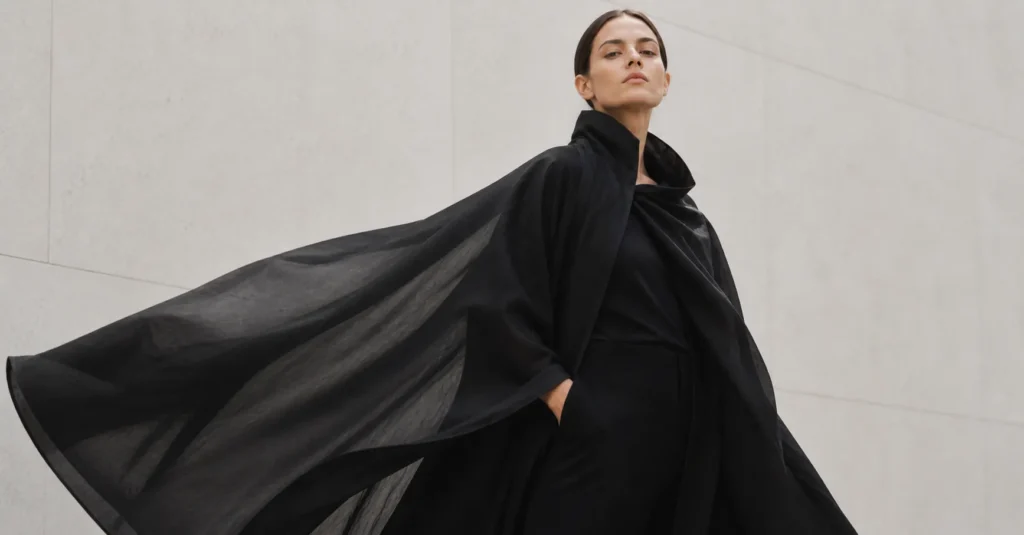
What Tyrone wears beneath the cloak reminds readers of his origins. Unlike billionaire heroes who wear tailored spandex, Tyrone typically wears simple, worn-out street clothes. He often sports torn jeans, basic t-shirts, or simply bare skin, emphasizing his status as a runaway who was forced into a life of vigilantism.
Dagger’s Classic and Controversial Costume
Tandy Bowen’s costume is arguably one of the most discussed and debated character designs in comic book history. It perfectly captures her powers of hard light but also reflects the design trends of the 1980s.
The White Cutout Bodysuit

Dagger’s original outfit was designed to be the exact opposite of Cloak’s heavy, concealing shroud.
- The Silhouette: She wears a skin-tight, stark white bodysuit that covers her arms and legs completely.
- The Dagger Cutout: The most defining feature is the massive, dagger-shaped cutout running from her collarbone down to her stomach.
- The Symbolism: The cutout visually represents the “light daggers” she generates from her own life force. It also creates a striking contrast against her skin and the surrounding darkness of Cloak’s cape.
Redesigns and Modern Adaptations

Over the decades, Dagger’s costume faced criticism for its impracticality. Modern artists have attempted to redesign the suit to keep the core aesthetic while making it more grounded.
- The Modified Cutout: Some artists filled the dagger-shaped cutout with sheer, glowing fabric or a solid white panel with a glowing emblem.
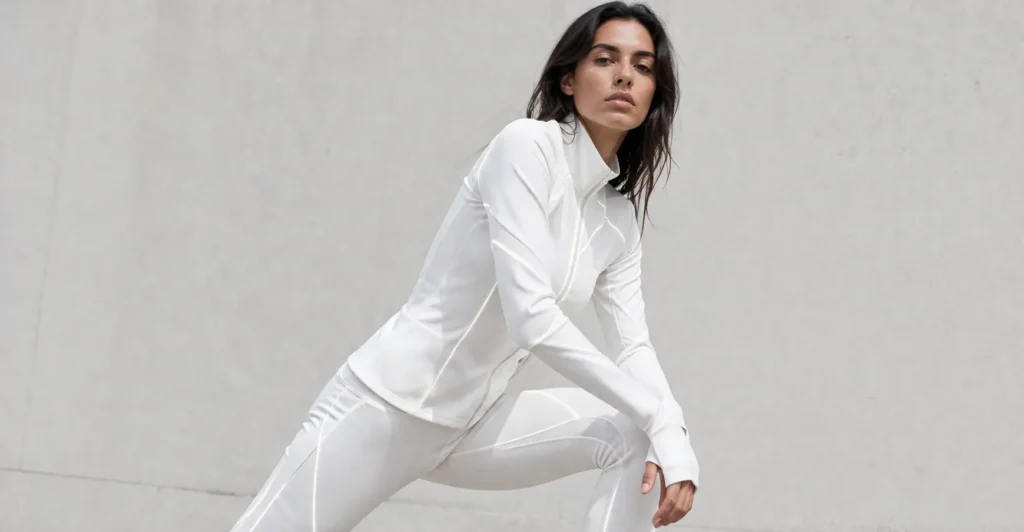
- Street-Level Looks: In grounded storylines, she wears white athletic gear, white leather jackets, and tactical pants, moving away from the spandex bodysuit entirely.
Key Differences: Original vs. Modern Comic Eras
To understand their fashion evolution, we can track the changes across different comic book eras.
| Comic Era | Cloak’s Design | Dagger’s Design | Theme |
| 1980s (Original) | Massive, enveloping blue/black shroud, bare chest. | White bodysuit with deep, open dagger-shaped chest cutout. | Classic superhero, stark contrast. |
| 2000s (Marvel Knights) | More structured cape, dark tactical streetwear underneath. | Cutout often reduced or filled with white mesh. | Gritty, urban vigilante. |
| 2010s (Mr. Negative Arc) | Swapped roles: White cloak generating light. | Swapped roles: Black bodysuit generating darkforce daggers. | Role reversal, narrative subversion. |
| Modern (Current Runs) | Fluid, shadowy cape blending with the environment. | Functional white tactical suit with glowing dagger emblem. | Modernized, practical superhero apparel. |
How Their Powers Dictate Their Wardrobe
Unlike Iron Man or Captain America, who build their suits for armor, Cloak and Dagger’s outfits are directly dictated by how their powers function.
Dagger needs her hands free to form and throw her light daggers. Her suit must be bright white to amplify the visual glow of her powers. Conversely, Cloak needs a garment that can physically trap his enemies. His cloak functions as a net, a shield, and a teleportation device. If Tyrone wore a standard spandex suit, his powers would lose their terrifying, engulfing visual effect.
The Swapped Roles: When Light Became Dark
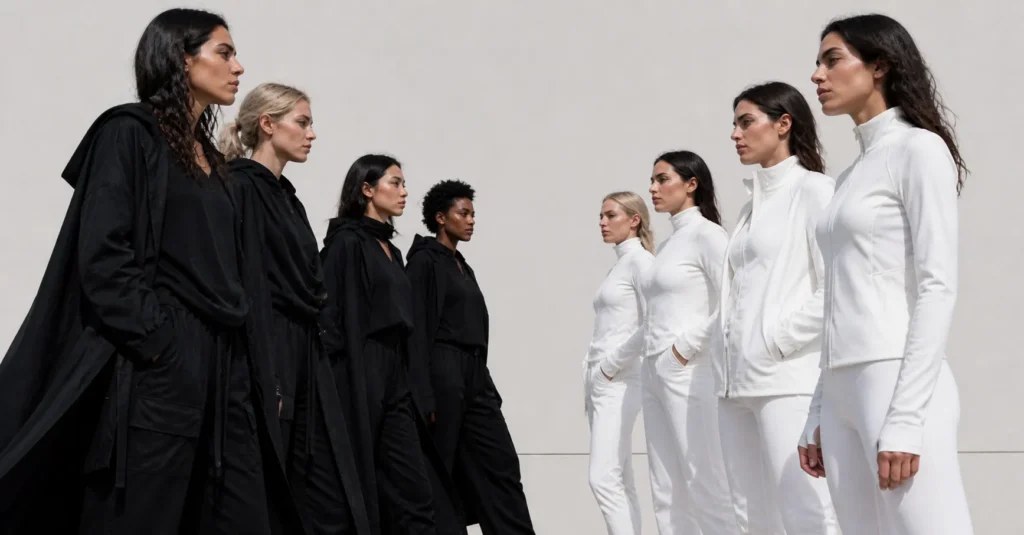
One of the most fascinating moments in the Cloak and Dagger fashion evolution occurred during the “Spider-Island” storyline. The villain Mister Negative corrupted the duo, completely inverting their powers and, consequently, their outfits.
- Tyrone became Light: He wore a brilliant white cloak and generated blinding light.
- Tandy became Dark: She wore a pitch-black bodysuit and fired dark, life-draining daggers.
This temporary color swap proved how essential their original palettes are to their identities. Seeing Dagger in black and Cloak in white felt inherently wrong to readers, highlighting the brilliance of their original character designs.
Conclusion
The Cloak and Dagger comic outfits represent some of the smartest visual storytelling in graphic novels. By using pure black and pure white, oversized capes and form-fitting bodysuits, Marvel artists created a duo that is instantly recognizable. While Dagger’s suit has evolved to meet modern sensibilities and Cloak’s shroud has grown more ethereal over time, the core aesthetic remains intact. Their costumes tell the story of two broken kids who found balance in each other, proving that great comic fashion is always rooted in character depth.
Frequently Asked Questions (FAQs)
Who designed the original Cloak and Dagger comic outfits?
The original characters and their costumes were designed by writer Bill Mantlo and artist Ed Hannigan. They first appeared in Peter Parker, The Spectacular Spider-Man #64 in 1982.
Why does Dagger’s costume have a large cutout?
The cutout is shaped like a dagger, directly referencing her superhero name and her ability to generate hard-light daggers. It was also a stylistic choice typical of 1980s comic book character designs to create high-contrast visuals.
Does Cloak’s cape have magical powers?
The cloak itself is not inherently magical, but Tyrone’s powers channel the Darkforce Dimension through it. The cloak acts as a physical anchor for his powers, allowing him to teleport himself and others, and to trap enemies in darkness.
Have Cloak and Dagger ever changed their costume colors?
Yes. During specific storylines, most notably when corrupted by Mister Negative, their powers and color palettes inverted. Cloak wore a glowing white shroud, and Dagger wore a black bodysuit.
Why does Cloak wear ragged clothes under his cape?
Tyrone and Tandy started as homeless runaways. Tyrone’s worn-out street clothes under his massive cloak serve as a constant visual reminder of his tragic origins and his status as a street-level protector.