Career Fair Outfit Guide: What to Wear to Impress Recruiters

First impressions happen in seconds. When you walk into a room full of recruiters, your resume speaks to your skills, but your appearance speaks to your professionalism. Choosing the right career fair outfit is a critical step in your job search journey. You want to look polished, feel confident, and show potential employers that you take their time seriously.
Deciding what to wear to a job fair does not have to be stressful. Whether you are aiming for a role in a formal finance firm or a relaxed tech startup, knowing the rules of professional attire gives you a massive advantage. We will walk you through everything you need to know to build a winning look, from decoding dress codes to industry-specific tips.
Why Your Career Fair Outfit Matters

Recruiters speak with hundreds of candidates at a single hiring event. You want to stand out for your excellent communication skills and impressive background, not for wearing wrinkled pants or inappropriate shoes.
Your attire communicates respect. It shows you understand workplace norms and have prepared for the occasion. When you dress the part, you also experience a psychological boost. Professional clothing positively impacts your posture, speech, and overall confidence.
The Psychology of Professional Dress
Studies show that wearing formal business attire increases abstract thinking and negotiation skills. When you look like a professional, you act like one. This phenomenon, known as “enclothed cognition,” means your career fair outfit directly impacts how you perform during those crucial mini-interviews.
Understanding Career Fair Dress Codes
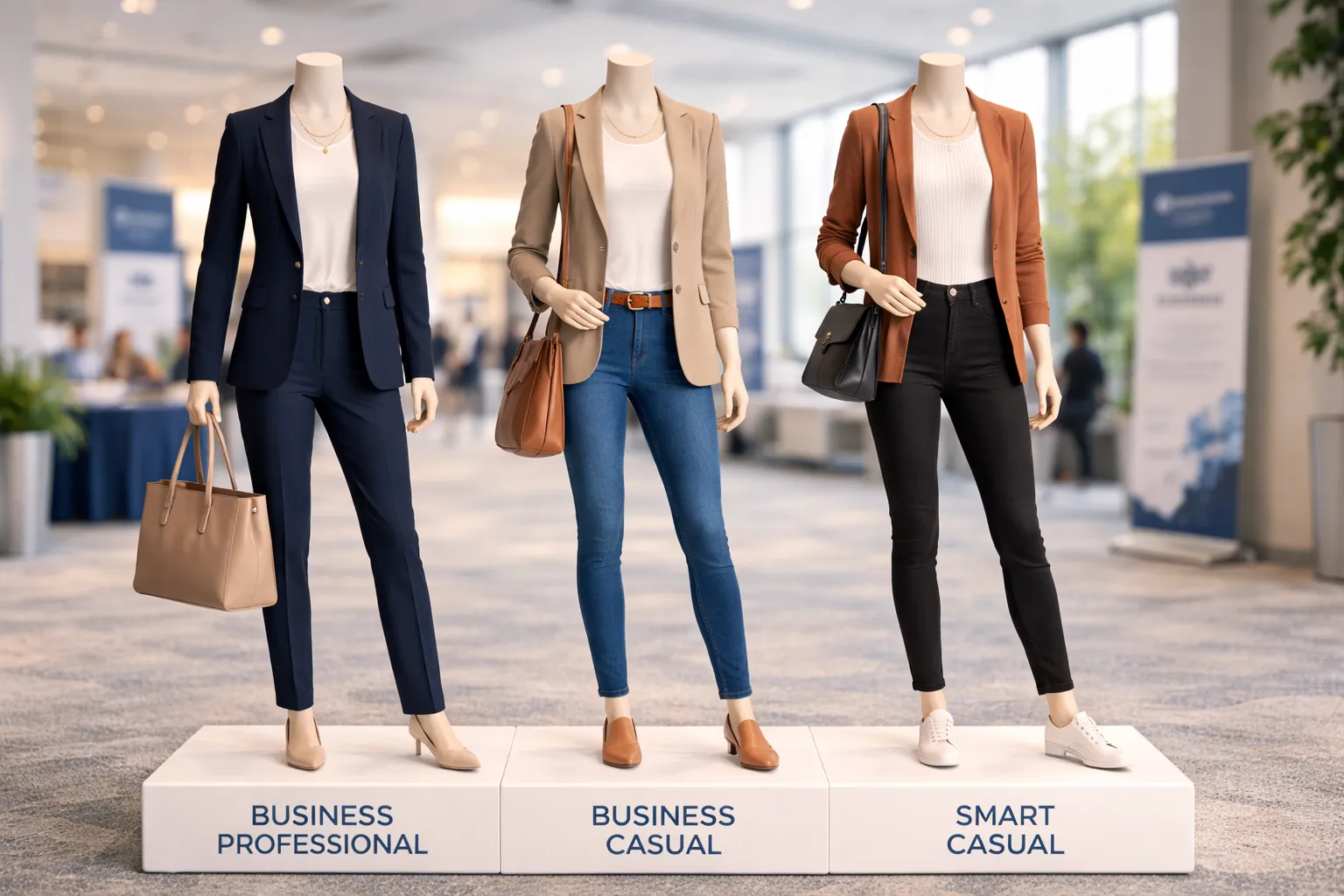
Before you pick out your clothes, you need to understand the different levels of professional attire. Most career fairs require either business professional or business casual clothing.
Business Professional
This is the most formal standard of interview attire. It is non-negotiable for industries like banking, law, and corporate consulting.

For Men: A matching two-piece suit in navy, charcoal, or black. A solid-colored dress shirt, a conservative tie, and polished dress shoes.

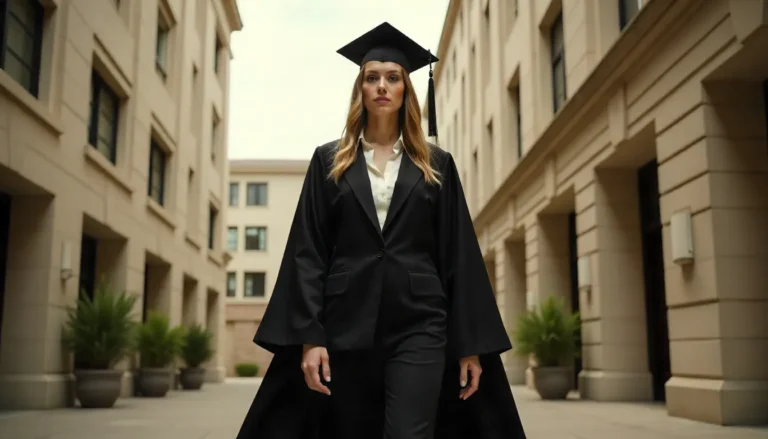
For Women: A tailored pantsuit or skirt suit. A modest blouse, closed-toe heels or flats, and minimal jewelry.
Business Casual

Business casual is the most common dress code for modern career fairs. It bridges the gap between formal corporate wear and everyday clothing.
- For Men: Dress slacks or chinos paired with a button-down shirt. A blazer or sport coat is optional but highly recommended. Ties are generally not required.
- For Women: Tailored trousers or a knee-length pencil skirt. Pair this with a professional blouse, a cardigan, or a structured blazer.
Smart Casual
You might see “smart casual” listed for startup-focused or creative job fairs. This is slightly more relaxed than business casual but still polished.
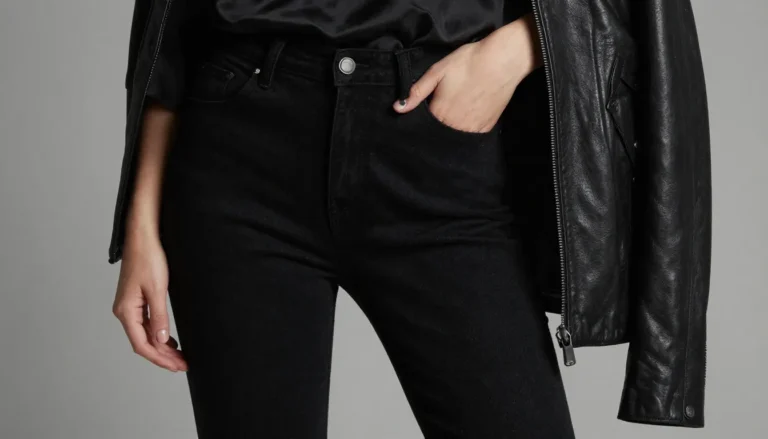
- The Look: Dark, well-fitting denim is sometimes acceptable if paired with a sharp blazer and dress shoes. However, it is always safer to overdress than underdress. If in doubt, stick to business casual.
Best Career Fair Outfit Ideas for Men

Building the perfect business casual men outfits or formal suit combinations requires attention to detail. Fit is the most important factor. Even the most expensive suit will look unprofessional if it is too baggy or too tight.
The Foundation: Suits and Trousers
If the event is formal, wear a dark-colored suit. Ensure the jacket sleeves end just above your wrists, allowing half an inch of your shirt cuff to show.
For a business casual event, pair navy or charcoal dress pants with a crisp, light-colored dress shirt. Khaki chinos are acceptable, but darker colors generally look more professional. Ensure your trousers are ironed and feature a sharp center crease.
Shirts and Ties
Stick to solid colors or subtle patterns. White and light blue are classic, foolproof choices for dress shirts. Ensure your shirt collar is crisp and not frayed.
If you wear a tie, keep the pattern conservative. Avoid novelty ties, excessively bright colors, or overly wide widths. The tip of your tie should hit right at the center of your belt buckle.
Footwear and Accessories
Your shoes must be clean and polished. Oxfords, brogues, or leather loafers are excellent choices. Black shoes pair well with black or charcoal pants, while brown shoes complement navy or khaki.
- Match your belt to your shoes.
- Wear dark dress socks that cover your calves when you sit down.
- Keep accessories minimal. A classic watch is a great touch.
Grooming Matters
Your clothes are only half the equation. Ensure your hair is neatly trimmed and styled. If you have facial hair, keep it meticulously groomed. Avoid heavy cologne, as recruiters sit in crowded, enclosed spaces all day.
Best Career Fair Outfit Ideas for Women
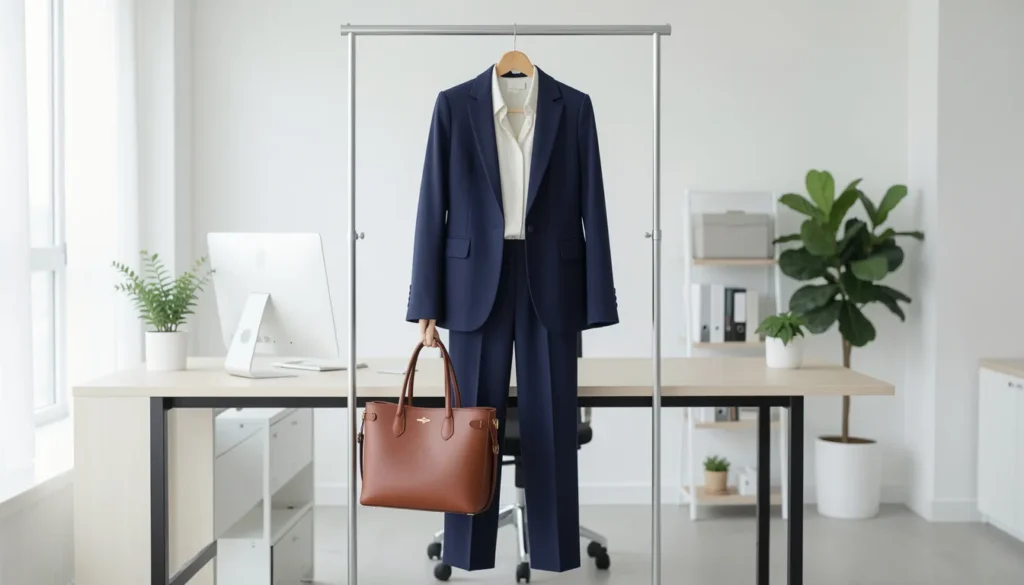
Finding professional clothes for women gives you plenty of versatile options. You want to strike a balance between style, comfort, and corporate appropriateness.
Suits, Dresses, and Separates
A tailored suit is always a safe bet for a corporate job fair. If you prefer dresses, opt for a structured, knee-length sheath dress paired with a matching blazer.
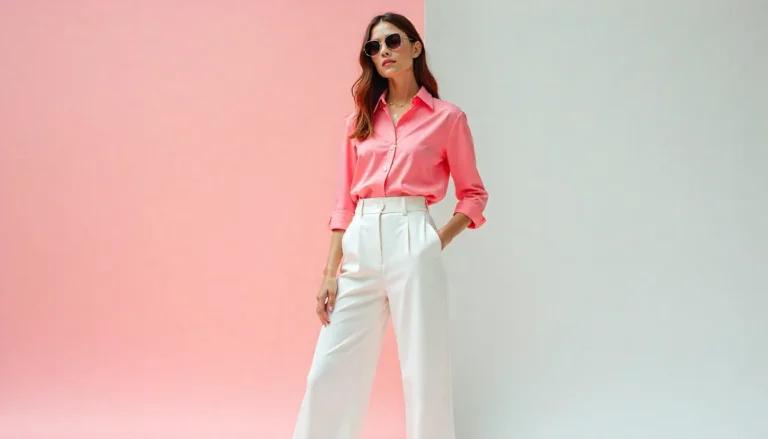
For a business casual look, pair tailored dress pants with a high-quality blouse. Wide-leg trousers are highly fashionable and perfectly acceptable if they are tailored nicely.
Choosing the Right Blouse
Avoid low necklines, sheer fabrics, and loud prints. Silk or high-quality cotton blouses in jewel tones, pastels, or neutral colors work perfectly. If you wear a sleeveless top, always bring a cardigan or blazer to layer over it.
Shoes and Accessories
Career fairs involve standing in long lines and walking across large convention centers. Comfort is essential.
- Choose closed-toe flats, loafers, or low-block heels.
- Avoid stilettos or strappy sandals.
- Keep jewelry understated. Simple stud earrings and a delicate necklace are ideal.
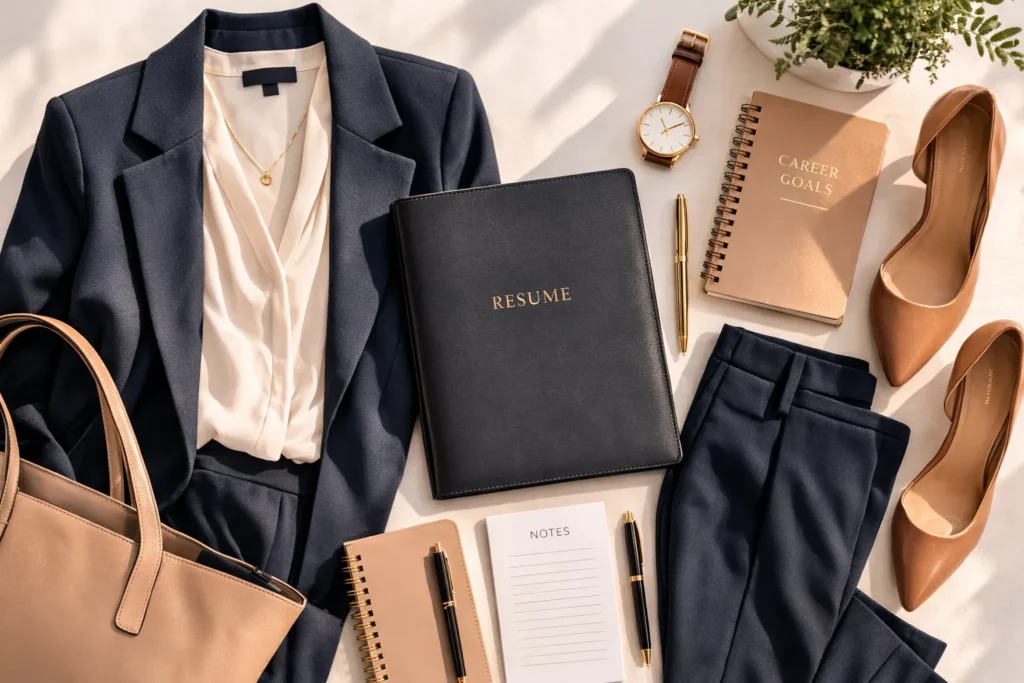
- Bring a structured tote bag or a professional portfolio case to hold your resumes.
Hair and Makeup
Keep your makeup natural and polished. Style your hair away from your face so you do not have to constantly adjust it while speaking to employers.
Gender-Neutral Career Fair Outfit Options
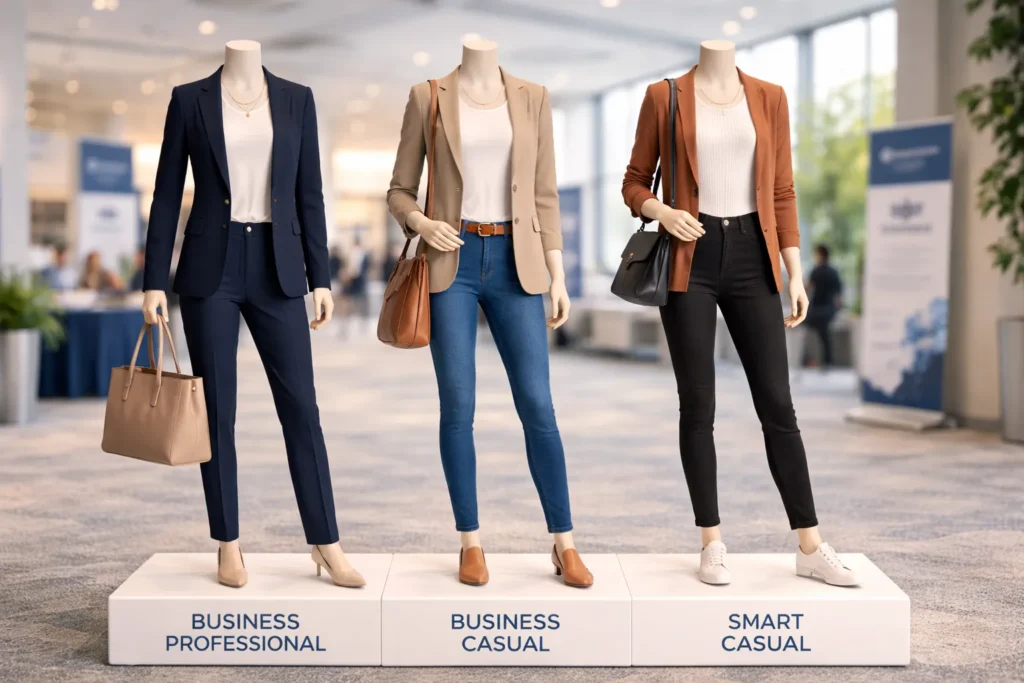
If you prefer gender-neutral clothing, the rules of professionalism remain the same: clean, tailored, and conservative.
Tailored Separates
A well-fitting pair of dress trousers paired with a button-down shirt and a structured blazer looks fantastic on anyone. Stick to monochromatic color palettes like navy, gray, or black for a cohesive, sharp appearance.
Footwear
Leather oxfords, classic loafers, or Chelsea boots are excellent gender-neutral shoe choices. Ensure they are scuff-free and comfortable for walking.
What Not to Wear to a Job Fair

Sometimes, knowing what to avoid is just as important as knowing what to wear. Keep these items out of your career fair outfit rotation:
- Jeans and Denim: Even dark wash jeans can be risky unless the fair specifically states casual dress.
- Sneakers: Save the athletic shoes for the gym.
- Graphic T-Shirts: Never wear a shirt with logos, slogans, or distracting artwork.
- Excessive Fragrance: Heavy perfumes or colognes can overwhelm recruiters.
- Flashy Accessories: Distracting jewelry takes attention away from your qualifications.
- Wrinkled or Stained Clothing: Always iron your clothes and check for spots the night before.
Industry-Specific Career Fair Attire
Not all industries expect the same level of formality. Tailor your look based on the types of companies you want to approach.
Finance, Law, and Corporate Business
These fields maintain strictly traditional dress codes. You must wear a full business professional suit. Stick to dark colors, crisp white shirts, and conservative accessories.
Tech and Engineering
The tech industry is famously casual, but you should still dress up for a hiring event. A business casual look—such as chinos, a button-down shirt, and a casual blazer—is perfect.
Creative, PR, and Marketing
Creative industries allow you to showcase a bit more personality. You can incorporate fashionable cuts, subtle patterns, or a statement piece like a unique blazer. Just ensure the overall silhouette remains professional.
Healthcare and Education
Aim for comfortable, approachable business casual. Dress slacks paired with a nice sweater or a knee-length skirt with a button-down shirt work exceptionally well.
Preparing Your Outfit the Night Before
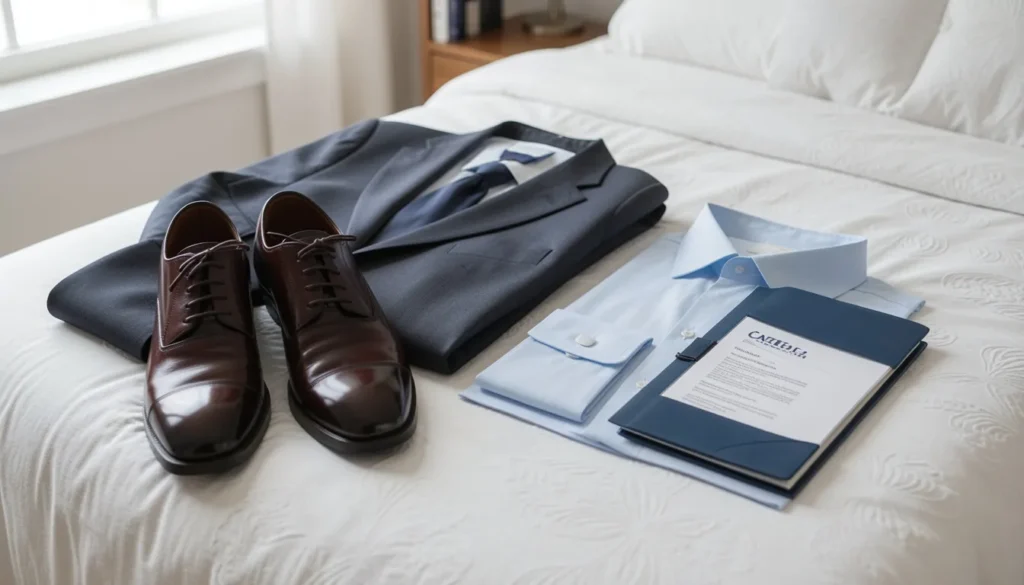
Do not wait until the morning of the event to choose your clothes. Rushing leads to overlooked wrinkles, missing buttons, or mismatched socks.
Your Night-Before Checklist:
- Check the weather forecast and plan outerwear accordingly.
- Try on the complete outfit to ensure everything fits comfortably.
- Iron or steam all garments.
- Polish your shoes.
- Pack your professional tote or briefcase with printed resumes, a notepad, and a pen.
Conclusion
Choosing the right career fair outfit sets the tone for your entire job search. By opting for clean, tailored, and industry-appropriate attire, you communicate respect and readiness to potential employers. Whether you choose a formal suit or a sharp business casual ensemble, the key is to prioritize fit, comfort, and professional grooming. When you look the part, you can focus your energy on what truly matters: confidently pitching your skills and securing that interview.
Frequently Asked Questions (FAQs)
Can I wear a backpack to a career fair?
Avoid wearing bulky backpacks, as they can ruin the line of your suit and look too collegiate. Opt for a professional briefcase, a structured tote, or a sleek leather padfolio to hold your resumes.
Do I have to wear a tie to a career fair?
If the dress code is business professional or you are targeting finance/corporate roles, yes. If the event is business casual, a tie is optional, but wearing one never hurts your chances.
Is it okay to wear bright colors?
It is best to stick to neutral tones (black, navy, gray, beige) for your main pieces. You can incorporate subtle pops of color through a tie, a blouse, or a pocket square.
What if I can’t afford a new suit?
You do not need an expensive designer suit to impress. Look for affordable options at department store sales, or check out thrift stores. The most important thing is how the clothes fit. A cheap, well-tailored suit looks much better than an expensive, poorly-fitting one.