How to Perfect Iconic Bonnie and Clyde Outfits
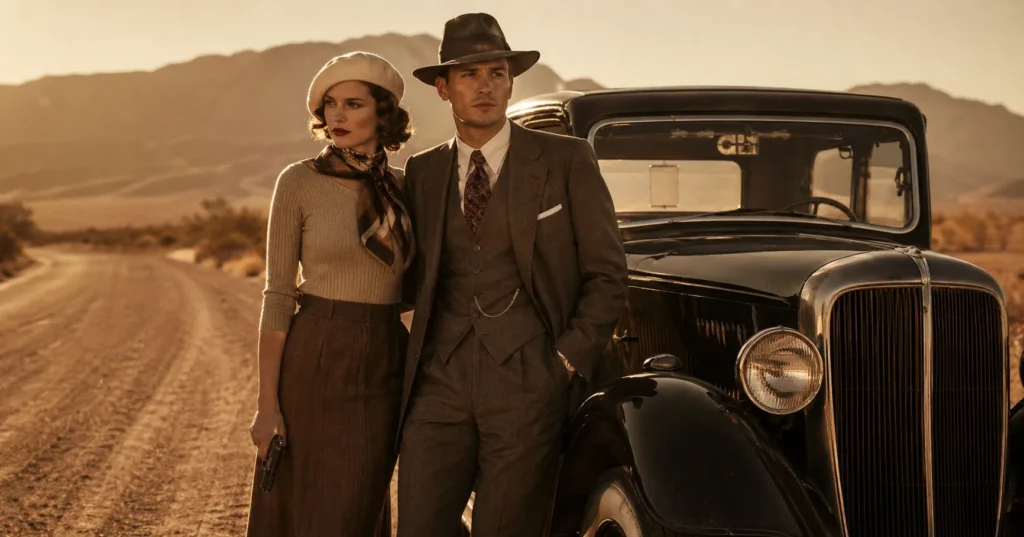
When we think of notorious historical figures, few capture the imagination quite like the infamous outlaw duo of the 1930s. Beyond their highly publicized crime spree, they left behind an unexpected legacy: a distinct, enduring fashion sense. Authentic Bonnie and Clyde outfits remain a massive source of inspiration for vintage fashion lovers, cinema enthusiasts, and couples looking for the perfect coordinated costume.
During the Great Depression, people dressed carefully, and this duo was no exception. Despite their life on the run, they managed to project an image of glamour and sophistication. If you want to understand the mechanics of 1930s fashion or recreate their legendary looks, you are in the right place. We will explore the historical context, break down their signature garments, and show you how to pull off these vintage styles with modern clothing.
The Allure of 1930s Outlaw Fashion
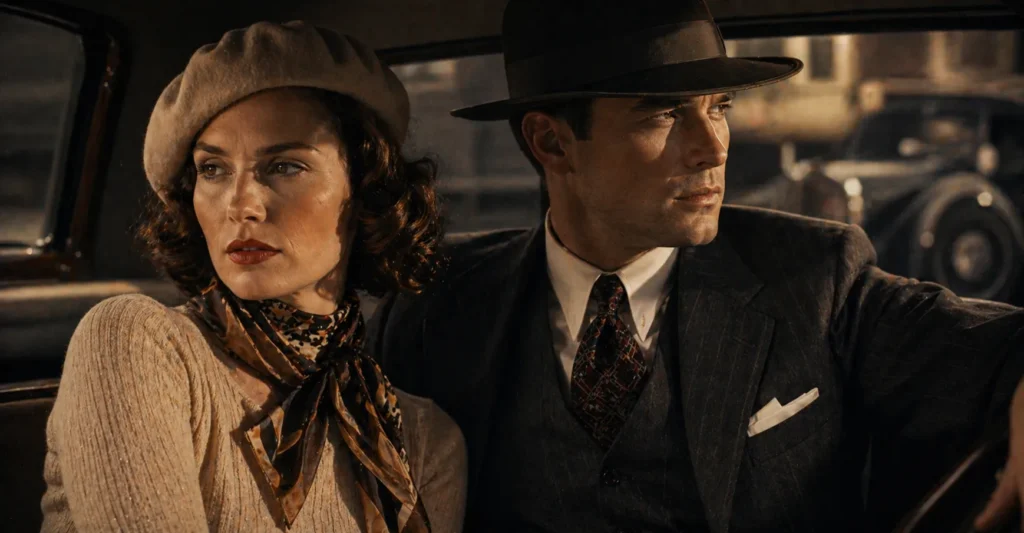
To truly capture the essence of this couple, you need to understand the era they lived in. The 1930s marked a shift in fashion. The loose, boyish flapper dresses of the 1920s gave way to more tailored, form-fitting silhouettes.
People placed a high value on looking presentable in public. Even as bank robbers moving from town to town, Bonnie and Clyde prioritized their appearance. They used fashion to project an image of success and rebellion. Their clothing choices were sharp, practical, and undeniably stylish.
Breaking Down Bonnie Parker’s Signature Style
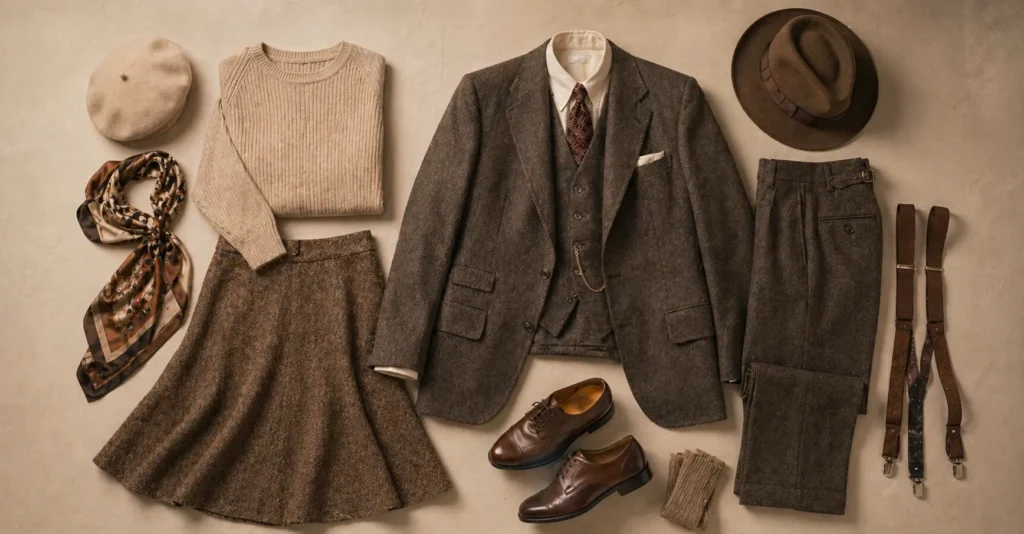
Bonnie Parker embodied the sleek, feminine fashion of the early 1930s. She favored garments that were easy to move in but still highlighted an elegant silhouette.
The Classic Midi Skirt
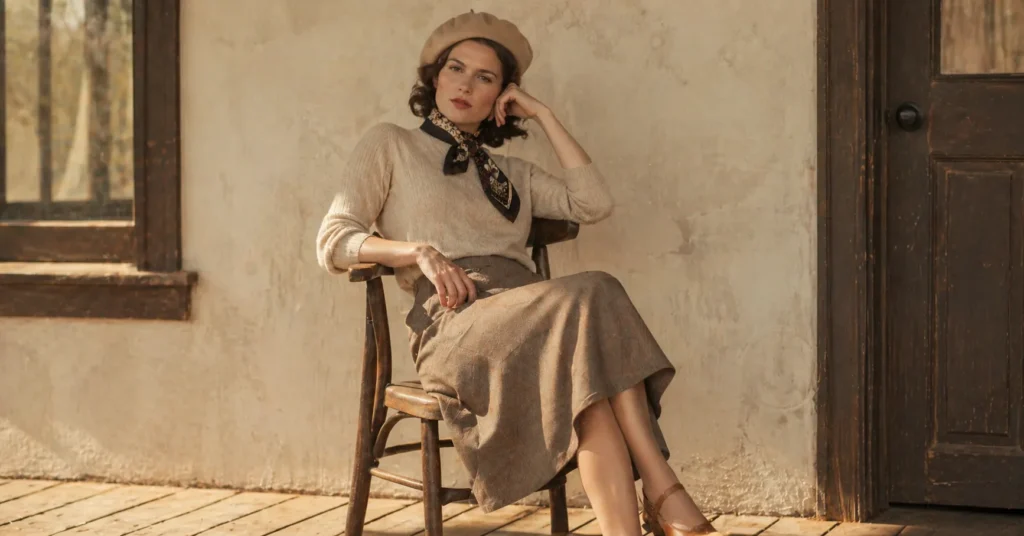
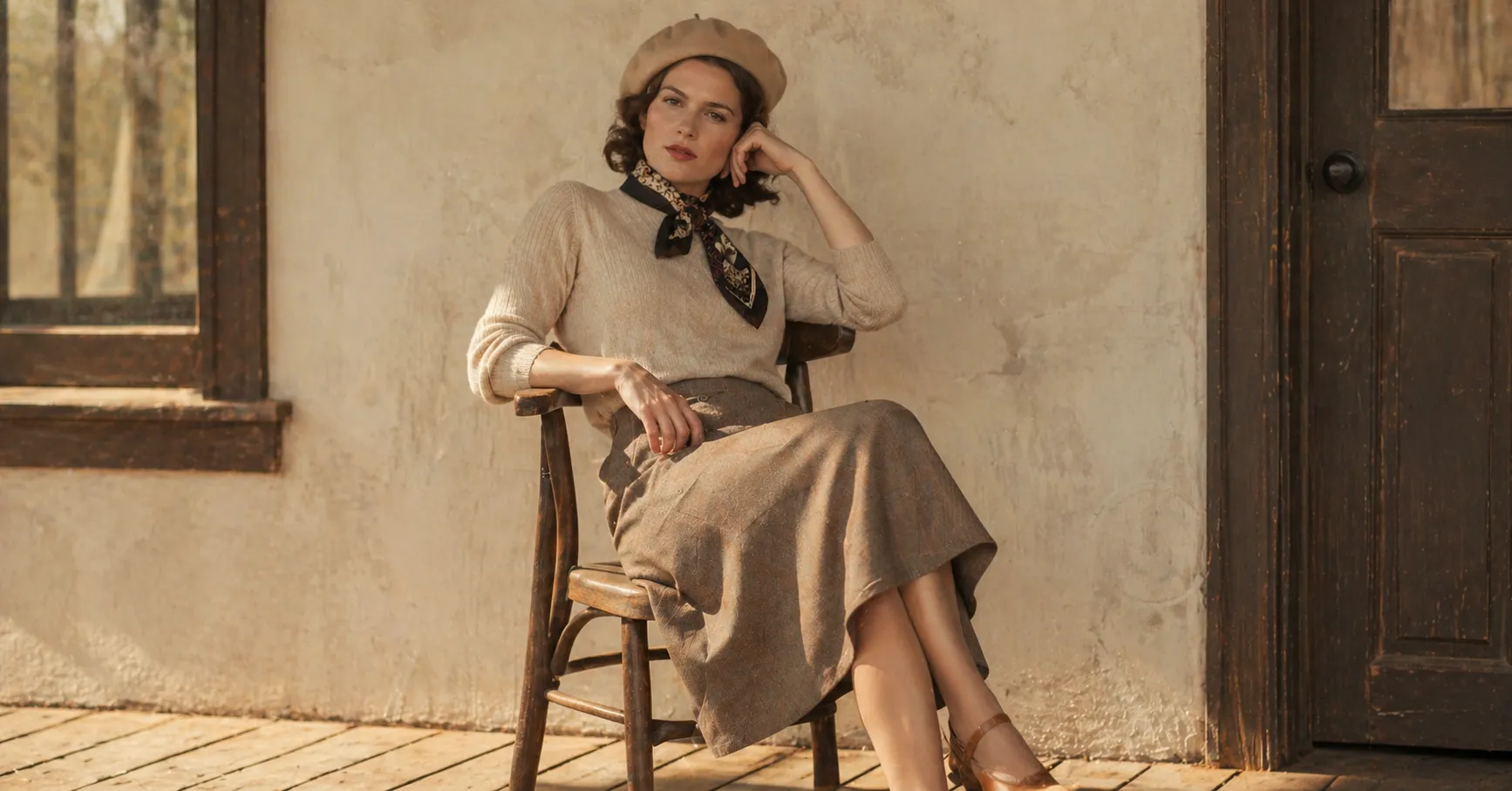
The cornerstone of Bonnie’s wardrobe was the midi skirt. During this decade, hemlines dropped back down to the mid-calf.
- The Cut: Look for A-line or bias-cut skirts that flow beautifully as you walk.
- The Fabric: Wool blends and tweed were common for everyday wear, providing durability and warmth during long car rides.
- The Fit: Skirts sat high on the natural waist, creating a flattering hourglass shape.
Knit Sweaters and Silk Blouses
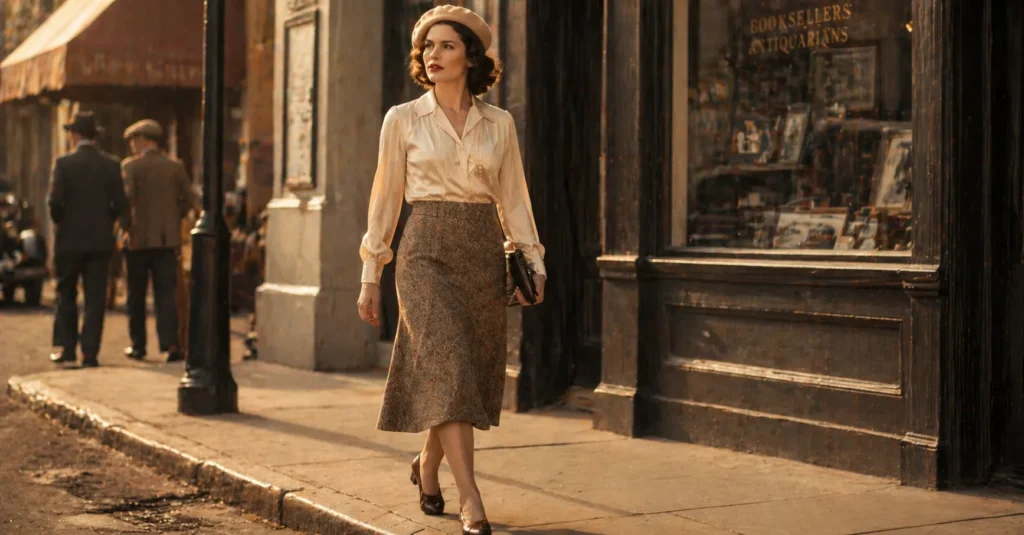
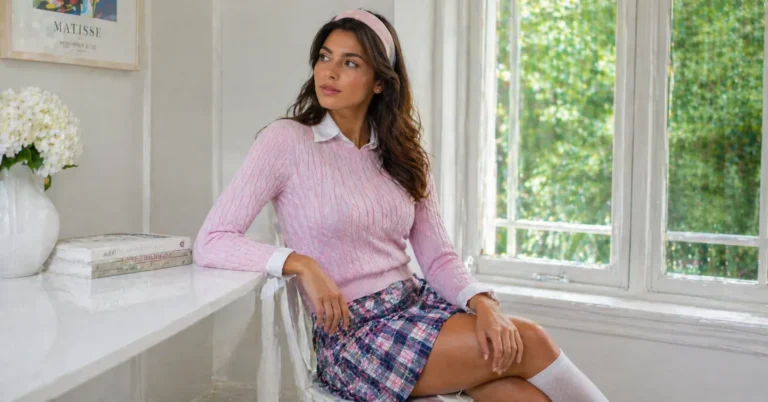
Bonnie balanced her structured skirts with soft, fitted tops. She frequently wore short-sleeved knit sweaters with subtle detailing like ribbed cuffs or pointelle stitching. For dressier moments, she opted for silk blouses featuring delicate buttons and sharp collars. V-necklines and subtle puff sleeves were incredibly popular at the time.
The Iconic Beret and Silk Scarves
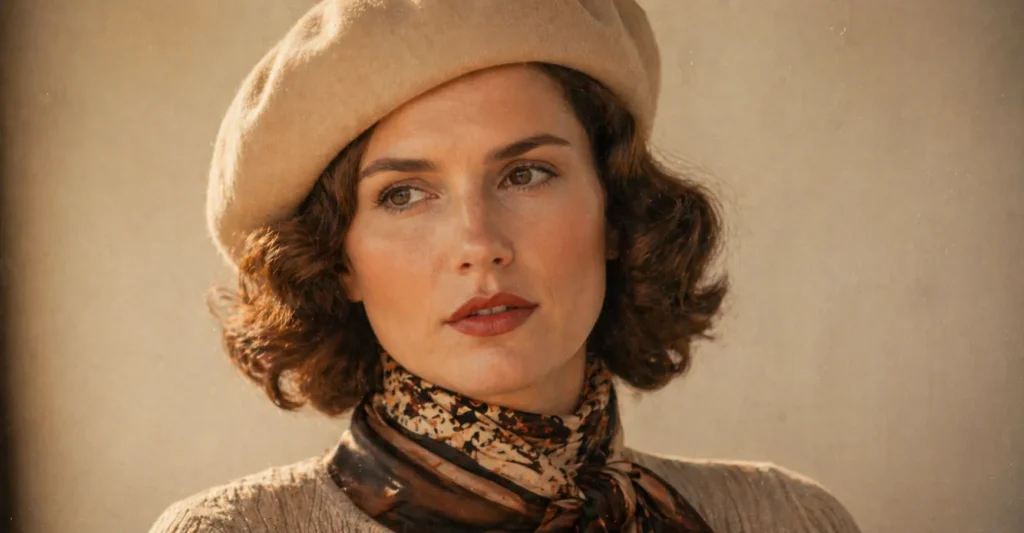
You cannot discuss Bonnie Parker without mentioning her headwear. The beret became her ultimate signature piece. Worn slightly tilted to one side, a wool beret added a touch of European chic to her outlaw aesthetic. She frequently paired this with a printed silk scarf tied neatly around her neck, adding a pop of pattern and color to otherwise neutral outfits.
Vintage Footwear
Bonnie favored practical but stylish shoes. Classic Mary Janes with a moderate block heel or leather T-strap pumps allowed her to look elegant while maintaining the ability to move quickly.
Mastering Clyde Barrow’s Dapper Look
Clyde Barrow dressed to impress. He favored the classic menswear of the era, proving that a life of crime did not mean sacrificing a sharp, tailored appearance.
The Three-Piece Suit
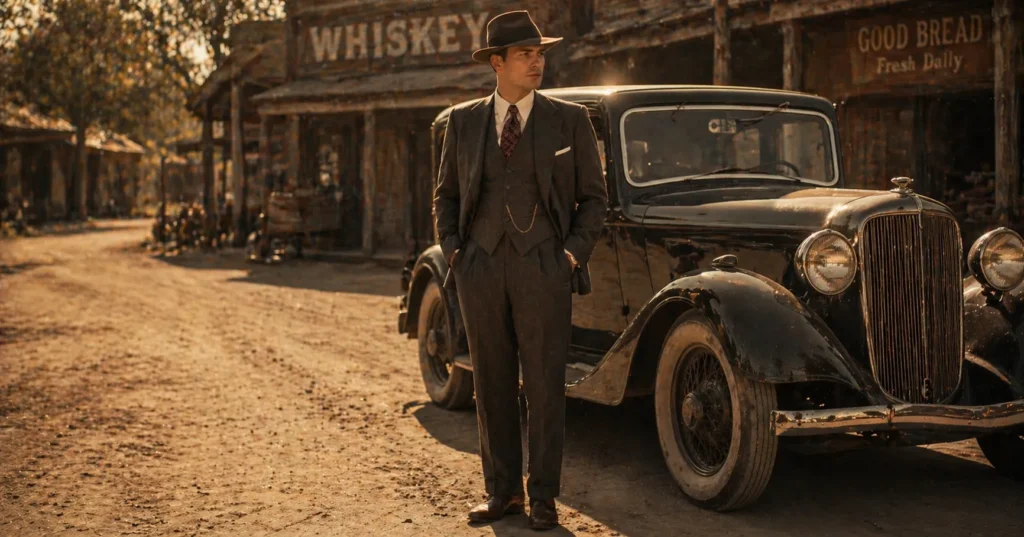
The foundation of Clyde’s wardrobe was the three-piece suit. A well-fitted suit projected authority and confidence.
- The Jacket: He wore single-breasted or double-breasted suit jackets featuring wide, sharp lapels.
- The Vest: The matching waistcoat was essential. It added a layer of refinement and kept him looking polished even if he took his jacket off.
- The Trousers: Men’s trousers in the 1930s featured a high rise and a wide, relaxed leg with a sharp center crease.
Crisp Dress Shirts and Ties
Clyde paired his suits with crisp, high-quality cotton dress shirts. He favored classic white or subtle pinstripes. A wide silk tie, often featuring geometric or art deco patterns, completed the formal look.
Fedoras and Headwear
Just as Bonnie had her beret, Clyde had his fedora. A wide-brimmed felt fedora pulled slightly low over the eyes provided the ultimate gangster aesthetic. Panama hats made of woven straw were also popular choices for the warmer summer months in Texas and the Midwest.
Footwear and Accessories
Clyde wore polished leather oxfords or wingtip brogues, often featuring two-tone color schemes like black and white. Suspenders were another crucial element, holding up his high-waisted trousers while adding an authentic vintage touch to his ensemble.
The 1967 Film: Hollywood’s Take on Outlaw Style
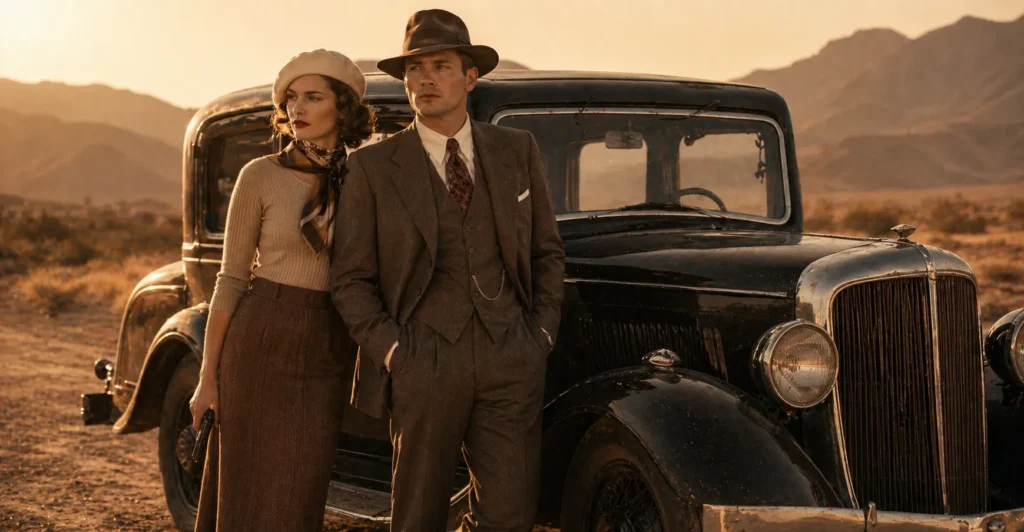
Our modern perception of Bonnie and Clyde outfits heavily stems from the iconic 1967 film starring Faye Dunaway and Warren Beatty.
Costume designer Theadora Van Runkle completely revolutionized fashion with her work on this movie. Instead of creating exact historical replicas, she blended 1930s silhouettes with 1960s sensibilities. The film caused a massive resurgence in vintage fashion. Women rushed to buy berets, midi skirts, and fitted sweaters, while men embraced double-breasted suits and fedoras. When recreating these looks today, many people actually reference the Hollywood interpretation rather than the historical reality.
Recreating Bonnie and Clyde Outfits for Couples
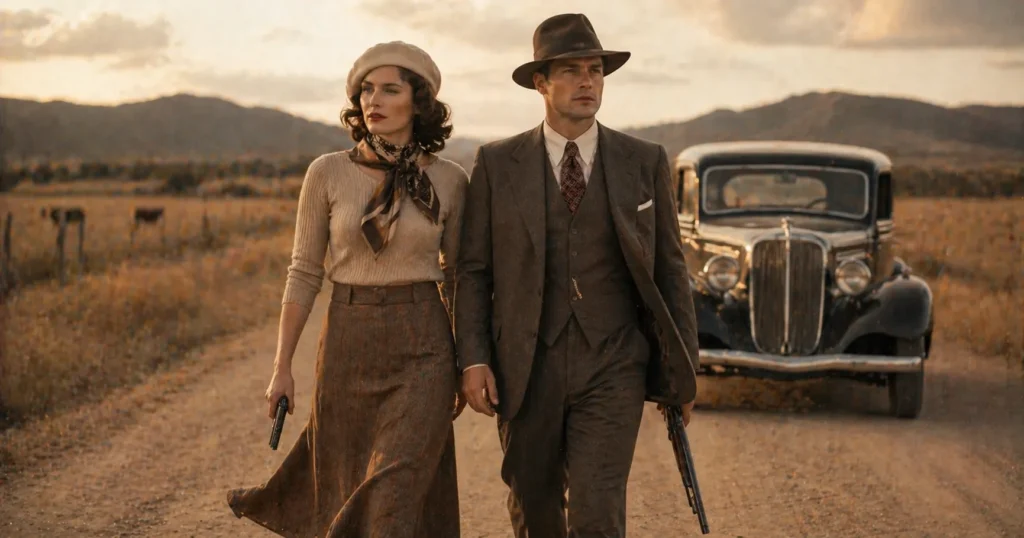
If you want to dress up as this infamous duo for a themed party, a photoshoot, or Halloween, coordinating your looks is essential. Here is a quick guide to pulling it off seamlessly.
- Stick to a Cohesive Color Palette: Choose warm earth tones. Browns, tans, mustard yellows, and deep greens work perfectly together and capture the sepia-toned vintage vibe.
- Focus on Tailoring: Vintage clothing looks best when it fits well. Make sure Clyde’s suit is tailored and Bonnie’s skirt hits exactly at the natural waist.
- Prioritize Textures: Mix wool, tweed, silk, and leather to give your outfits depth and authenticity.
- Nail the Details: Accessories make the outfit. Do not forget the cigar (or faux cigar) for Clyde and the silk neck scarf for Bonnie.
Conclusion
Creating authentic Bonnie and Clyde outfits is a fantastic way to pay homage to 1930s fashion. By focusing on tailored silhouettes, classic fabrics like tweed and wool, and iconic accessories like the beret and the fedora, you can easily capture the glamorous, rebellious spirit of this infamous duo. Whether you want to incorporate a touch of vintage flair into your everyday wardrobe or put together the ultimate couples costume, understanding the history behind these garments guarantees a stunning, head-turning look.
Frequently Asked Questions (FAQs)
1. What did Bonnie Parker actually wear?
Historically, Bonnie wore mid-calf length skirts, fitted knit sweaters, silk blouses, and practical block-heeled shoes. Her most famous accessory was her classic wool beret.
2. Did Clyde Barrow always wear a suit?
Yes, Clyde was known for his dapper appearance. He frequently wore tailored three-piece suits, dress shirts, ties, and wide-brimmed fedoras, even while on the run.
3. Why did the 1967 movie change fashion?
The 1967 film featured costume designs by Theadora Van Runkle that romanticized 1930s fashion. Faye Dunaway’s look in the film was so chic that it sparked a massive global trend for berets, midi skirts, and vintage glamour.
4. What kind of shoes did they wear?
Bonnie typically wore leather T-strap heels or Mary Janes. Clyde wore polished leather oxfords, brogues, or classic two-tone spectator shoes.
5. How can I make a Bonnie and Clyde costume easily?
For Bonnie, pair a tweed midi skirt with a short-sleeved sweater, a neck scarf, and a beret. For Clyde, wear a suit vest over a white dress shirt, add a wide tie, and finish the look with a classic fedora.