The Guide to Alt Clothing DIY: Customize Your Wardrobe
Finding the perfect alternative fashion pieces can be expensive and time-consuming. Instead of spending a fortune on mass-produced items, you can create a completely unique wardrobe using alt clothing DIY techniques. Customizing your clothes allows you to express your exact aesthetic, whether you lean toward grunge, punk, goth, or emo styles.
Building an alternative wardrobe is all about rejecting the mainstream and embracing individuality. You do not need to be a master seamstress to get started. With a few basic tools and some creativity, you can transform thrifted finds or old basics into striking, one-of-a-kind statement pieces. We will cover the best techniques, essential tools, and practical tips to help you start upcycling your clothing right now.
What is Alt Clothing DIY?
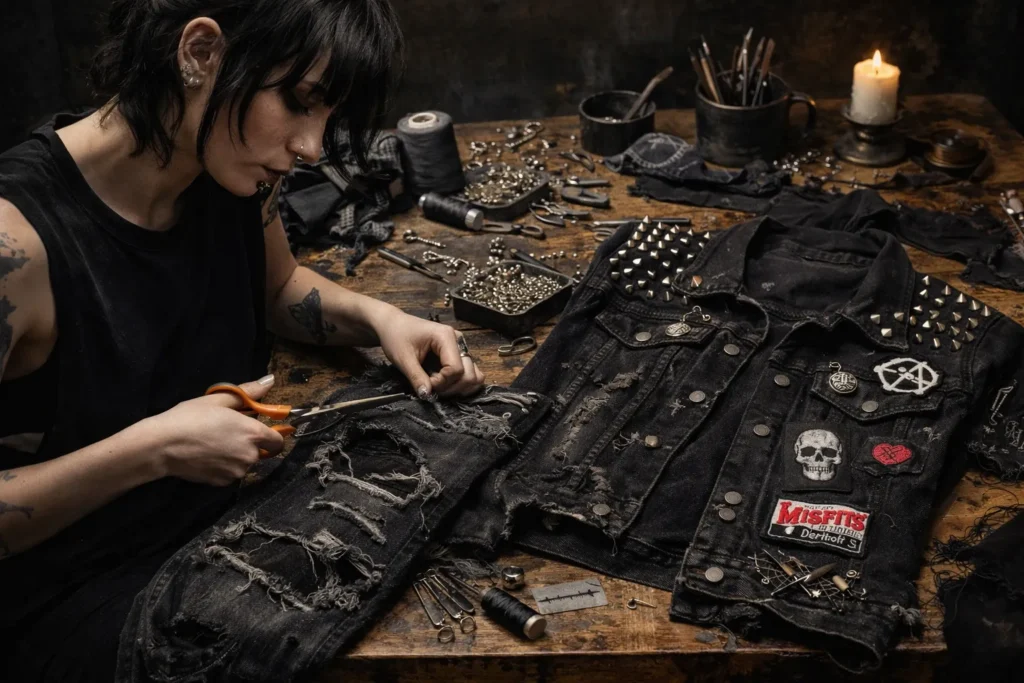
Alt clothing DIY involves modifying, distressing, or completely transforming garments to fit an alternative fashion aesthetic. This practice has deep roots in punk and grunge subcultures. Early alternative fashion pioneers rejected expensive designer brands, choosing instead to rip, patch, and safety-pin their clothes as a form of rebellion.
Today, DIY fashion remains a cornerstone of alternative culture. It provides a way to wear your favorite band logos, show off political beliefs, or simply create a silhouette that mainstream stores do not offer. From bleaching black denim to sewing custom patches onto jackets, the possibilities are endless.
Essential Tools for Your Alt Fashion Projects
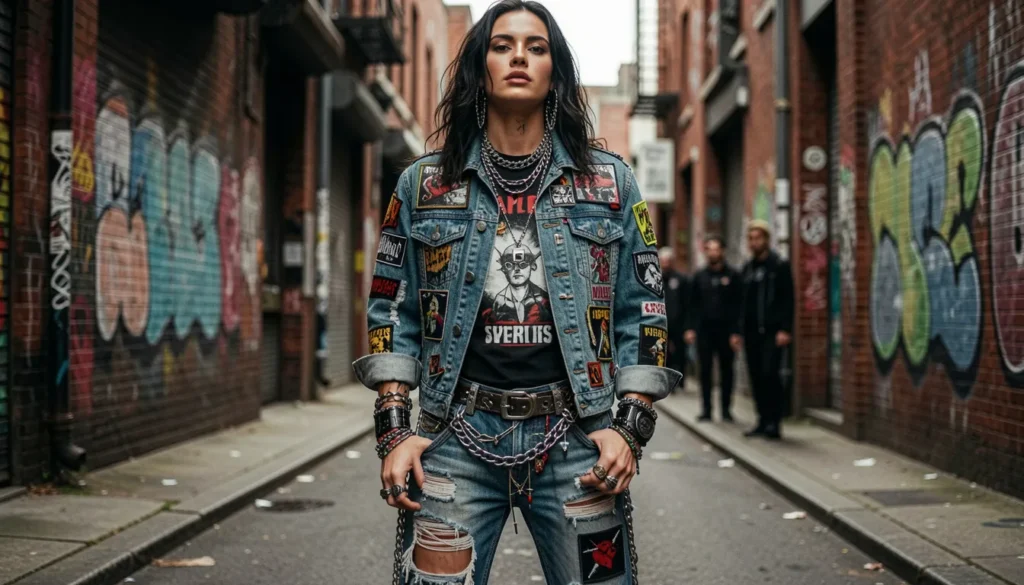
Before you start tearing into your shirts and pants, you need to gather the right supplies. Having a dedicated DIY kit will make your projects much easier and yield better results.
Cutting and Distressing Tools
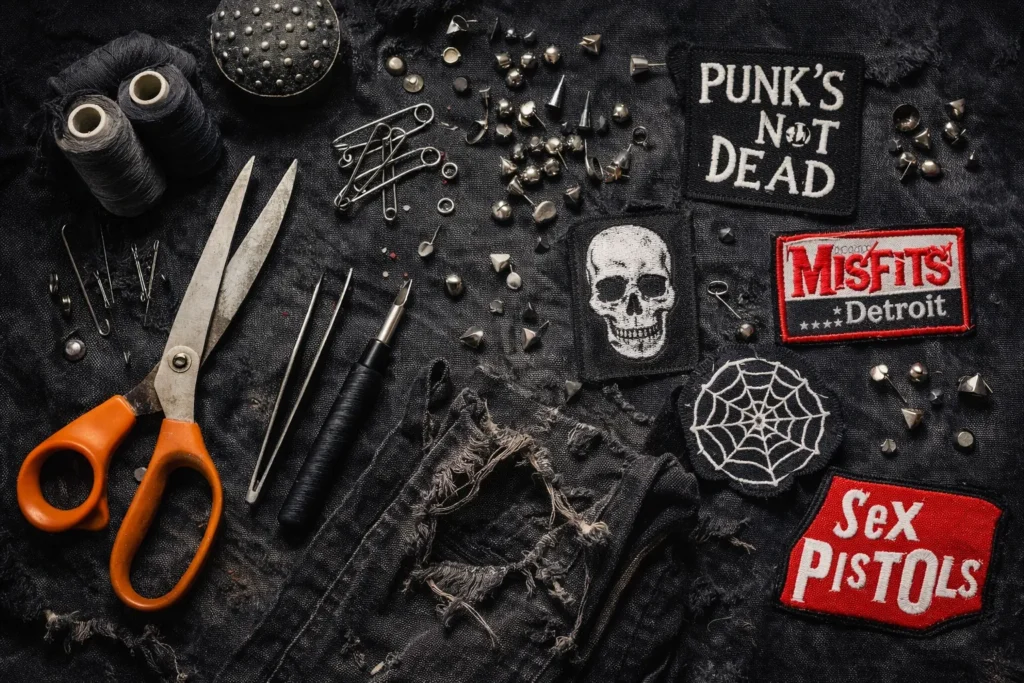
You cannot create authentic-looking distressed clothing with dull scissors. Here is what you need for cutting and ripping:
- Fabric Scissors: Keep a pair exclusively for cutting fabric to maintain their sharpness.
- Seam Ripper: Essential for removing pockets, collars, or taking garments apart cleanly.
- Tweezers: The secret tool for pulling individual threads when distressing denim.
- Sandpaper or a Pumice Stone: Use these to wear down the edges of collars, cuffs, and denim knees for a naturally aged look.
Sewing and Attaching Essentials
Even if you prefer a raw, unfinished look, you will still need a few items to attach hardware and patches.
- Needles and Heavy-Duty Thread: Dental floss or thick embroidery thread works perfectly for a chunky, visible stitch.
- Safety Pins: Buy these in bulk. They are great for quick fixes or as decorative elements.
- Studs and Spikes: You can buy metal hardware online to push through leather or denim.
- Fabric Glue: For those who prefer not to sew, fabric glue is a lifesaver for applying patches.
Beginner-Friendly Alt Clothing DIY Techniques
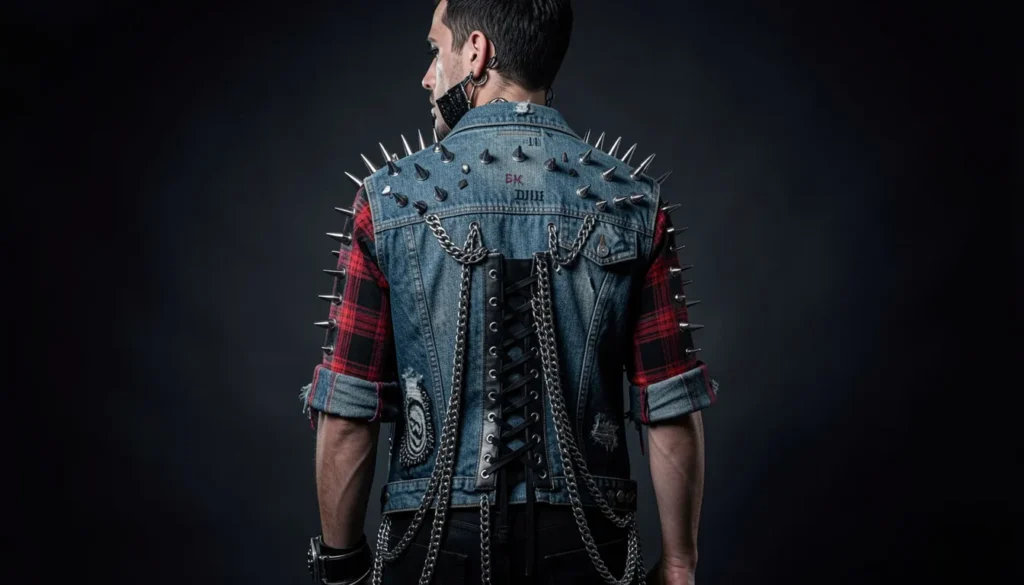
You do not need prior experience to start customizing your clothes. Try these simple, low-cost projects to kickstart your DIY journey.
Distressing Denim
Distressed jeans and jackets are staples of grunge and punk fashion. Creating authentic-looking rips is surprisingly simple.
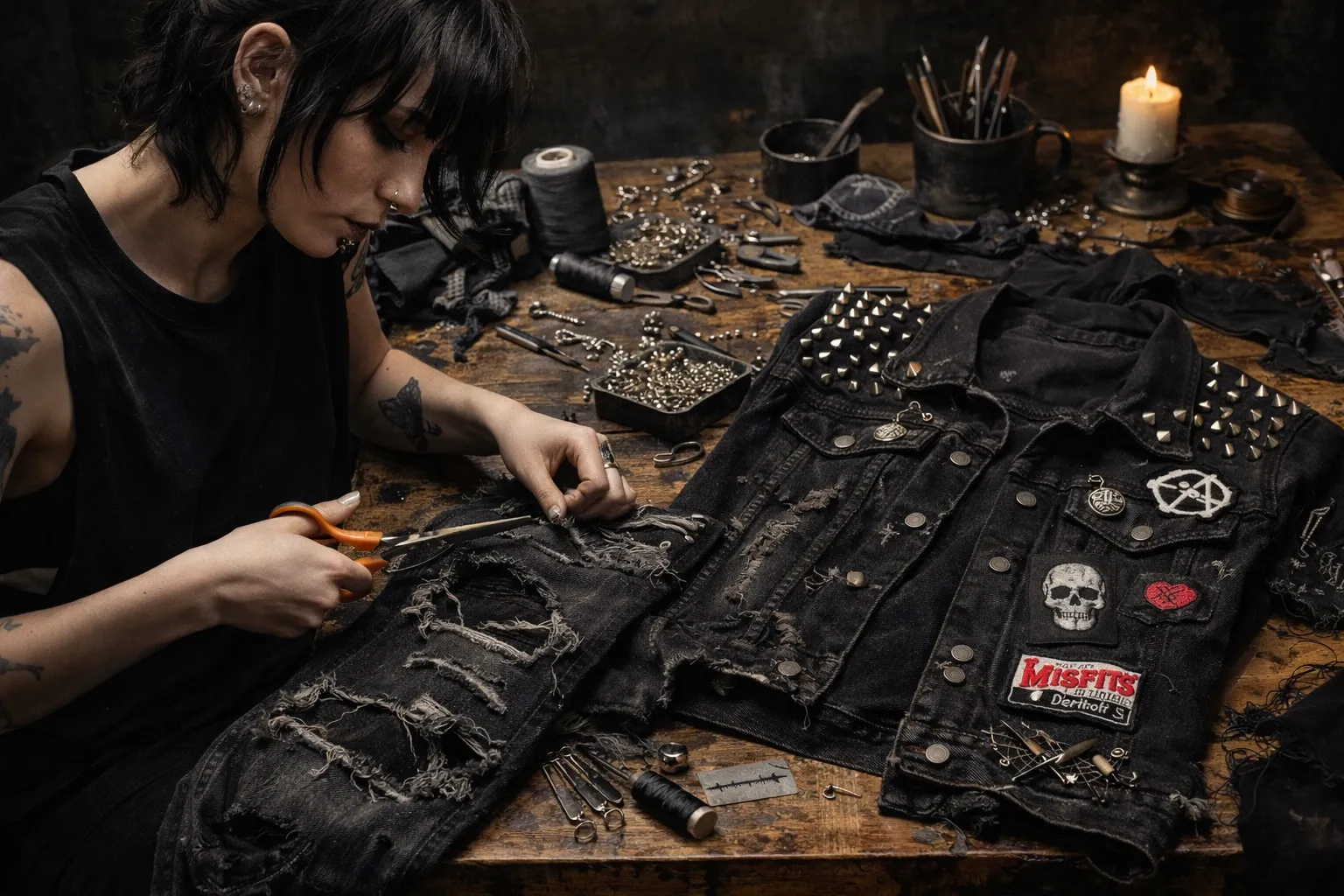
First, mark the area you want to distress with chalk. Make two parallel horizontal cuts with your fabric scissors. Take your tweezers and carefully pull out the vertical blue threads between the cuts. This leaves the horizontal white threads intact, creating a perfect, natural-looking rip. Run sandpaper over the edges of the cut to fray them further.
Adding Safety Pins and Hardware
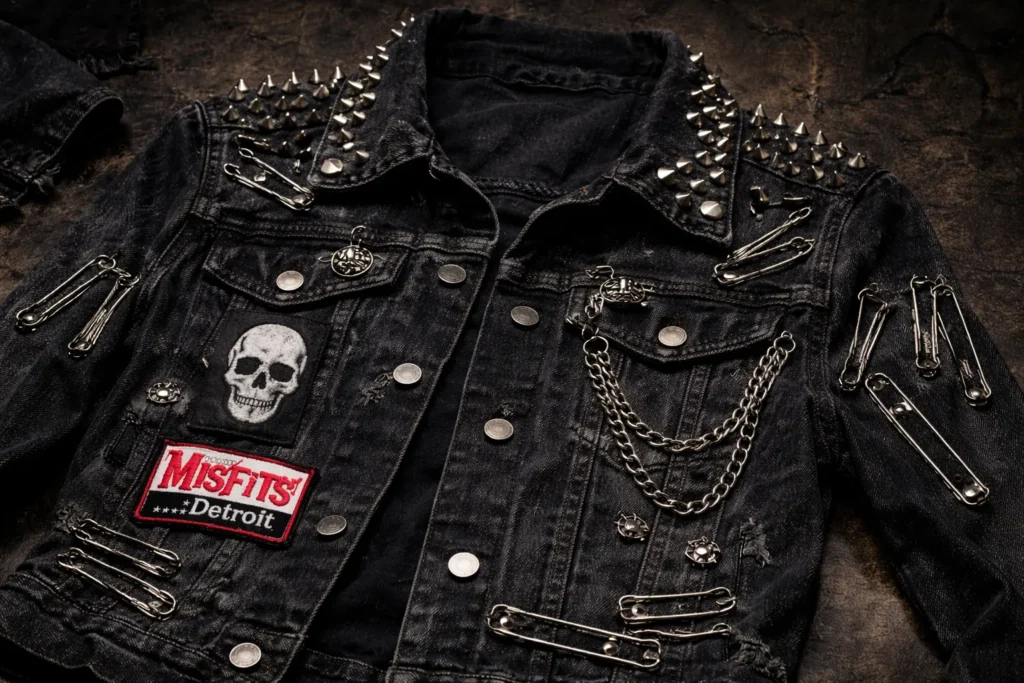
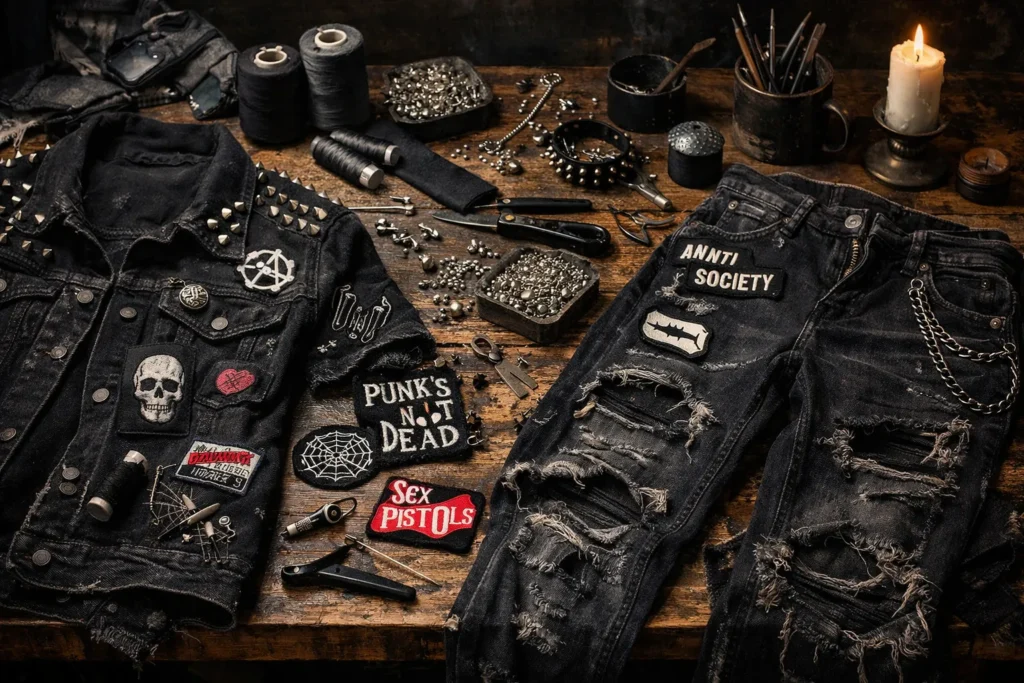
Hardware instantly adds an edgy, industrial vibe to any garment. You can line the collar of a denim jacket with cone spikes or add metal eyelets to the hem of a skirt.
Safety pins are the easiest hardware to use. You can pin them in a row along a seam, create a chain connecting a pocket to a belt loop, or use them to hold a purposefully cut slit together. They offer a chaotic, asymmetrical look that defines punk fashion.
Patchwork and Band Merch Customization
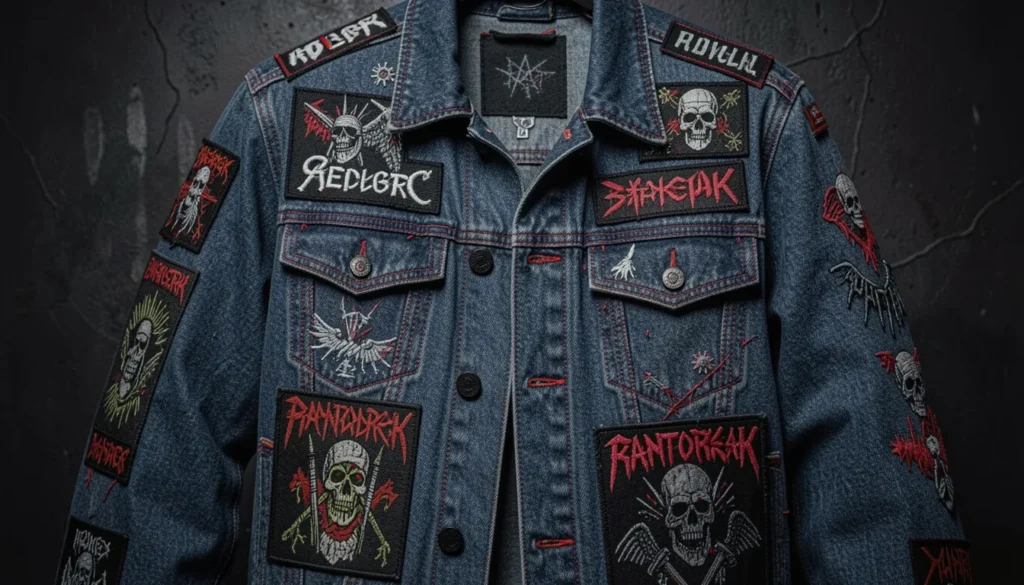
Patches are the ultimate way to personalize a jacket or vest. You can buy embroidered patches of your favorite bands, or make your own by painting on scrap canvas.
To attach a patch, pin it to your garment first. Use a thick needle and contrasting thread (like red or white thread on black fabric) to sew a whipstitch around the border. The messy, visible stitching is part of the aesthetic. You can also cut the graphics out of old band t-shirts and sew them directly onto the back of a flannel or denim jacket.
Bleach Painting and Dyeing
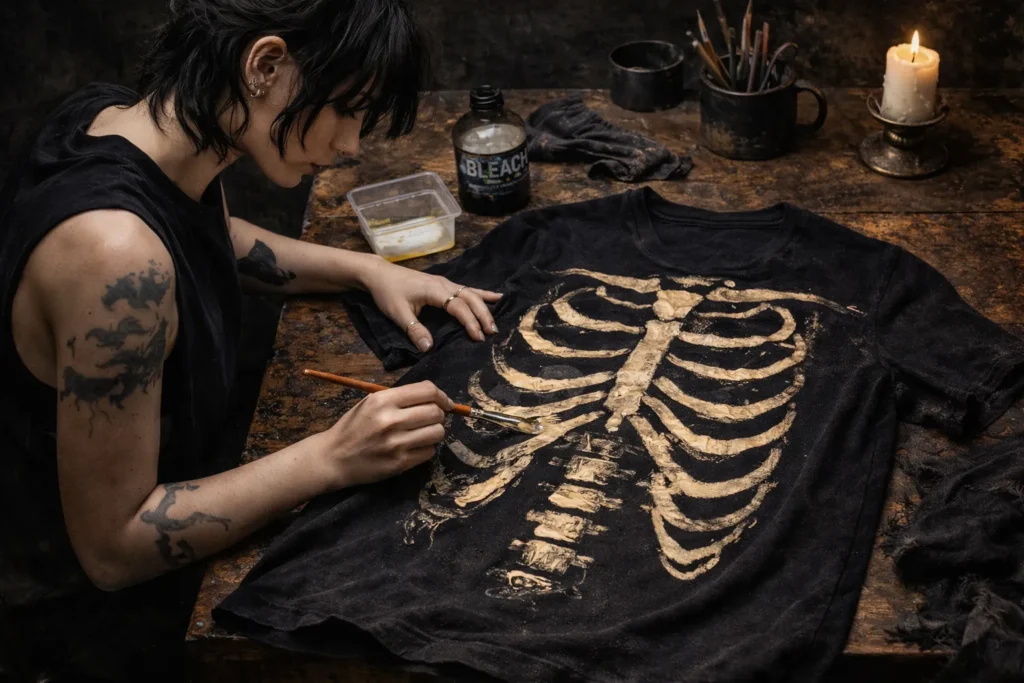
Bleach is a powerful tool for goth and grunge styles. When applied to black cotton, bleach usually turns the fabric a rusty orange or pale yellow, creating a striking contrast.
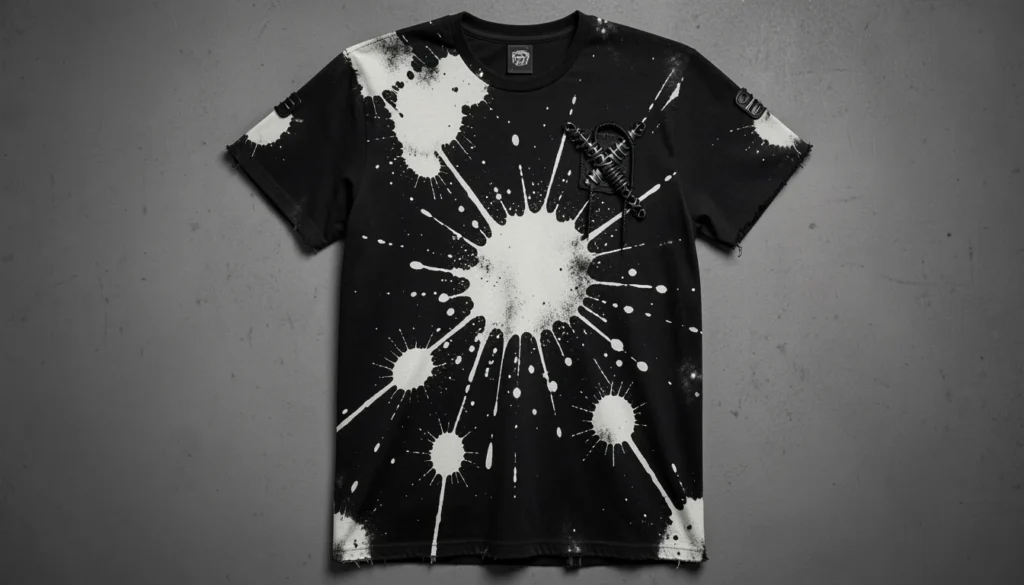
You can mix equal parts bleach and water in a spray bottle to create a splatter effect on a dark shirt. Alternatively, dip a paintbrush into the bleach solution and paint ribcages, spiderwebs, or quotes directly onto the fabric. Always do this outside or in a well-ventilated area, and wash the garment immediately after achieving the desired color to stop the chemical reaction.
Benefits of Upcycling Your Alternative Wardrobe
Engaging in DIY clothing projects offers more than just a unique look. It is a highly beneficial practice for both your wallet and the planet.
- Cost-Effective: Thrift store basics cost a fraction of the price of branded alternative clothing.
- Eco-Friendly: Upcycling keeps old clothes out of landfills and reduces the demand for fast fashion.
- Perfect Fit: When you alter your own clothes, you can tailor them perfectly to your body shape.
- Creative Outlet: Crafting and sewing provide a relaxing, screen-free way to express your creativity.
Advanced Customization Ideas
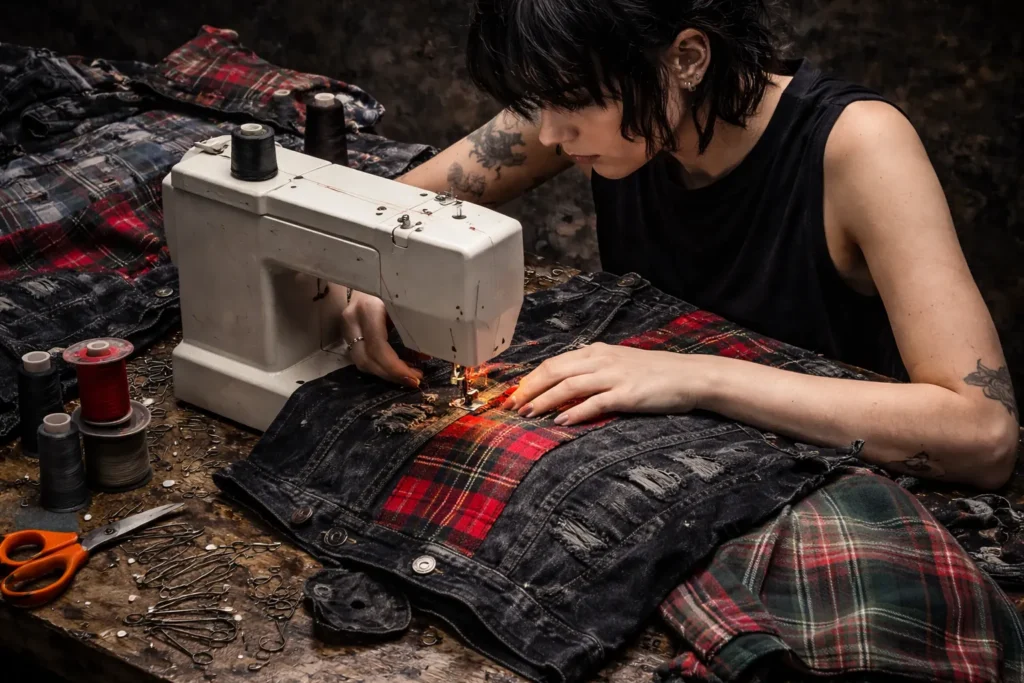
Once you master the basics, you can move on to more complex alterations. Try combining multiple garments into one piece, like sewing the sleeves of a plaid flannel onto a denim vest. You can also experiment with hardware installation, such as adding heavy duty zippers to the knees of your pants or creating custom corset lacing on the back of a plain t-shirt.
Conclusion
Mastering alt clothing DIY gives you total control over your personal style. By utilizing simple distressing techniques, adding raw hardware, and sewing on custom patches, you can turn any boring garment into an alternative masterpiece. Gather your scissors, safety pins, and creativity, and start upcycling your wardrobe. The best alternative clothing is the kind you make yourself.
Frequently Asked Questions (FAQs)
What is the best fabric for alt clothing DIY?
Denim and cotton are the best fabrics for beginners. They are highly durable, take bleach well, and do not unravel too quickly when cut. Avoid stretchy synthetic fabrics like polyester until you are more comfortable with sewing.
How do I wash DIY distressed clothes?
To prevent massive fraying or losing hardware, always wash your DIY clothes inside out on a delicate, cold water cycle. Even better, hand wash items with heavy studs or delicate patches. Never put heavily distressed items in the dryer; hang them to dry instead.
Can I use regular thread for sewing patches?
You can, but it may snap over time. For alternative fashion, thick upholstery thread, embroidery floss, or even unwaxed dental floss are much better options. They provide both durability and that classic, chunky punk look.
Where can I find cheap clothes to customize?
Thrift stores, yard sales, and the clearance racks of basic apparel stores are goldmines for DIY projects. You can also ask friends or family for old, damaged clothes they plan to throw away.