Summer Camping Outfit Ideas: Your Complete Outdoor Gear Guide
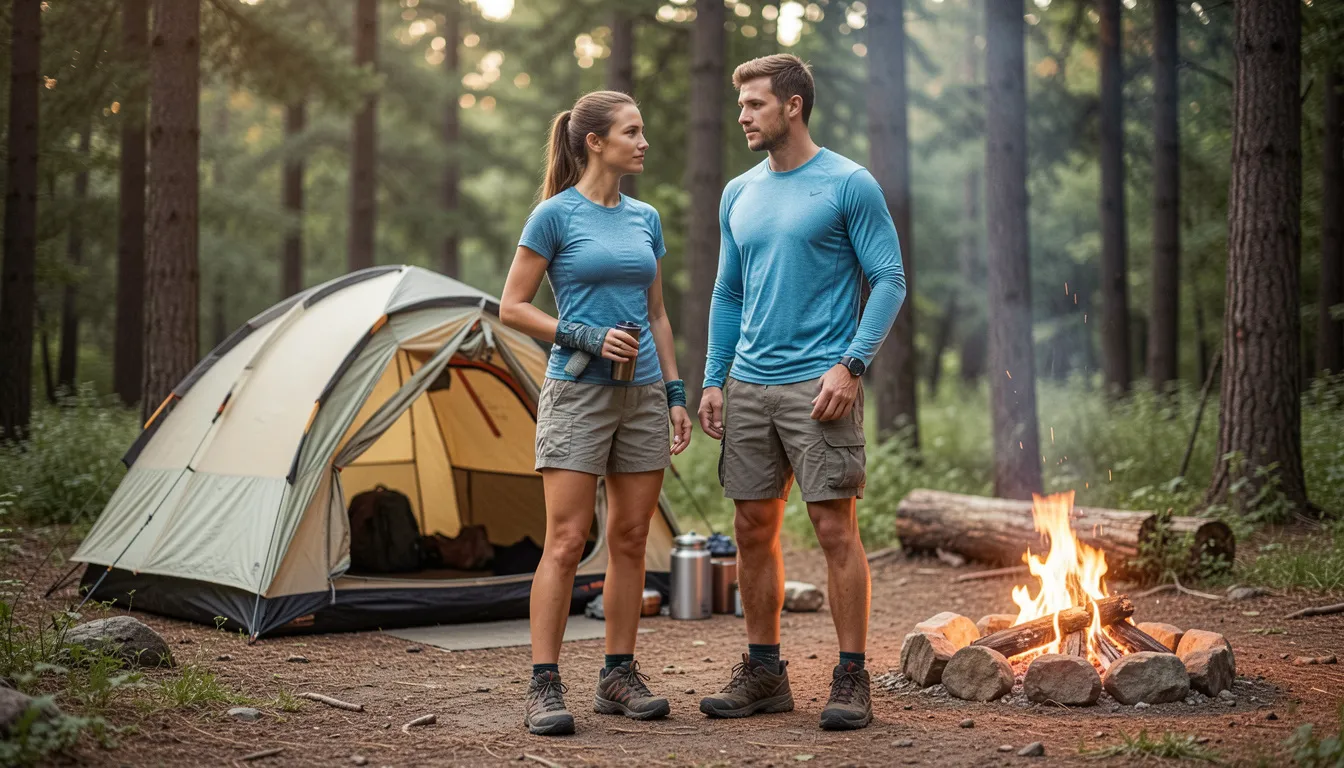
Heading into the great outdoors during the warmer months requires a bit of planning. You want to enjoy the sunshine, hike the trails, and relax by the fire without overheating or feeling uncomfortable. That is why finding the best summer camping outfit ideas is essential before you pack your bags. When you wear the right gear, you protect yourself from the sun, avoid annoying bug bites, and stay cool even when the temperature spikes.
In this comprehensive guide, we will walk you through exactly what to wear for a hot weather camping trip. From the best moisture-wicking fabrics to the smartest footwear choices, you will learn how to build a practical and stylish outdoor wardrobe.
Why Choosing the Right Camping Clothes Matters
When you step out of your everyday environment and into nature, your clothing becomes your primary protection against the elements. Your everyday cotton t-shirts and heavy denim jeans might look great in the city, but they perform poorly on a campsite.
Choosing specialized outdoor apparel provides several major benefits:
- Temperature Control: Breathable fabrics pull sweat away from your skin, helping your body cool itself naturally.
- Safety from Elements: UPF-rated clothing blocks harmful UV rays, while tough materials protect your skin from branches and rocks.
- Insect Defense: Treating the right fabrics with insect repellent keeps mosquitoes and ticks away.
- Odor Management: Many modern outdoor fabrics feature antimicrobial treatments that keep you smelling fresh, even if you skip a shower.
Core Principles of Summer Outdoor Wear
To build the perfect camping wardrobe, you need to follow three basic principles. Keep these in mind as you pack your duffel bag.
Focus on Moisture-Wicking Materials
Sweating is inevitable when setting up a tent or hiking a trail in July. Moisture-wicking fabrics pull that sweat away from your body and push it to the outer surface of the clothing, where it evaporates quickly. This process keeps you dry and prevents painful chafing.
Embrace the Layering System
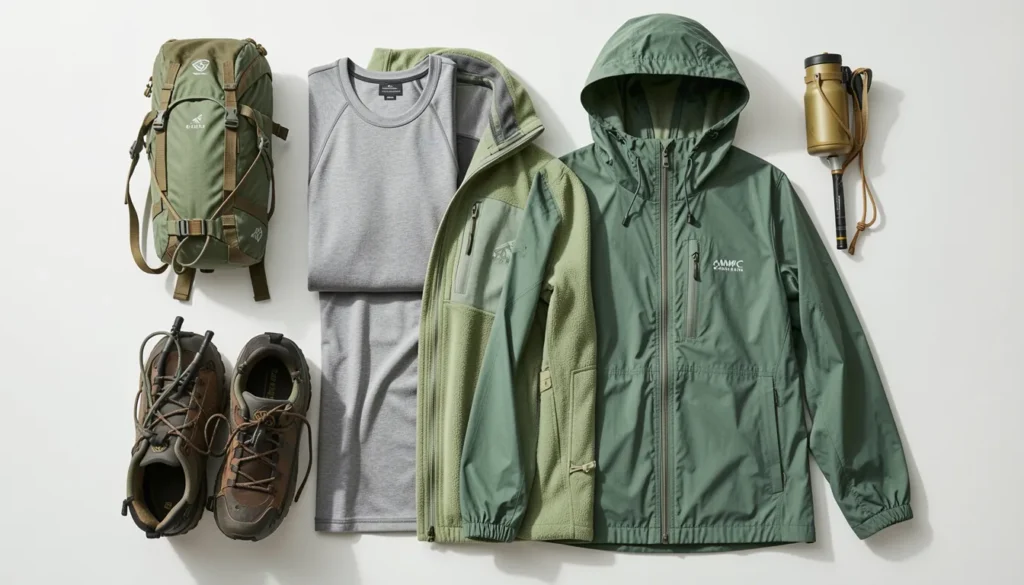
Even in the middle of summer, temperatures drop significantly when the sun goes down. A smart layering system includes:
- A lightweight, moisture-wicking base layer.
- An insulating mid-layer for the evening, like a light fleece.
- A protective outer layer, such as a rain jacket, to shield you from sudden summer storms.
Prioritize Sun Protection
Sunburn can quickly ruin a camping trip. Look for clothing with an Ultraviolet Protection Factor (UPF) rating. A UPF 50 shirt blocks 98% of the sun’s rays, offering far more protection than standard summer apparel.
Best Summer Camping Outfit Ideas by Activity
Your daily schedule dictates what you should wear. Here are tailored outfit ideas based on common camping activities.
Hiking and Trail Walking
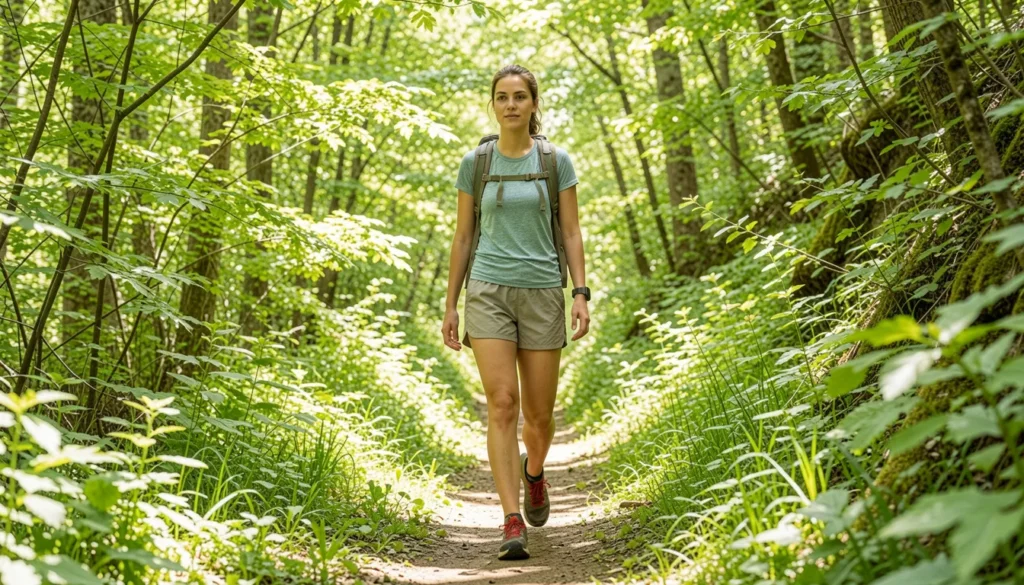
When hitting the trails, function takes priority. You need gear that moves with you and resists snags.
- Nylon hiking pants or shorts: Nylon is incredibly durable, lightweight, and dries fast. Convertible pants (which zip off into shorts) offer great versatility.
- Merino wool or synthetic t-shirts: These materials resist odors and dry quickly. Avoid cotton at all costs when hiking.
- Lightweight hiking socks: Pair a thin merino wool sock with your hiking shoes to prevent blisters and manage foot sweat.
Relaxing at the Campsite
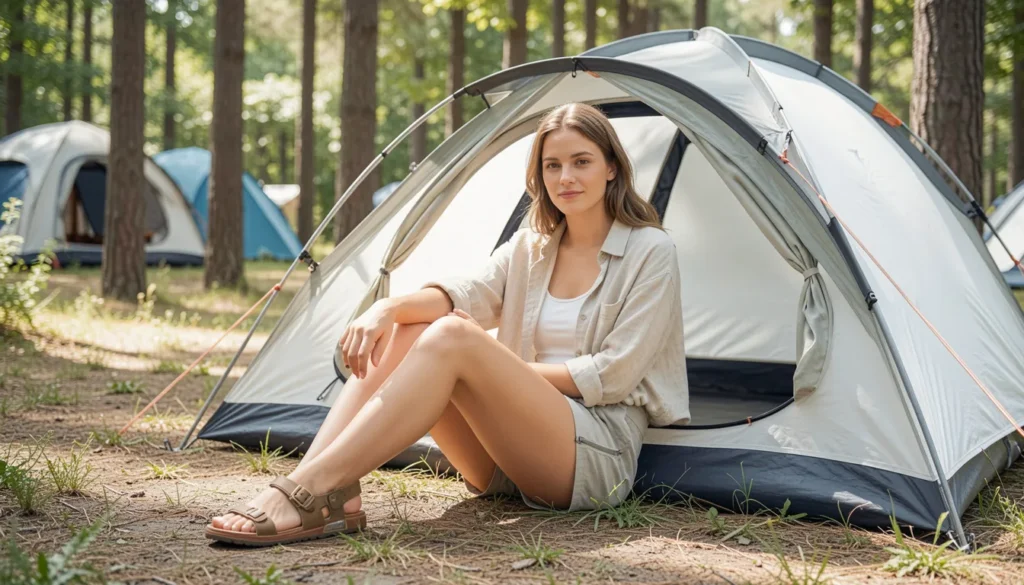
Once the tent is up and the fire is lit, you want to prioritize pure comfort.
- Athletic shorts or leggings: Stretchy, comfortable bottoms allow you to lounge in a camping chair or sit cross-legged on the ground easily.
- Loose-fitting linen shirts: A loose, long-sleeved shirt keeps the bugs off your arms while allowing the evening breeze to cool you down.
- Camp shoes: Slip-on sandals or lightweight outdoor clogs give your feet a break from heavy hiking boots.
Sleeping in a Tent
Summer nights can be surprisingly chilly, or swelteringly hot, depending on your location.
- Lightweight base layers: If the night gets cool, sleep in a thin set of synthetic long underwear.
- Gym shorts and a tank top: For hot nights, simple athletic wear works perfectly.
- Dedicated sleeping socks: Always keep one pair of thick, dry socks exclusively for sleeping to ensure your feet stay warm.
Essential Fabrics for Hot Weather Camping
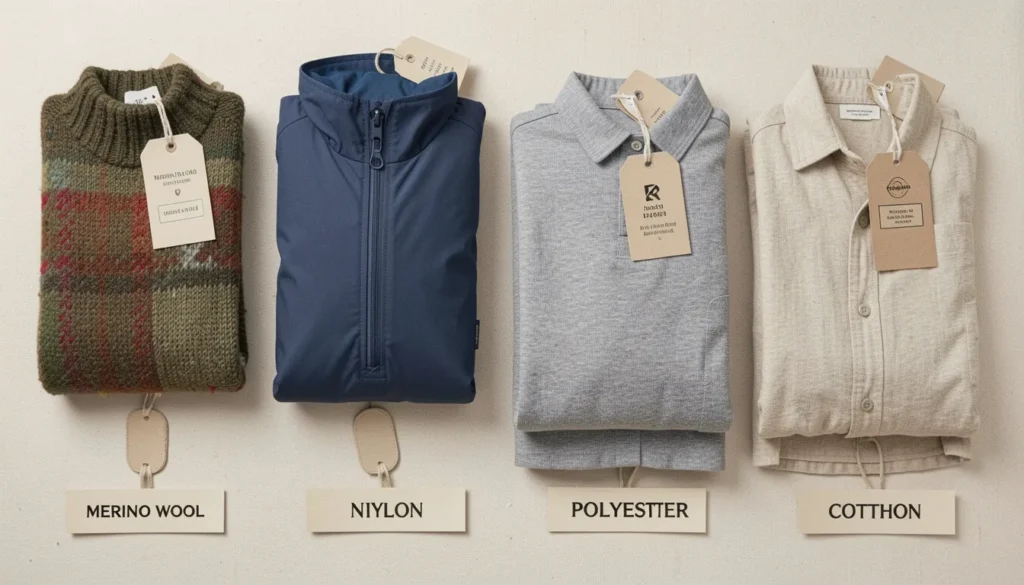
Understanding fabrics helps you make smart packing decisions. Review this table to see which materials work best for summer camping.
| Fabric Type | Breathability | Moisture-Wicking | Best Used For |
| Merino Wool | High | Excellent | Hiking shirts, socks, underwear |
| Nylon | High | Good | Hiking pants, shorts, light jackets |
| Polyester | High | Excellent | Base layers, athletic wear, fleece |
| Cotton | Medium | Poor | Relaxing at camp (never for hiking) |
| Linen | Very High | Poor | Camp lounging, sun protection |
Footwear: Keeping Your Feet Happy on the Trail
Your shoes are arguably the most critical piece of gear you will pack. Sore, blistered feet will end your adventure early.
For summer trips, leave the heavy, waterproof winter boots at home. Instead, look for lightweight trail running shoes or ventilated hiking boots. These options allow air to circulate around your feet, preventing the buildup of heat and moisture. Always break in new shoes weeks before your trip.
Additionally, pack a pair of comfortable camp shoes. After a long day of hiking, taking off your boots and slipping into supportive sandals feels incredible and lets your feet breathe.
Must-Have Accessories for Summer Camping
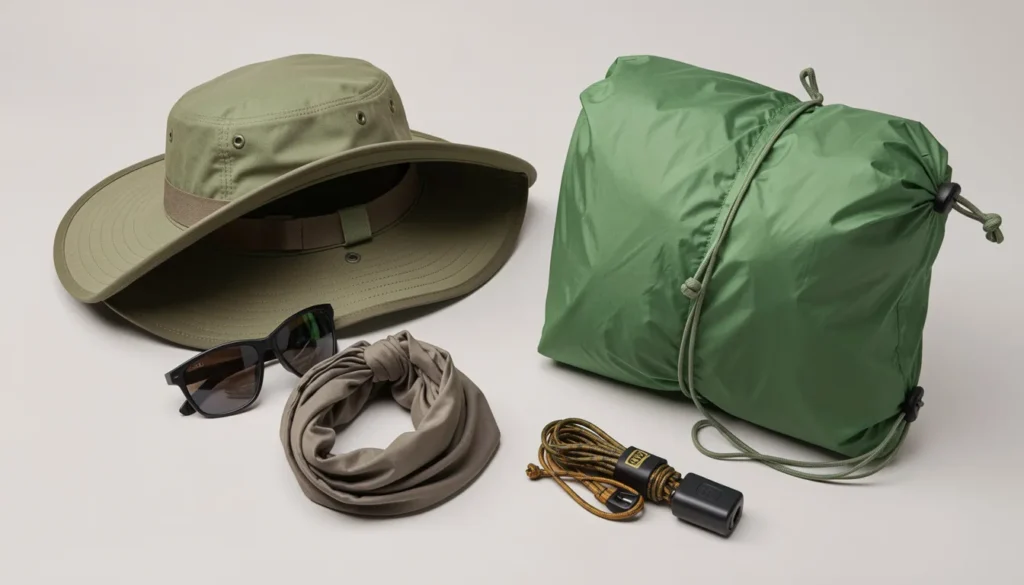
Accessories complete your outdoor outfit and provide necessary protection against the sun and bugs.
- Wide-brimmed hats: A good hat protects your face, ears, and neck from intense UV rays.
- Polarized sunglasses: Reduce glare off lakes and rivers while protecting your eyes.
- Lightweight buff or bandana: Dip a bandana in a cold stream and tie it around your neck for instant heat relief.
- Rain poncho or lightweight shell: Summer thunderstorms happen fast. Always keep a waterproof layer accessible.
Conclusion
Building your outdoor wardrobe does not have to be complicated. By utilizing these summer camping outfit ideas, you can stay cool, comfortable, and protected from the elements. Remember to prioritize moisture-wicking fabrics, pack smart layers for cooler evenings, and invest in comfortable, breathable footwear. With the right clothing packed, you can focus entirely on enjoying nature and making incredible memories around the campfire.
Frequently Asked Questions (FAQs)
Is it okay to wear cotton while camping?
Cotton absorbs moisture and dries very slowly. While it is fine to wear cotton when lounging at the campsite, you should never wear it while hiking or doing strenuous activities, as wet cotton causes chafing and cools you down too rapidly.
What should I wear to avoid mosquito bites?
Wear loose-fitting, long-sleeved shirts and long pants. Mosquitoes can bite through tight clothing like leggings. You can also buy clothing pre-treated with permethrin, a highly effective insect repellent.
Are jeans good for camping?
Jeans are generally a poor choice for summer camping. Denim is heavy, restricts movement, provides no breathability, and takes a very long time to dry if it gets wet.
Do I need a jacket for summer camping?
Yes. Temperatures can drop dramatically at night, especially in the mountains or the desert. Always pack a lightweight fleece mid-layer and a waterproof rain jacket.
How many pairs of socks should I bring?
Bring at least one pair for every day of your trip, plus one extra pair designated purely for sleeping. Keeping your feet dry is vital for outdoor comfort.
Can I wear sandals hiking?
Unless you have specialized hiking sandals with thick soles and secure straps, stick to closed-toe shoes on the trail. Regular flip-flops offer no support and leave your toes vulnerable to rocks and roots.